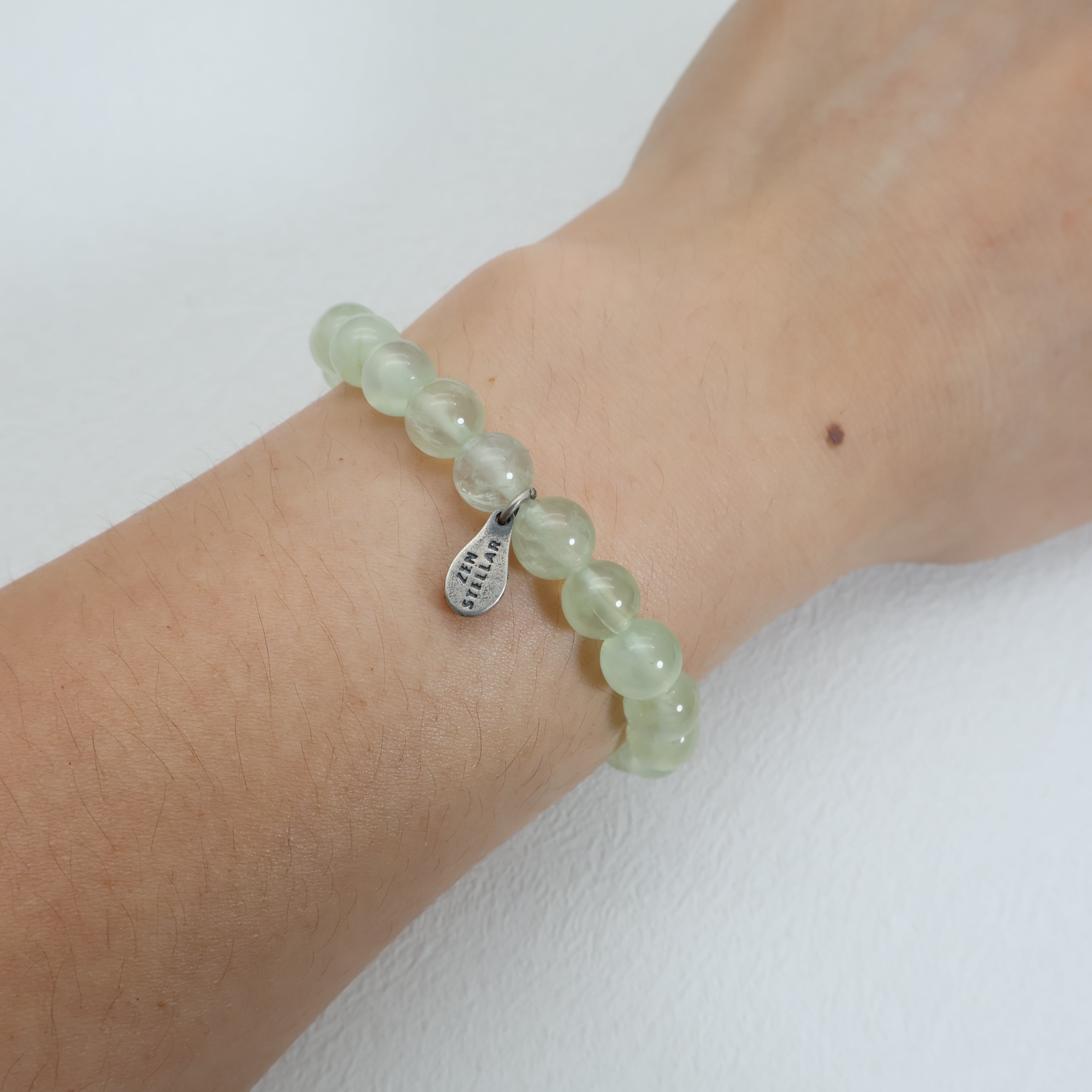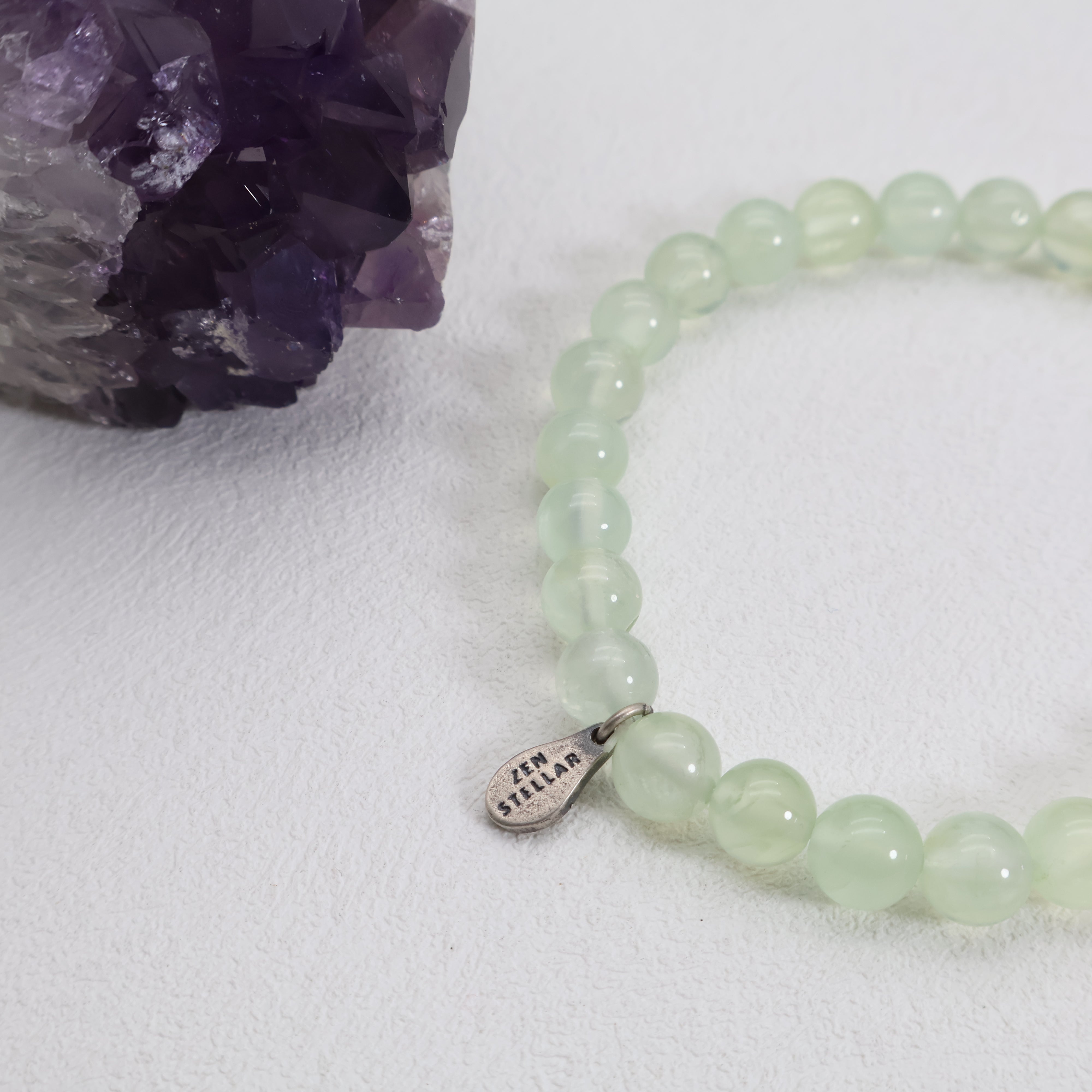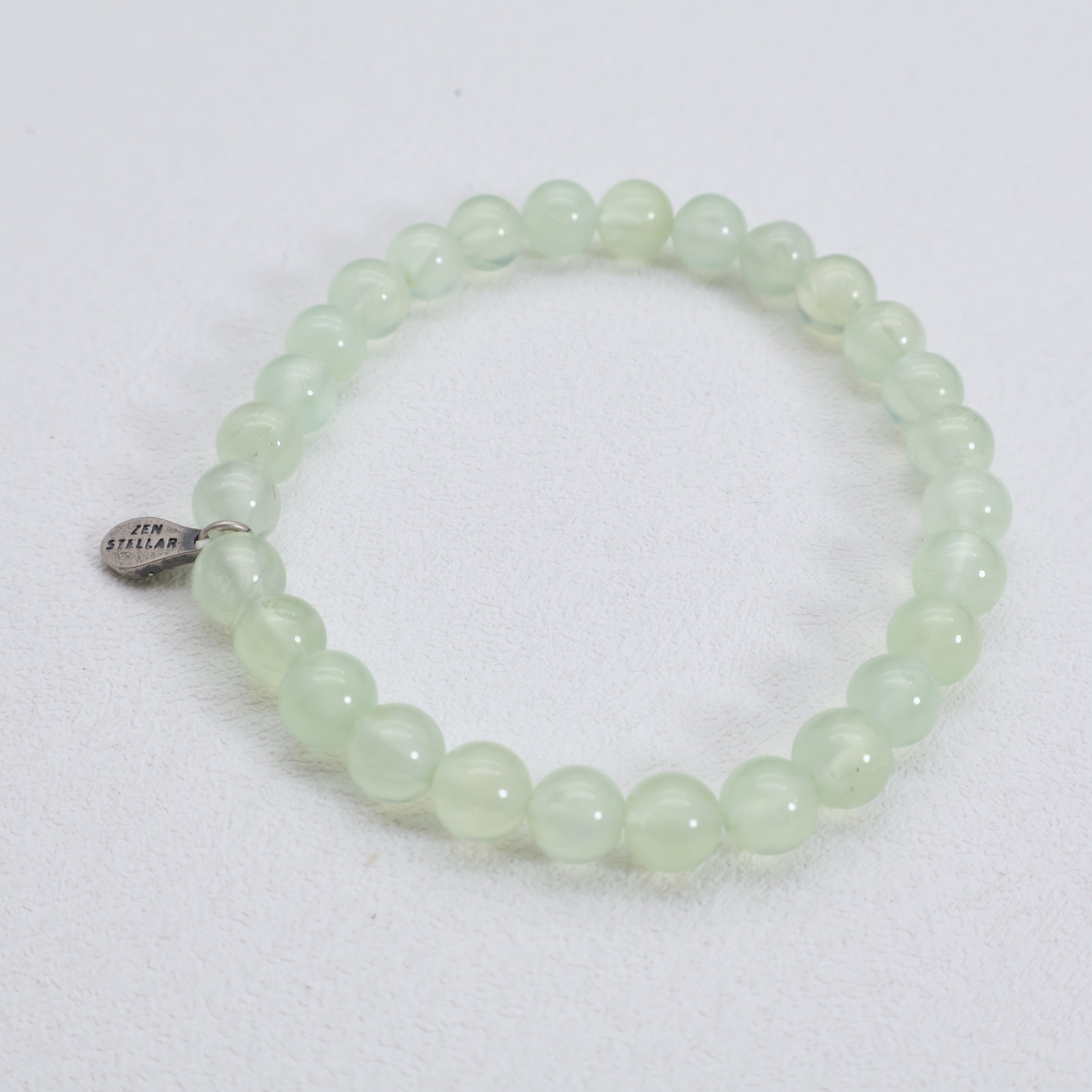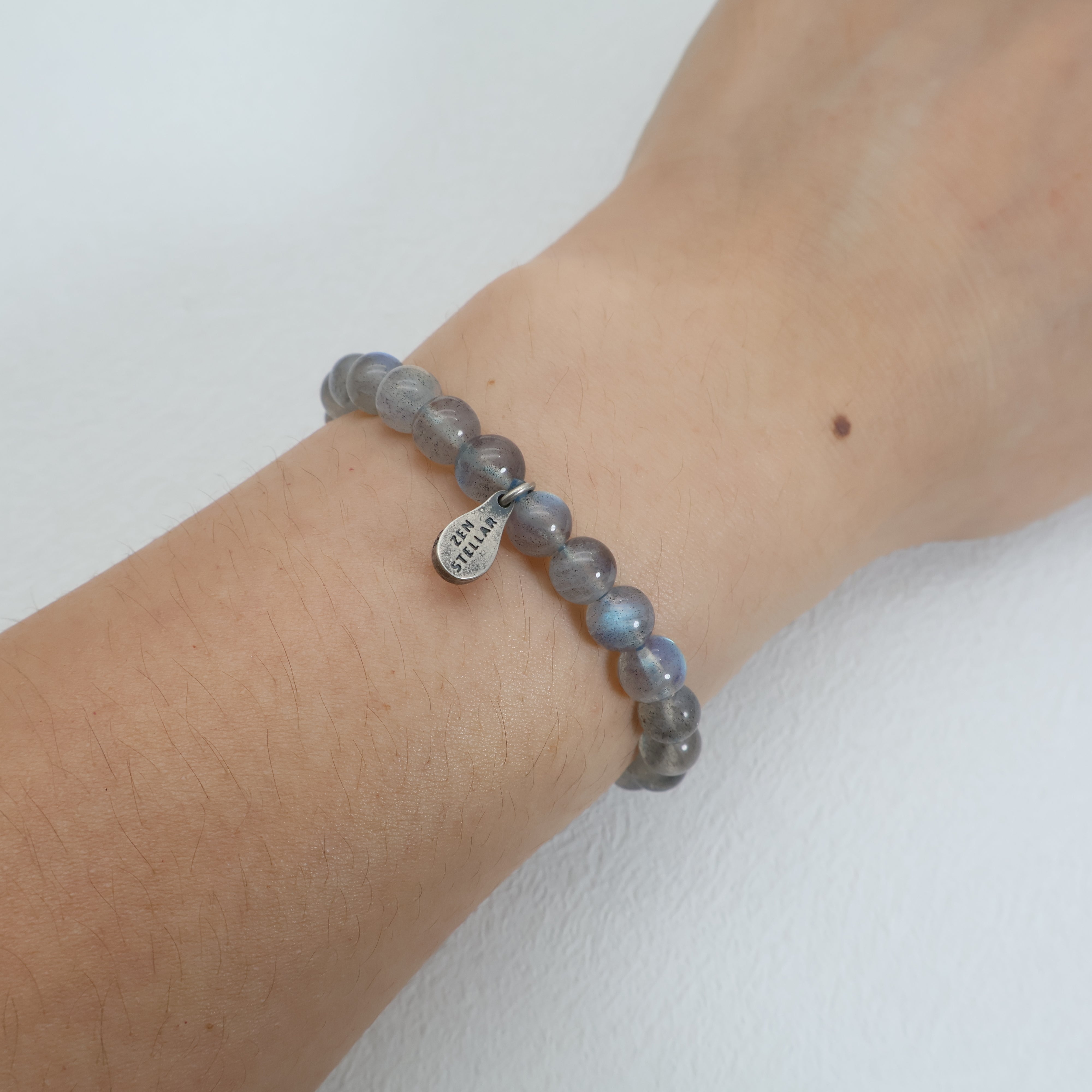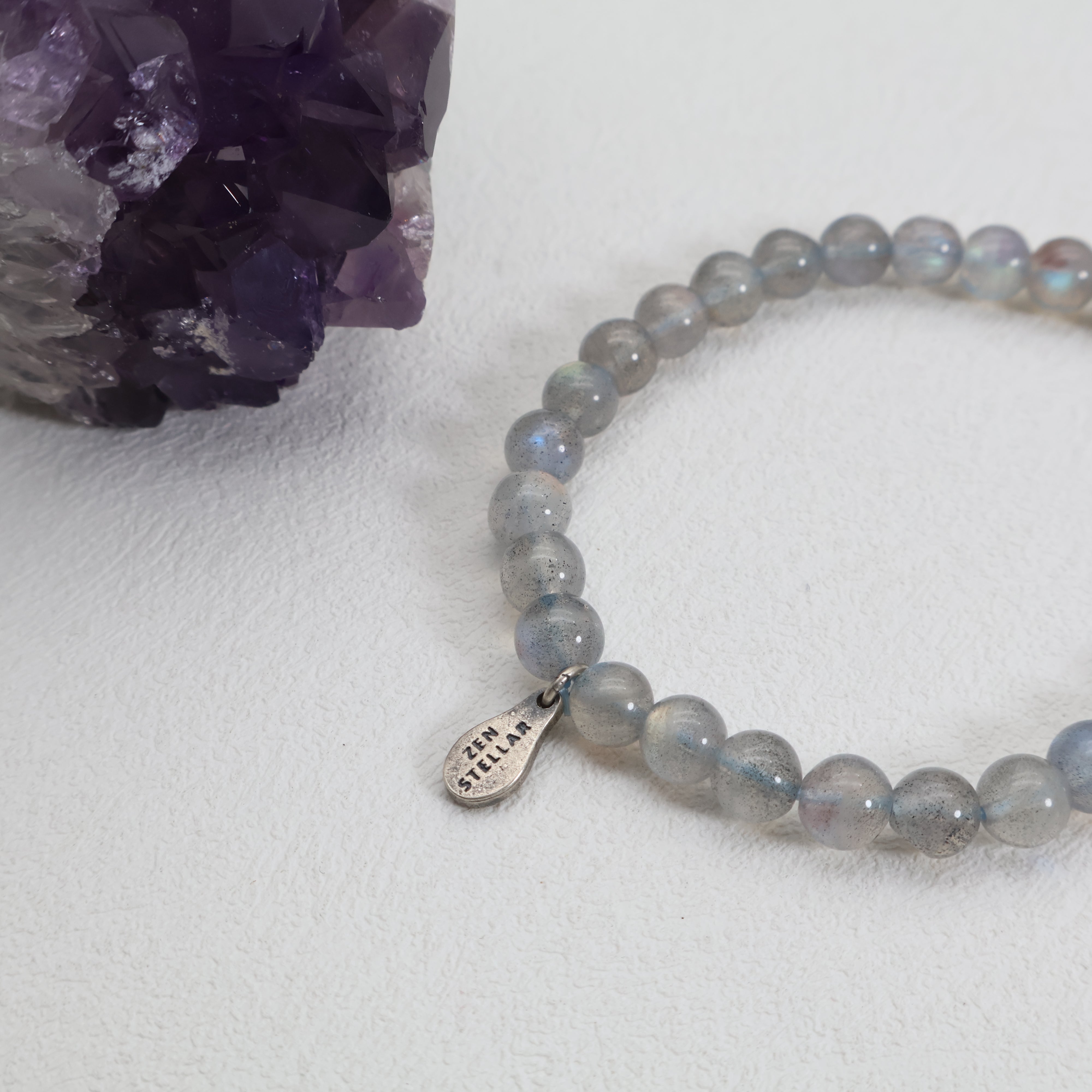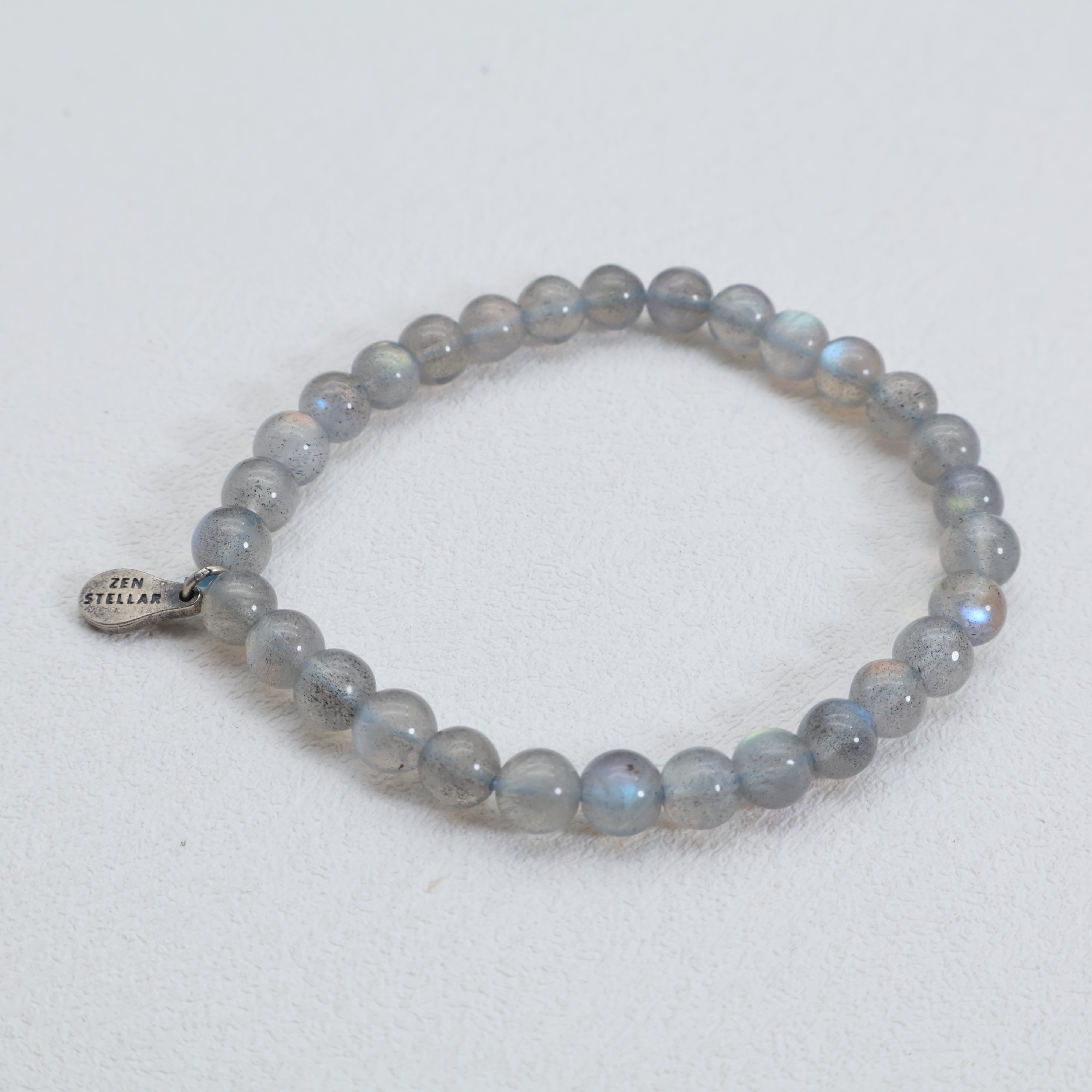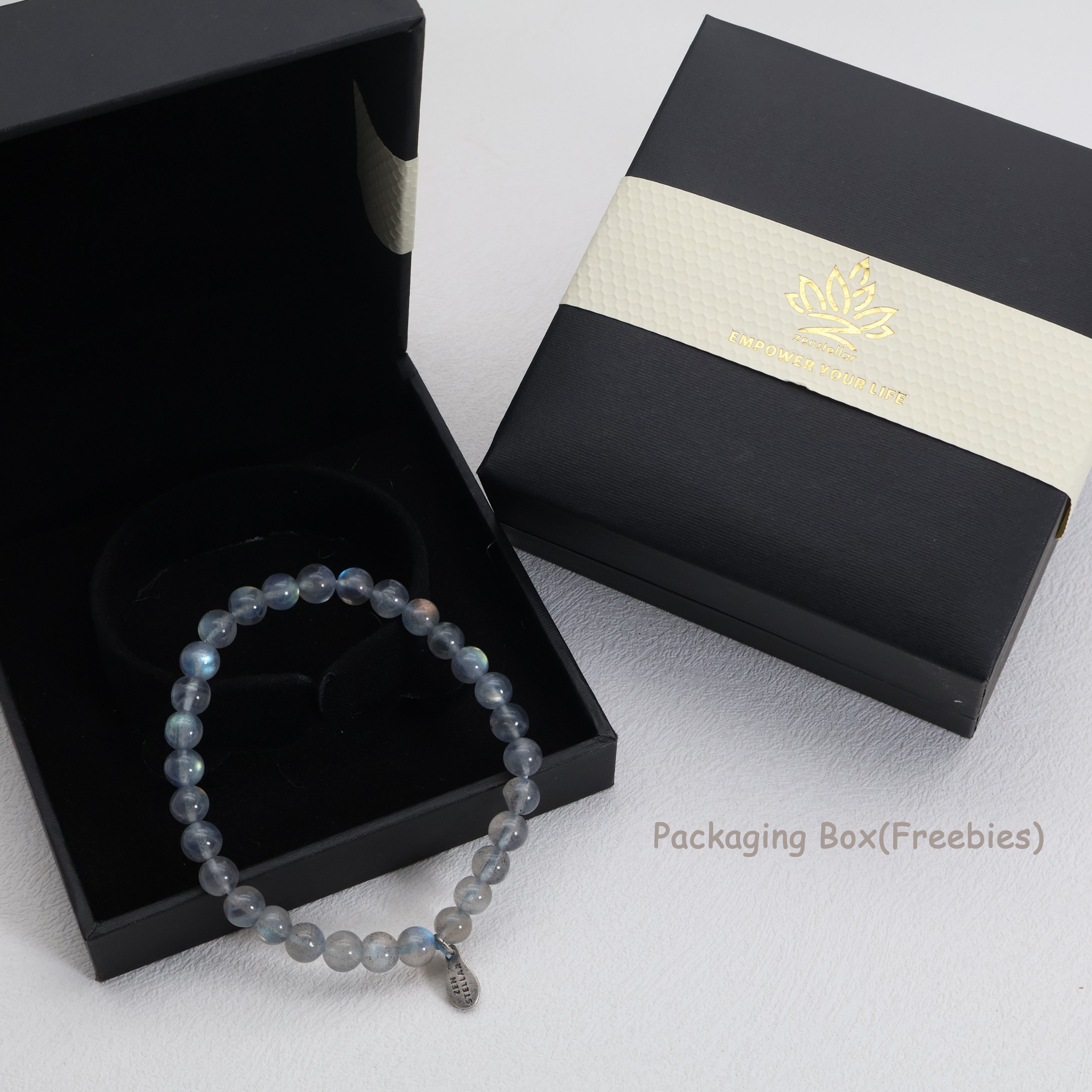








Introduction
Some stones are chosen for calm.
Others are chosen for clarity of thought.
Lapis Lazuli belongs to the second kind.
Its deep blue color carries a quiet sense of depth and dignity. In daily life, where ideas move quickly and communication can easily become rushed, this kind of presence feels grounding.
Many people wear Lapis Lazuli not to appear knowledgeable, but to remain thoughtful. It supports clear thinking and honest expression within everyday conversations and decisions.
This article explores what Lapis Lazuli is, how it has been understood across cultures, and why it continues to be worn as part of daily life.
What Is Lapis Lazuli
Lapis Lazuli is a deep blue metamorphic rock composed mainly of the mineral lazurite, along with small inclusions of calcite and pyrite.
These natural elements create its distinctive appearance. The intense blue base often contains tiny golden flecks of pyrite, which resemble small points of light against the darker surface.
Lapis Lazuli has been mined for thousands of years, particularly in regions such as Afghanistan, where some of the most well-known deposits exist.
From a material perspective, Lapis Lazuli is well suited for jewelry and everyday adornment, offering both durability and a distinctive visual presence.

A Brief Cultural Perspective
Lapis Lazuli has one of the longest cultural histories among decorative stones.
In ancient civilizations, it was associated with knowledge, authority, and spiritual insight. It appeared in royal ornaments, carved objects, and ceremonial pieces.
The stone’s deep blue color was often linked to the sky and to ideas of higher understanding. Rather than representing power alone, it symbolized wisdom and thoughtful leadership.
This cultural association continues to influence how people interpret Lapis Lazuli today.
Why Lapis Lazuli Is Associated With Wisdom
Modern life often demands quick reactions and constant communication.
Yet many people seek something different: the ability to pause, think clearly, and express themselves thoughtfully.
Lapis Lazuli is commonly associated with wisdom because it represents depth rather than speed. People often describe wearing the stone as a reminder to speak with intention and to listen carefully.
The stone does not provide answers. It encourages reflection before response.

The Role of Color and Visual Depth
Color influences how objects are perceived emotionally.
Deep blue tones are often associated with stability, knowledge, and calm focus. They carry a sense of quiet authority rather than excitement.
When worn close to the body, Lapis Lazuli introduces a sense of depth into everyday experience. Its dark blue surface invites attention without demanding it.
This quality makes it suitable for both professional and personal environments.
Why People Choose Lapis Lazuli for Daily Wear
Lapis Lazuli is often chosen during periods when thoughtful communication matters.
People wear it:
During work that involves speaking or teaching
In moments that require clear thinking
As part of reflective daily routines
When they want to approach conversations with calm and honesty
Its distinctive appearance also allows it to stand out subtly while remaining refined.

Lapis Lazuli and Honest Expression
One of the most meaningful modern interpretations of Lapis Lazuli is its connection to truthful expression.
Rather than encouraging more communication, it encourages more meaningful communication.
For many people, wearing Lapis Lazuli becomes a reminder to speak authentically and to stay aligned with their own understanding.
This makes it especially appealing in environments where clear communication is essential.
Wearing Lapis Lazuli as a Personal Ritual
Some people turn wearing Lapis Lazuli into a daily ritual of focus.
Putting it on in the morning as a reminder to approach the day thoughtfully. Touching it during moments that require clarity. Removing it at night as a way to reflect on the day’s conversations and decisions.
These small gestures help cultivate awareness and intention.
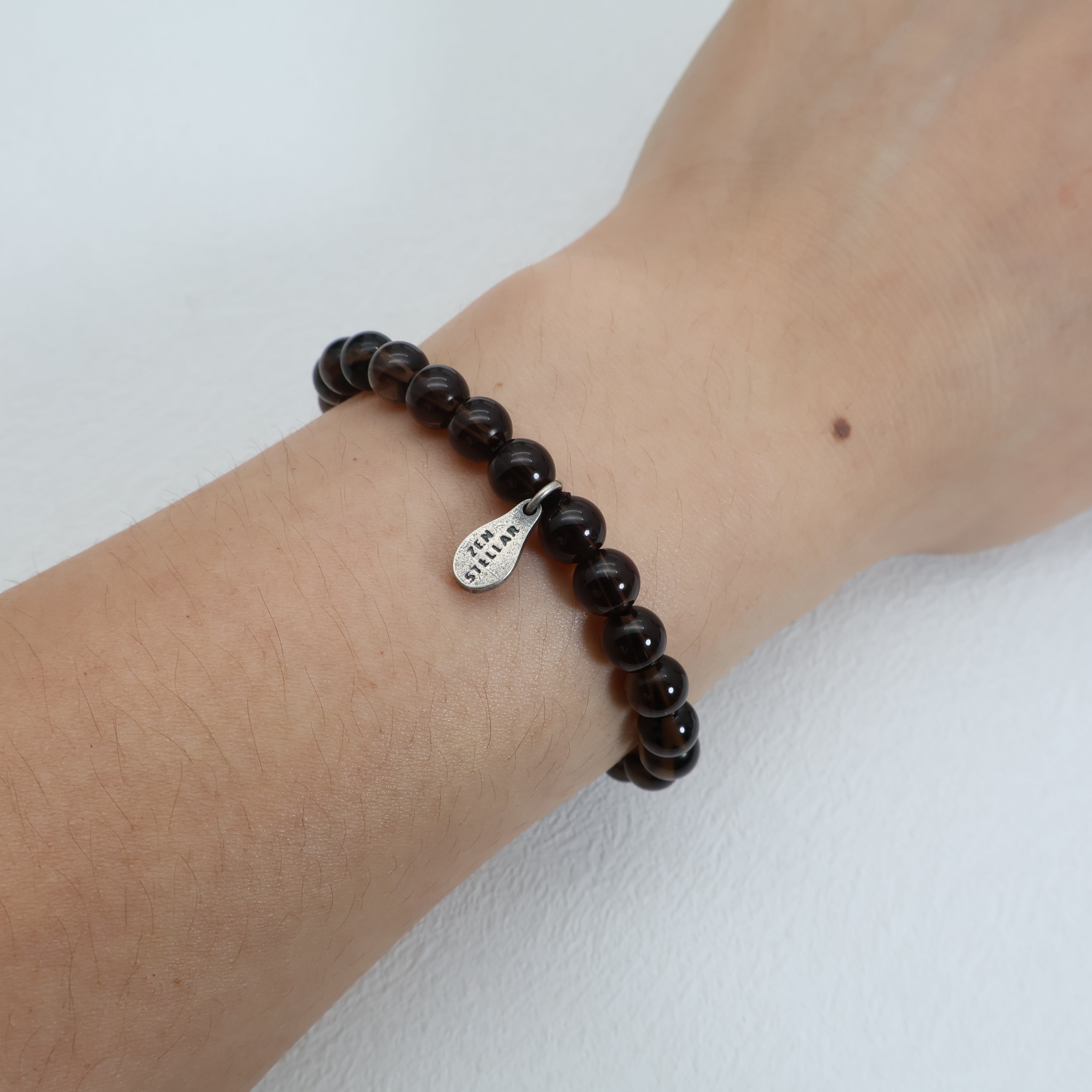
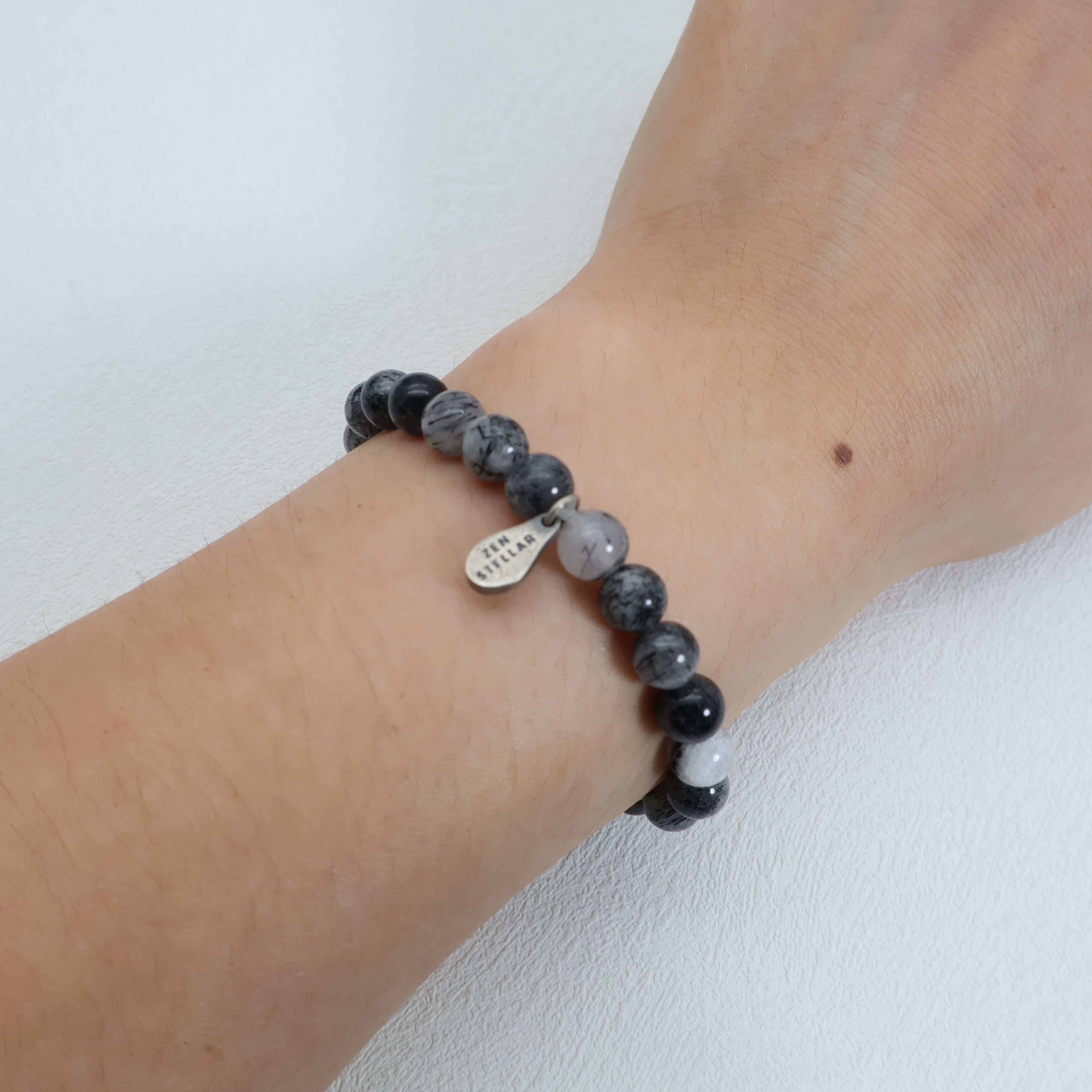
Over time, the bracelet becomes part of a mindful daily rhythm.

Gifting Lapis Lazuli
Lapis Lazuli is often chosen as a gift during moments connected with learning or leadership.
It suggests respect and encouragement rather than instruction.
People give Lapis Lazuli bracelets during occasions such as:
Academic achievements
Career milestones
Creative pursuits
Moments of personal development
The stone carries a message of trust in the recipient’s insight and potential.
Choosing a Lapis Lazuli Bracelet
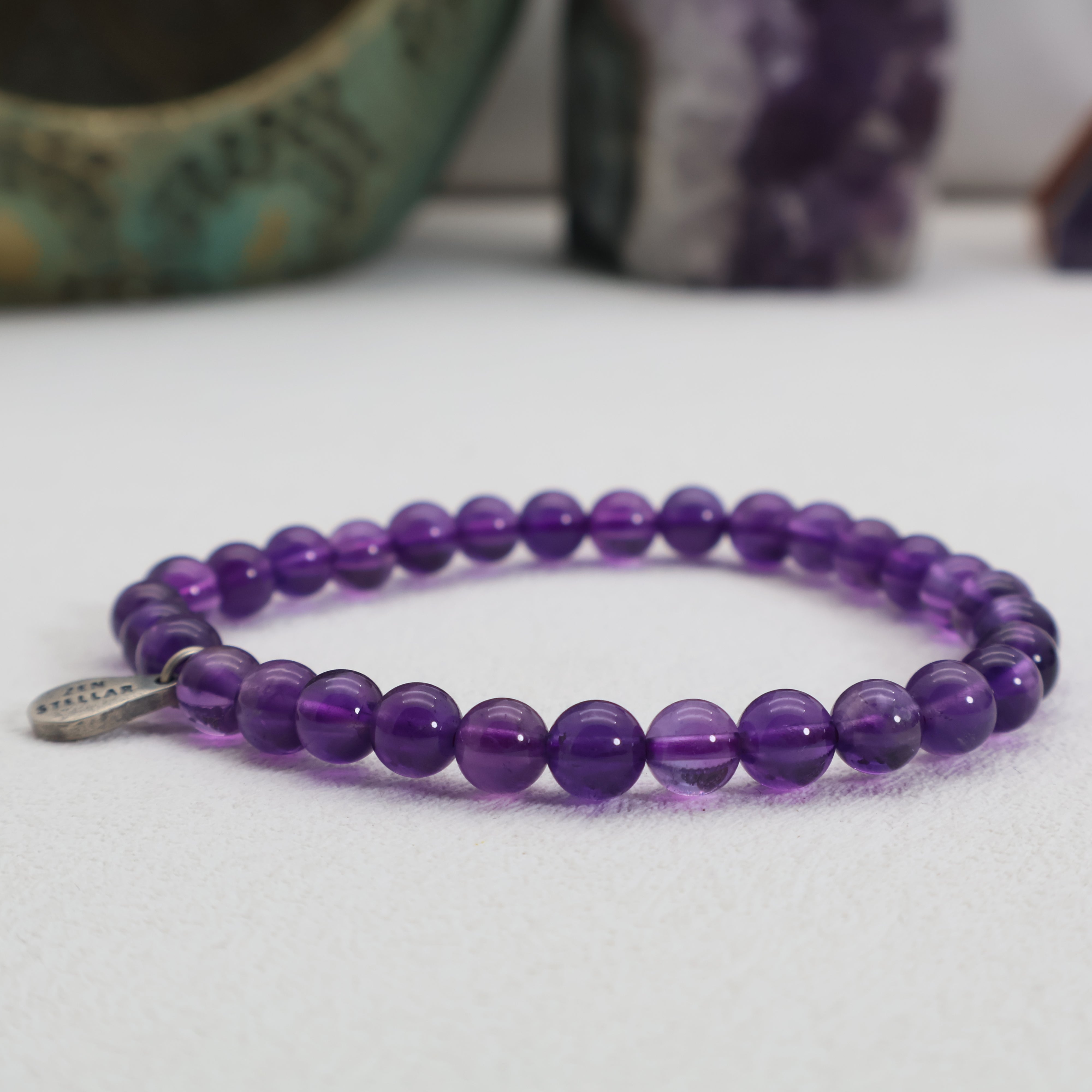
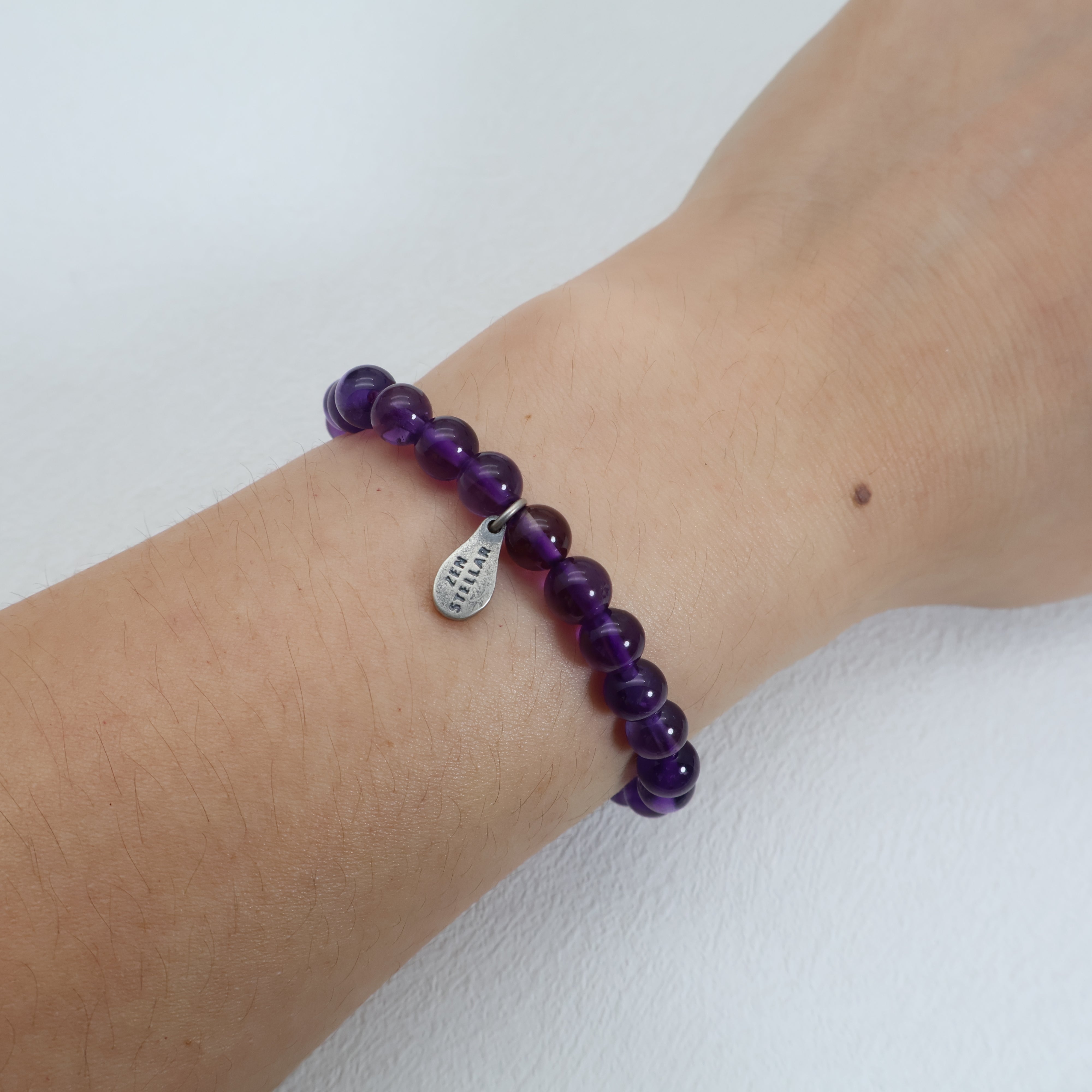
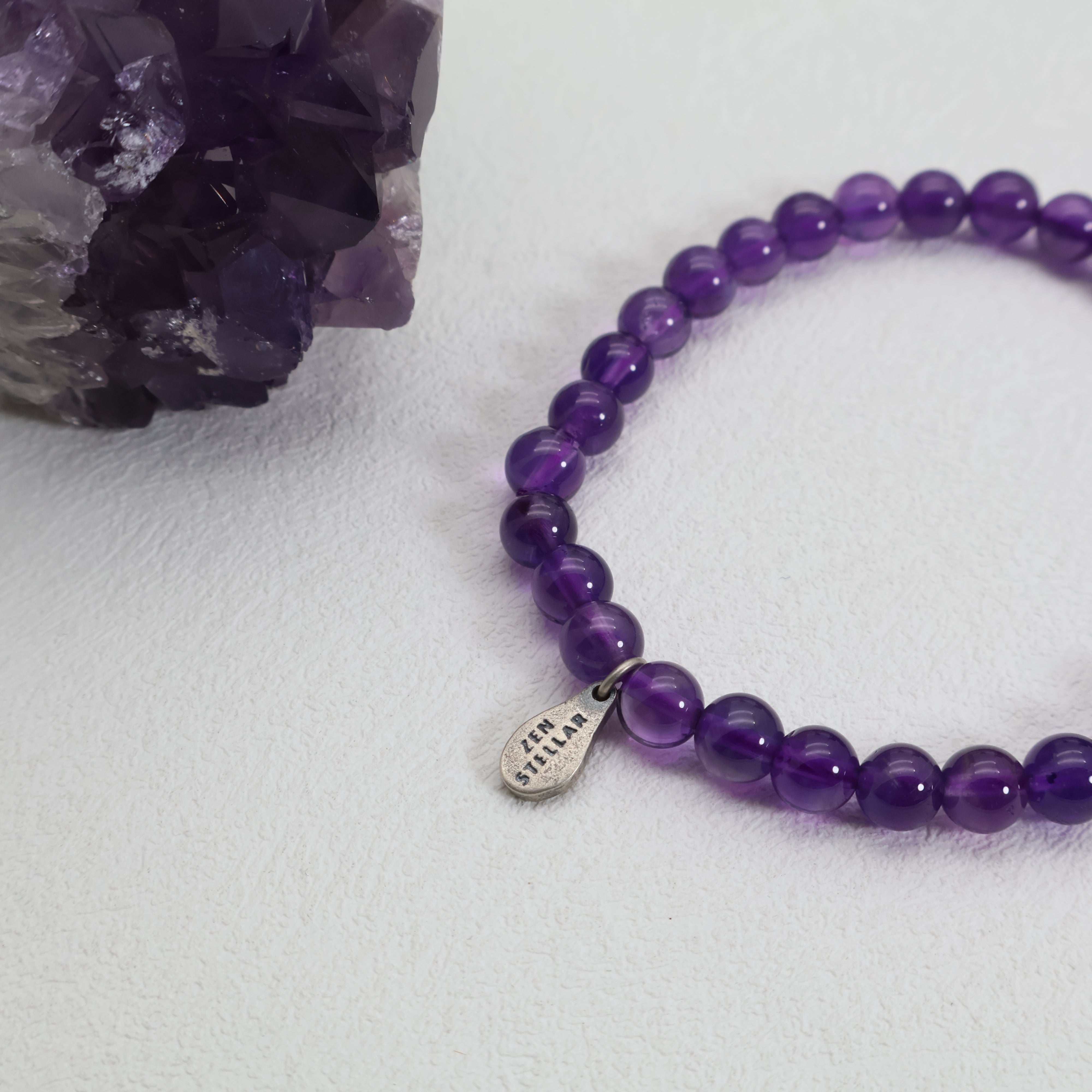
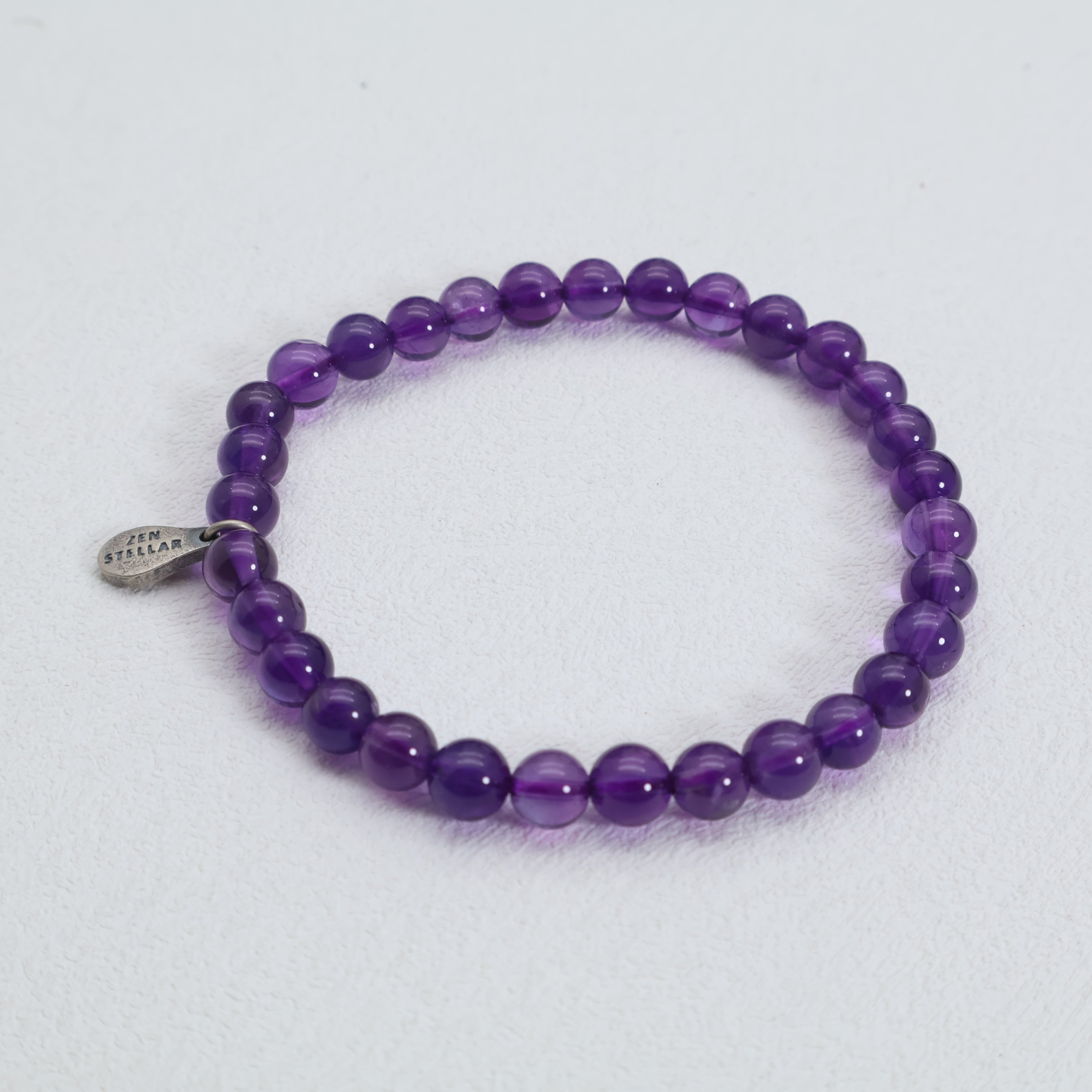
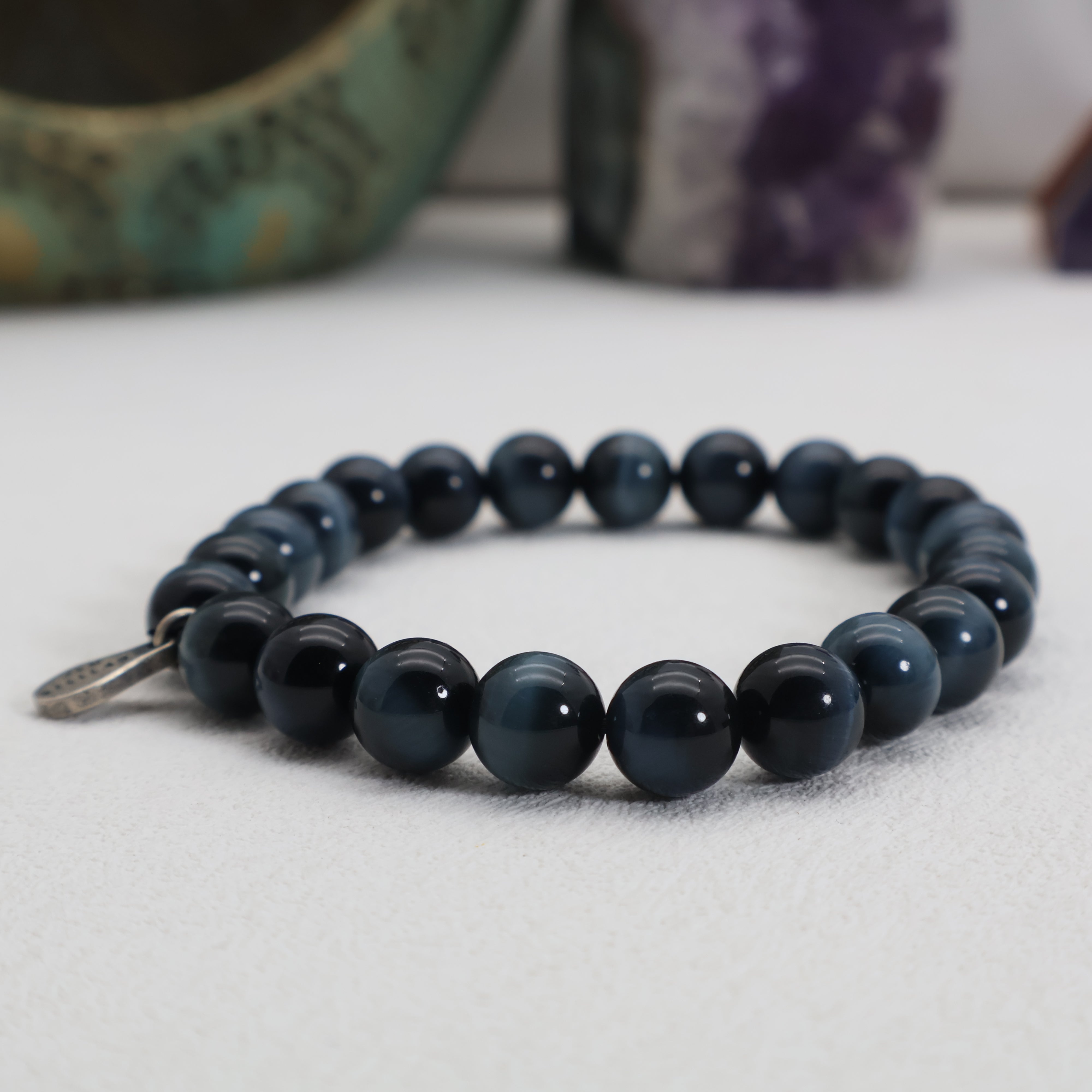
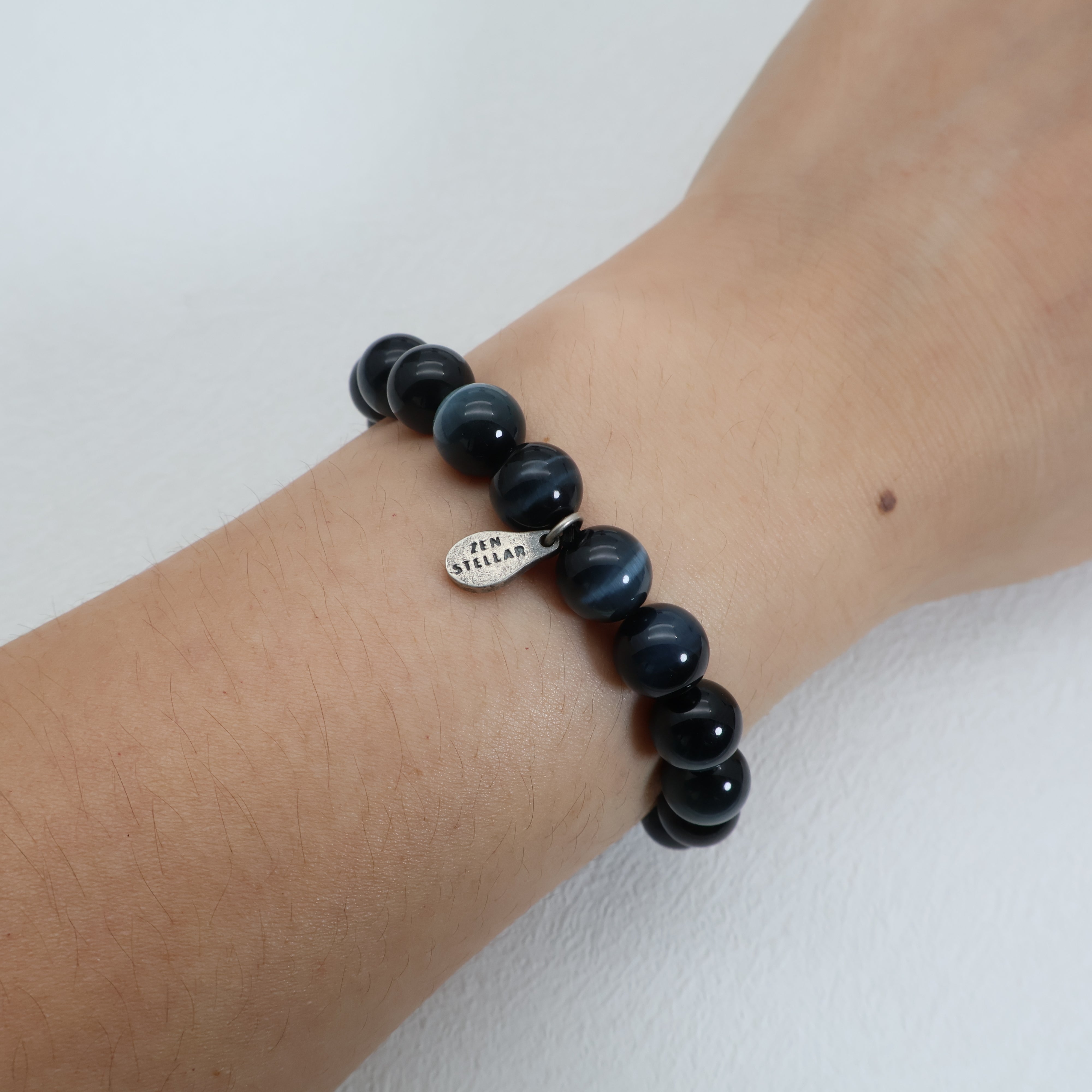
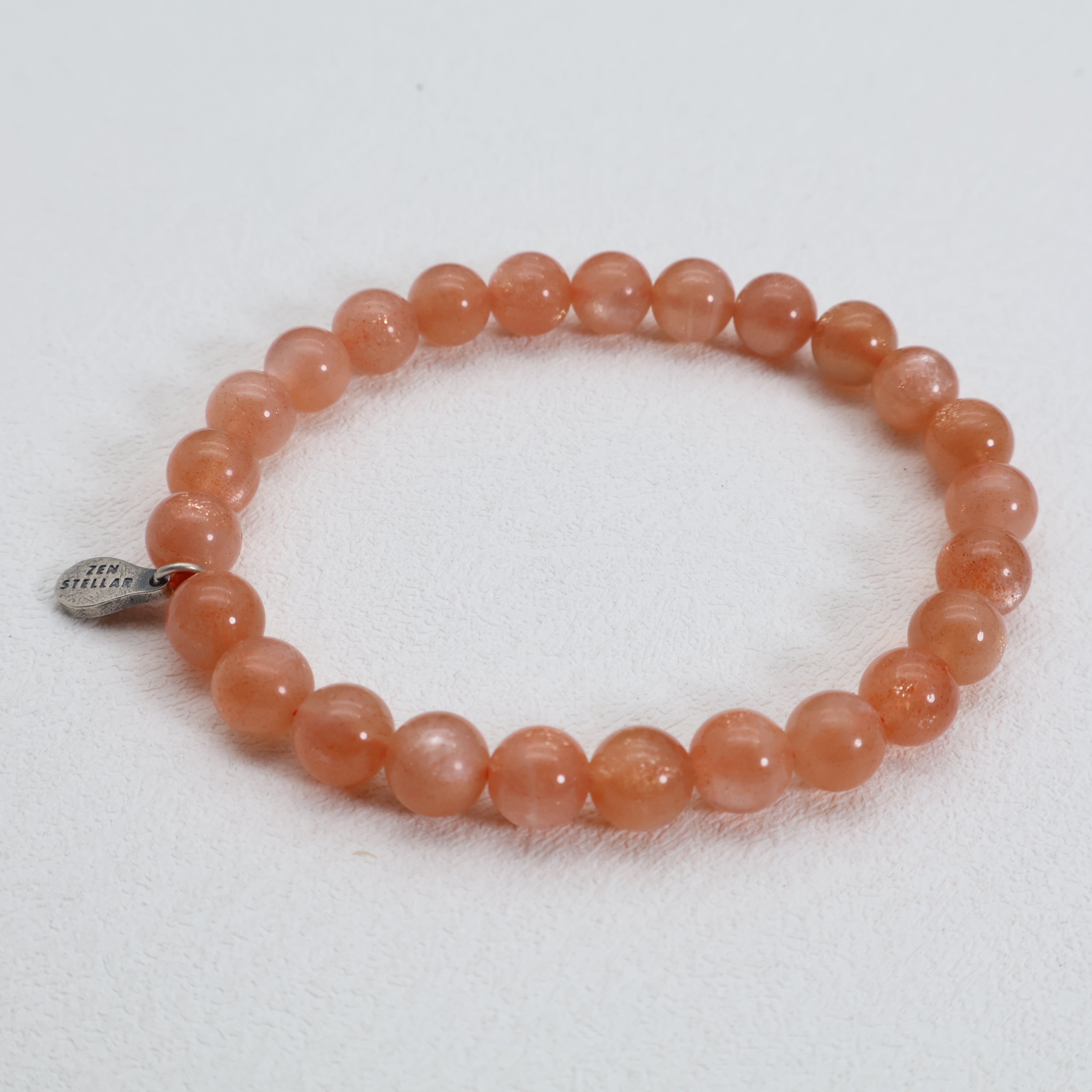
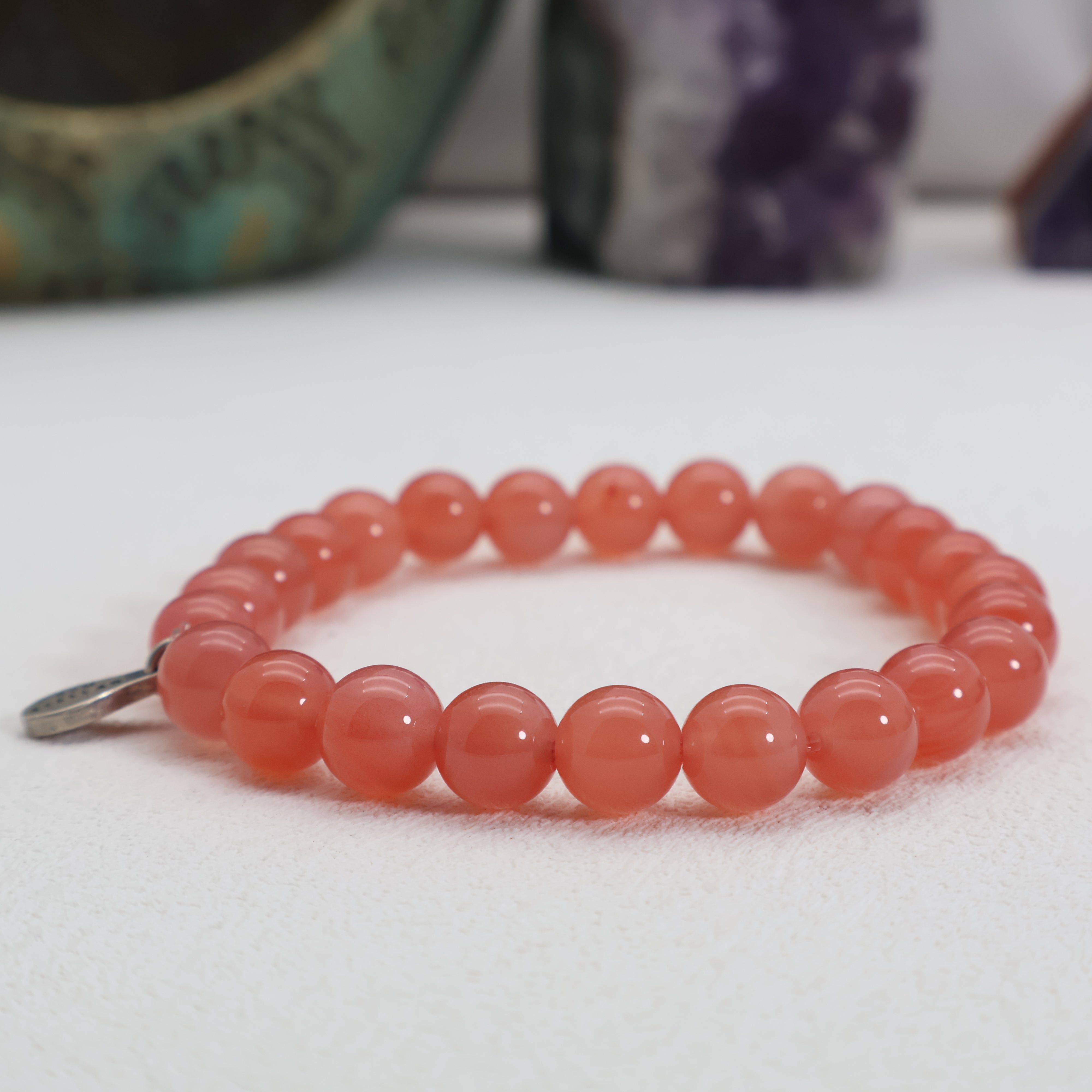
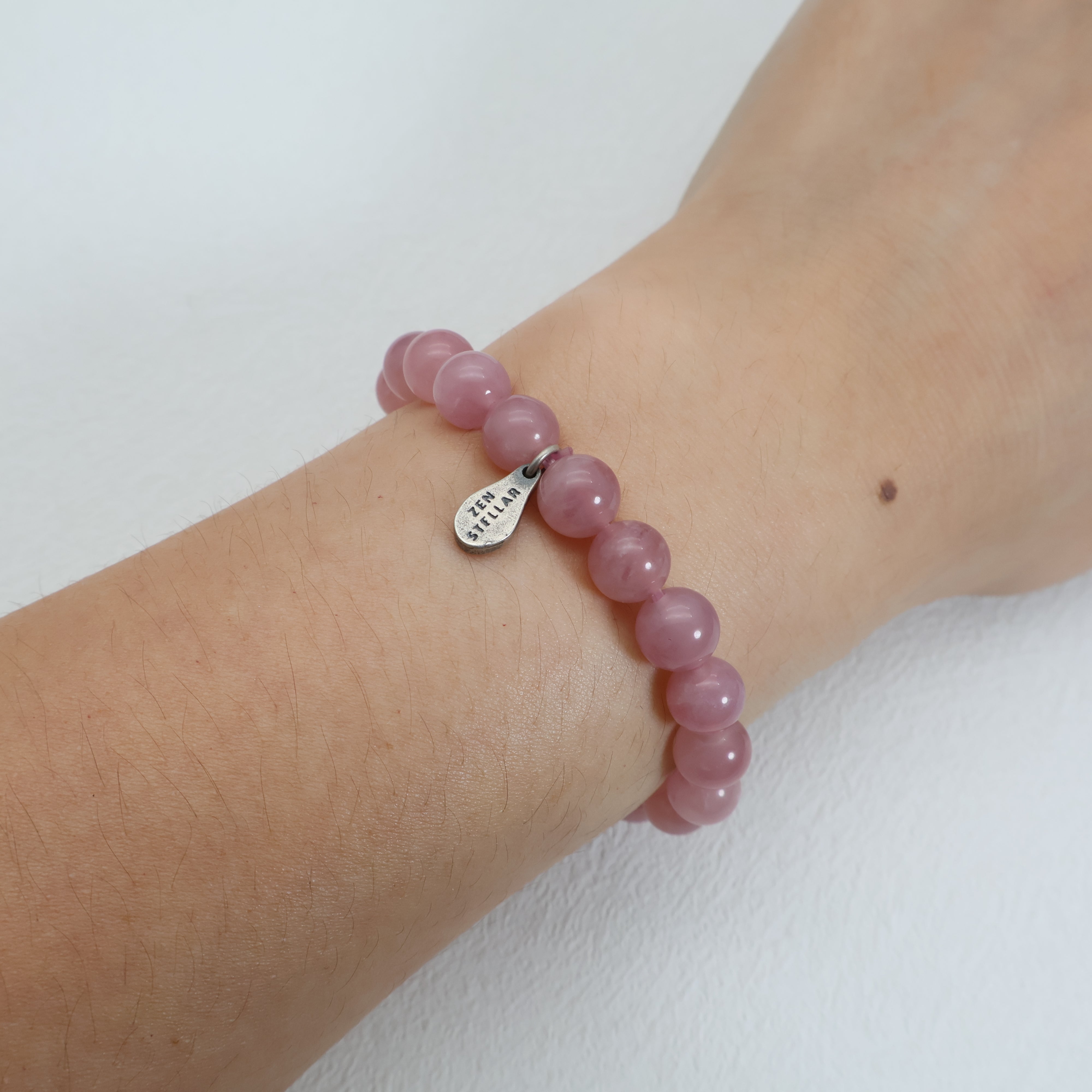
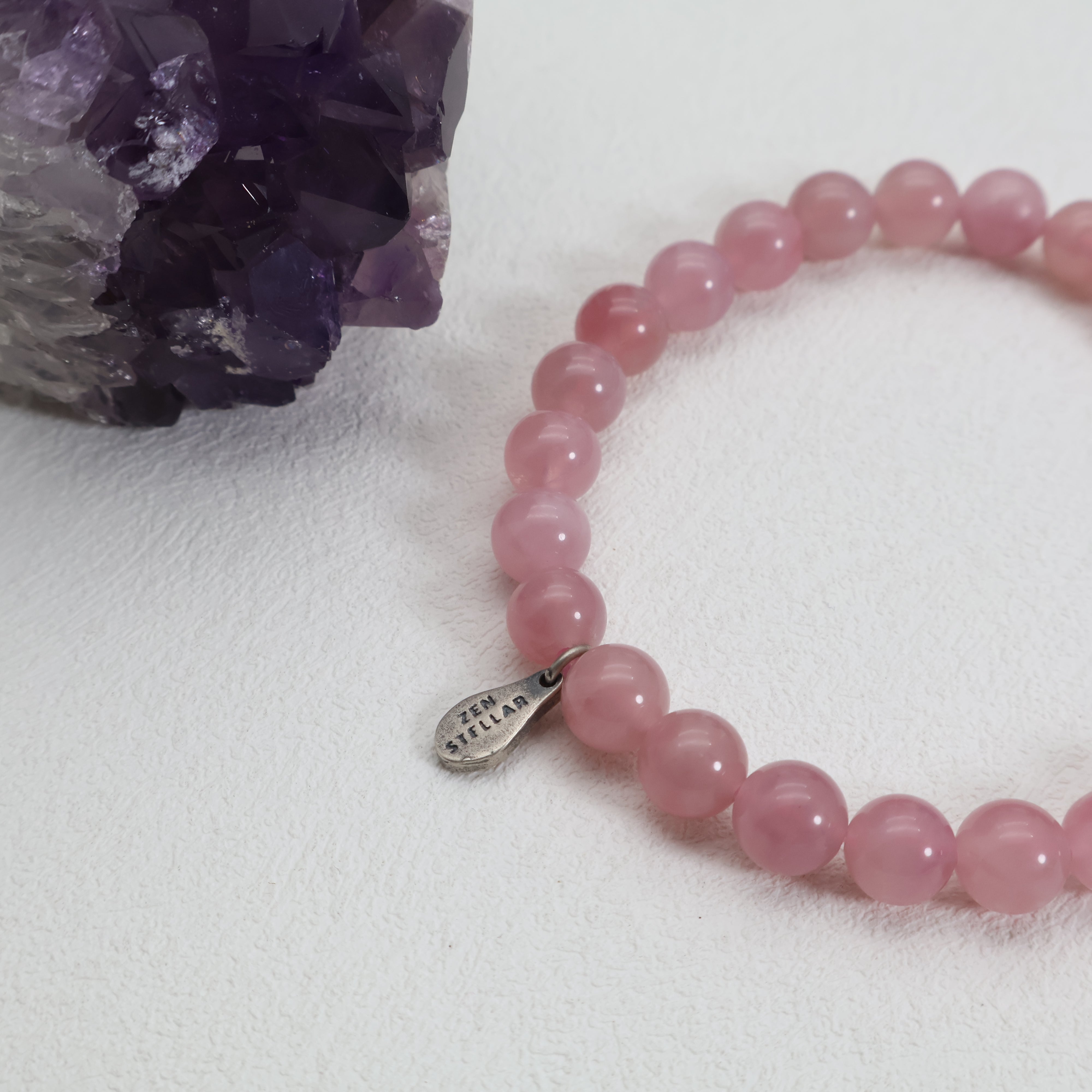
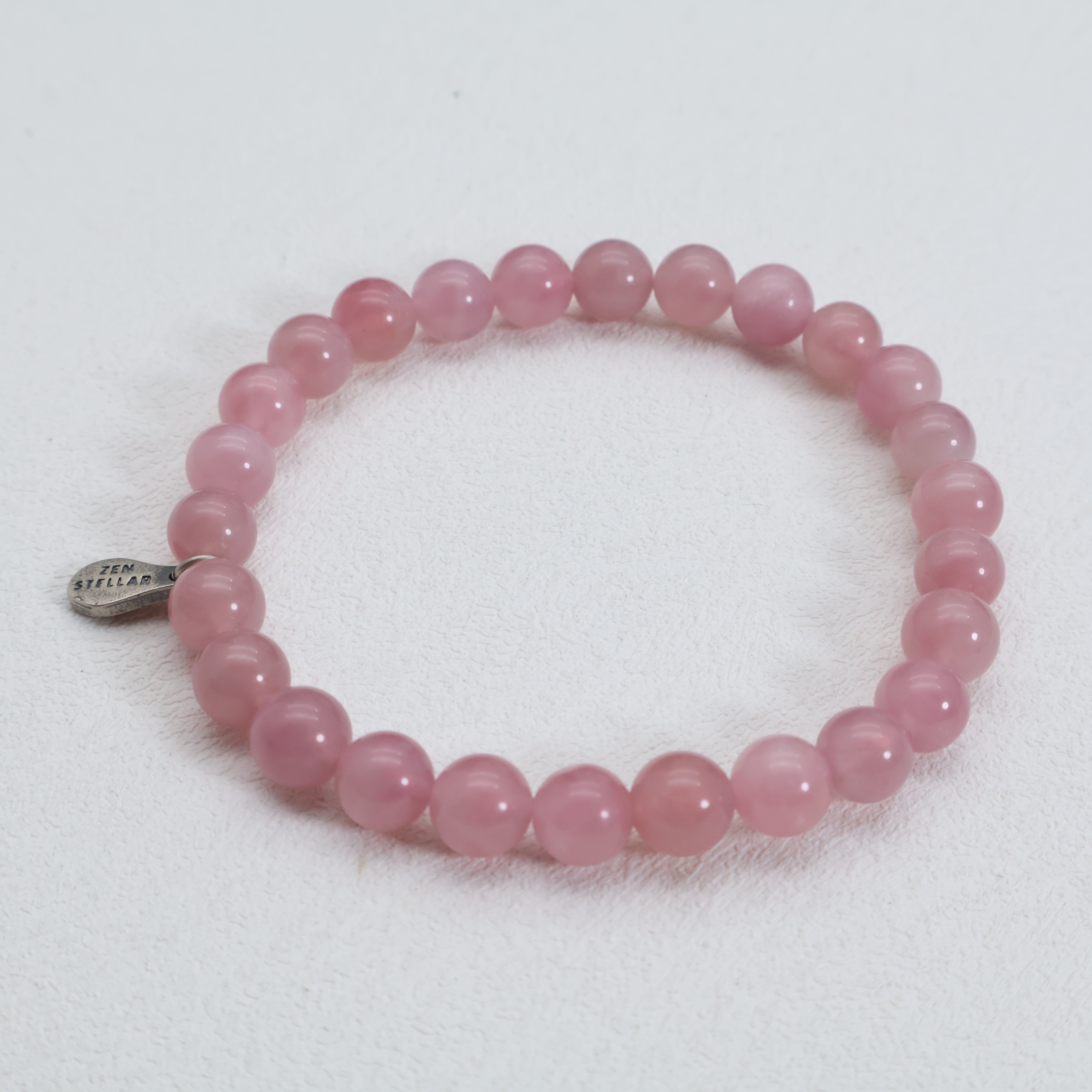
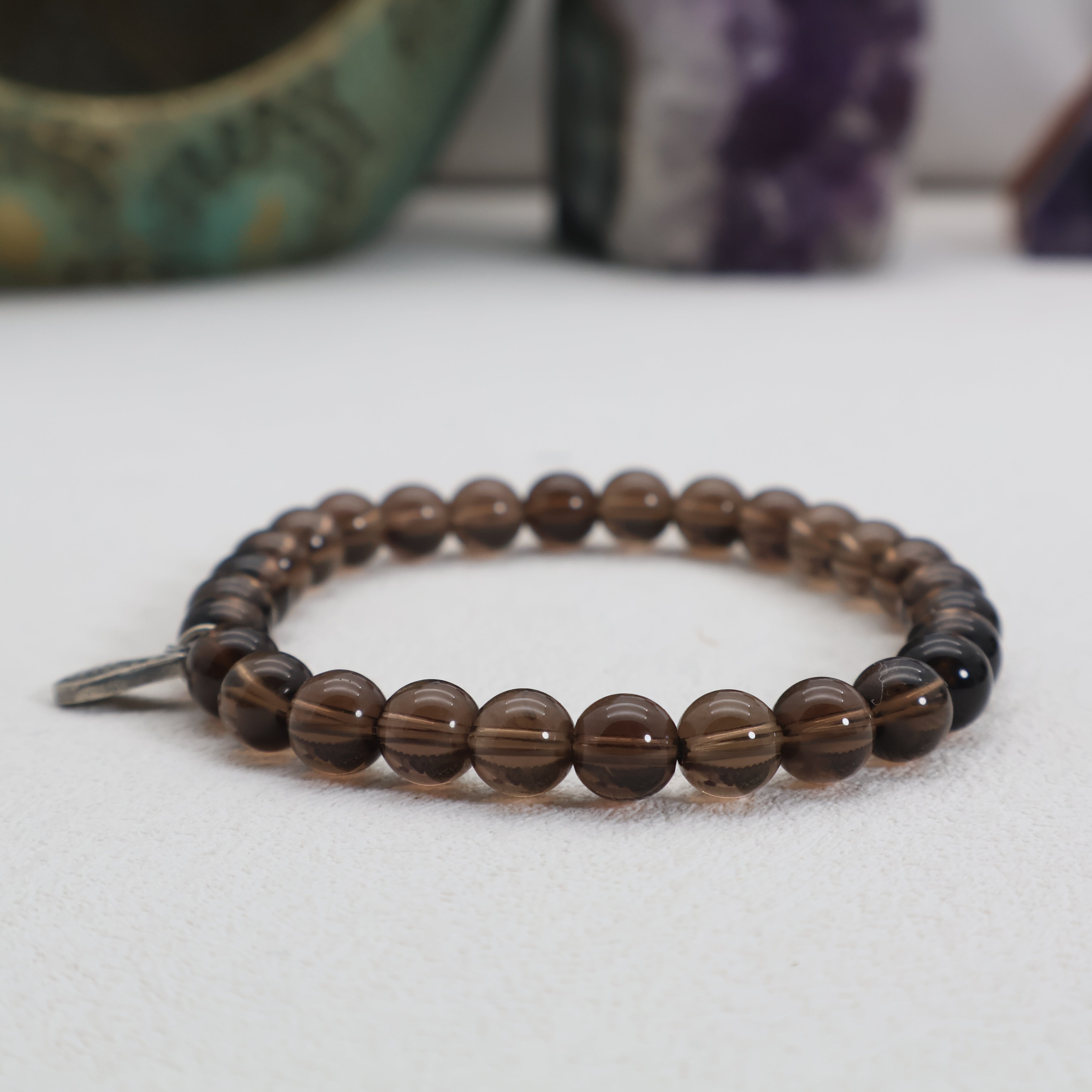
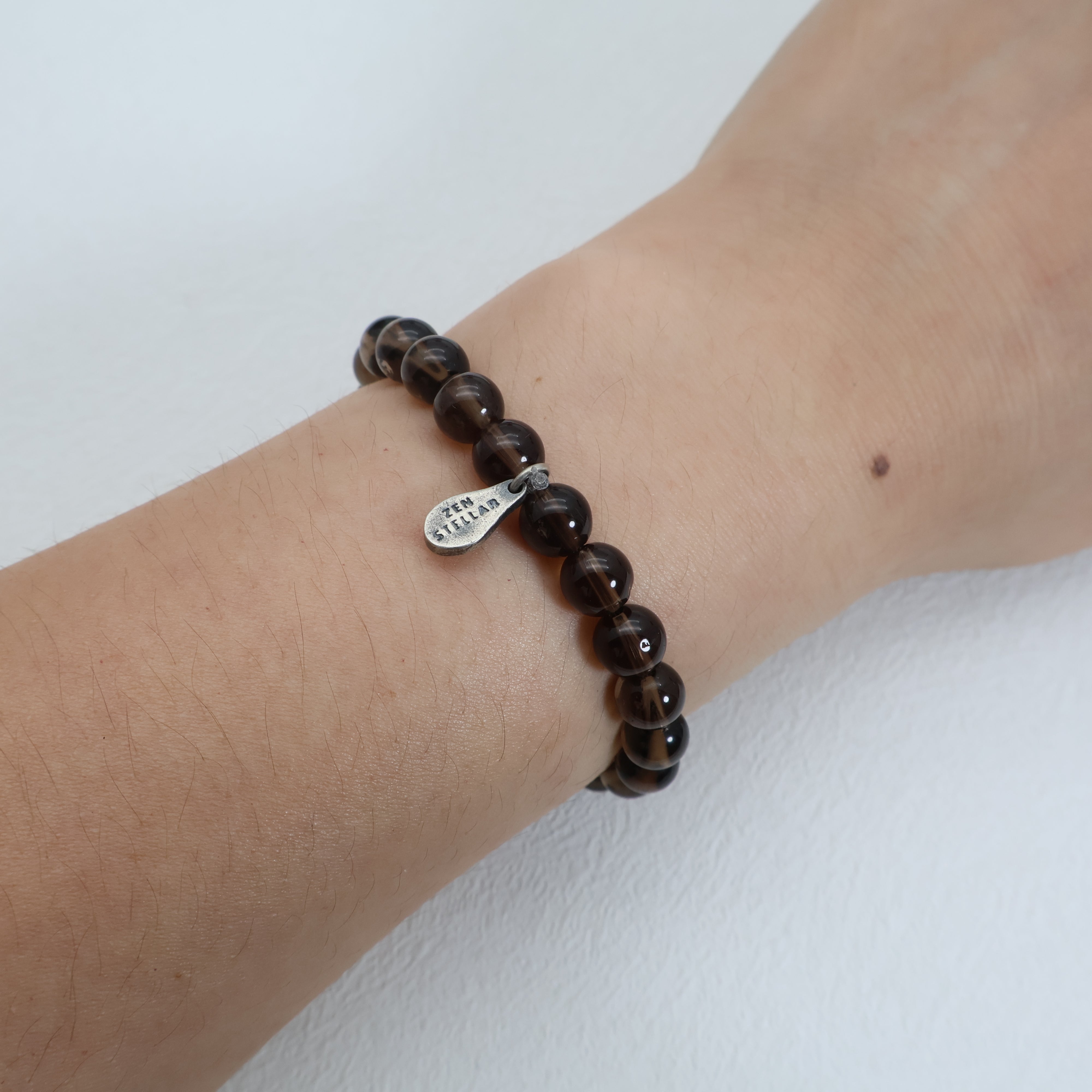
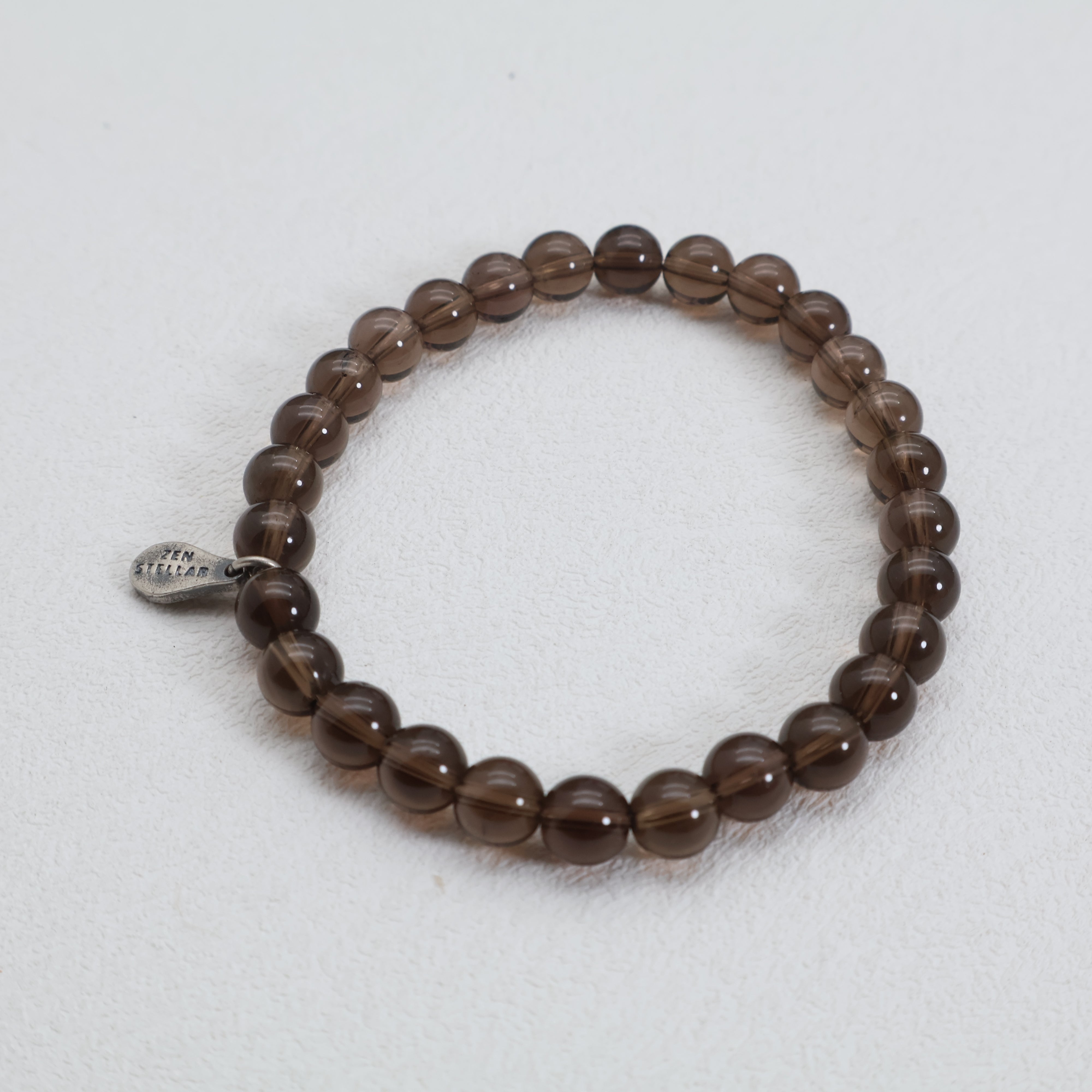
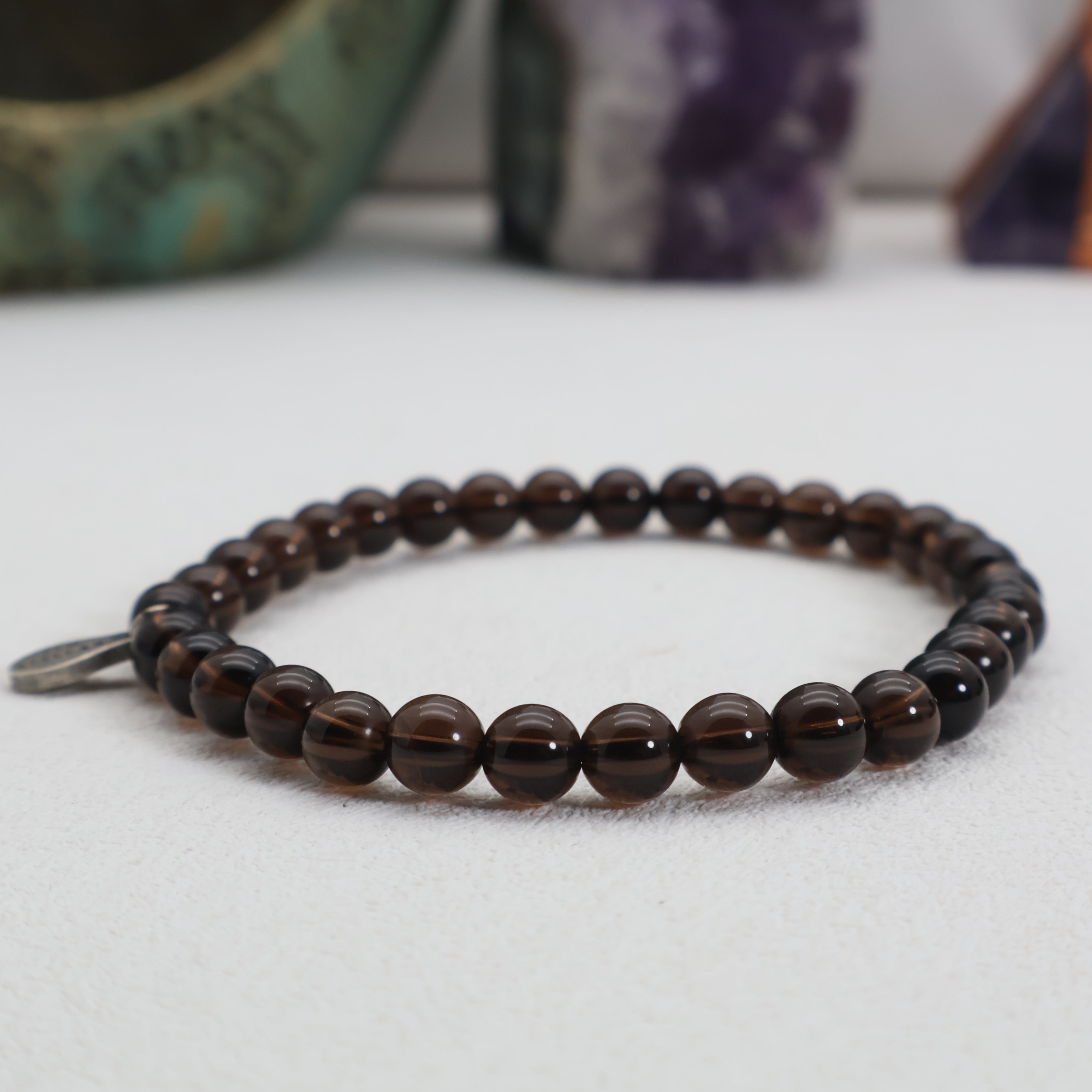
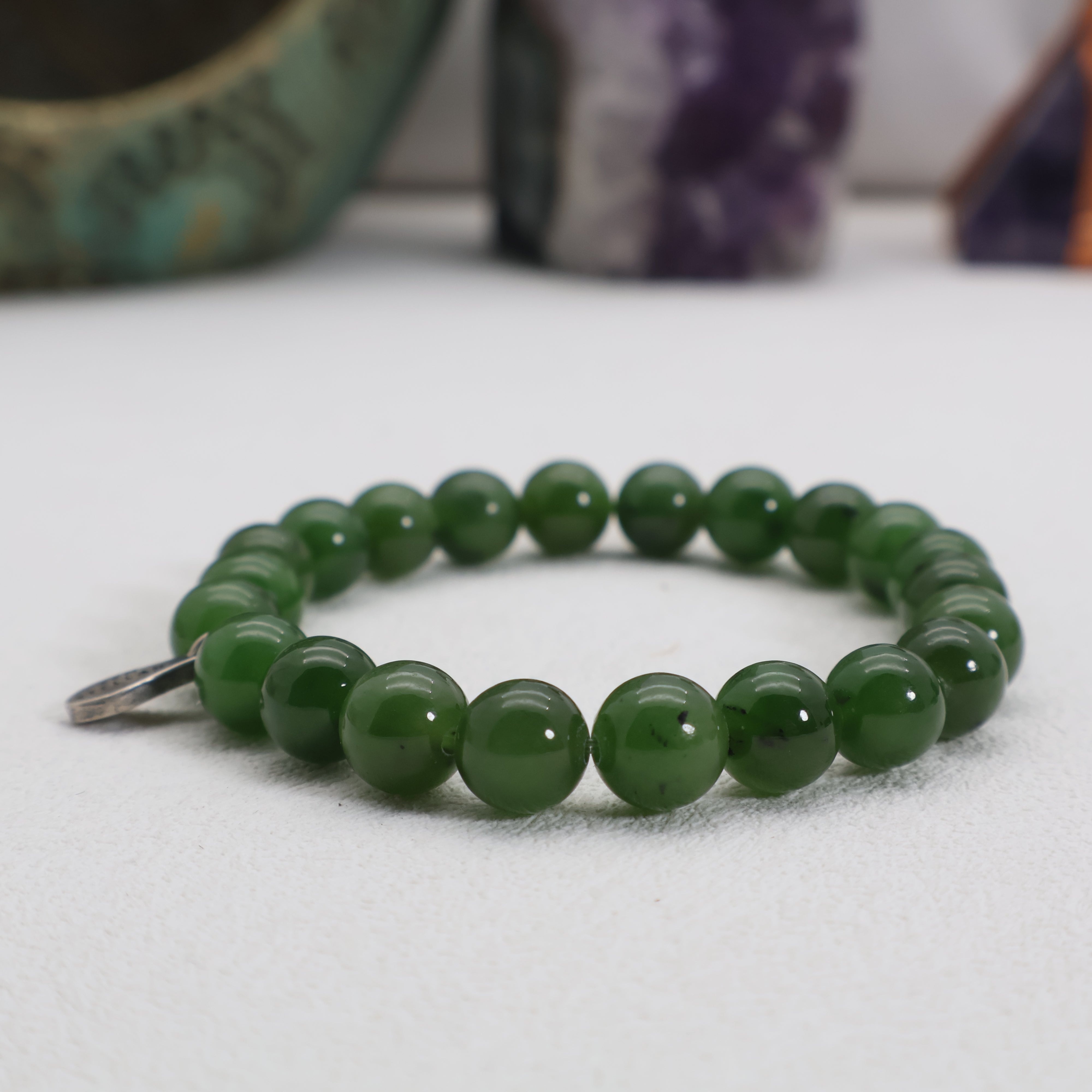
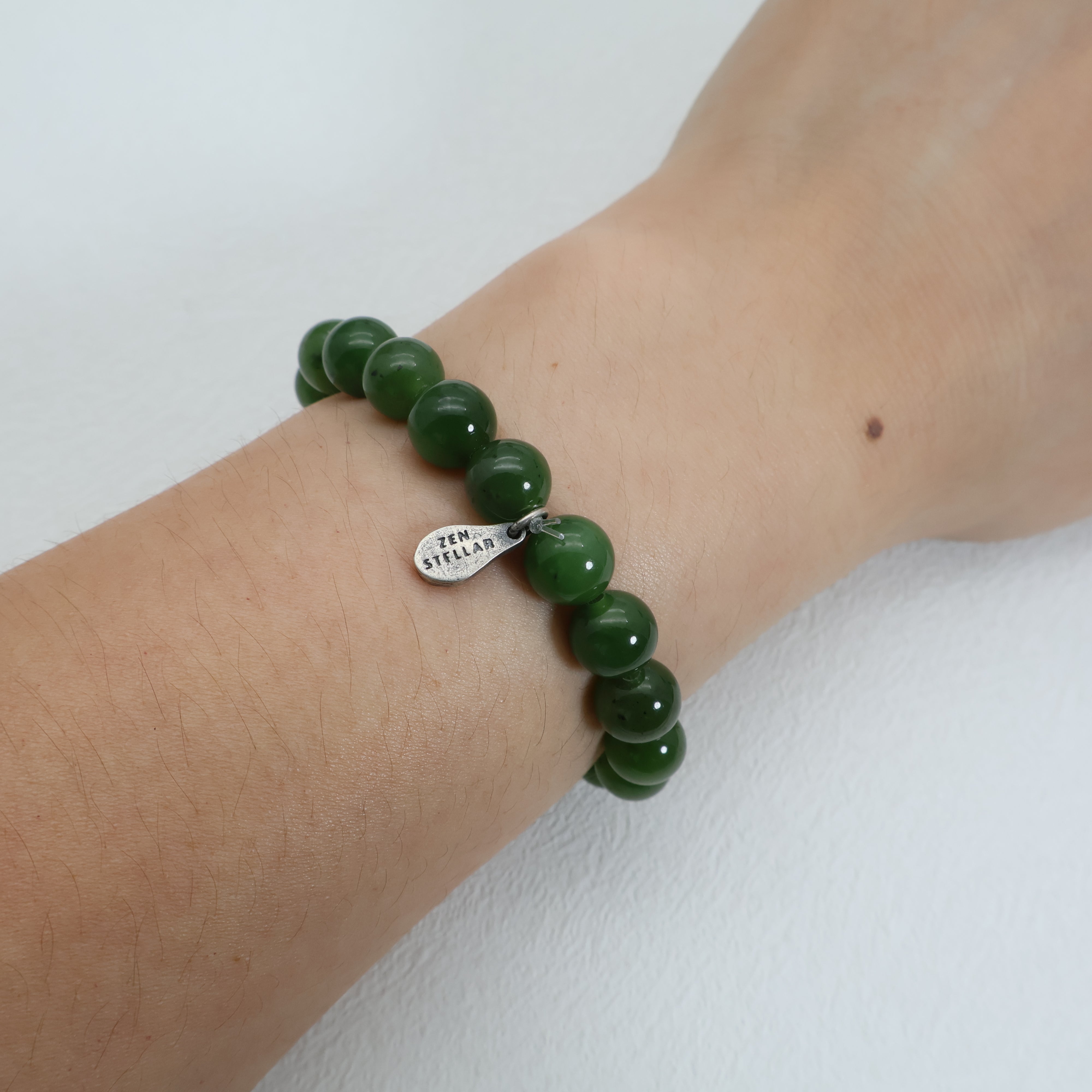
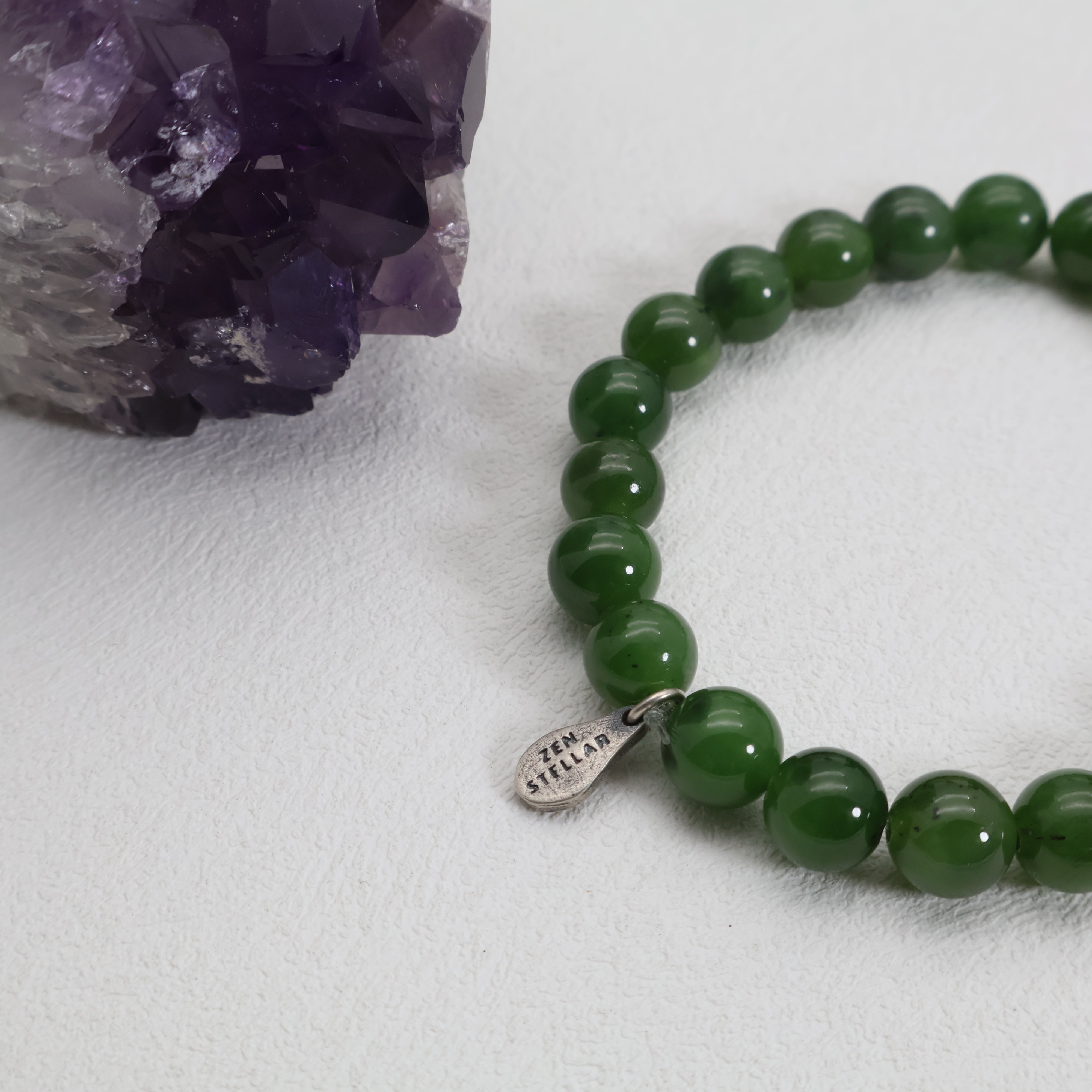
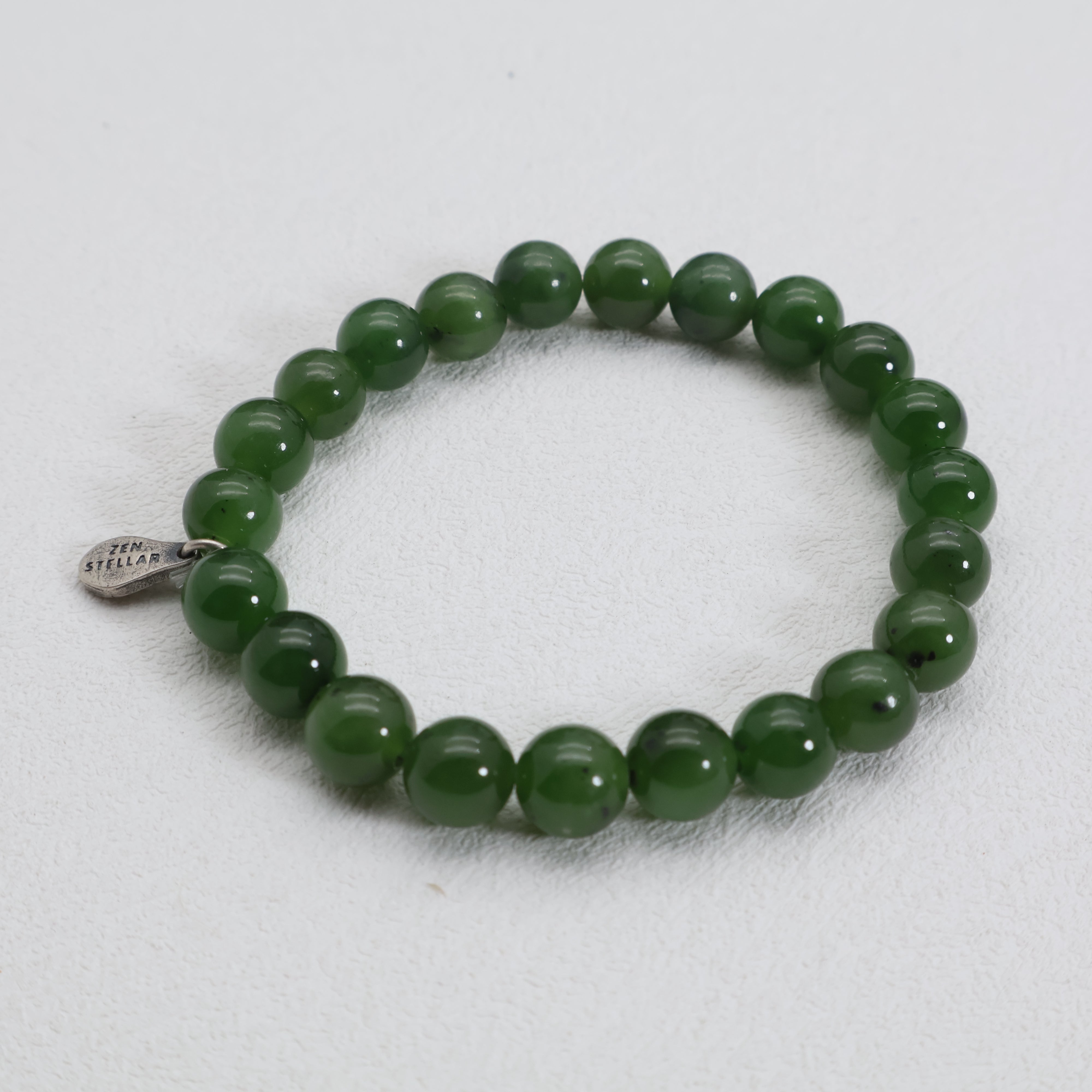
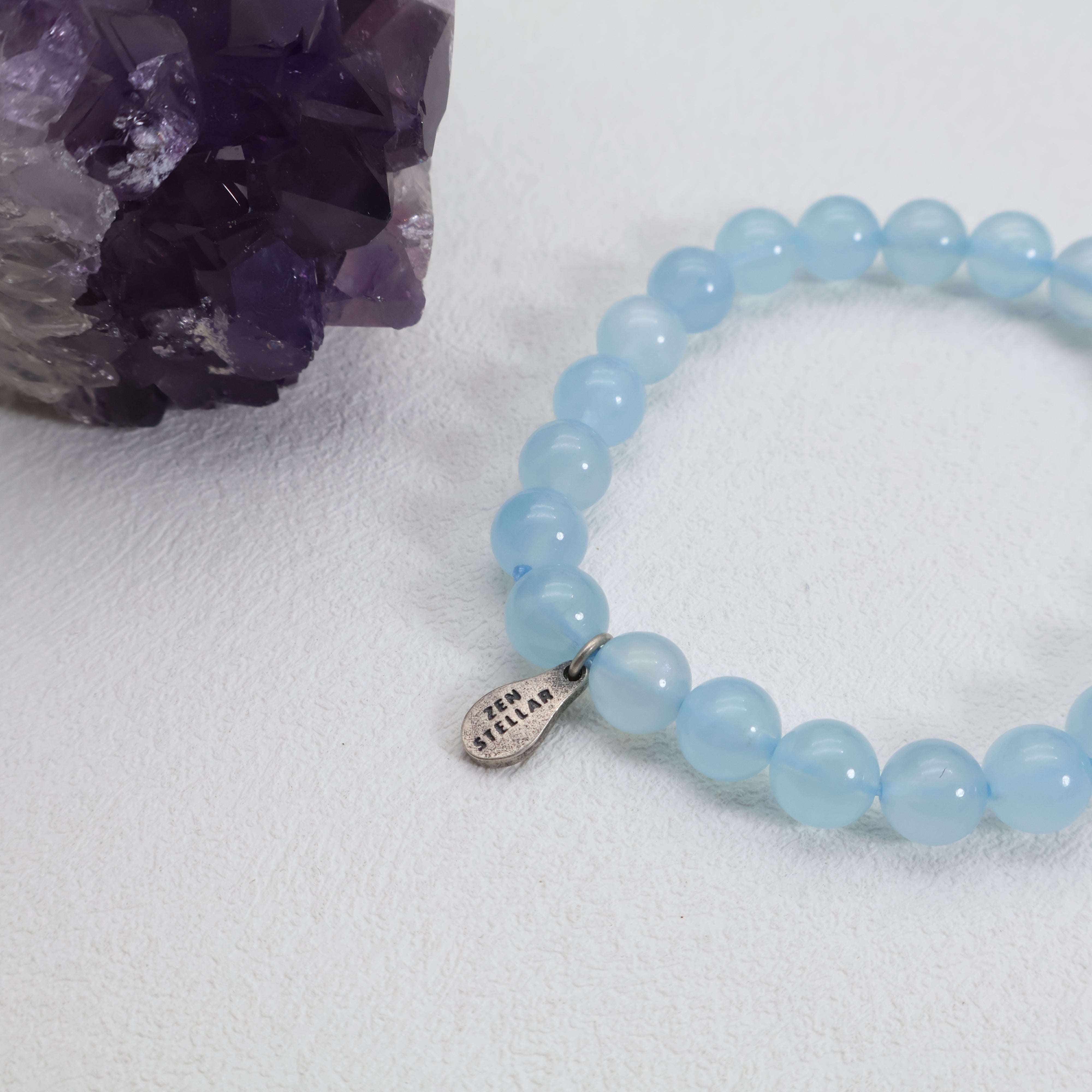
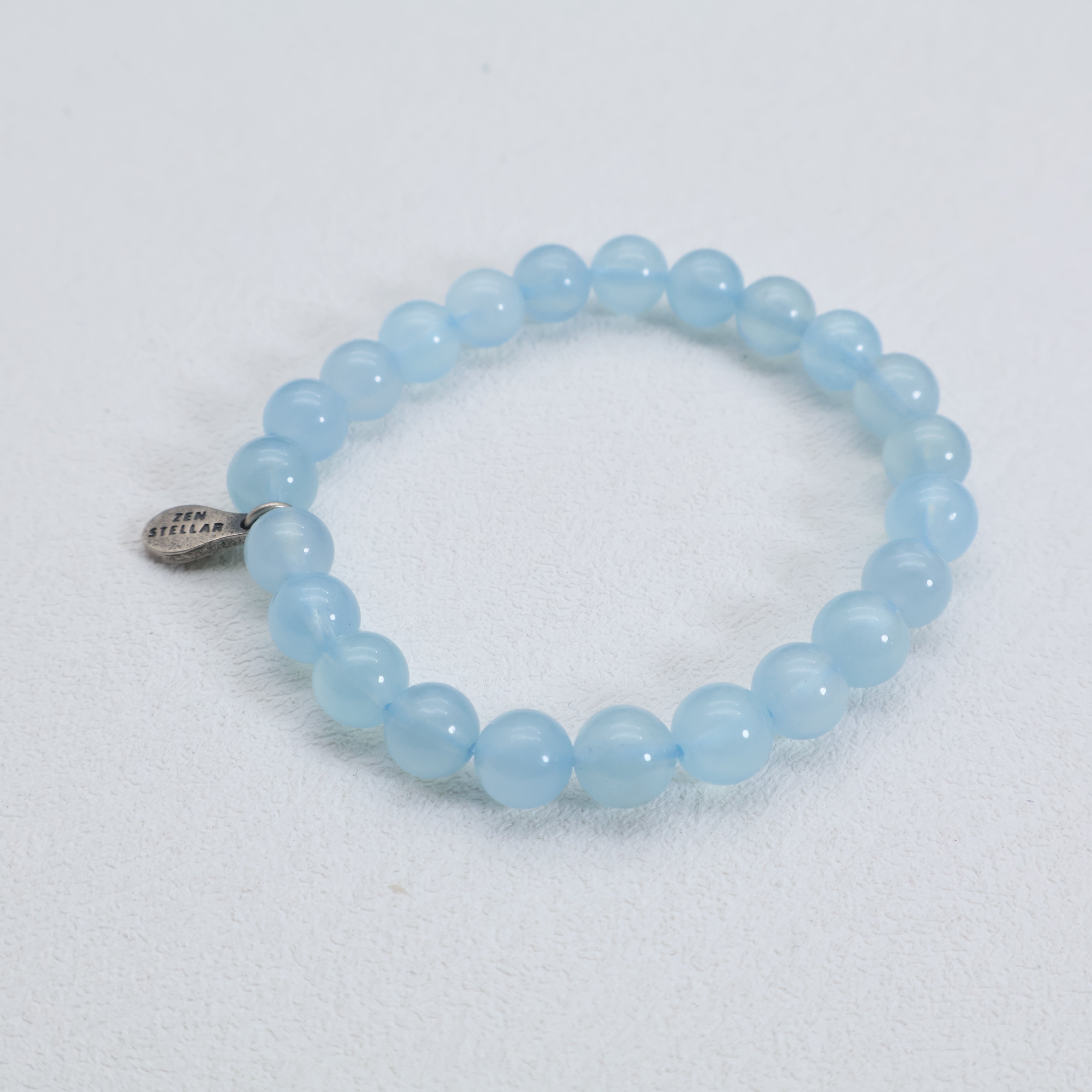
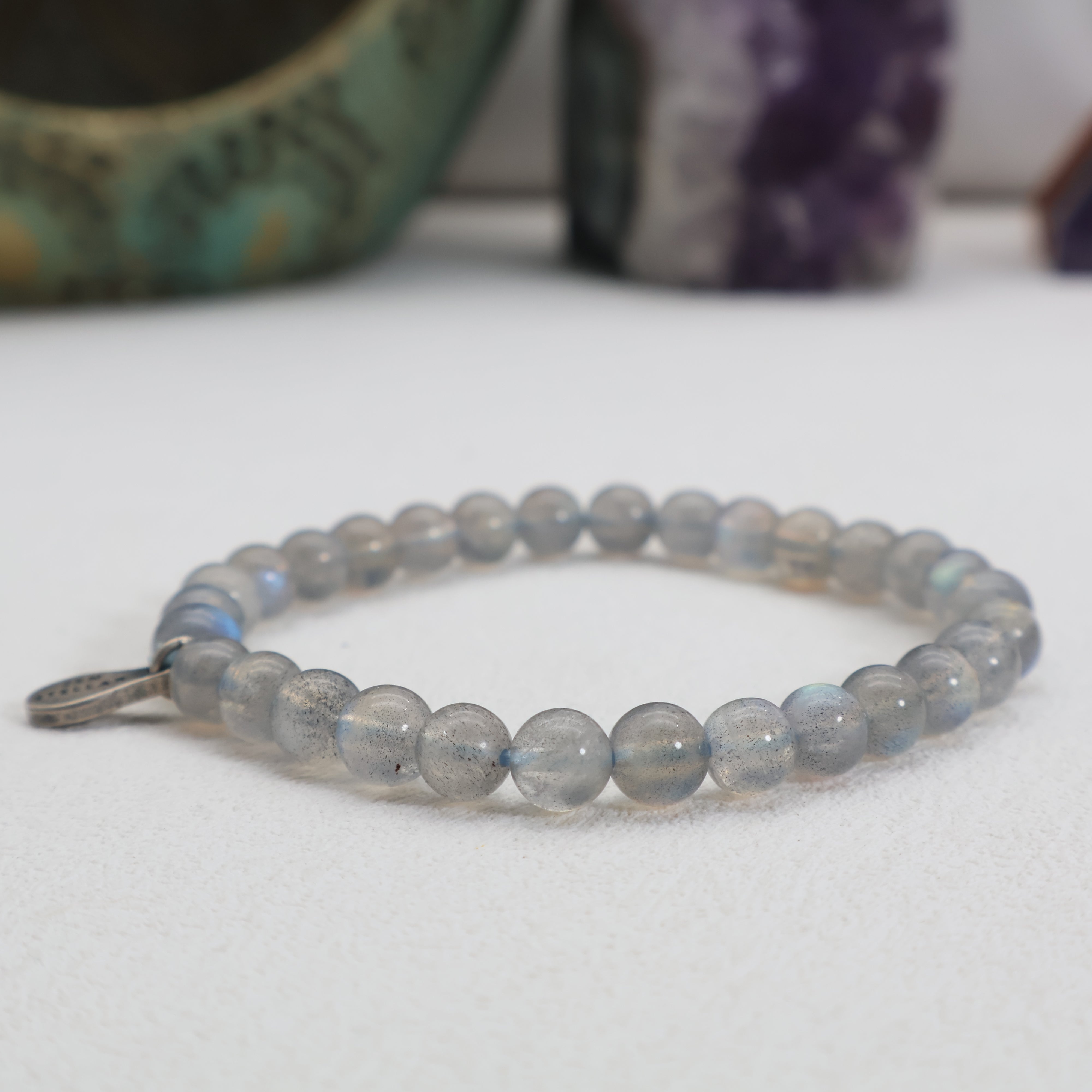
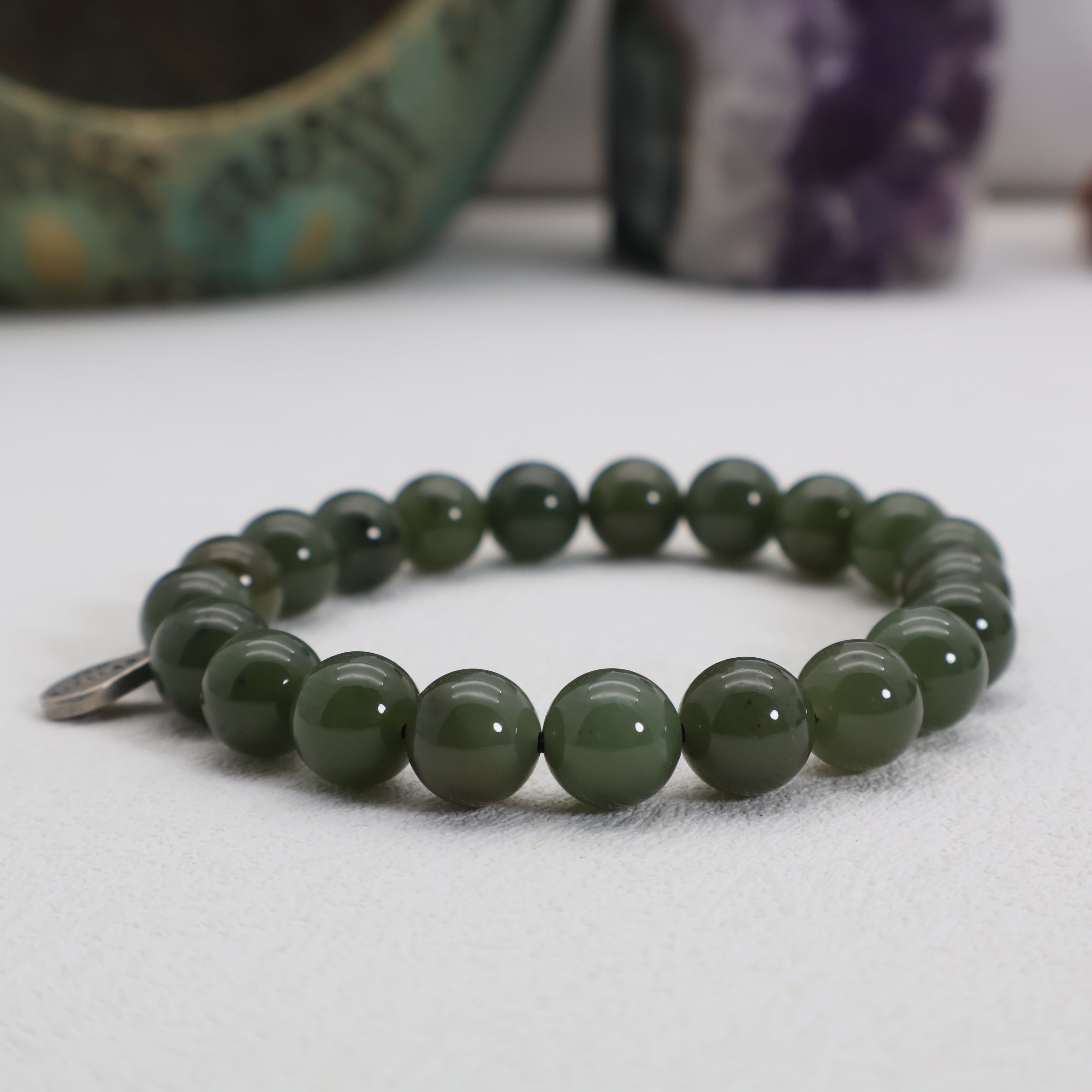
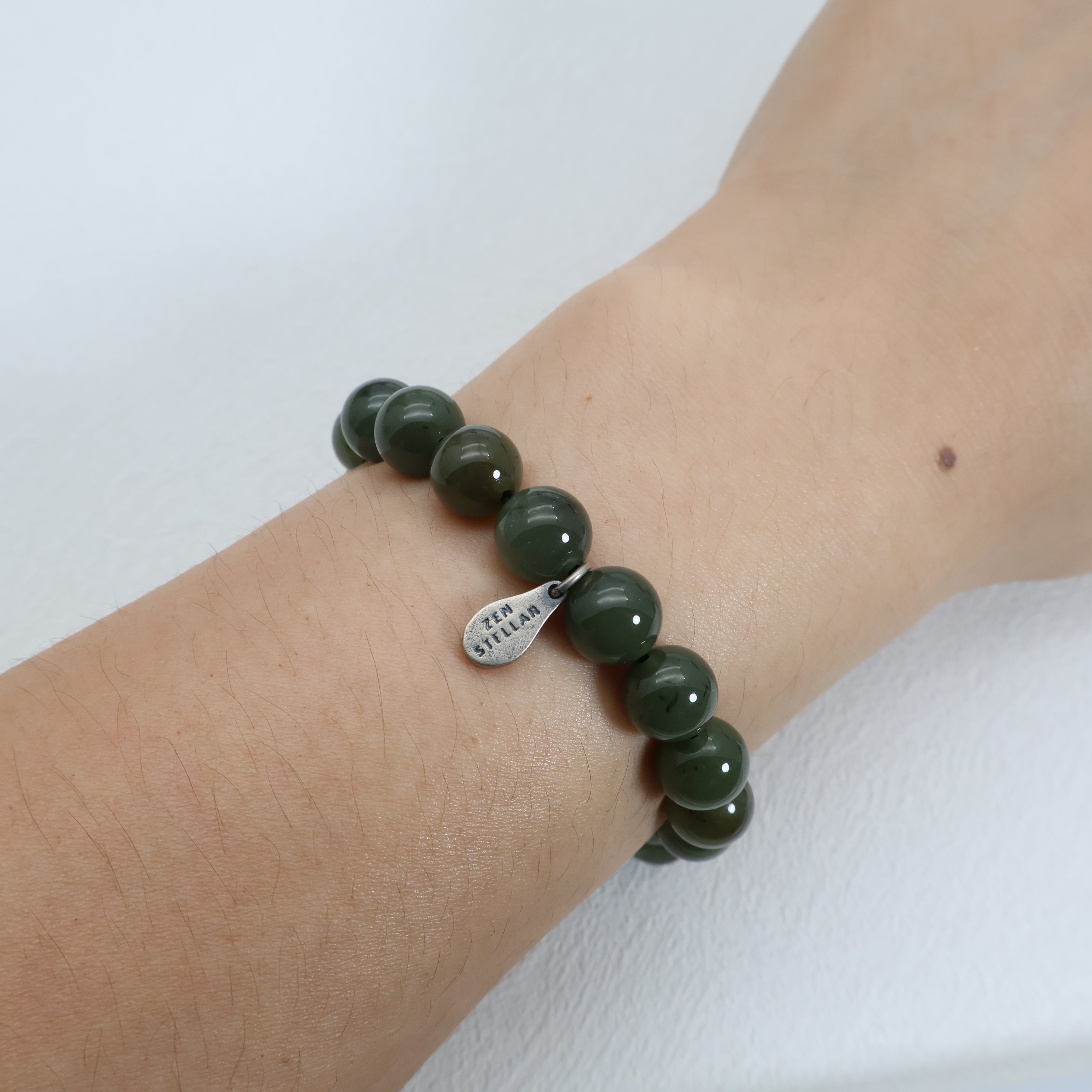
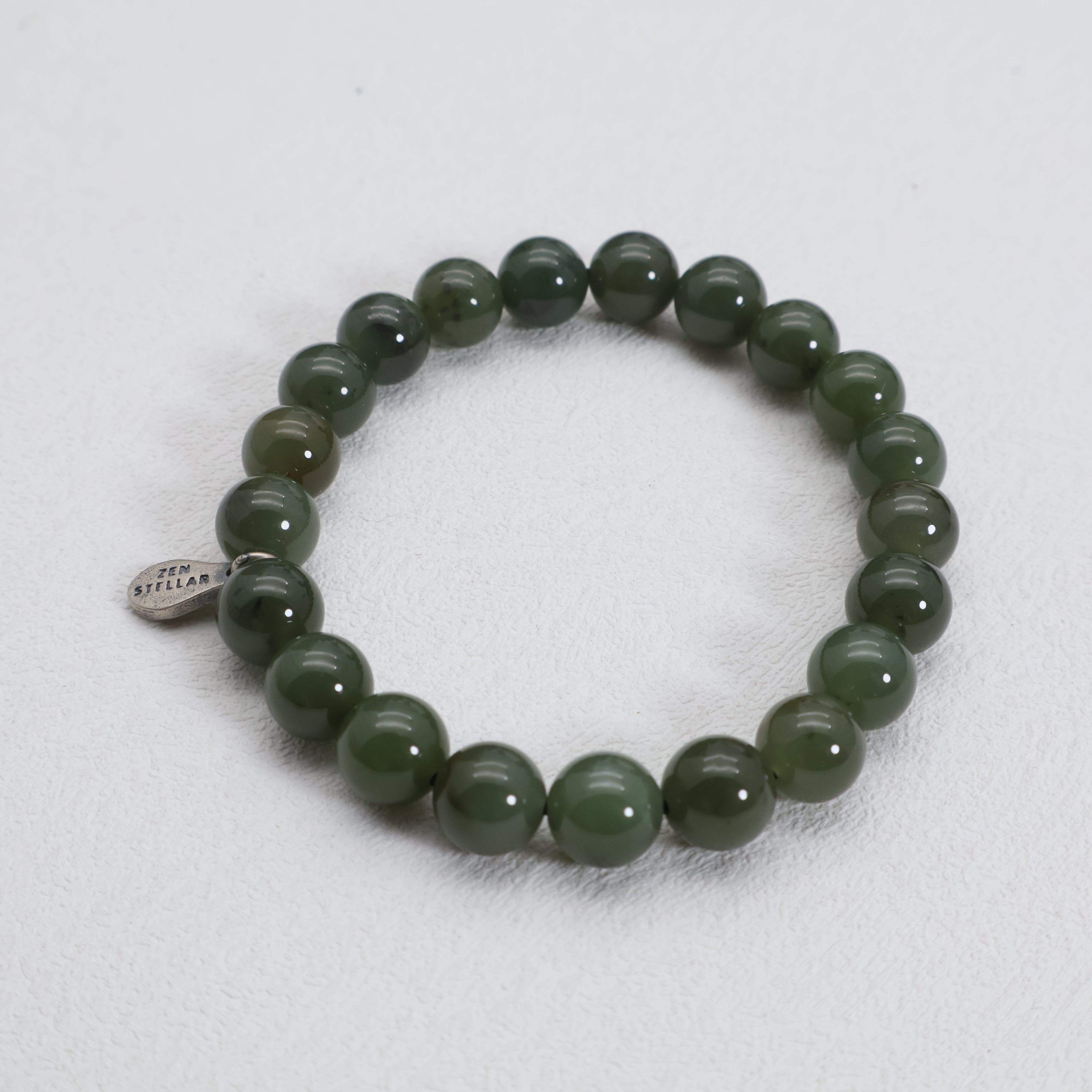
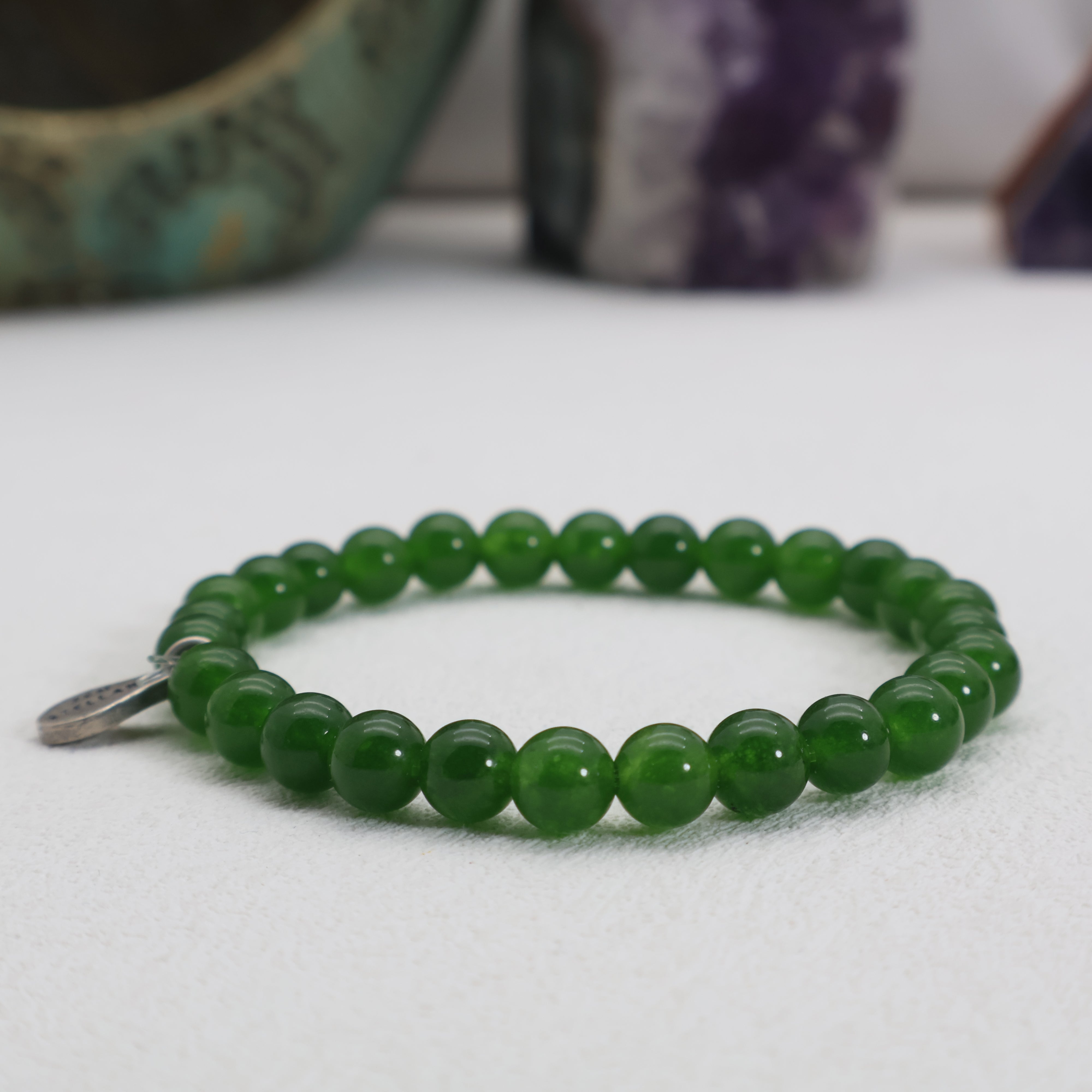
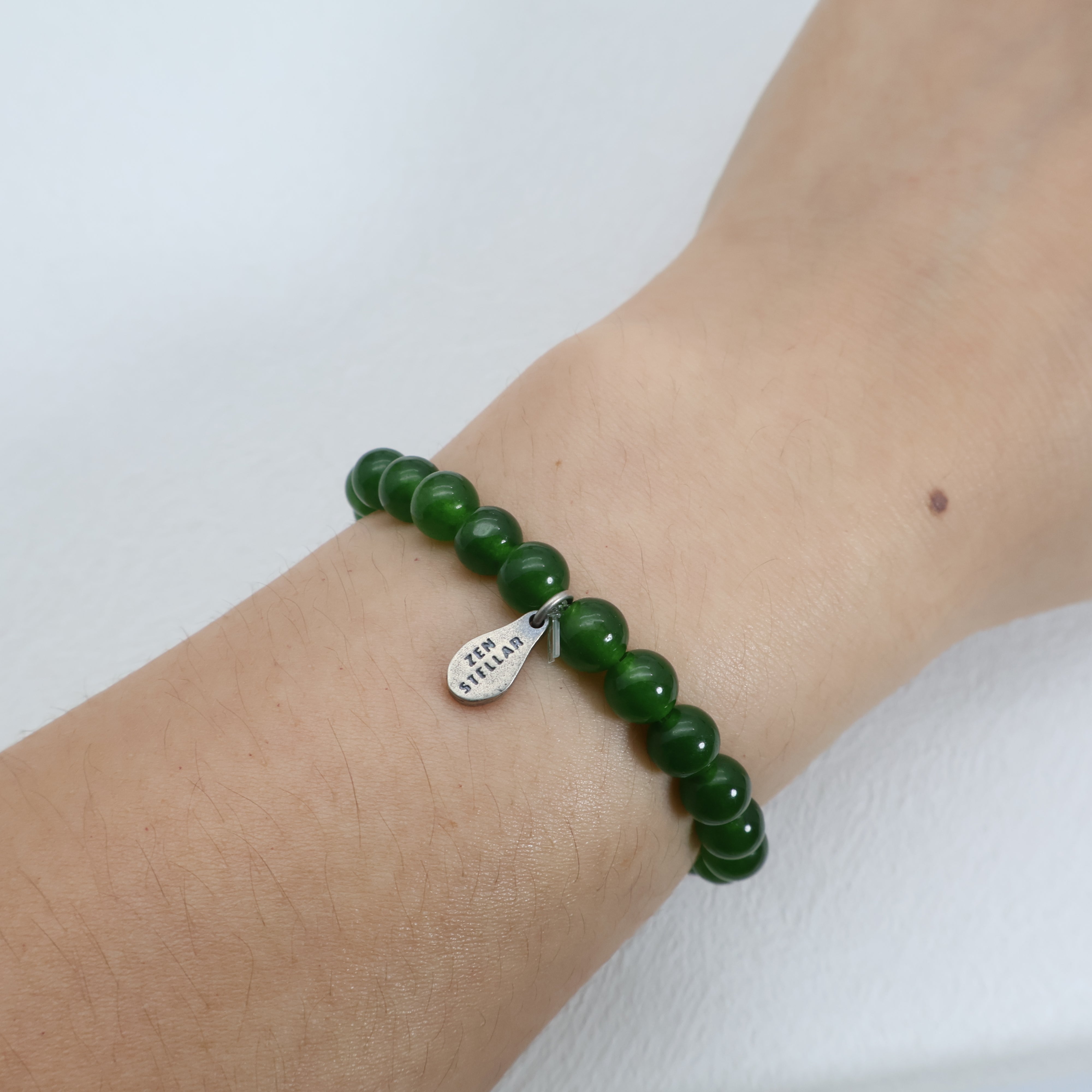
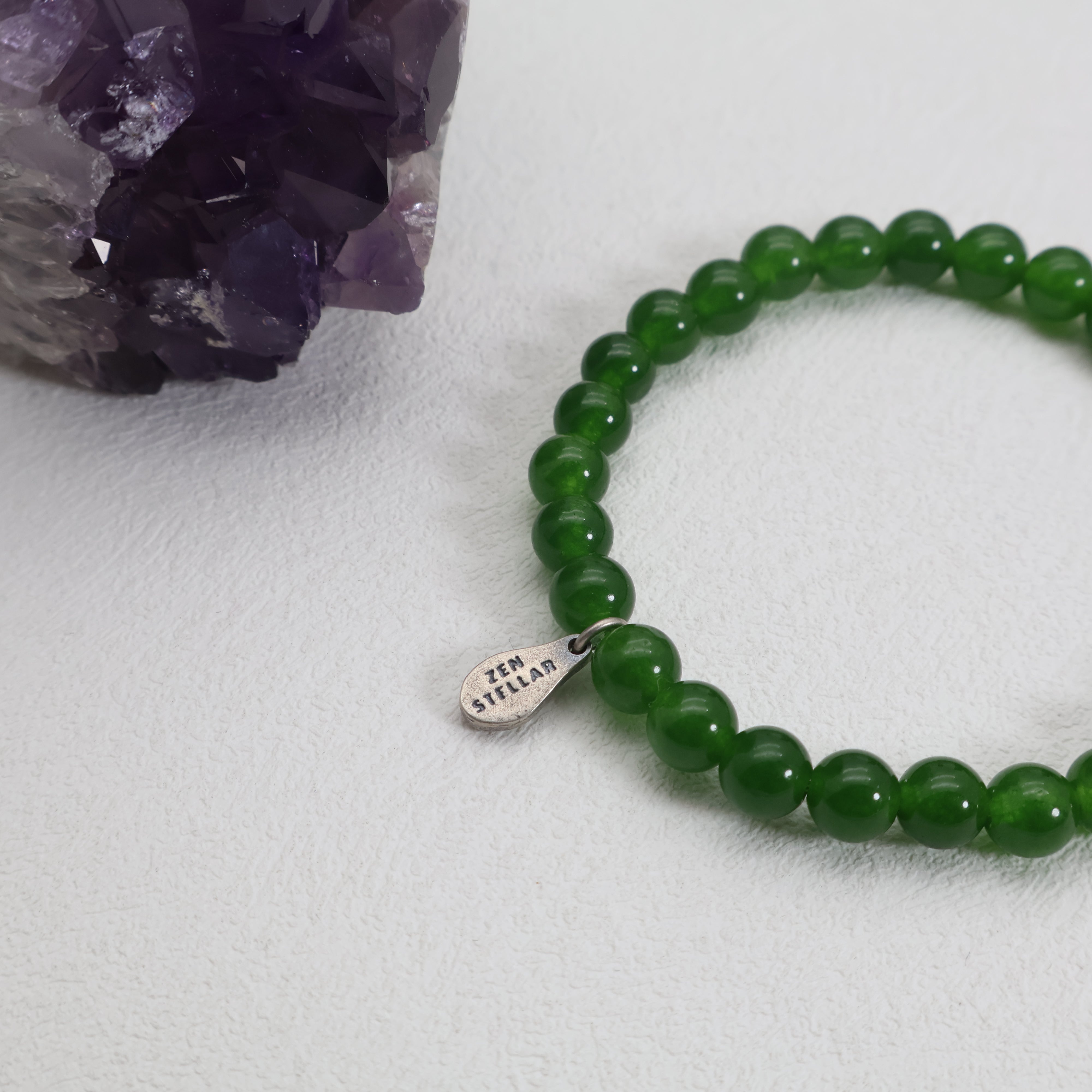
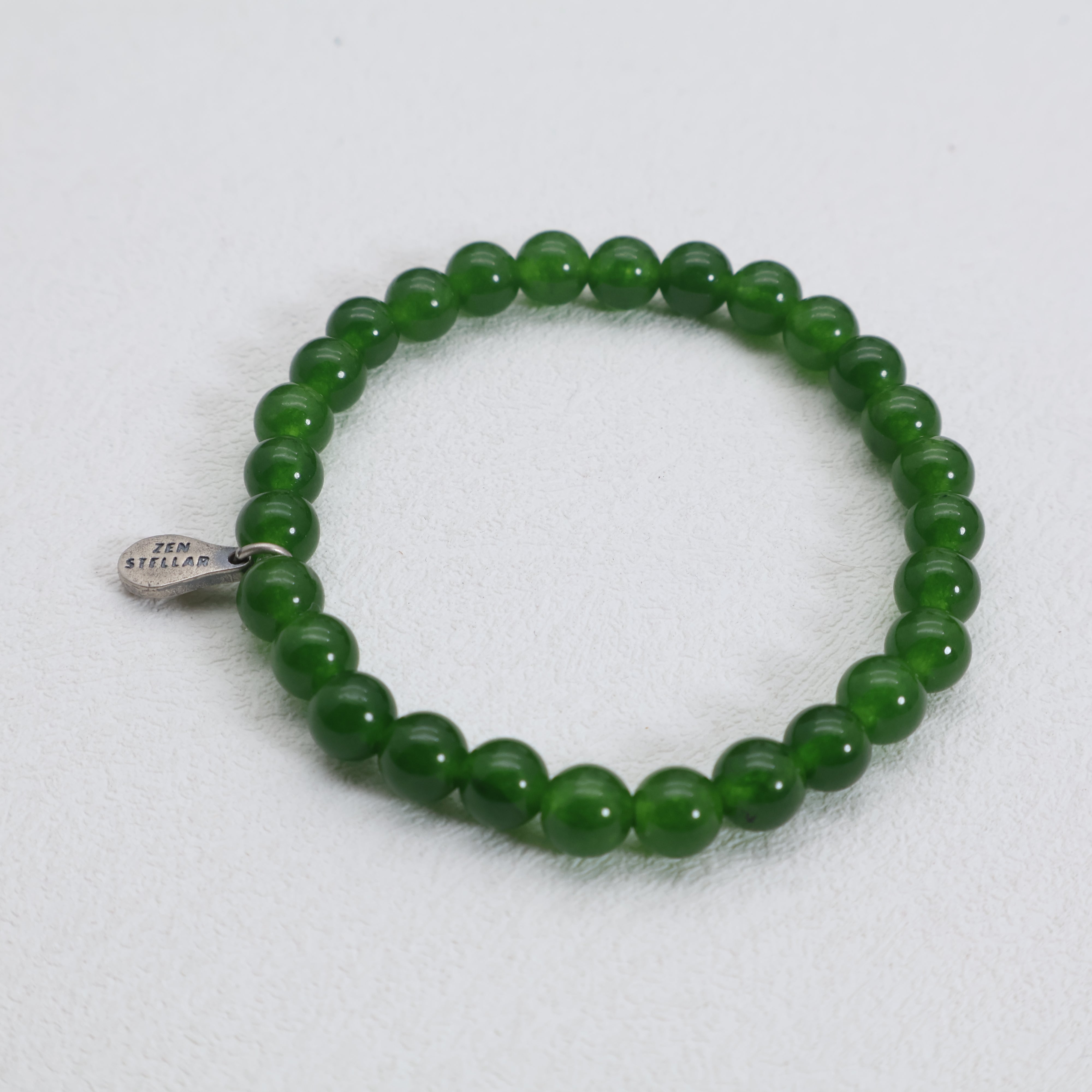
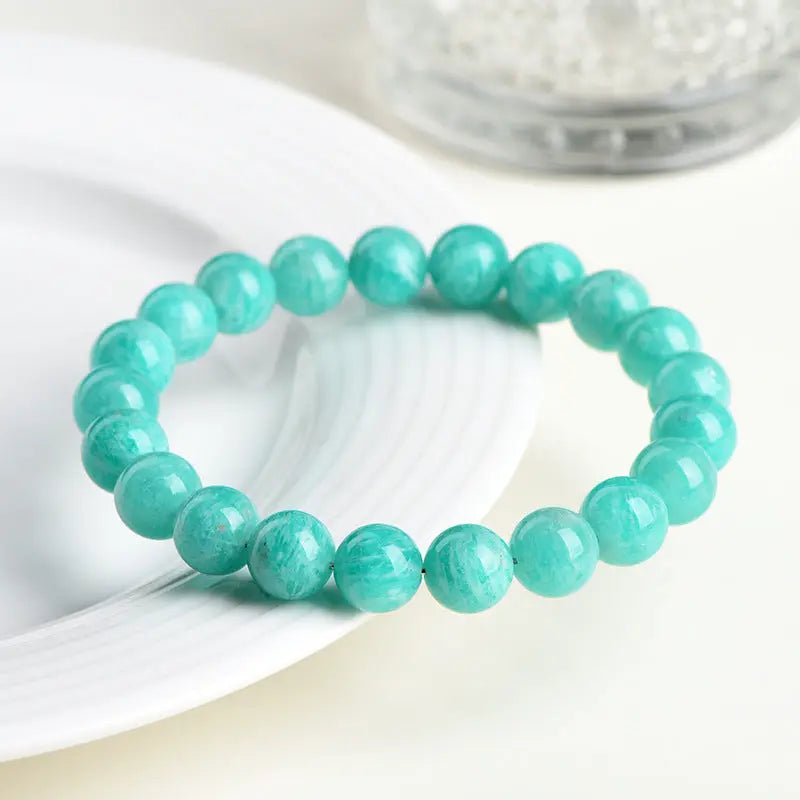
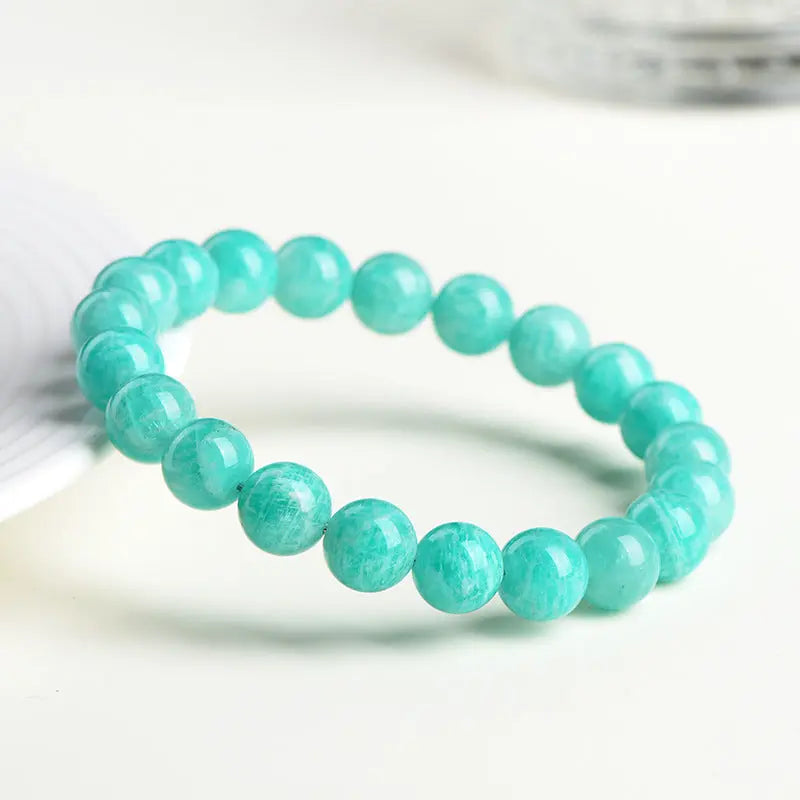
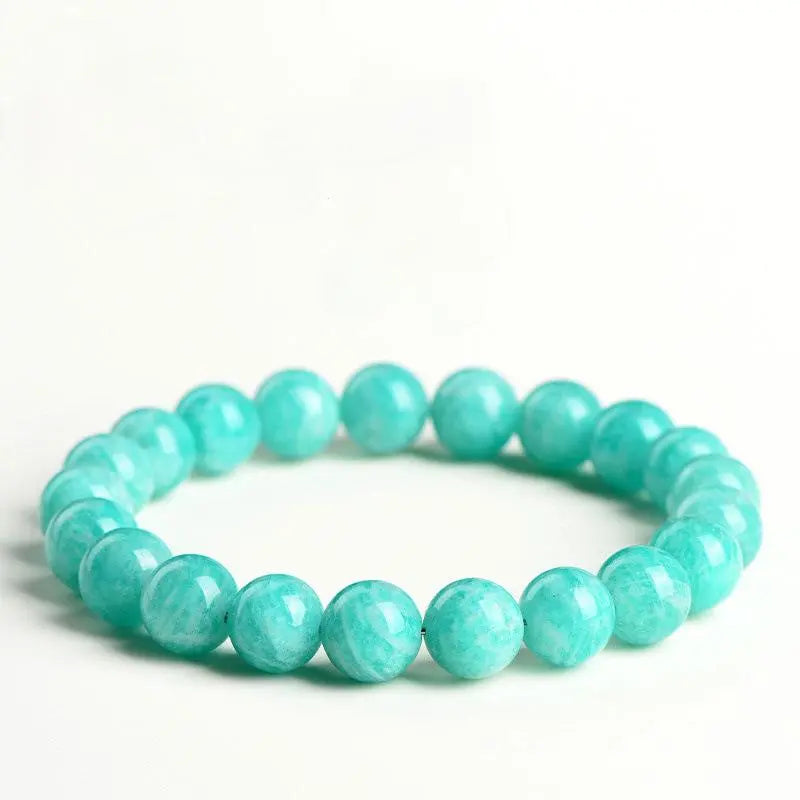
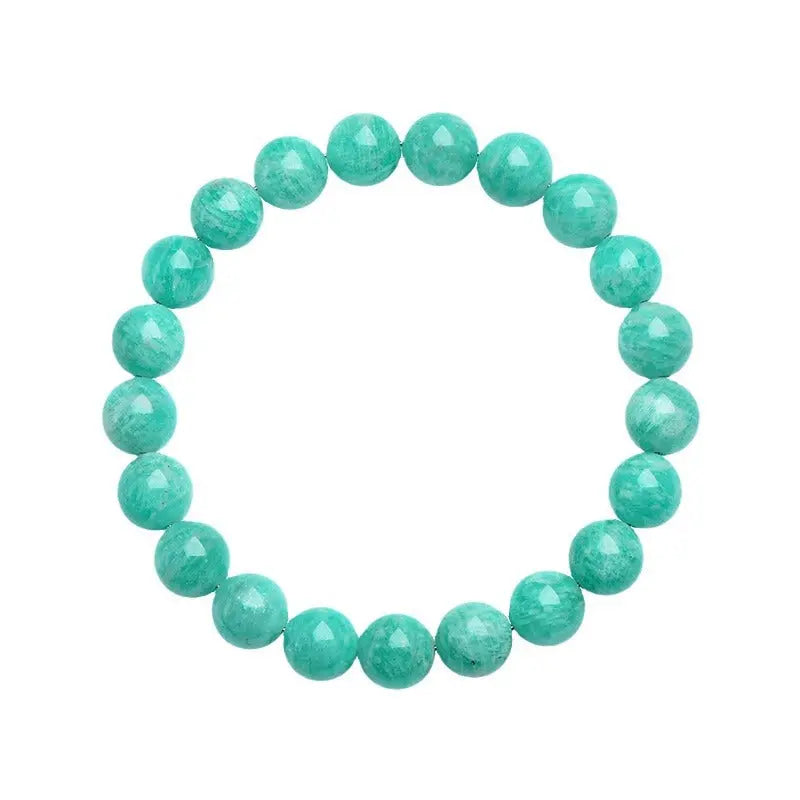
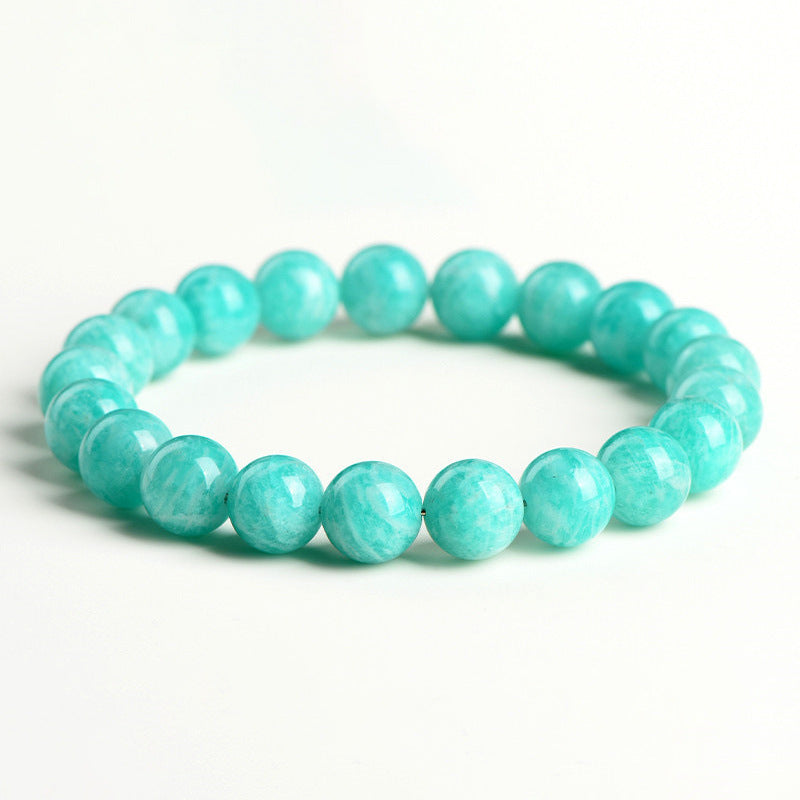
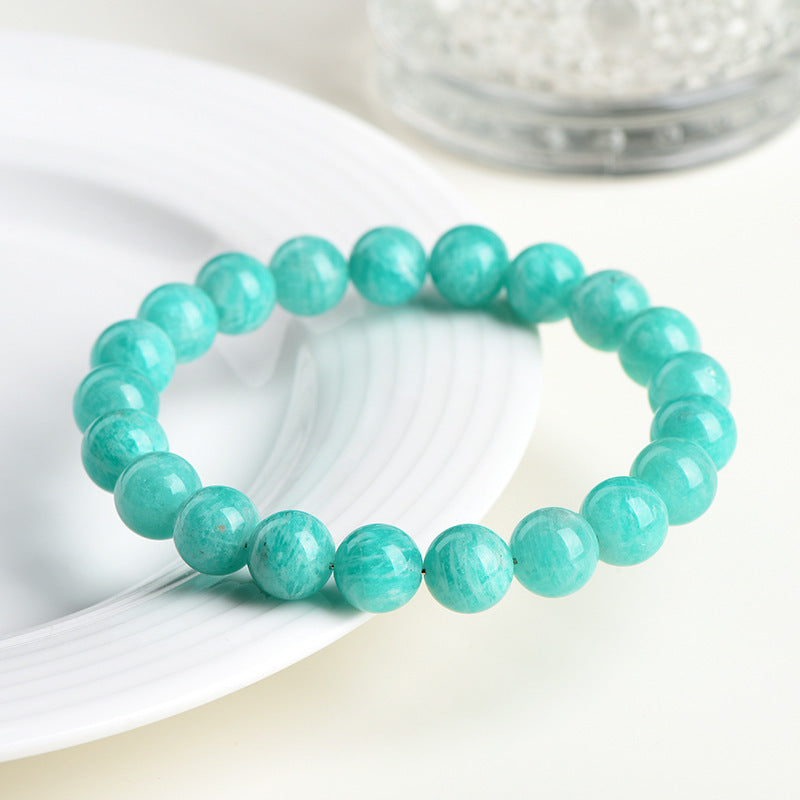
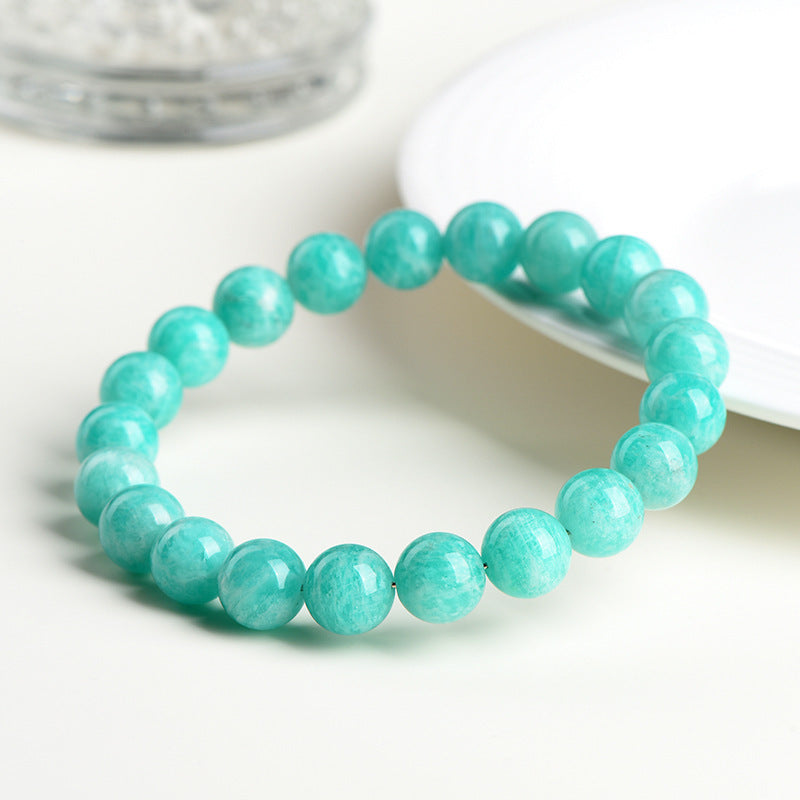
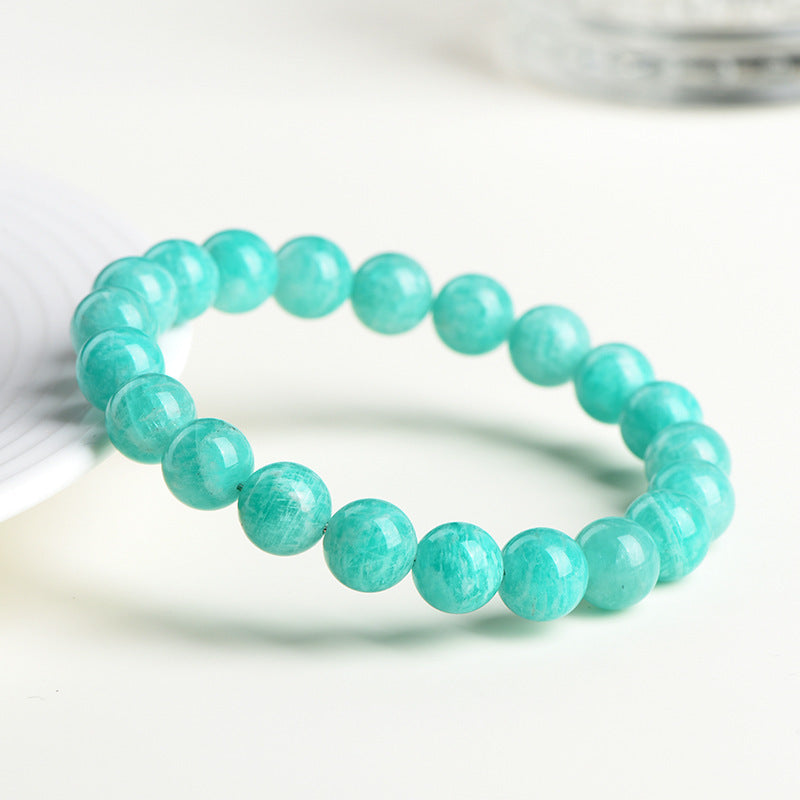
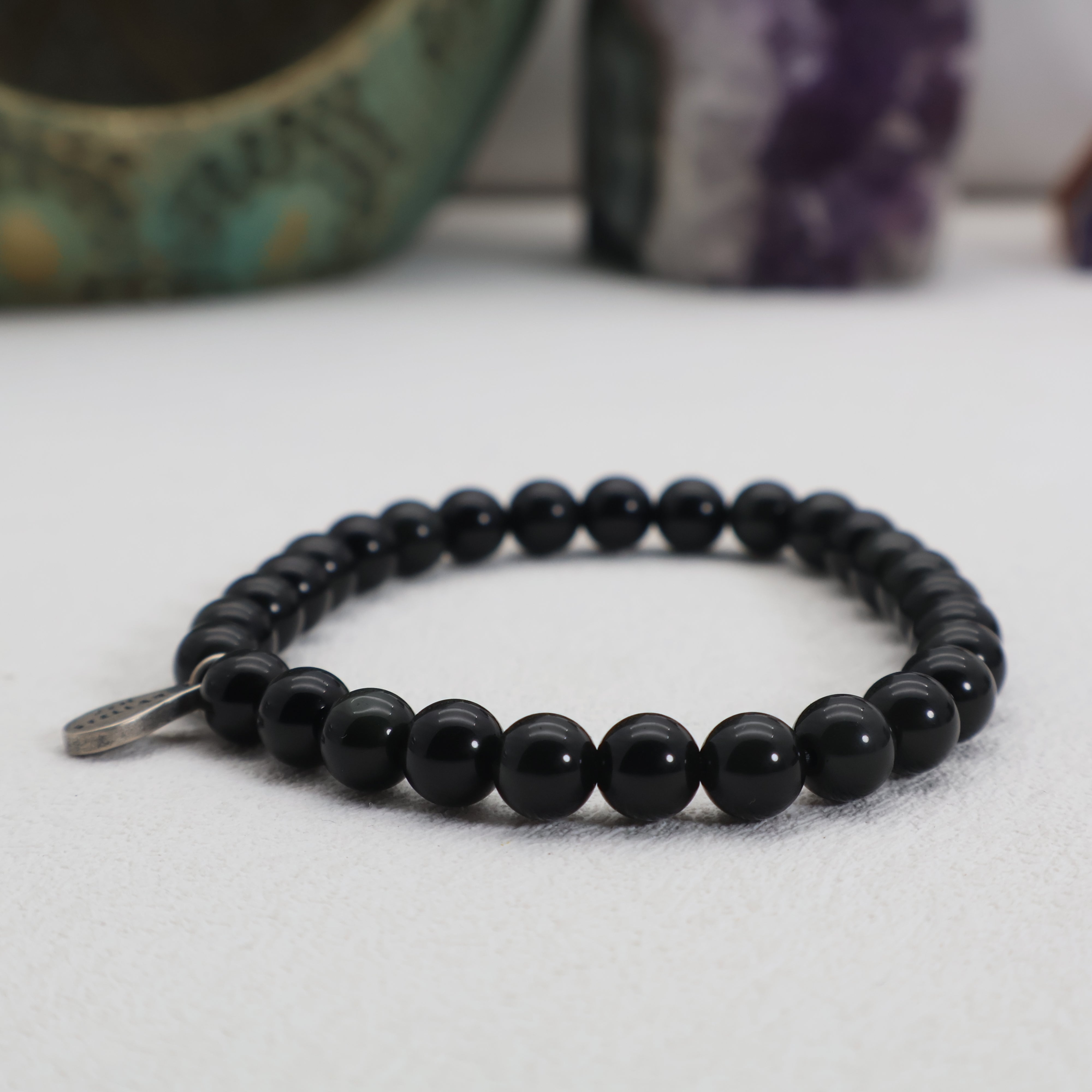
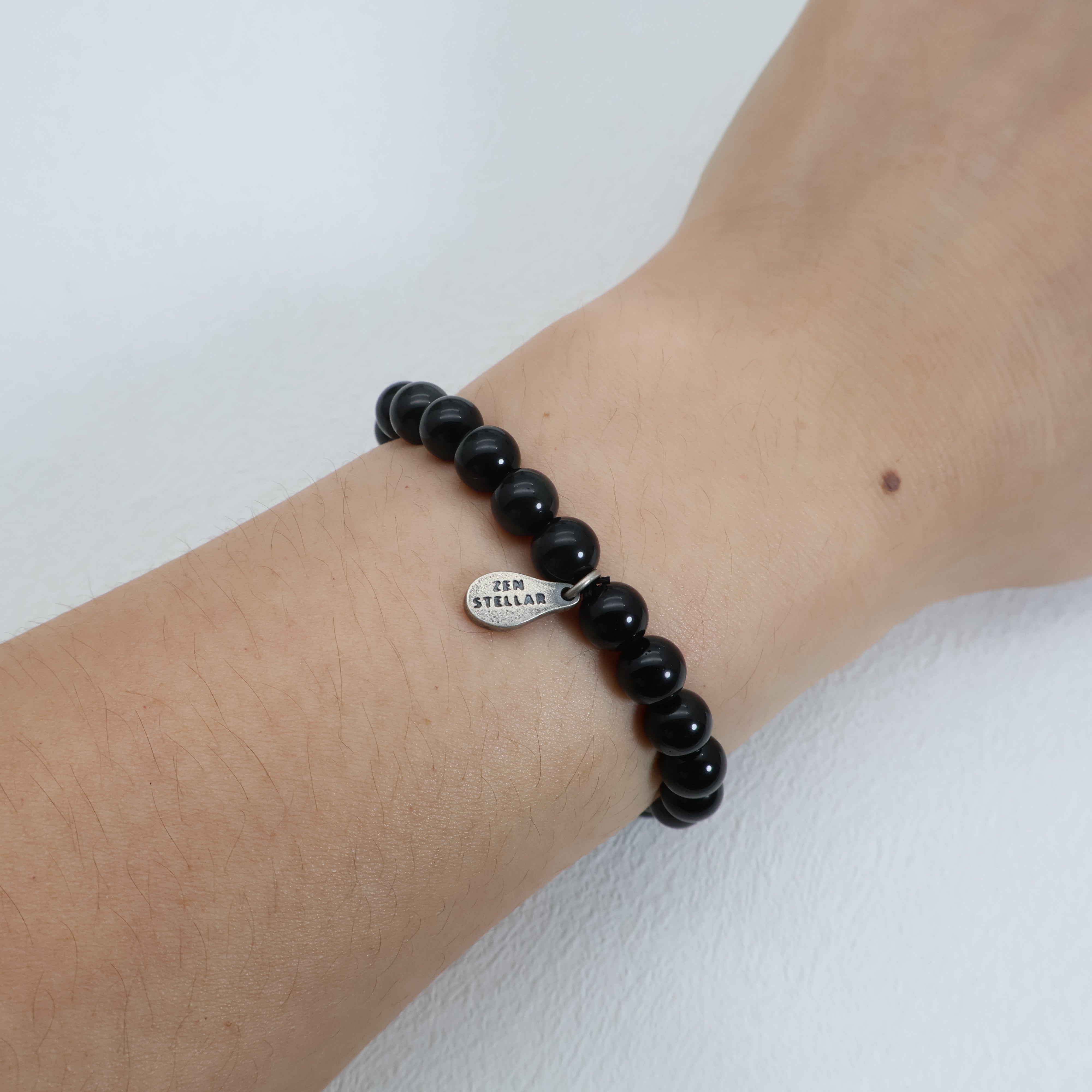
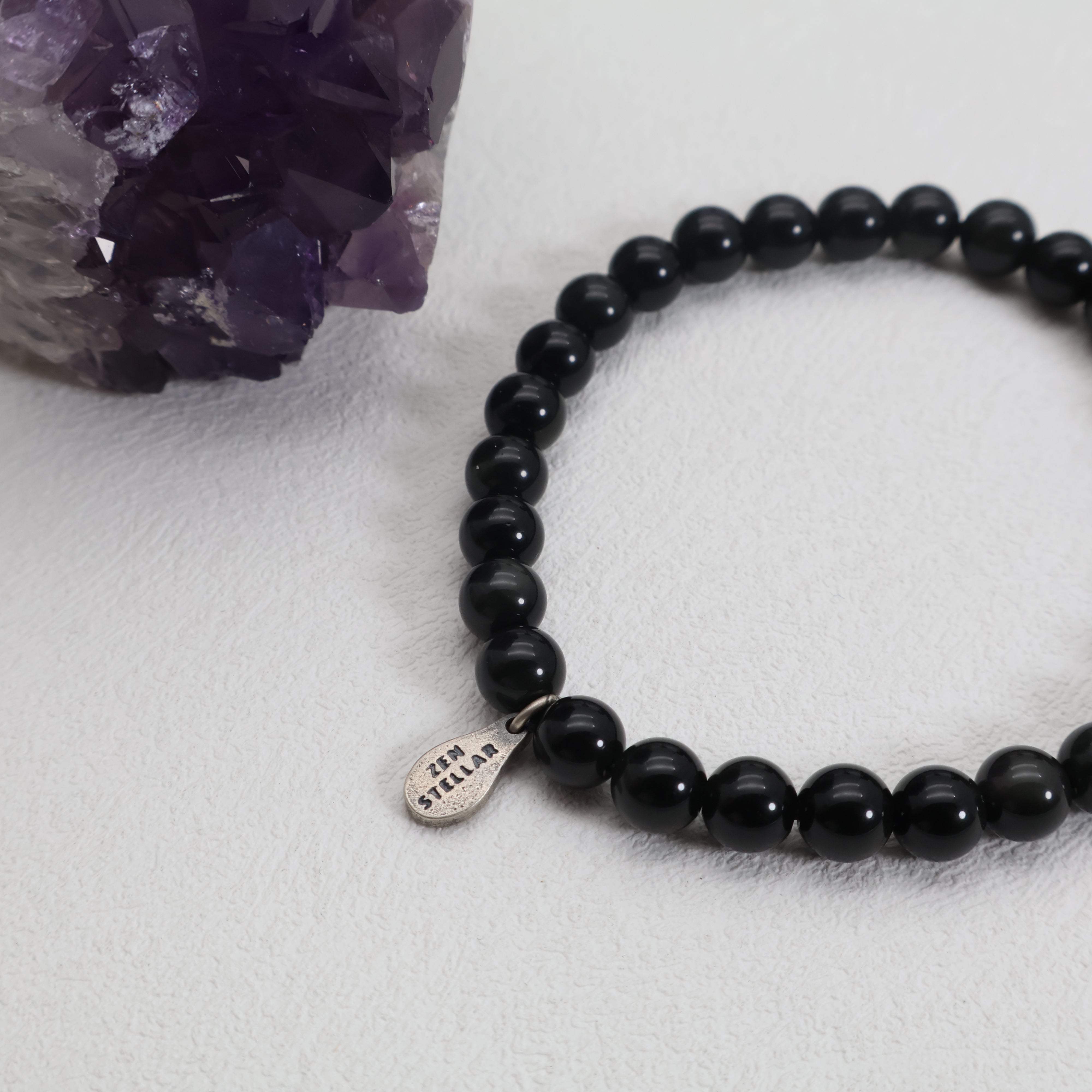
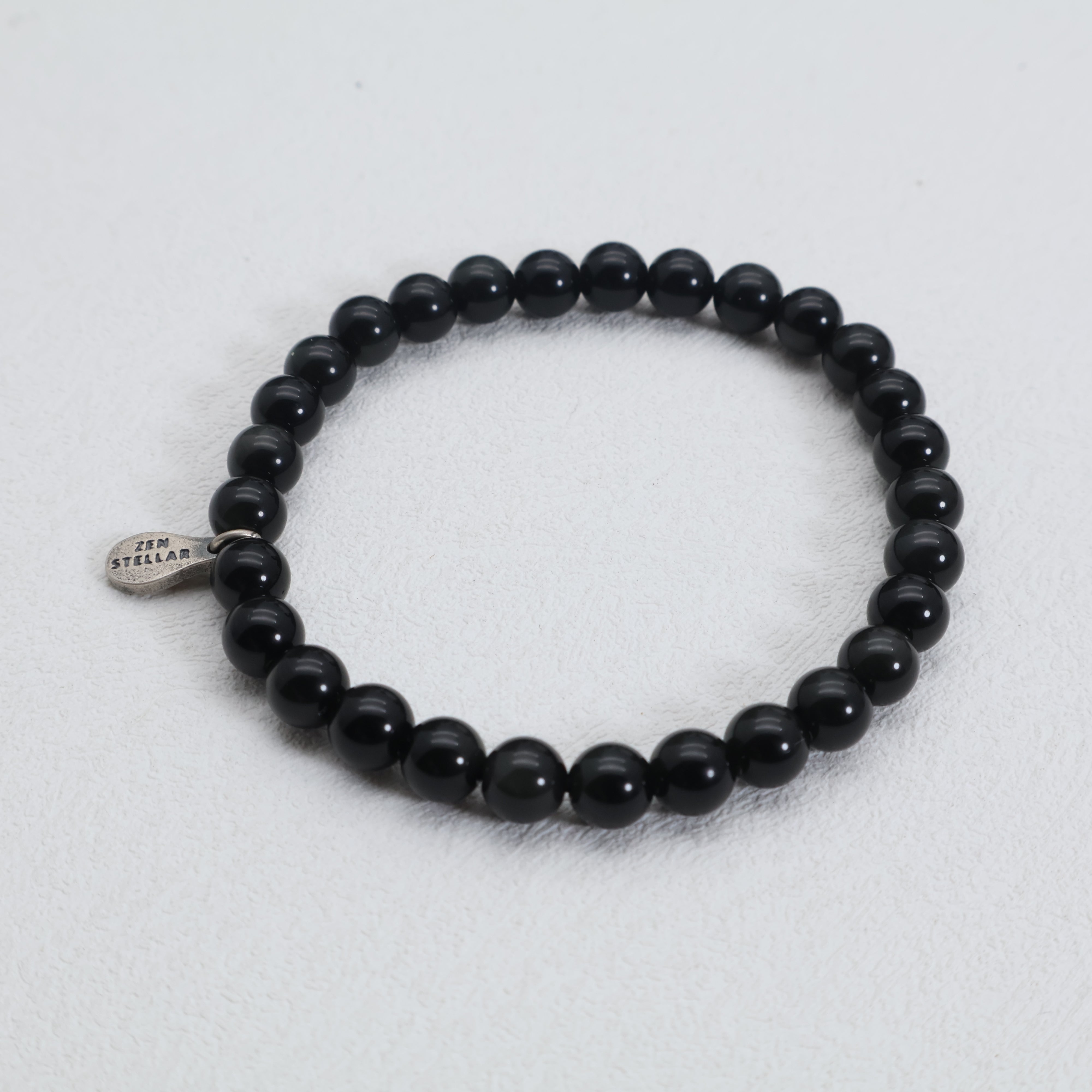
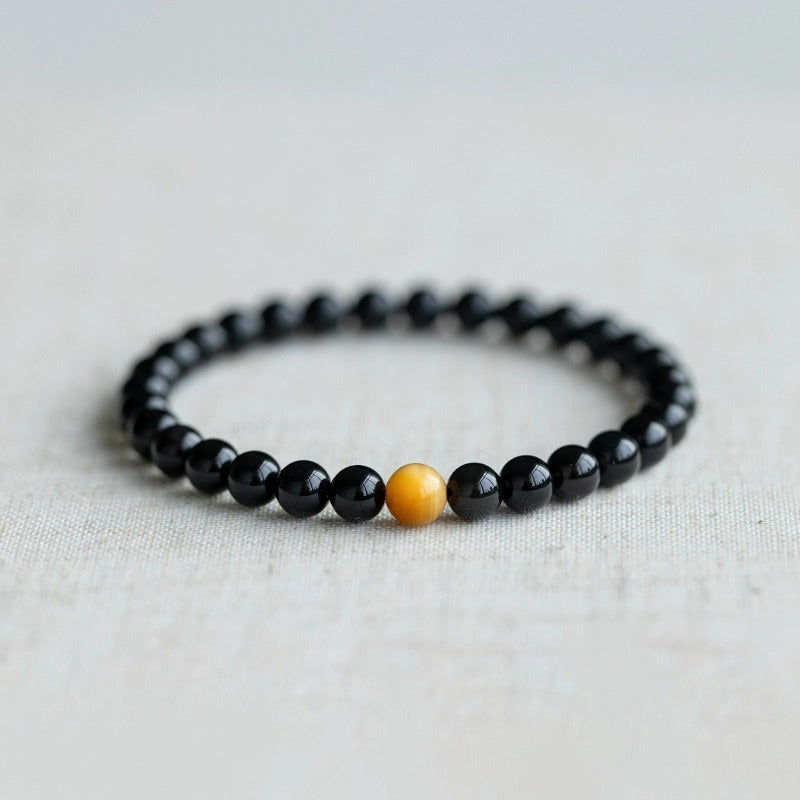
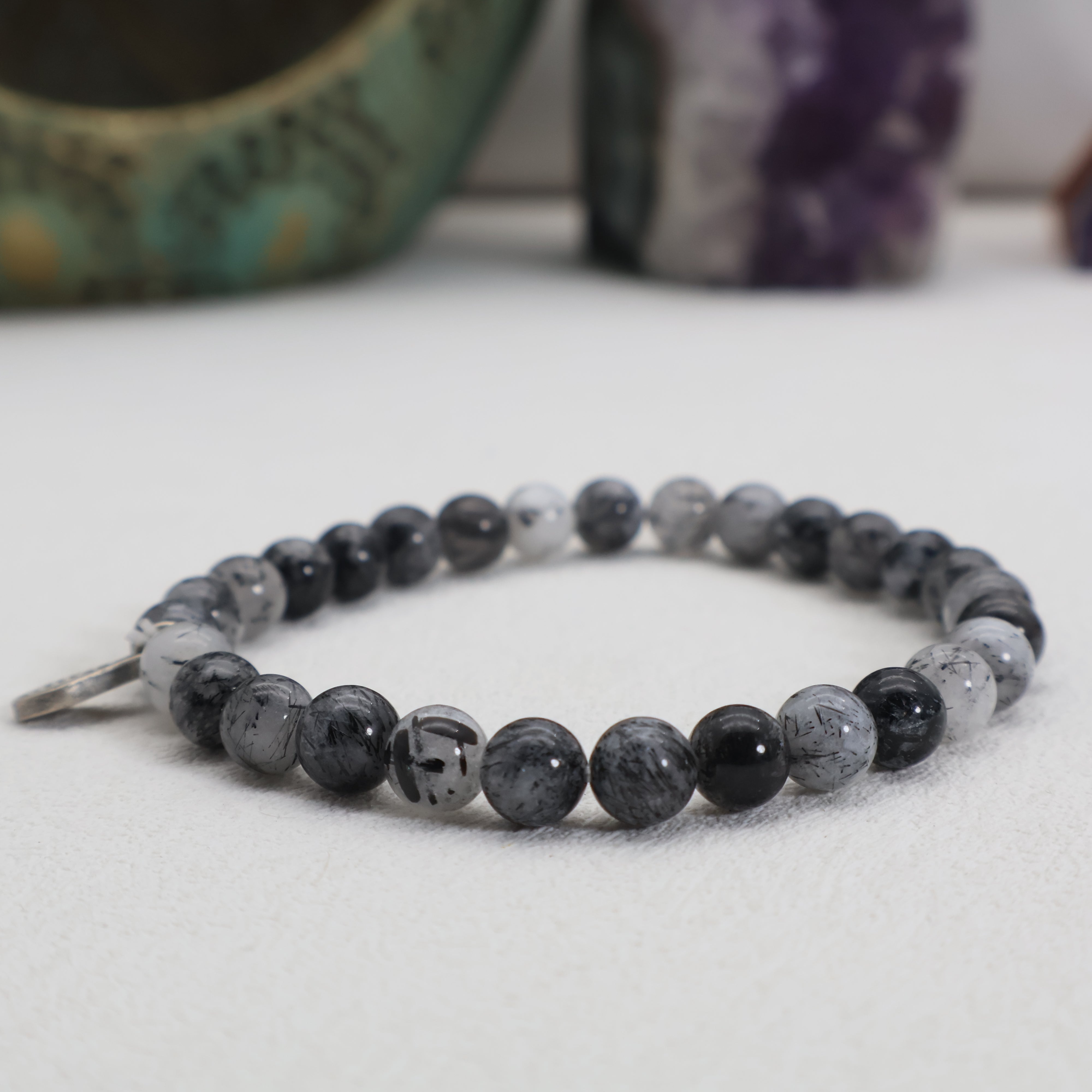
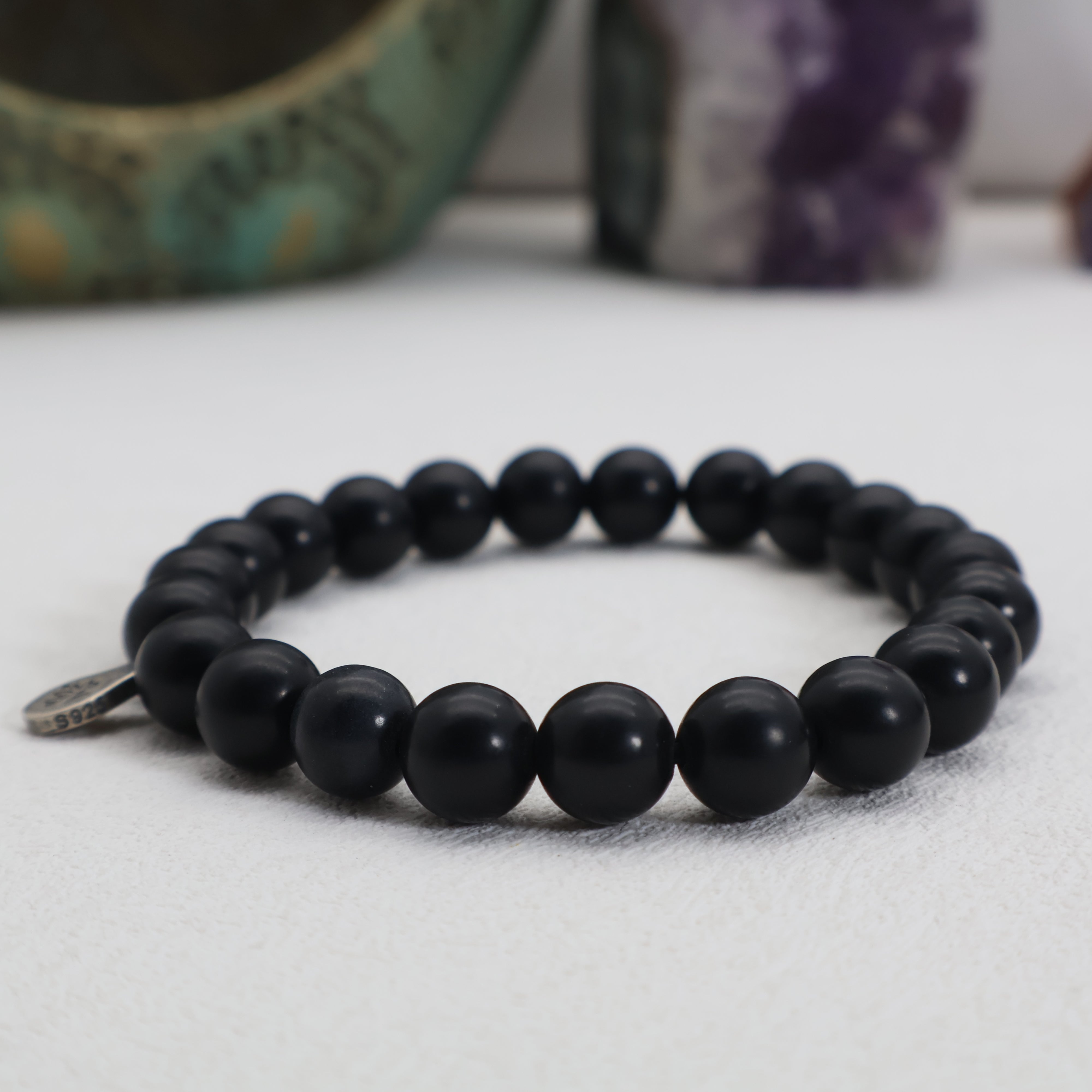
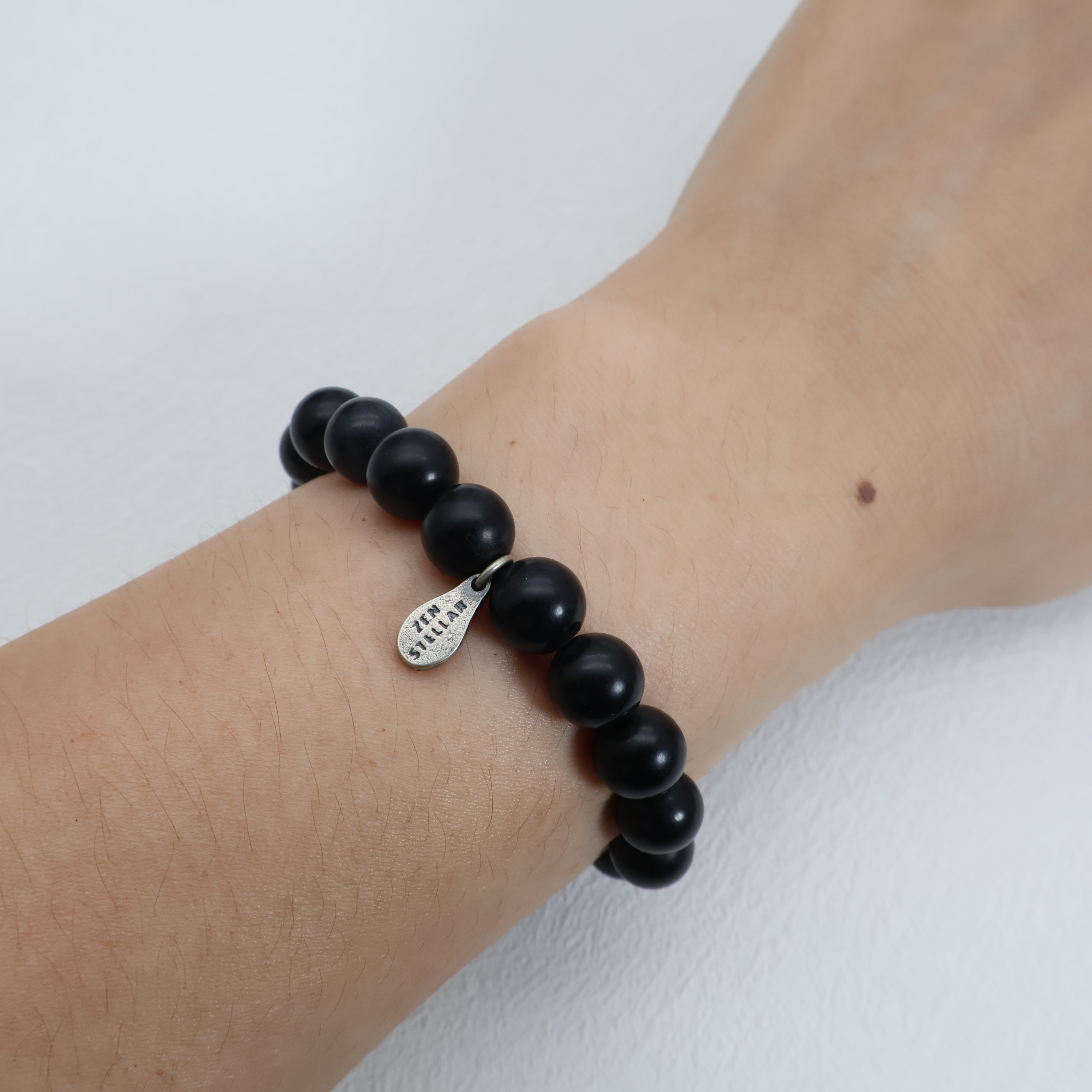
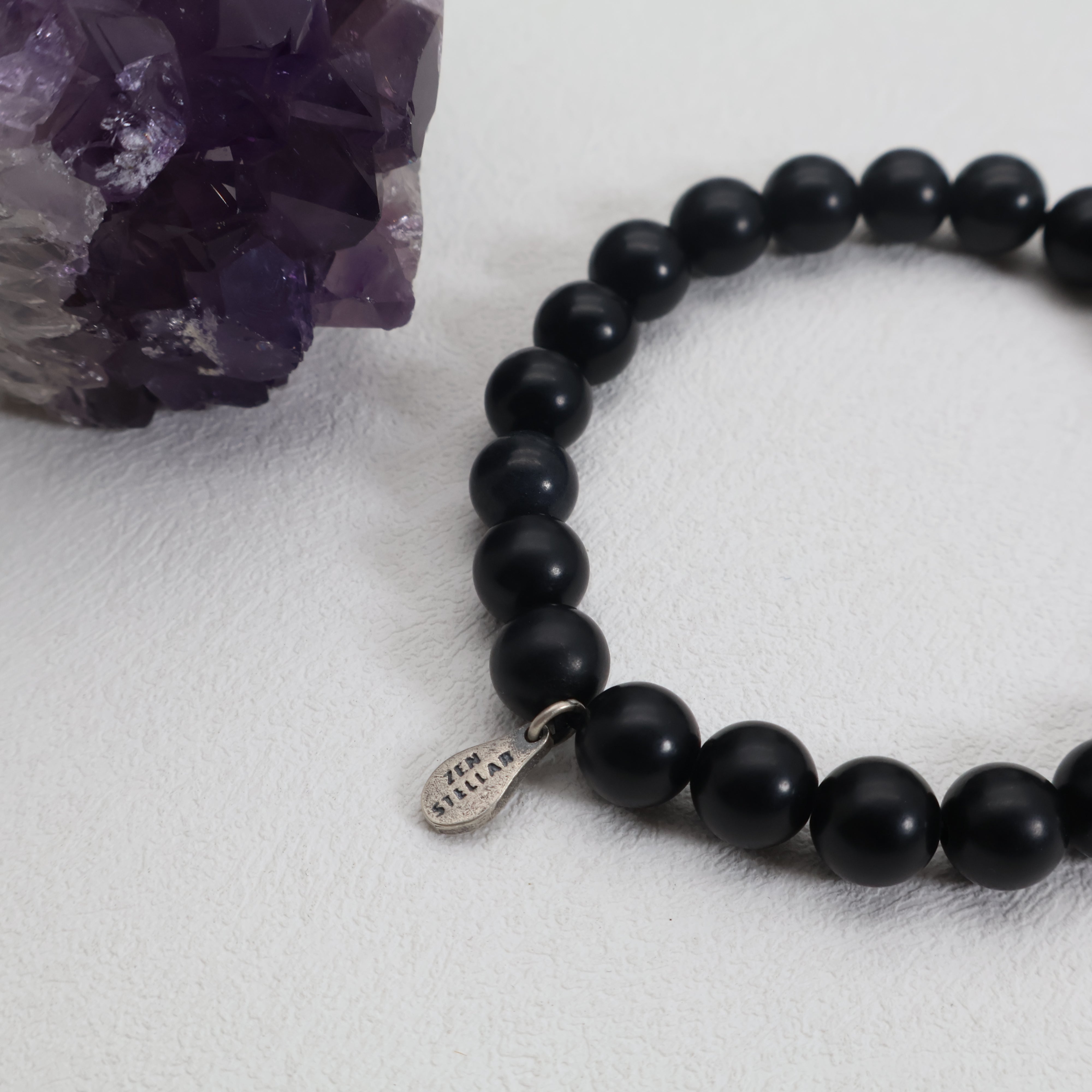
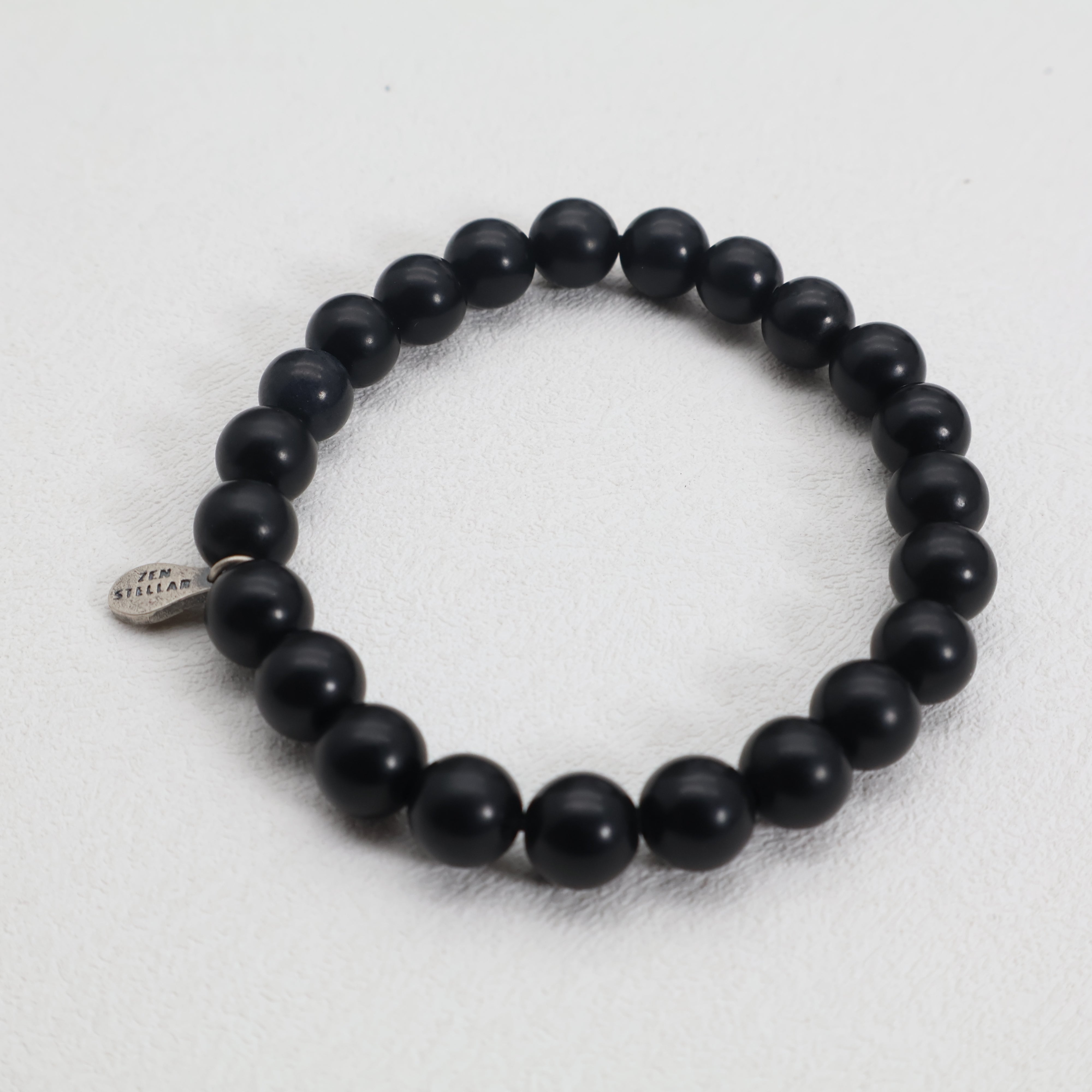
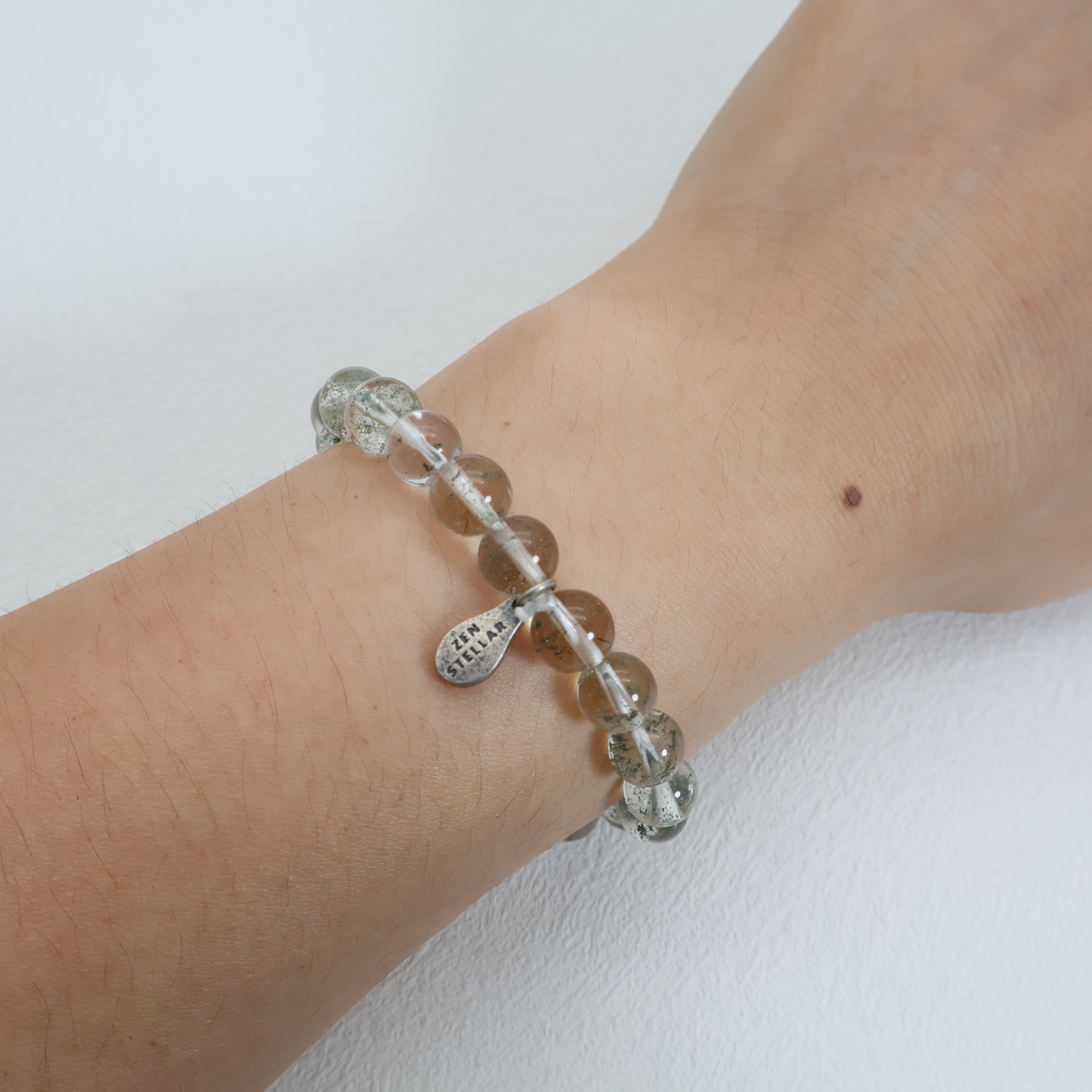
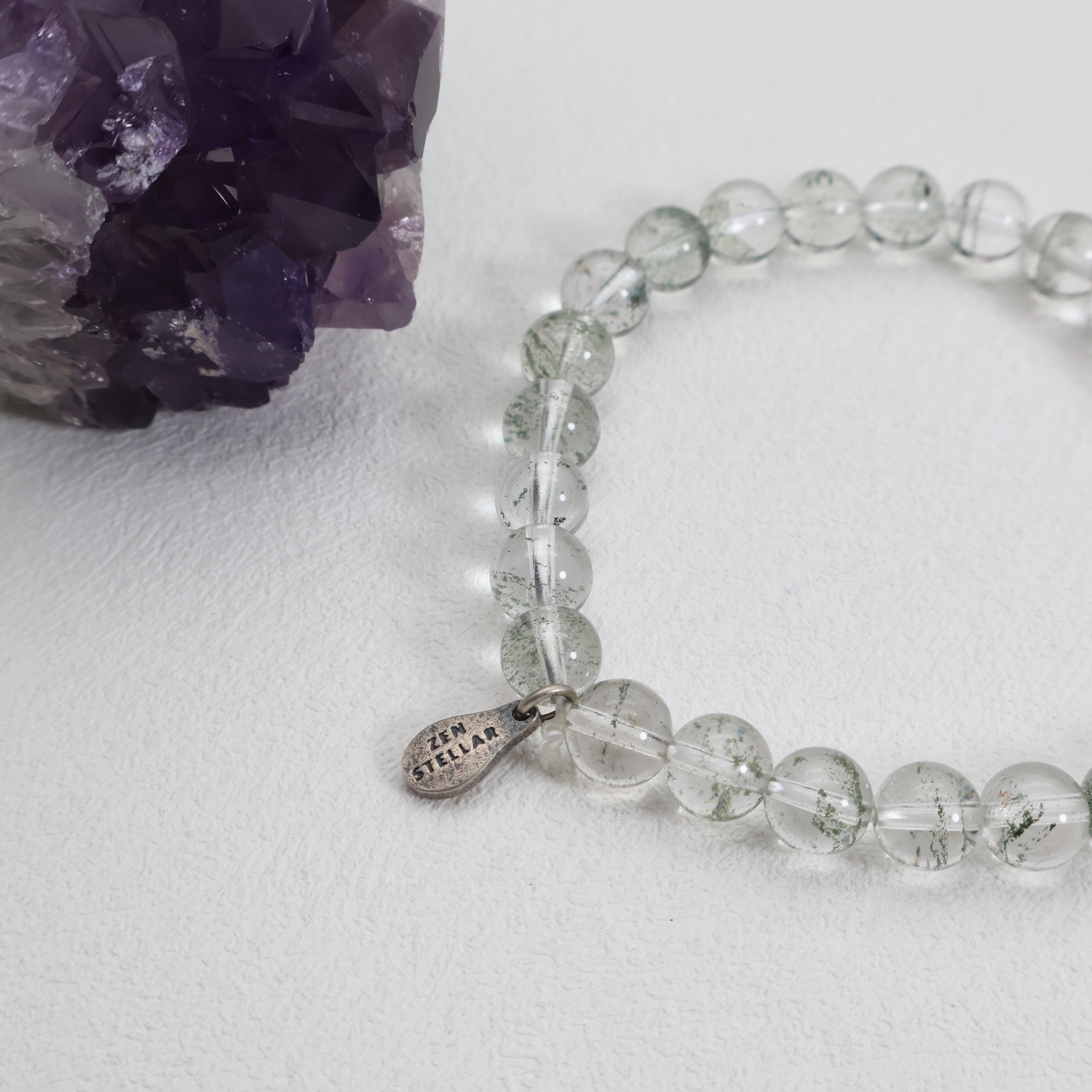
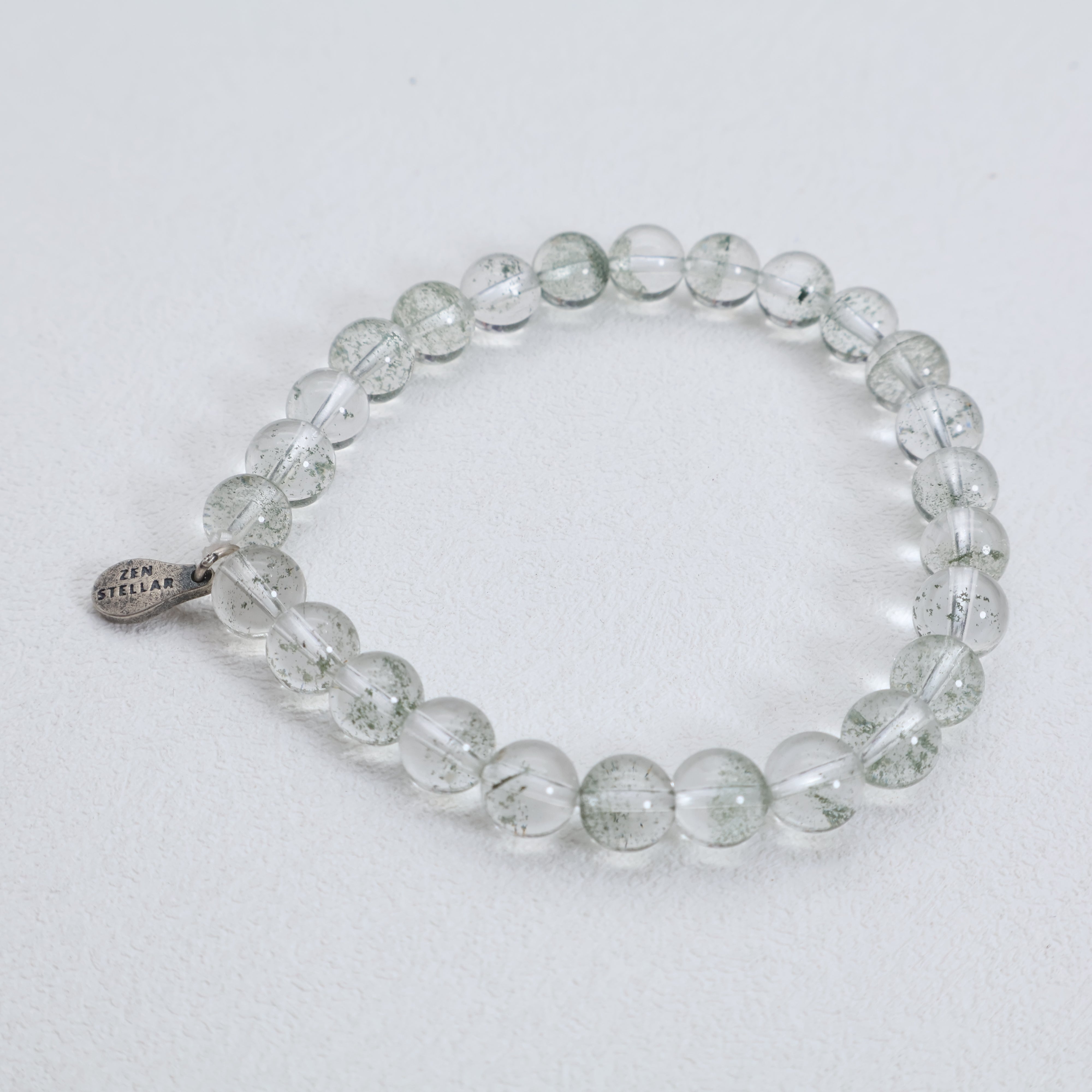
When choosing a Lapis Lazuli bracelet, many people focus on the depth of its blue color and the distribution of golden pyrite flecks.
Some prefer stones with strong midnight blue tones, while others are drawn to pieces that display more visible golden specks.
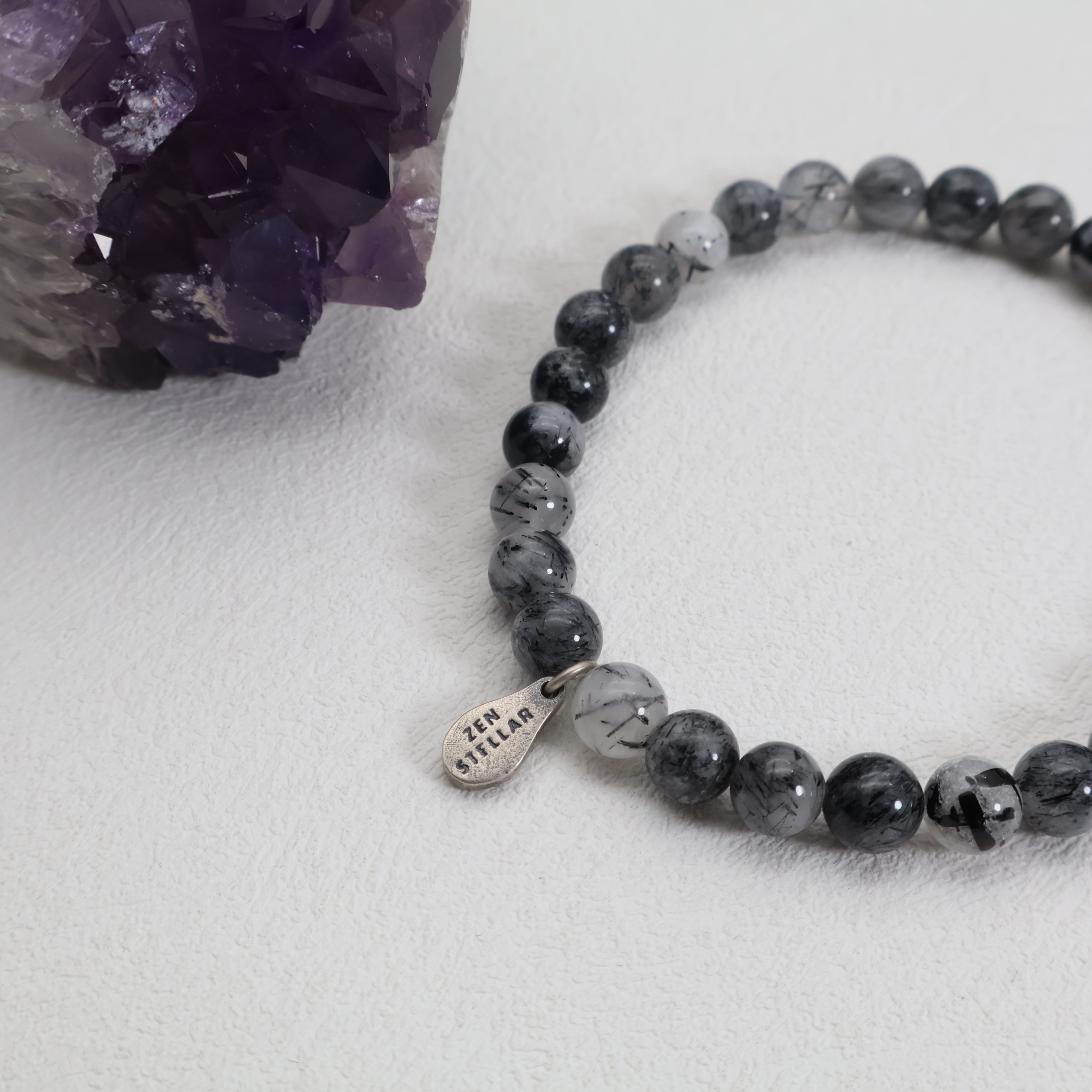
Each bracelet has a slightly different visual character.
The right choice is often the one whose color and pattern feel most balanced and expressive.

Caring for Lapis Lazuli
Lapis Lazuli should be handled with gentle care.
It can be cleaned with a soft cloth and mild water, but harsh chemicals and prolonged soaking should be avoided.
Treating the stone carefully helps preserve its natural color and surface.
For some people, caring for the bracelet becomes part of maintaining awareness and respect for the object.
Why Lapis Lazuli Remains Relevant Today
In a world filled with constant information and rapid communication, thoughtful expression becomes increasingly valuable.
Lapis Lazuli remains relevant because it symbolizes reflection, knowledge, and authenticity.
Its presence encourages people to slow down and engage with ideas more deeply.
This quiet emphasis on wisdom continues to resonate in modern life.

Final Reflection
Lapis Lazuli is not worn to appear wise.
It is worn to remain thoughtful.
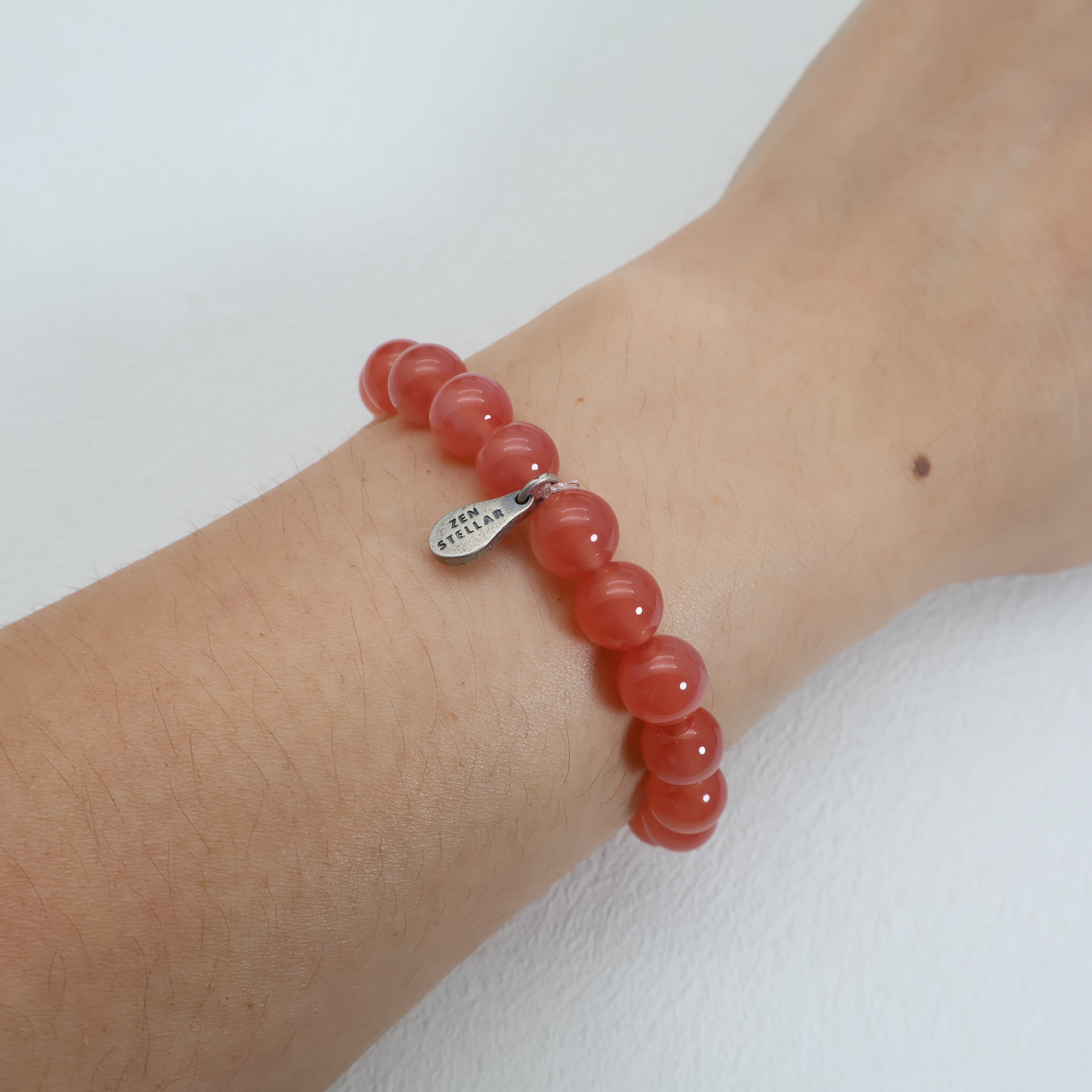
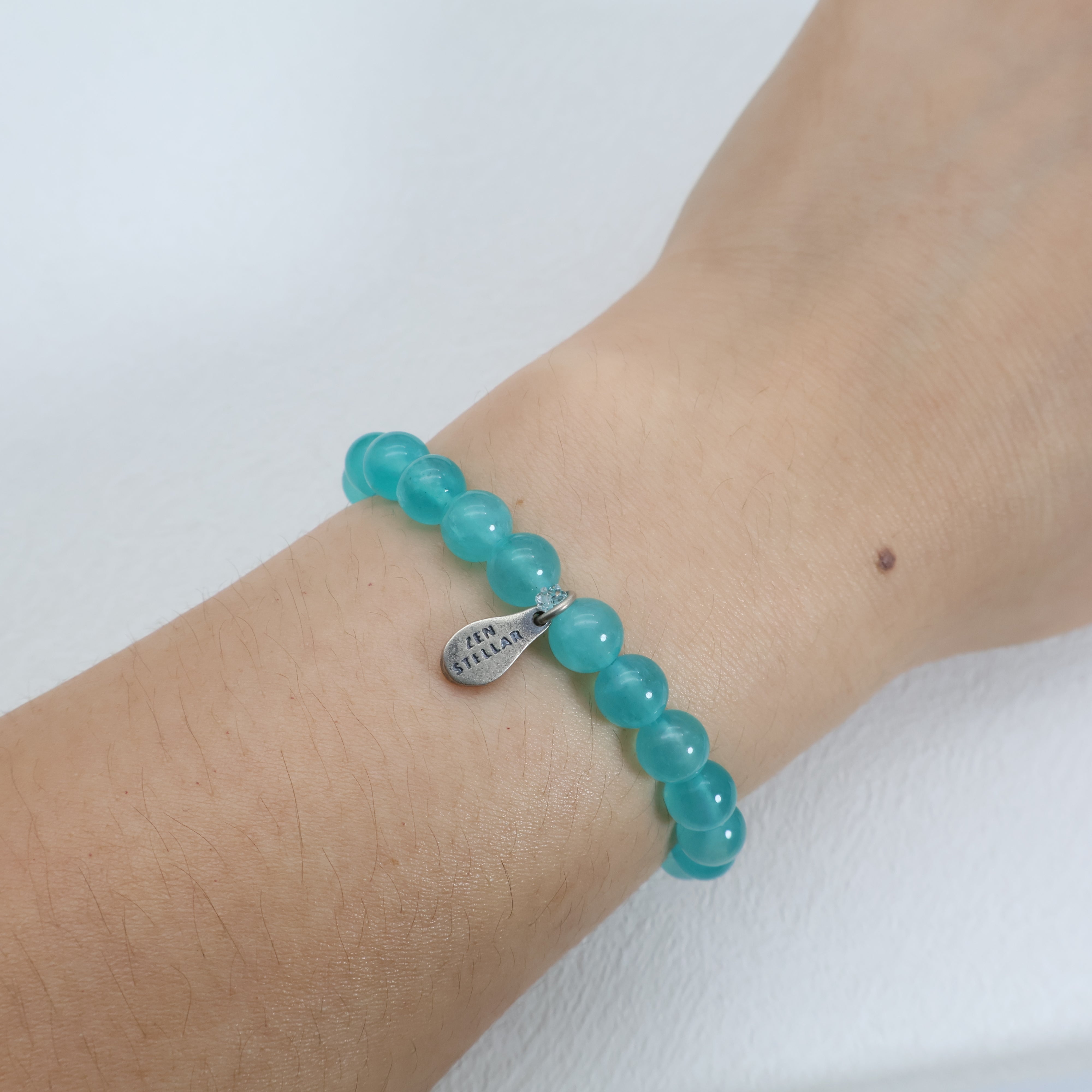
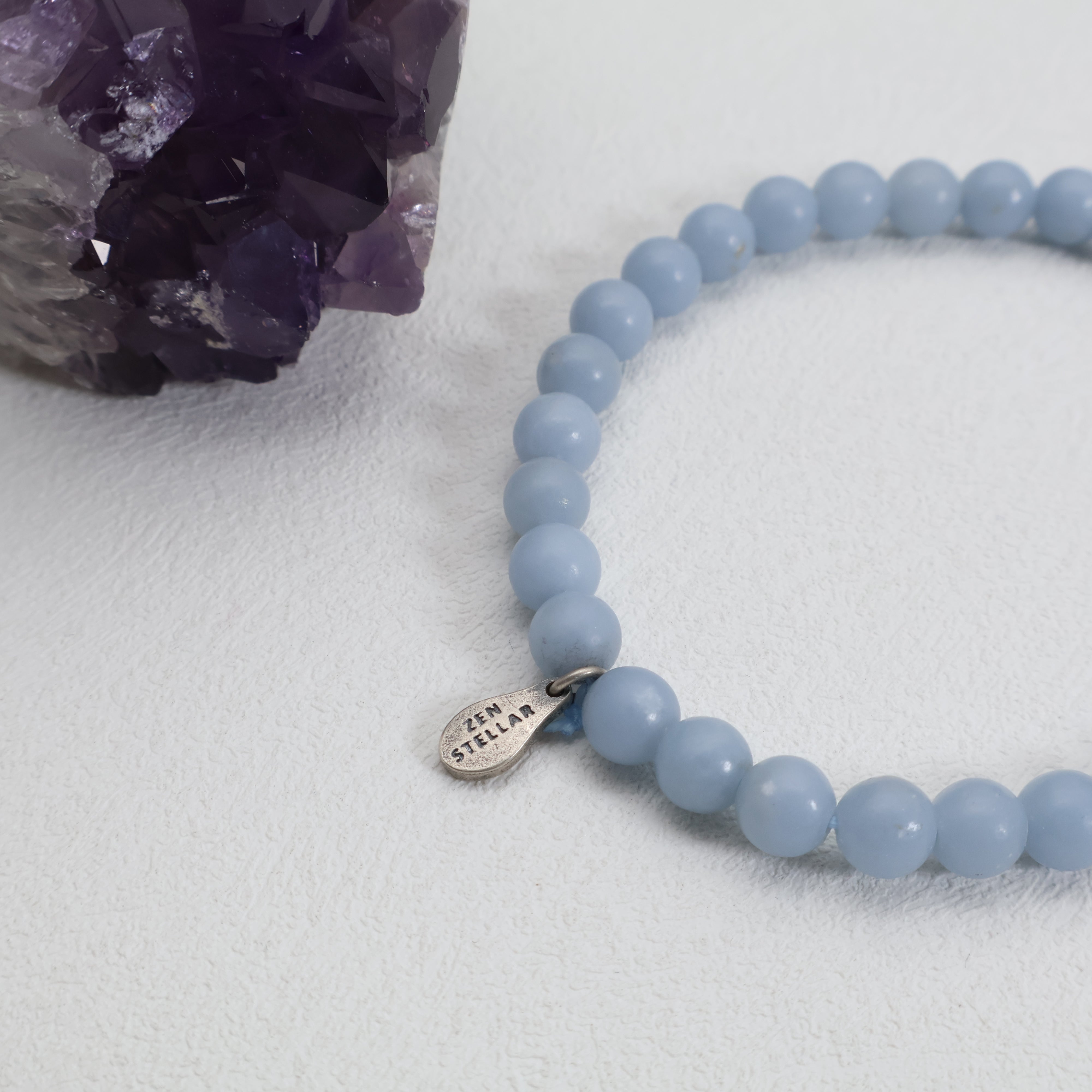
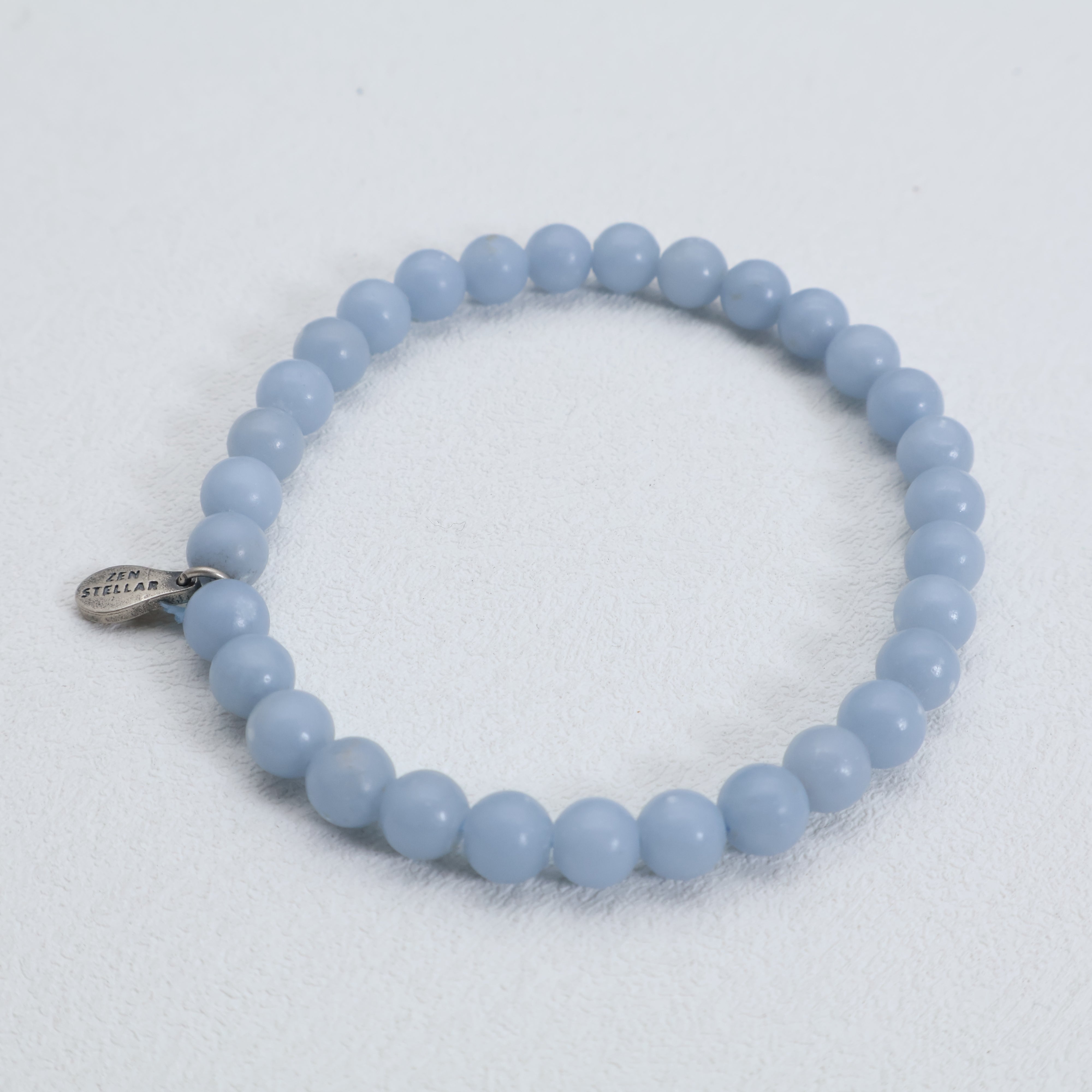
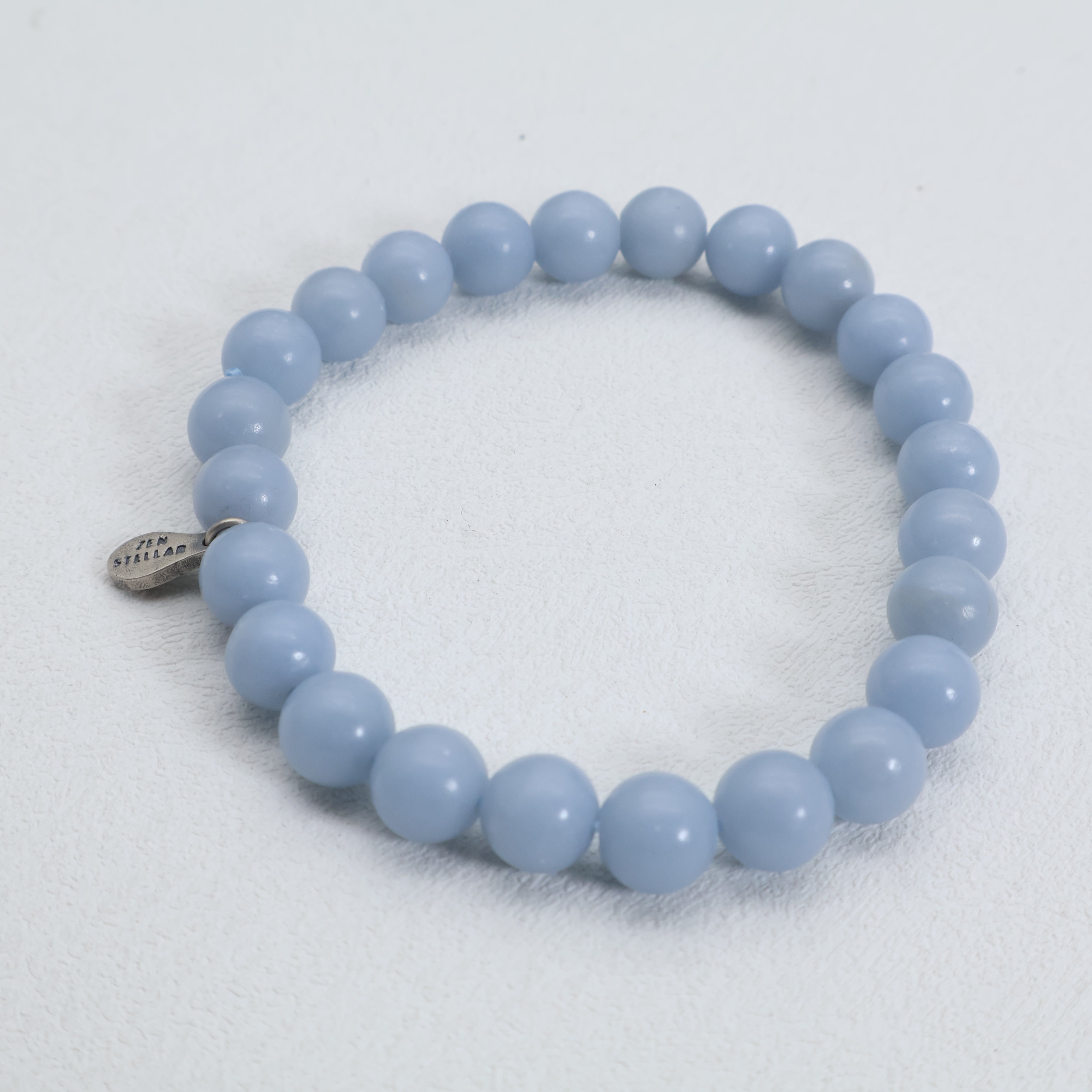
A bracelet made of this stone becomes a companion in daily life, supporting clarity of thought and sincerity of expression.
Over time, its meaning becomes less symbolic and more personal.
A Gentle Invitation
If you are drawn to Lapis Lazuli, consider wearing it during moments when clarity and thoughtful communication matter most.
Let it accompany you through conversations, decisions, and reflections.
Not as a statement.
But as a quiet reminder that wisdom often begins with listening and understanding.