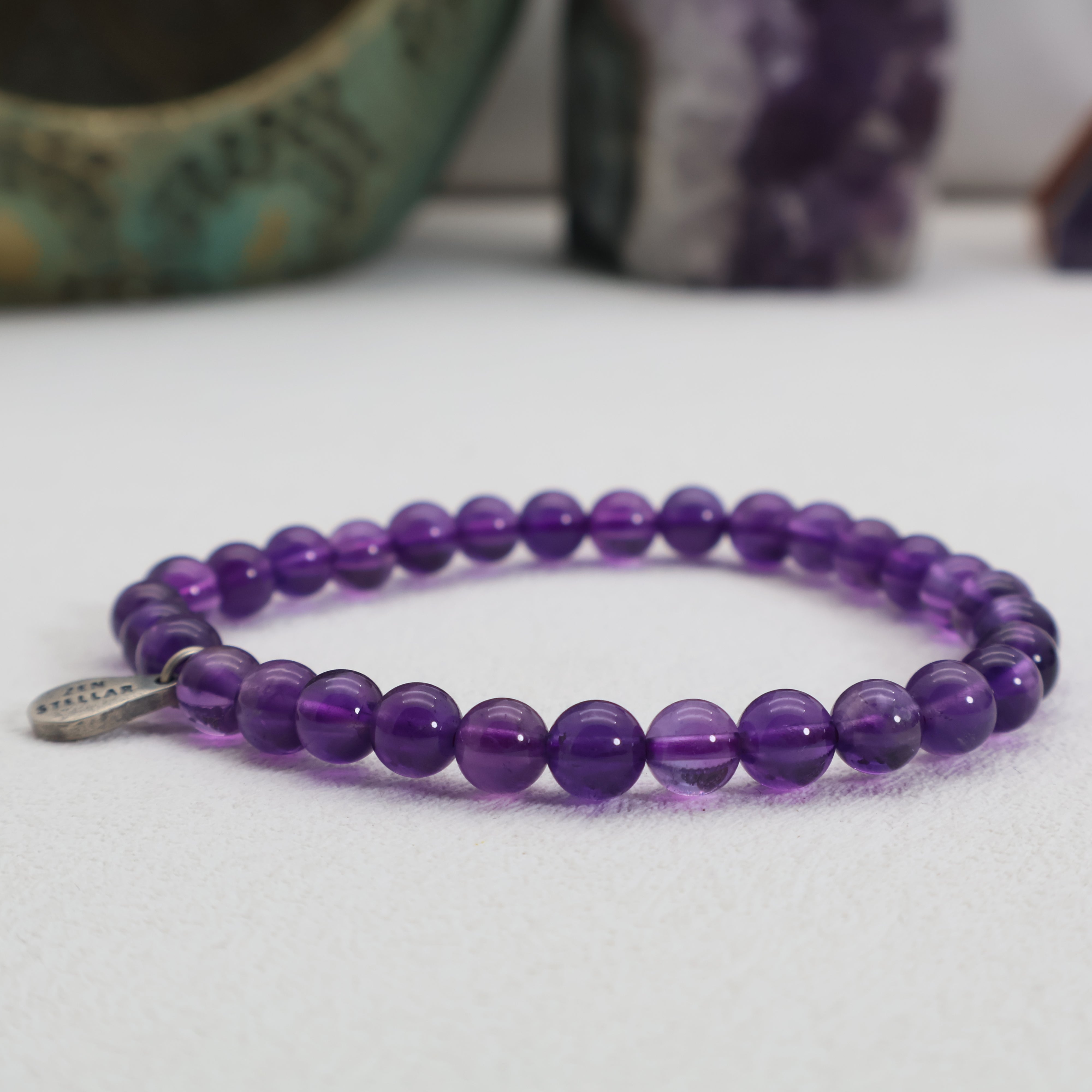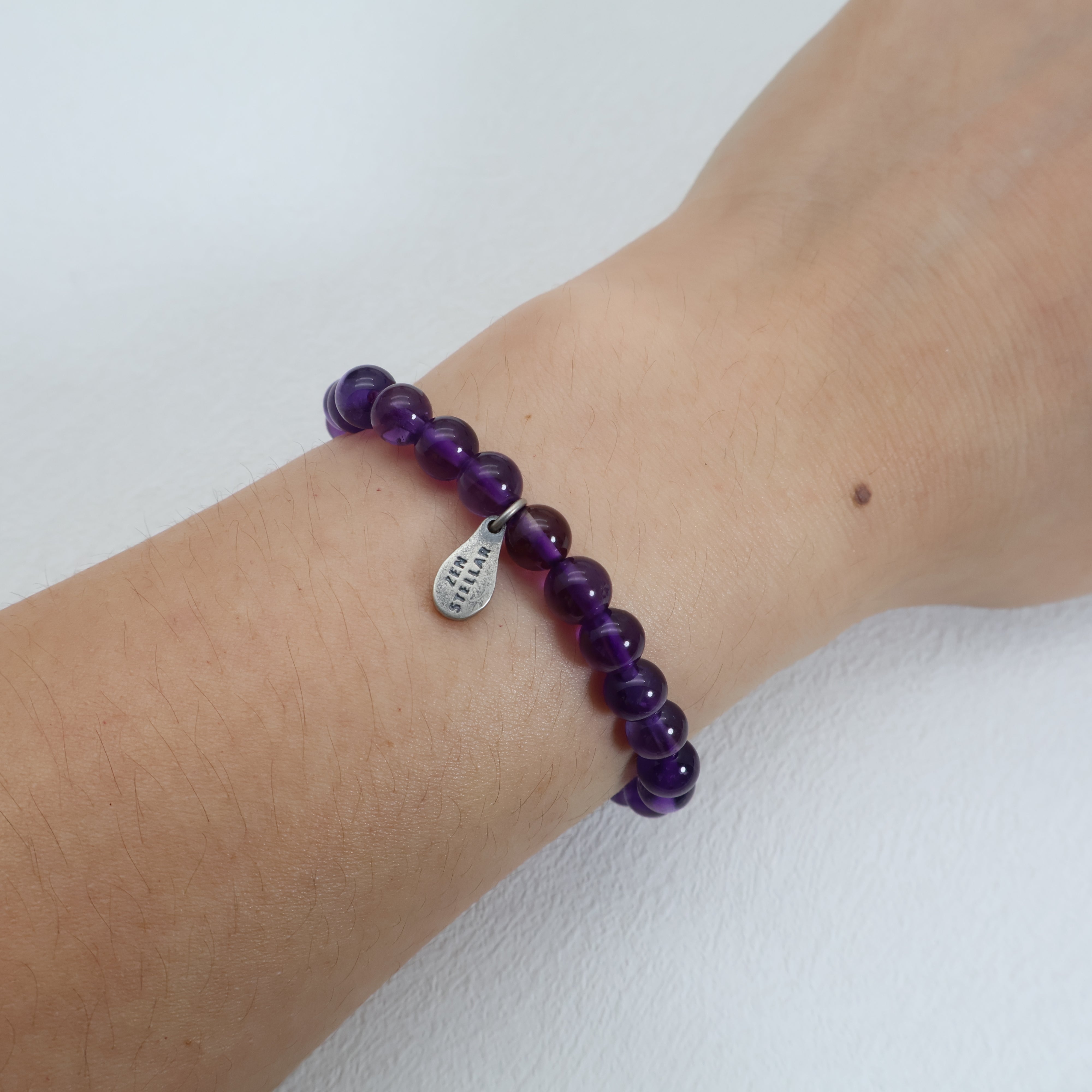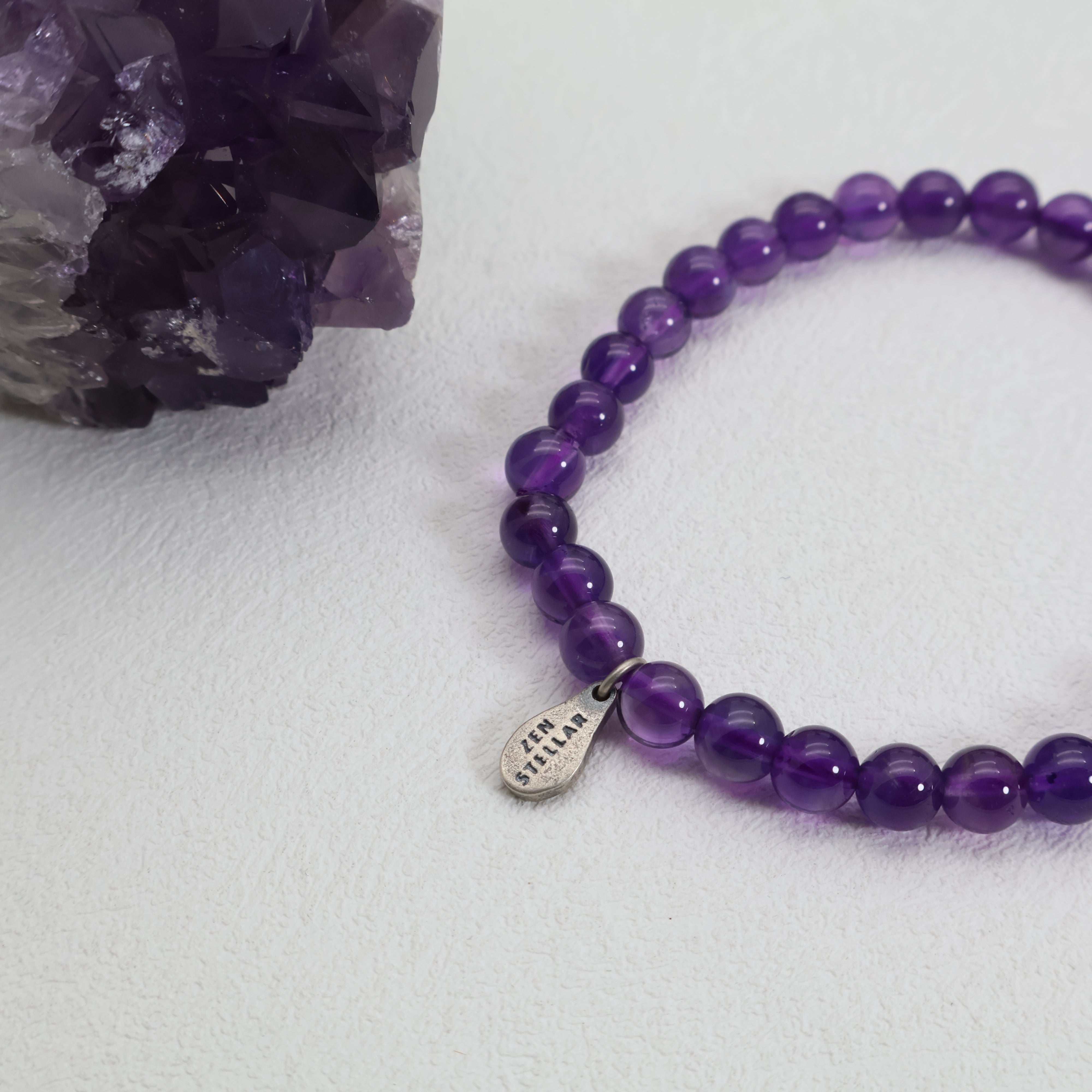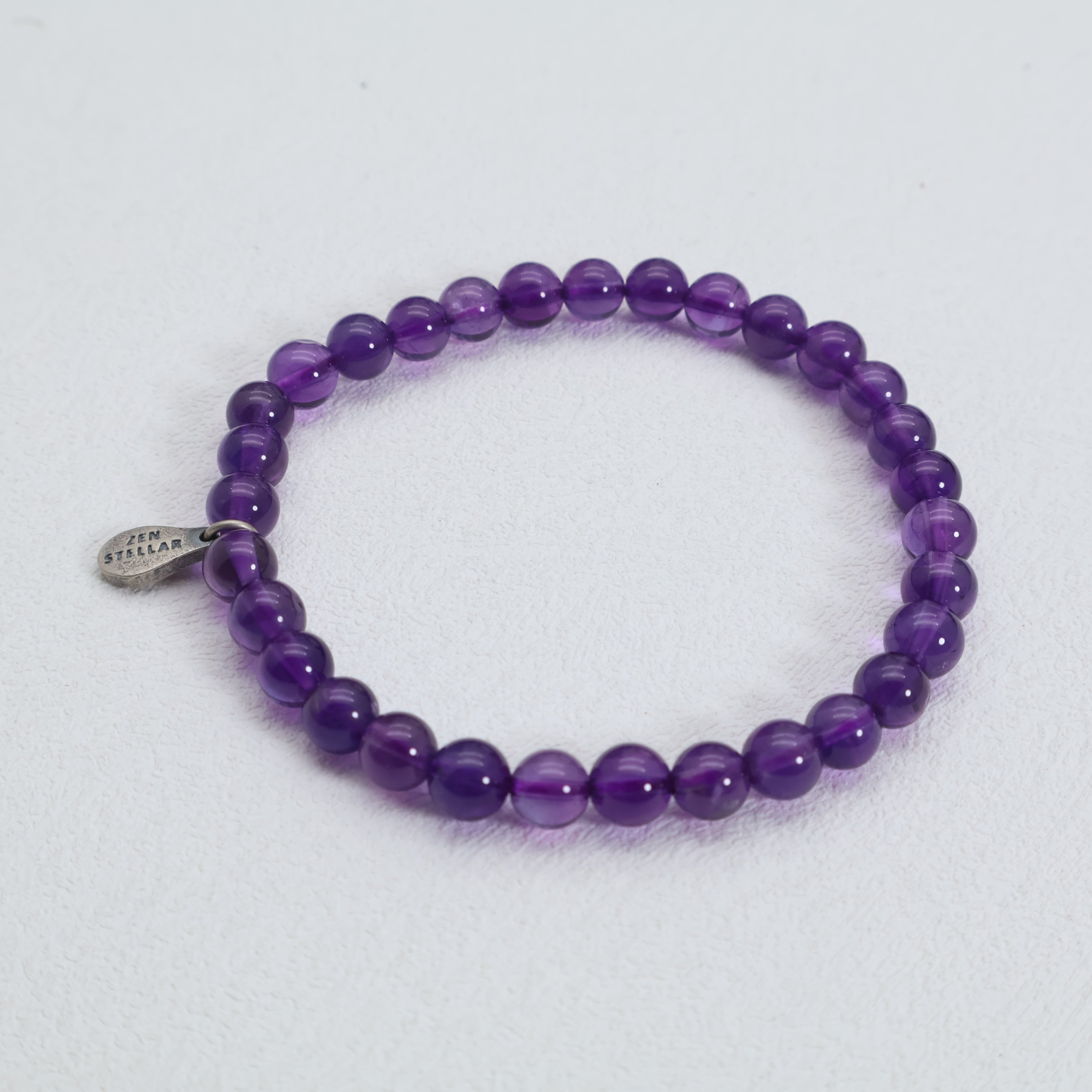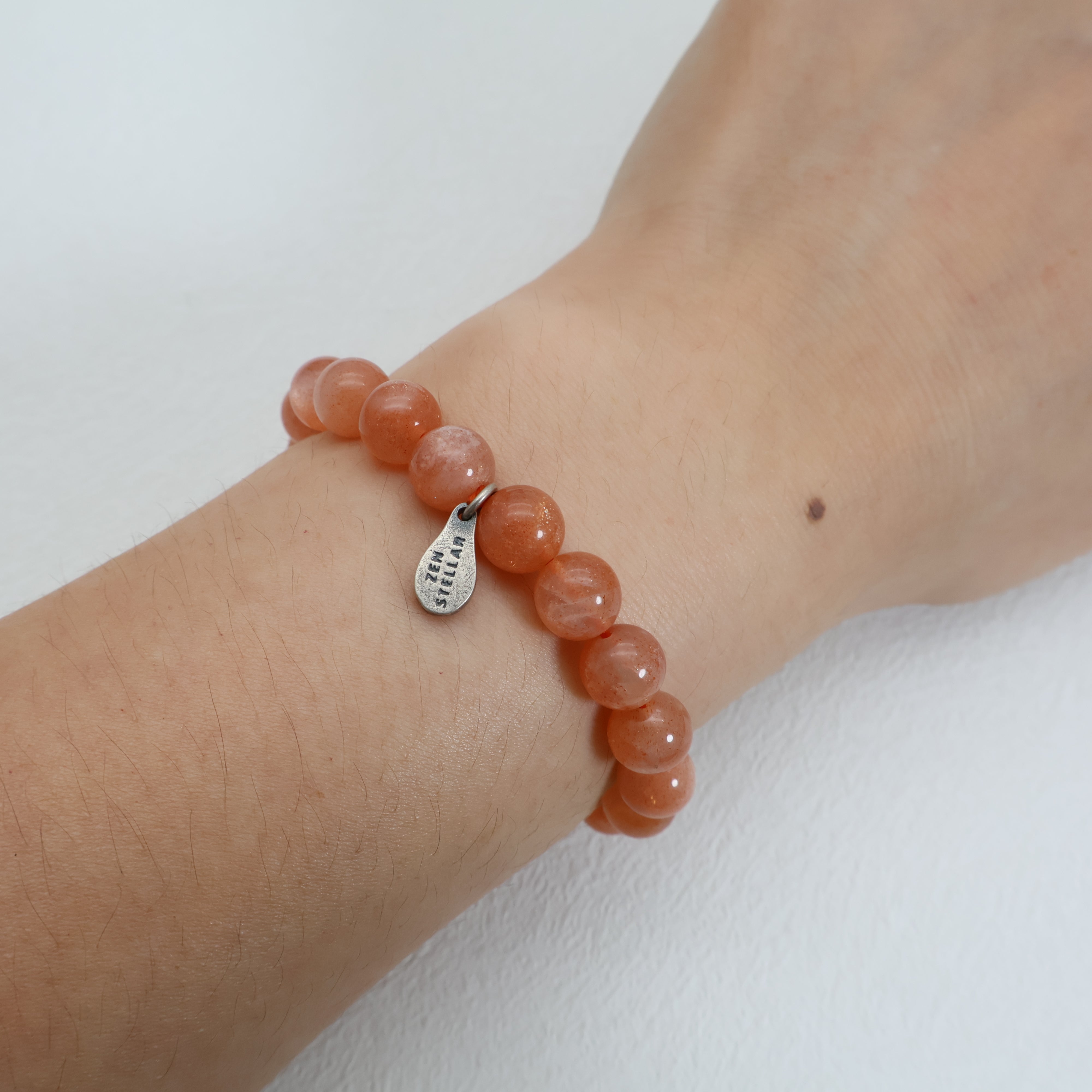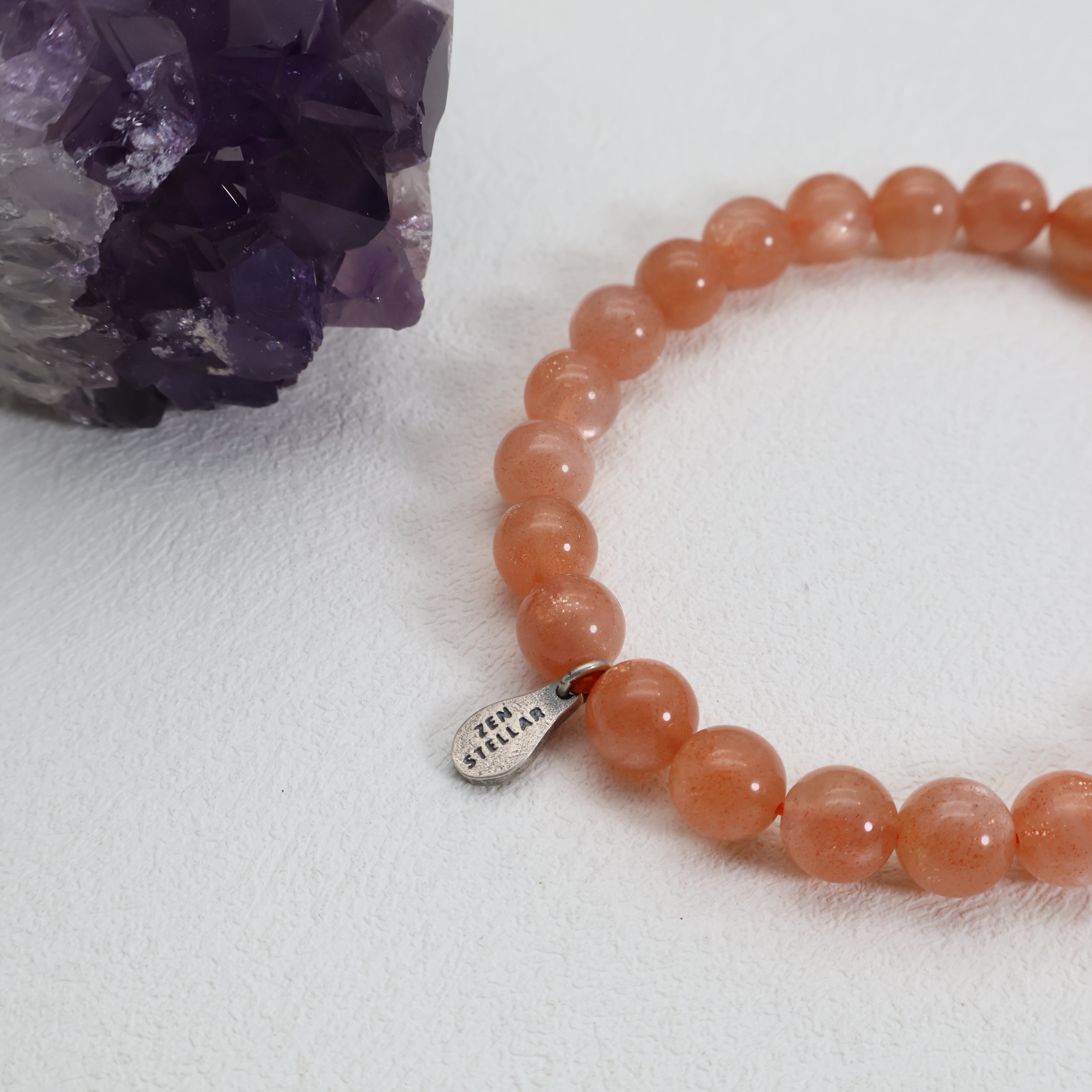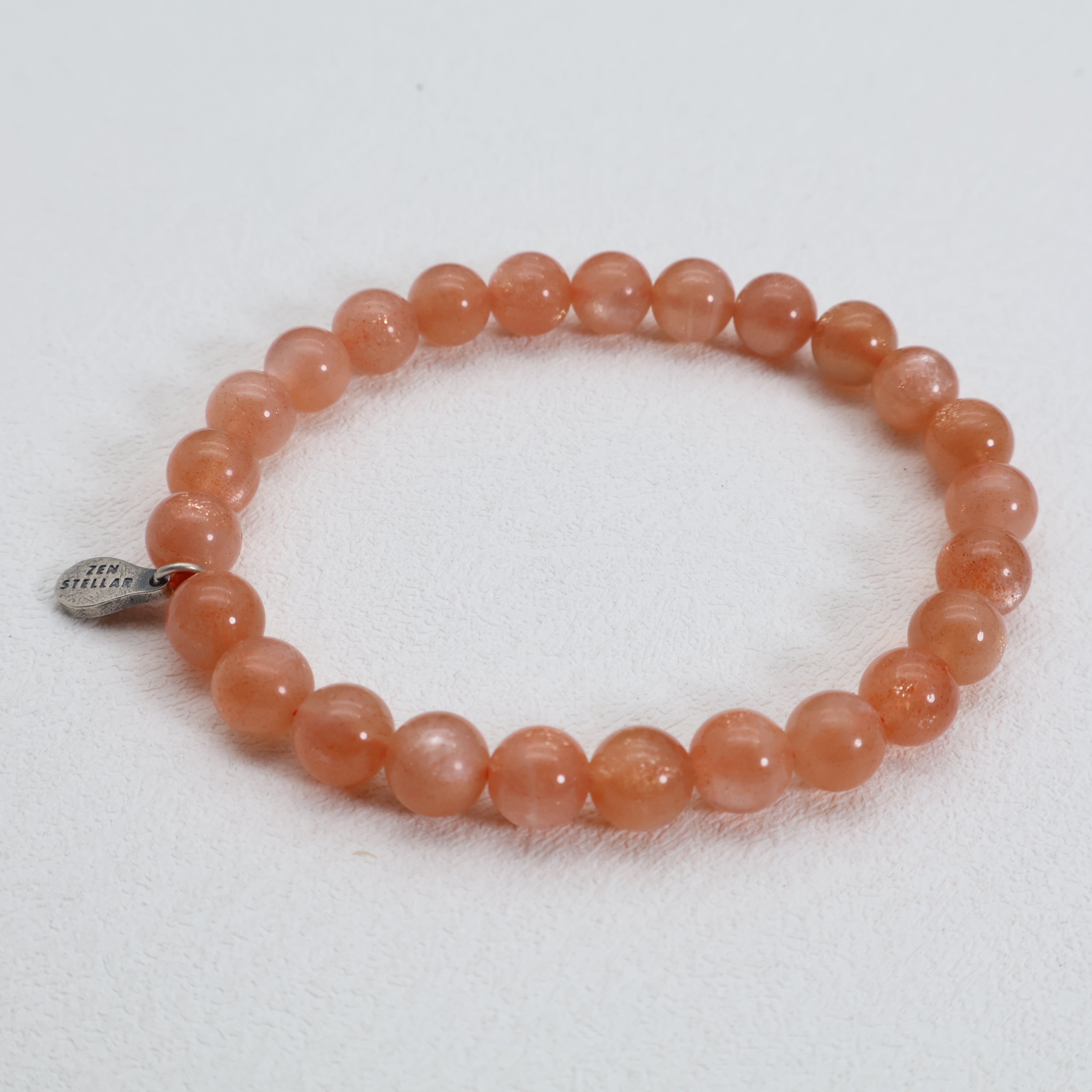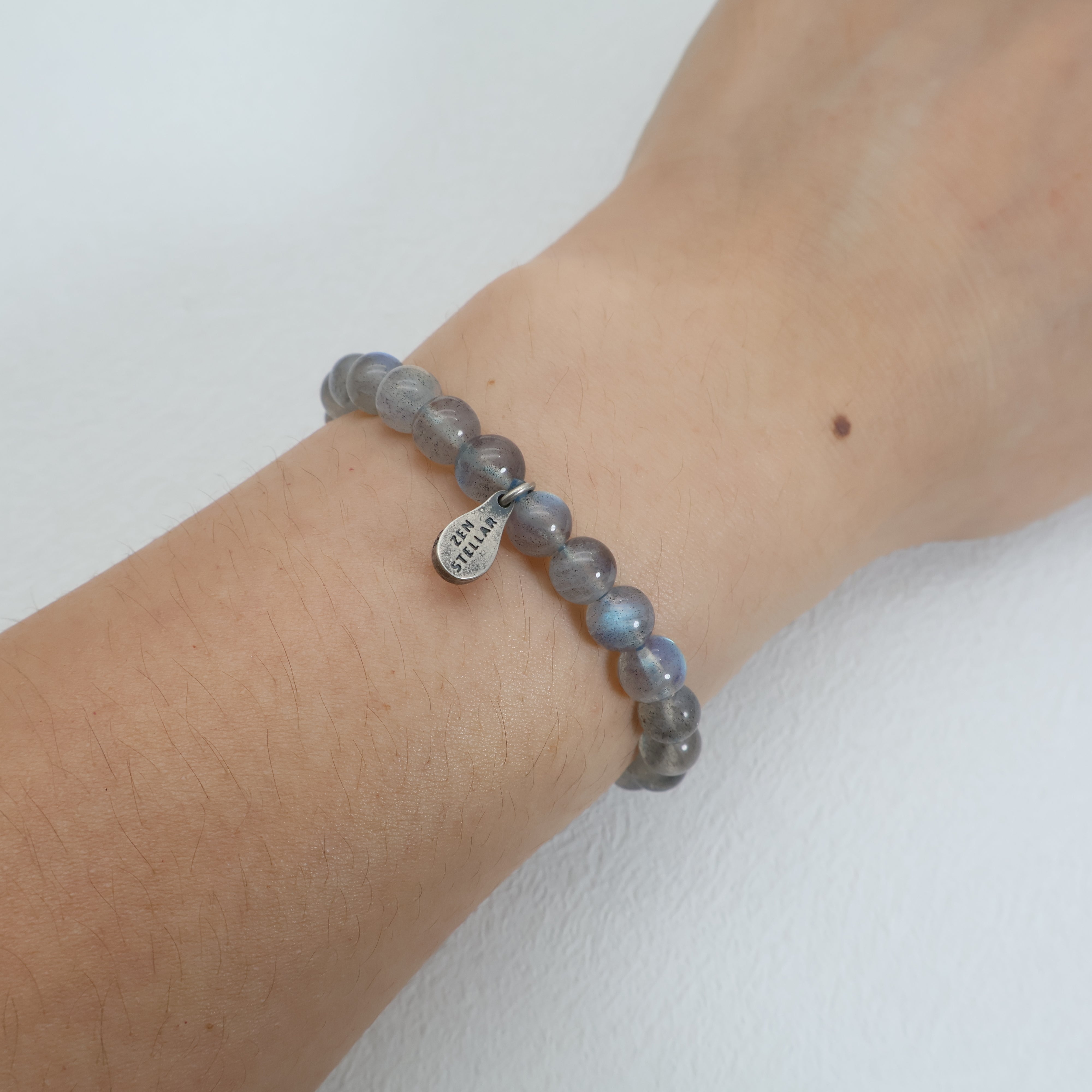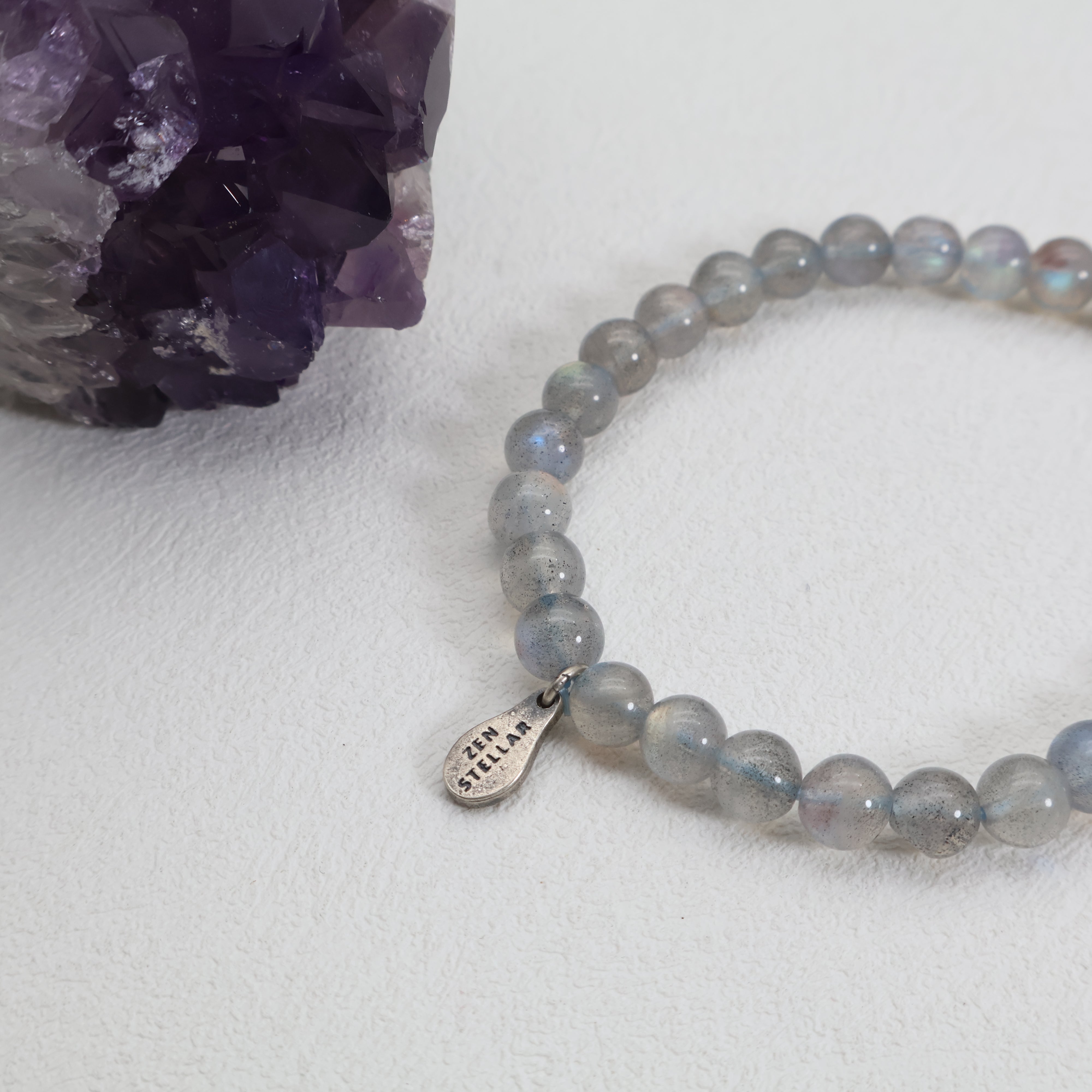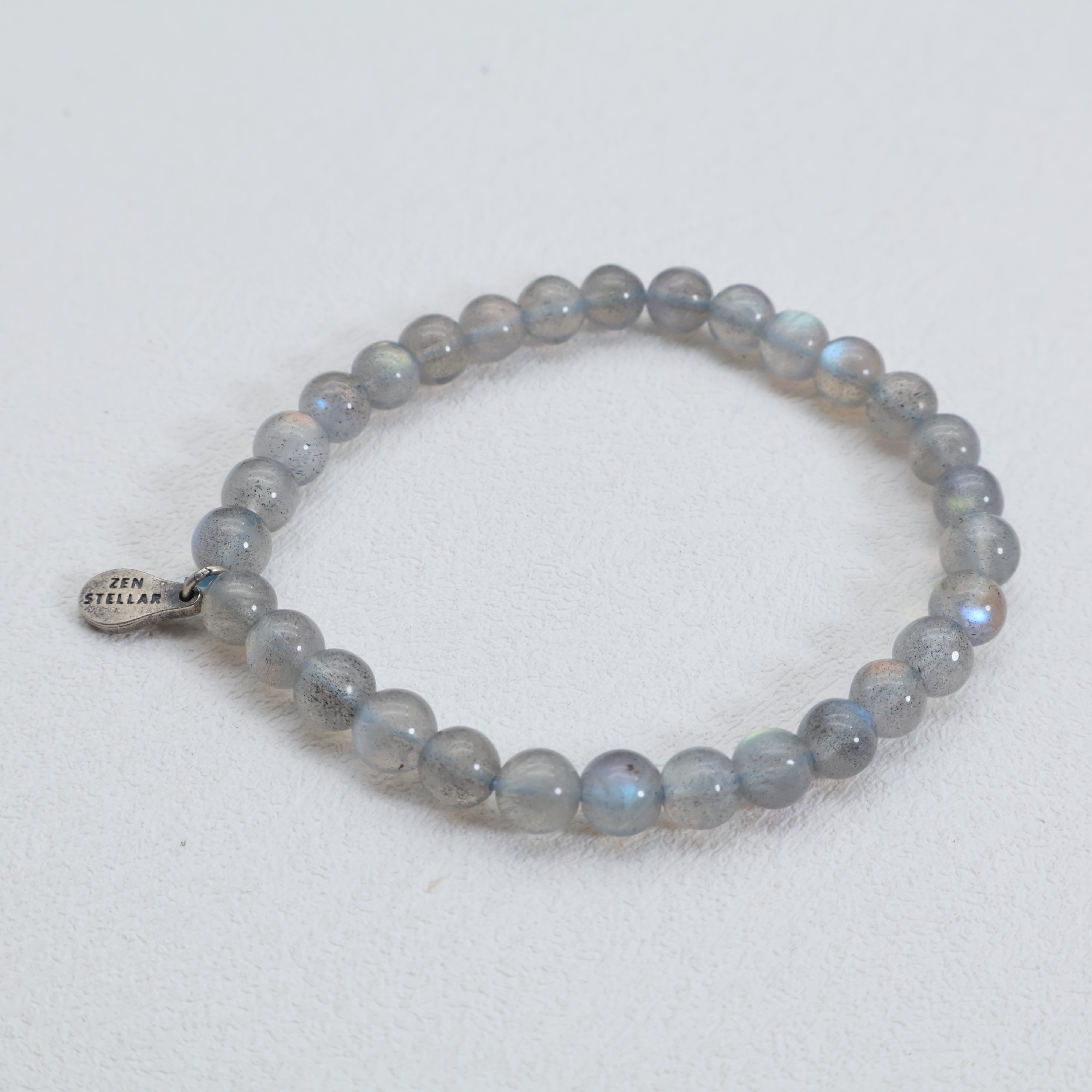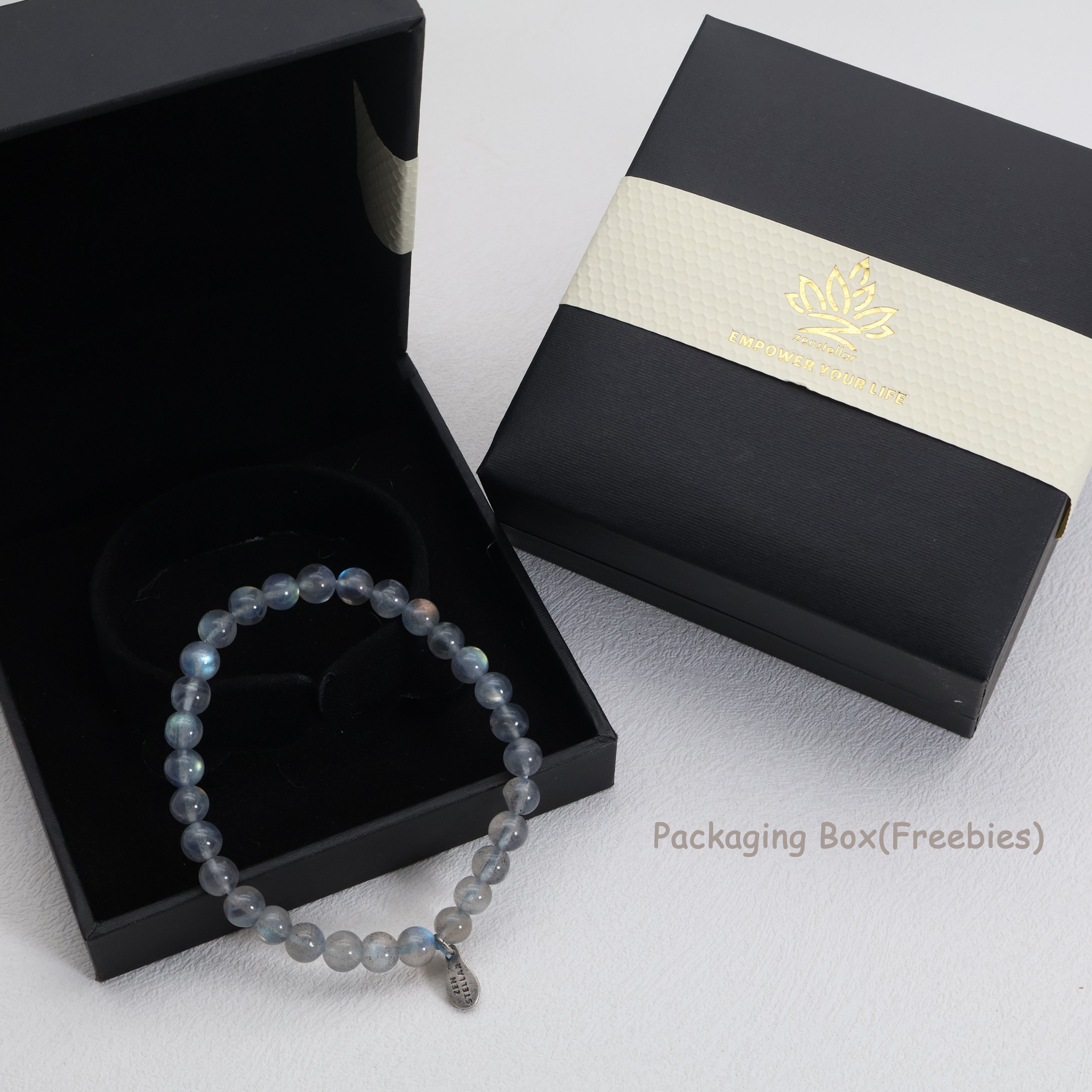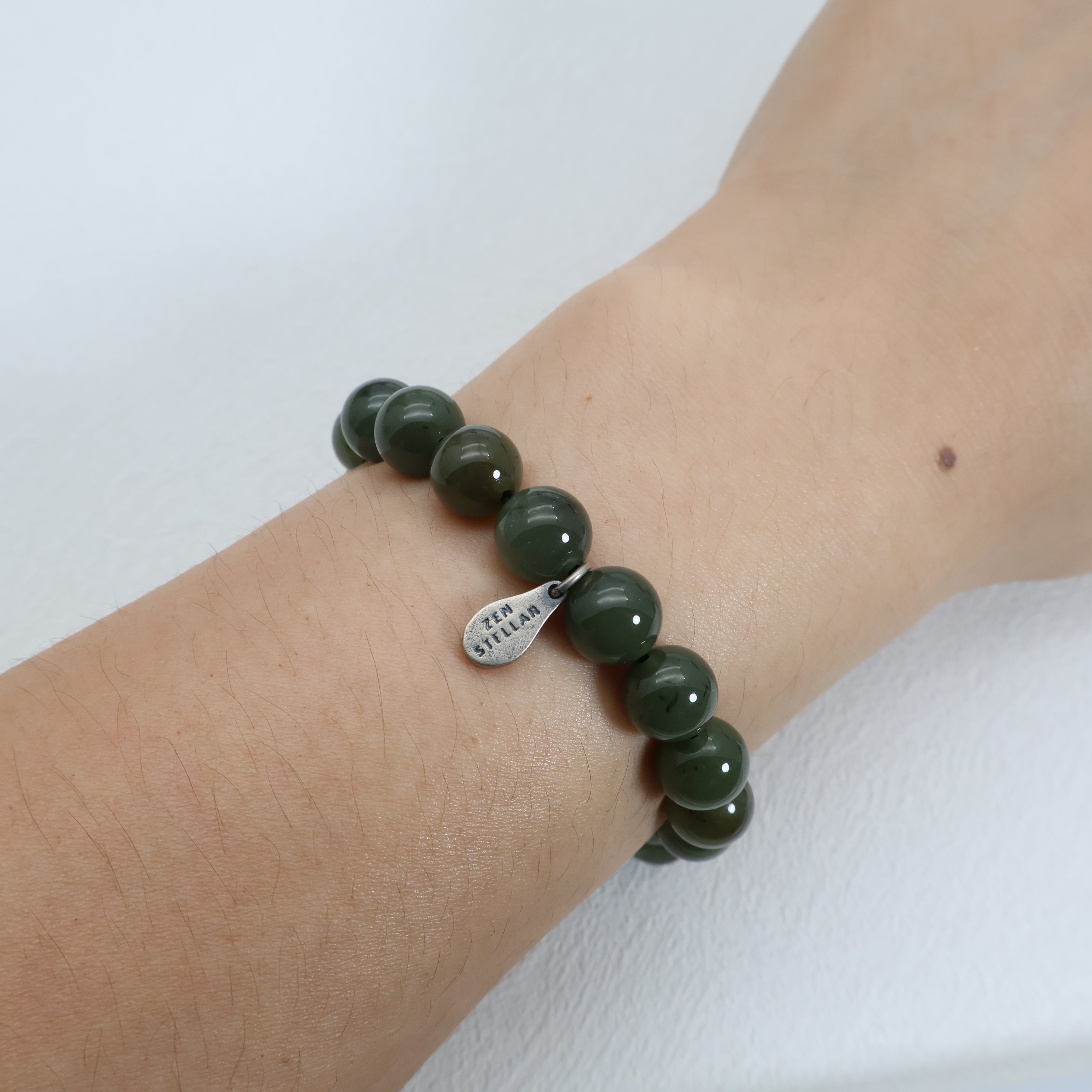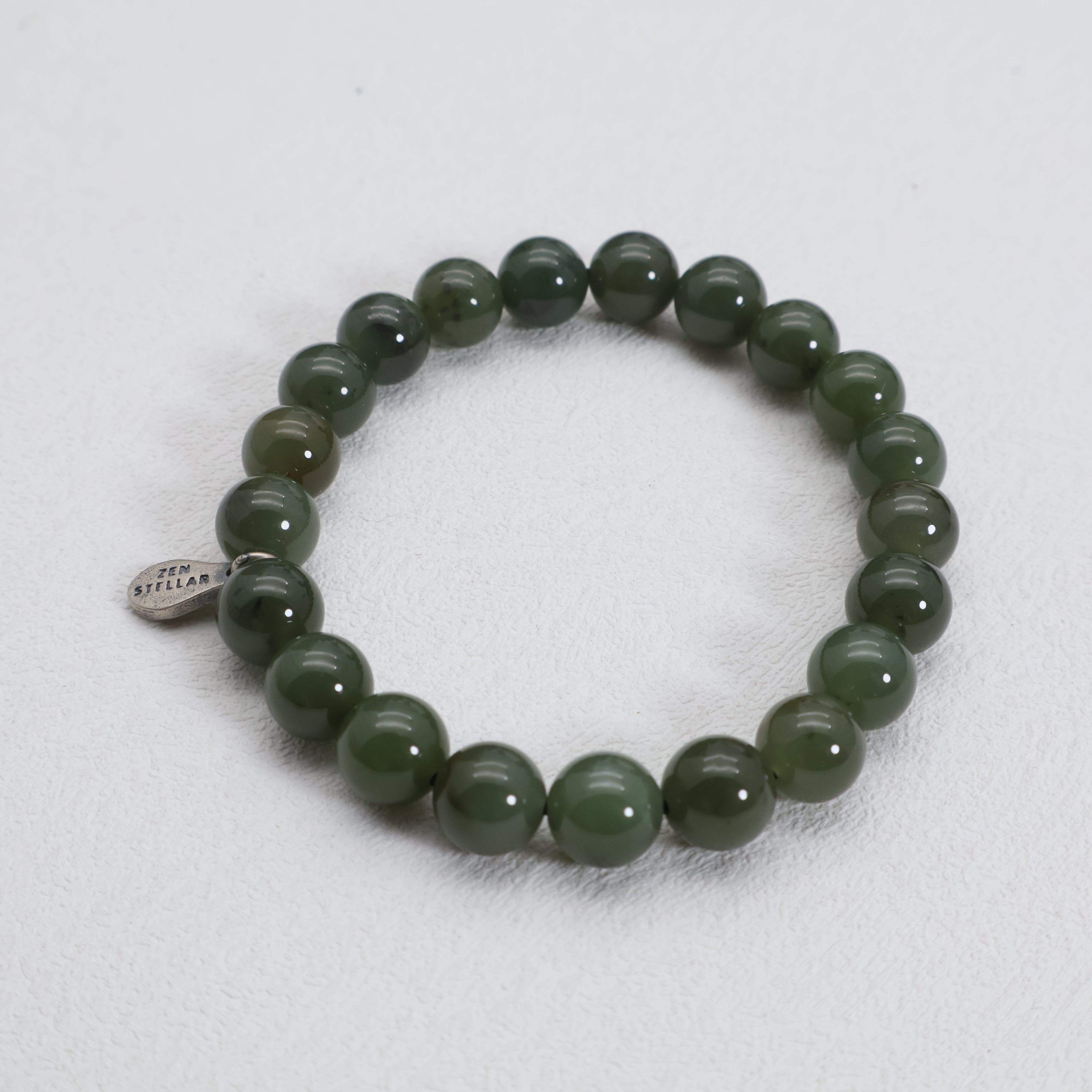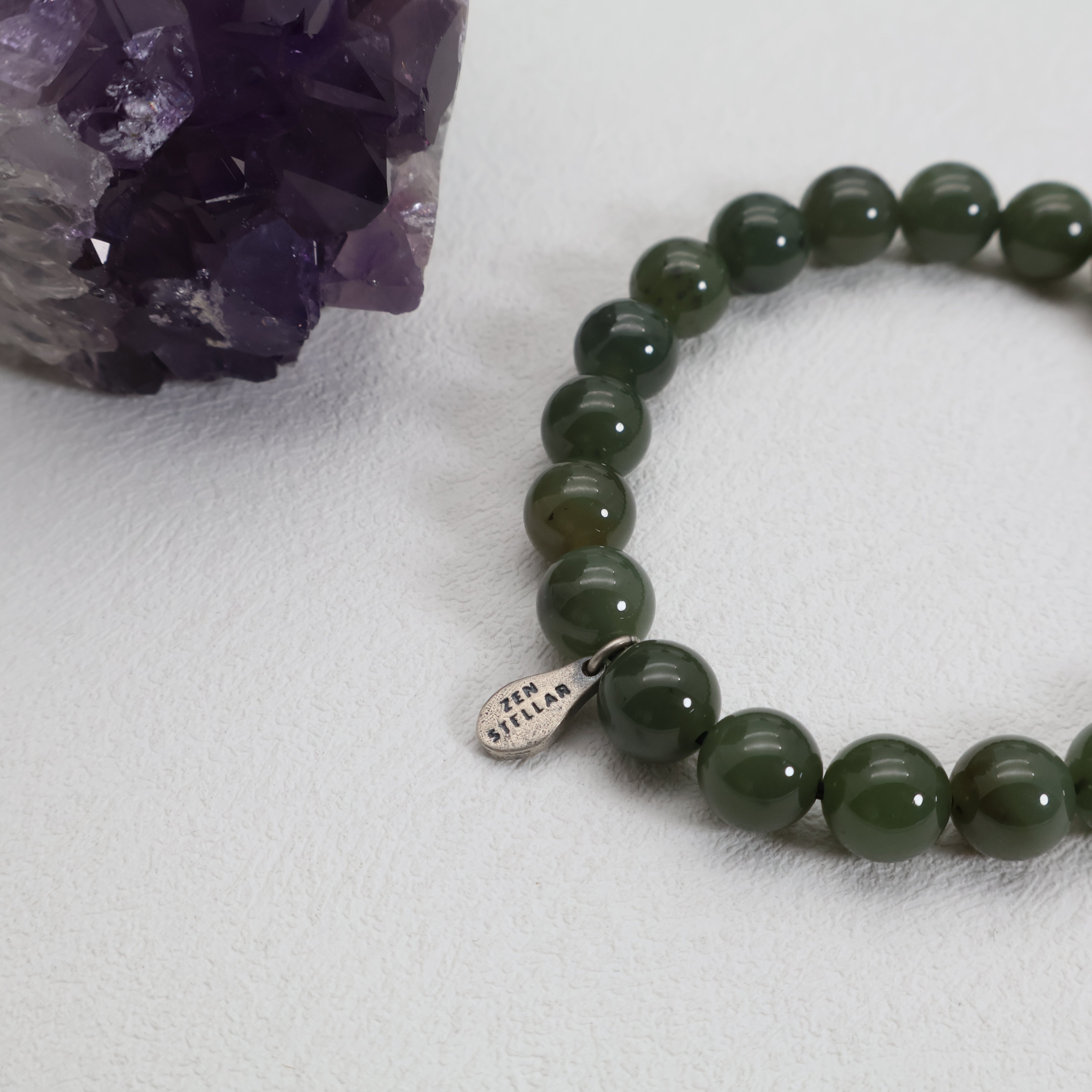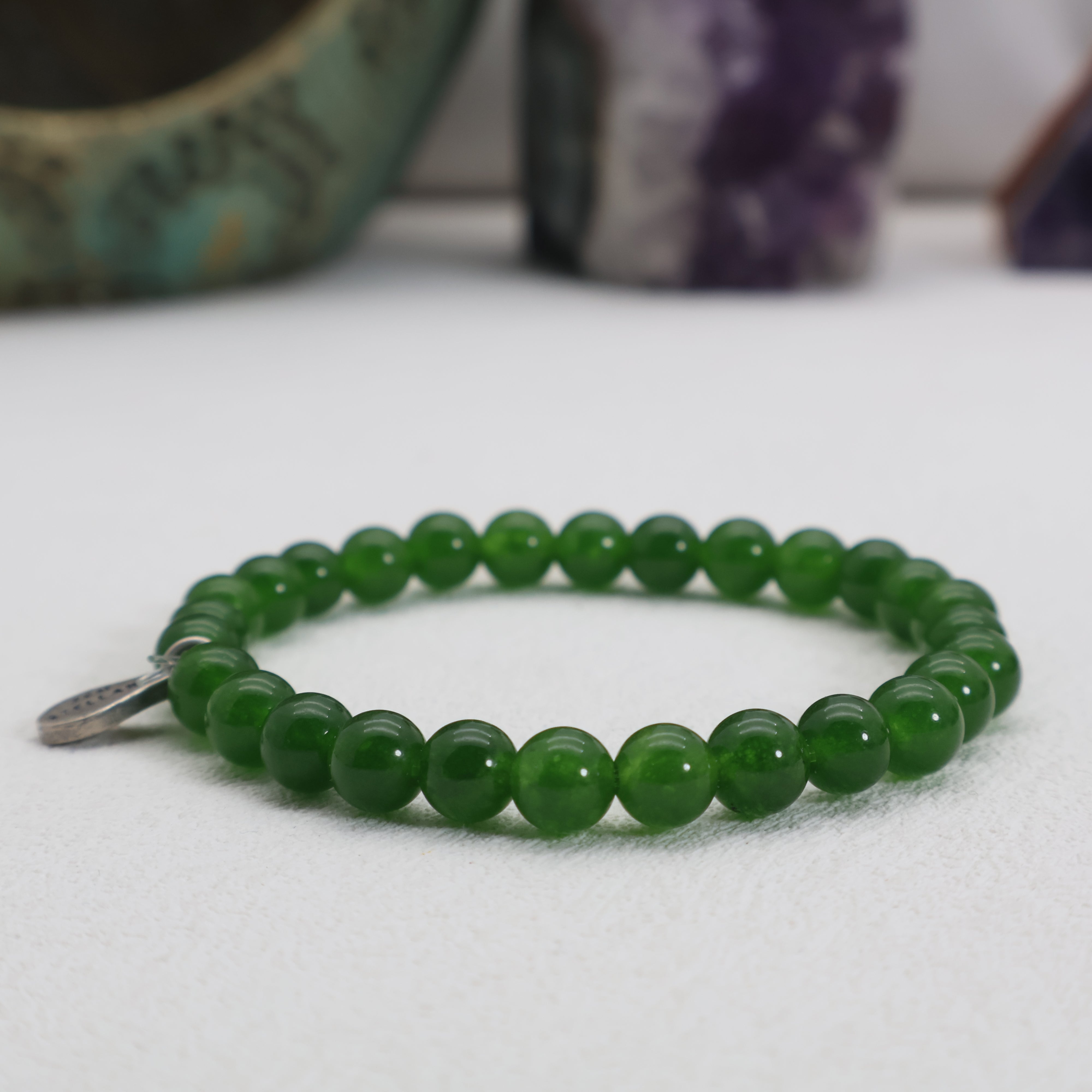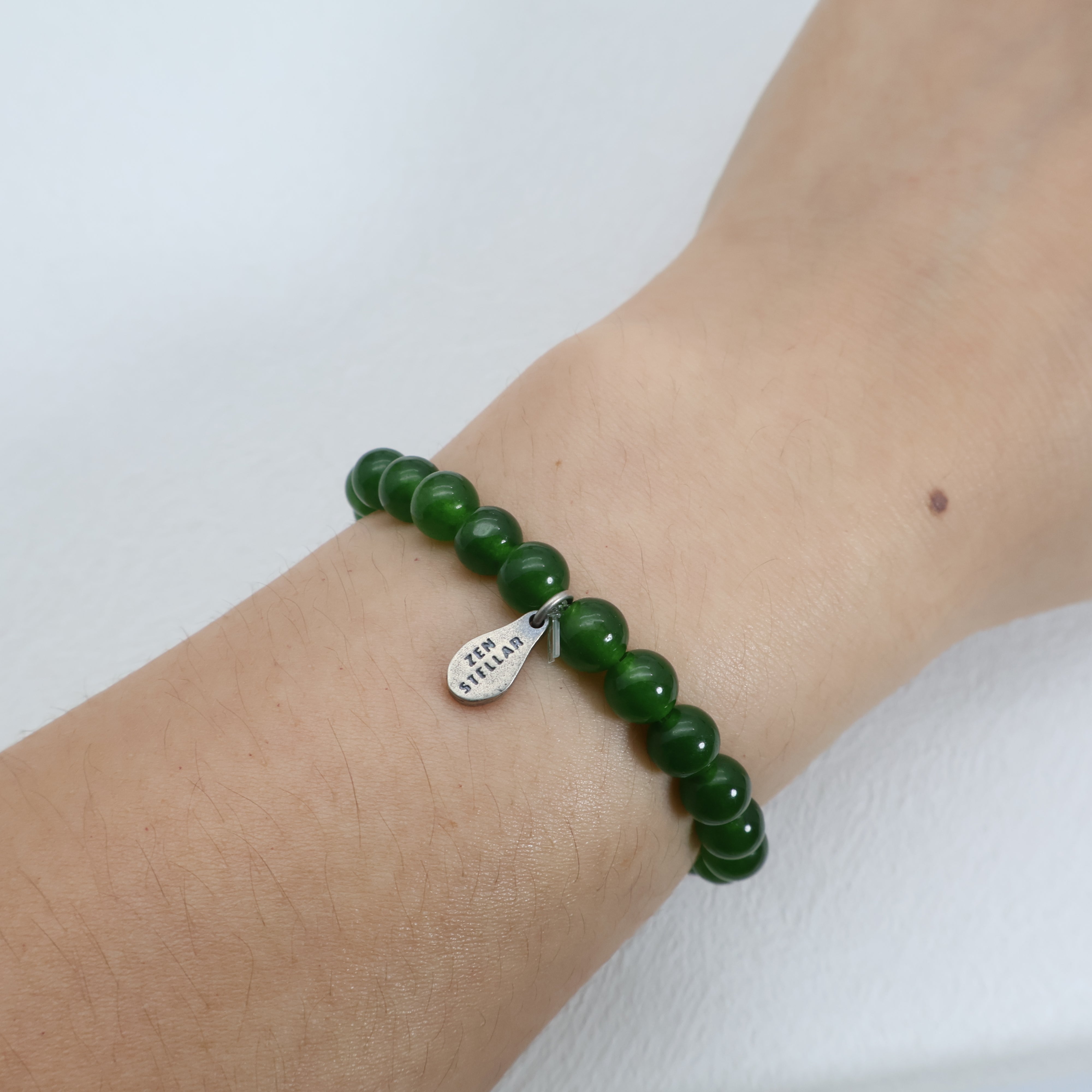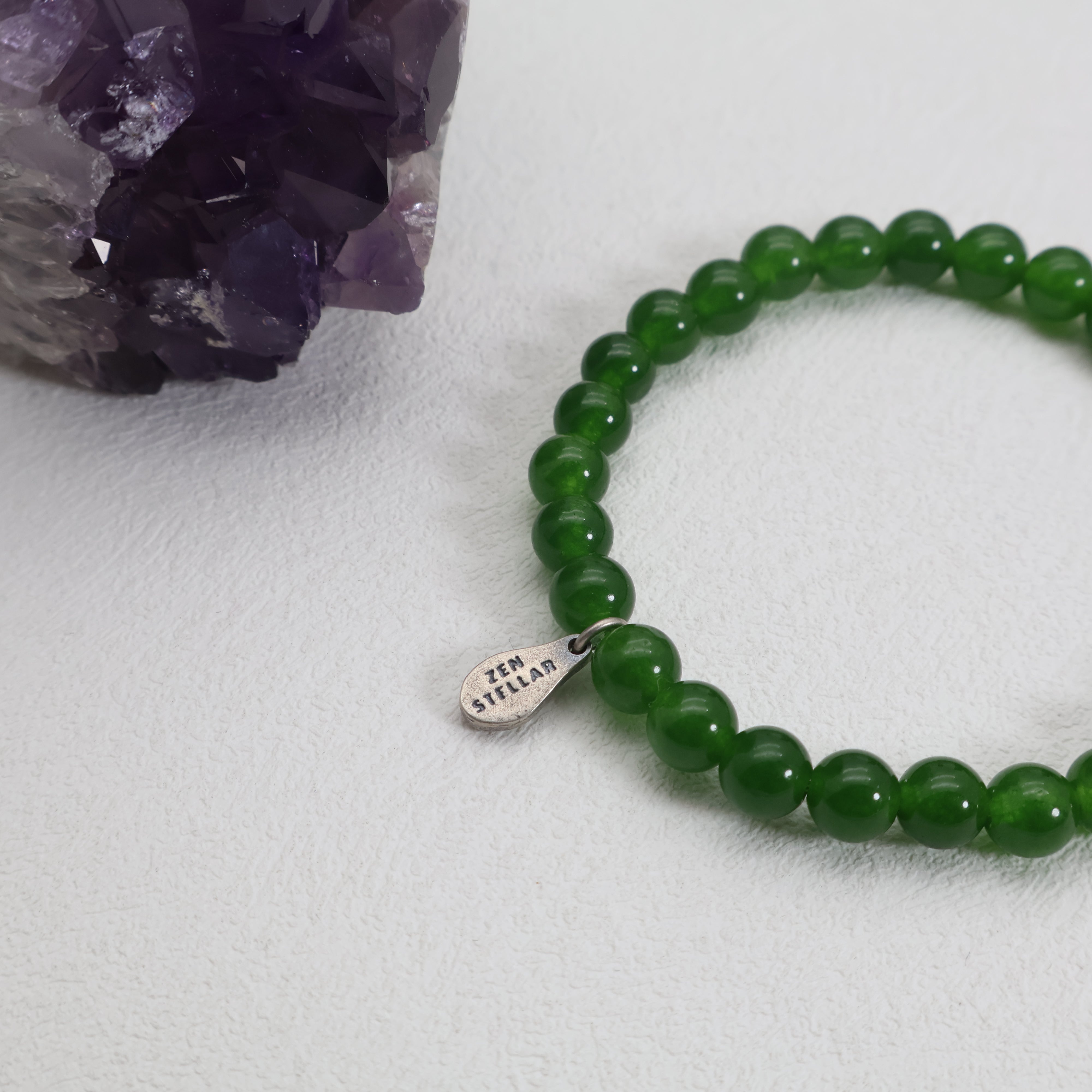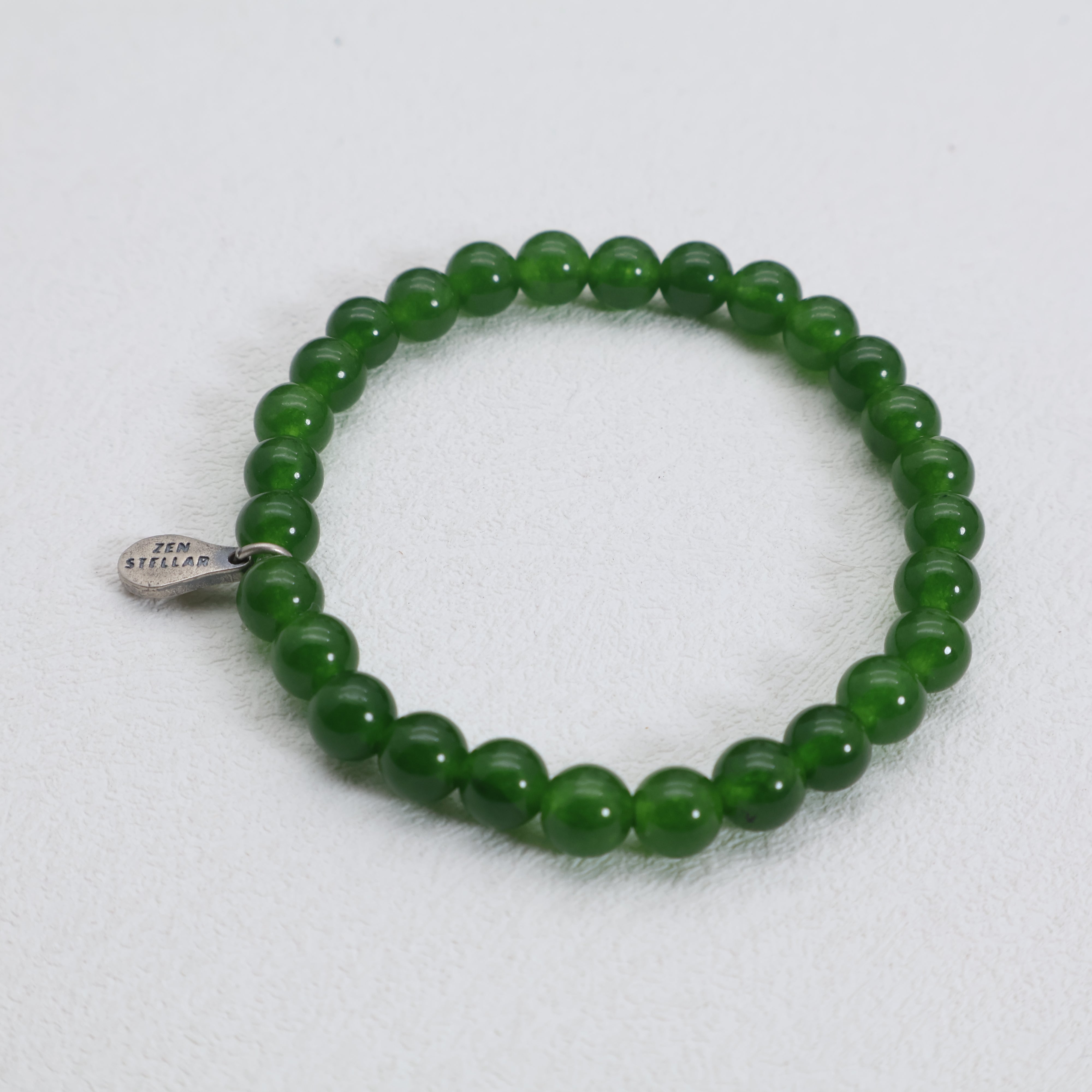






Introduction
Choosing a crystal bracelet is often described as an act of intuition.
People are told to follow what feels right. To trust their instincts. To let a stone “call” to them.
While this language is poetic, most people still stand in front of a collection wondering where to begin.
The truth is, intuition does not exist in isolation. It grows out of daily experience.
Your schedule. Your environment. Your work. Your social world. Your emotional rhythms.
This article approaches crystal bracelets not as mystical objects to be decoded, but as practical companions that can be chosen through honest observation of how you actually live.
Step One: Understanding Your Daily Pace
Before thinking about stones or symbolism, it helps to look at how your days move.
Some lives unfold quickly. Meetings. Messages. Transitions. Constant interaction.
Others move more slowly. Long stretches of focus. Solitude. Repetition. Quiet routines.
A bracelet that feels right in one pace can feel out of place in another.
People in fast paced environments often gravitate toward designs that feel grounding and stable. Heavier beads. Neutral tones. Stones associated with calm and steadiness.
Those with slower, more reflective routines often prefer lighter, softer colors and textures. Stones associated with clarity, creativity, or emotional openness.
The bracelet becomes a way to balance the rhythm you already have.
Step Two: Observing Your Work Environment
Work shapes energy more than most people realize.
A public facing role, where communication and visibility matter, creates a different emotional atmosphere than a private, analytical role focused on detail and focus.
People who spend much of their day speaking, presenting, or interacting socially often look for bracelets that feel centering. Something that brings attention inward rather than outward.
Those who work in solitary or technical roles sometimes look for something that adds warmth or emotional presence to their day.
This is not about matching stones to job titles. It is about noticing how work makes you feel, and choosing something that responds to that feeling.
Step Three: Reading Your Emotional Landscape
Everyday life creates emotional patterns.
Some people move through their days with steady confidence. Others feel frequent shifts between stress and calm, connection and isolation, motivation and fatigue.
Choosing a bracelet through this lens means asking simple questions.
When do I feel most tense
When do I feel most open
What kind of moments do I want more of
For some, the bracelet becomes a reminder to soften. For others, it becomes a reminder to stand firm.
This is where symbolism becomes personal rather than generic.
Step Four: Considering Social and Personal Space
Not all environments invite the same kind of expression.
Some people move through highly social settings. Gatherings. Offices. Public spaces. Shared living environments.
Others spend much of their time in private or intimate spaces.
A bracelet can function differently in each.
In social settings, it can become a subtle marker of personal space. Something that belongs only to the wearer, even when surrounded by others.
In private settings, it can become part of a personal ritual. Something associated with reflection, rest, or creative work.
Step Five: Noticing What You Are Drawn To Visually
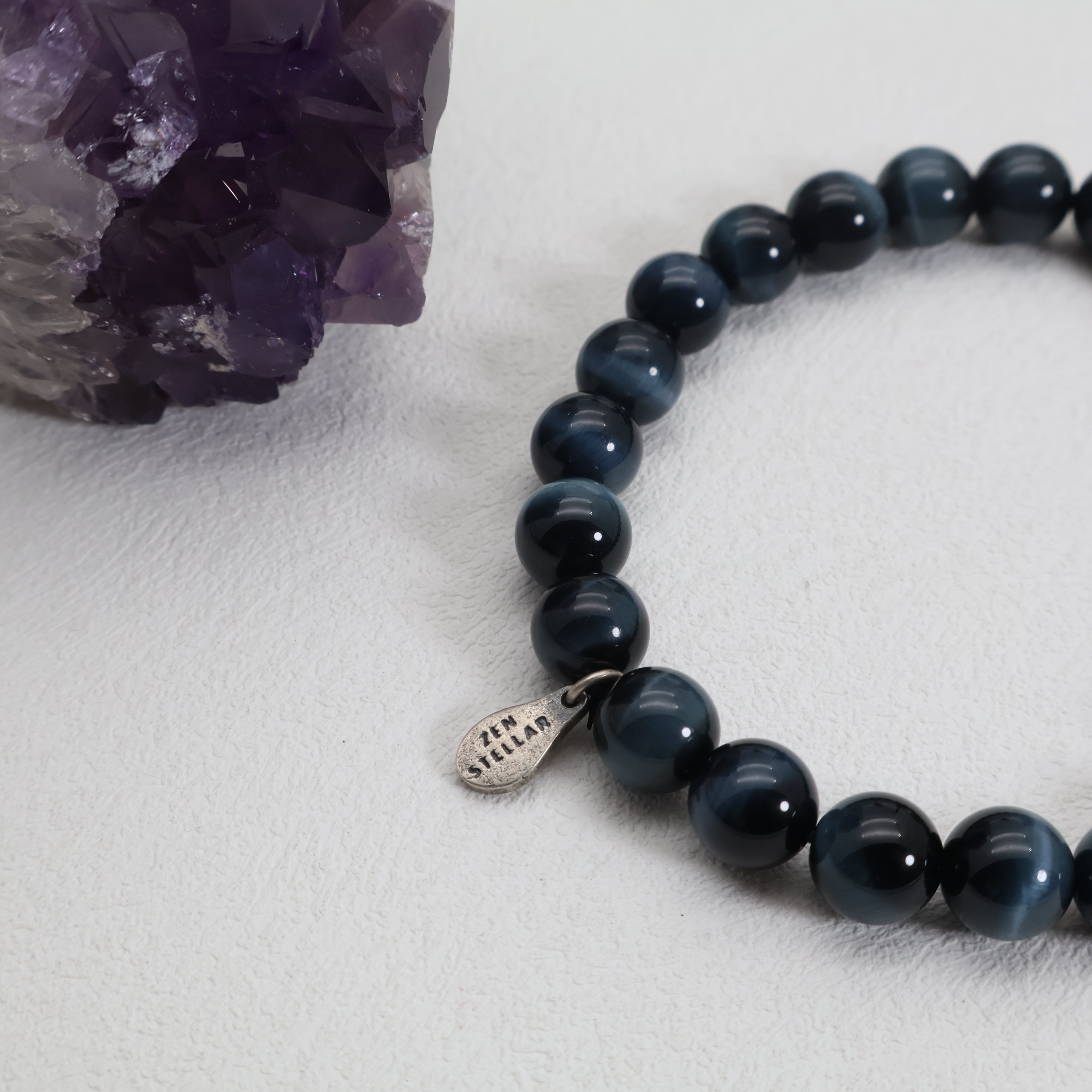
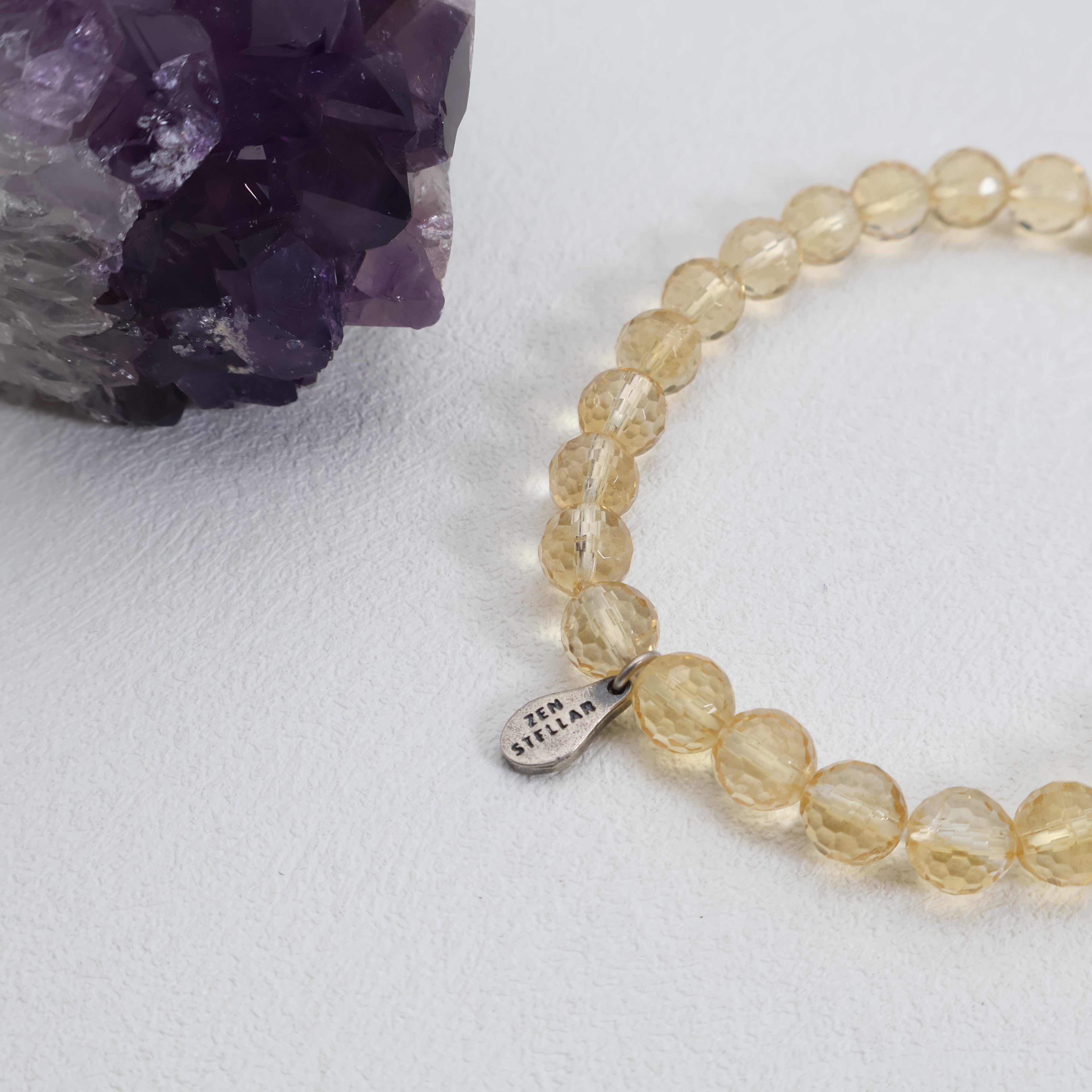
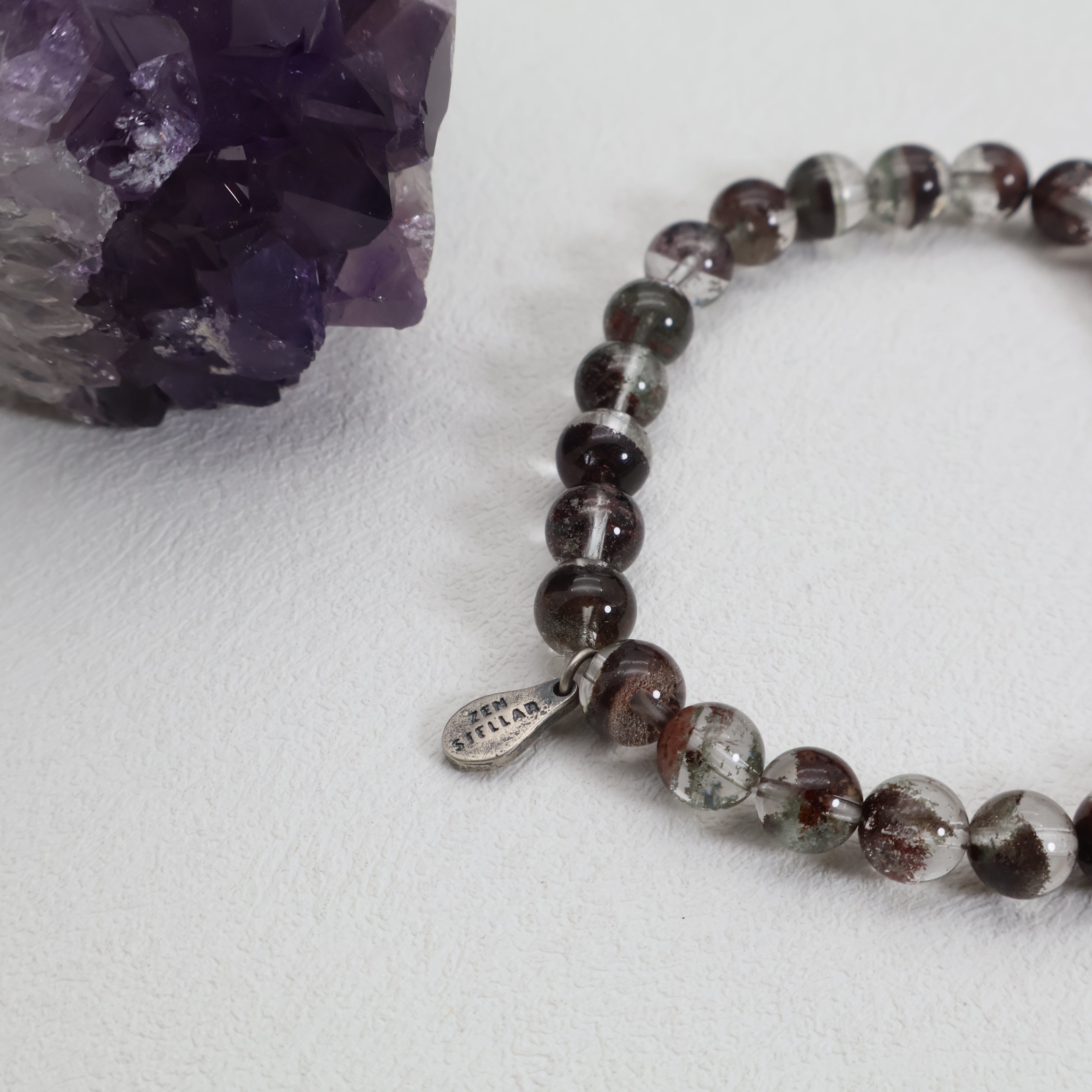
Before any meaning is assigned, people respond to color, texture, and form.
This response is not random.
People under pressure often gravitate toward soft, muted tones. People seeking stimulation often choose brighter, more reflective surfaces.
These visual preferences can act as emotional signals.
Instead of overriding them with symbolic explanations, many find it useful to treat them as information.
What you like to look at often reflects what you want to feel.

Choosing Simplicity or Complexity
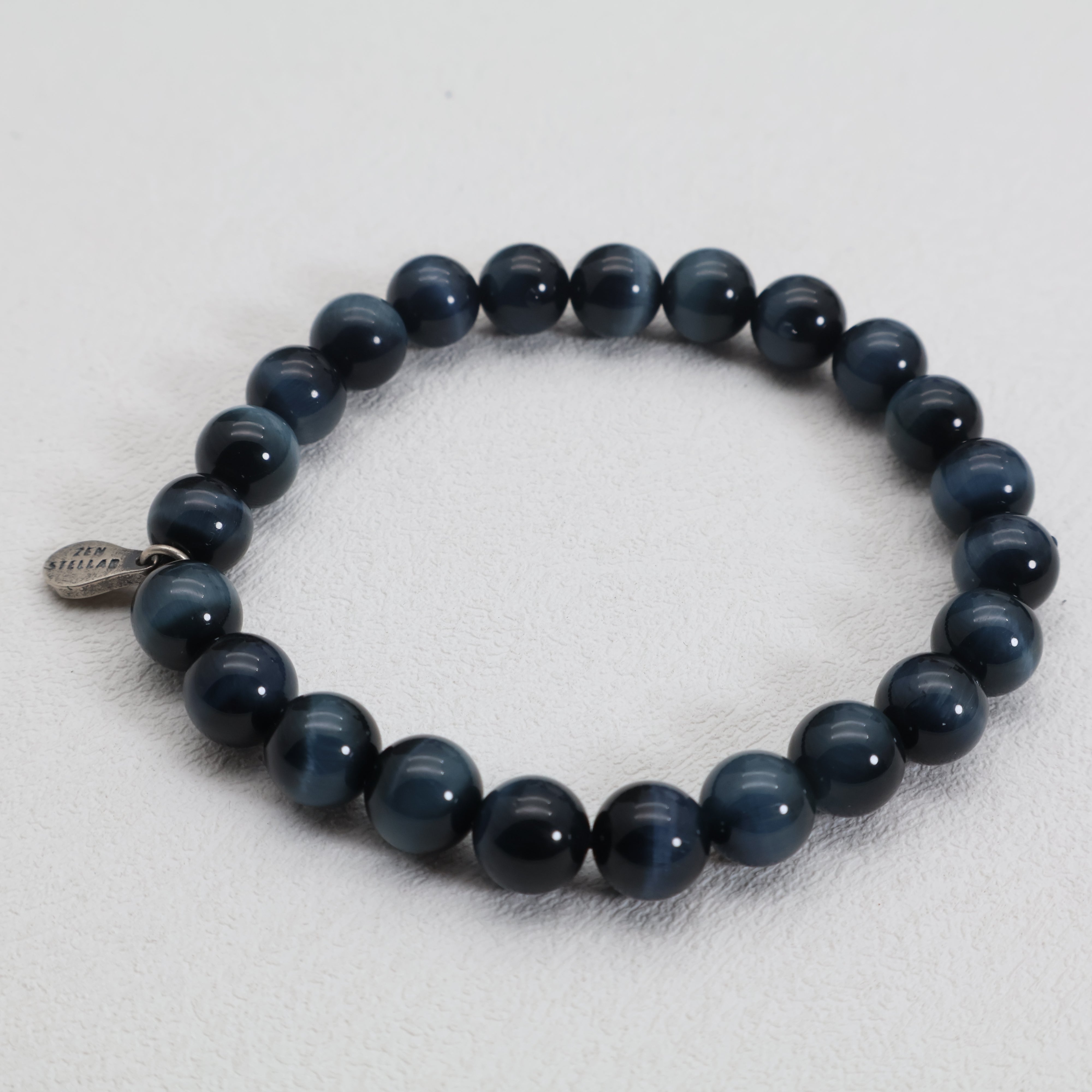
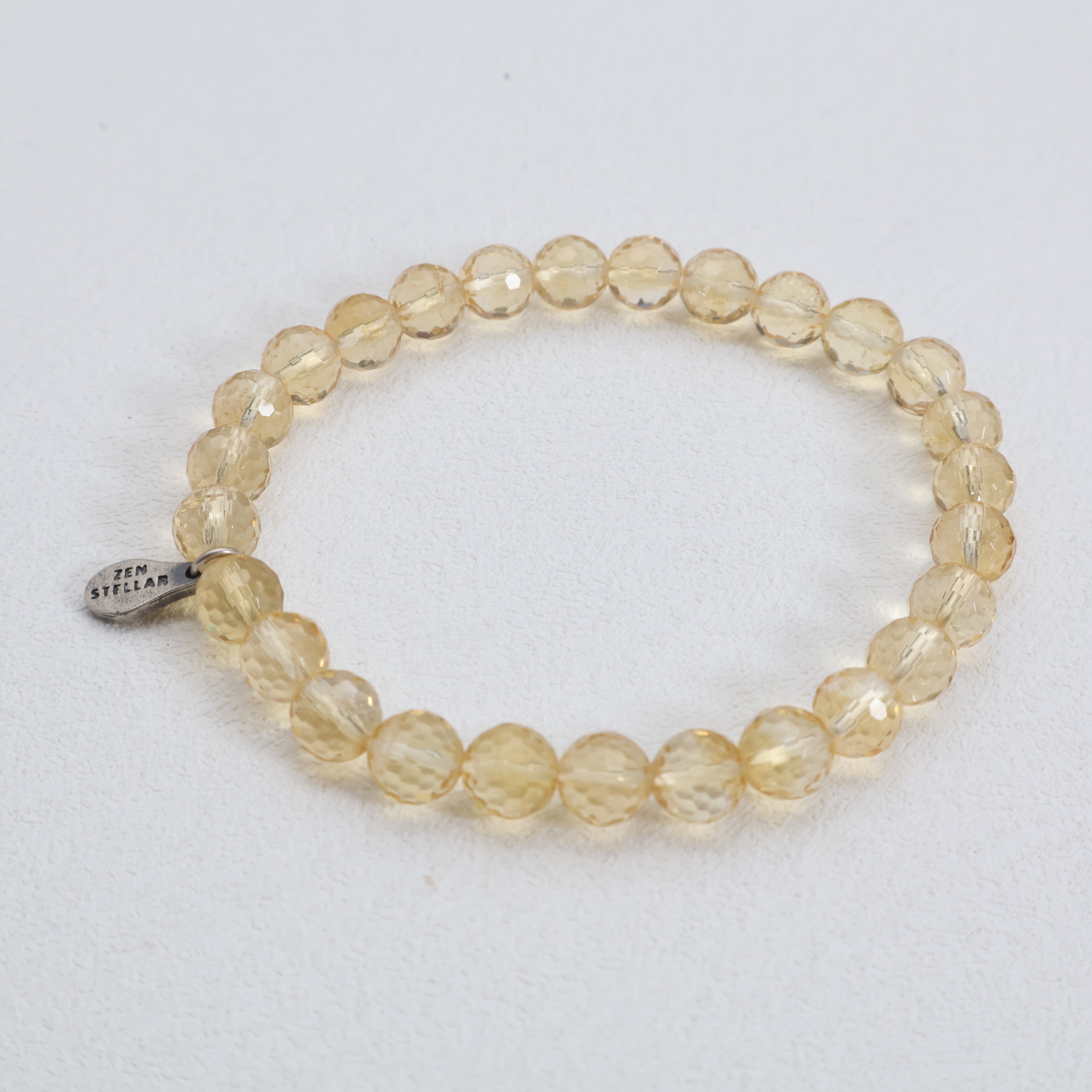
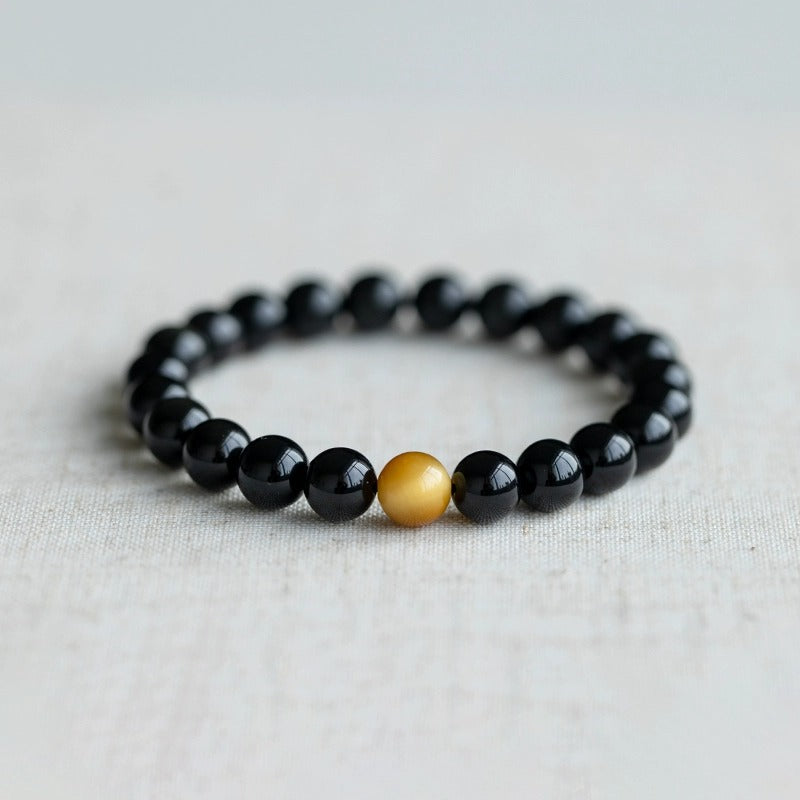
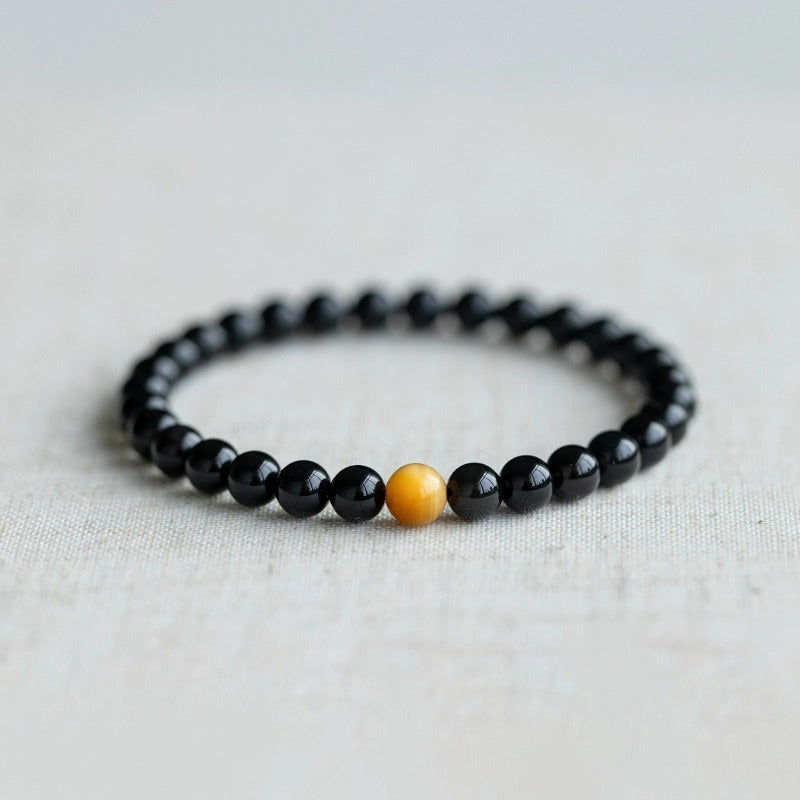
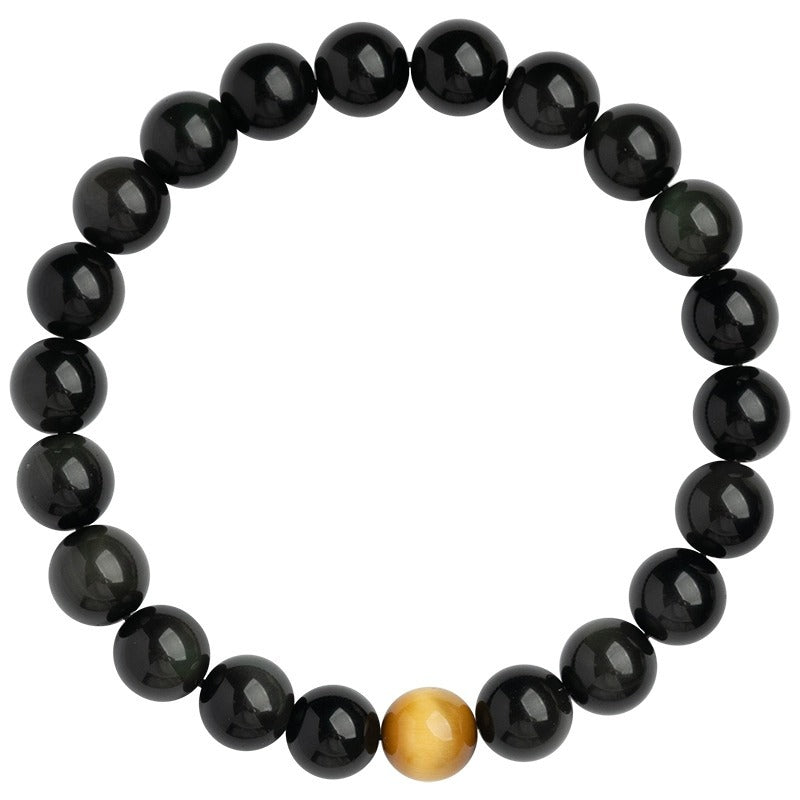
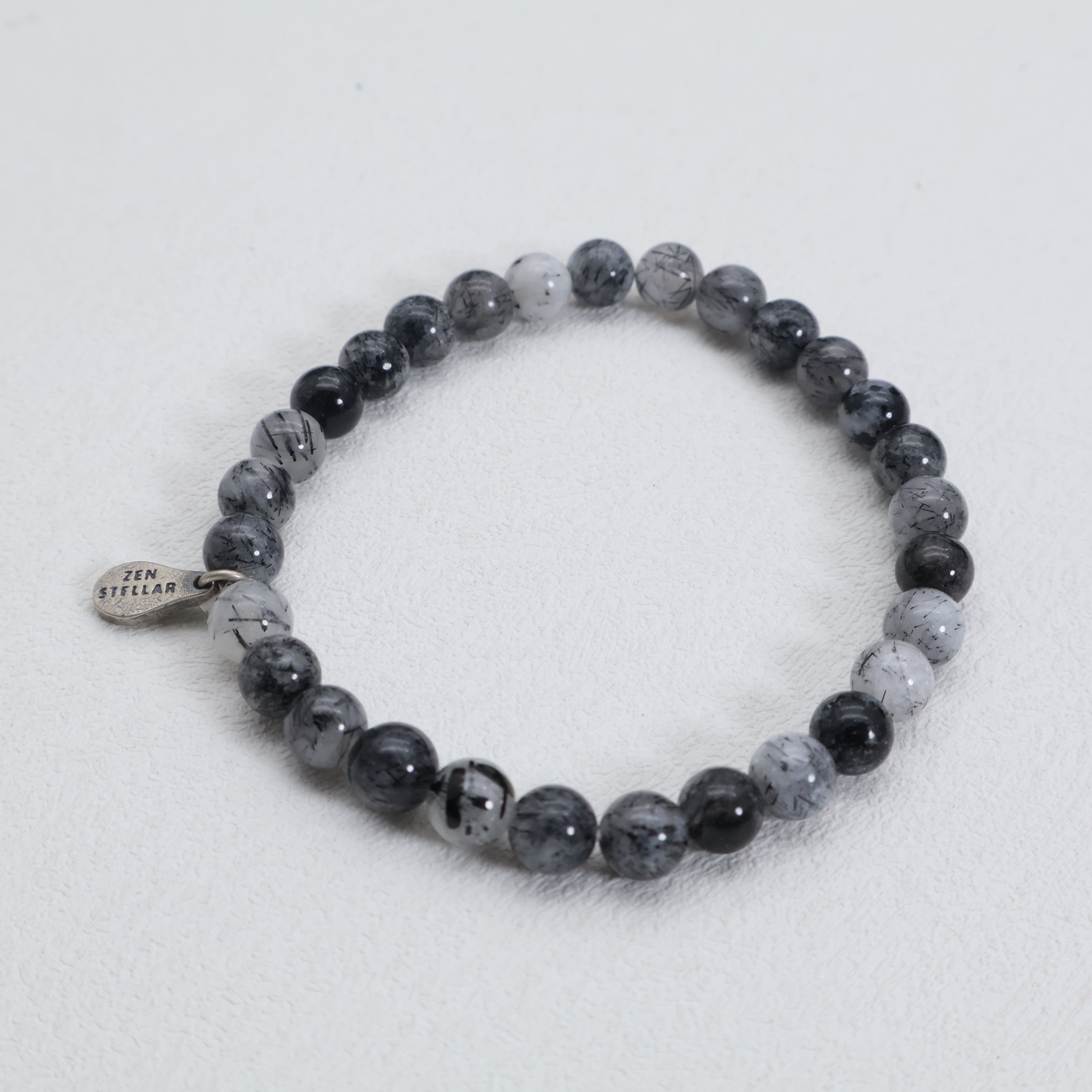
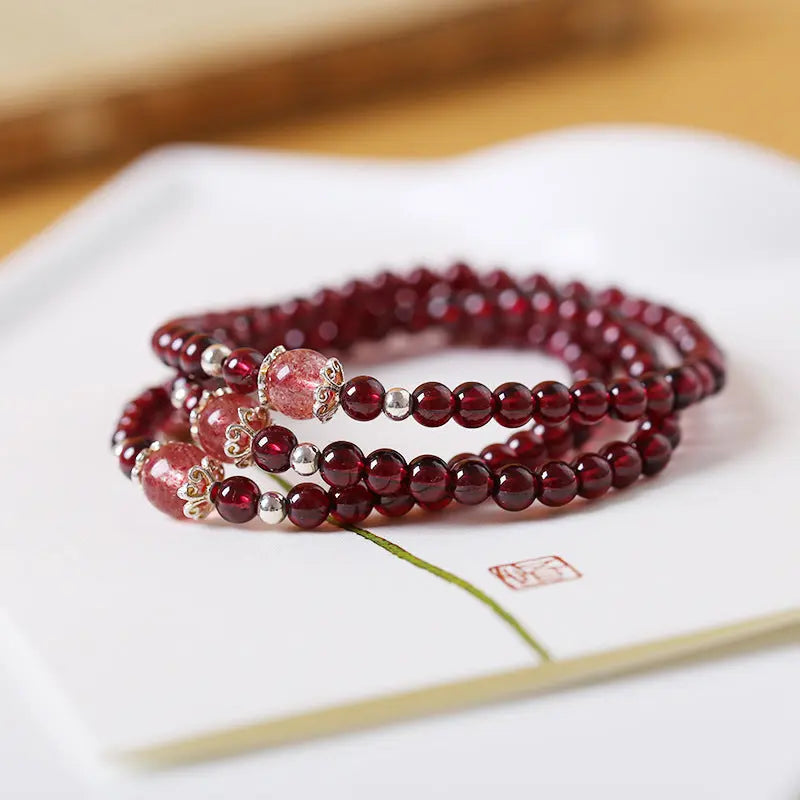
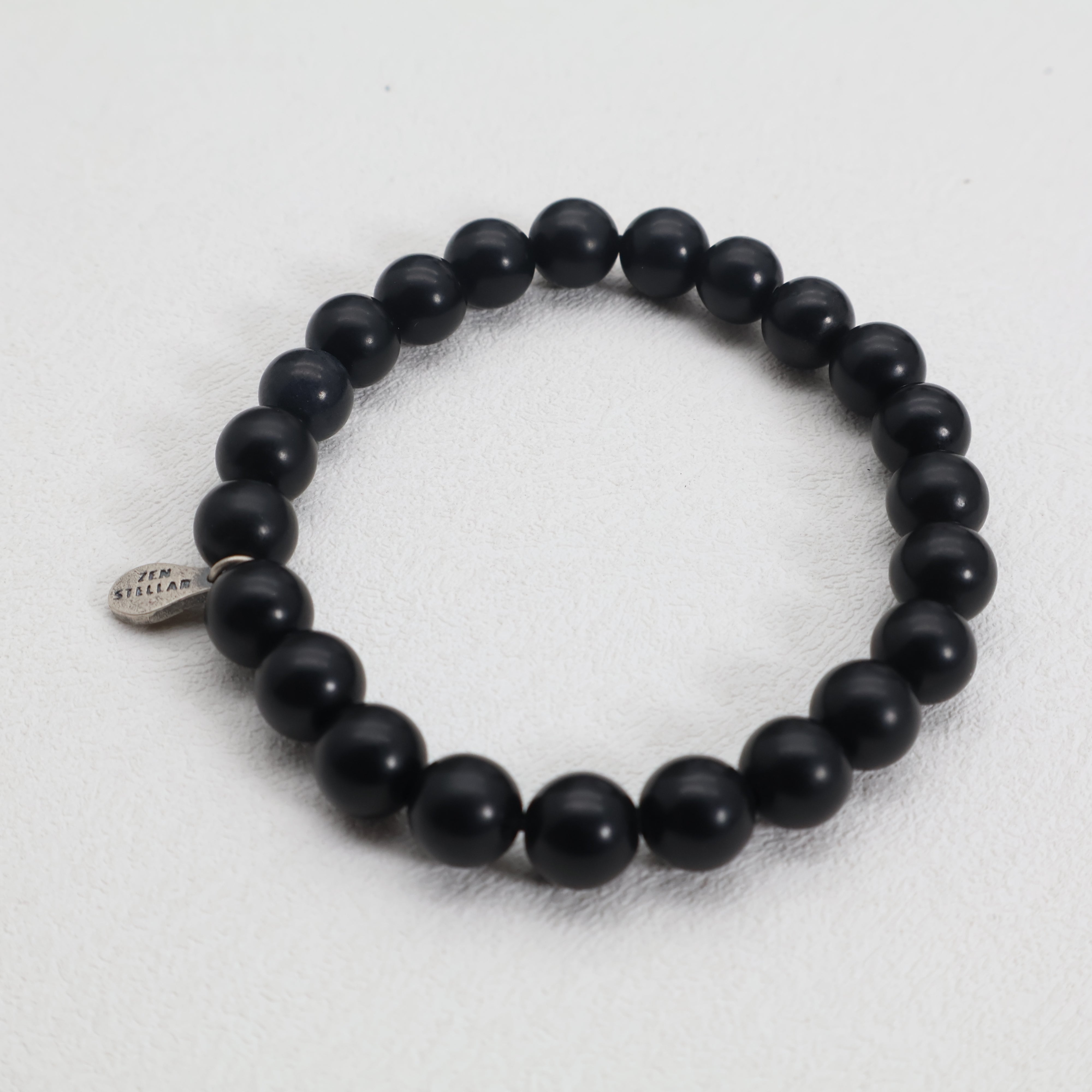
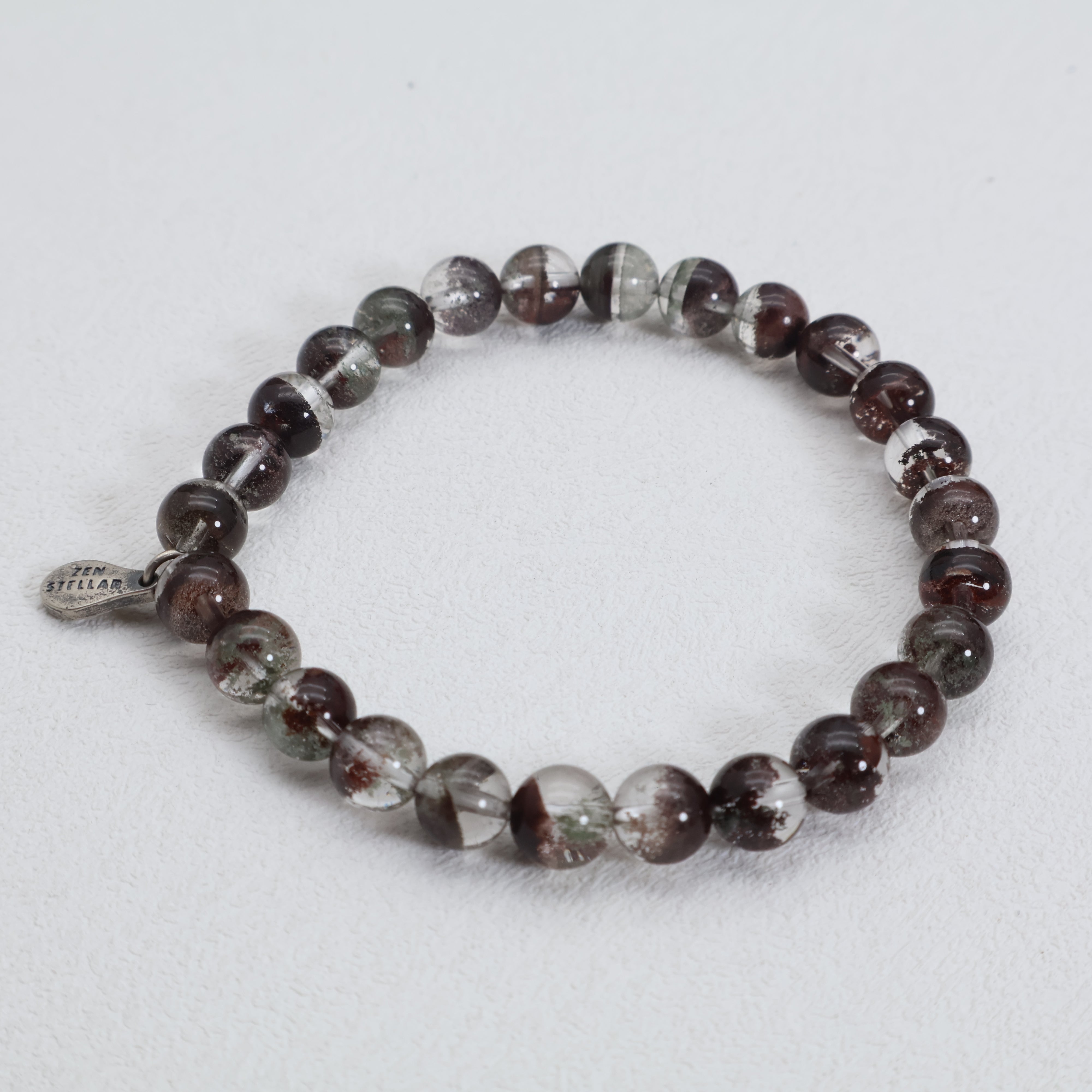
Some bracelets feature uniform beads and minimal variation. Others combine multiple stones, colors, or textures.
This choice can mirror how someone relates to structure.
People who prefer clarity and focus often choose simple, consistent designs. People who enjoy exploration and variety often prefer layered or mixed compositions.
Neither is better. They simply reflect different ways of moving through the world.
The Role of Touch in Daily Awareness
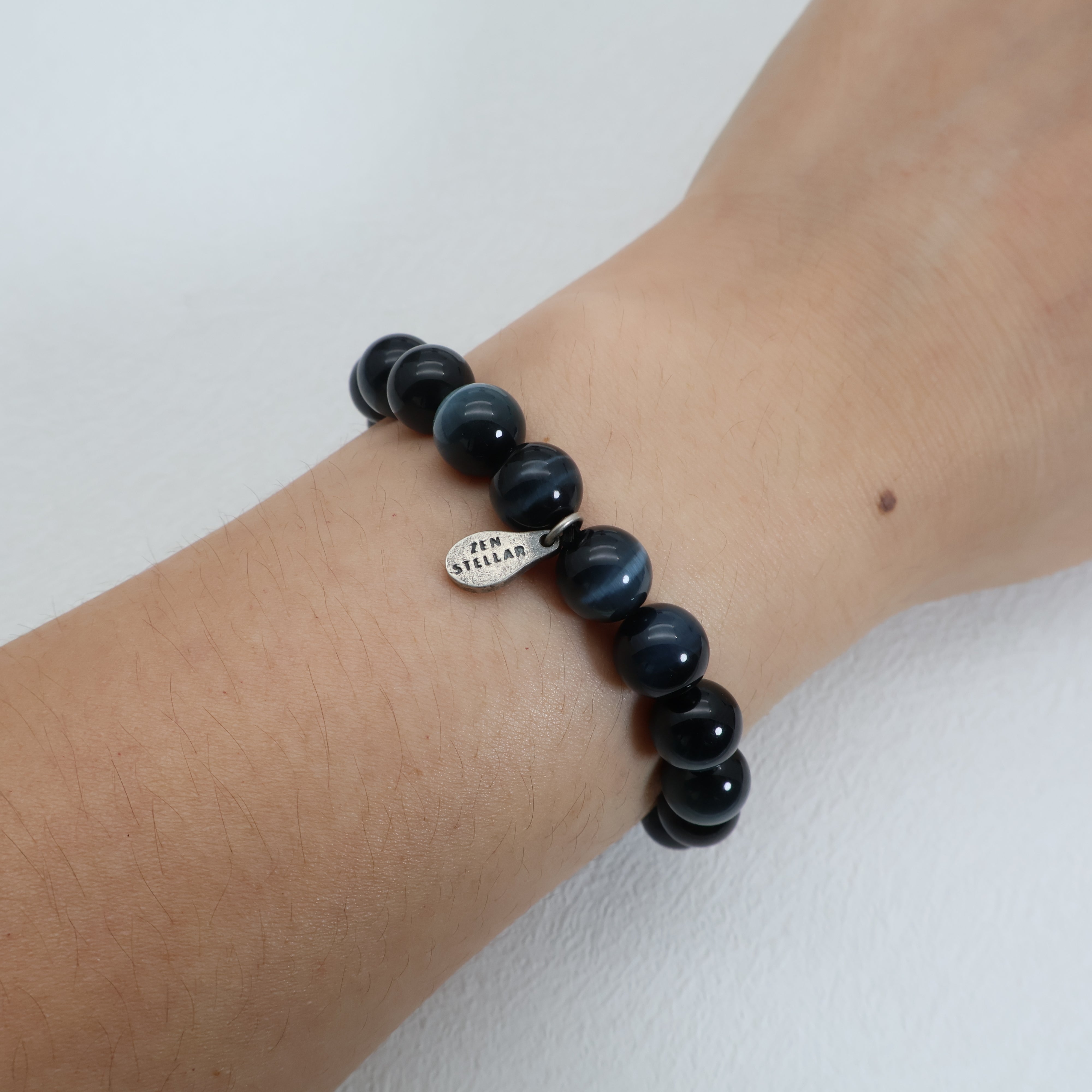
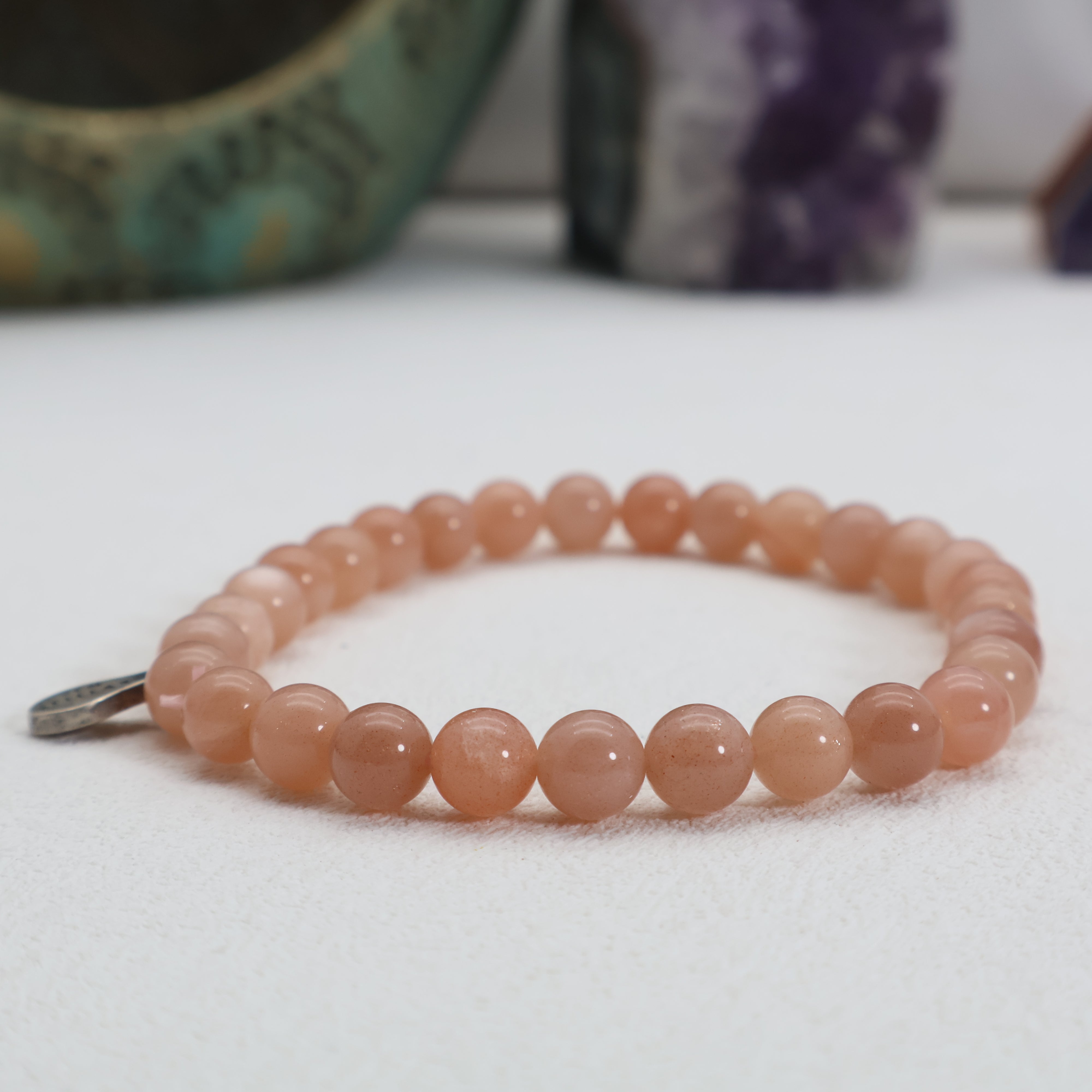
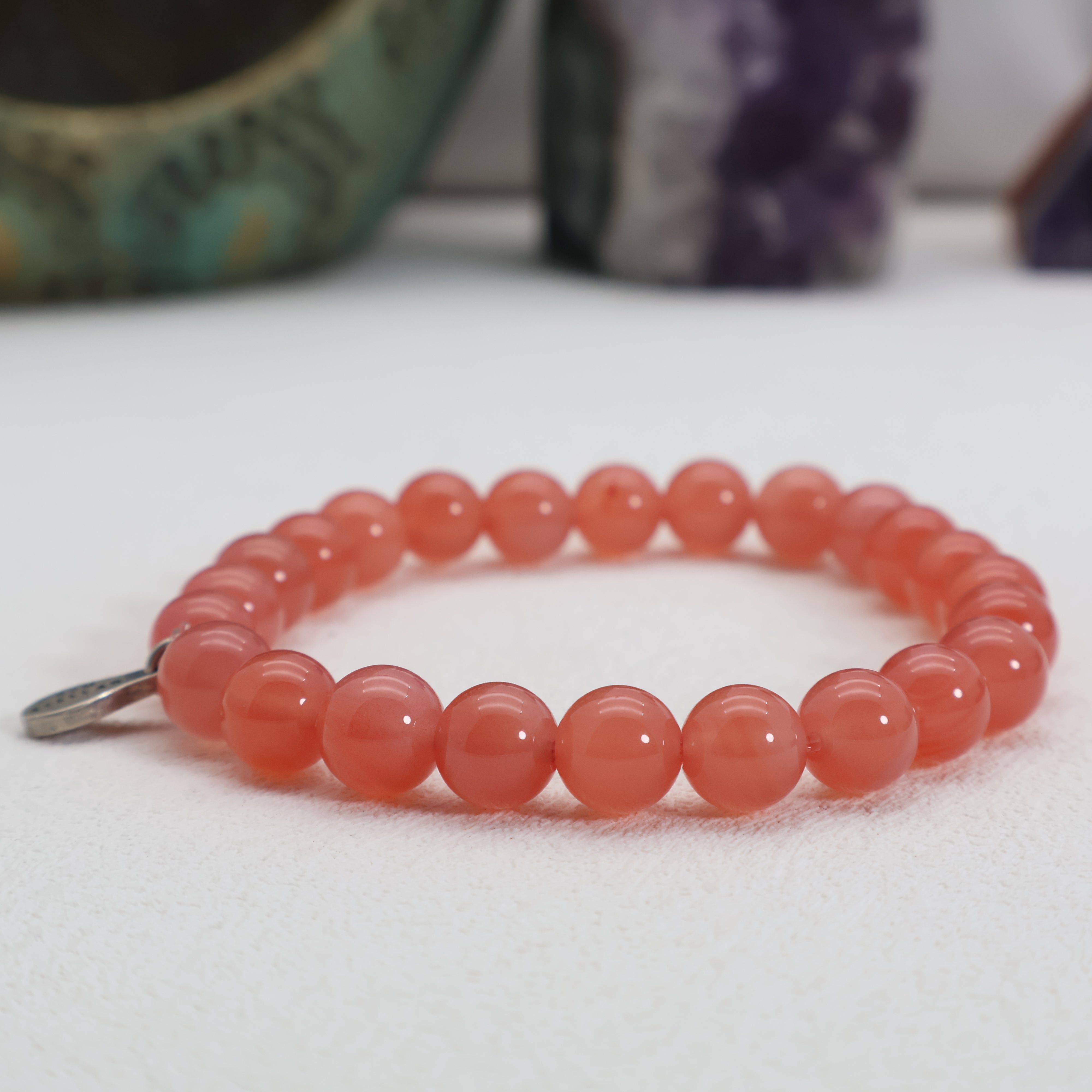
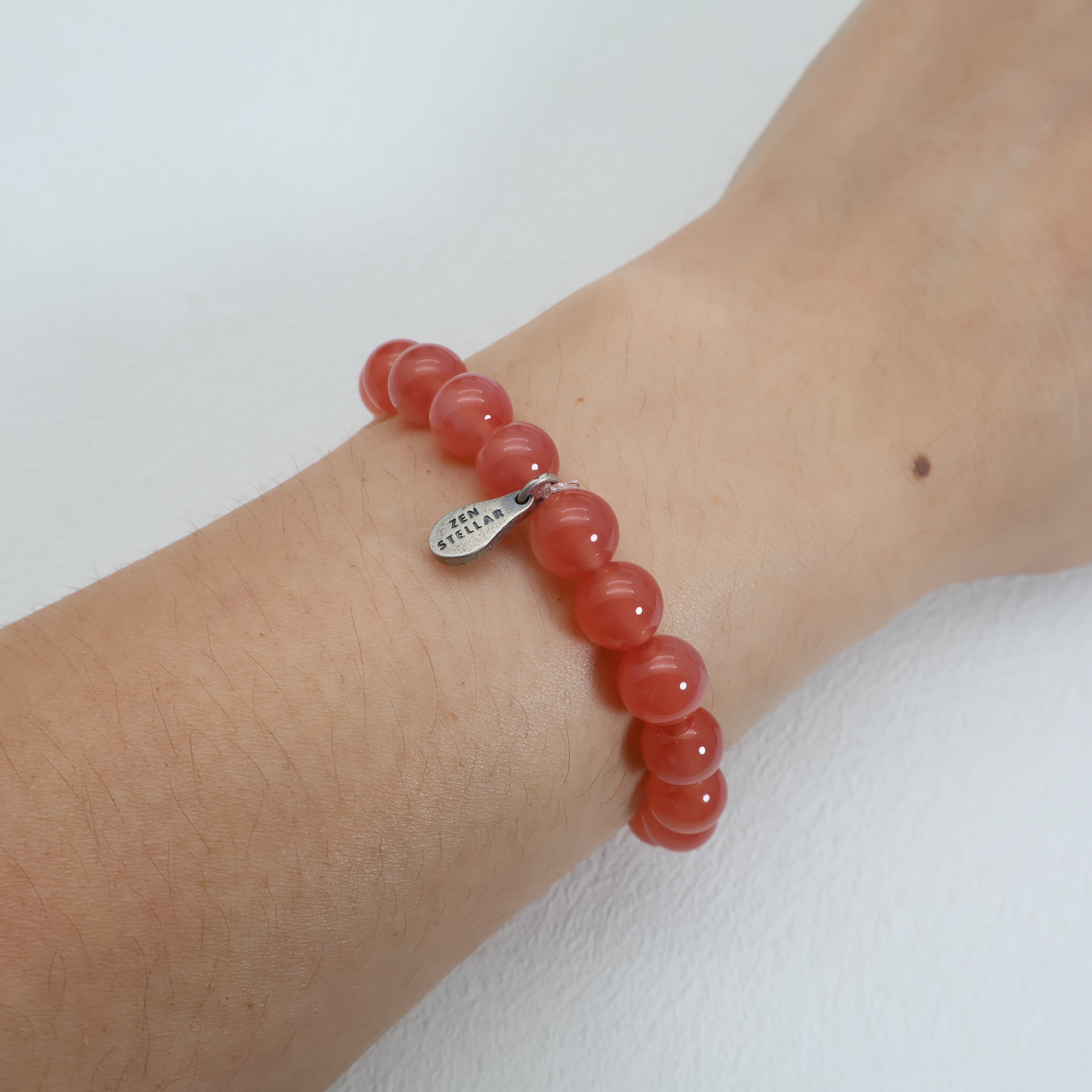
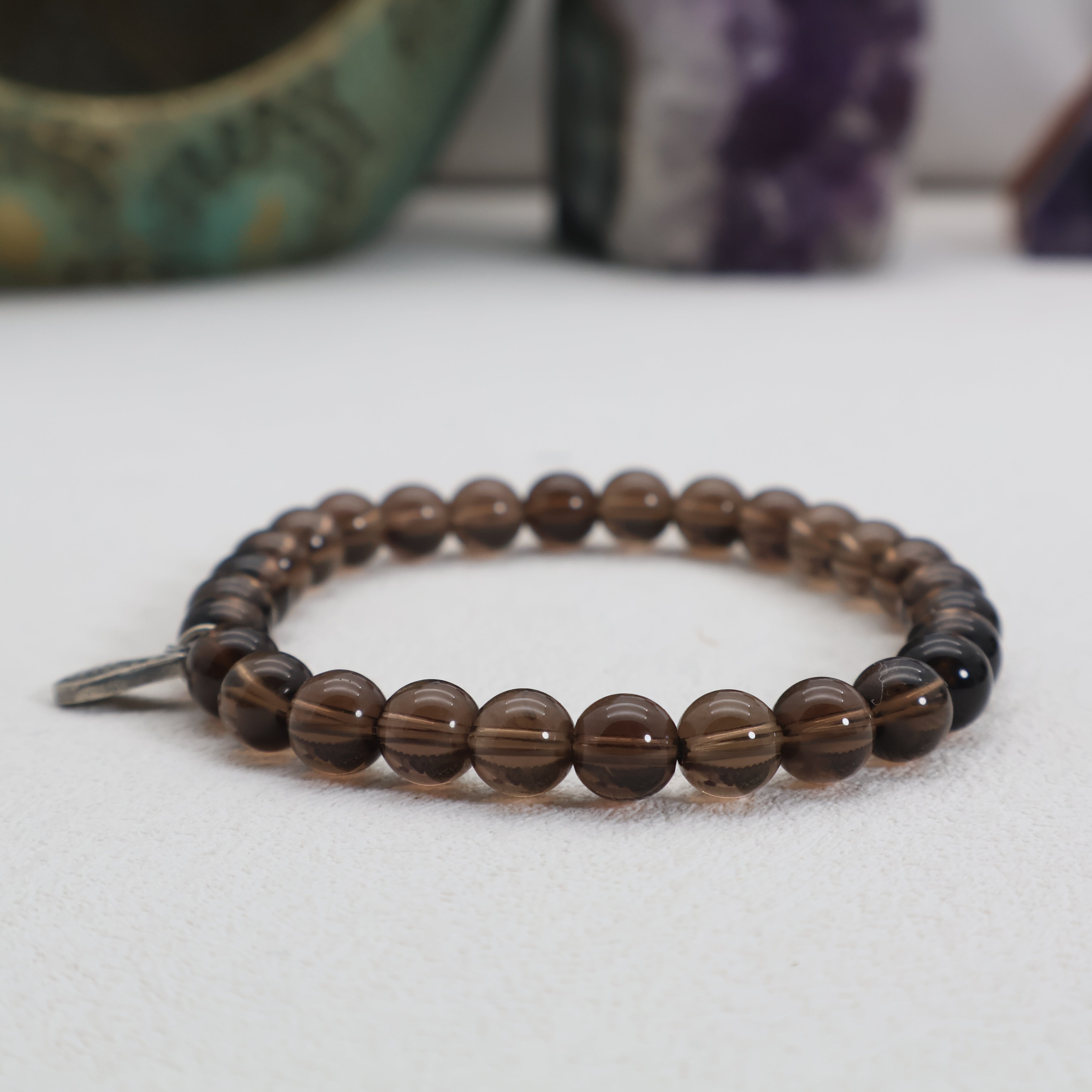
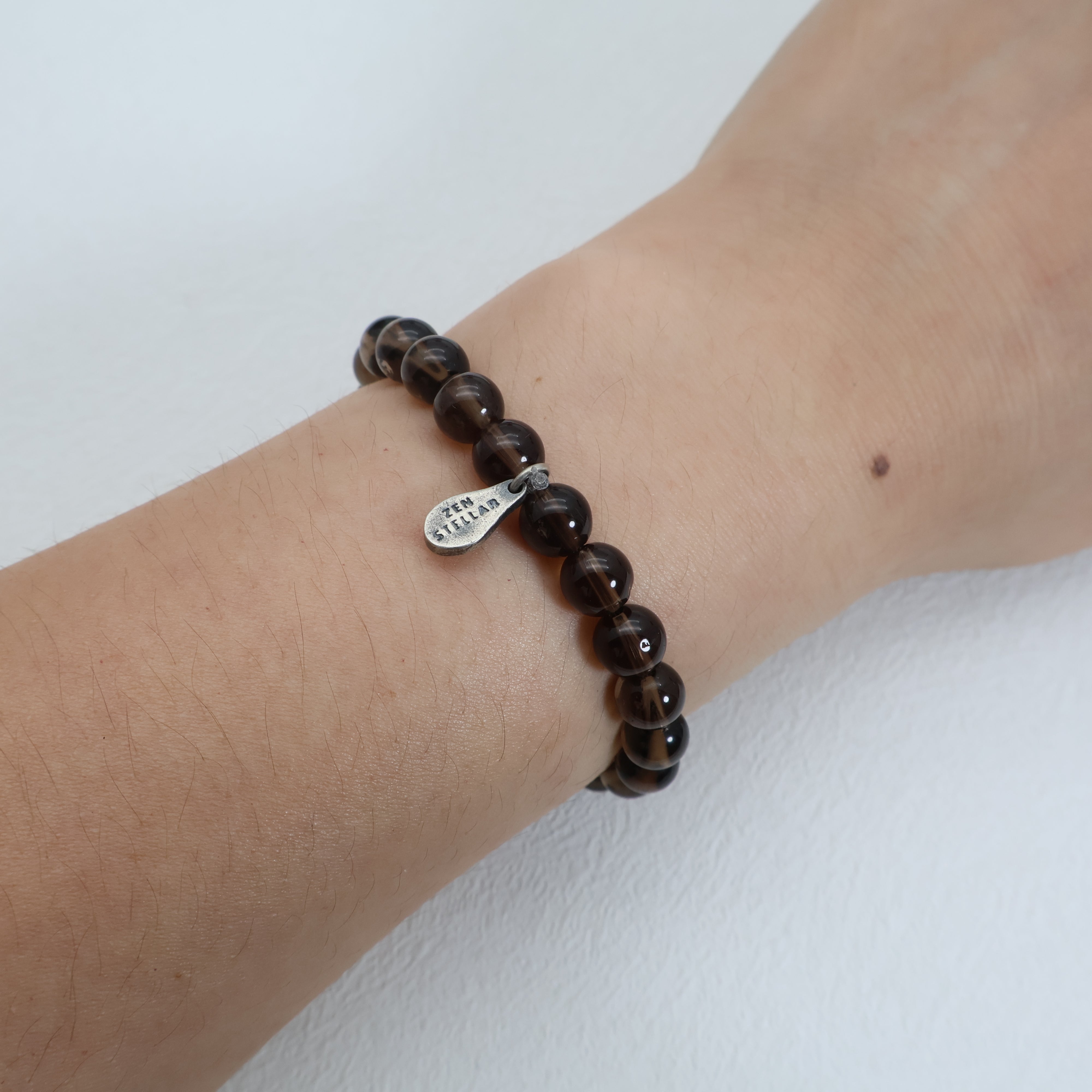
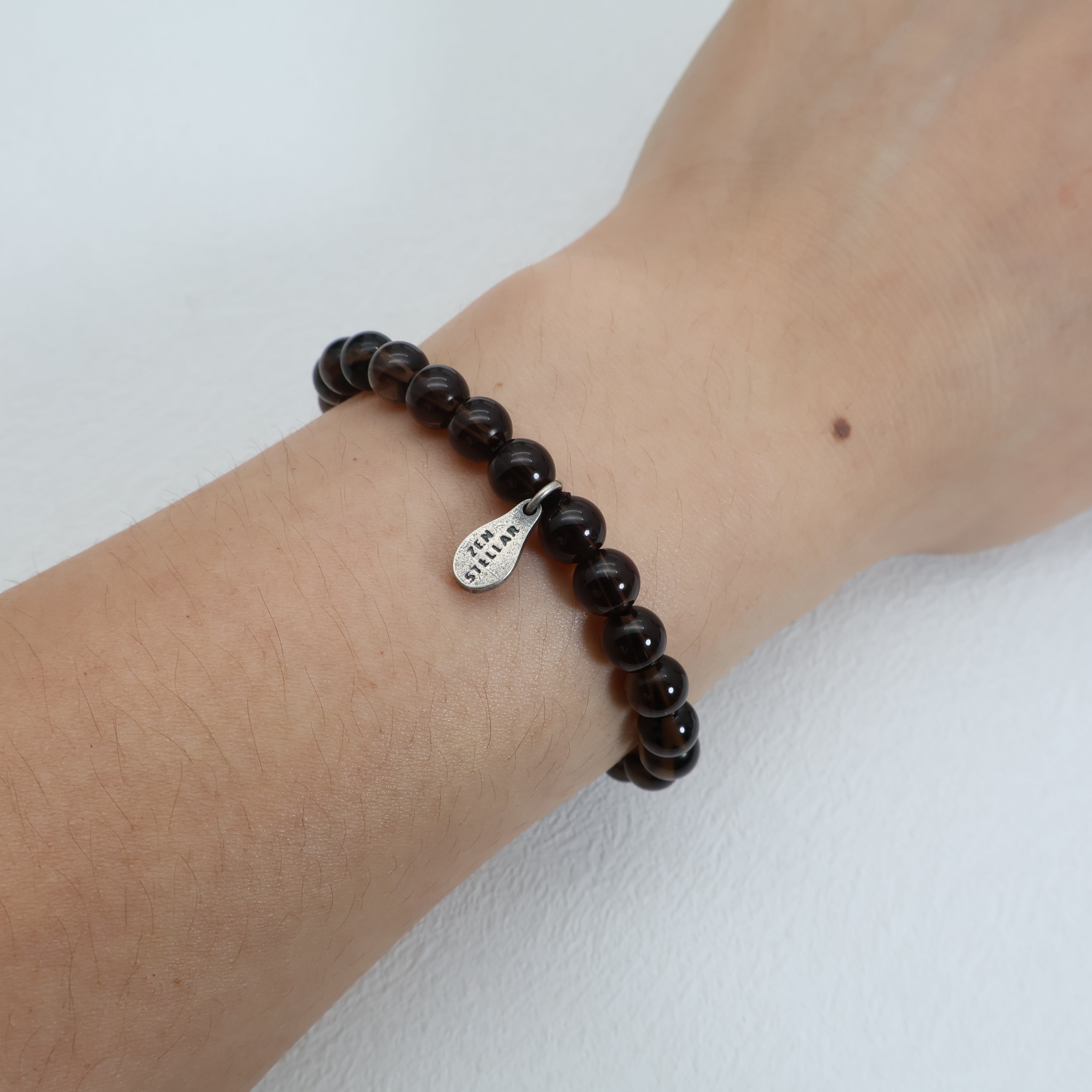
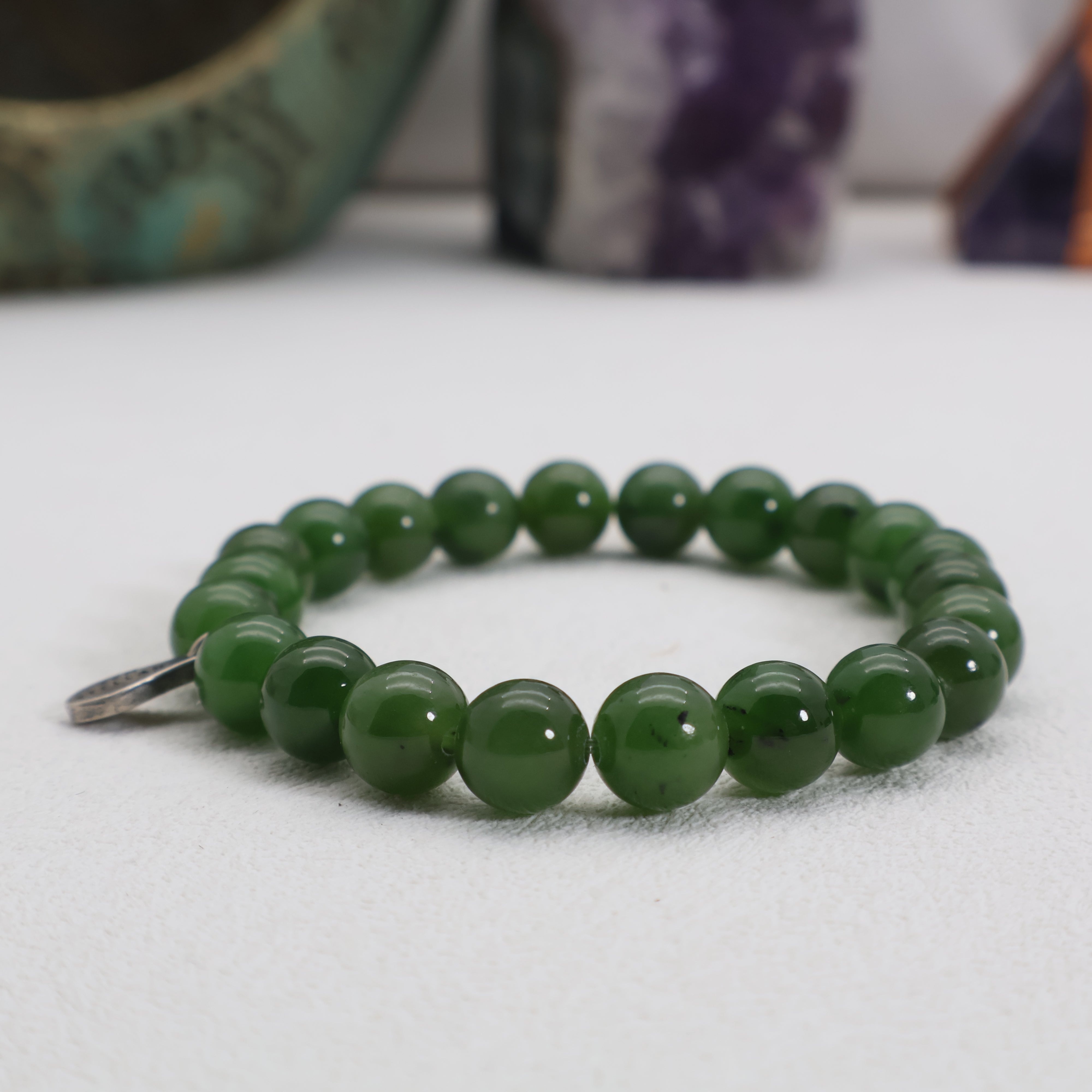
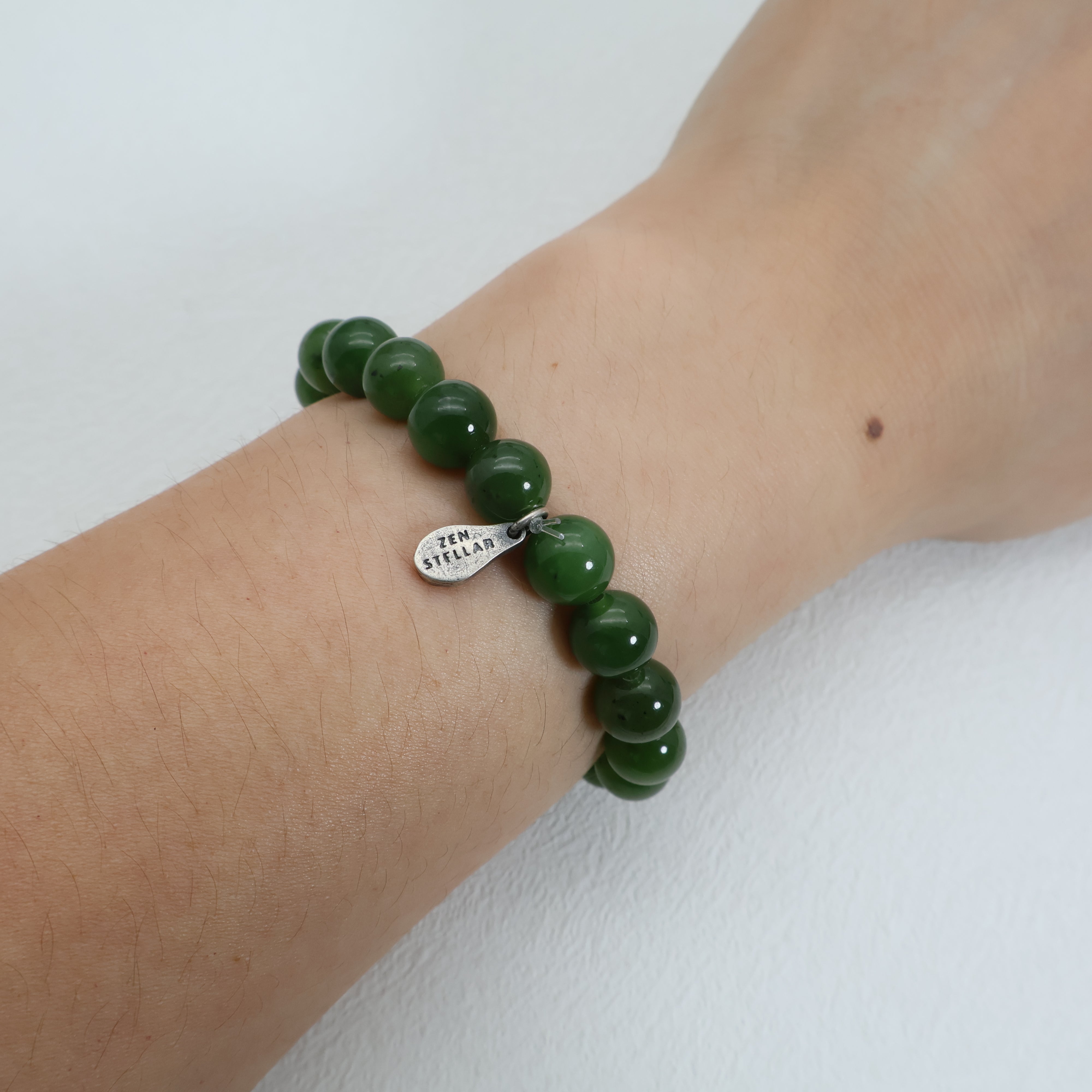
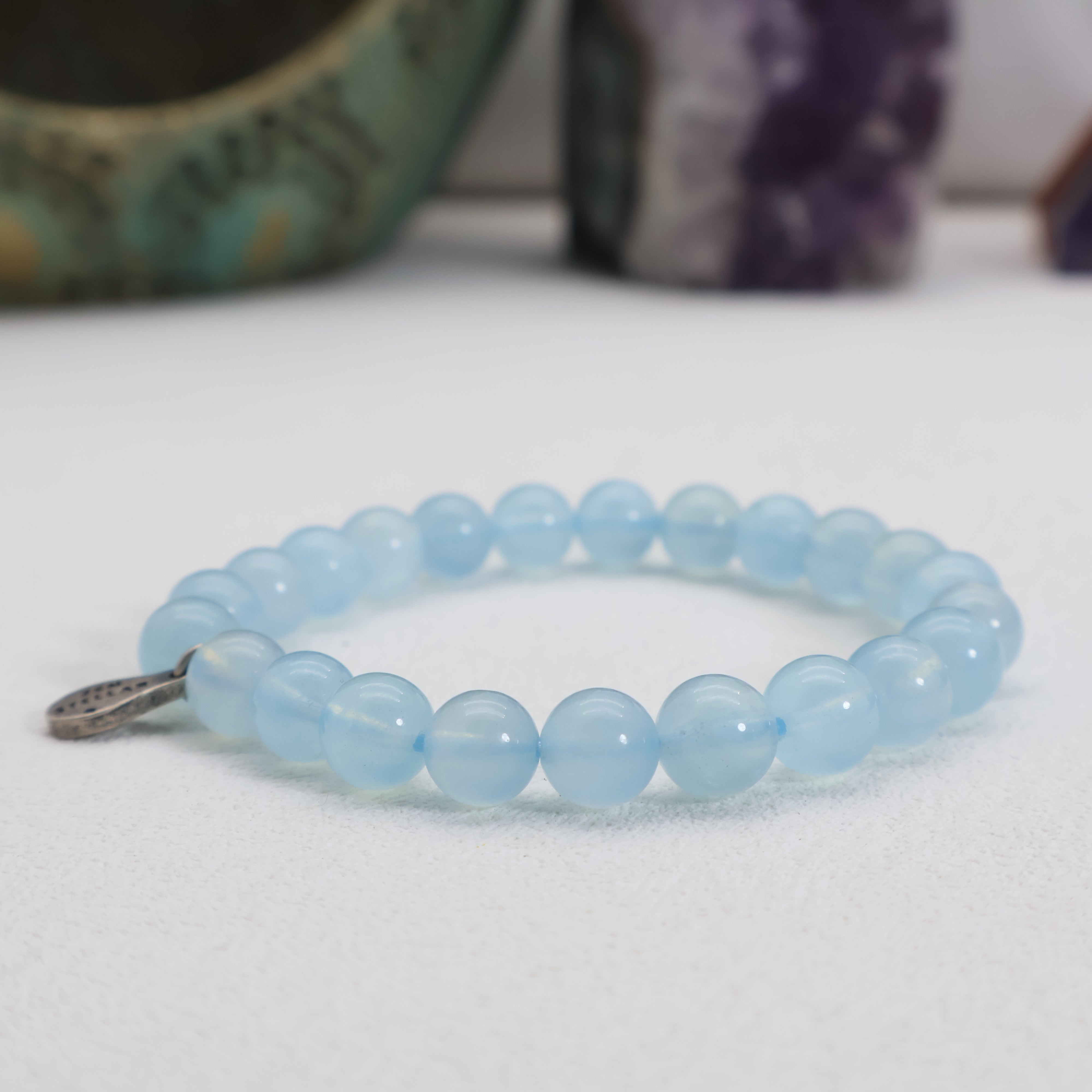
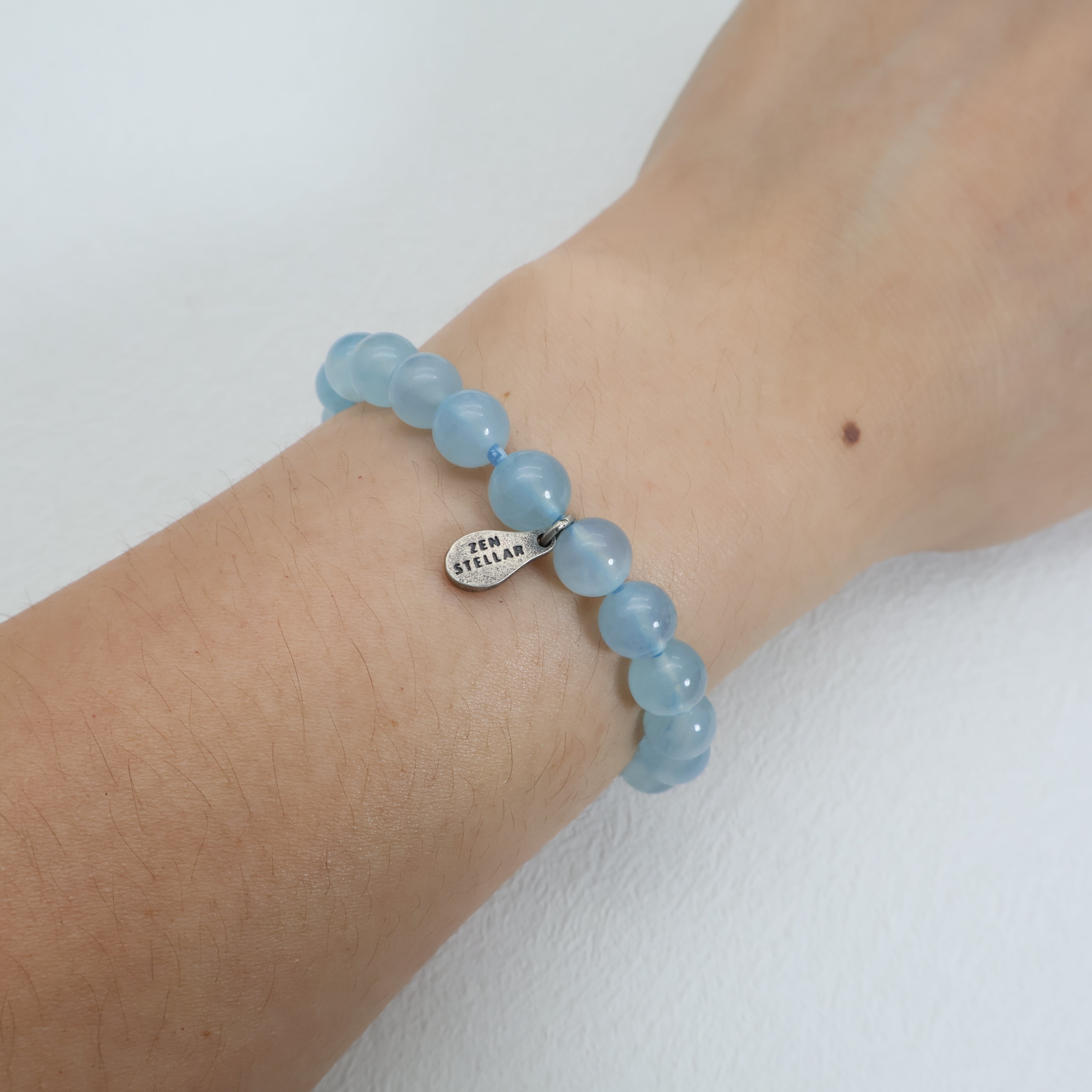
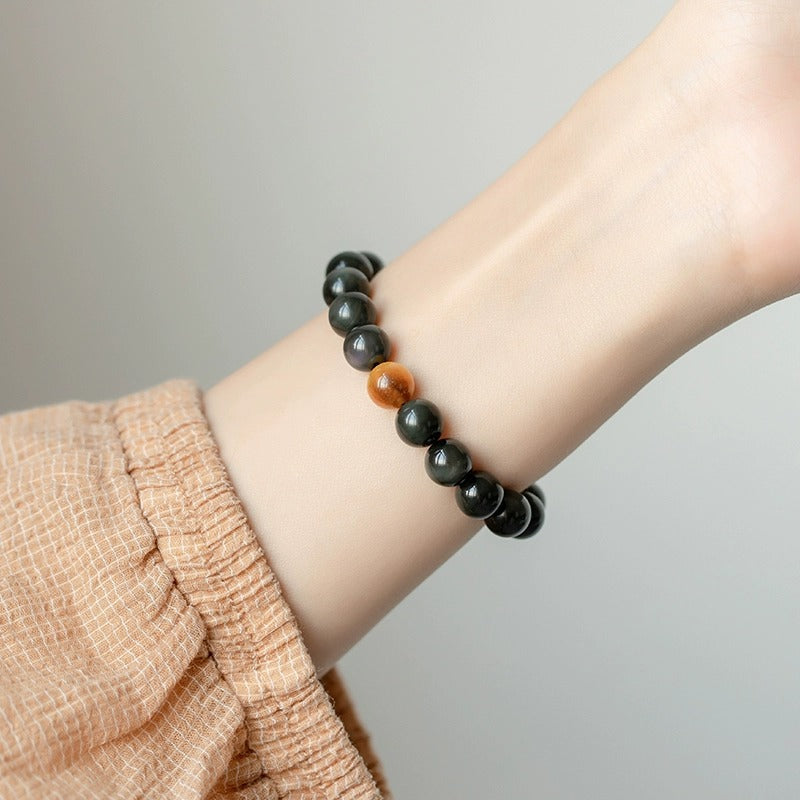
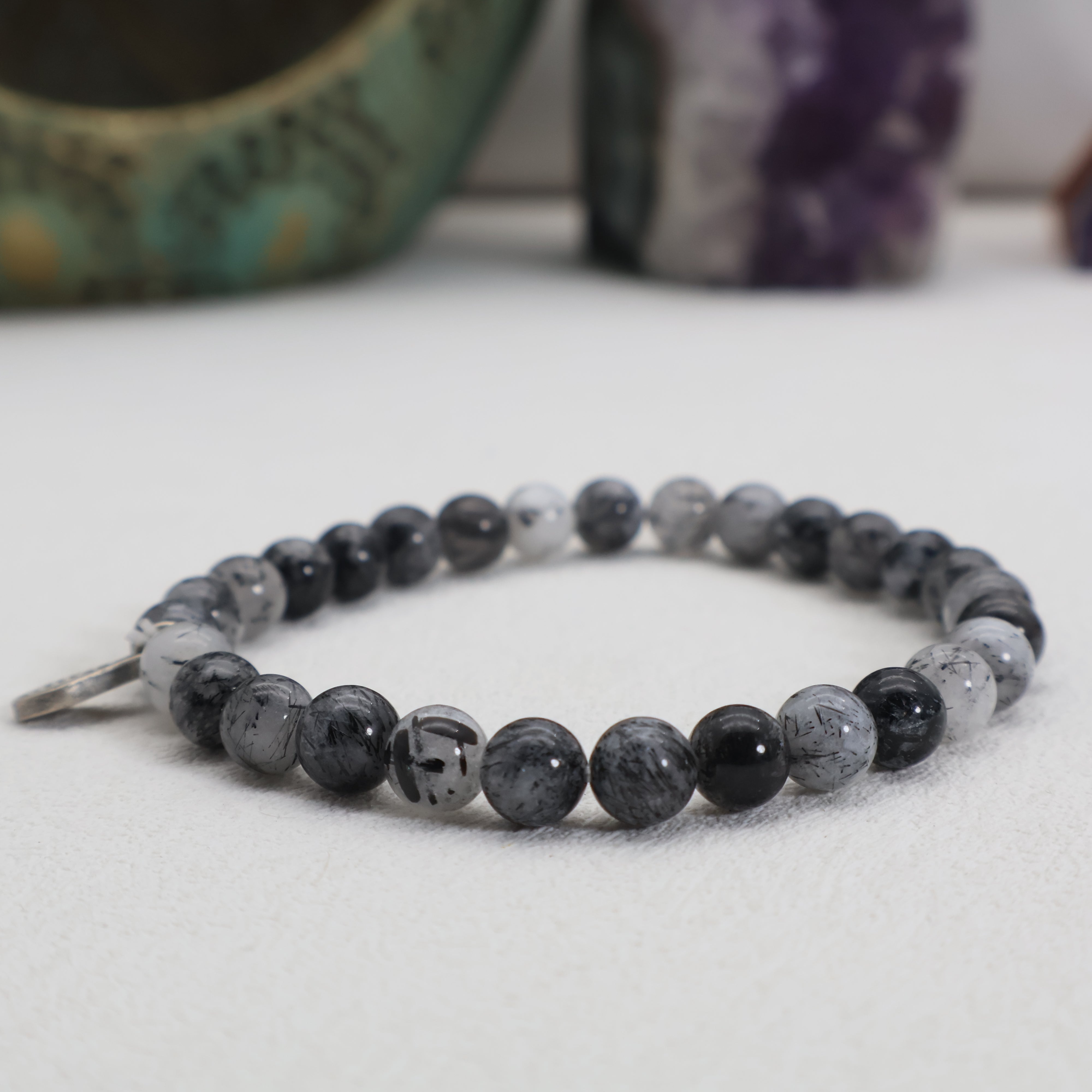
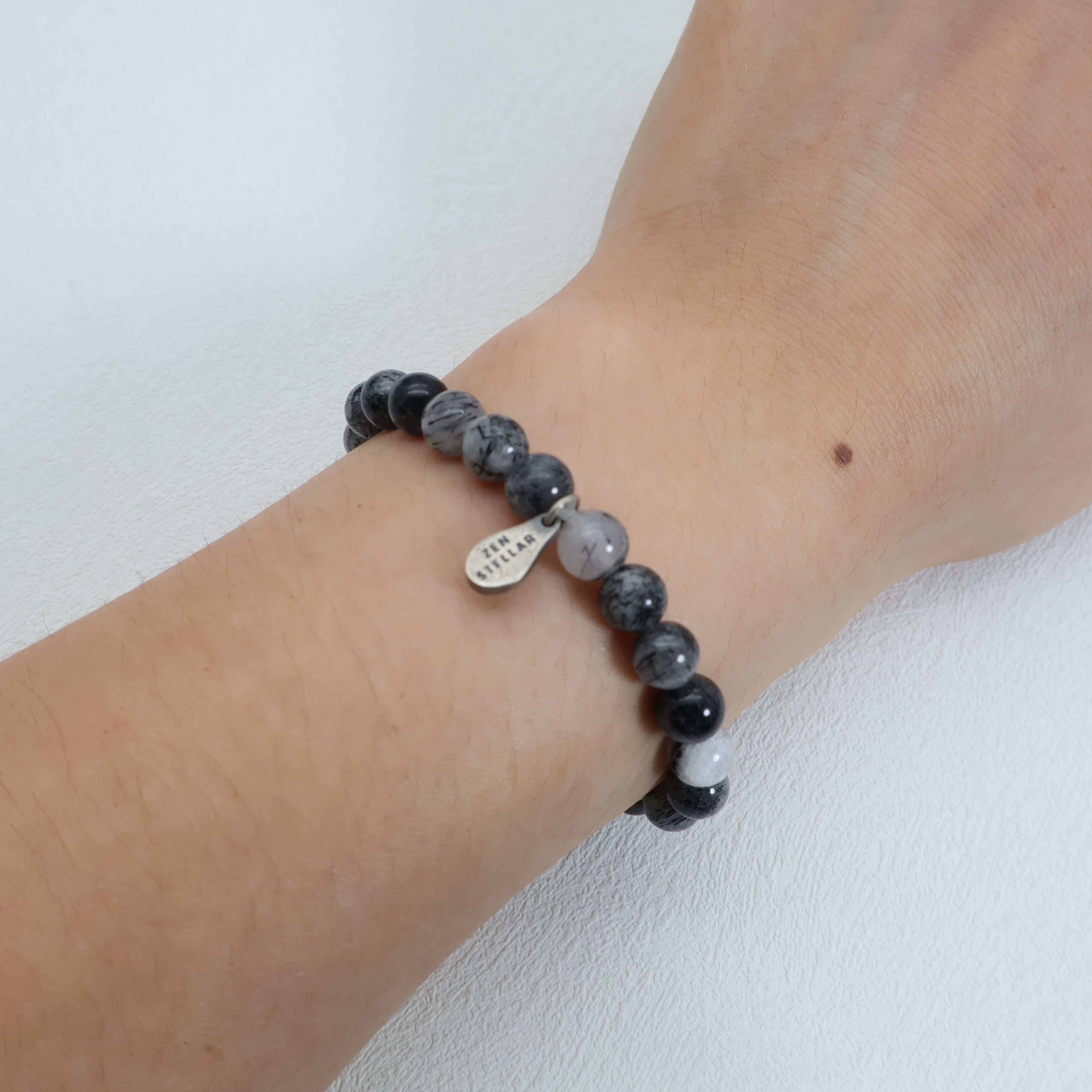
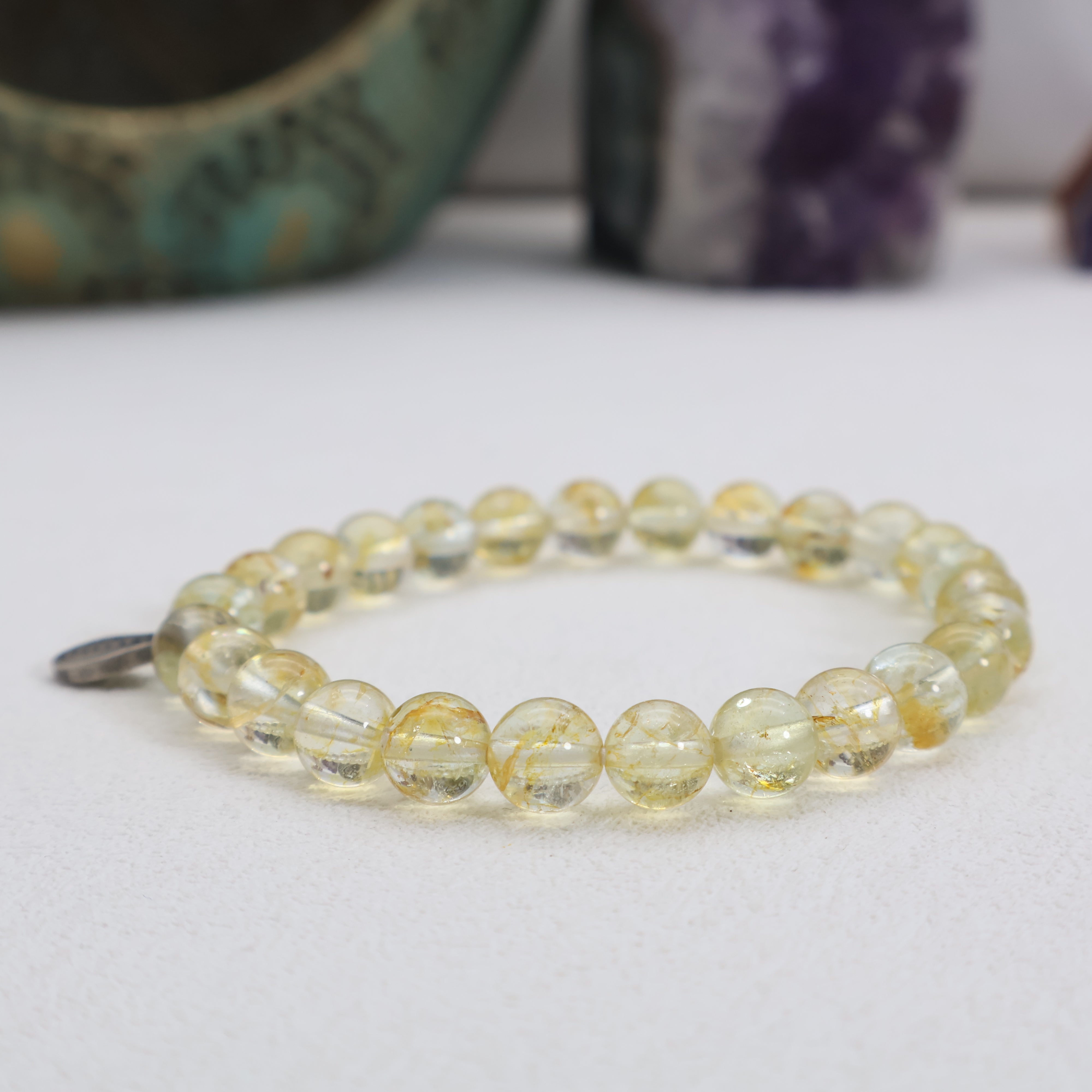
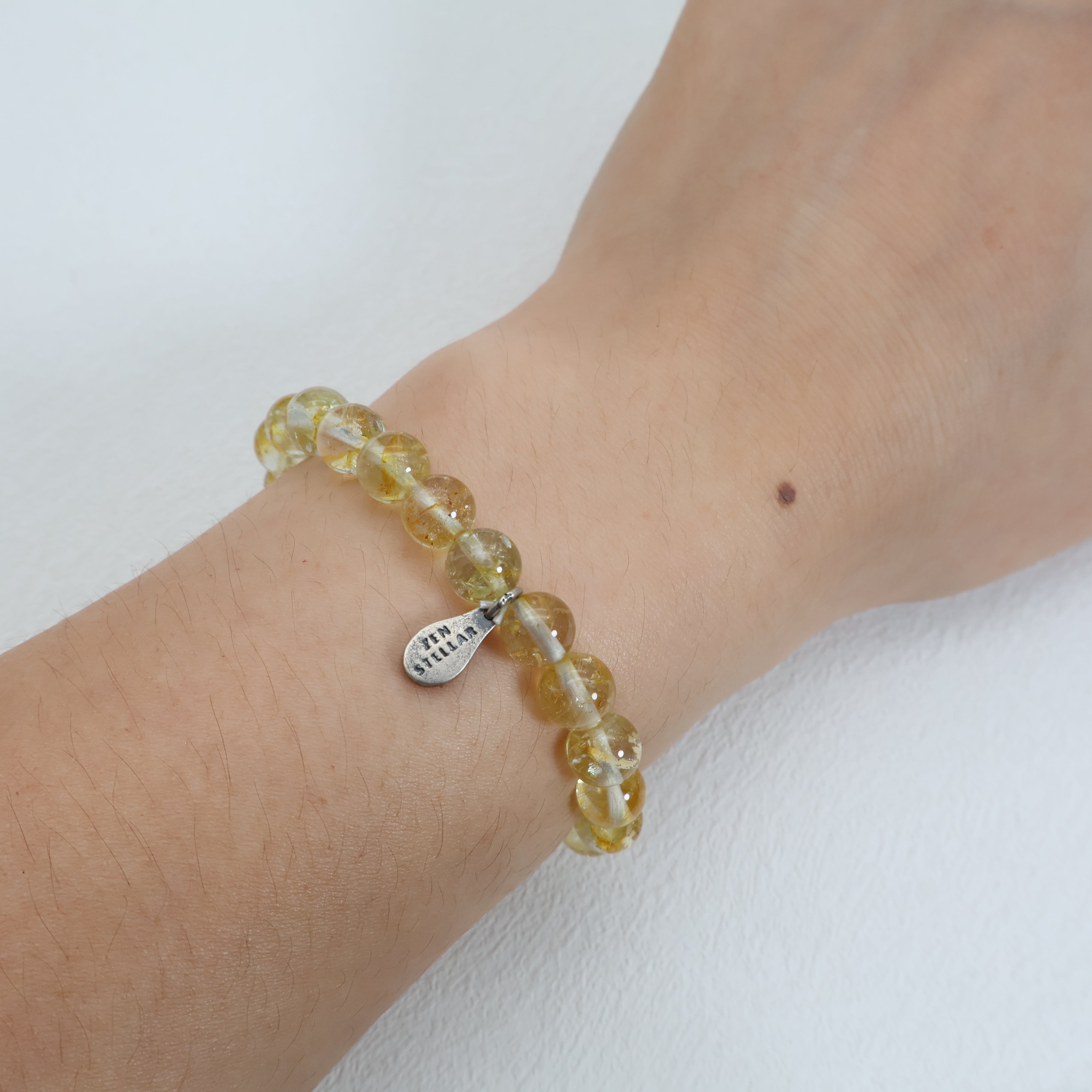
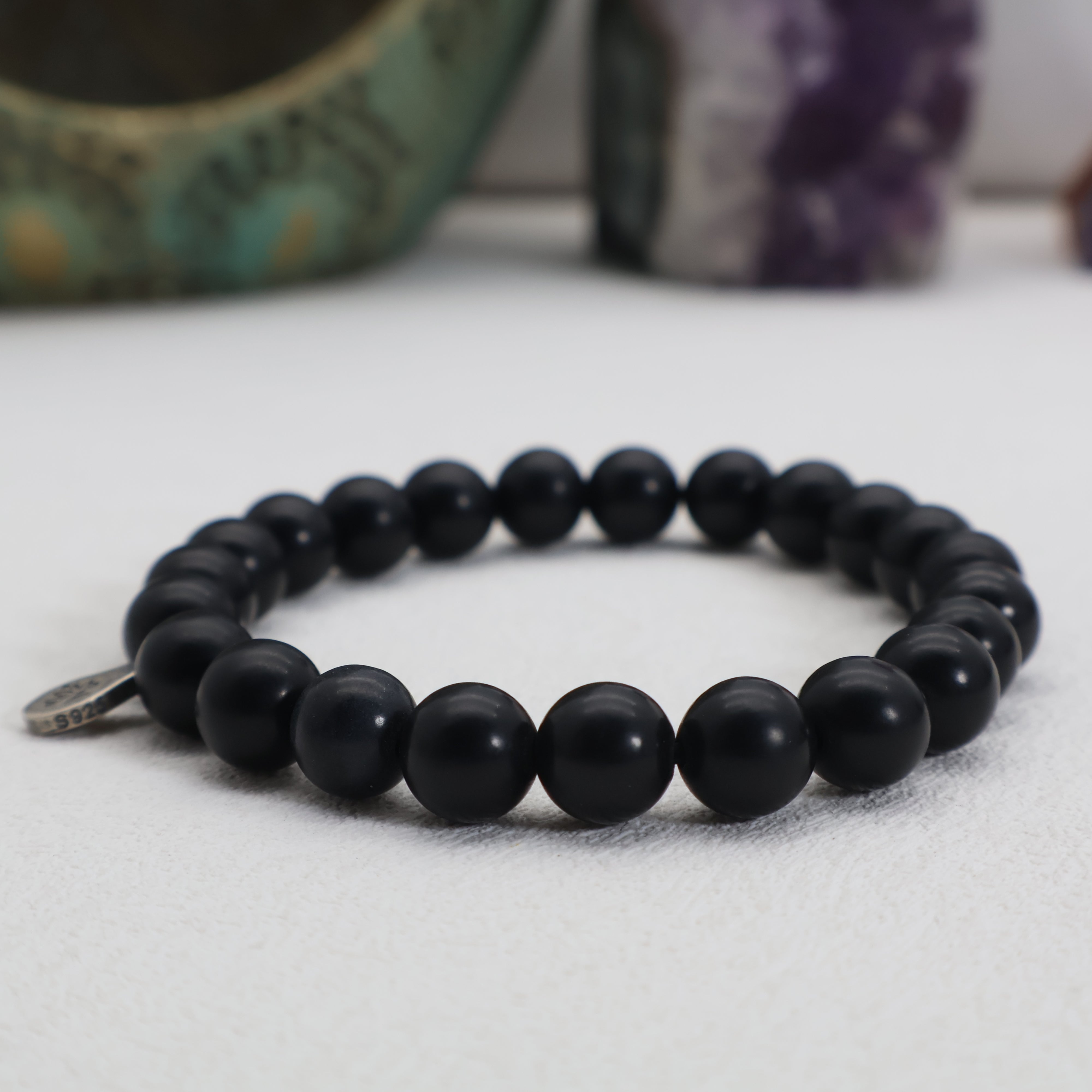
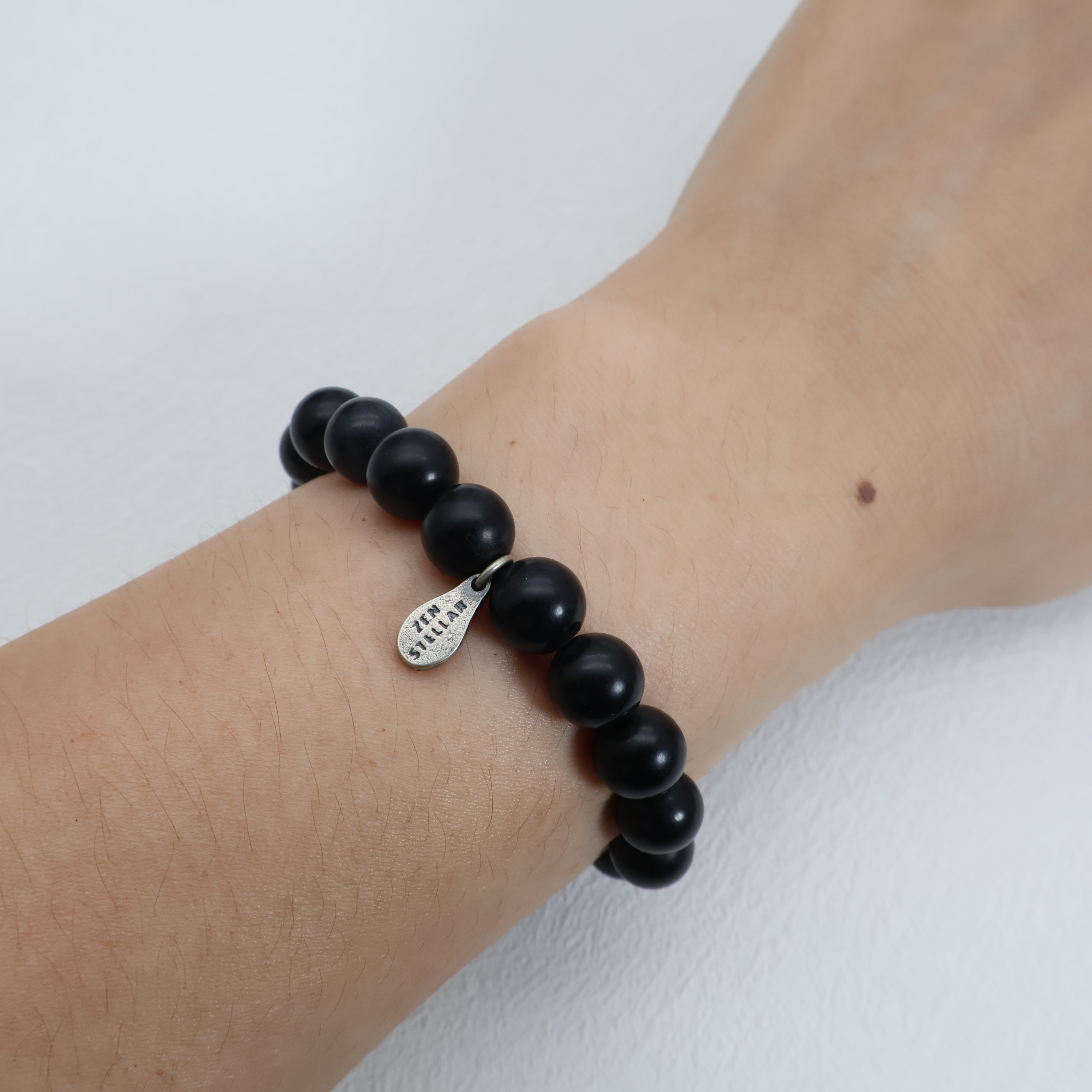
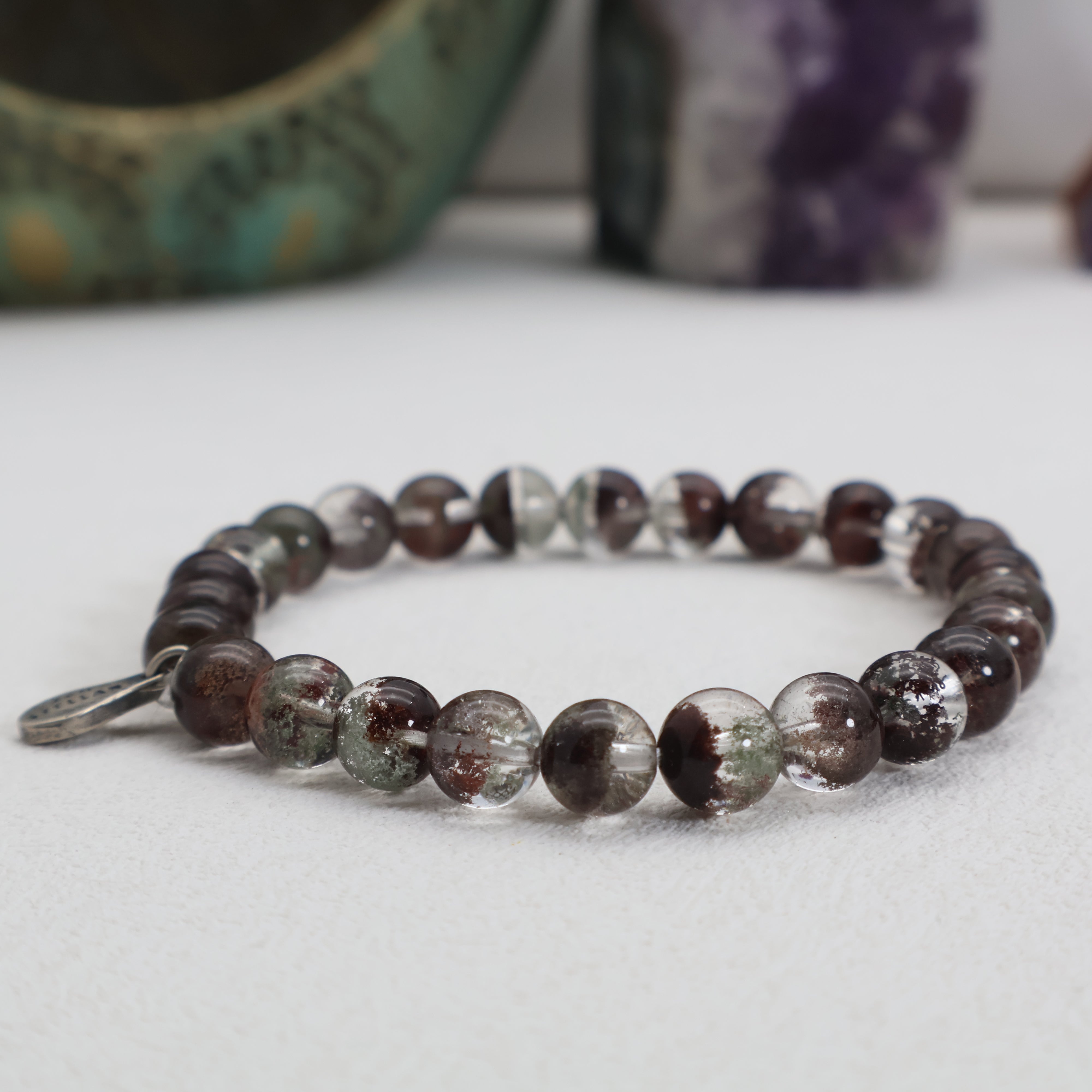
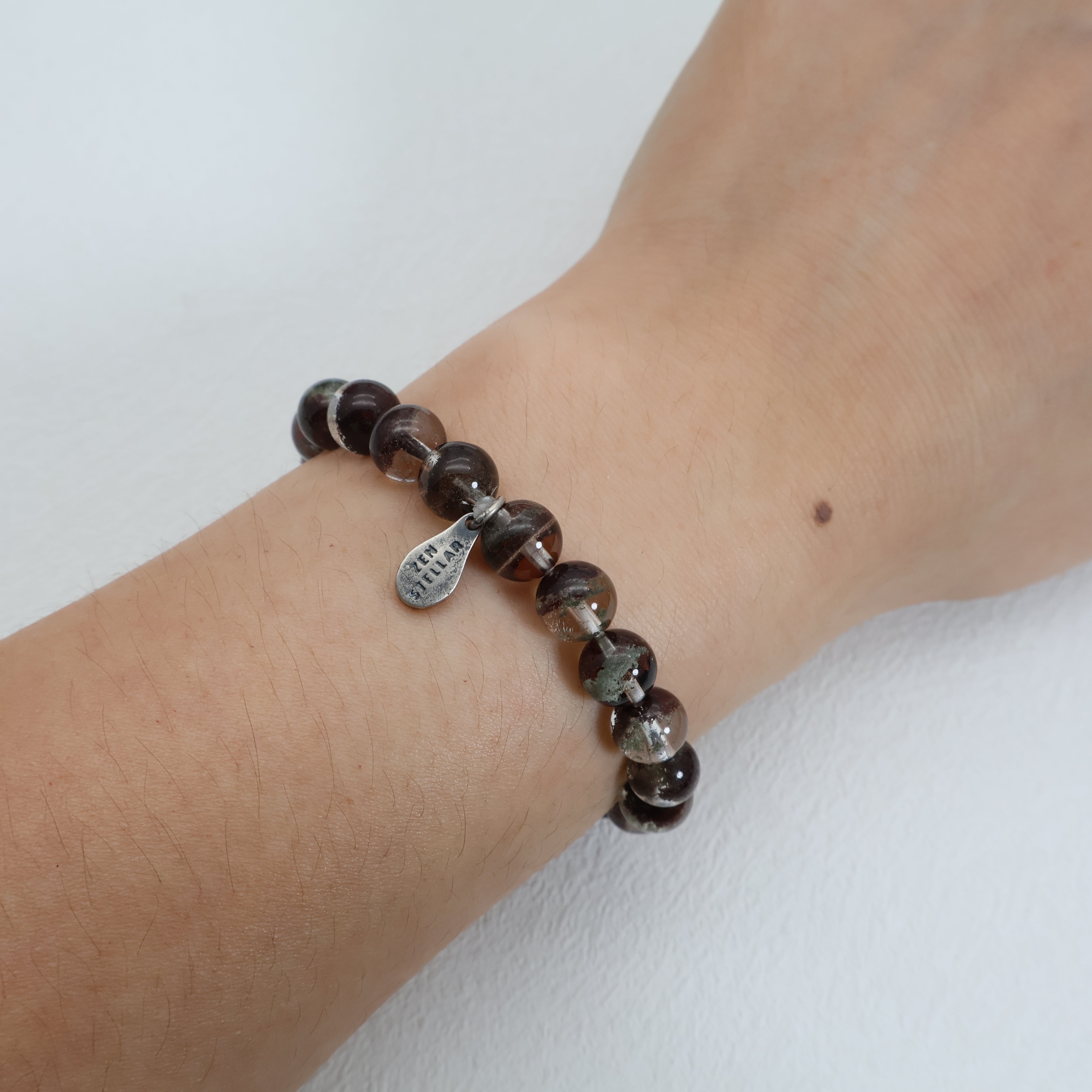
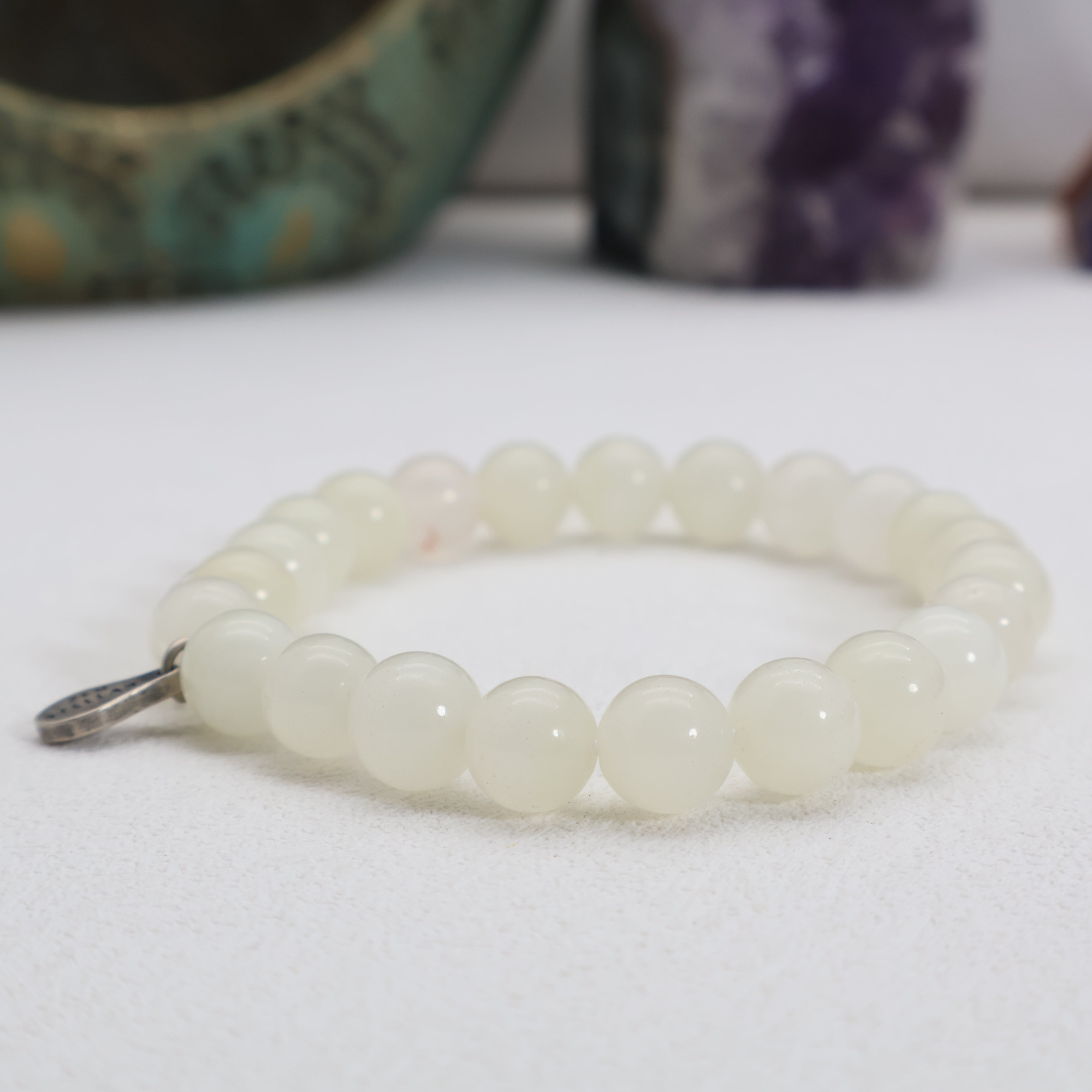
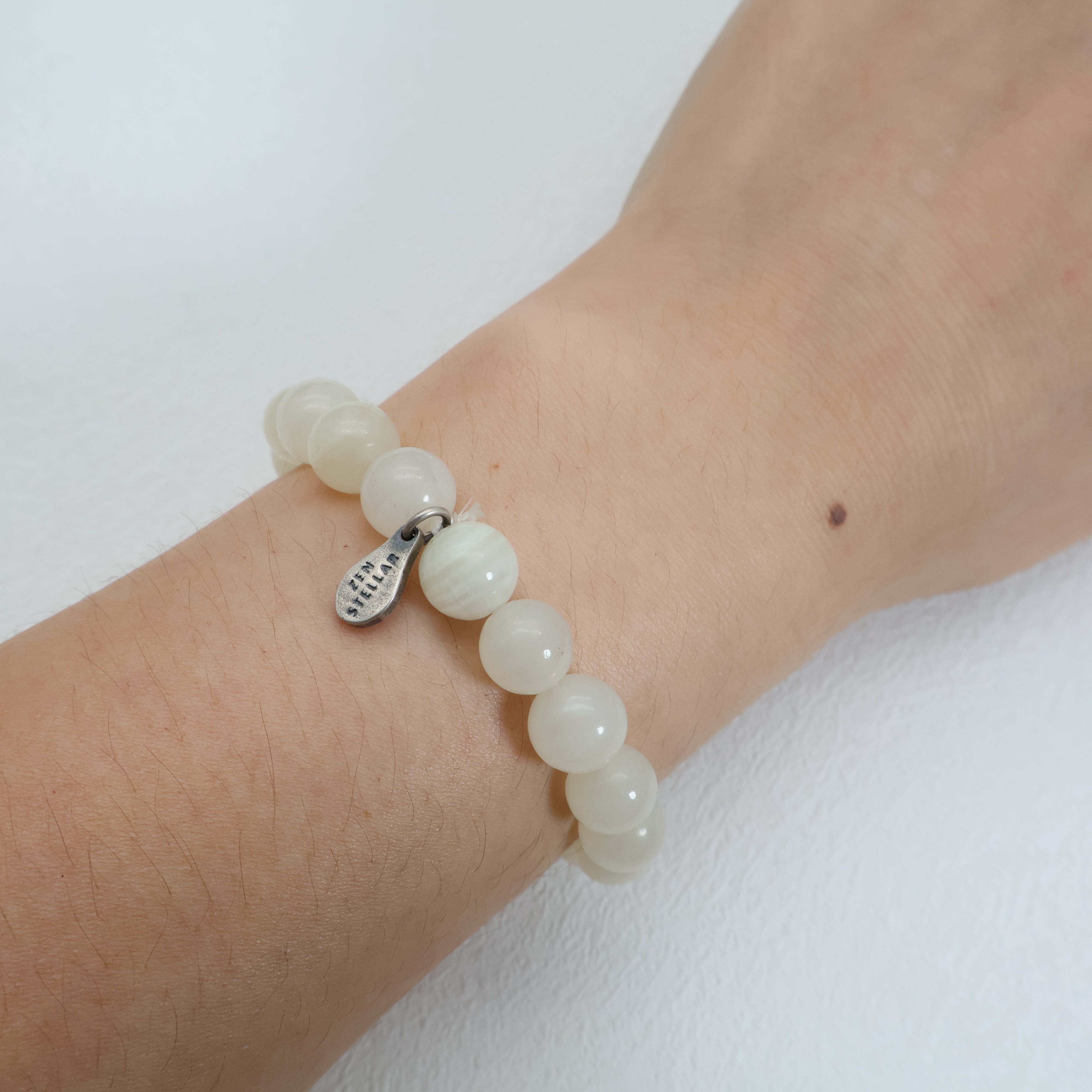
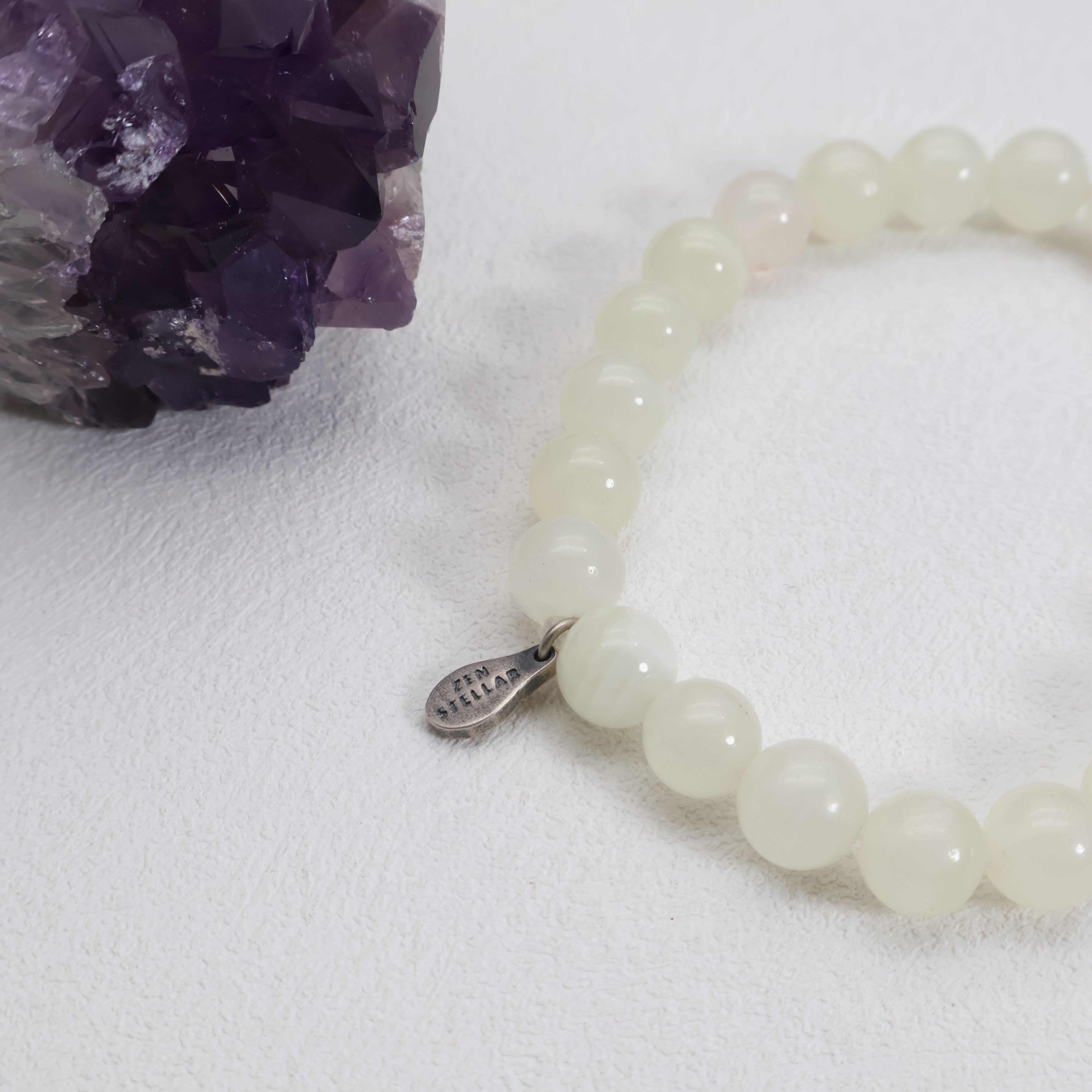
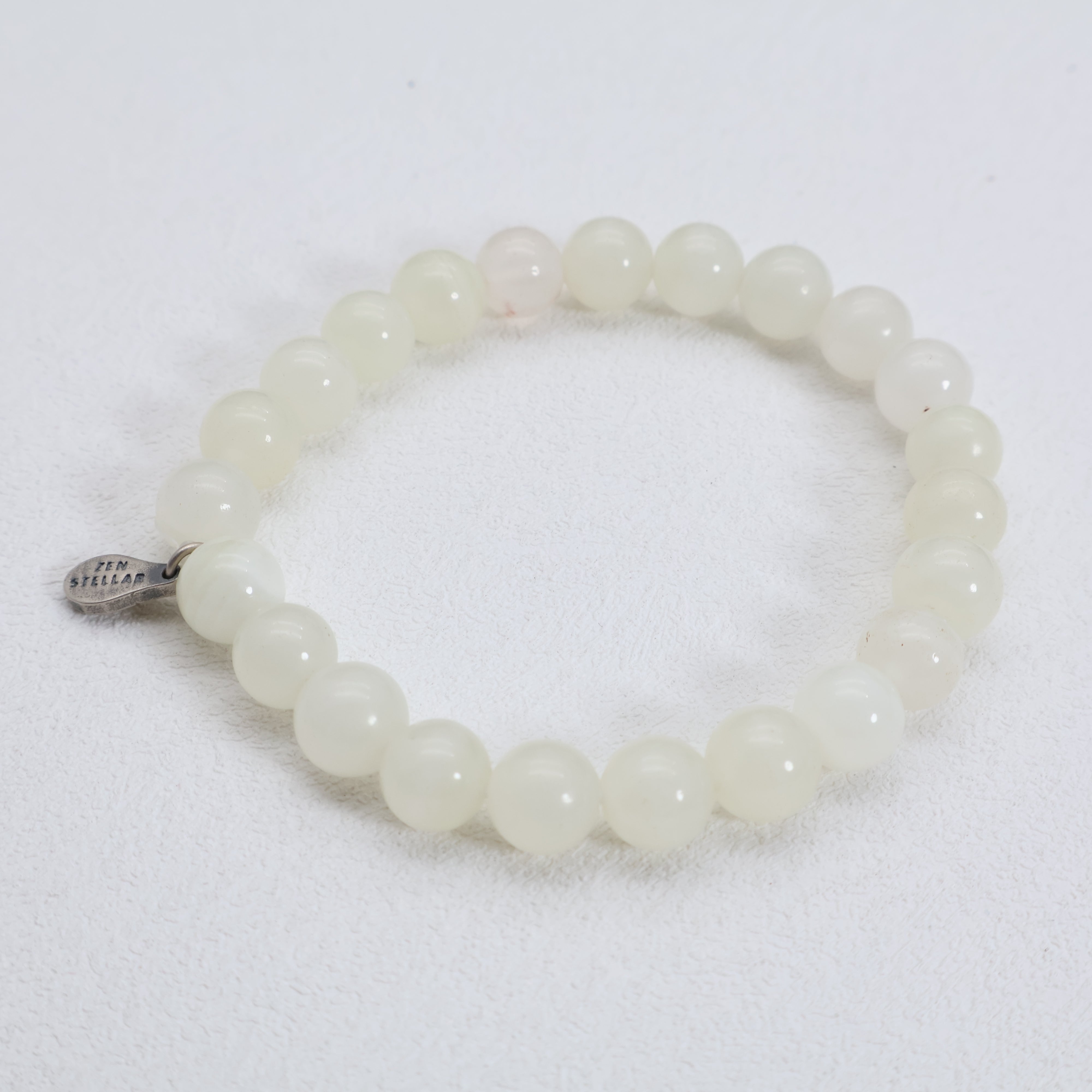
A bracelet is not only seen. It is felt.
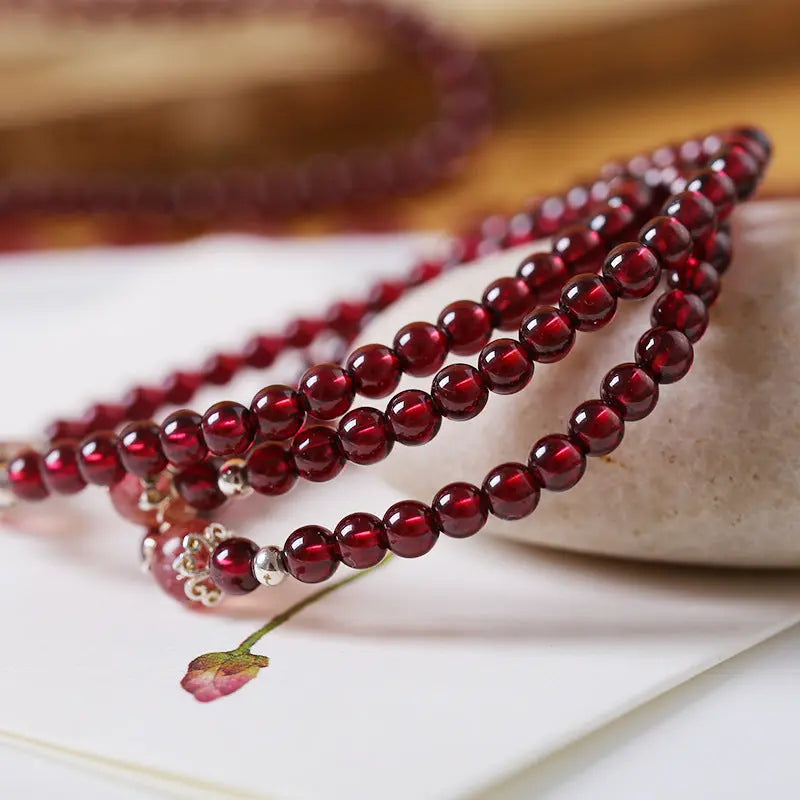
The weight of the beads. The smoothness of the surface. The temperature of the stone.
These physical sensations become part of daily experience.
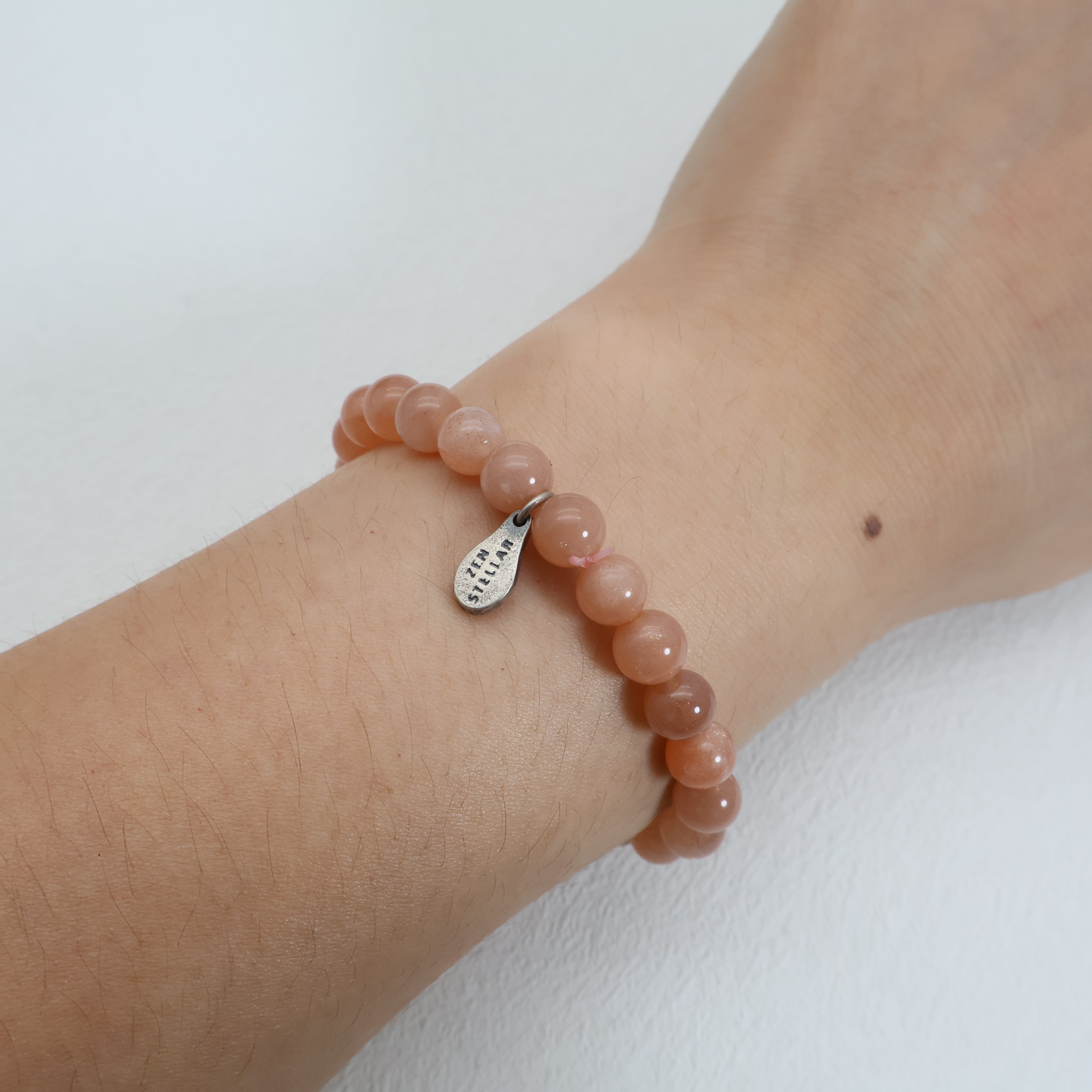
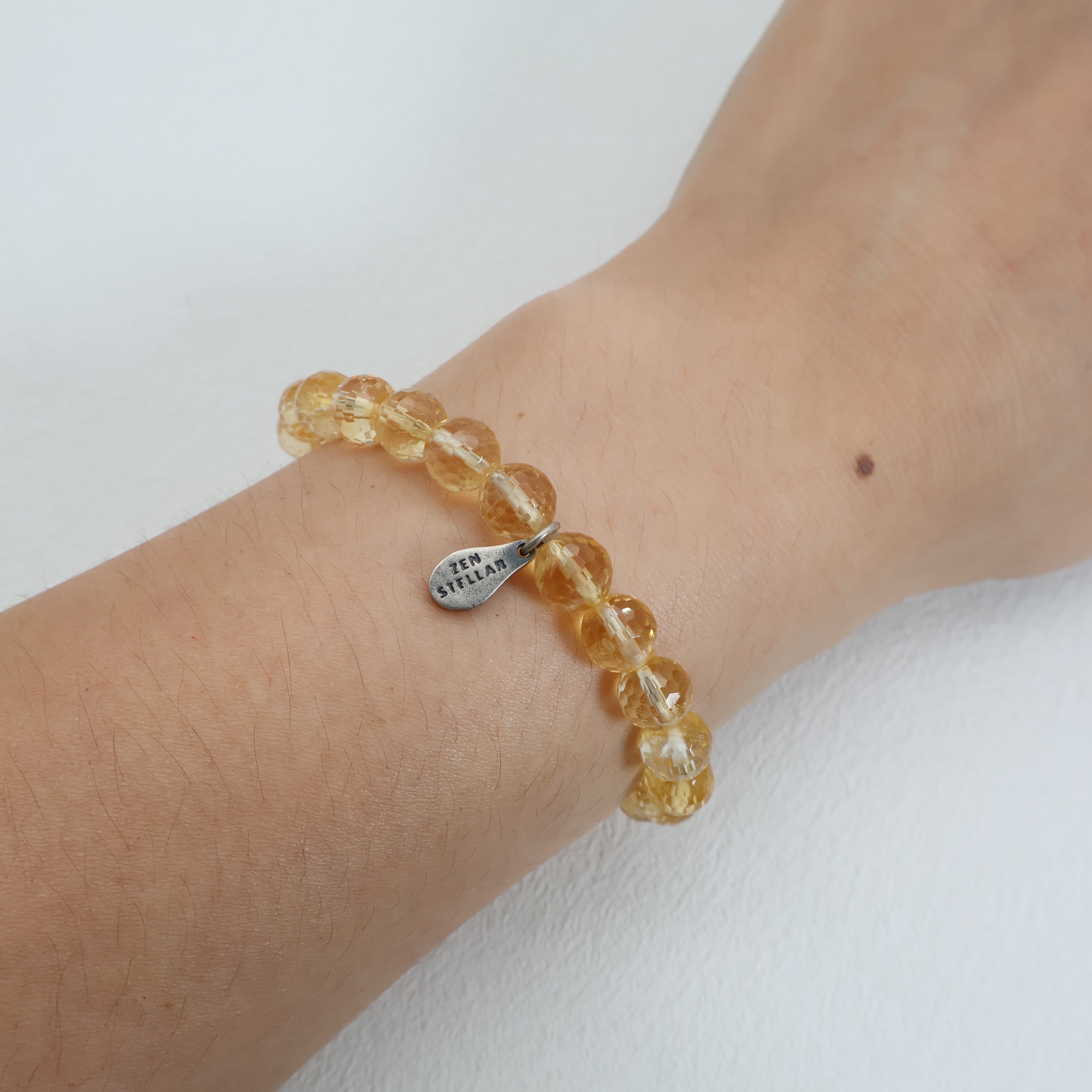
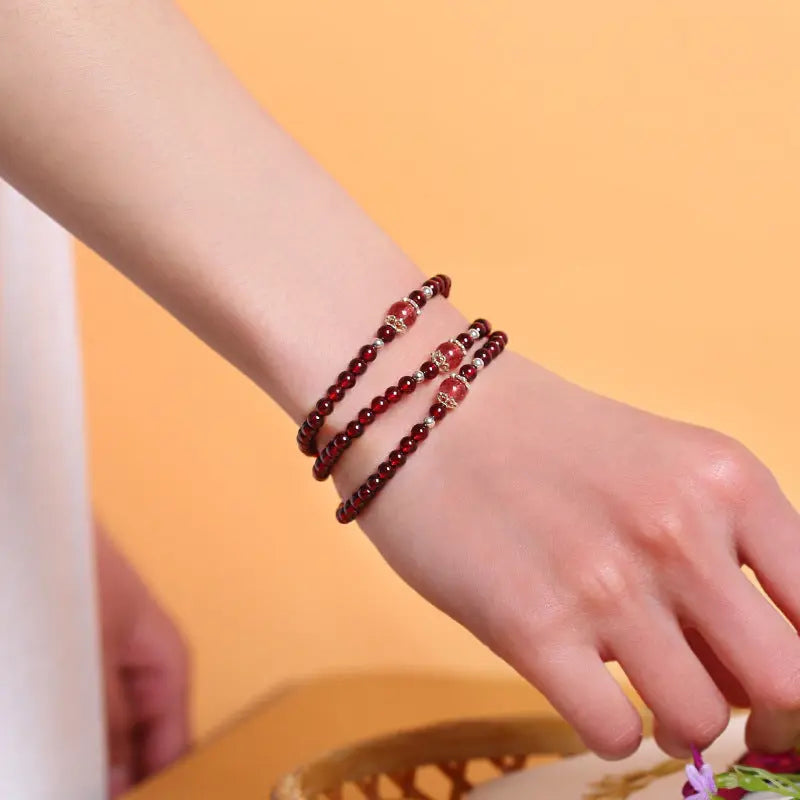
Some people prefer something they can barely notice. Others like the presence of something tangible on the wrist.
This choice often reflects how much physical grounding someone wants throughout the day.

Letting the Bracelet Evolve With You
One of the most overlooked aspects of choosing a crystal bracelet is that the choice does not need to be permanent.
People change. Schedules shift. Priorities evolve.
What feels right during one phase of life may feel different in another.
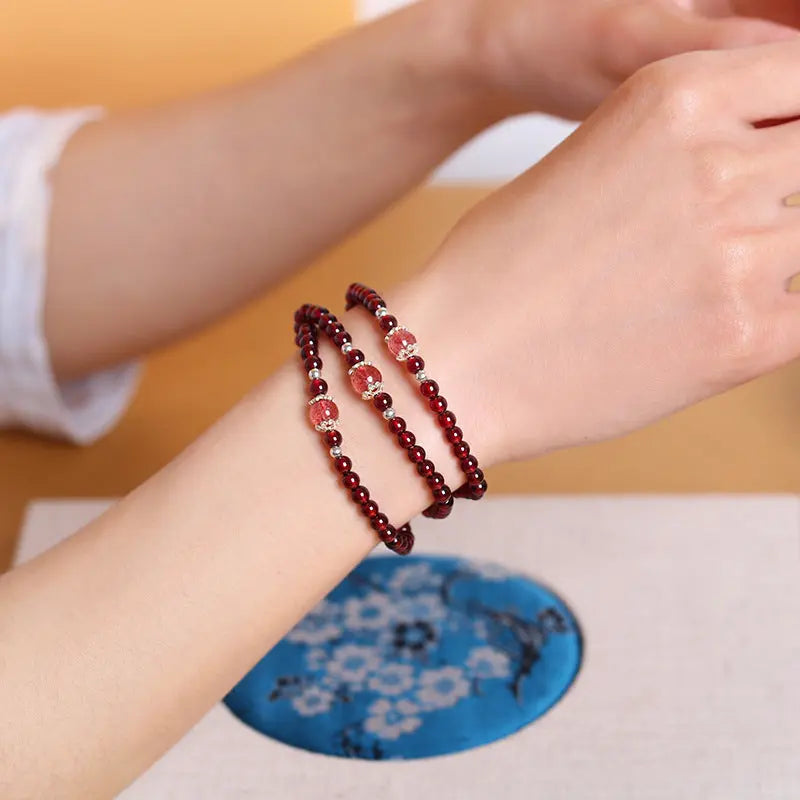
Many people keep more than one bracelet and rotate them based on context. Work. Travel. Rest. Social time.
This turns the collection into a flexible system rather than a fixed identity.
Avoiding the Pressure of Perfect Choice
There is a subtle pressure in modern consumer culture to make the “right” decision.
The perfect stone. The perfect meaning. The perfect alignment.
In reality, the relationship with an object grows over time.
The bracelet becomes meaningful because it is worn, not because it was chosen perfectly.
Allowing room for imperfection often leads to deeper connection.

When a Bracelet Becomes Familiar
Over weeks and months, something changes.
The bracelet becomes familiar. The hand reaches for it without thinking. It becomes part of how you move.
At this point, the object has crossed from accessory into companion.
This transition does not happen through belief or explanation. It happens through repetition.
Final Reflection
Choosing a crystal bracelet is less about finding something that represents you, and more about finding something that can walk with you.
It does not need to define your identity.
It only needs to fit into your life.
When chosen with attention to daily rhythms, emotional patterns, and personal space, a bracelet becomes less of a symbol and more of a presence.
Quiet. Constant. Familiar.
A Gentle Invitation
If you are exploring crystal bracelets, try beginning not with meanings or categories, but with your own day.
Notice how you move. How you feel. How you rest.
Let the choice grow out of that awareness.
Not as a decision.
But as a reflection.