
Introduction
Some objects stay.
Others disappear into drawers, boxes, and forgotten corners.
This difference is rarely about price or quality alone. It is often about how an object makes someone feel.
Modern design is no longer focused only on how things work or how they look. It is increasingly concerned with how things are experienced emotionally.
This idea is known as emotional design. It explores why people form attachments to certain objects and not to others.
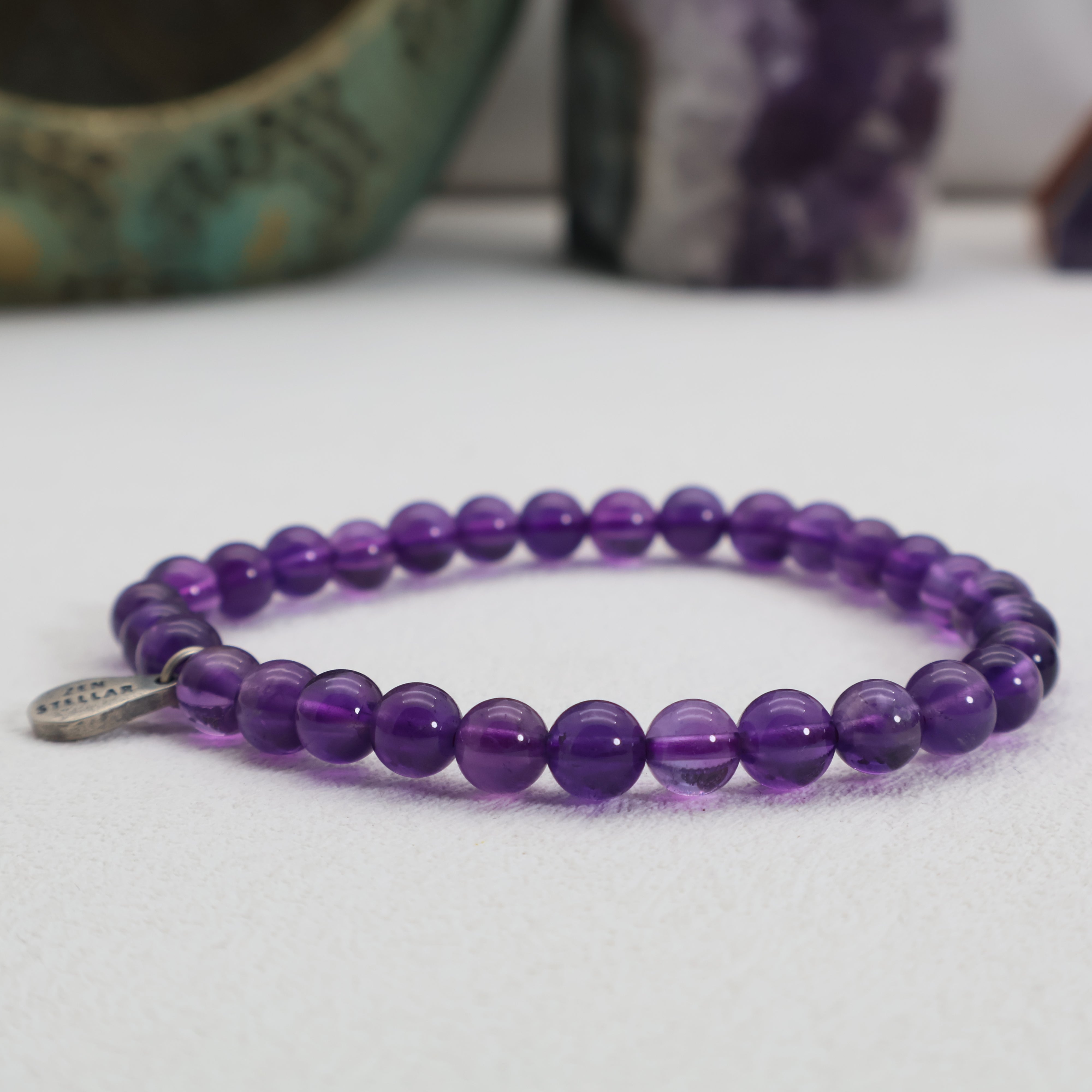
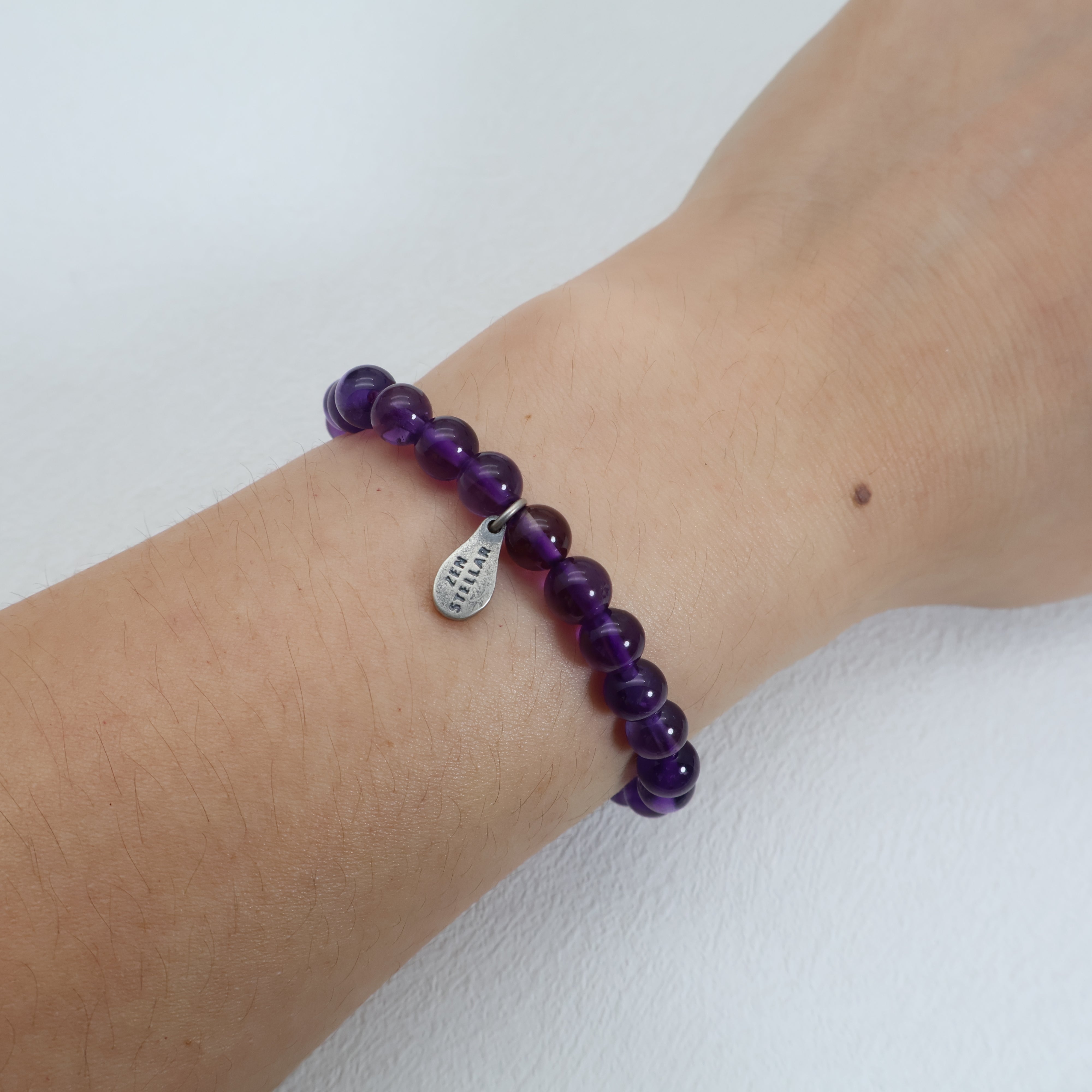
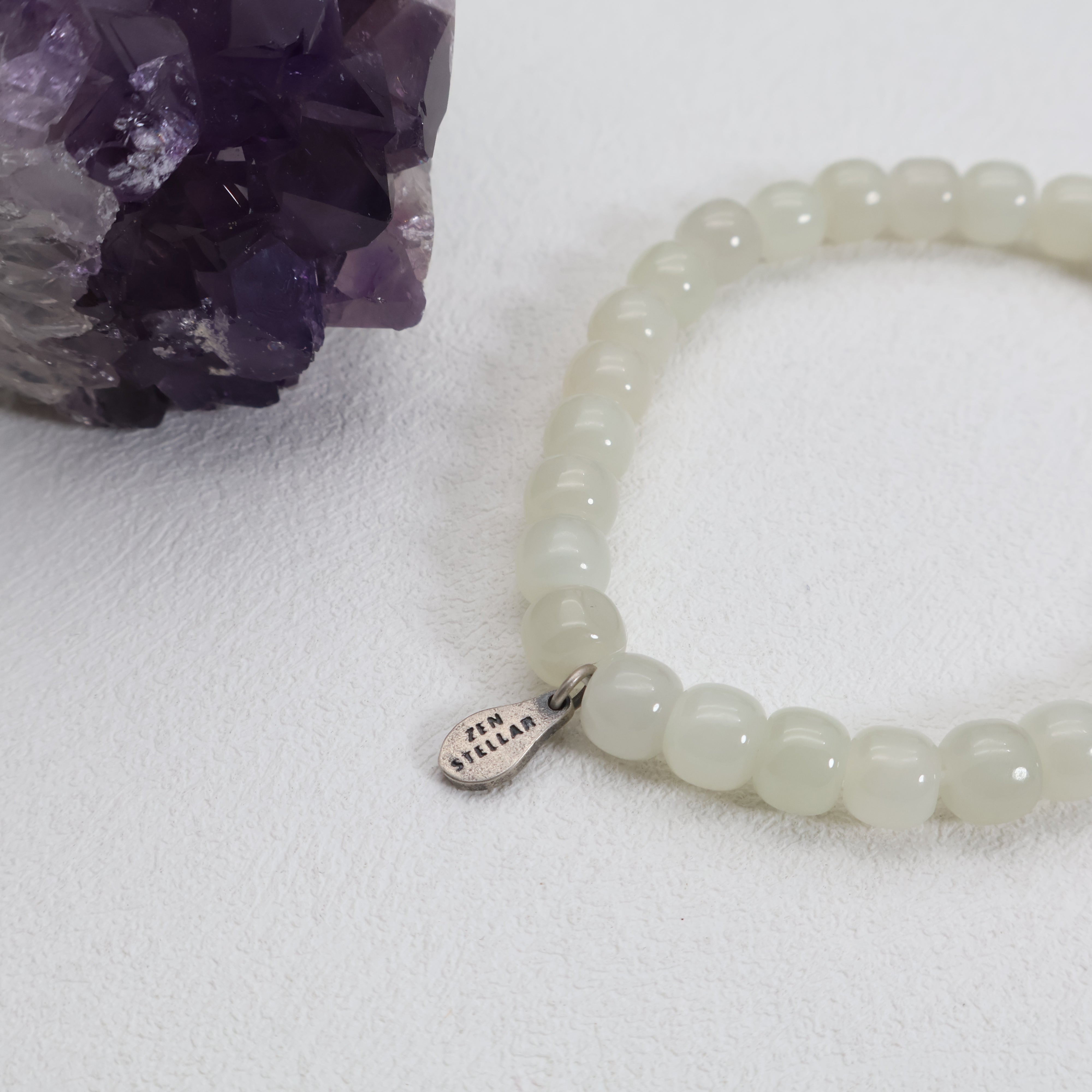
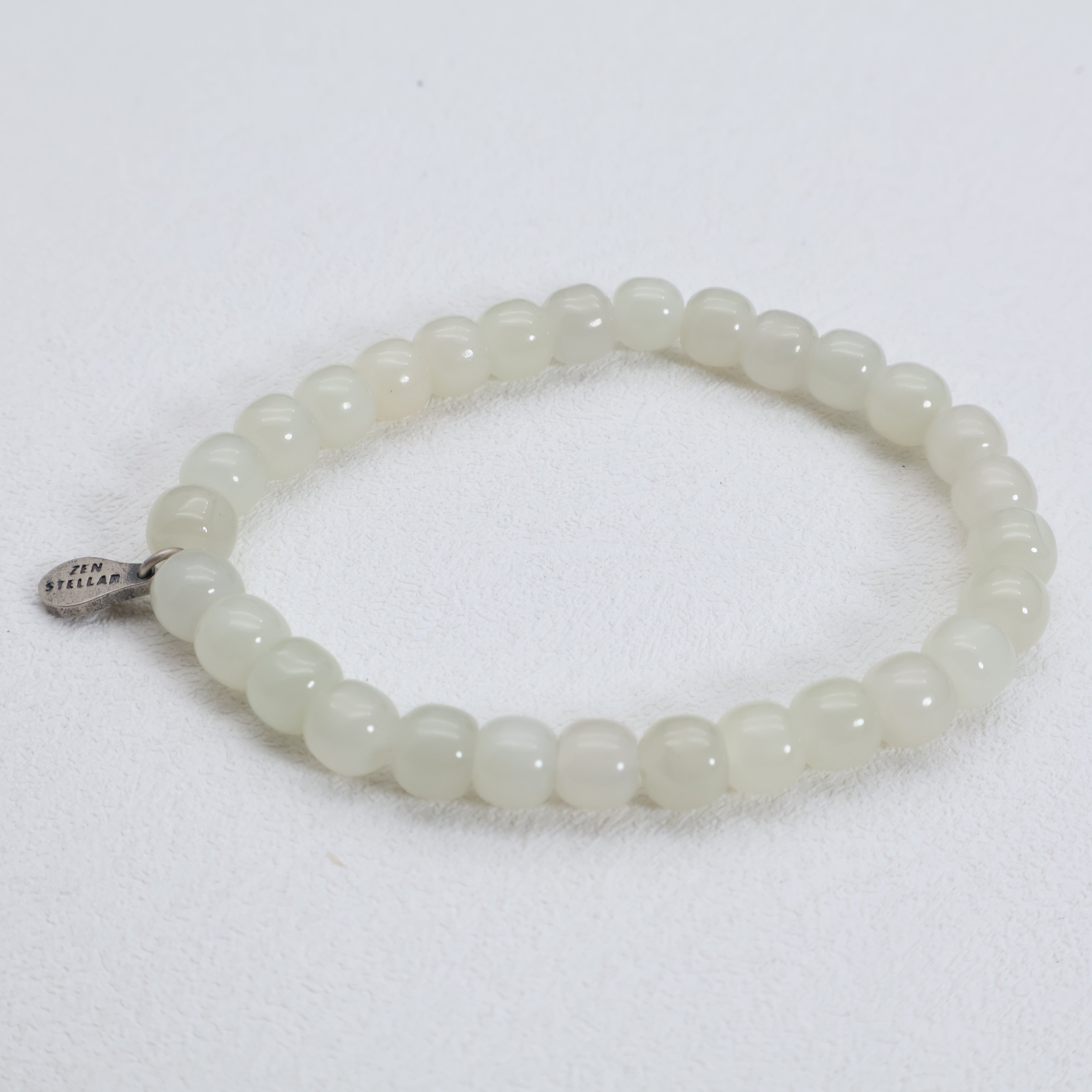
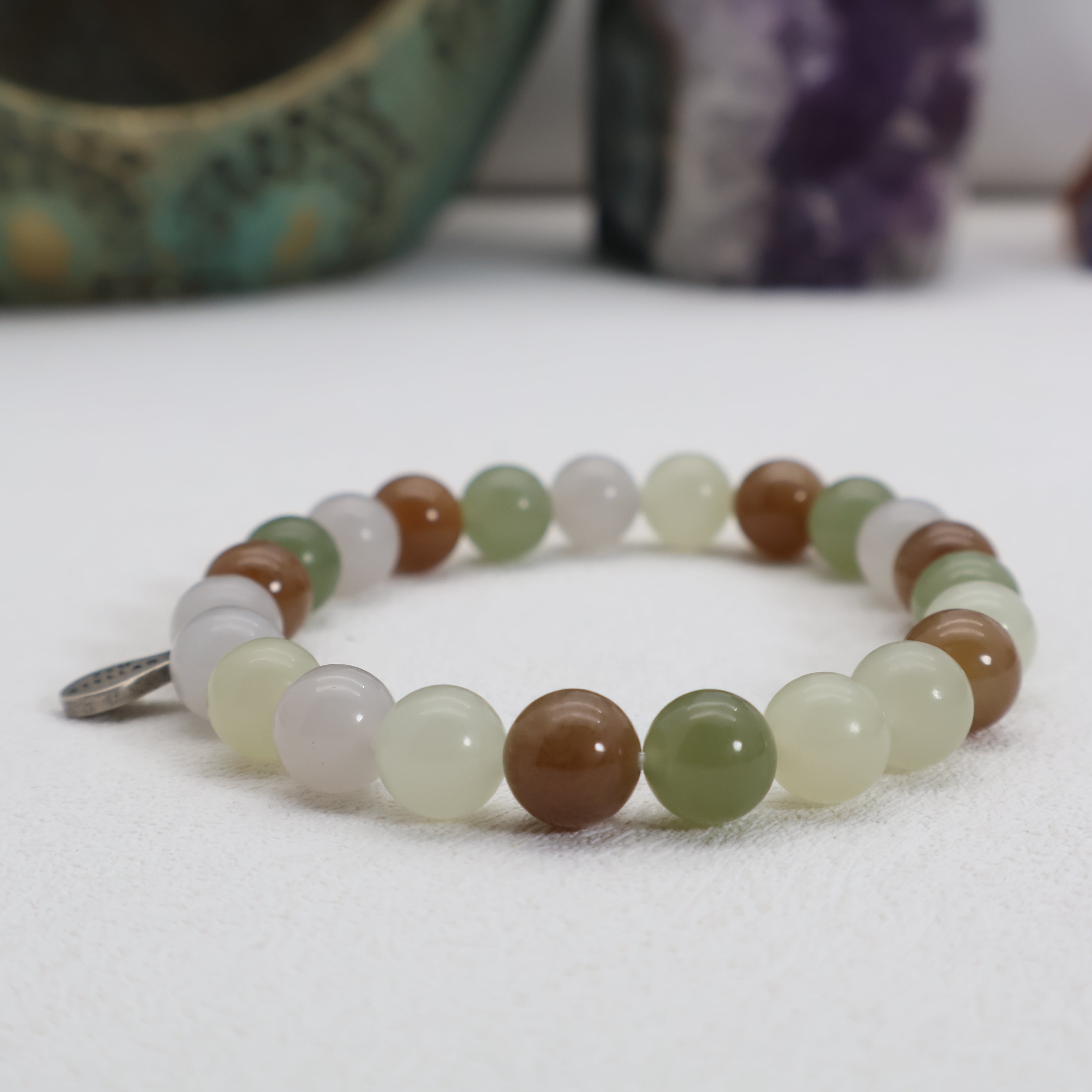
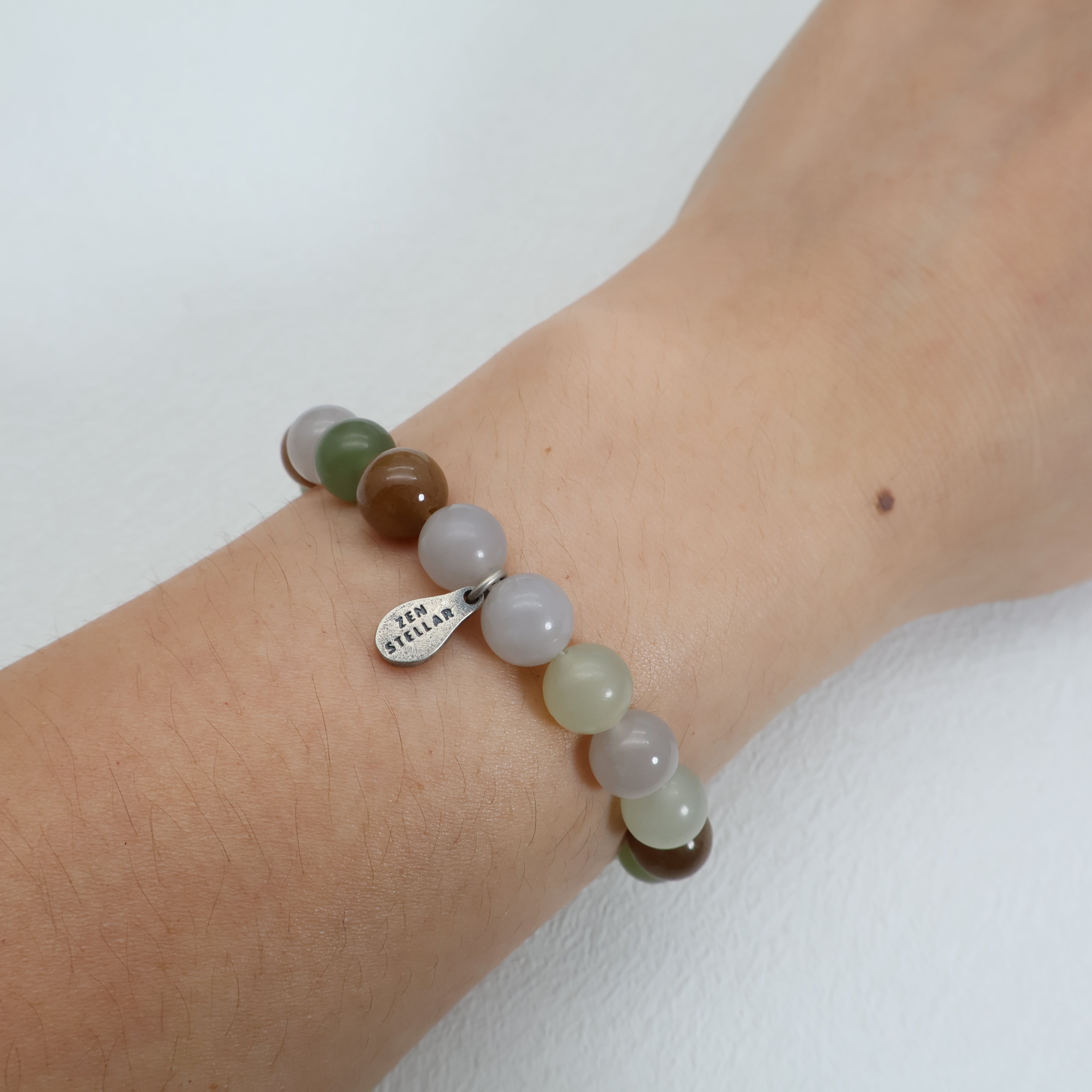
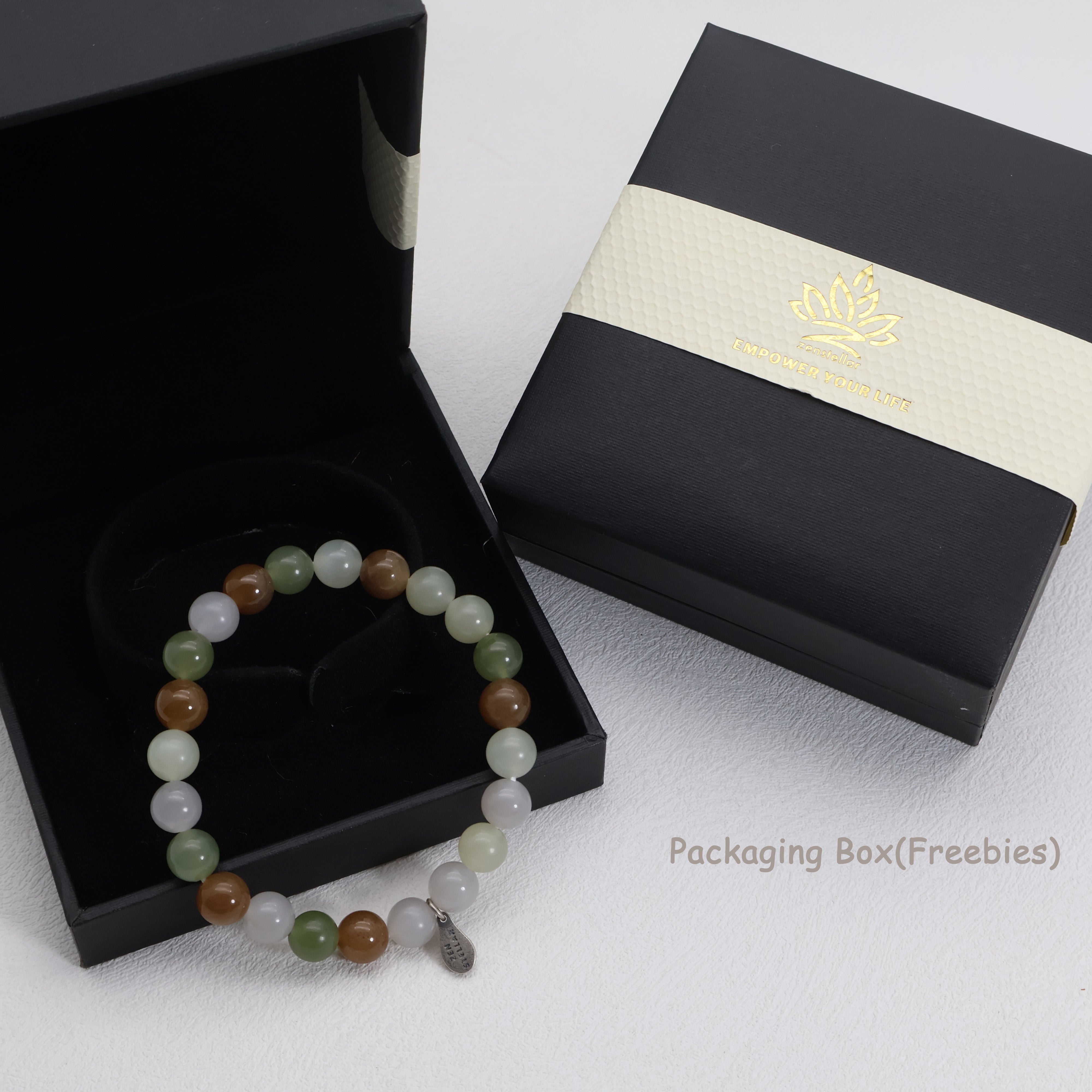
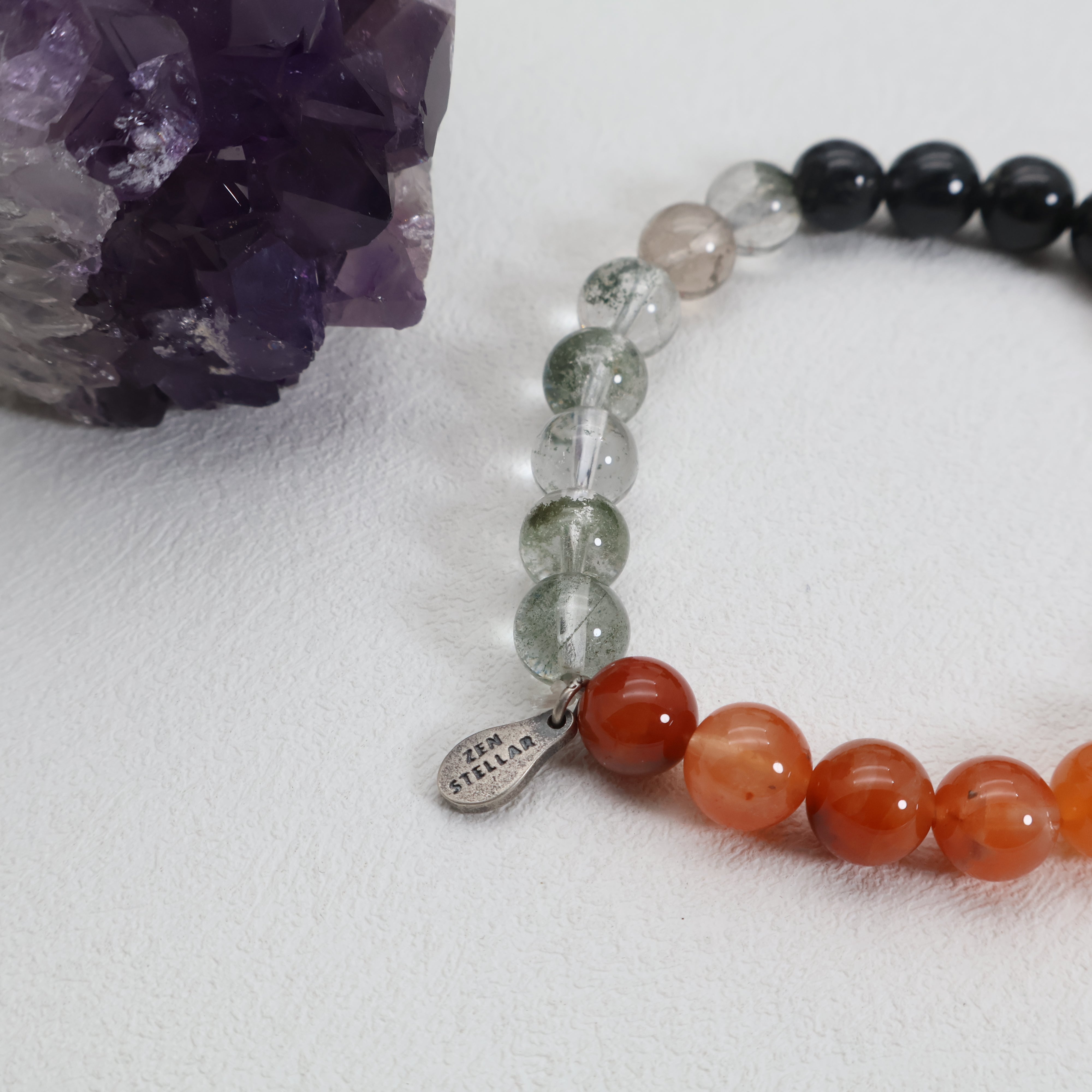
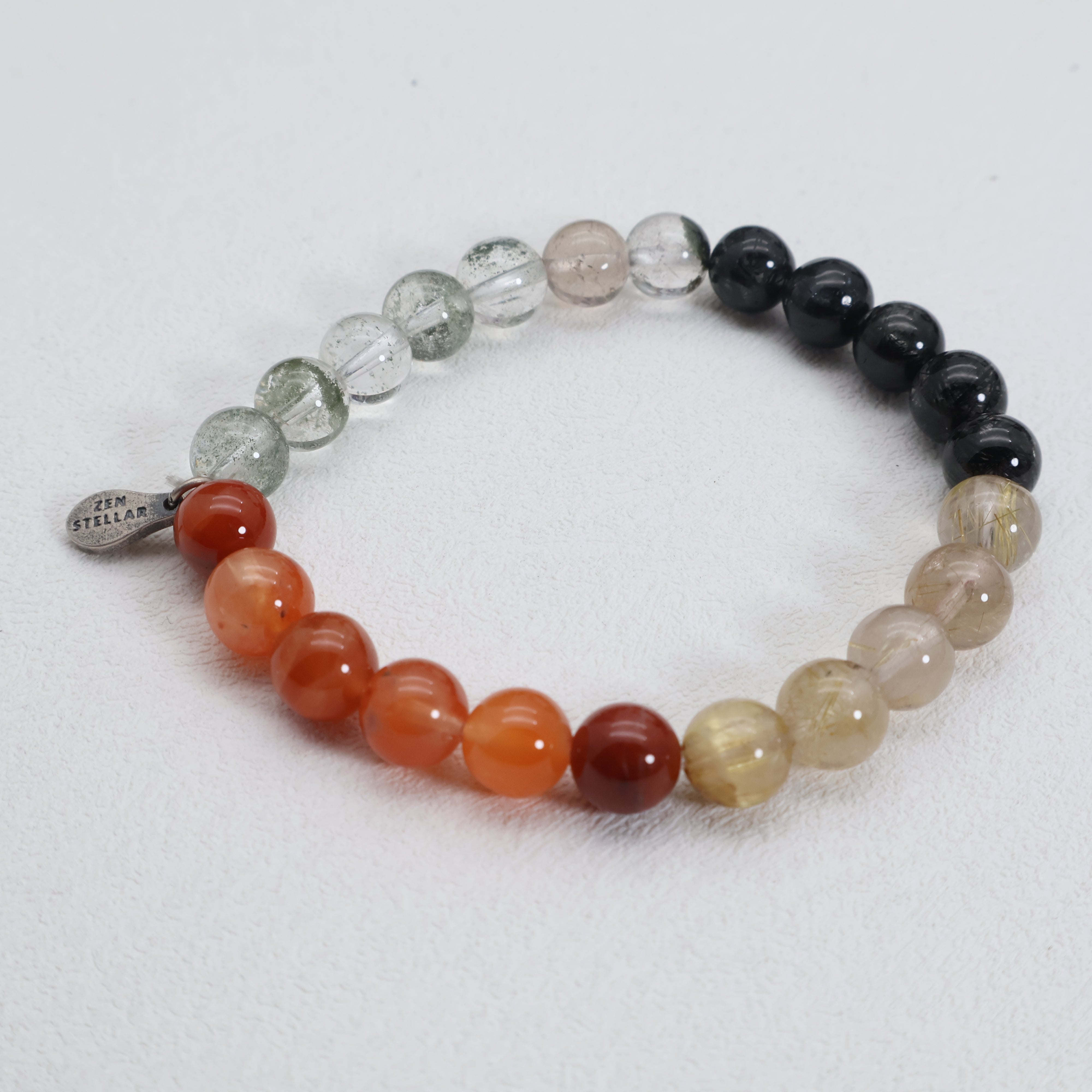
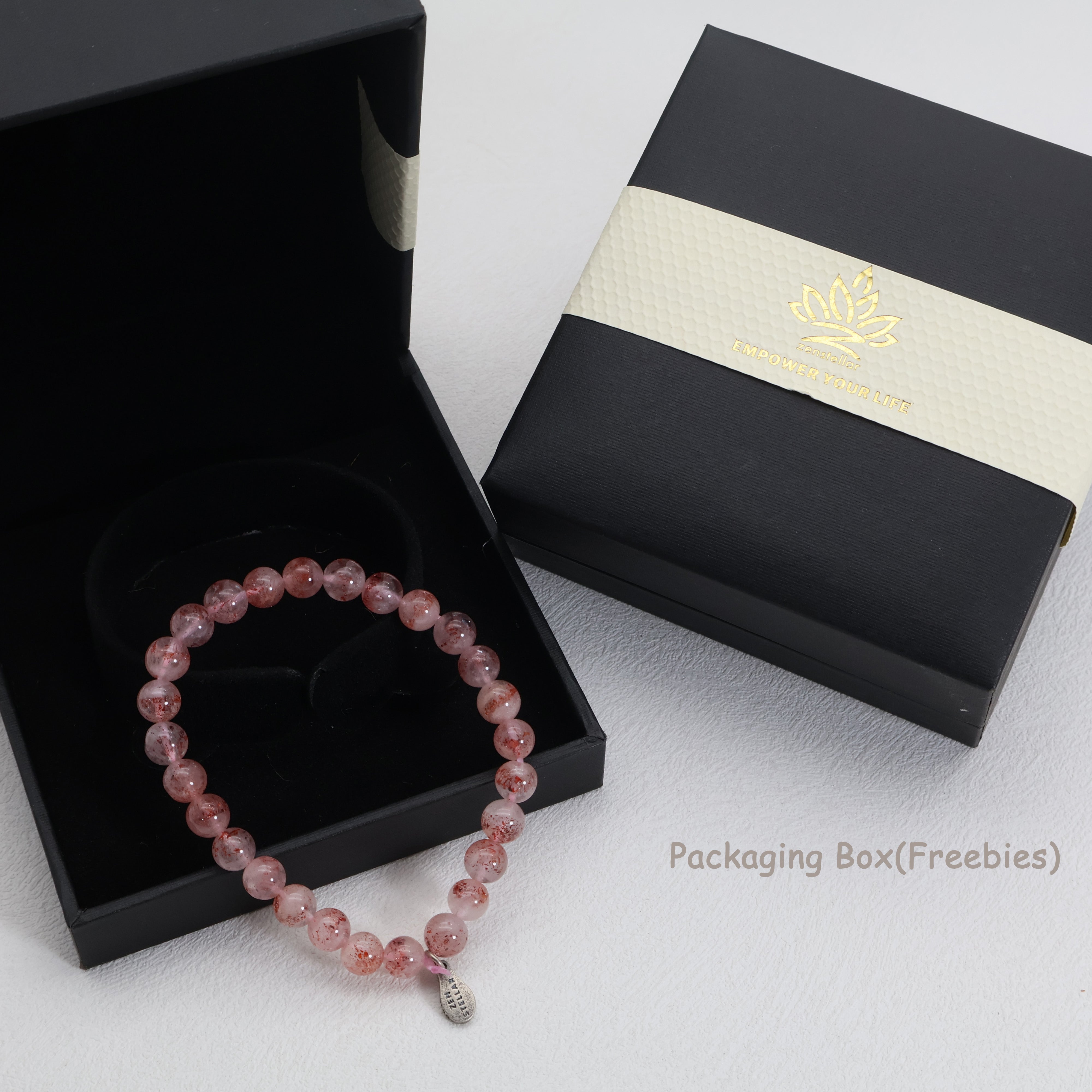
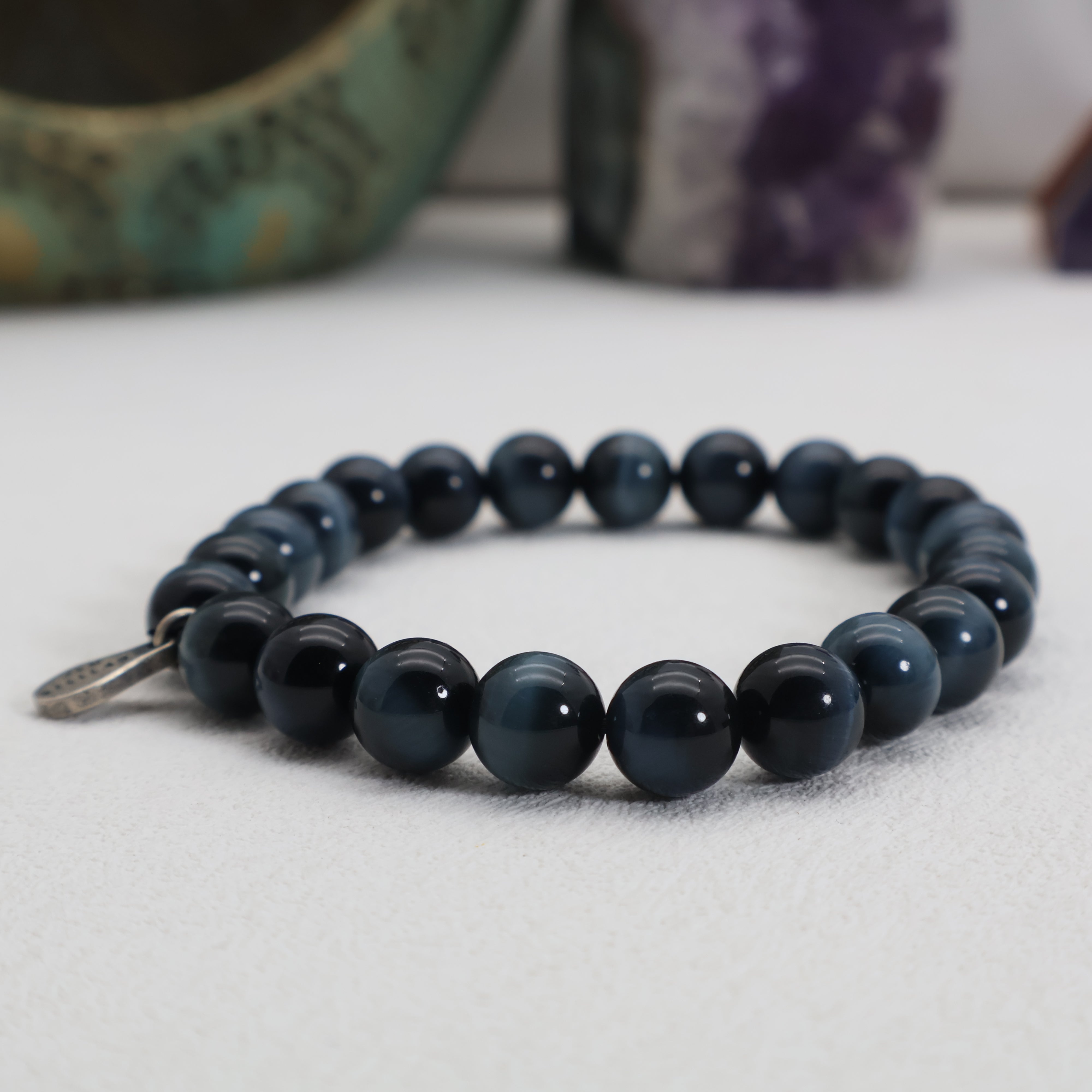
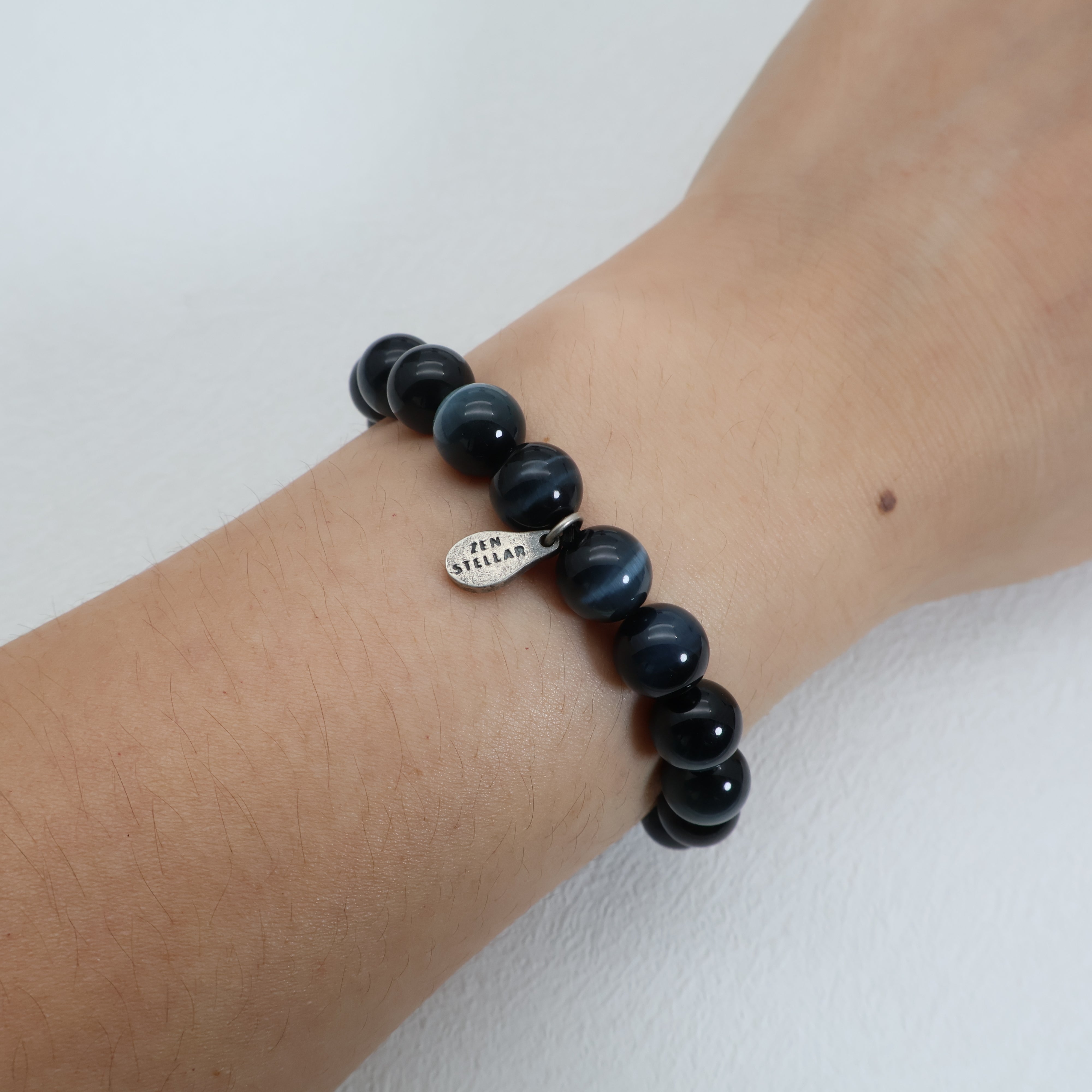
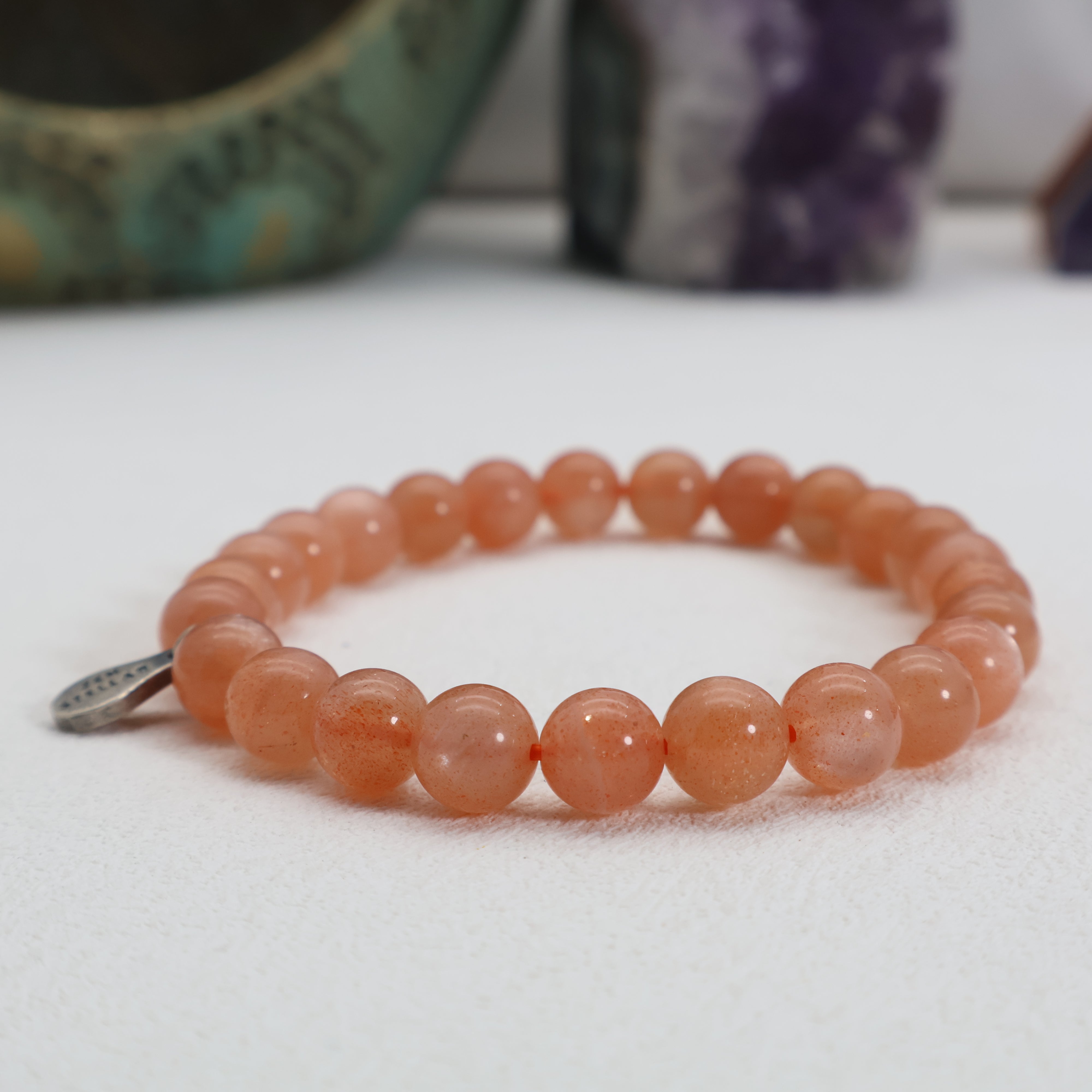
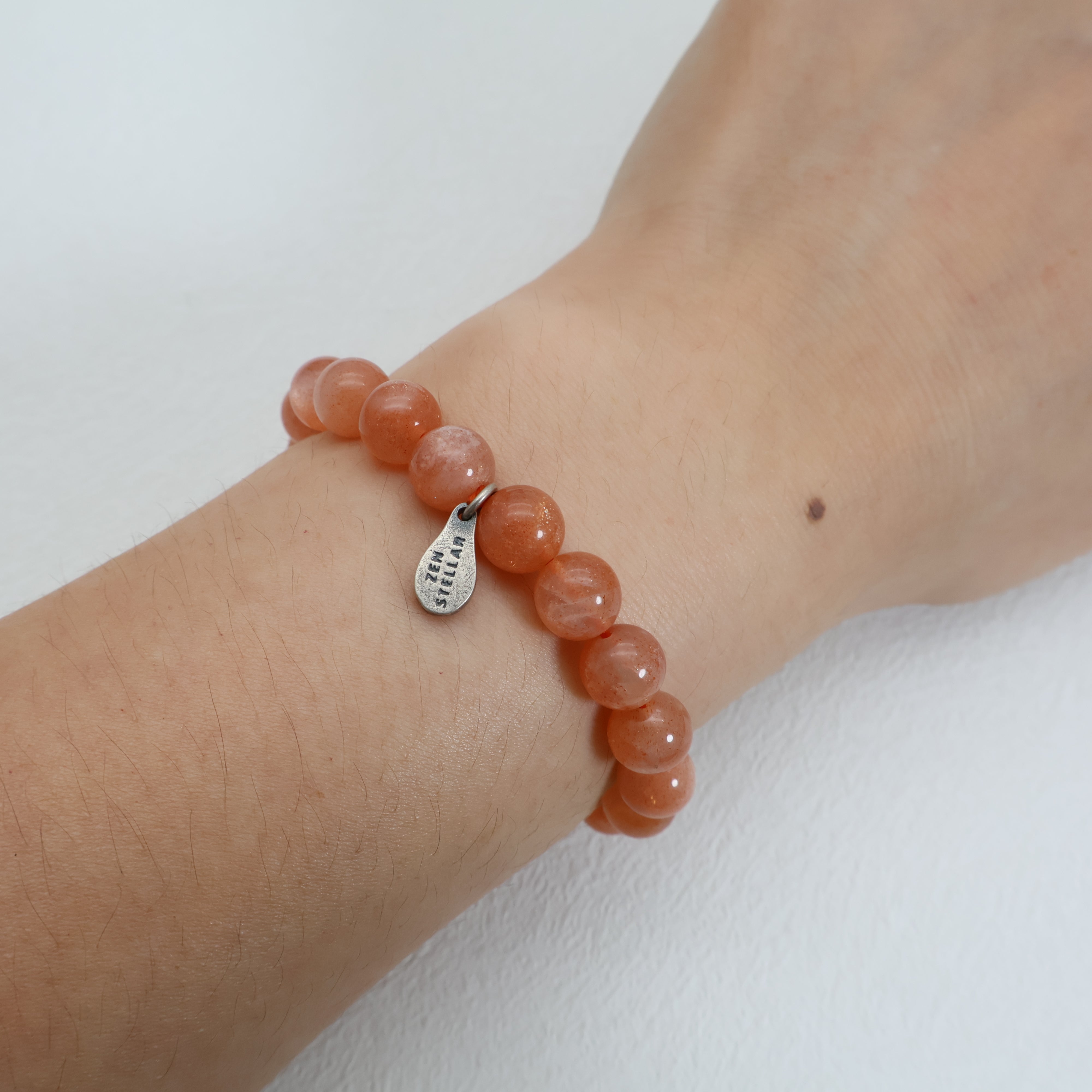
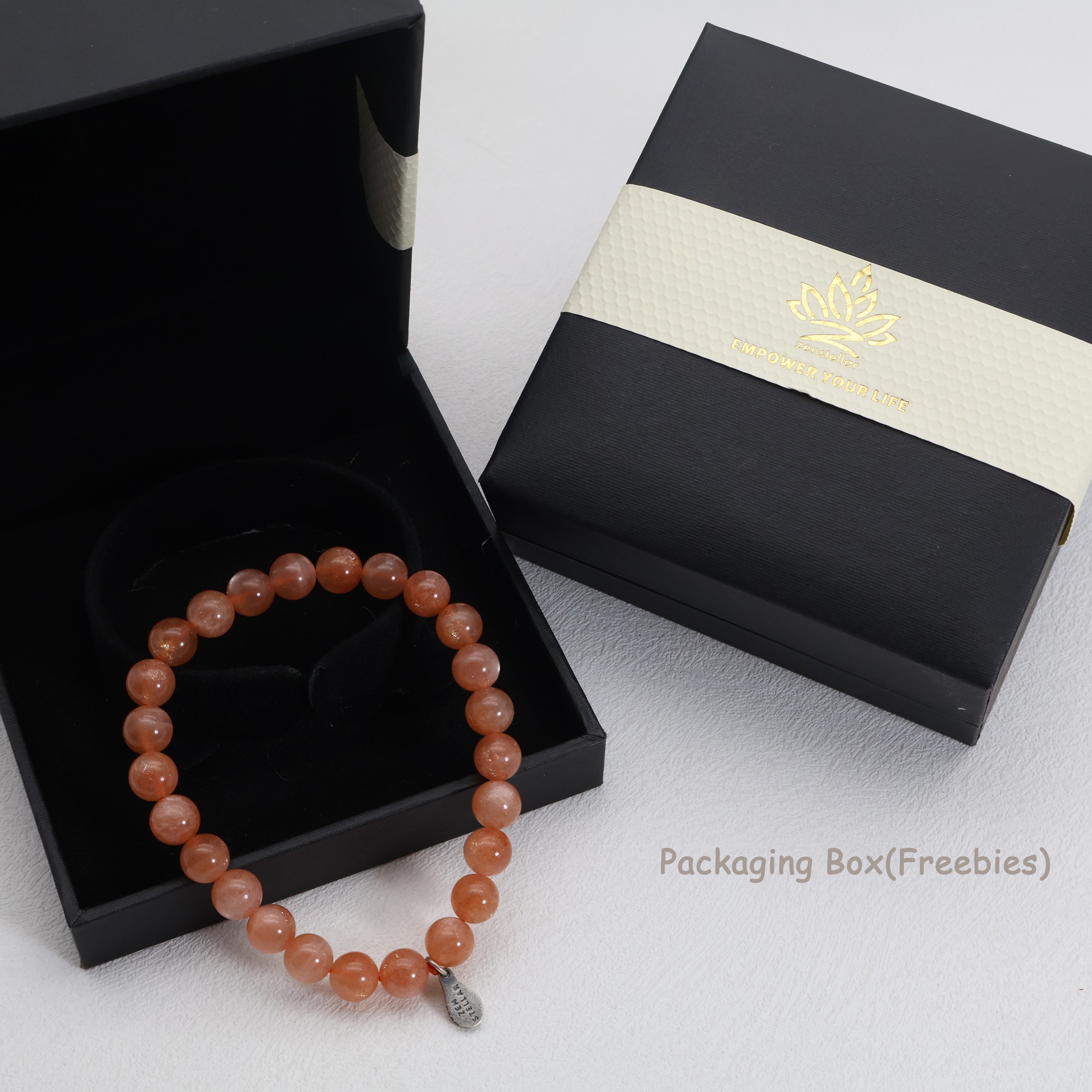
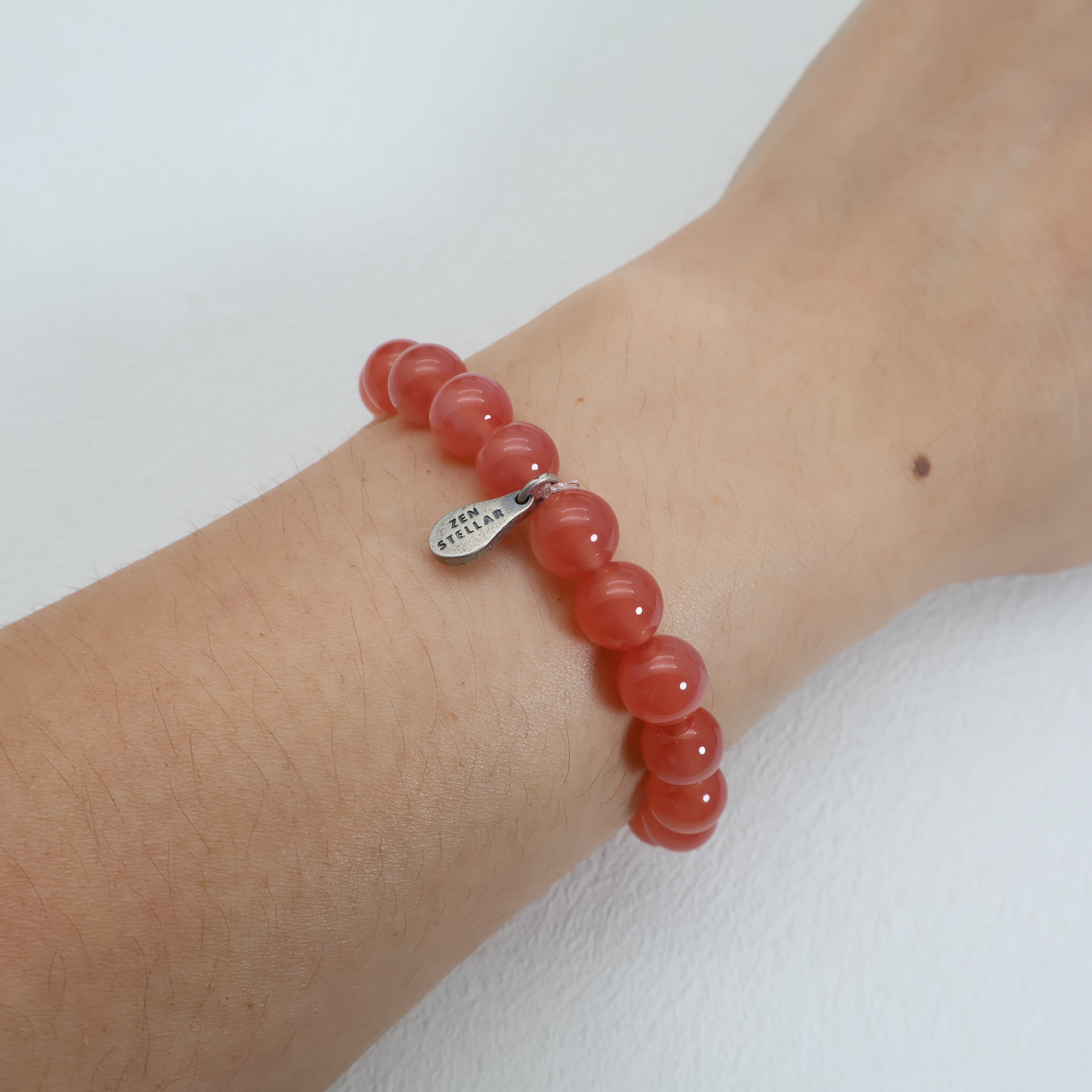
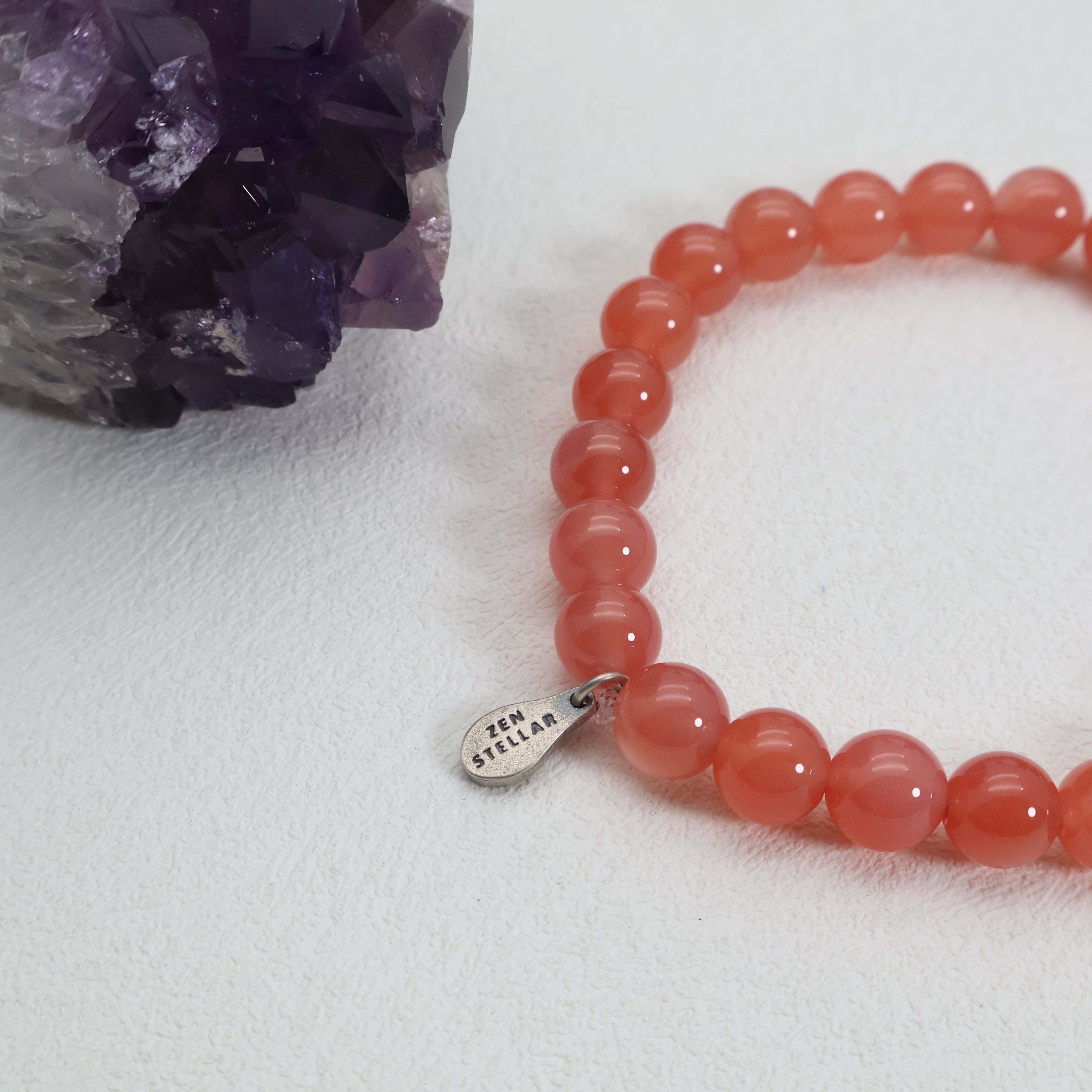
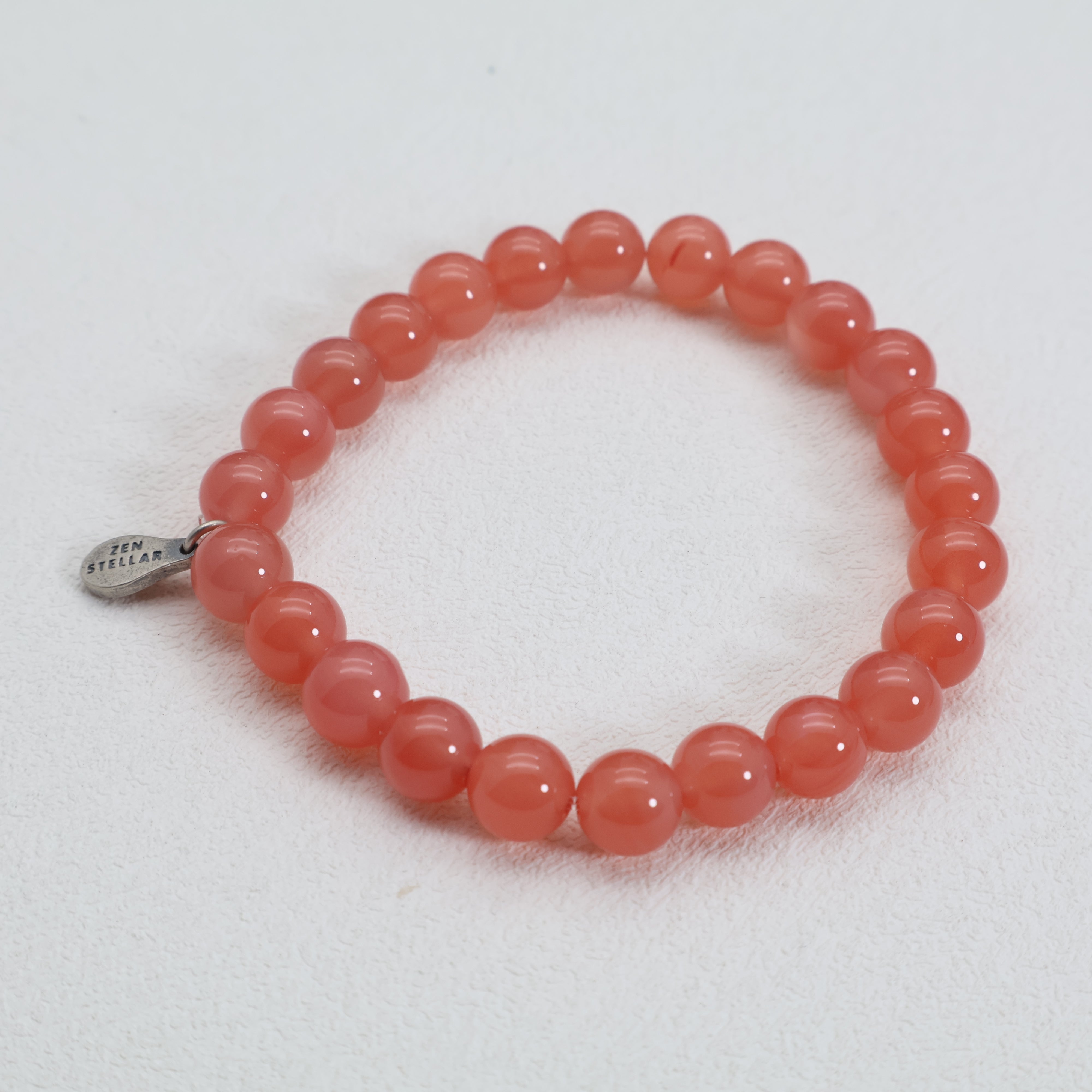
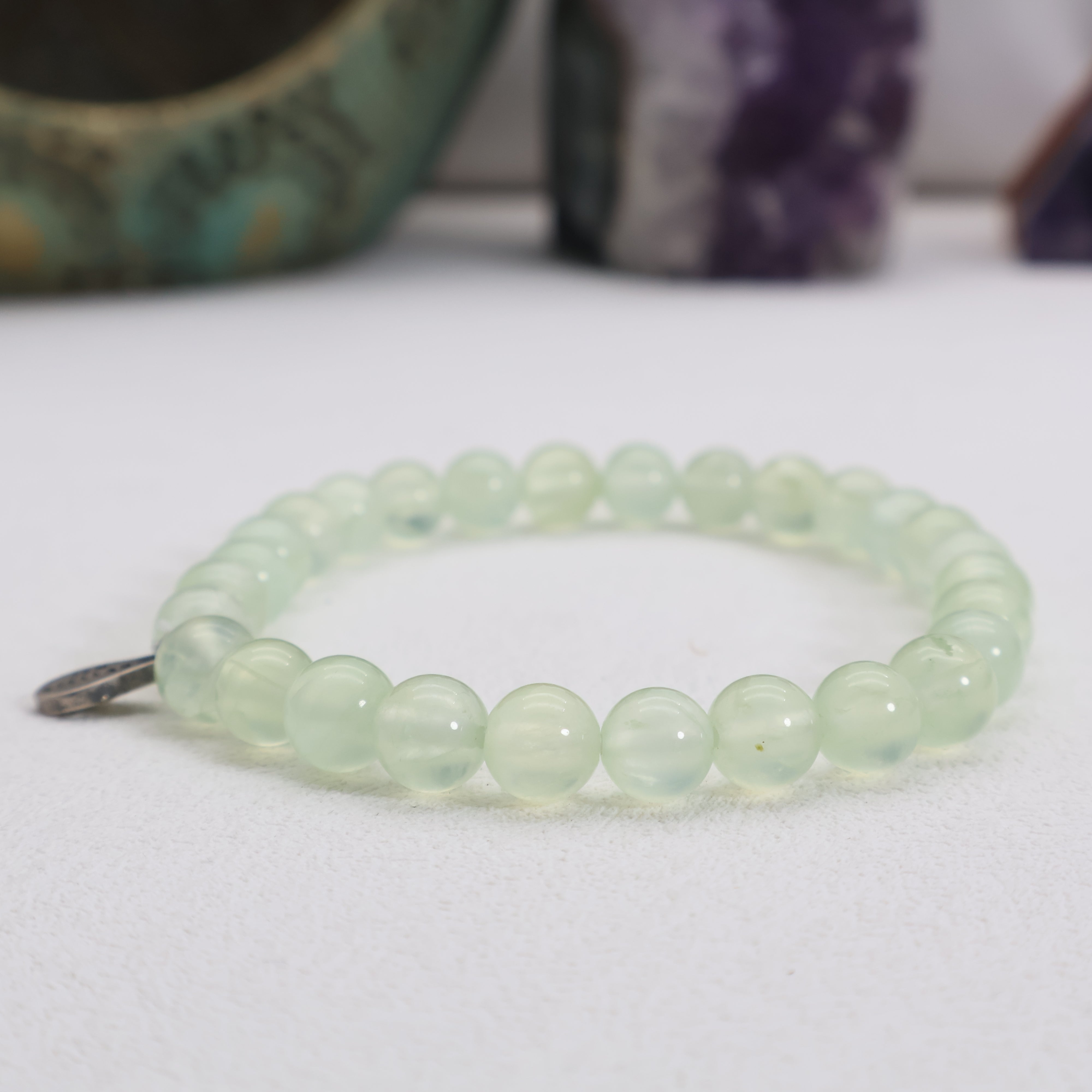
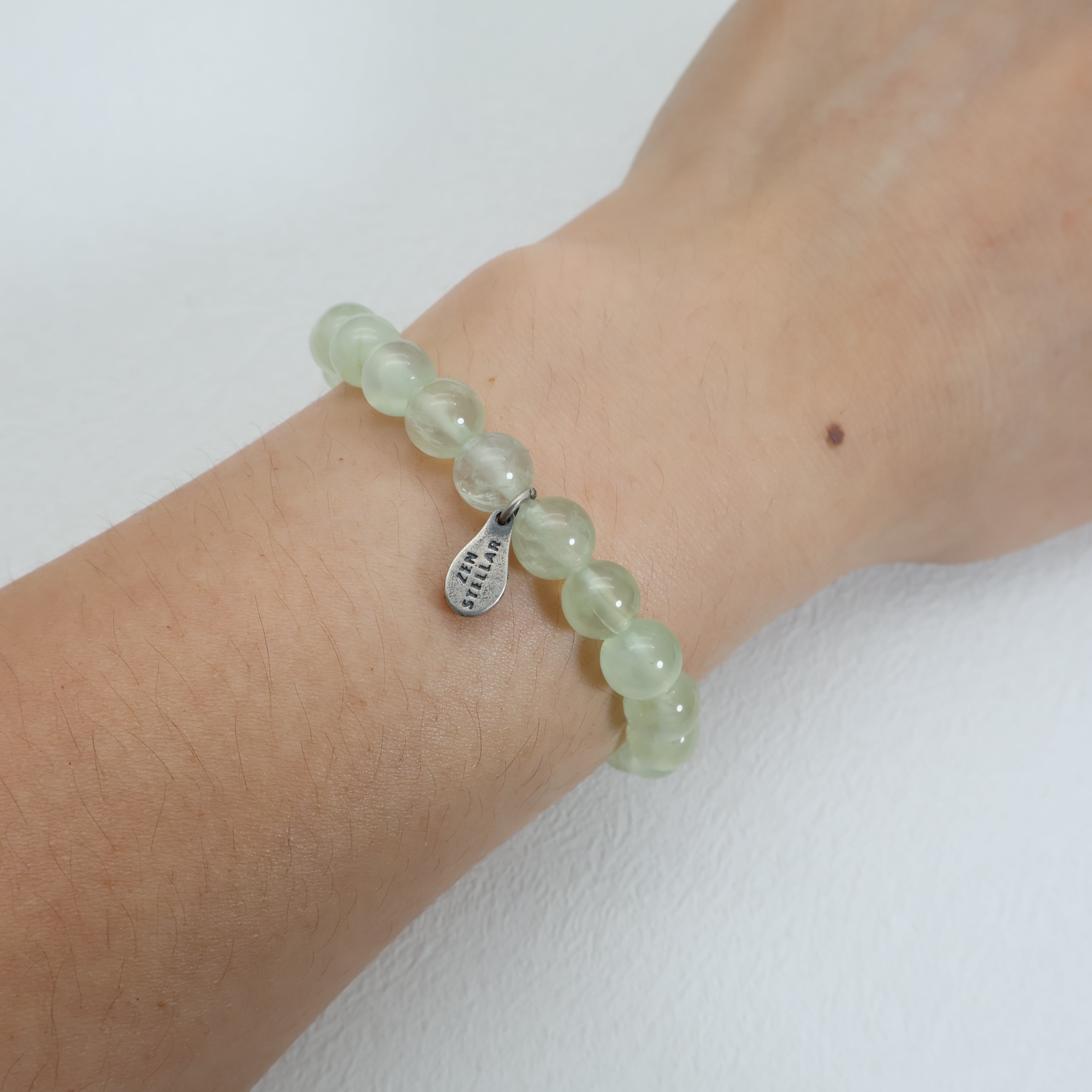
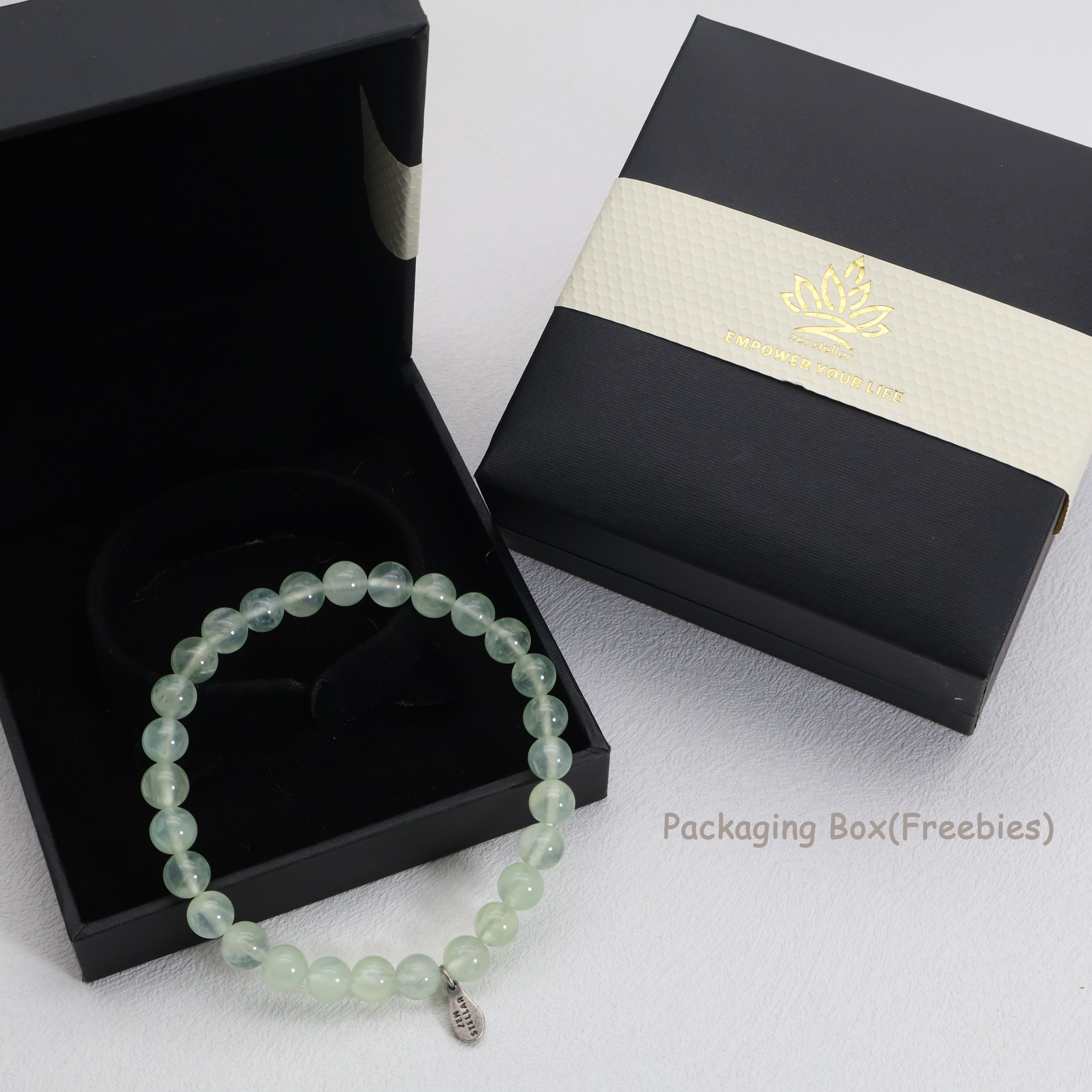
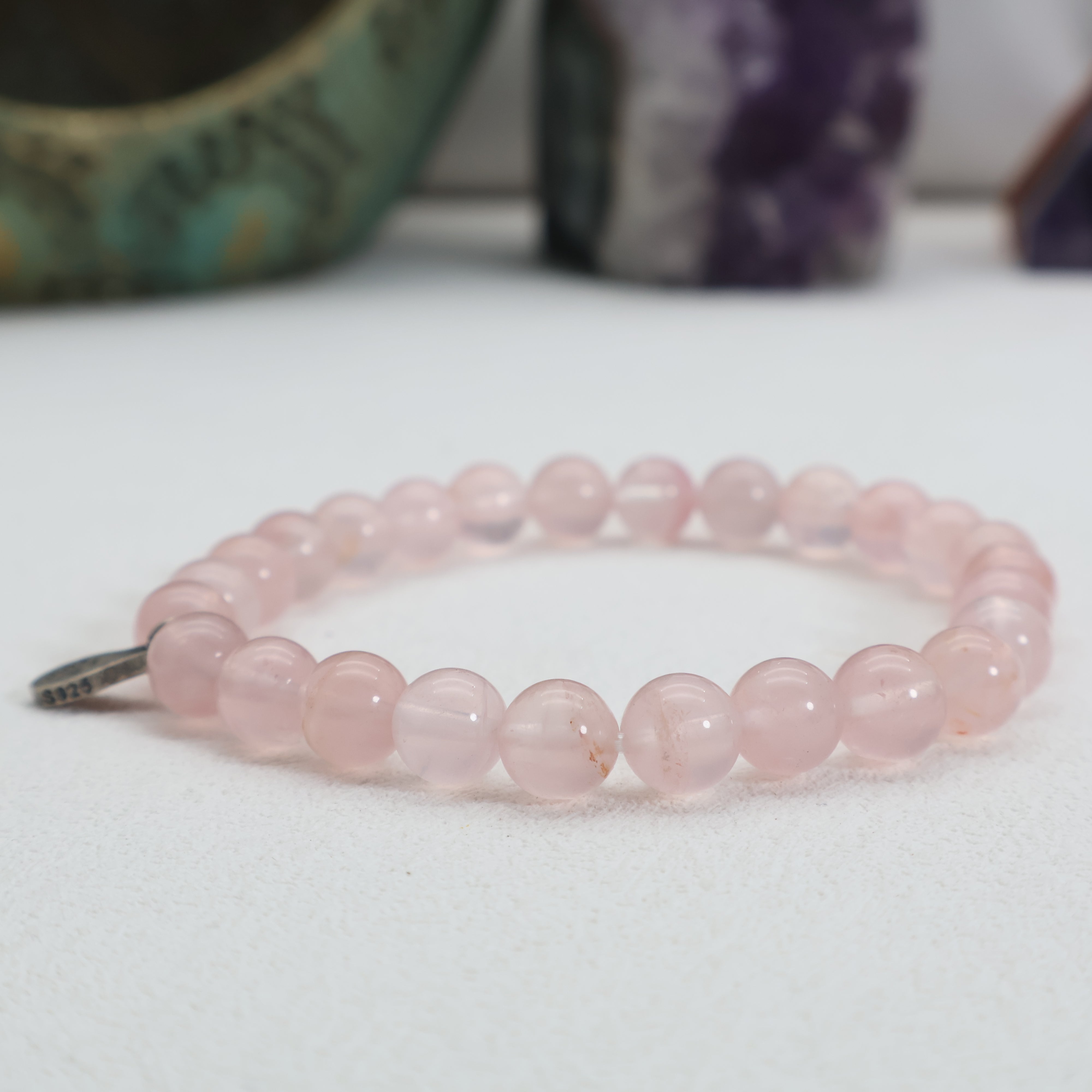
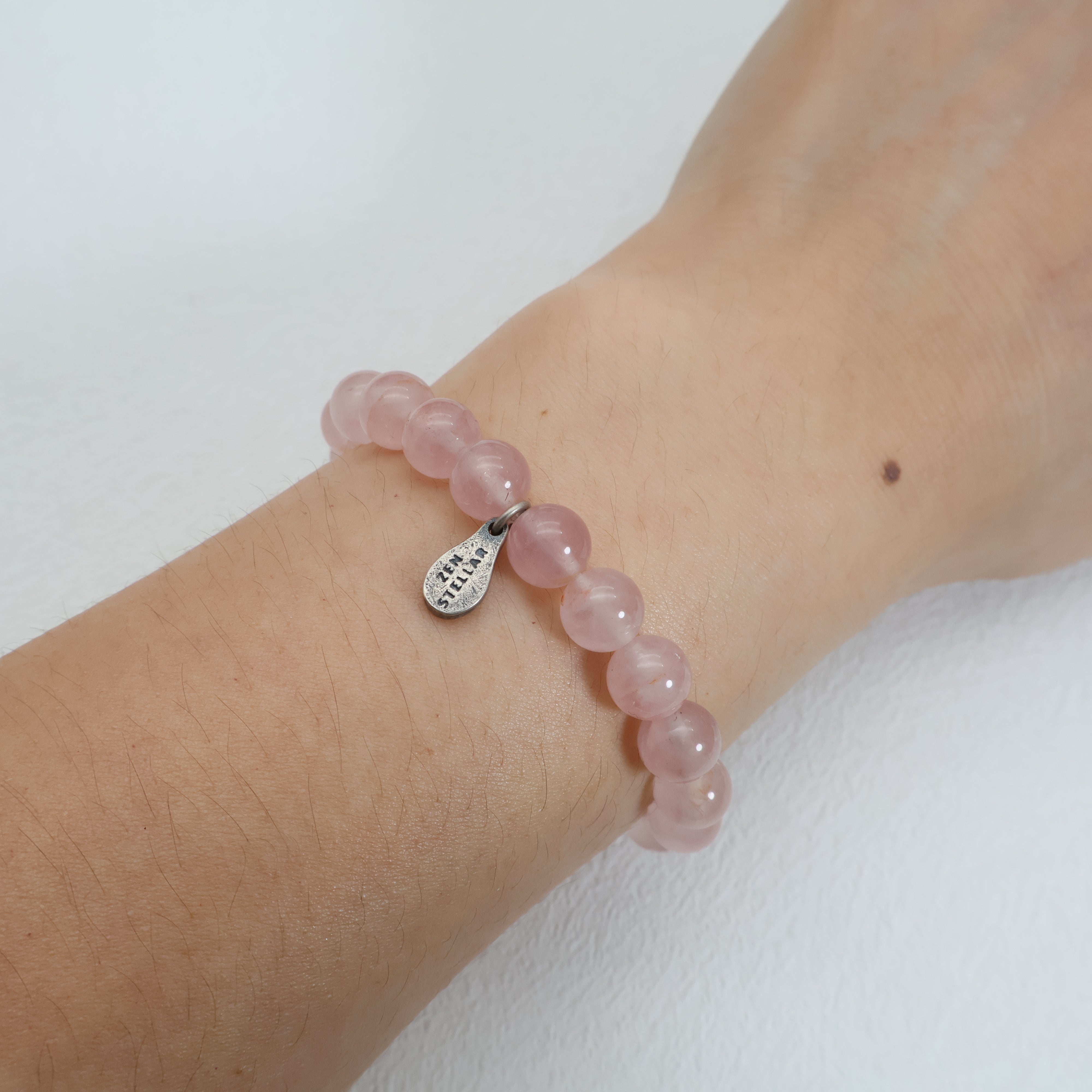
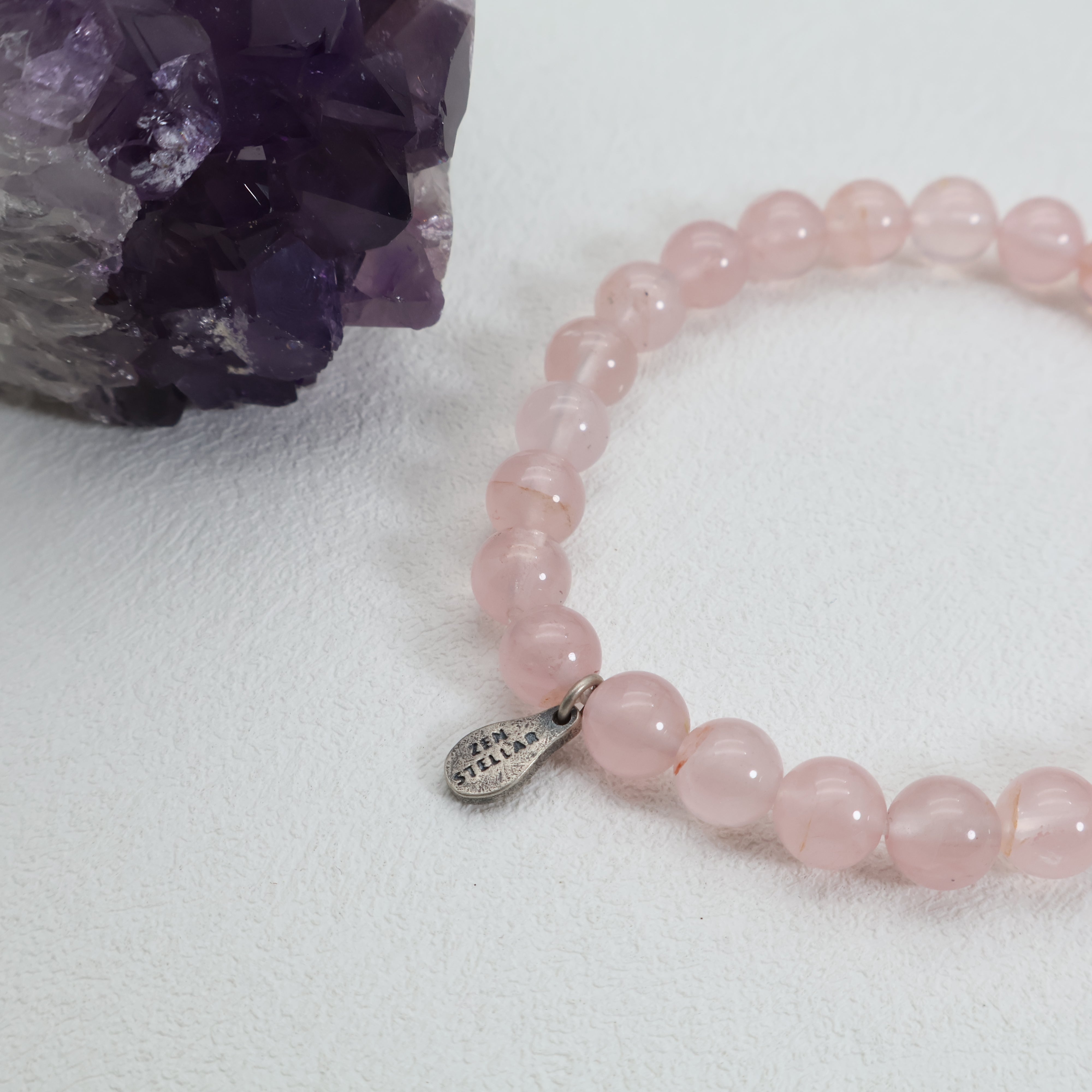
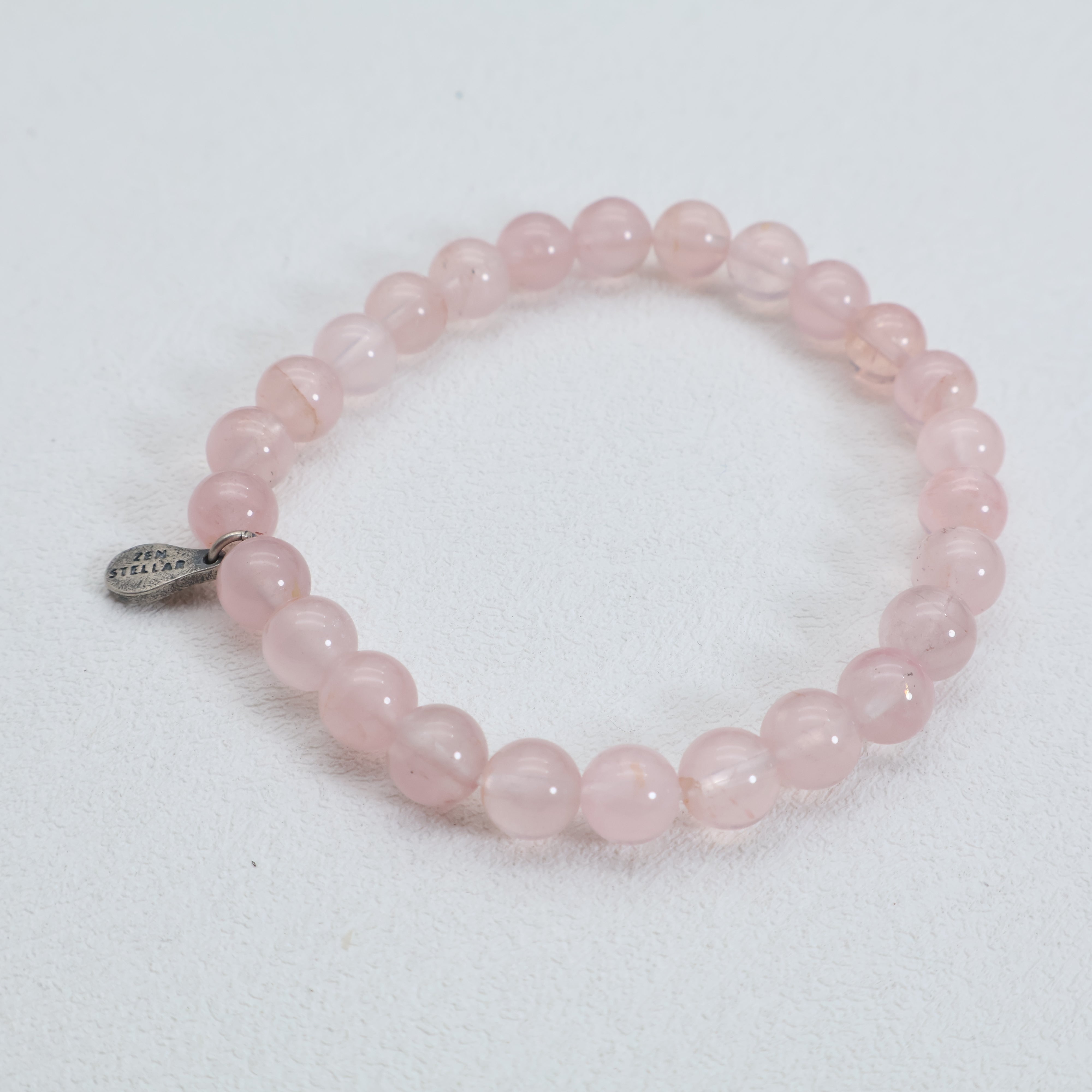
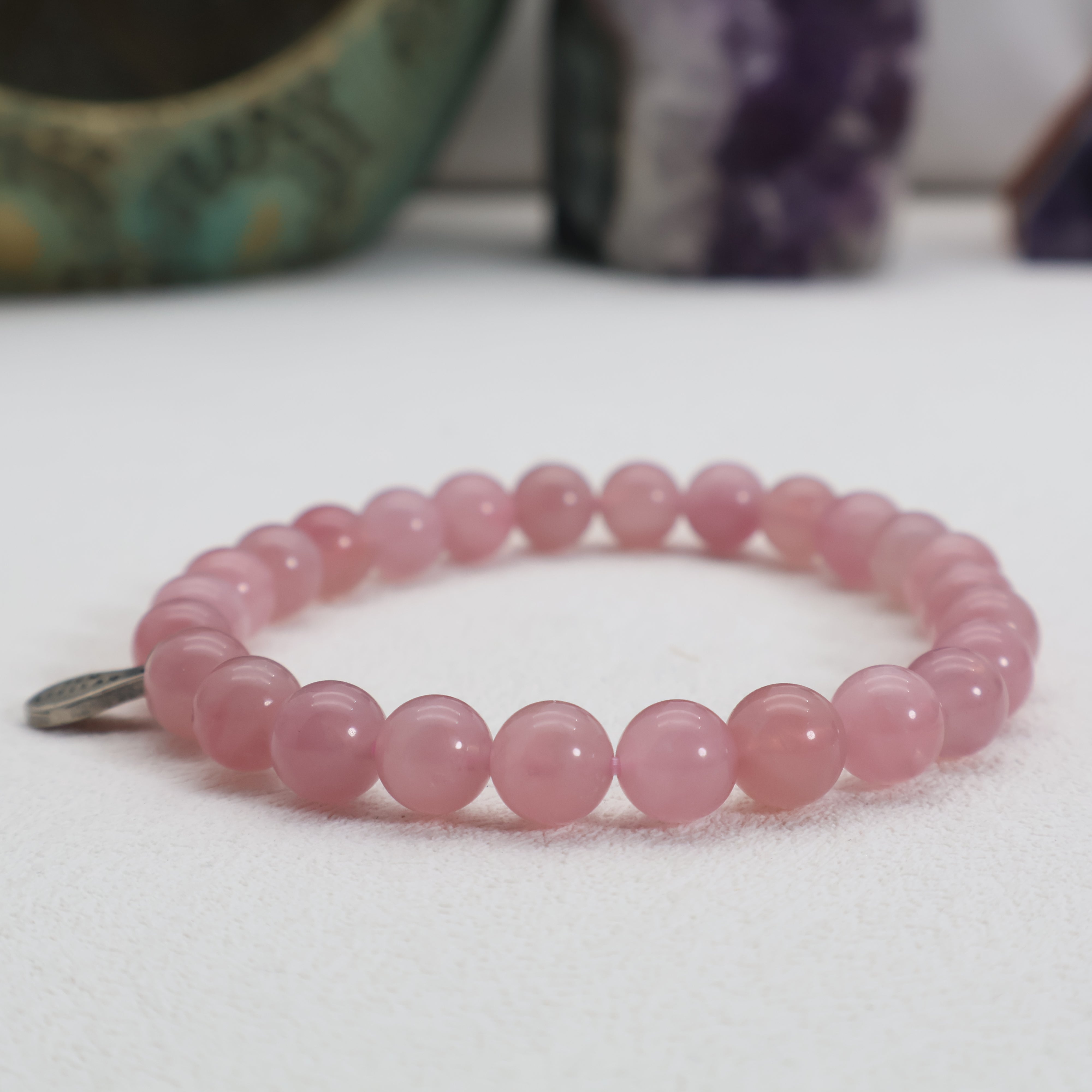
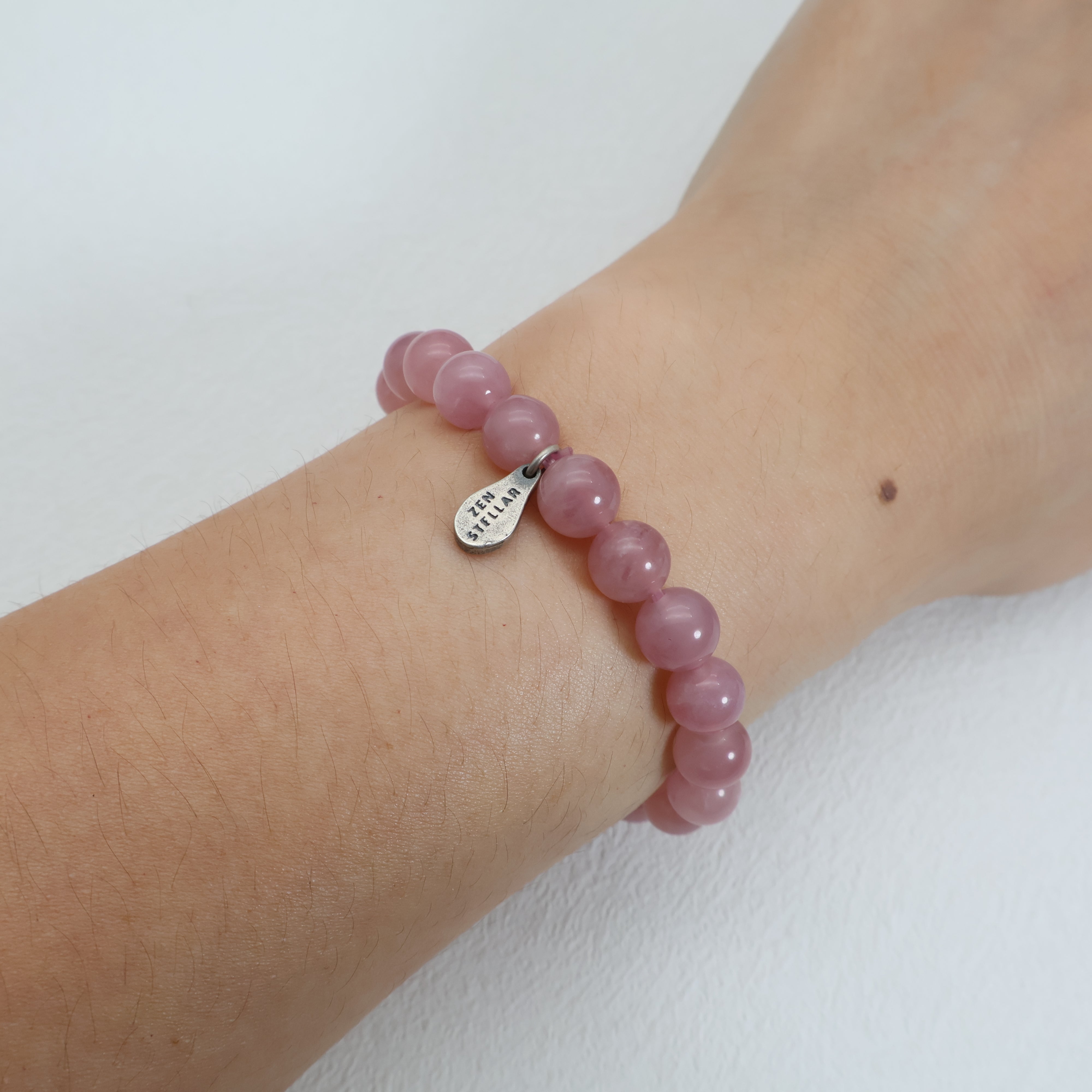
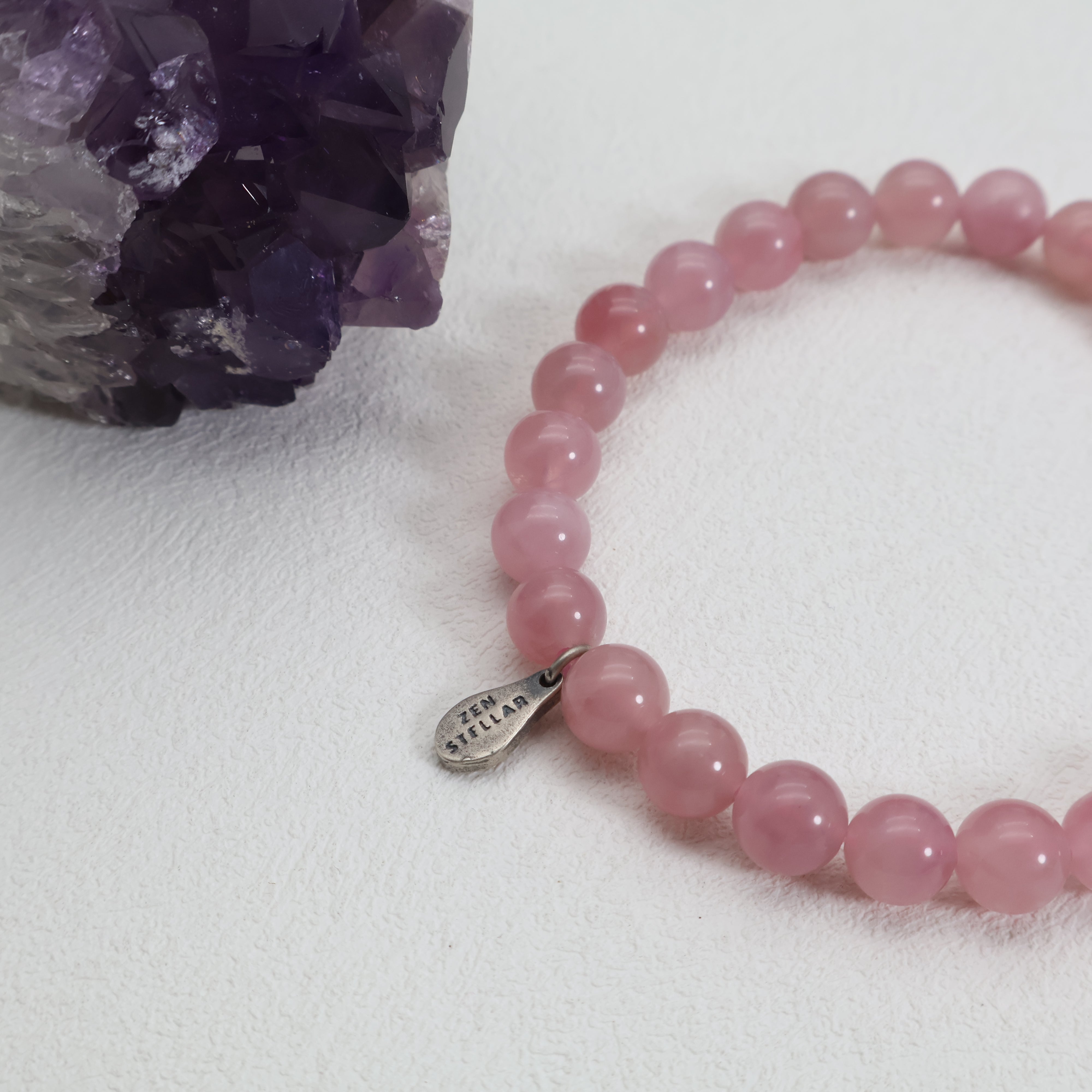
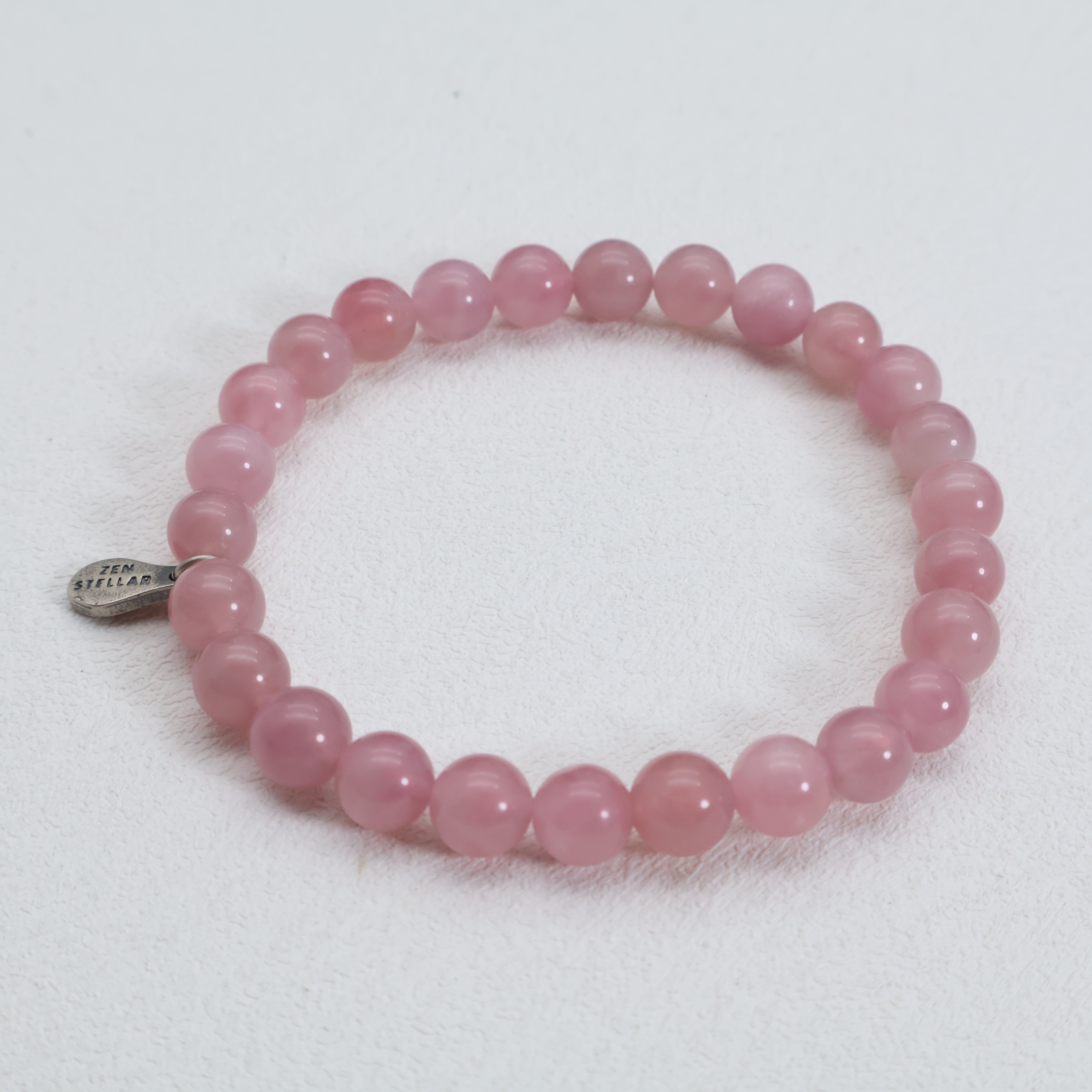
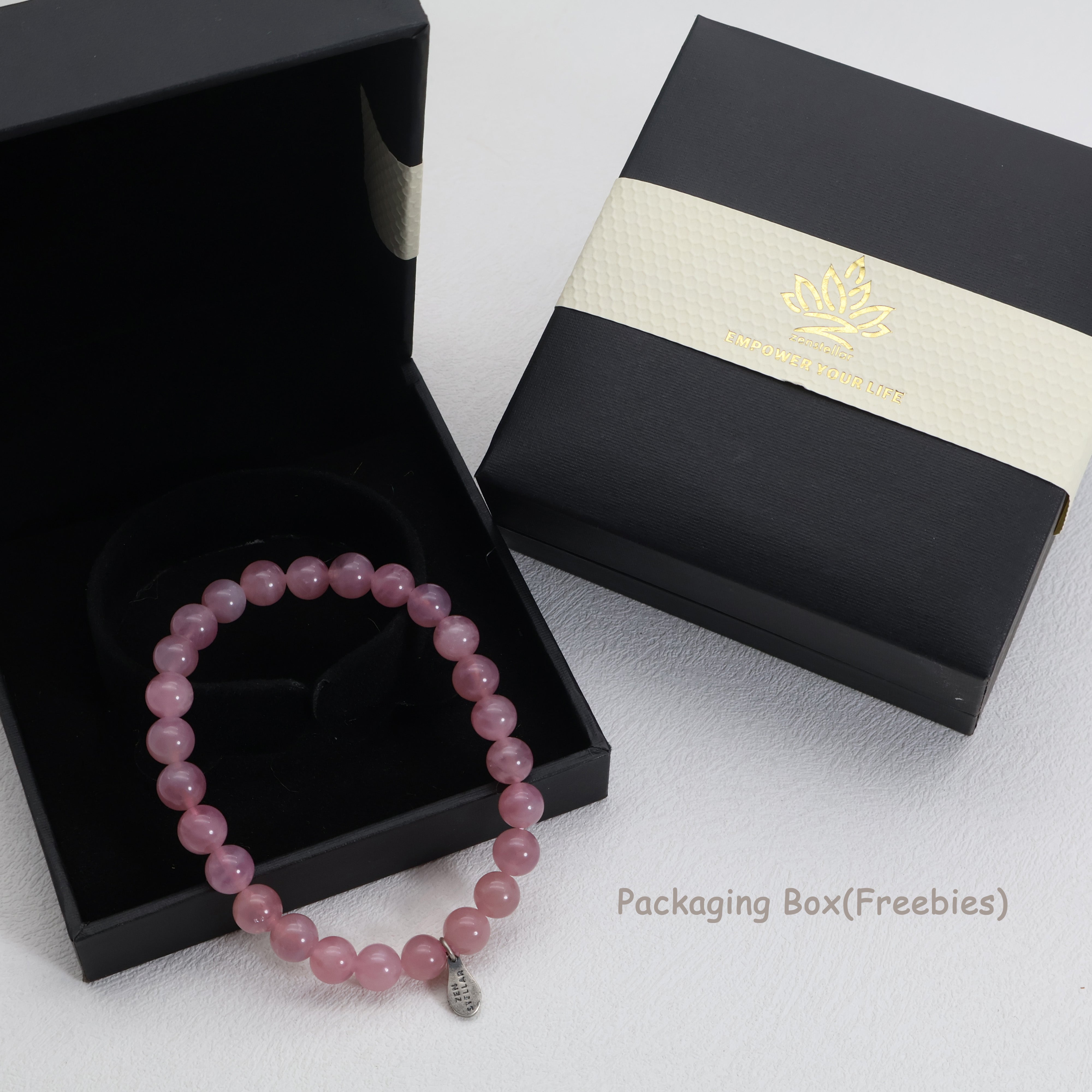
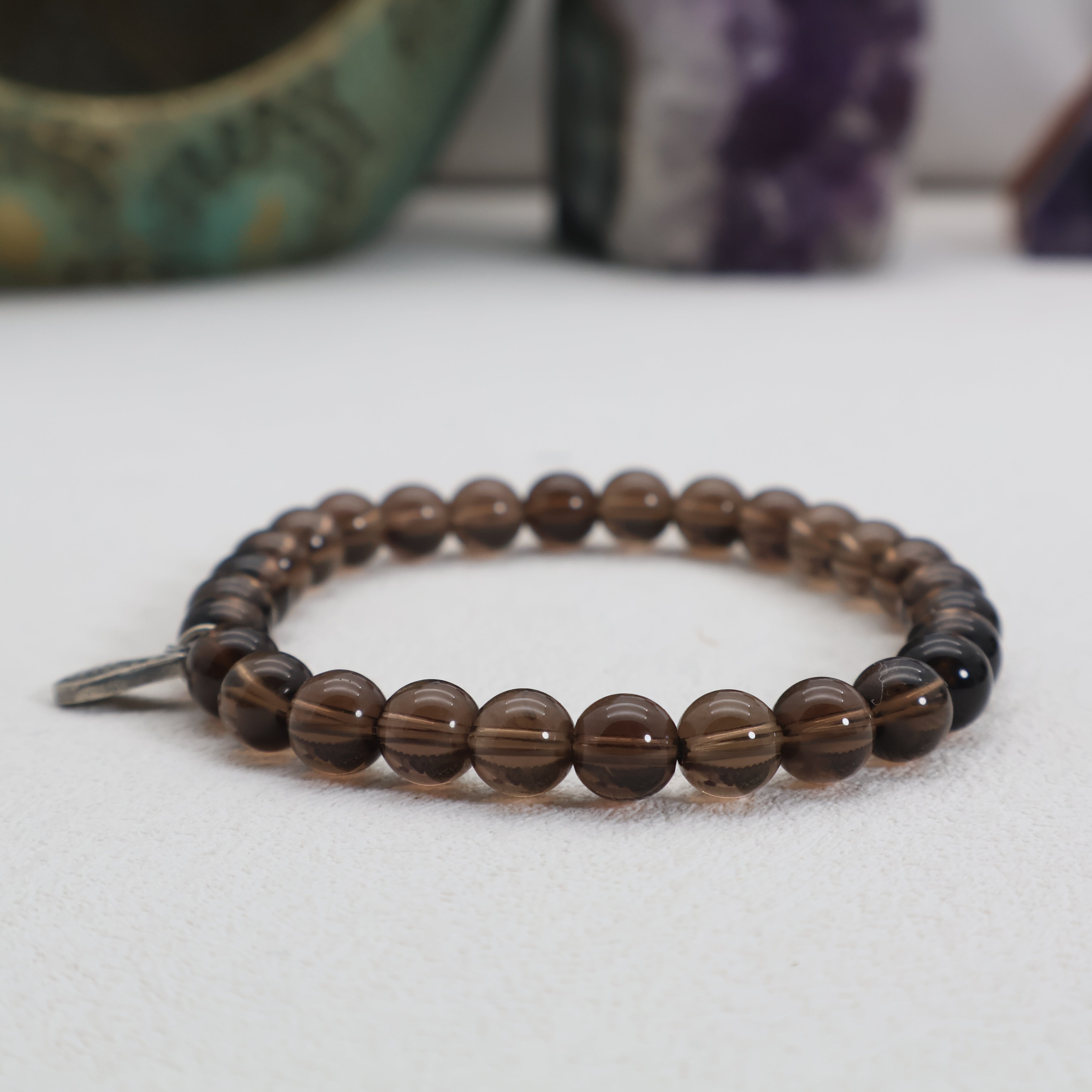
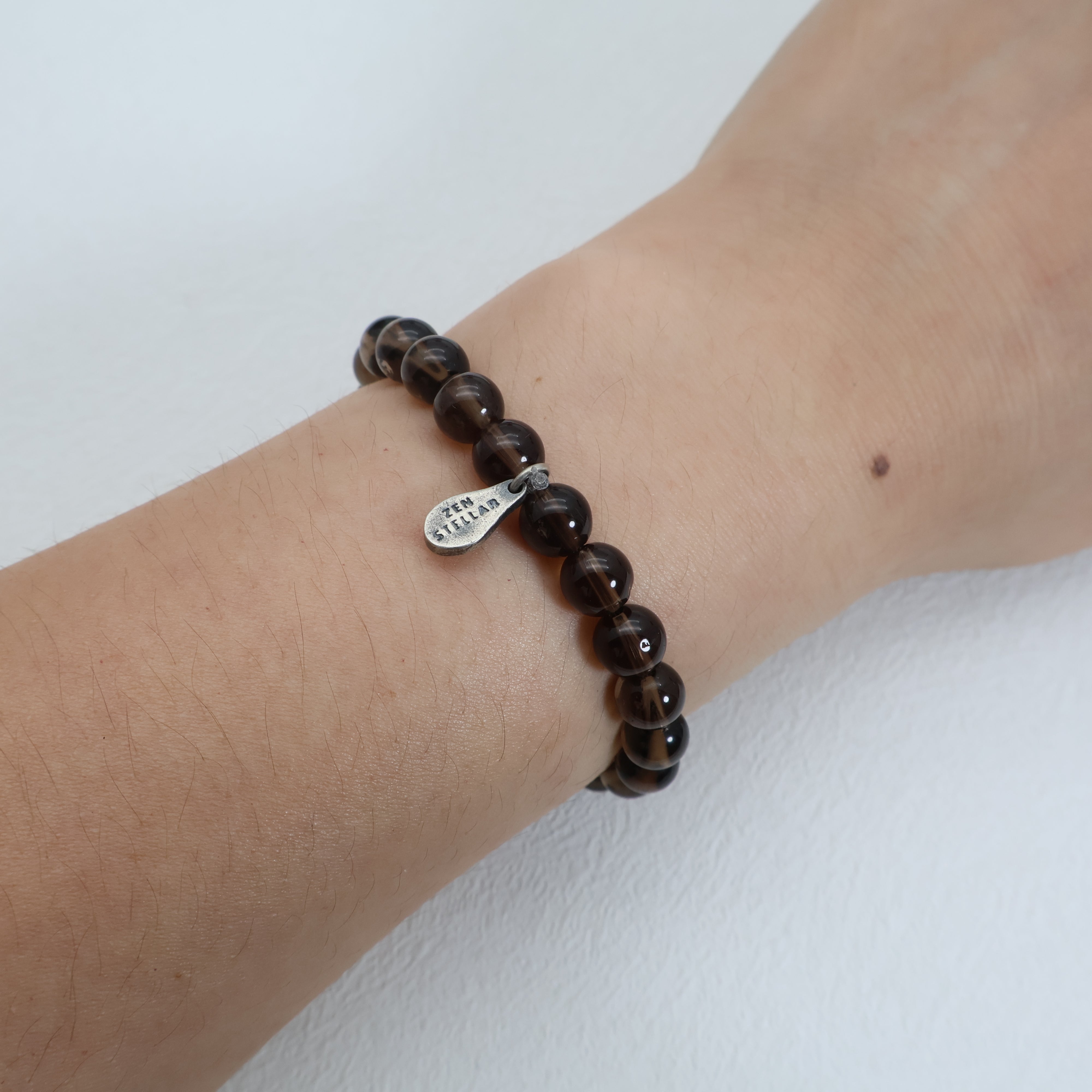
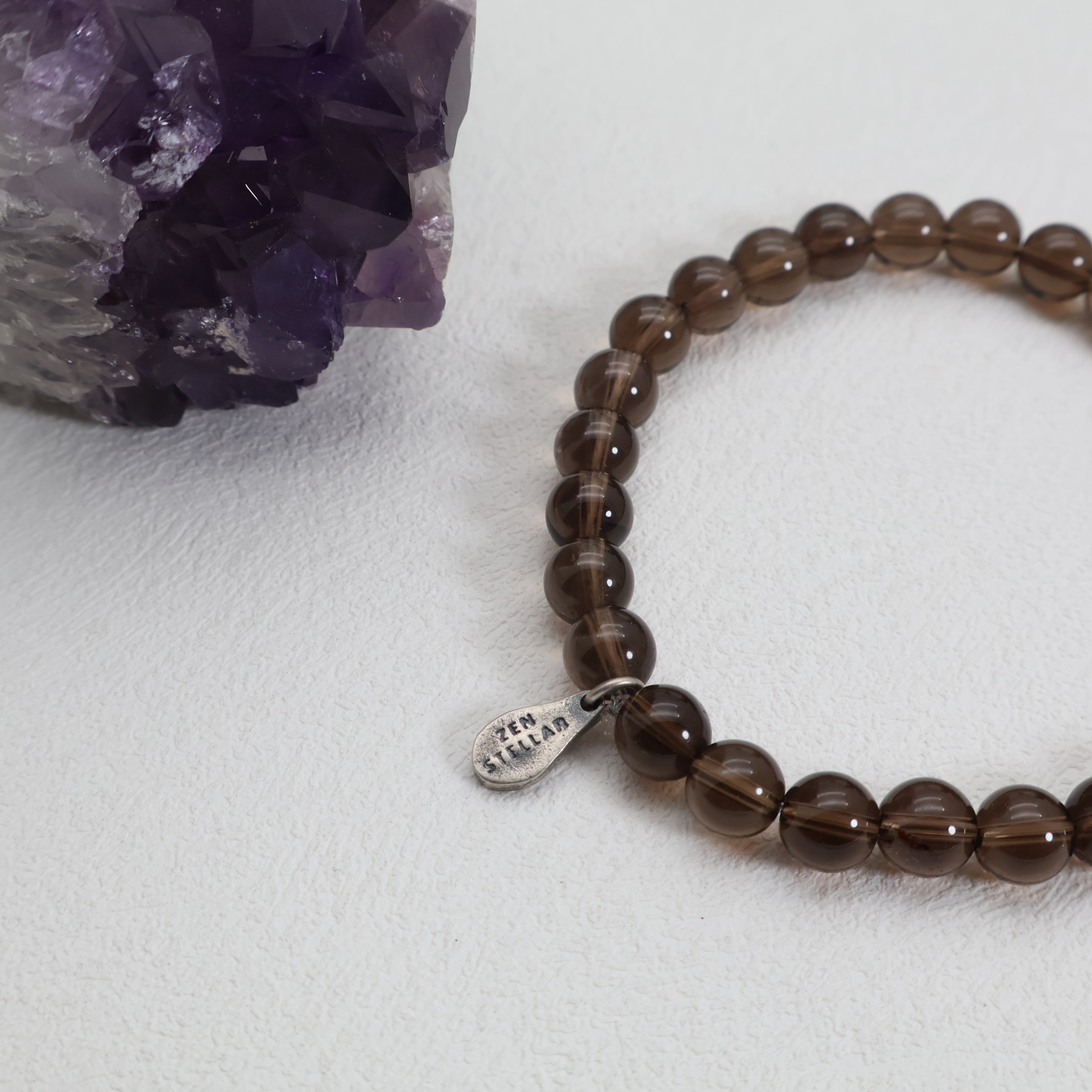
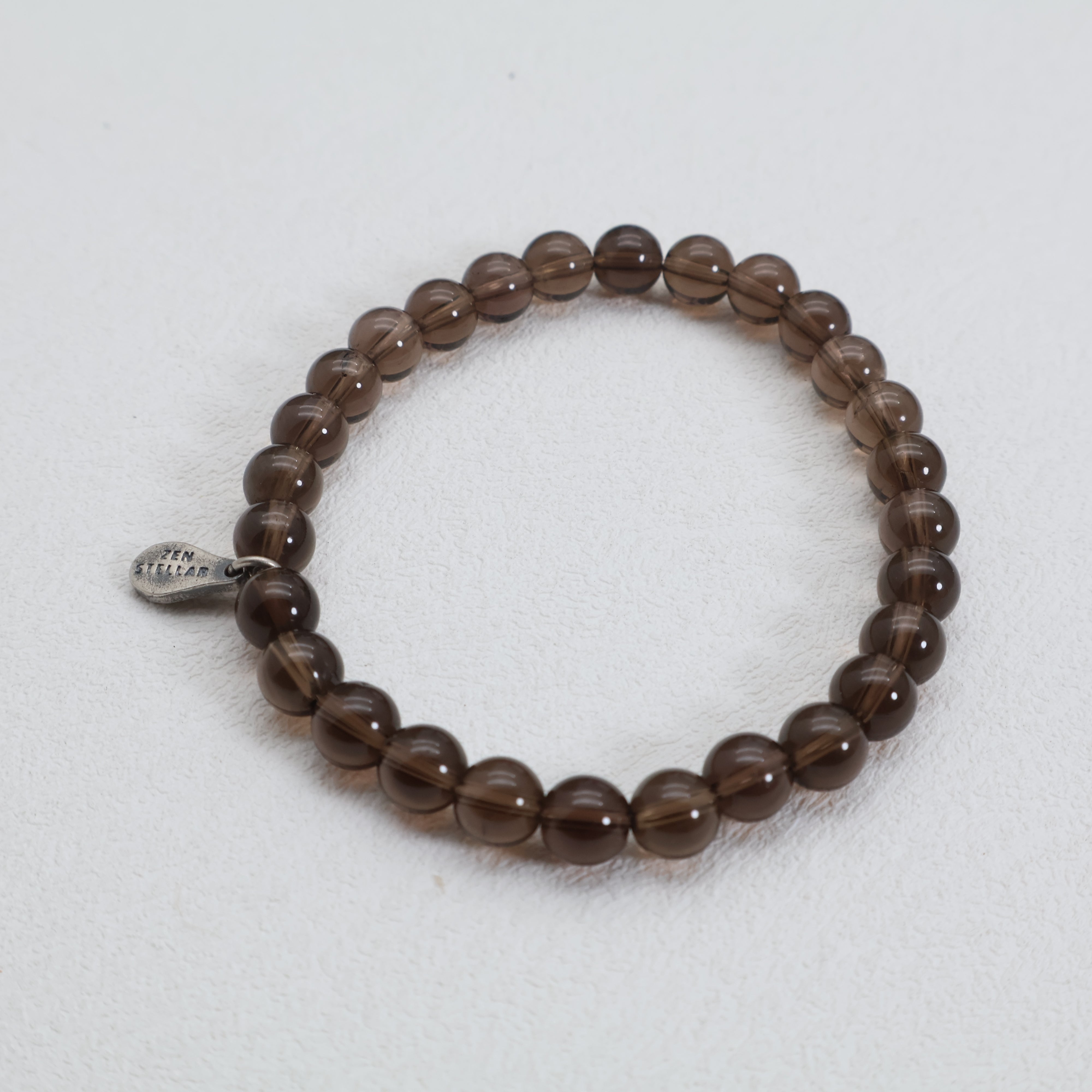
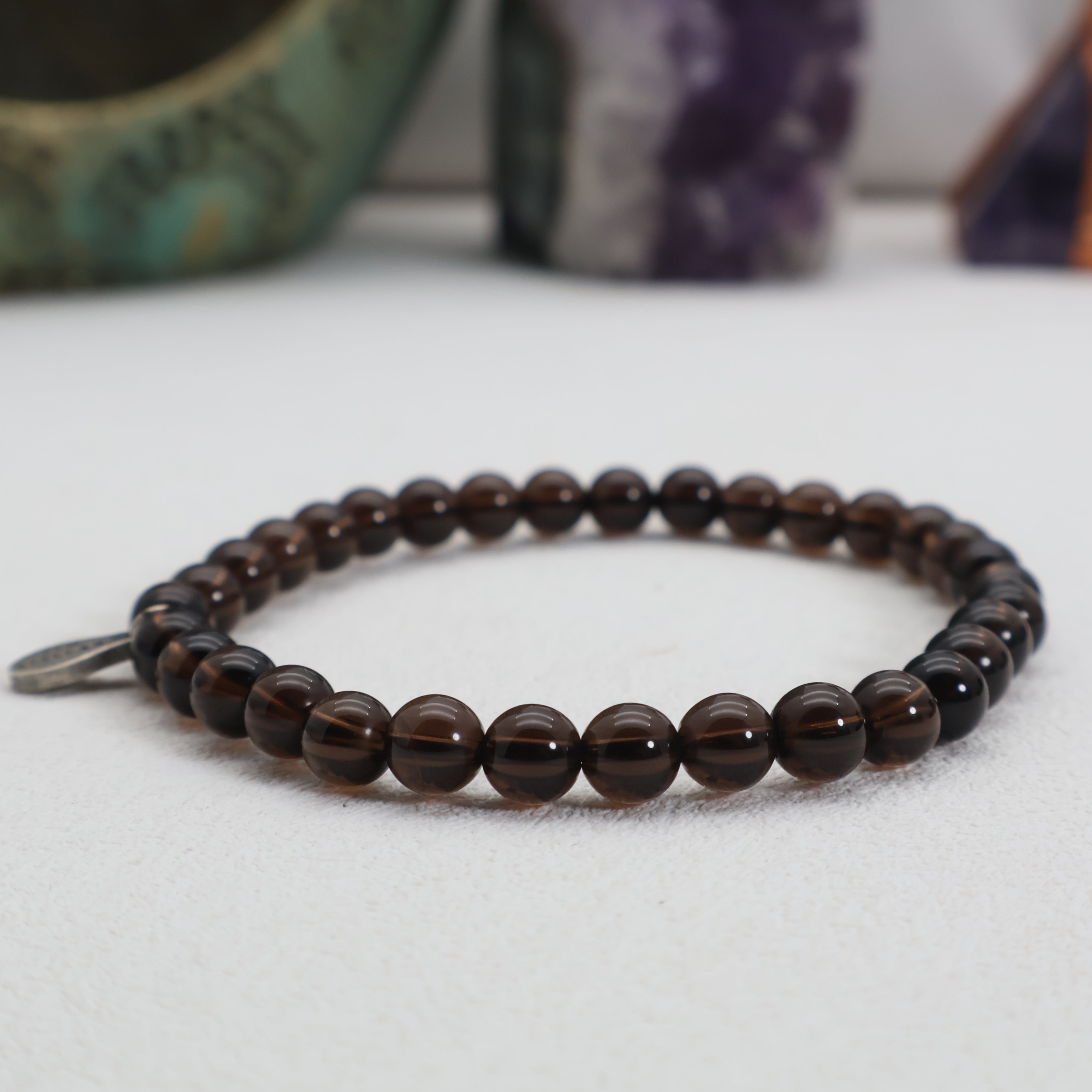
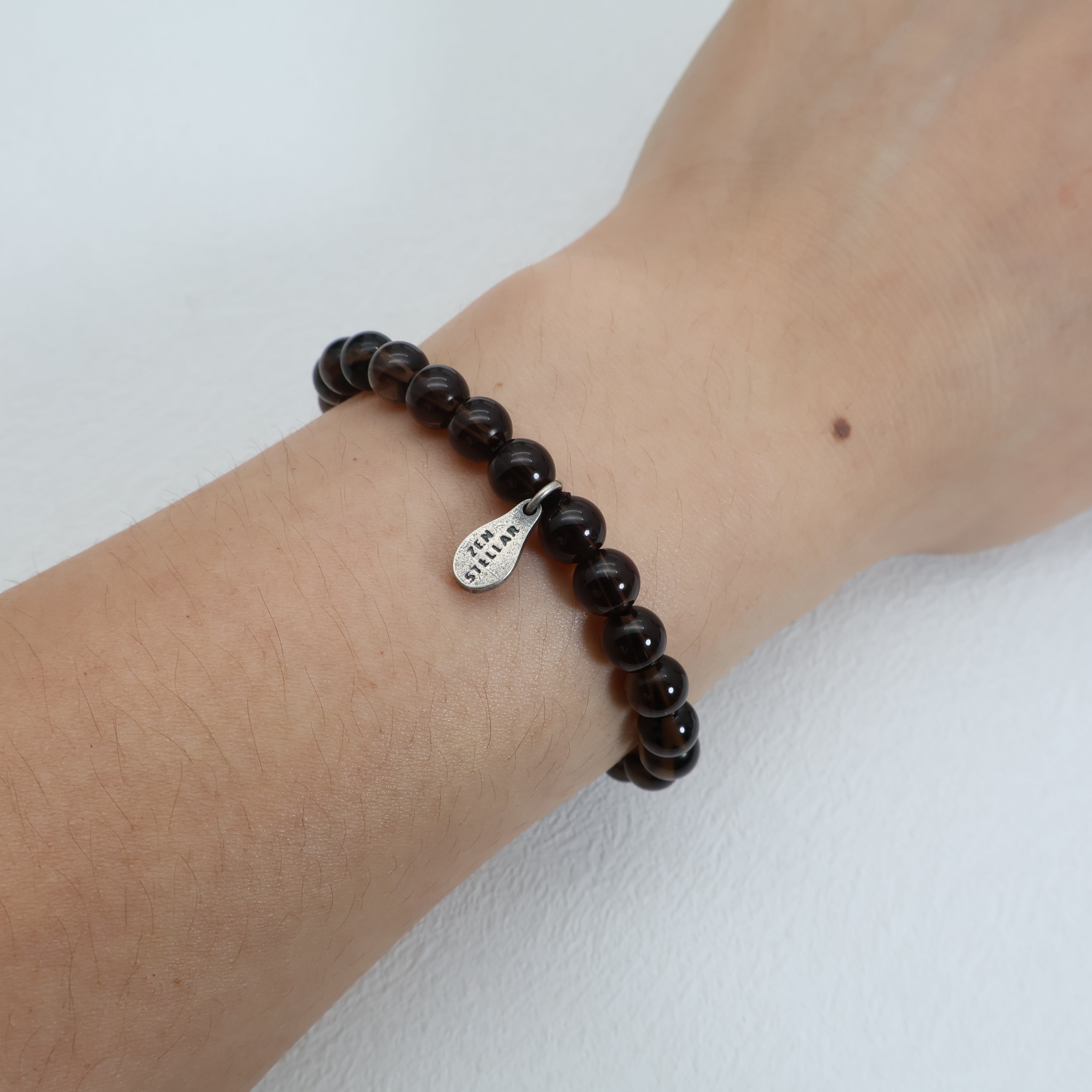
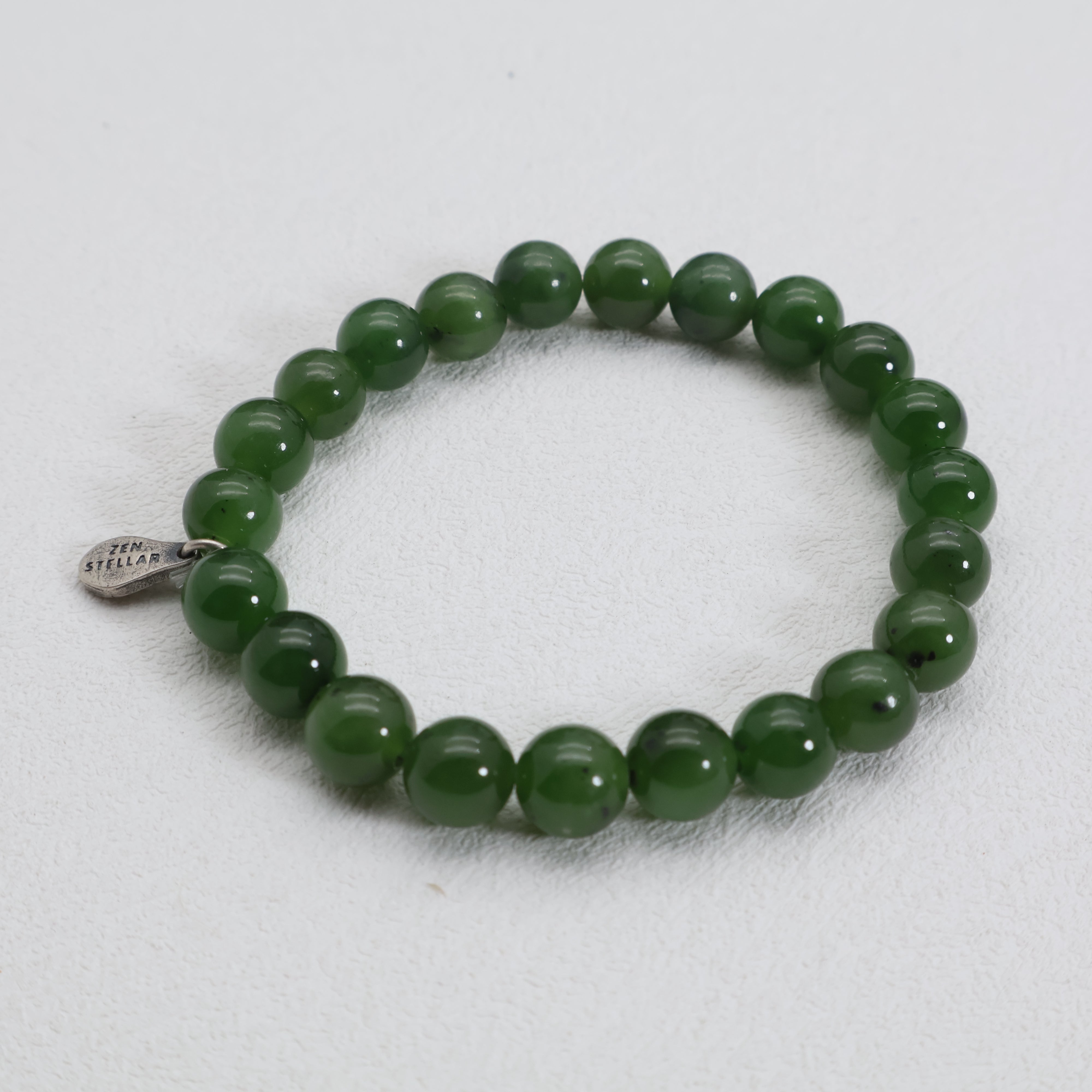
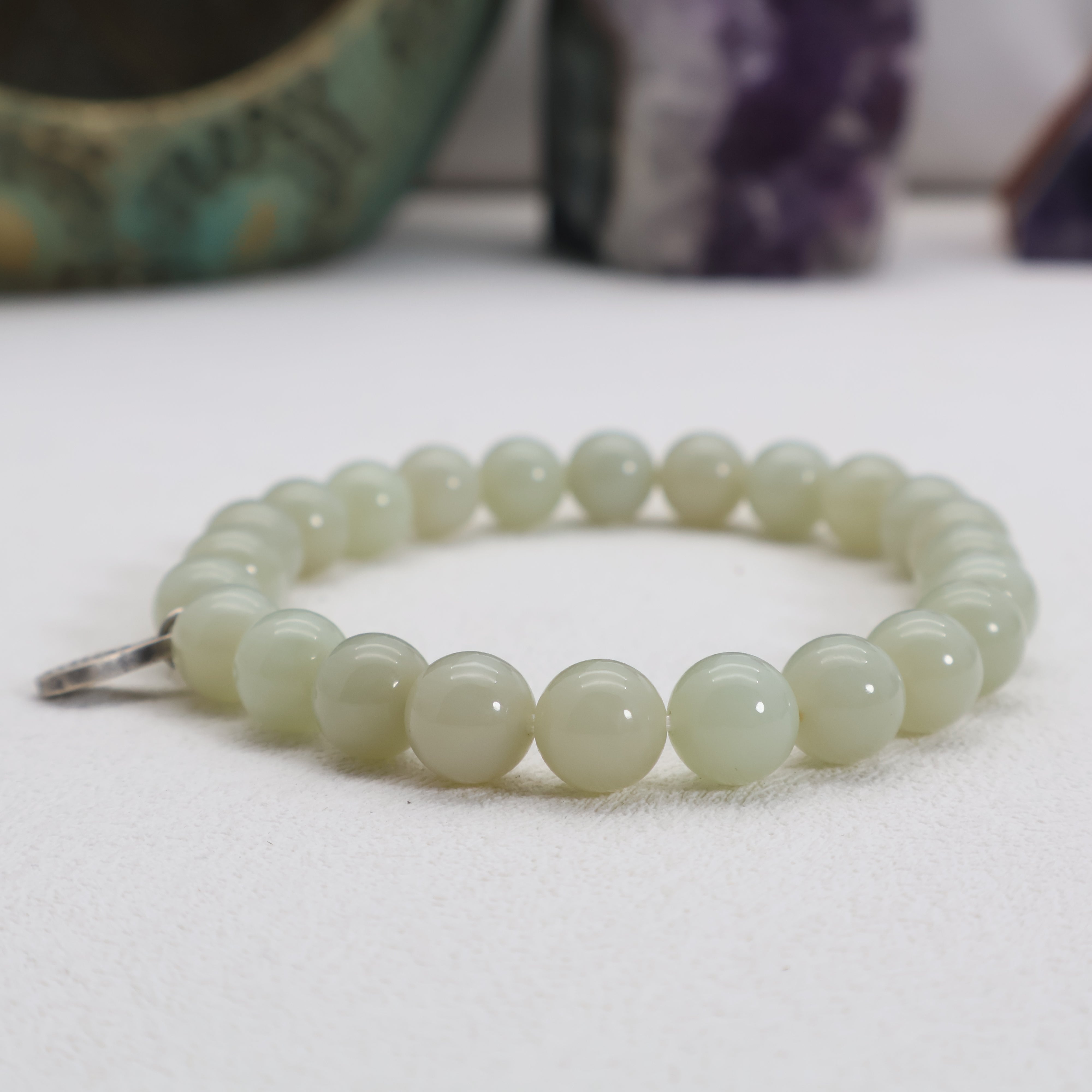
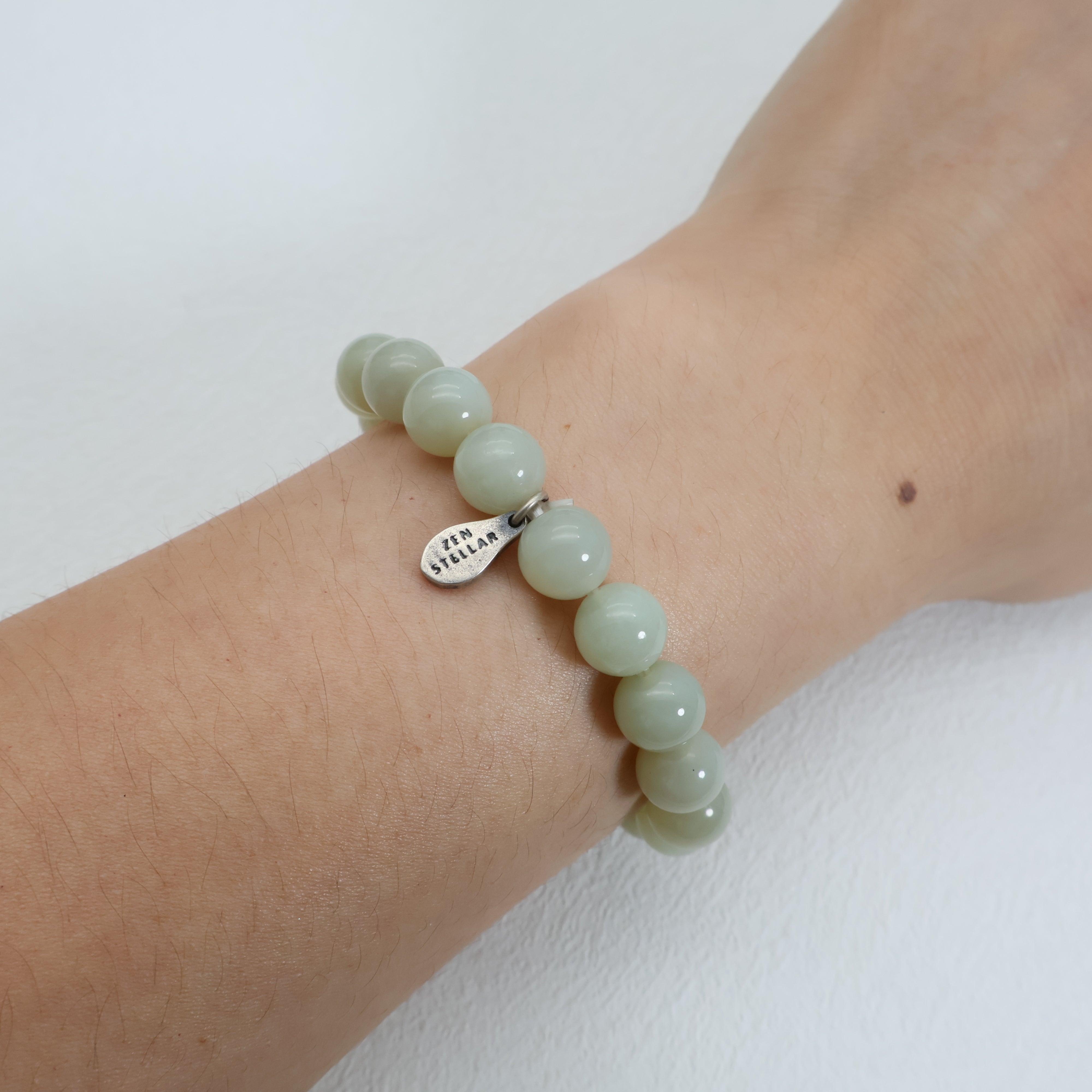
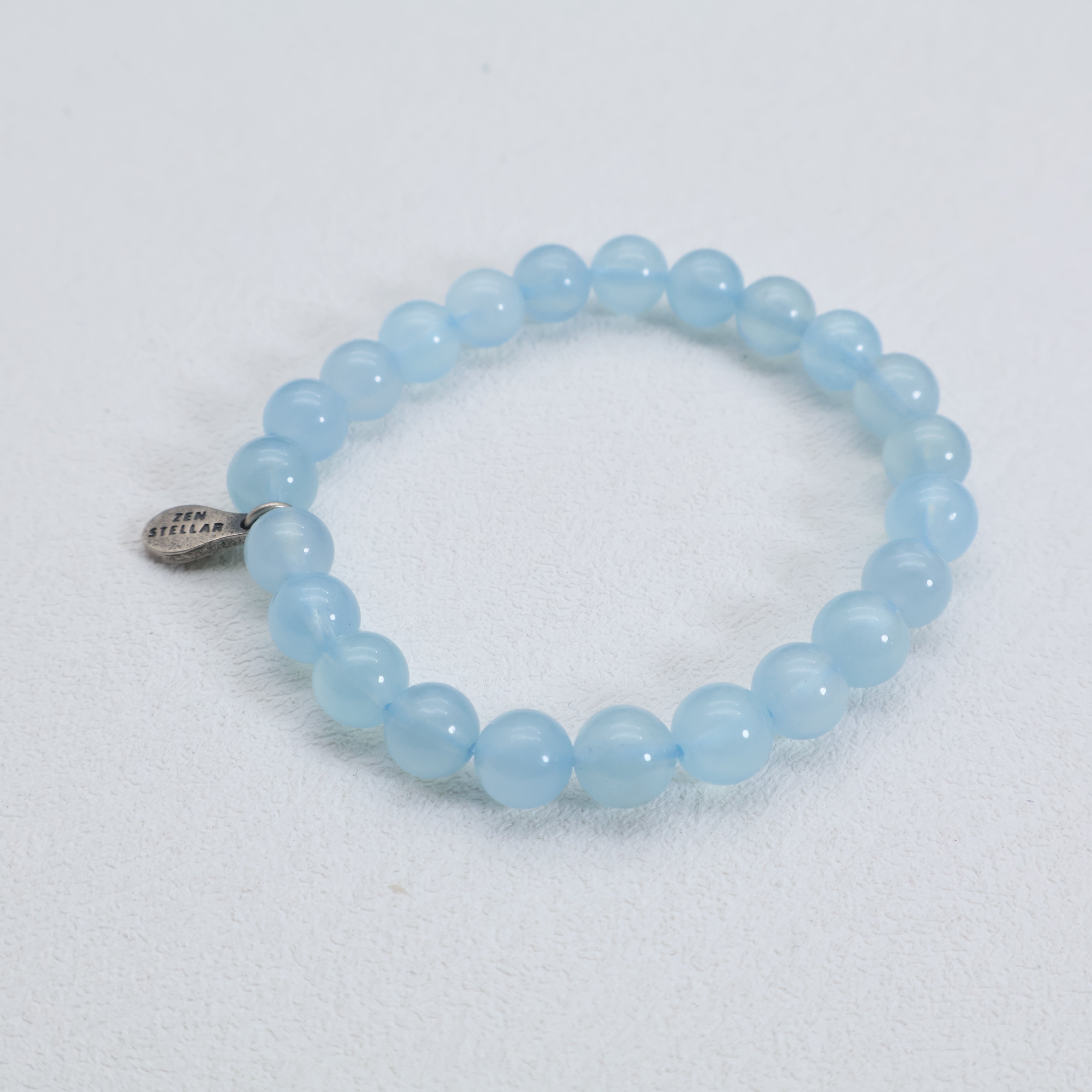
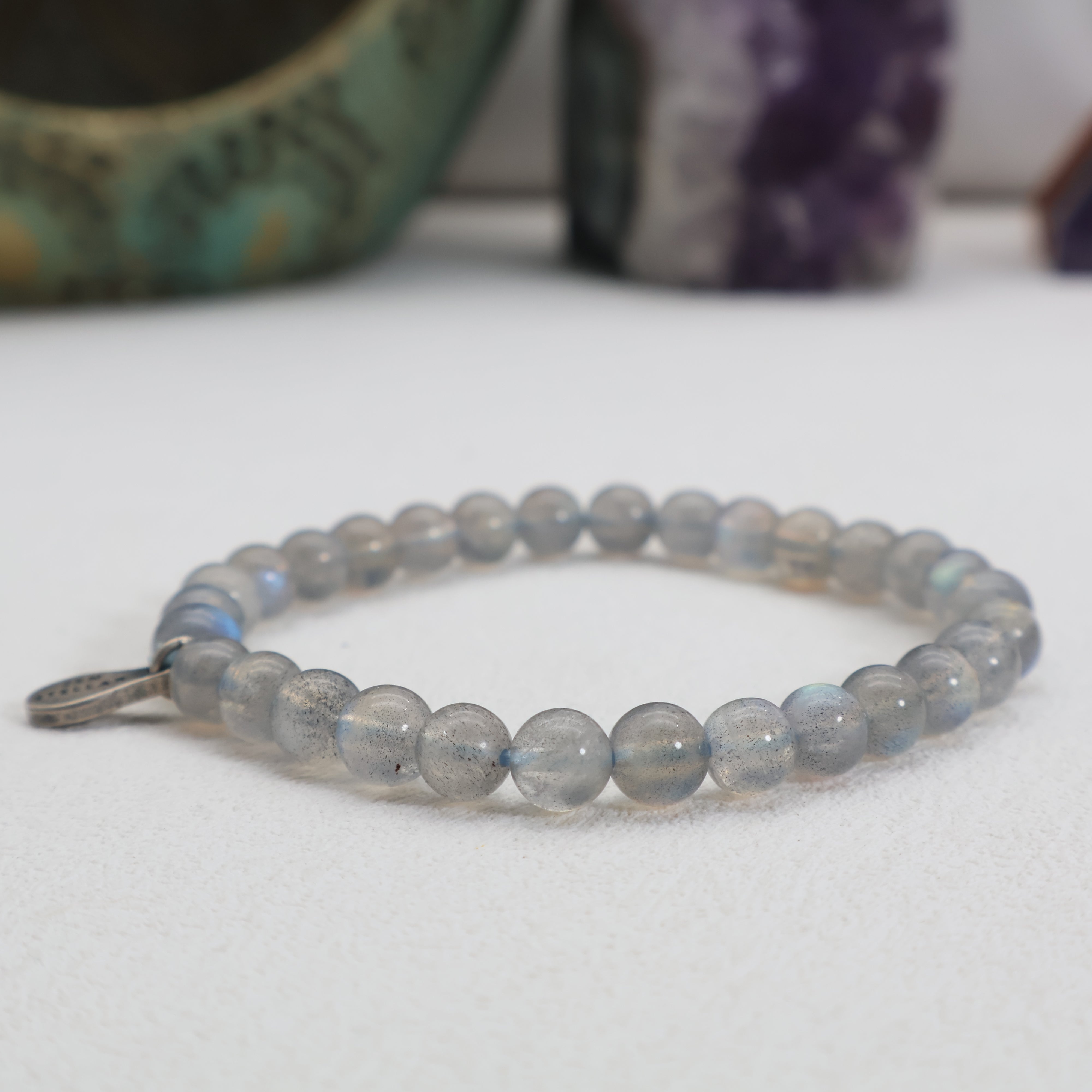
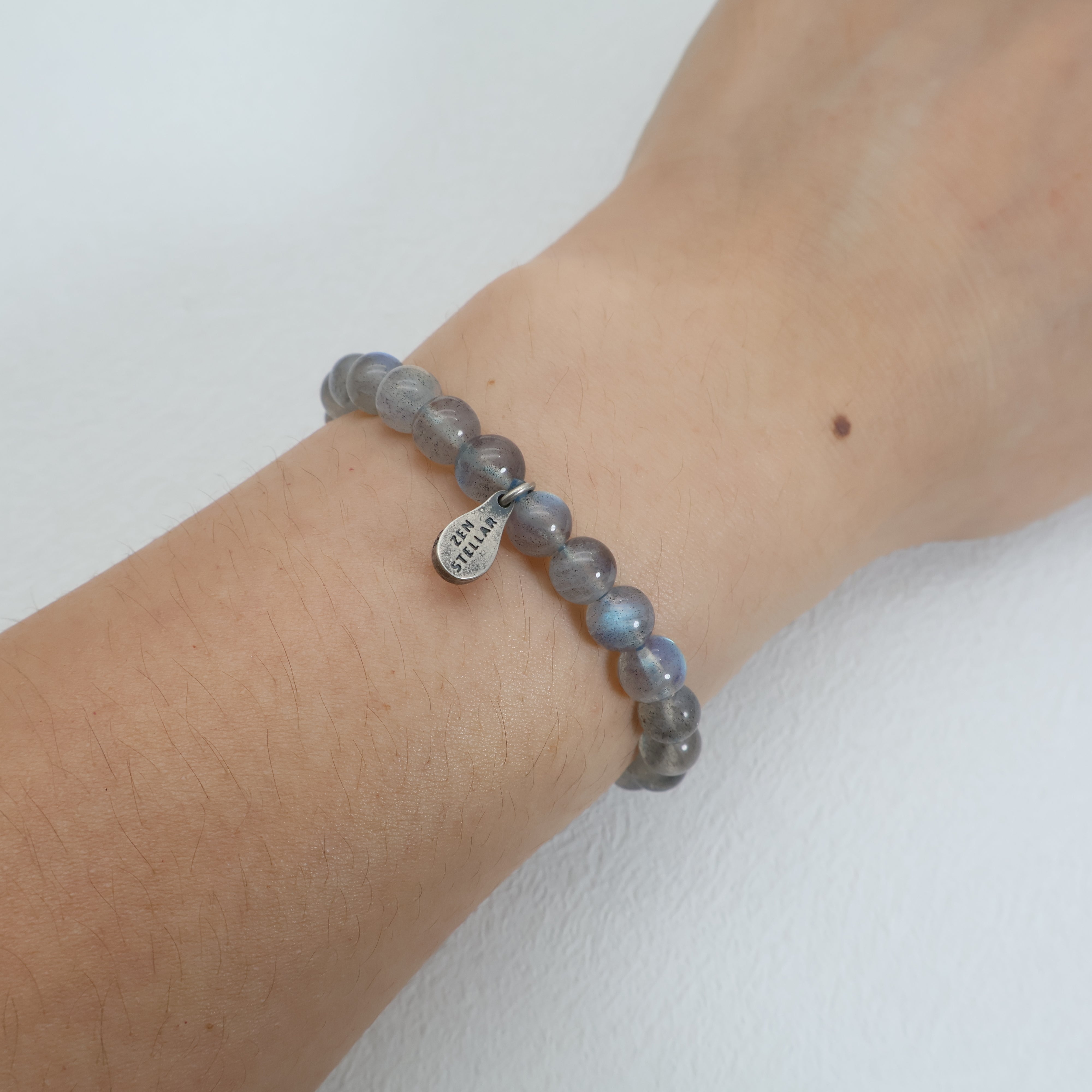
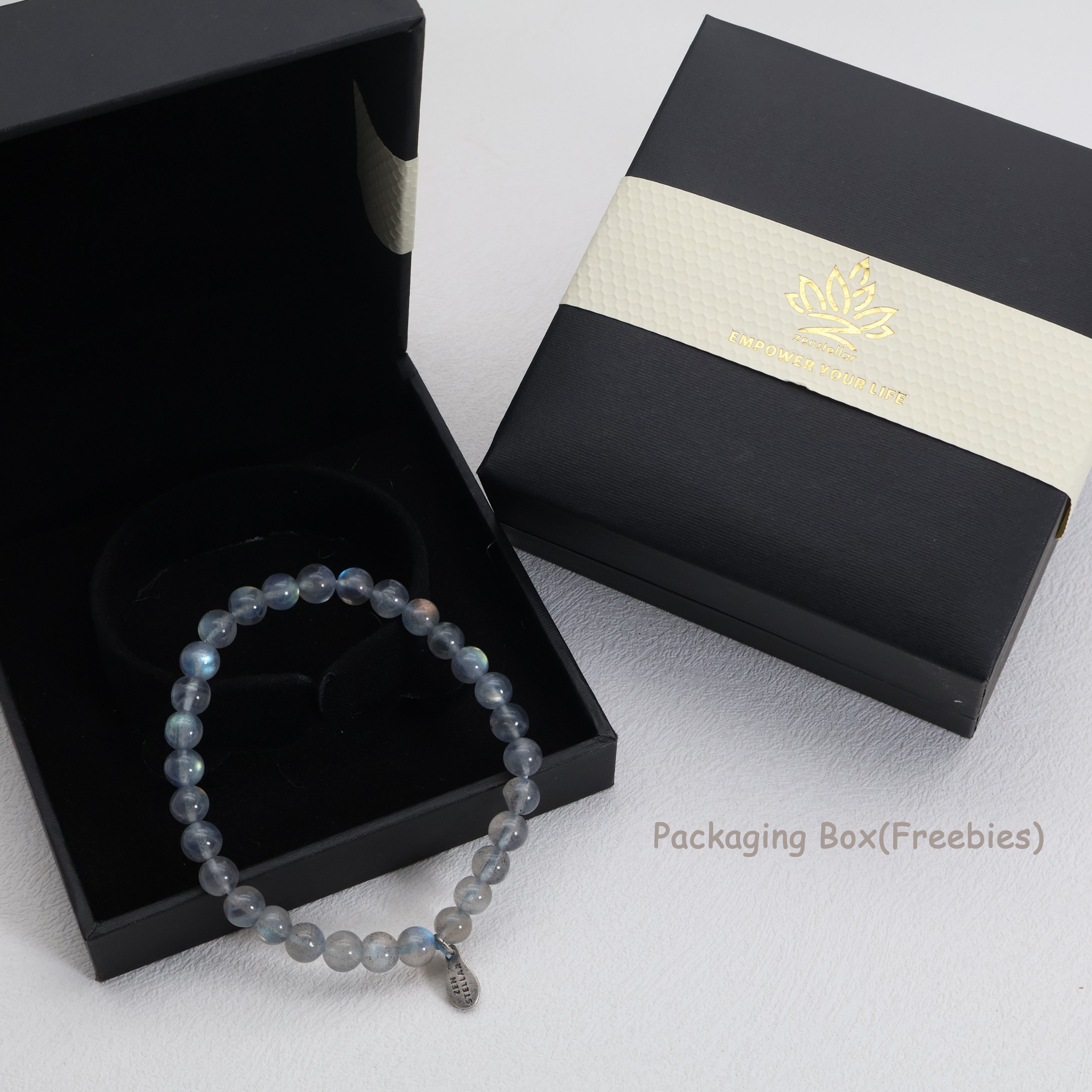
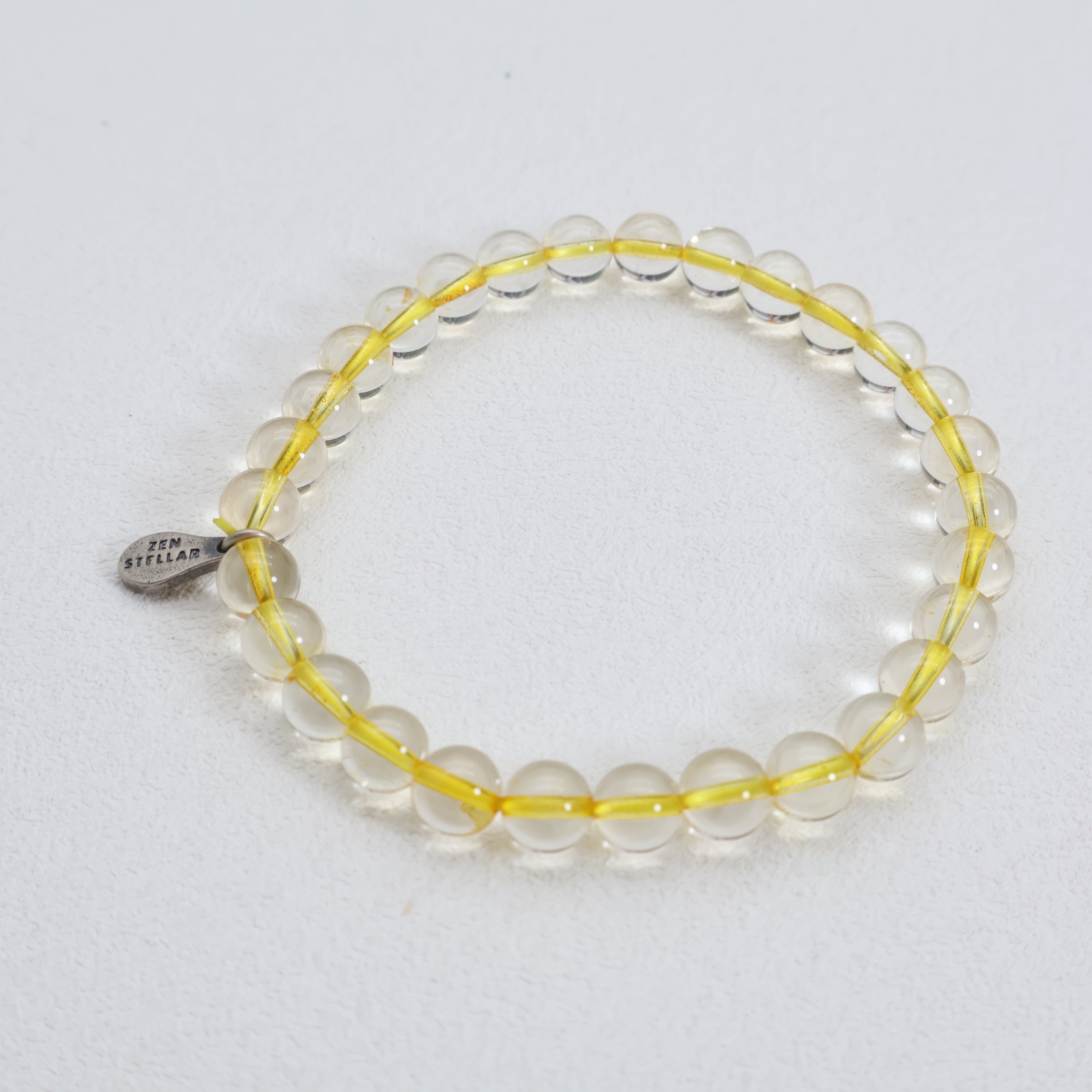
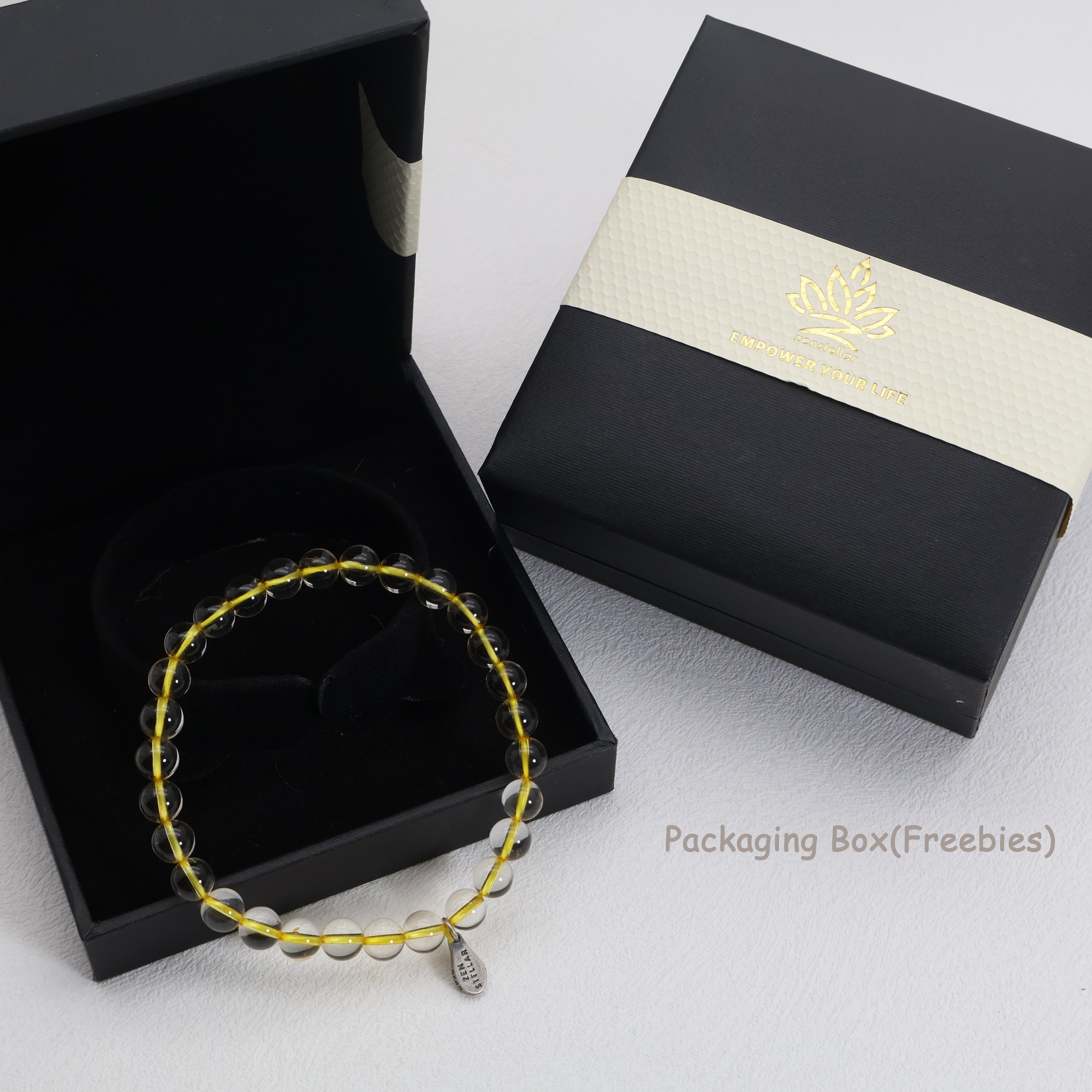
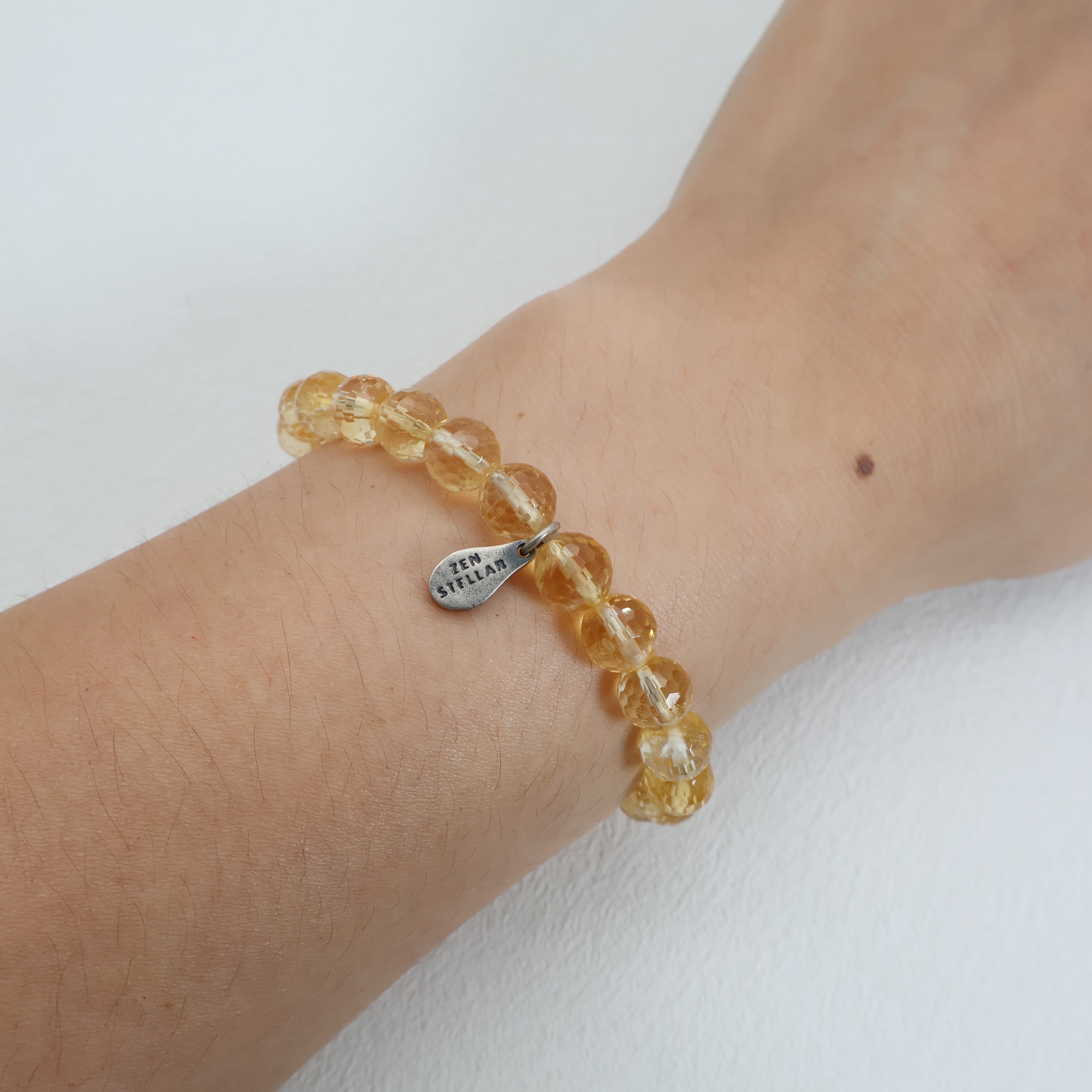
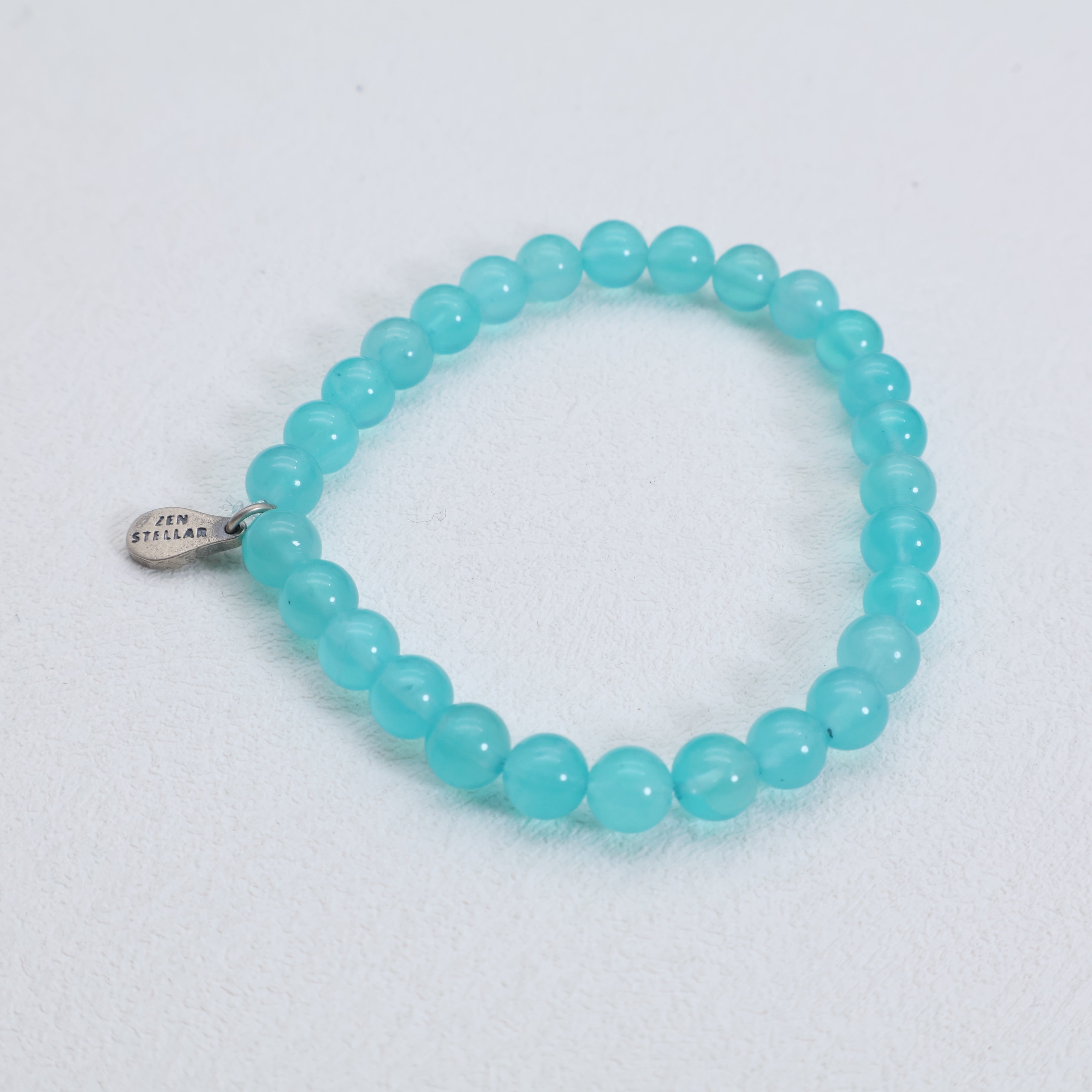
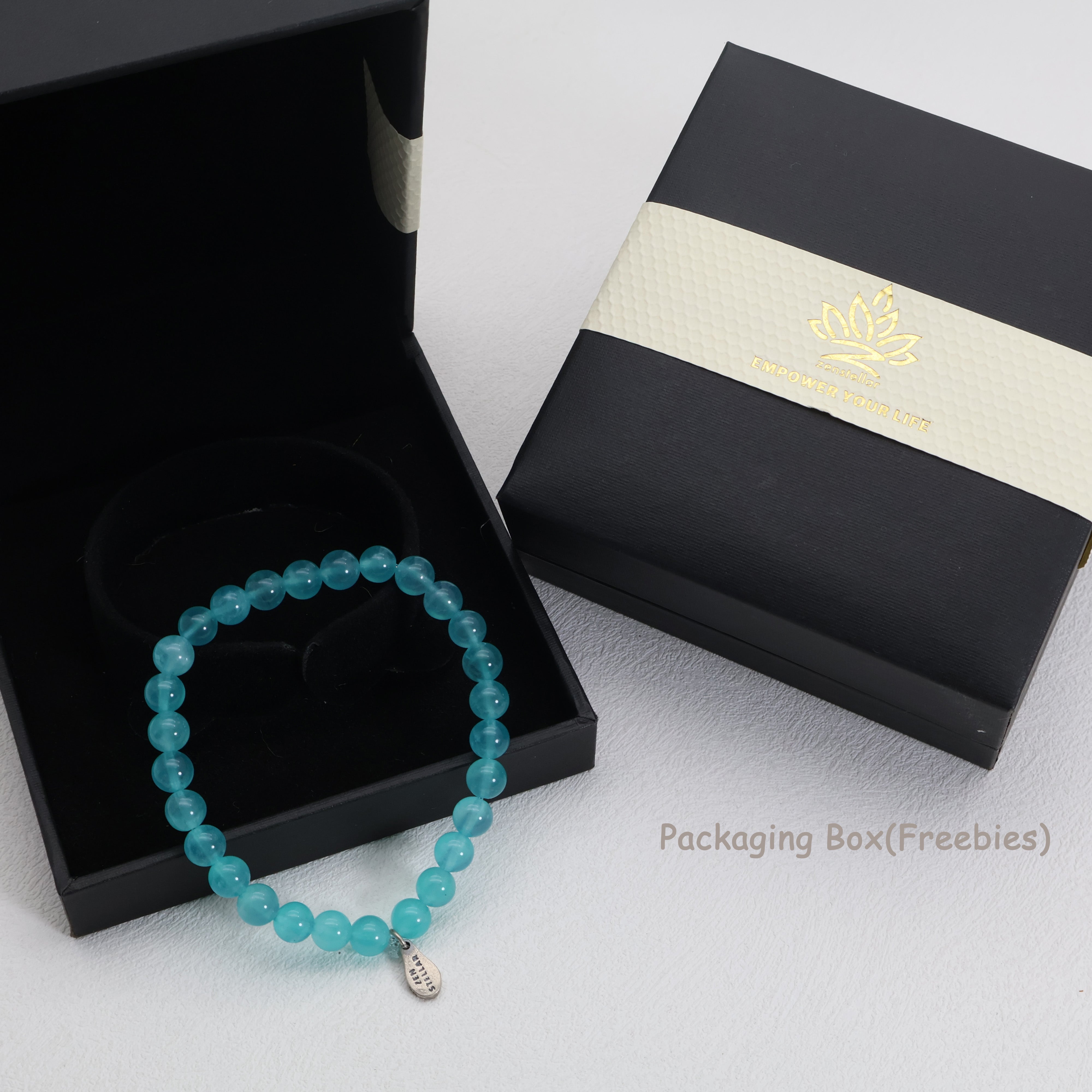
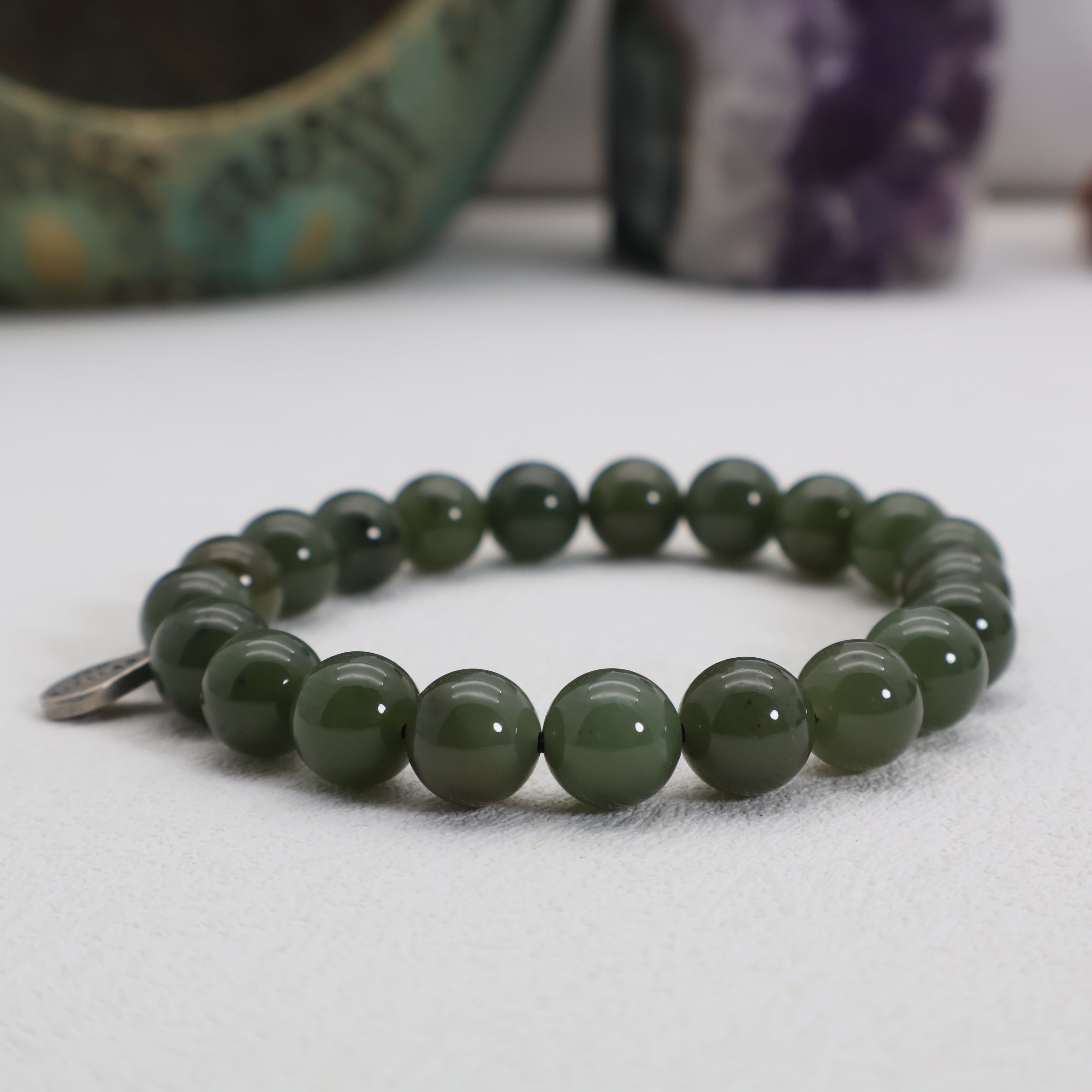
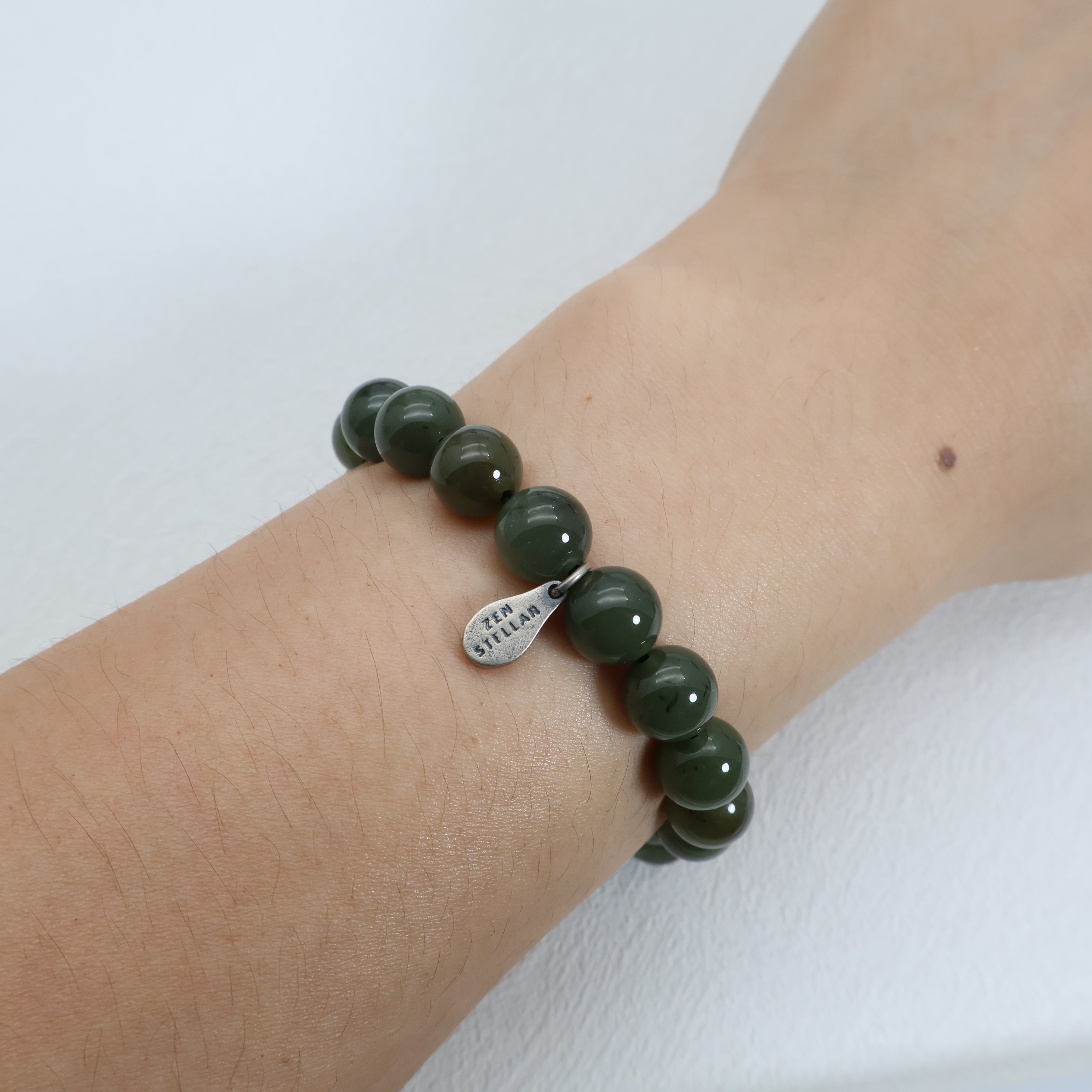
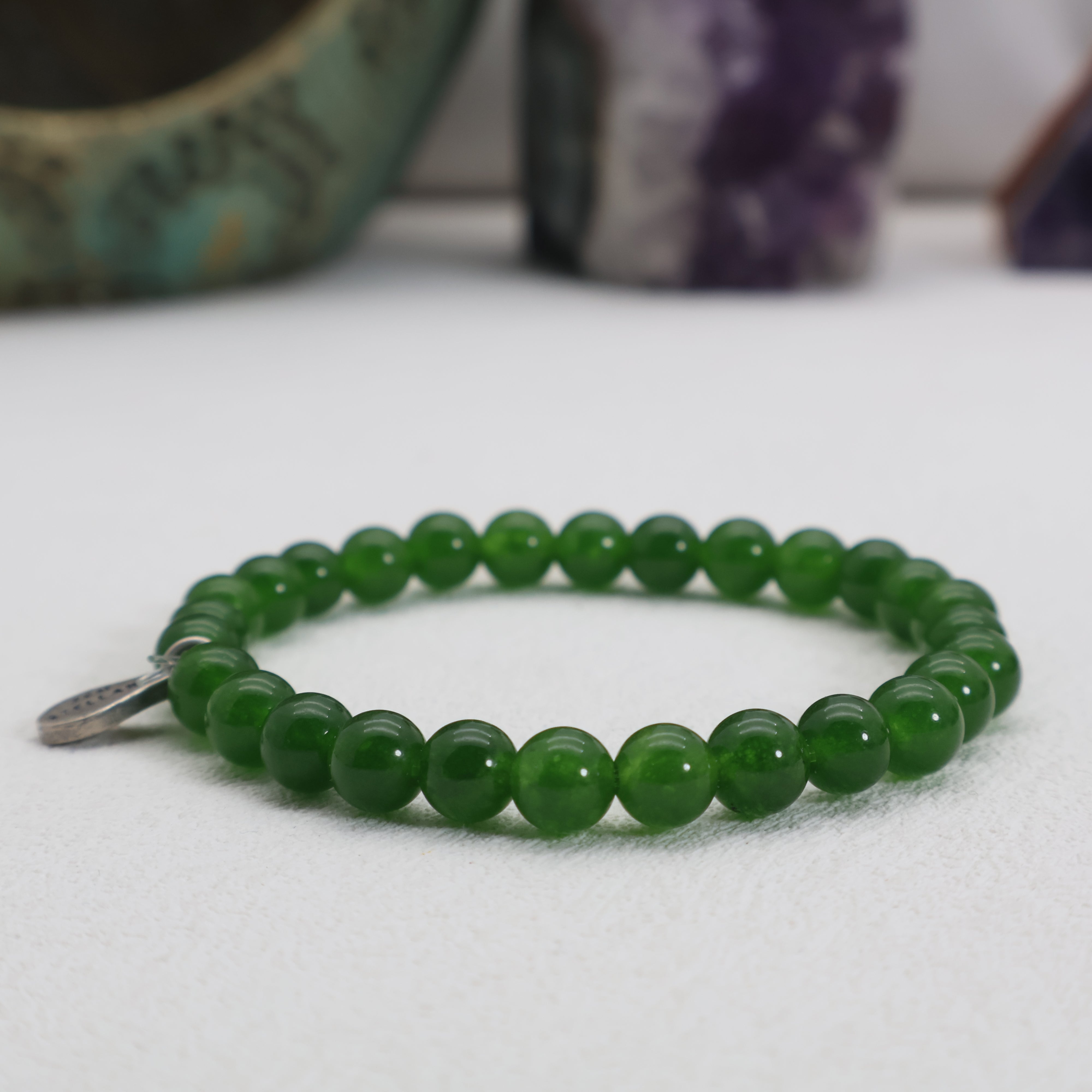
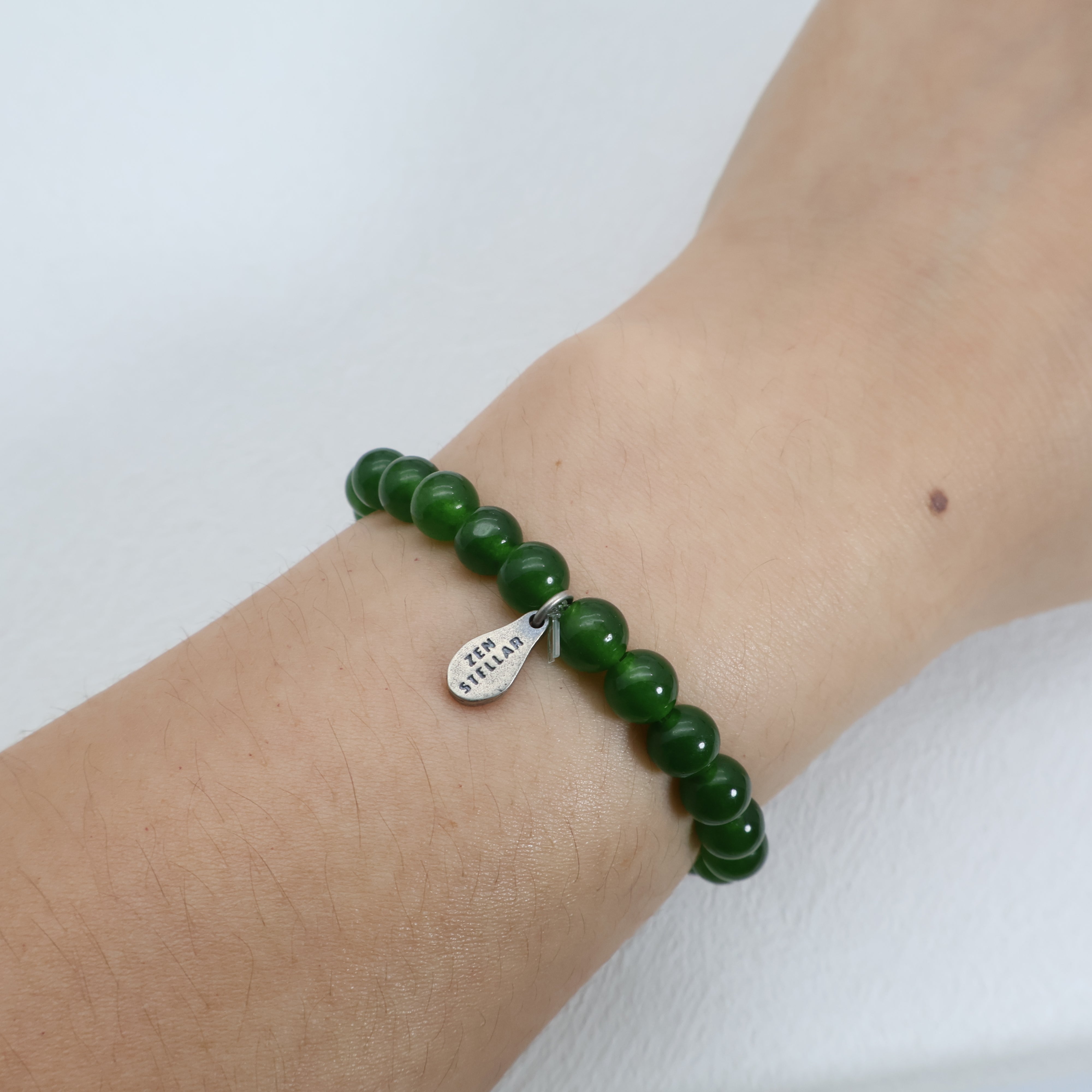
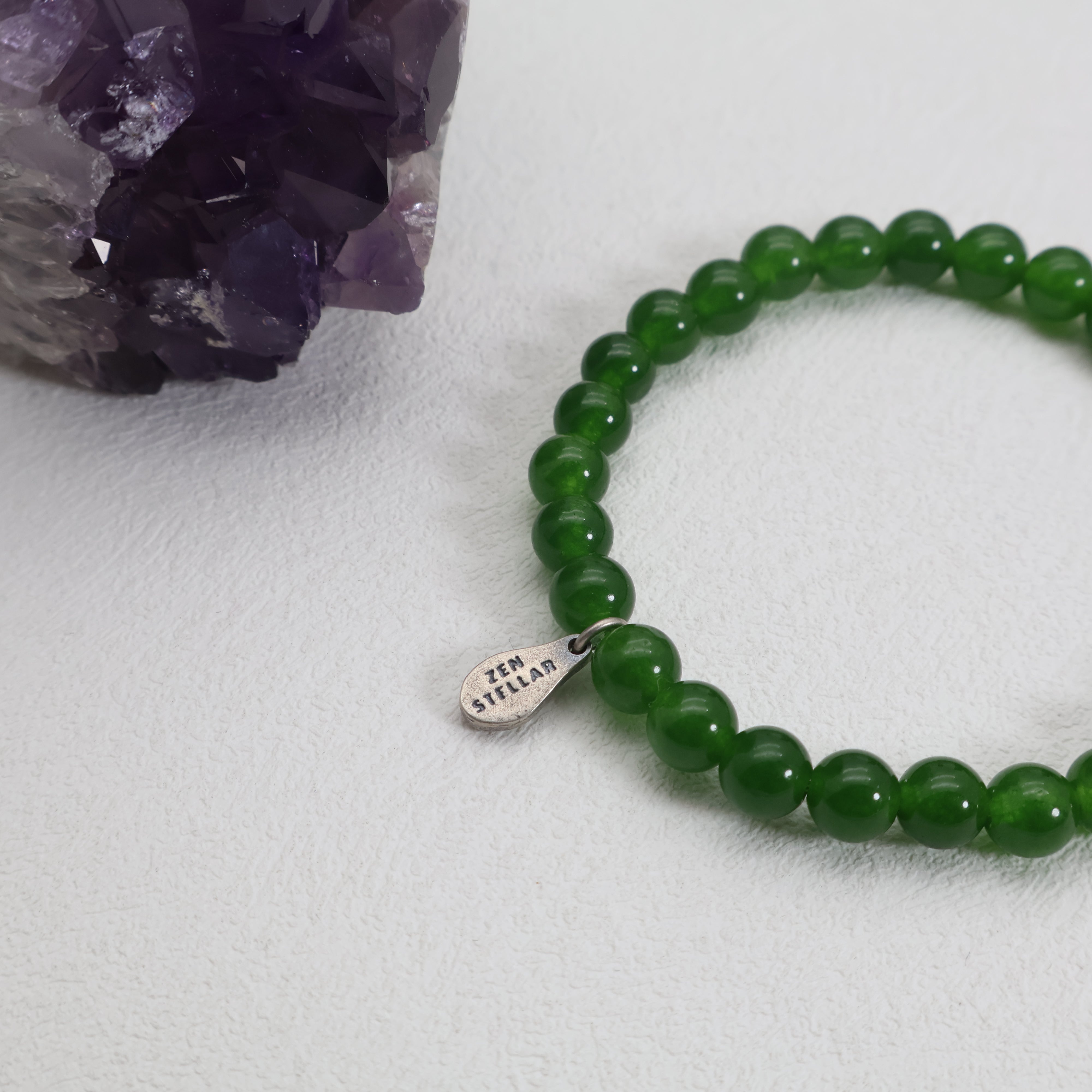
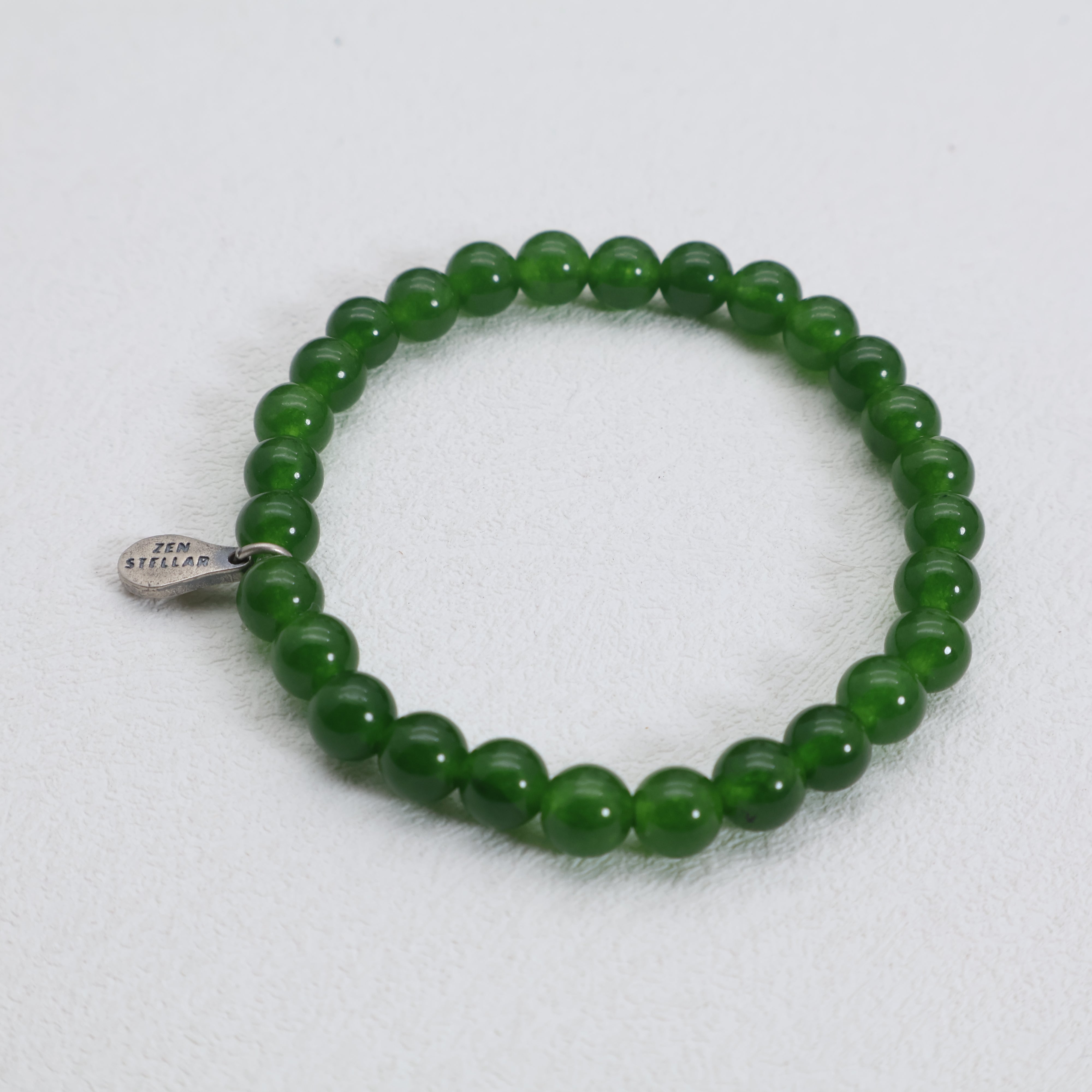
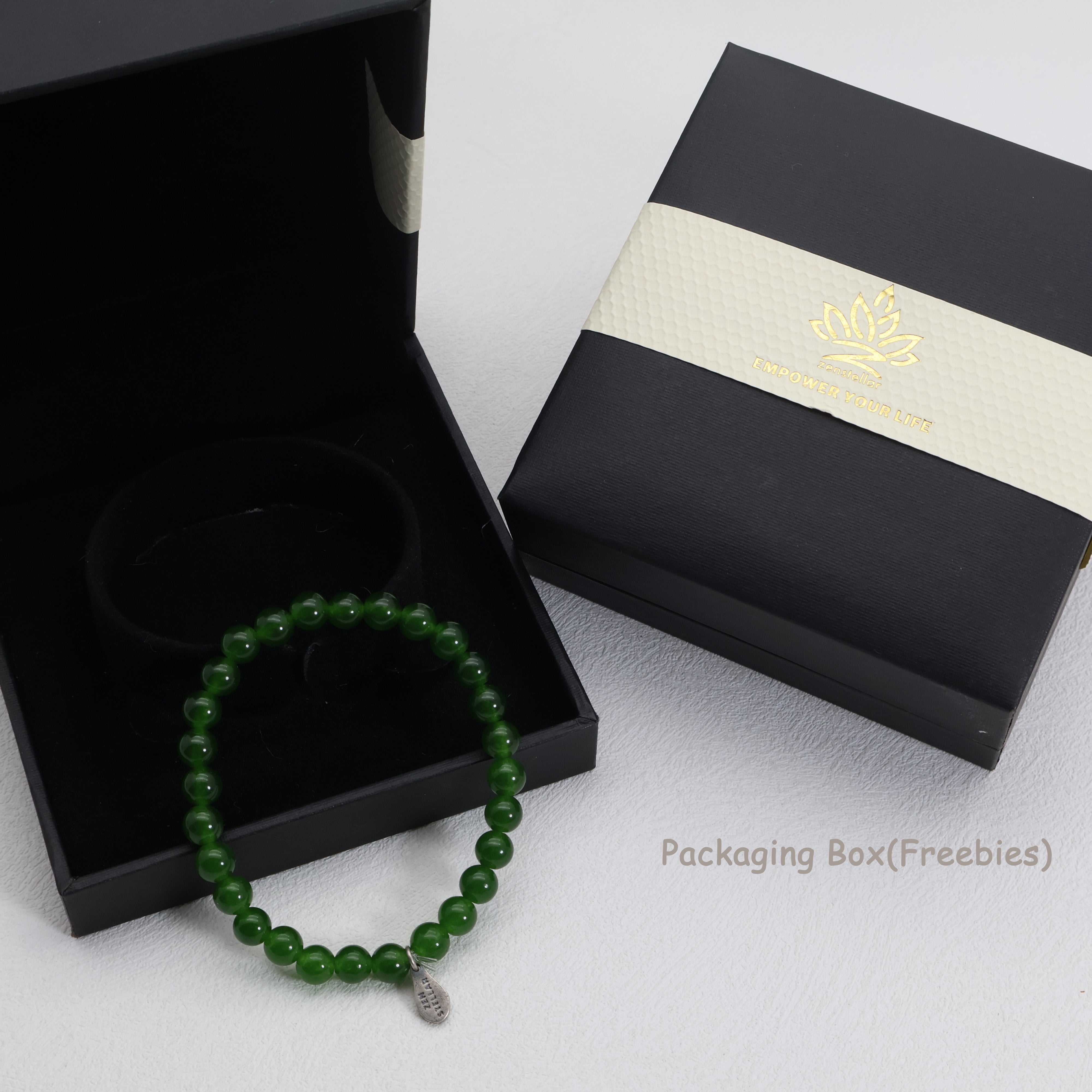
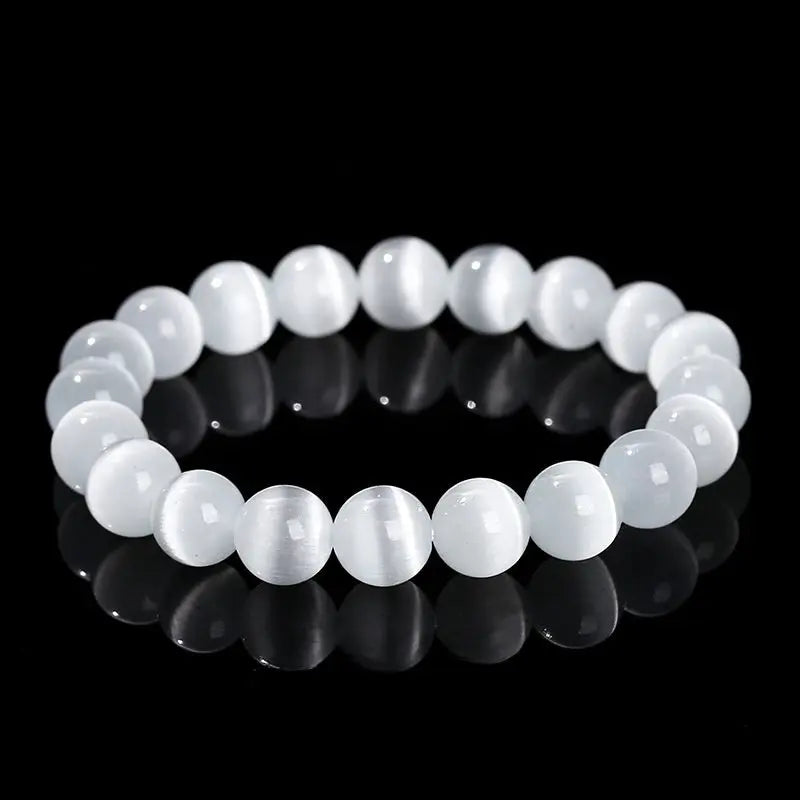
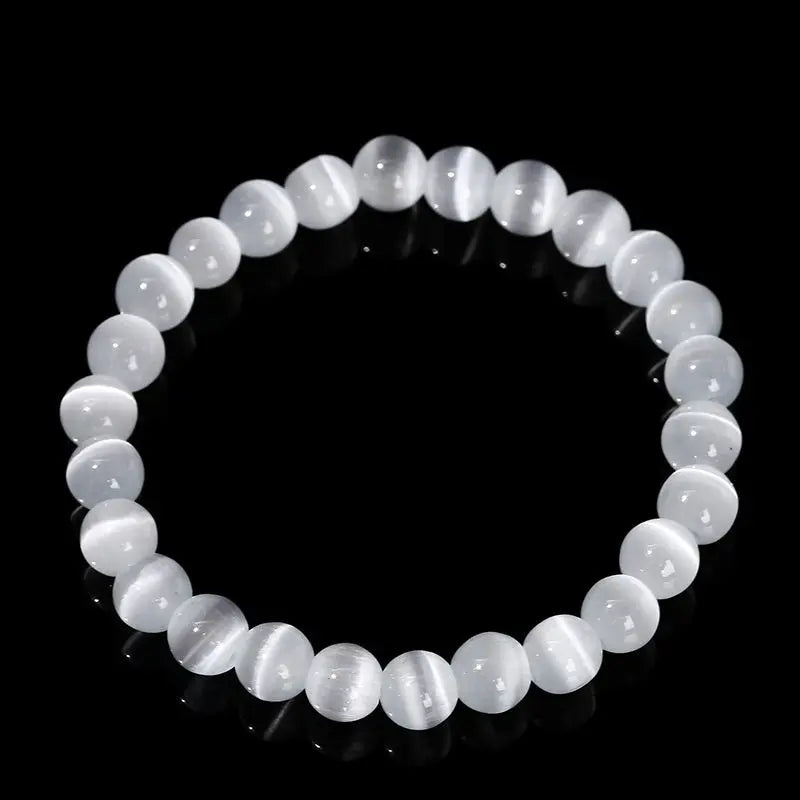
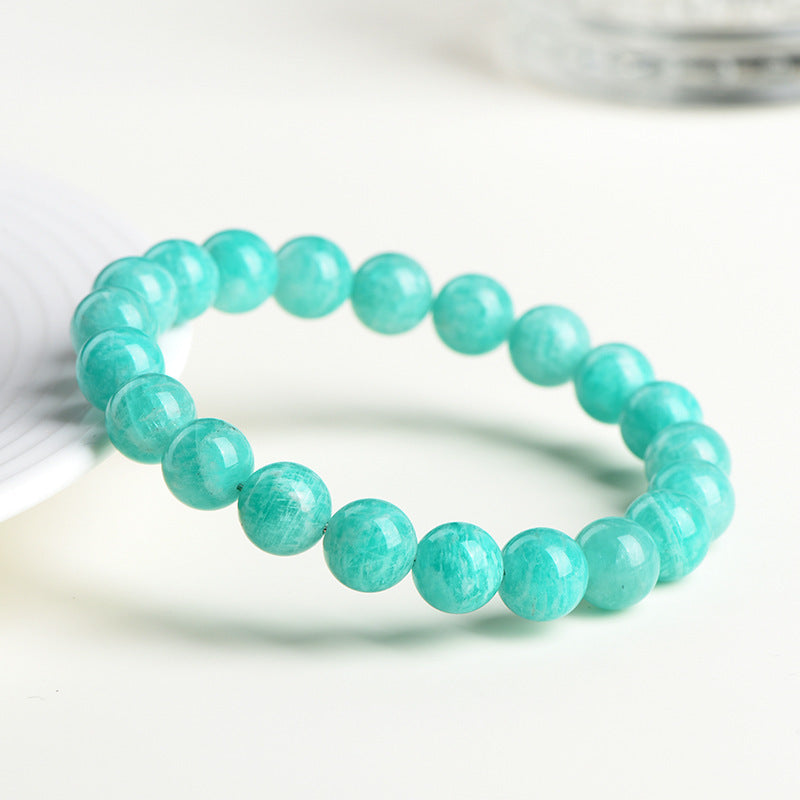
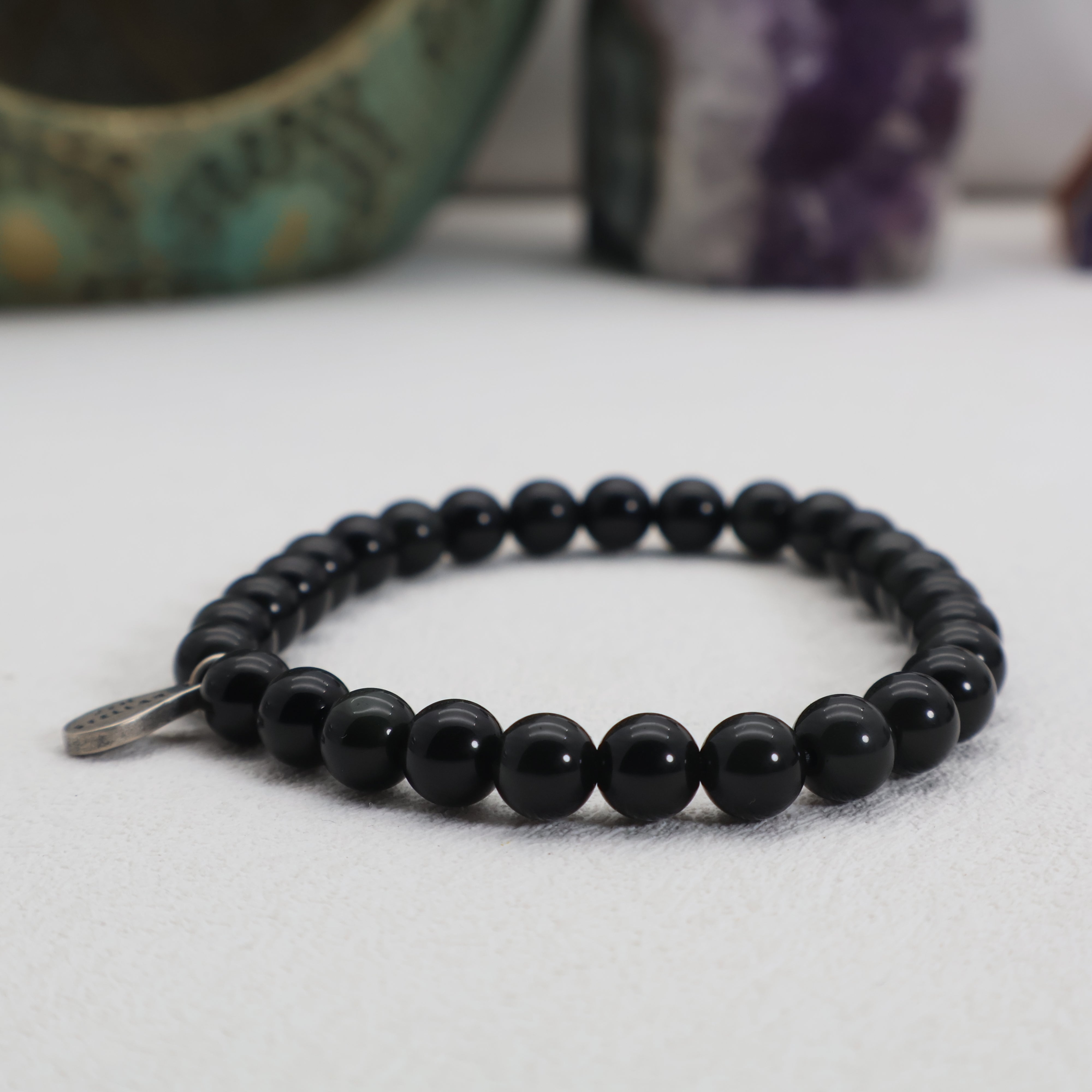
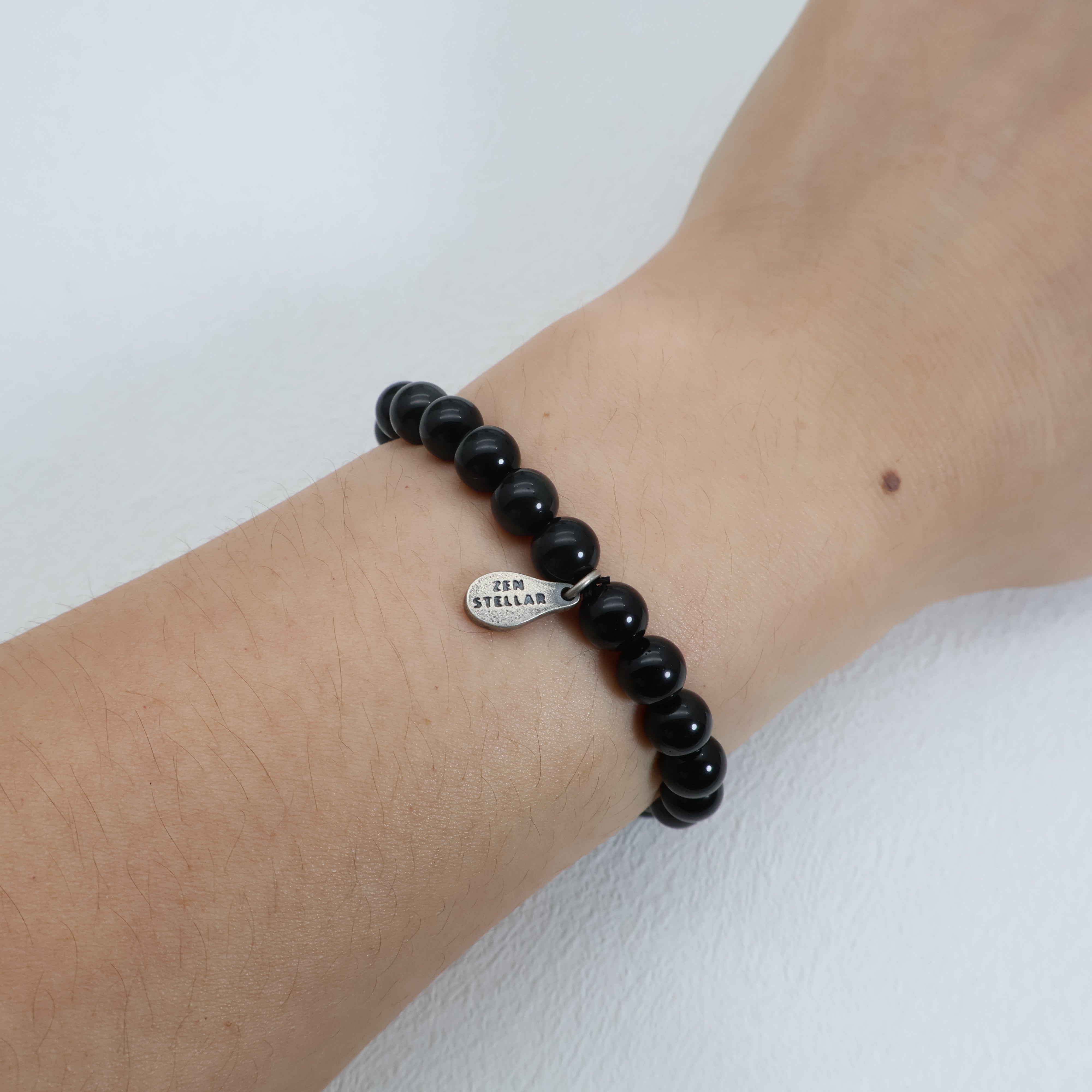
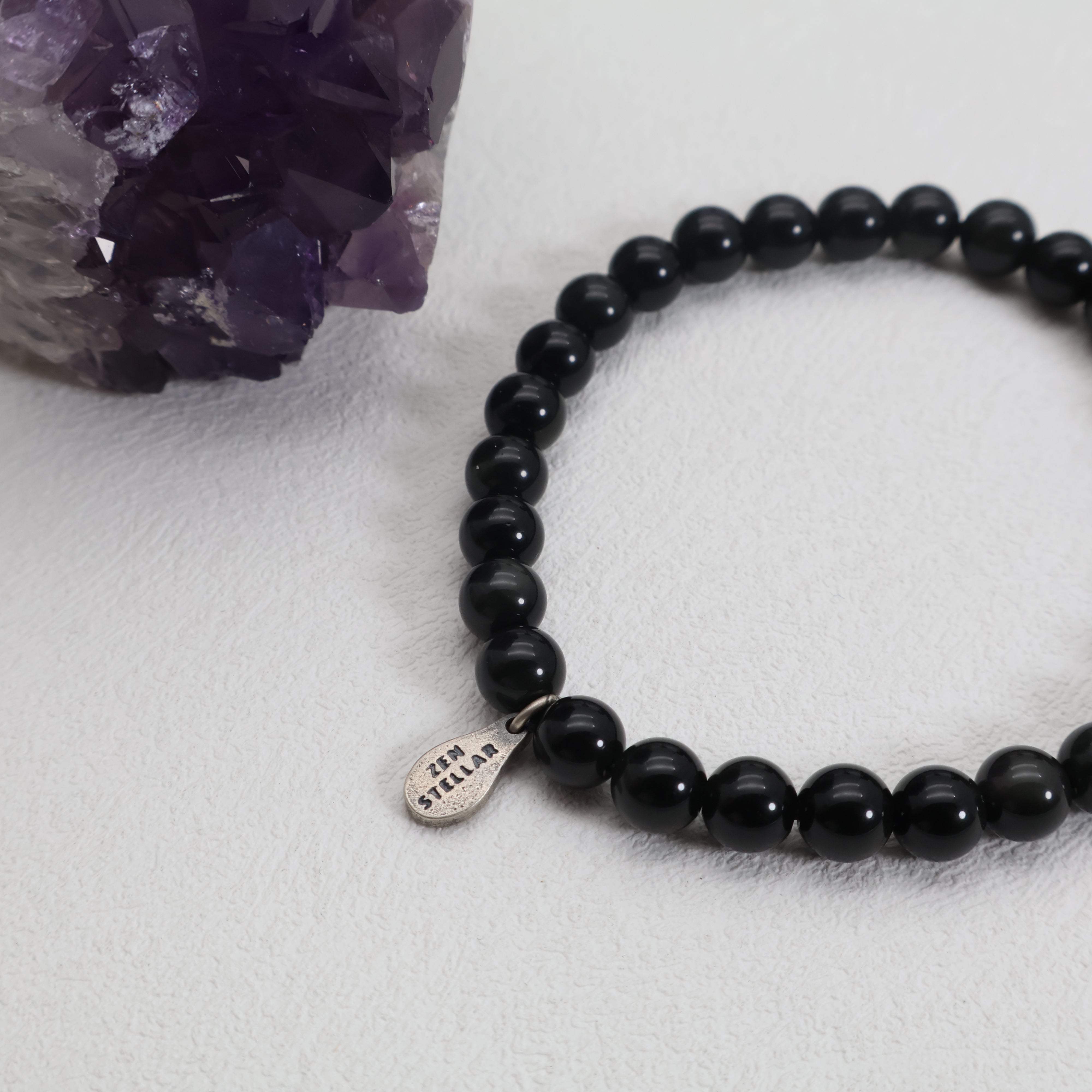
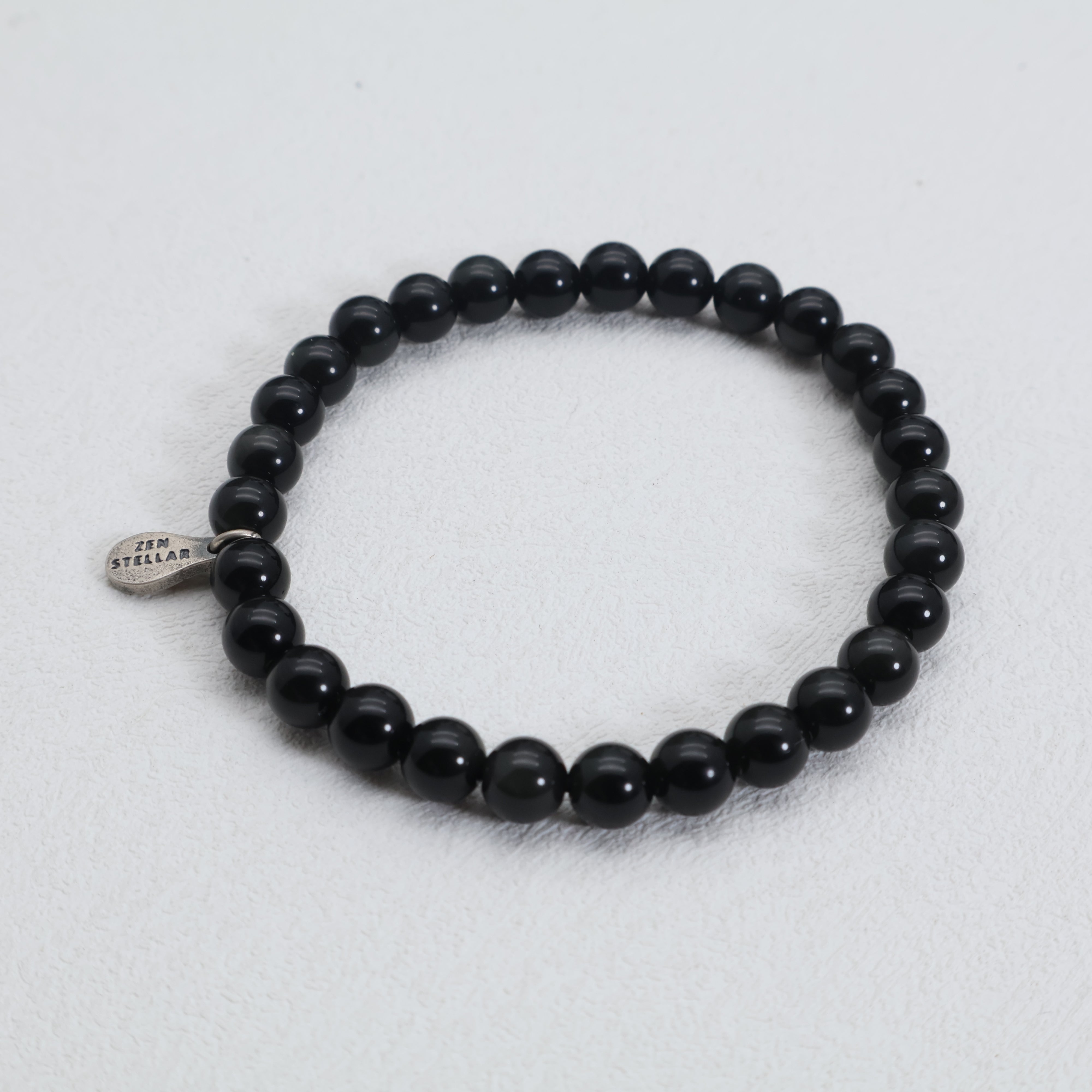
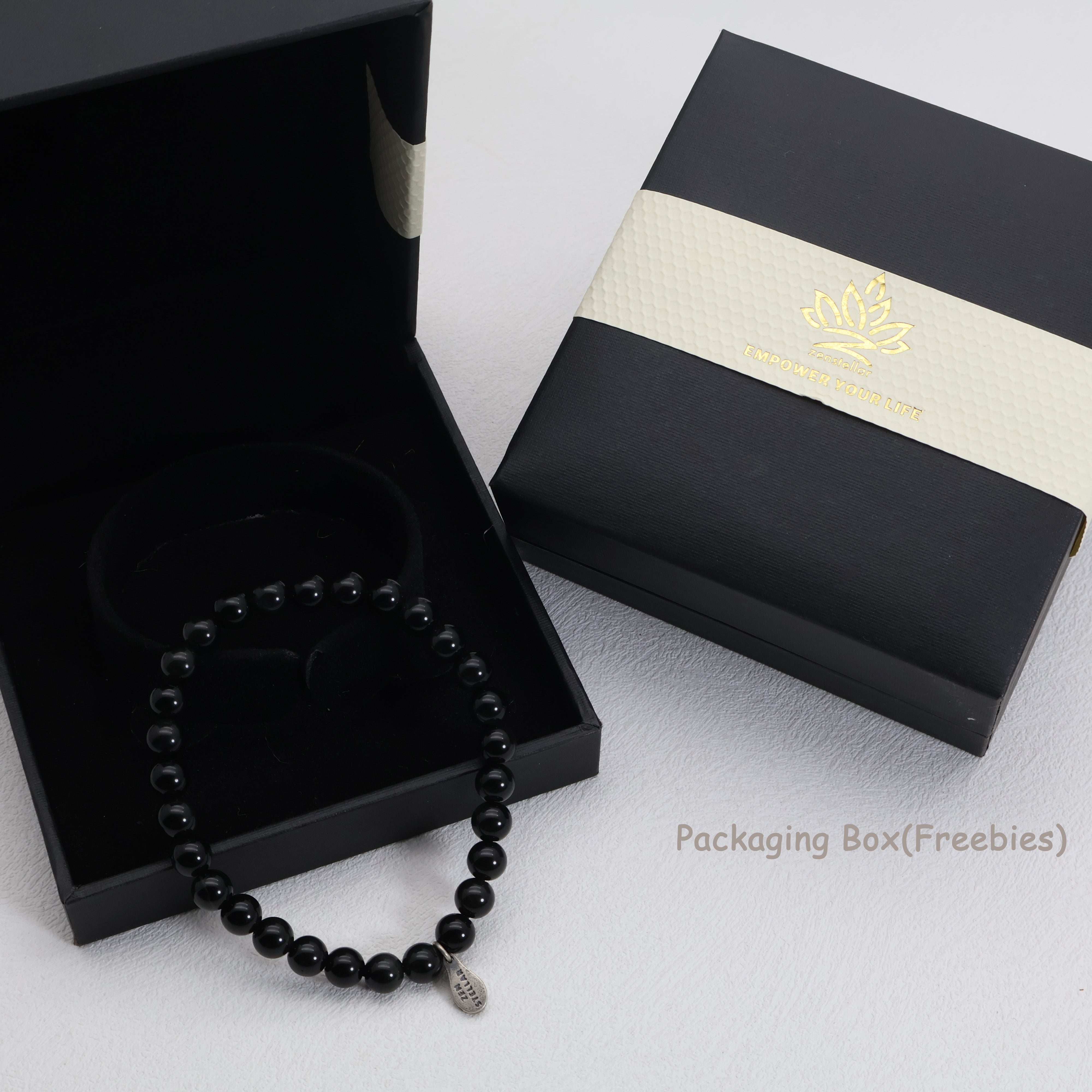
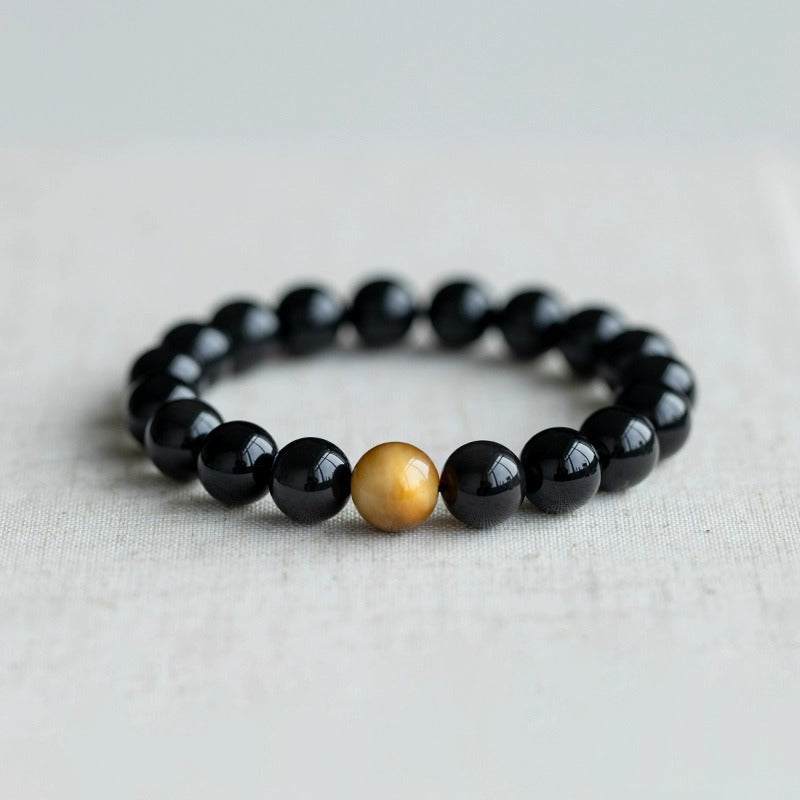
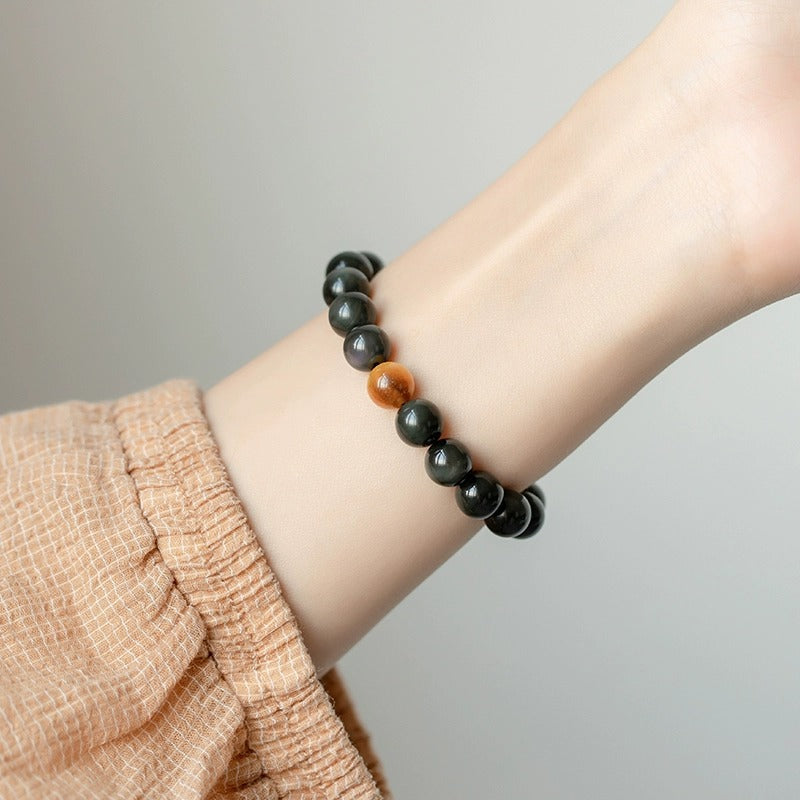
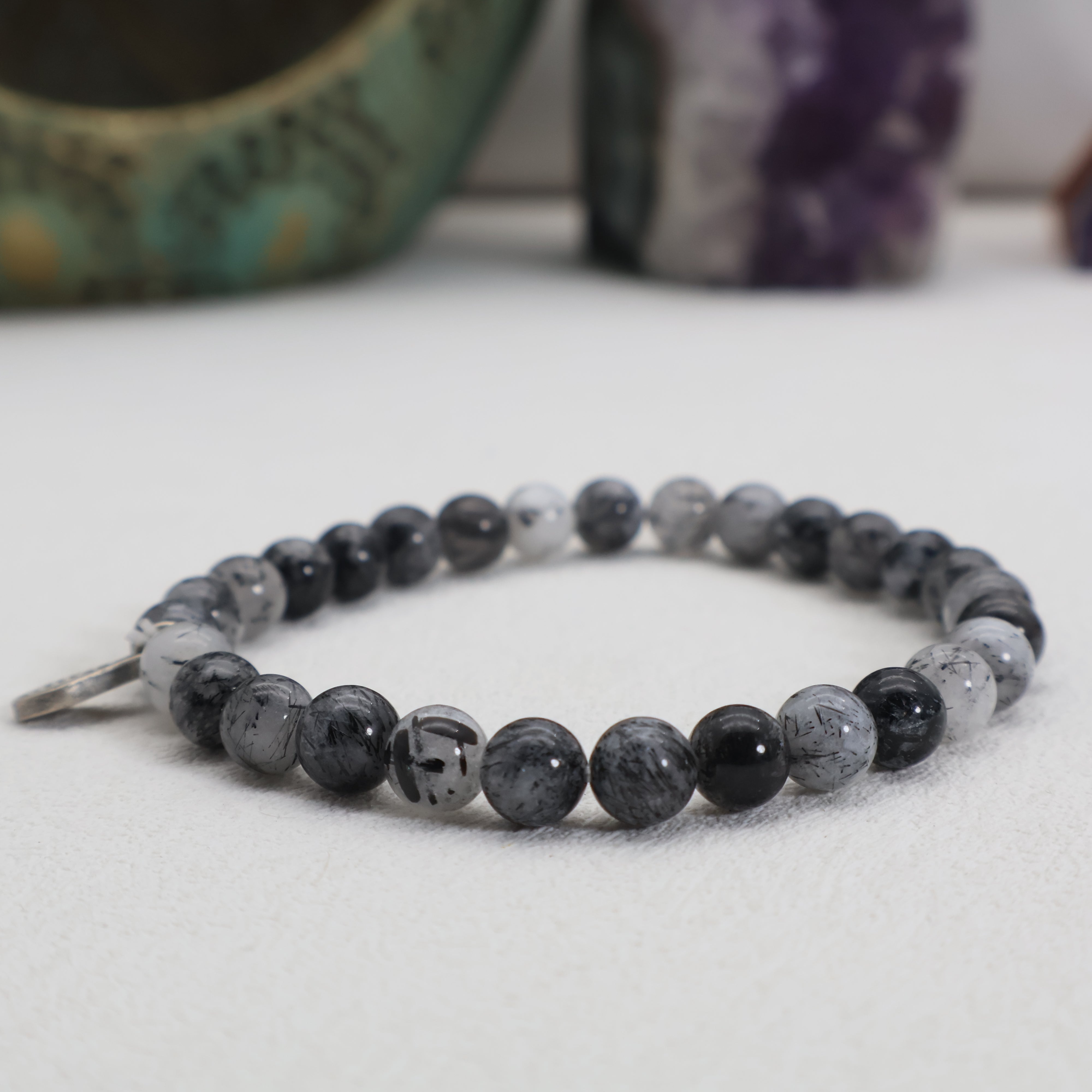
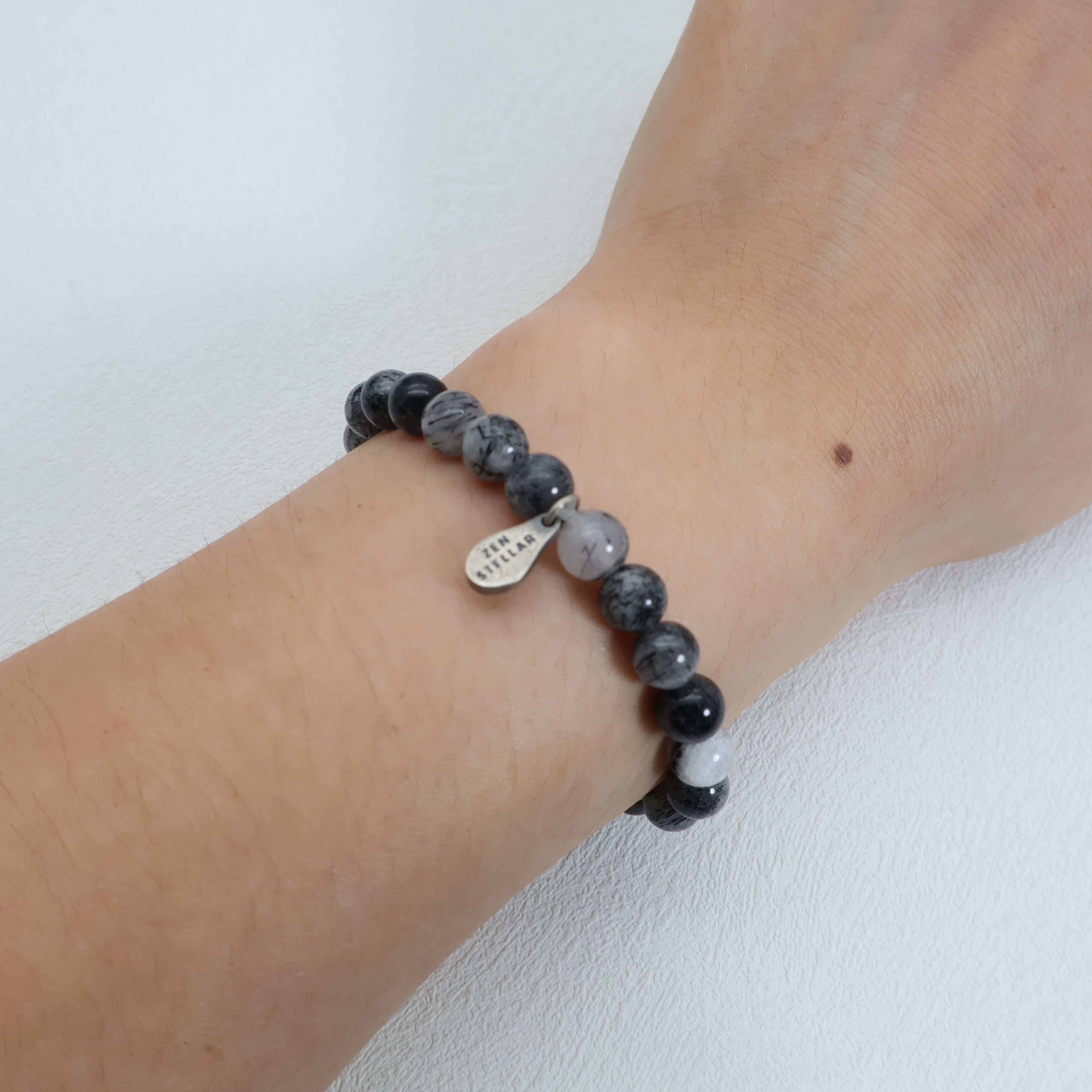
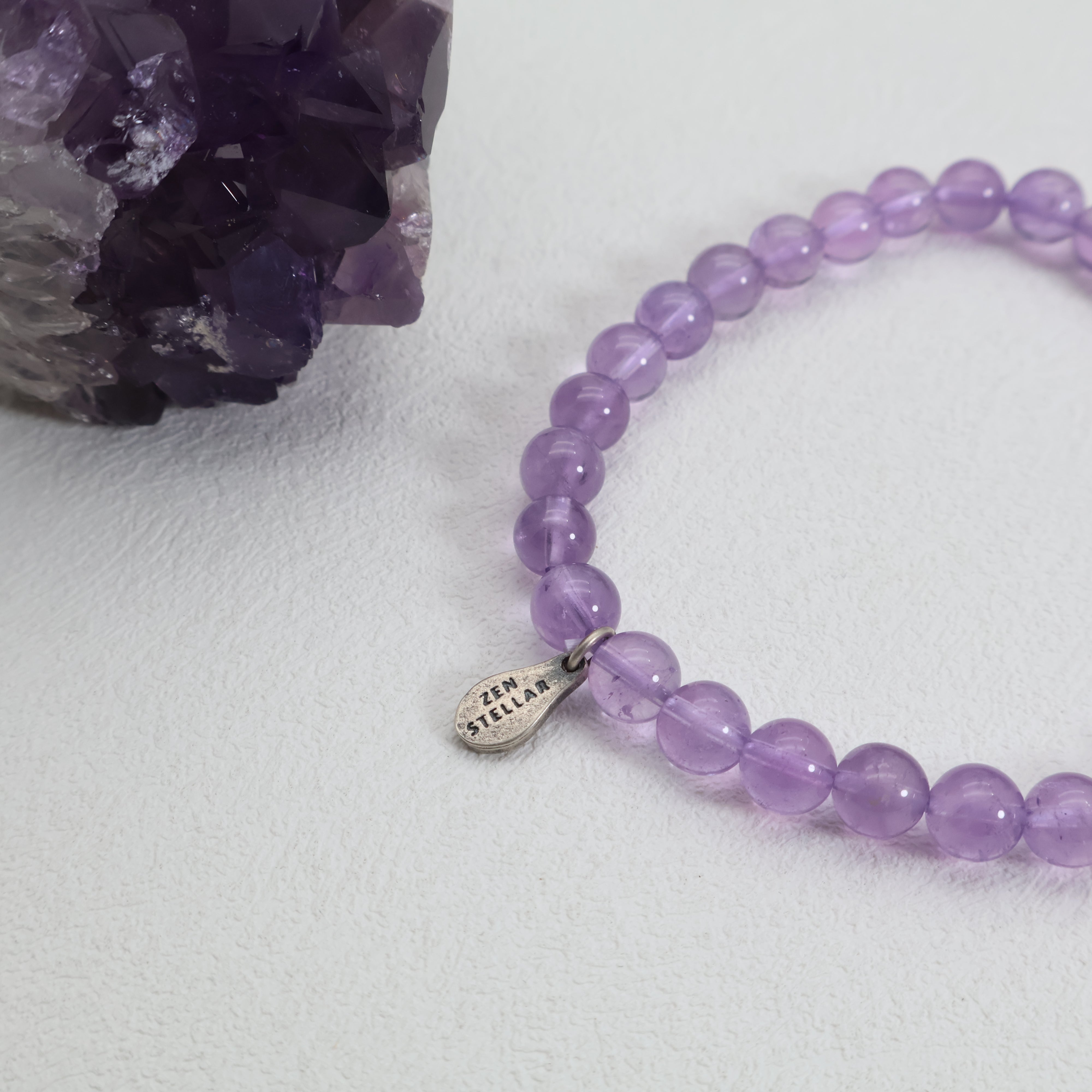
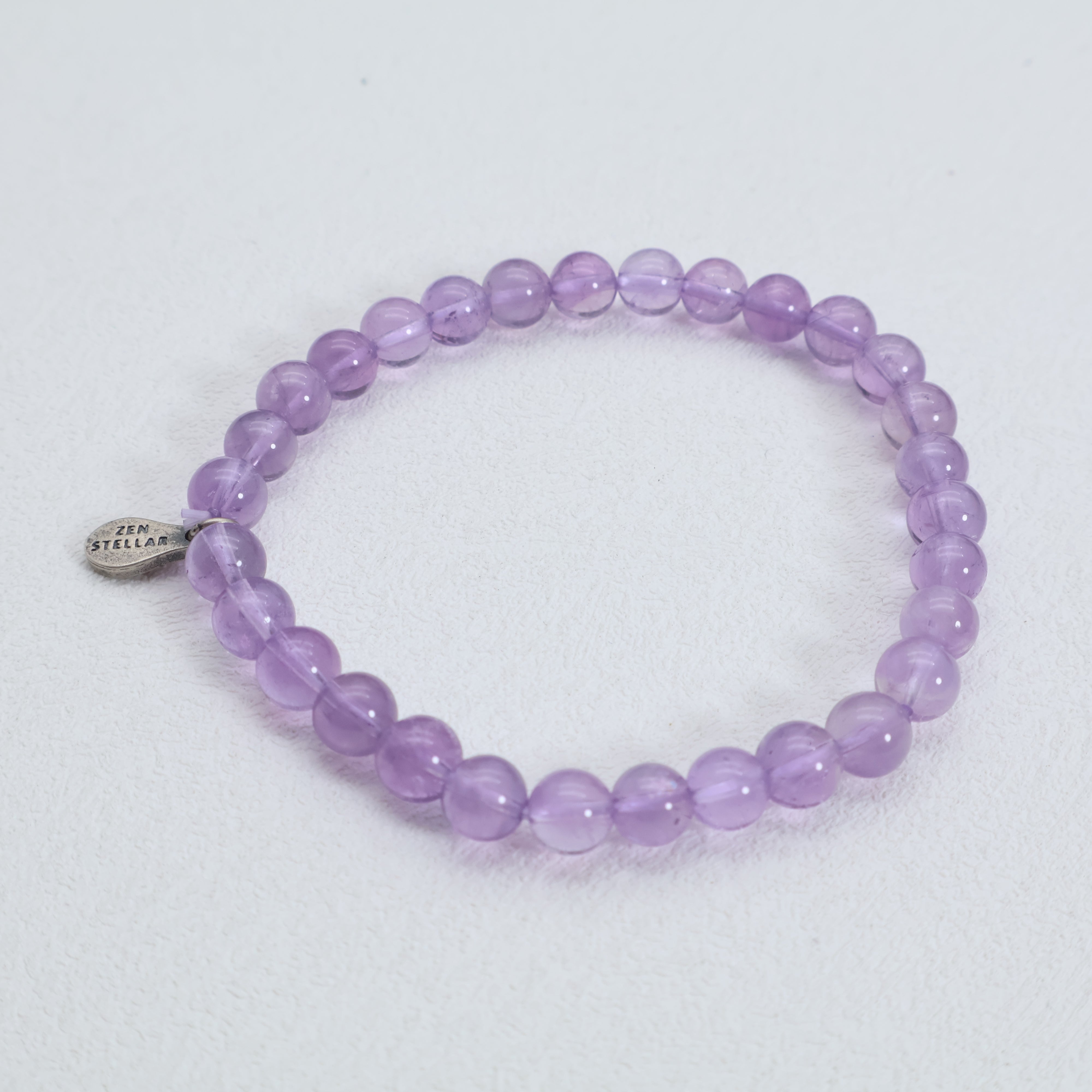
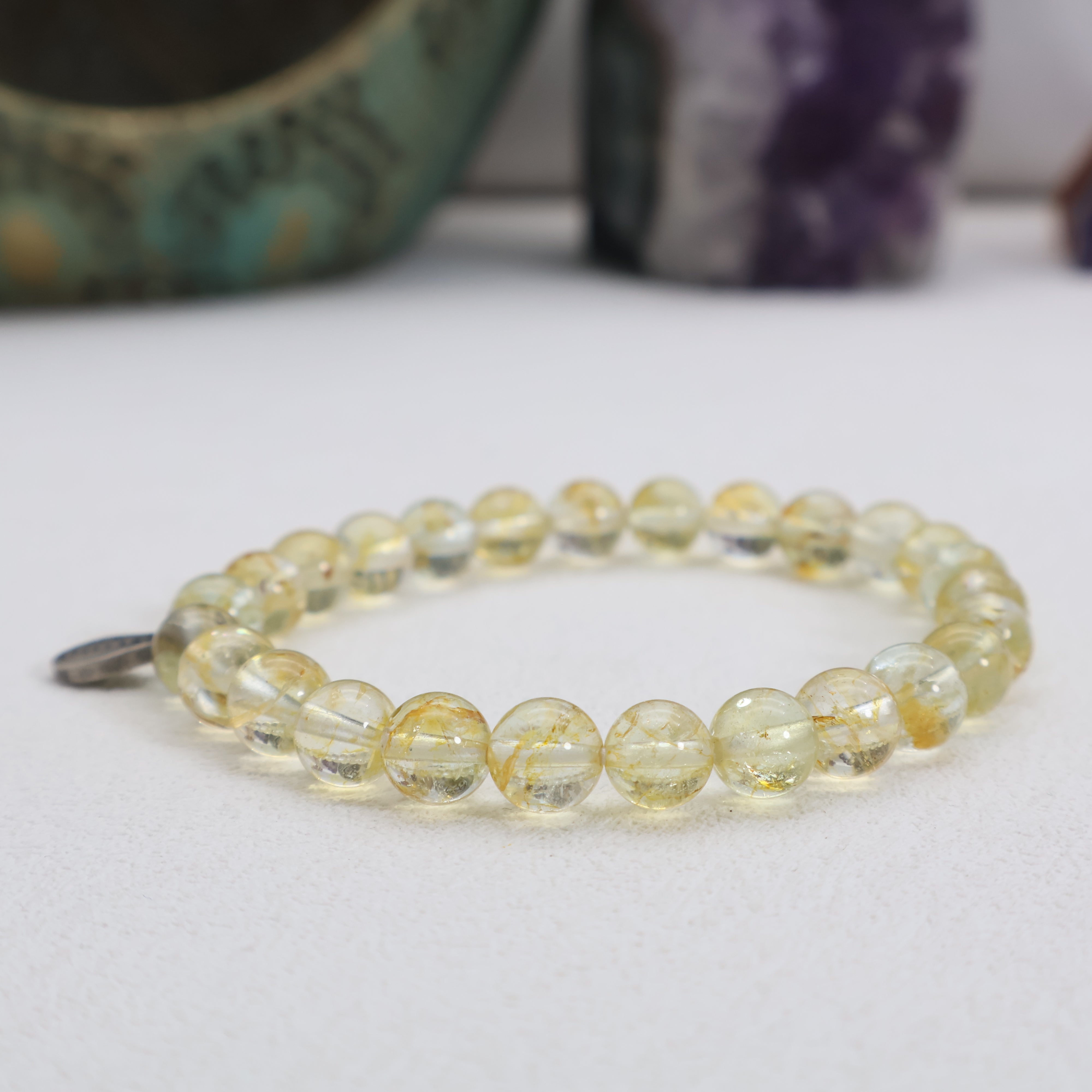
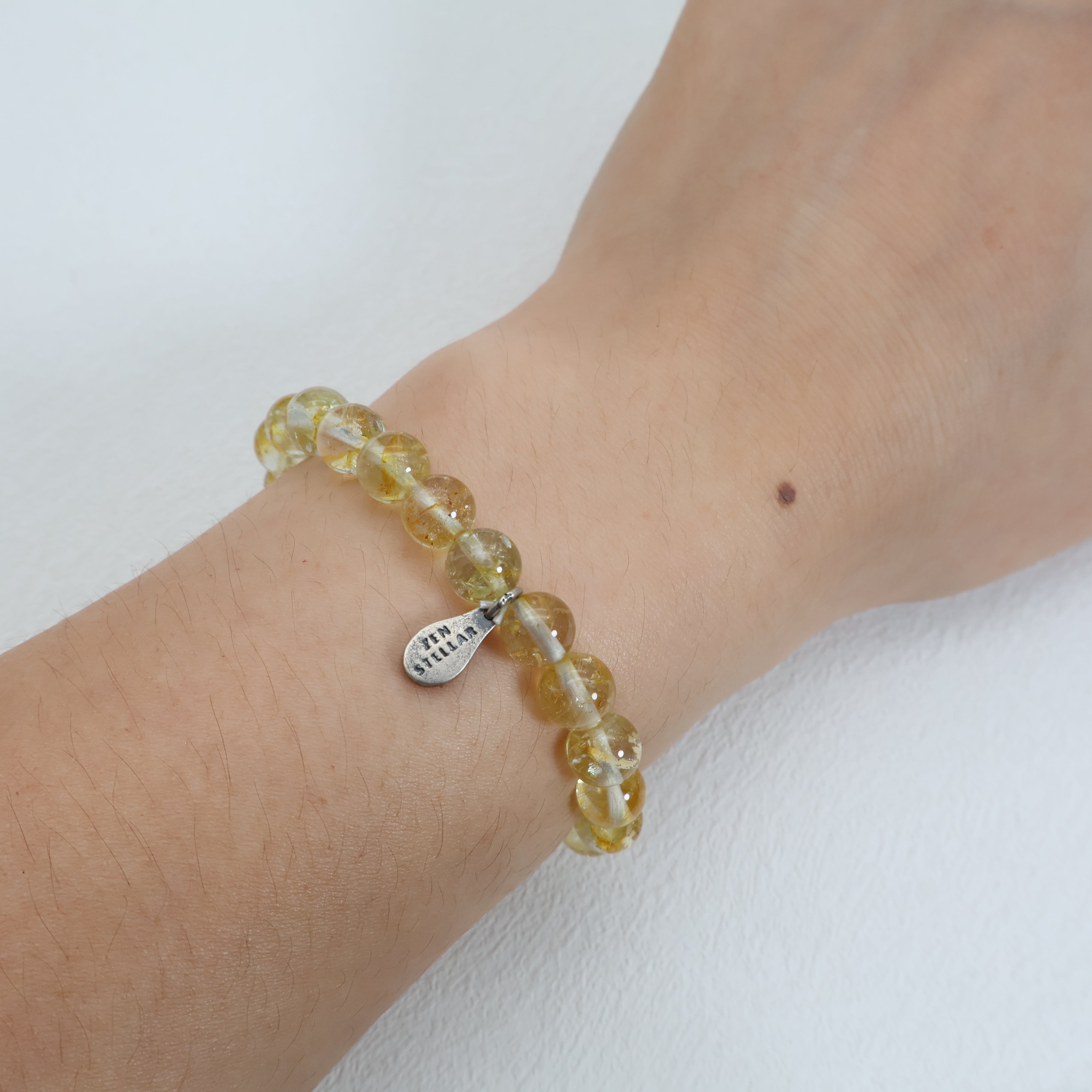
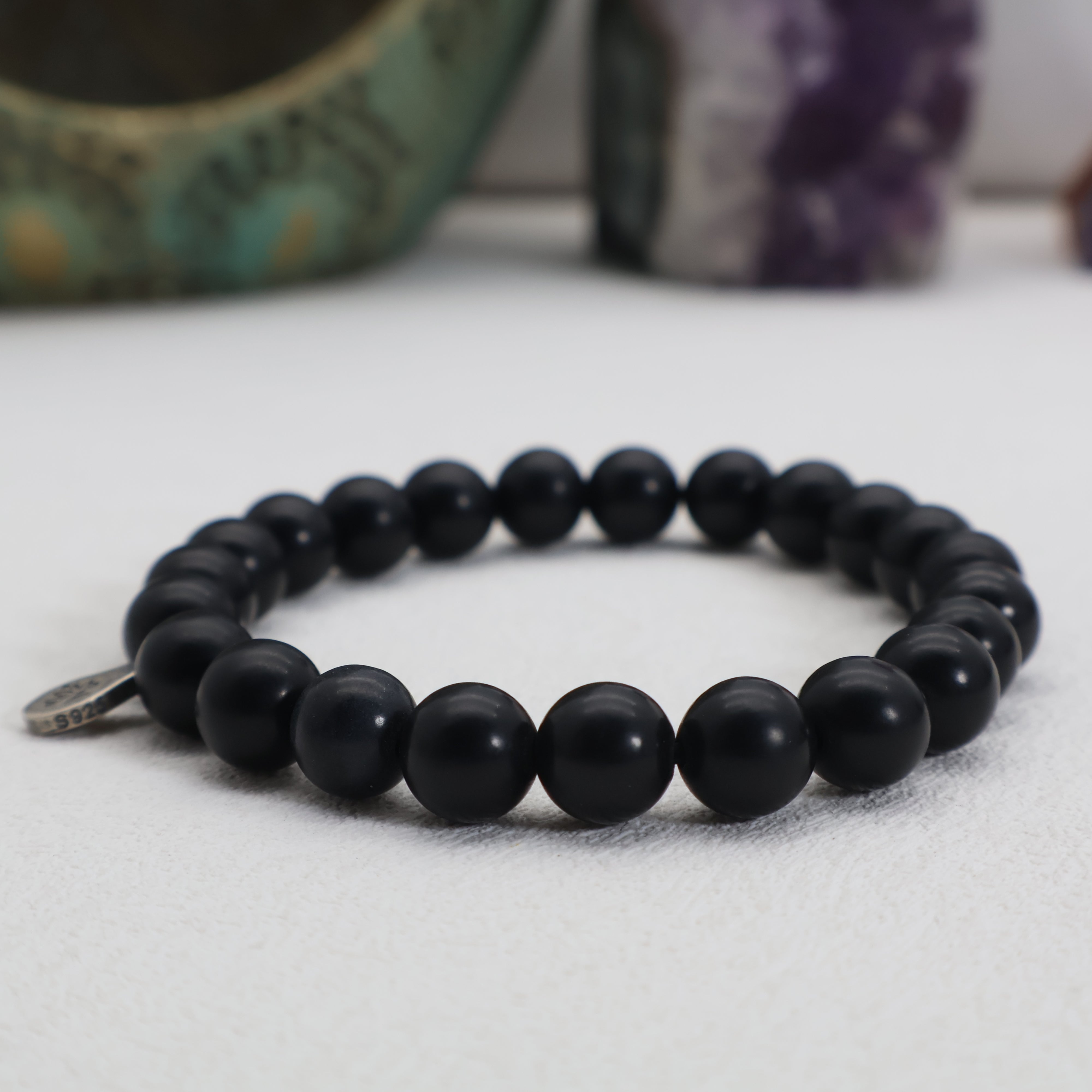
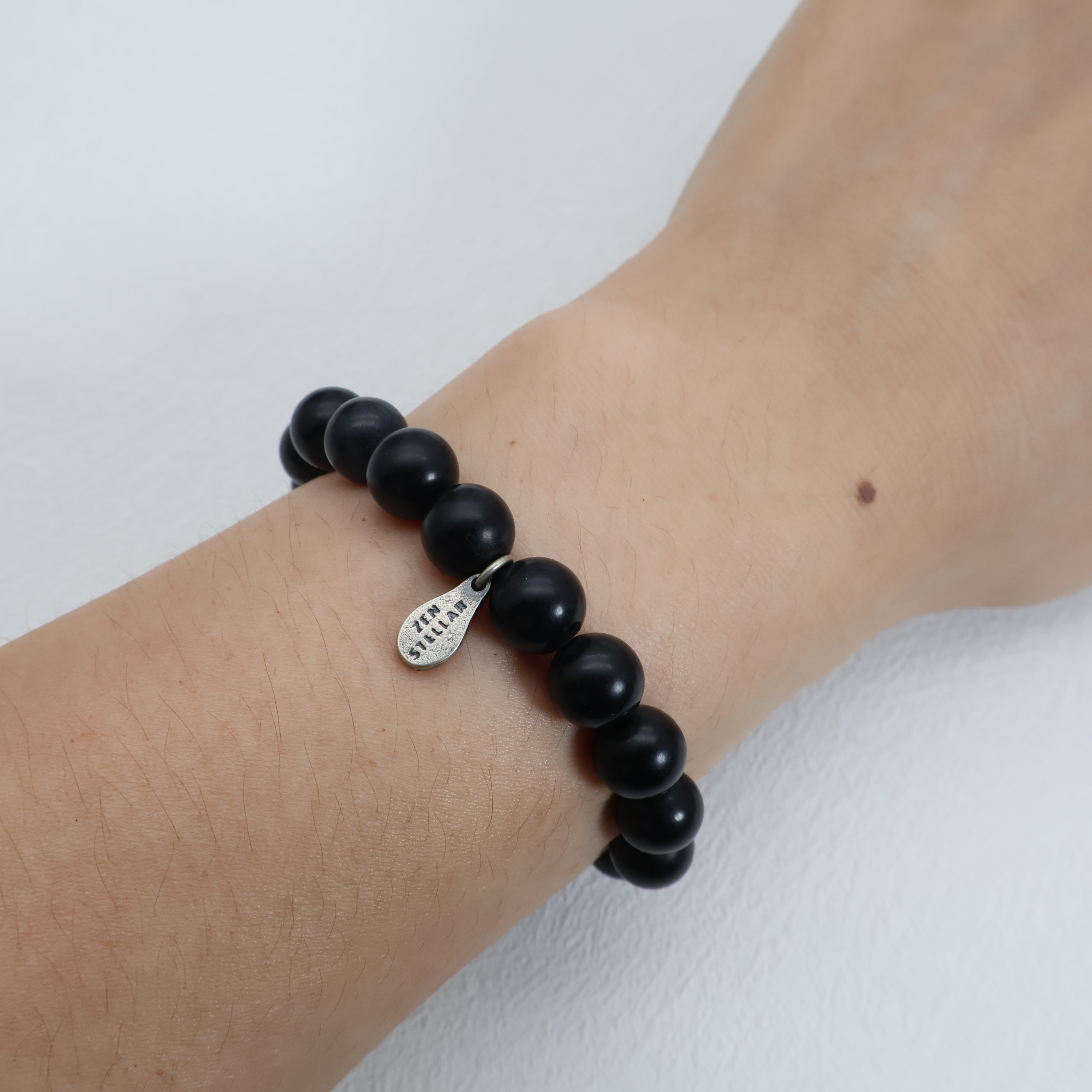
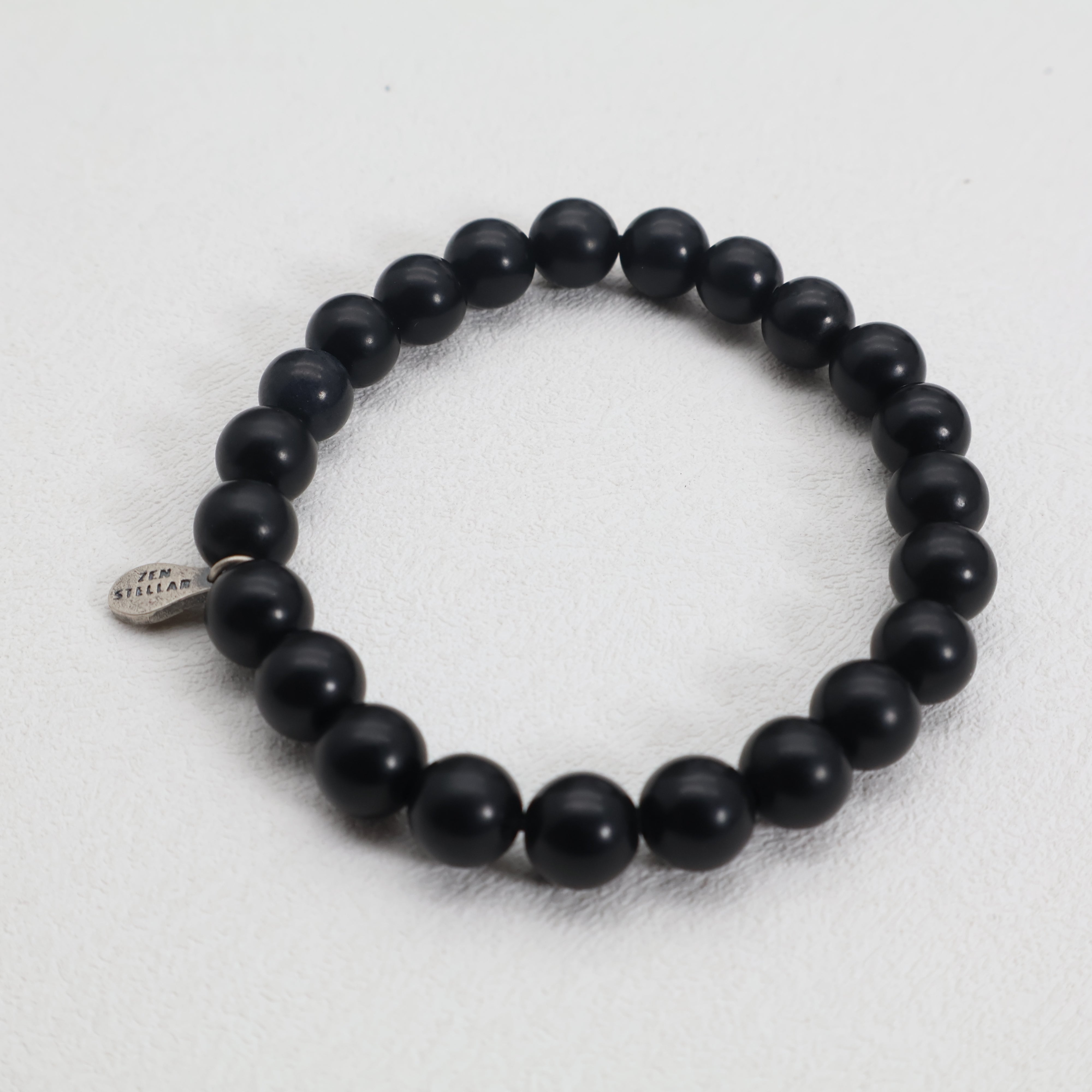
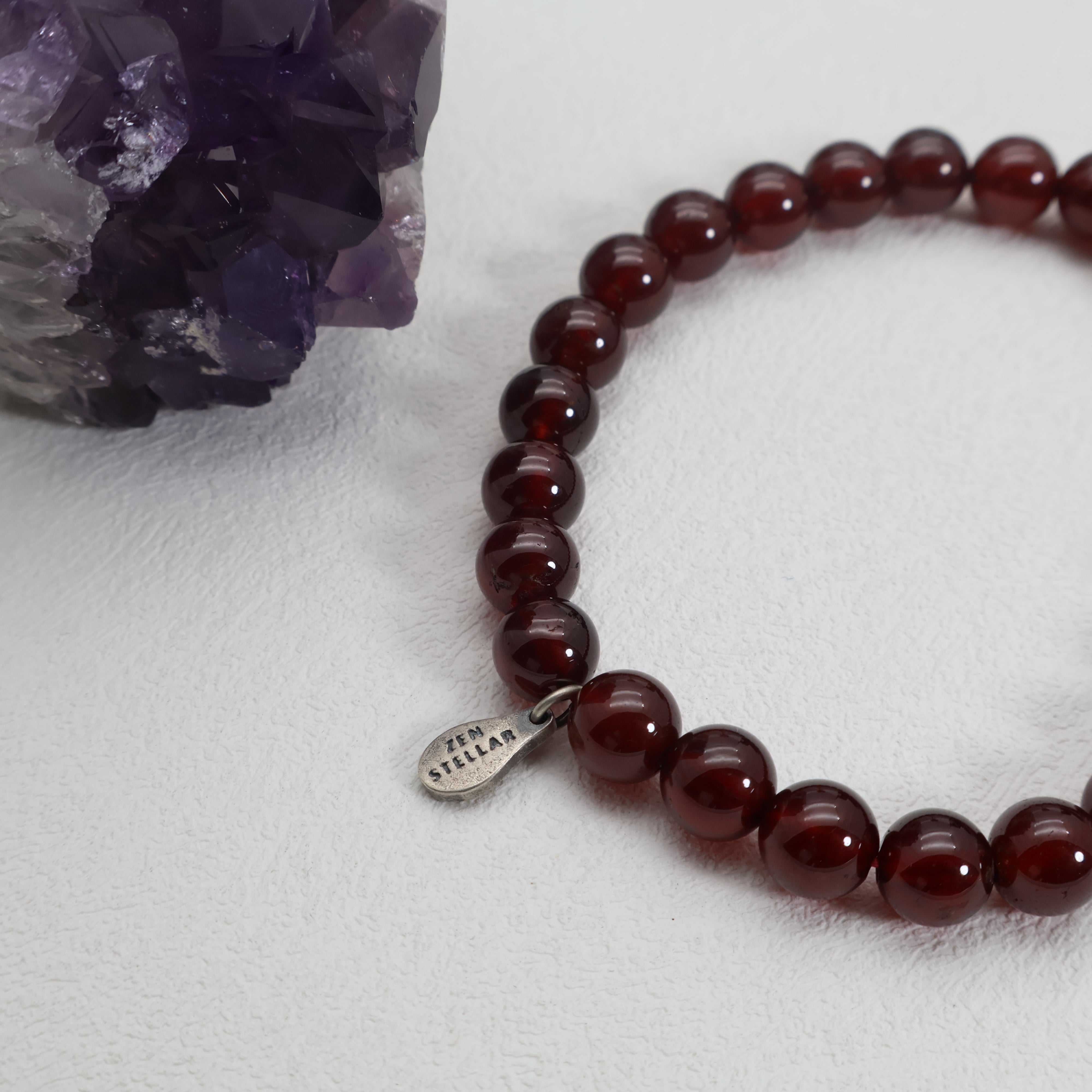
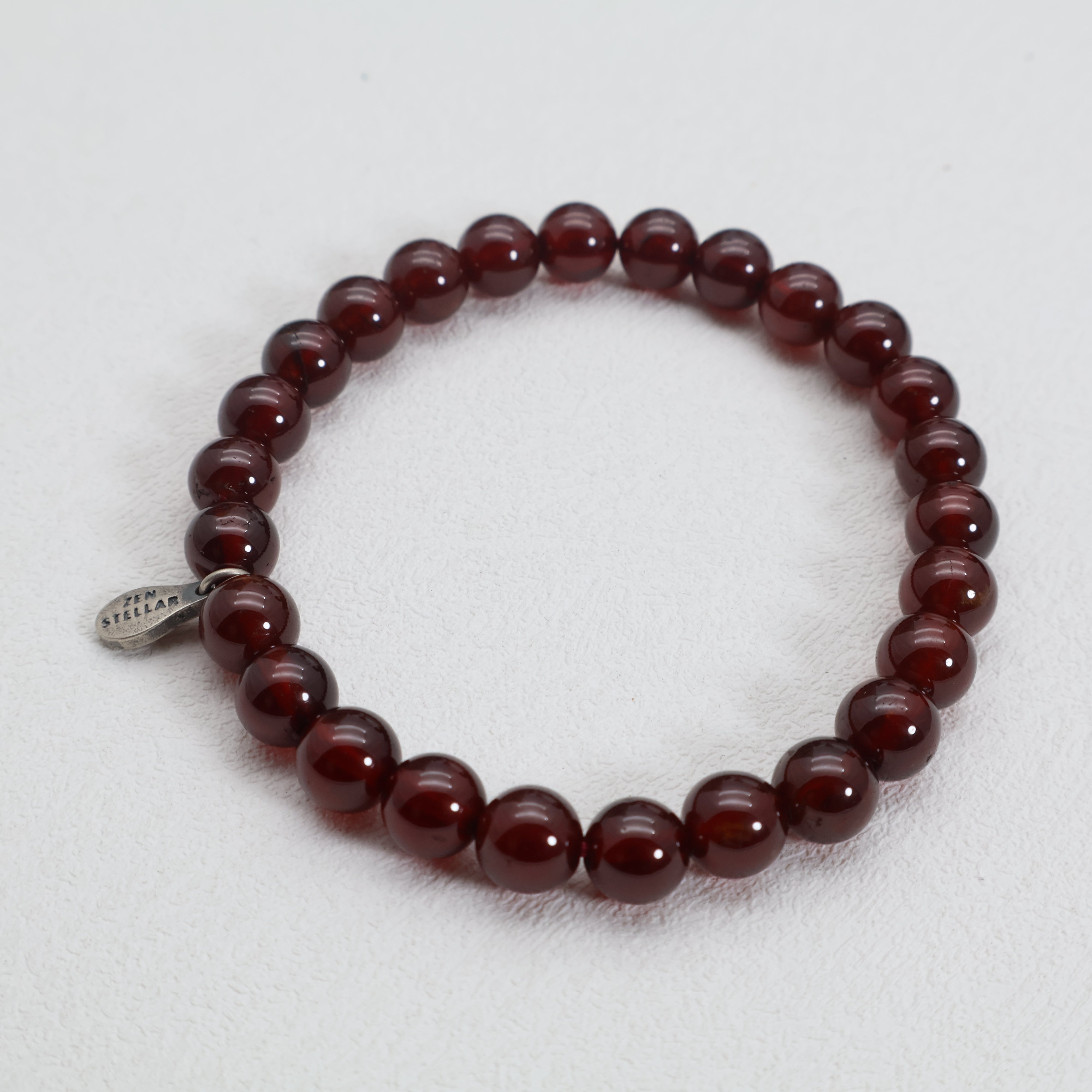
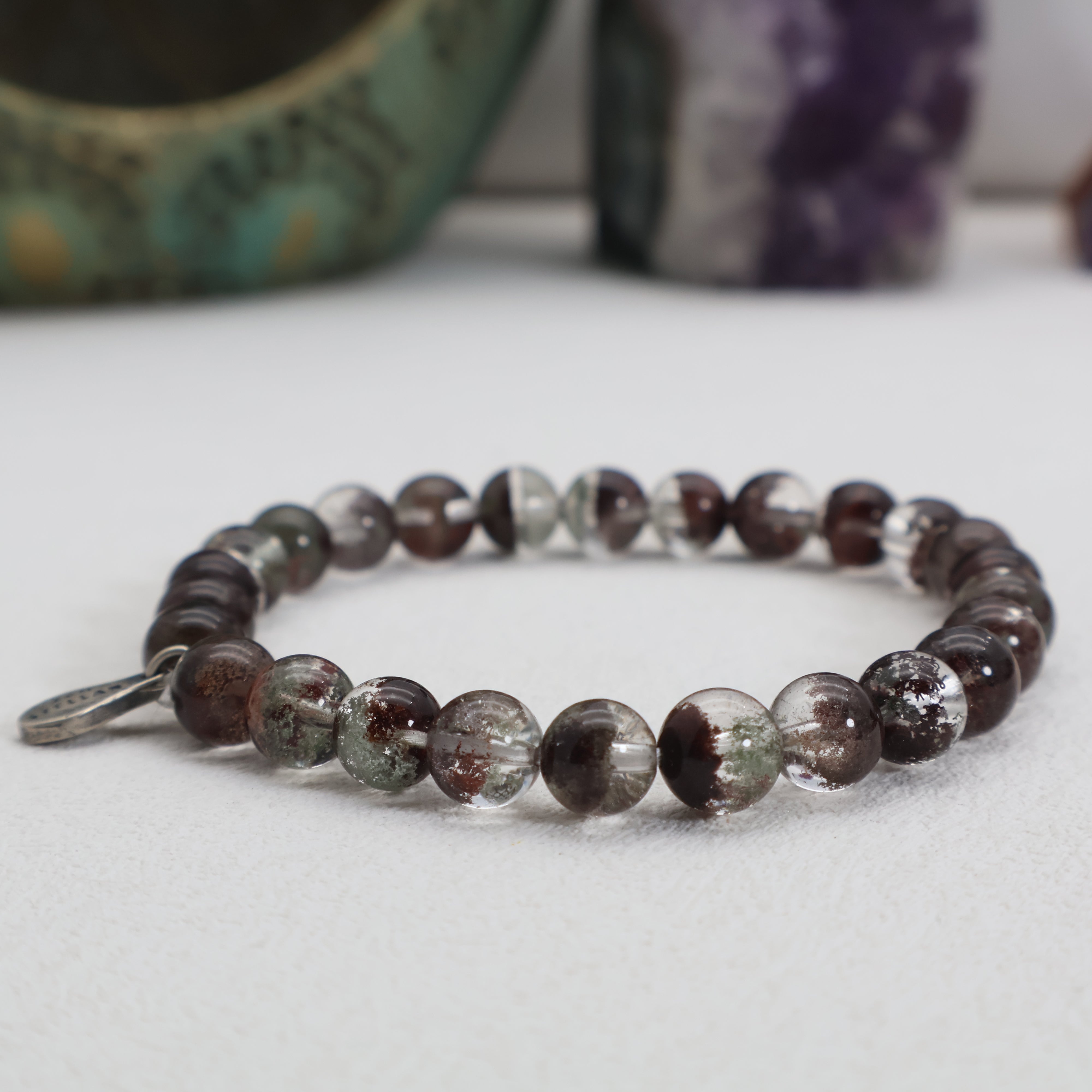
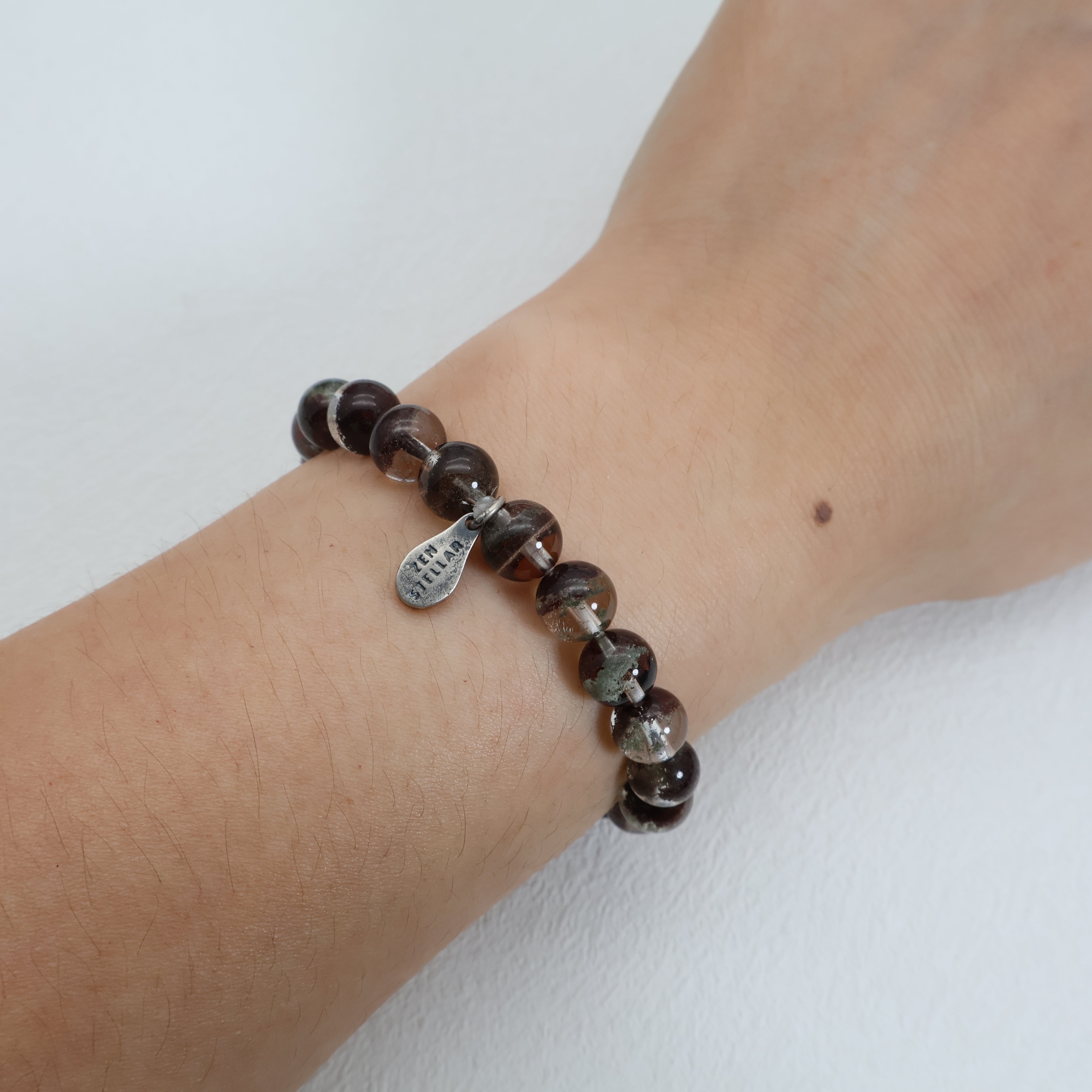
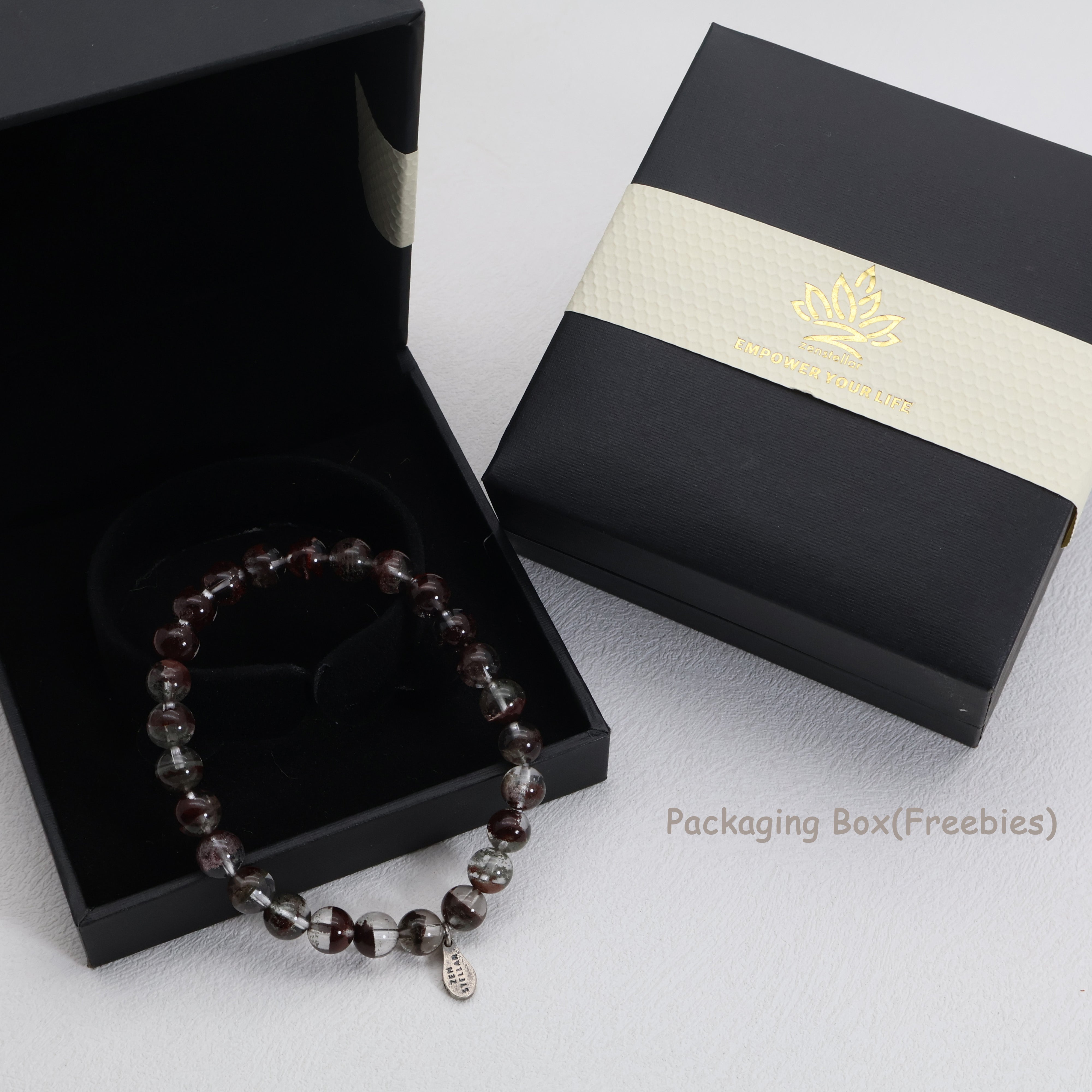
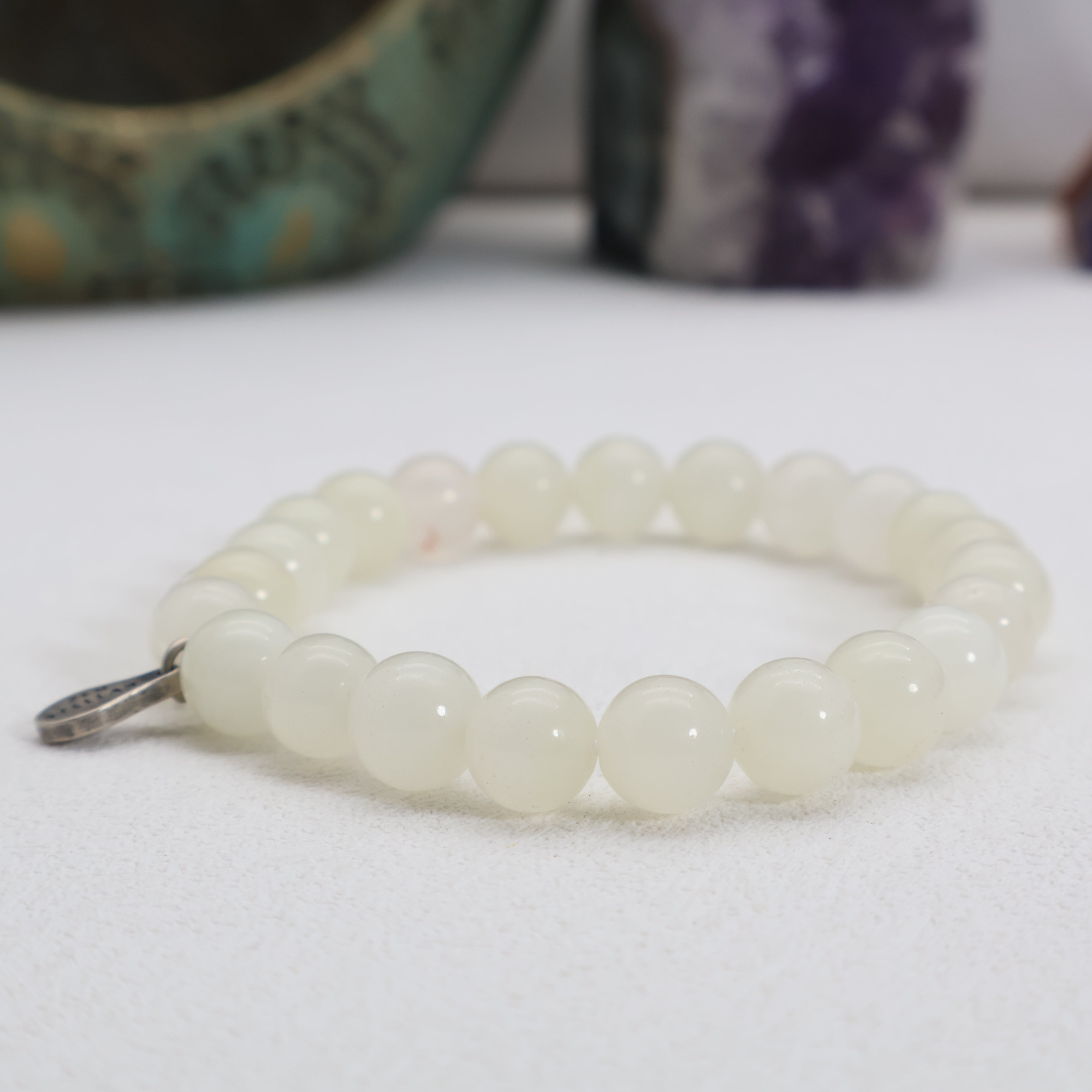
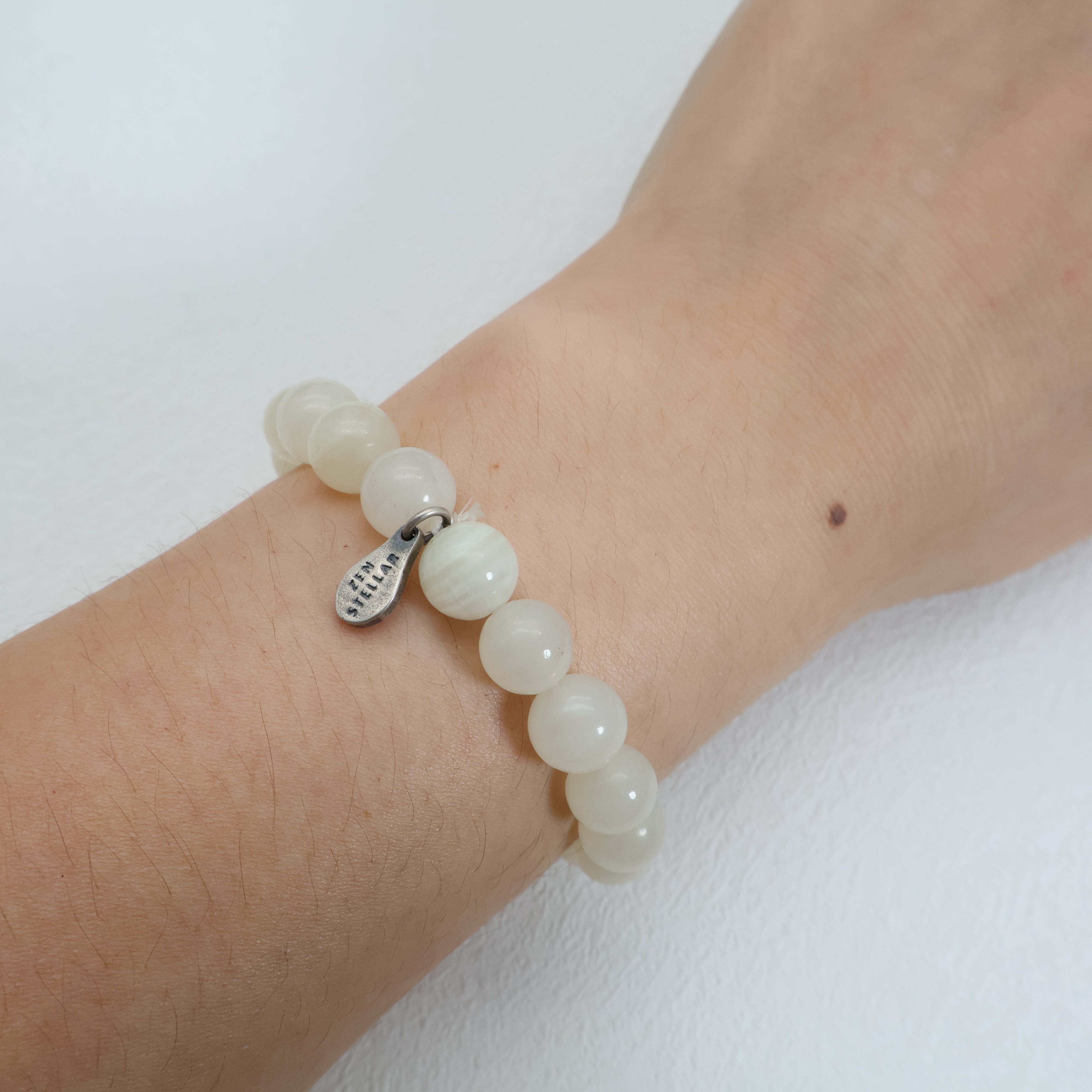
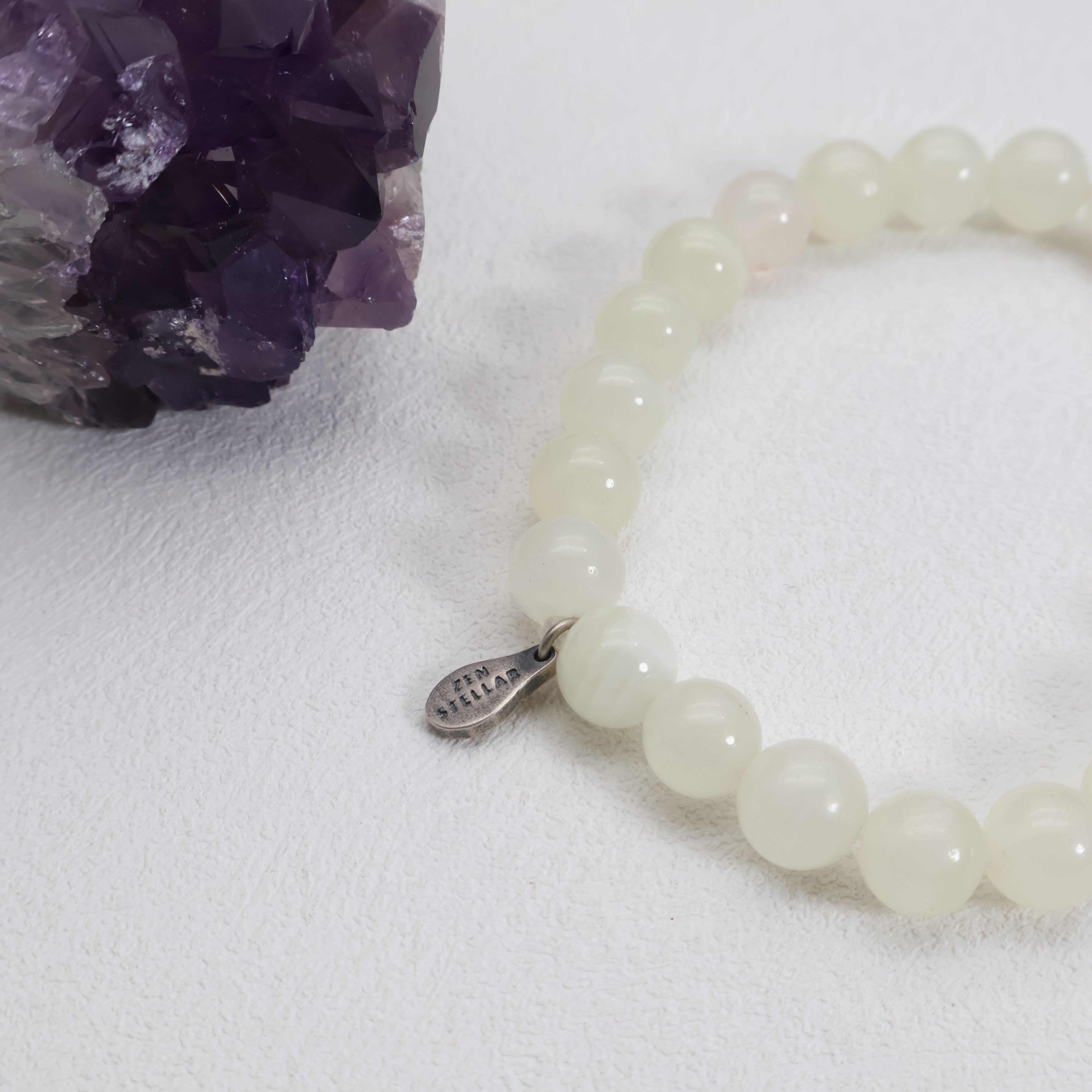
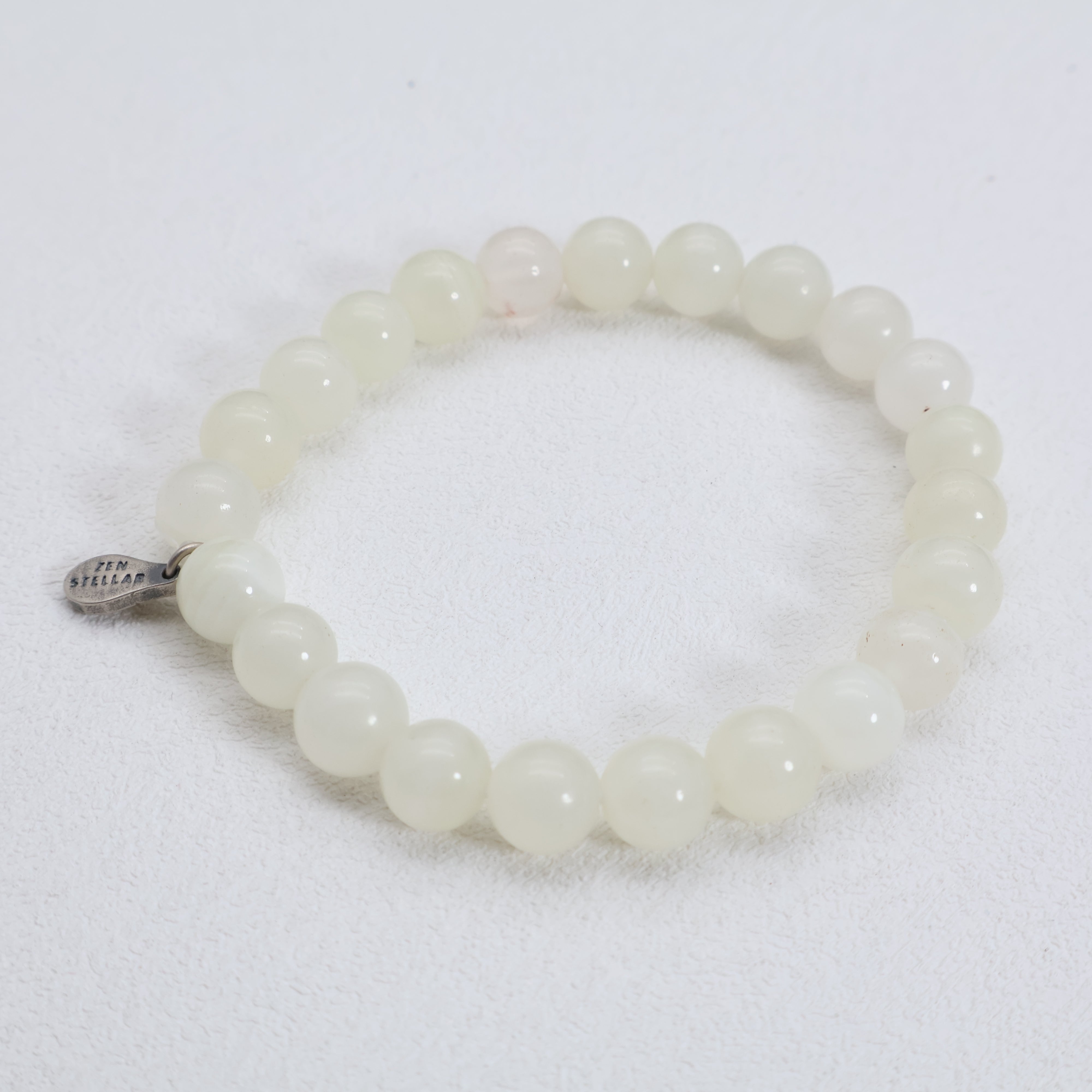
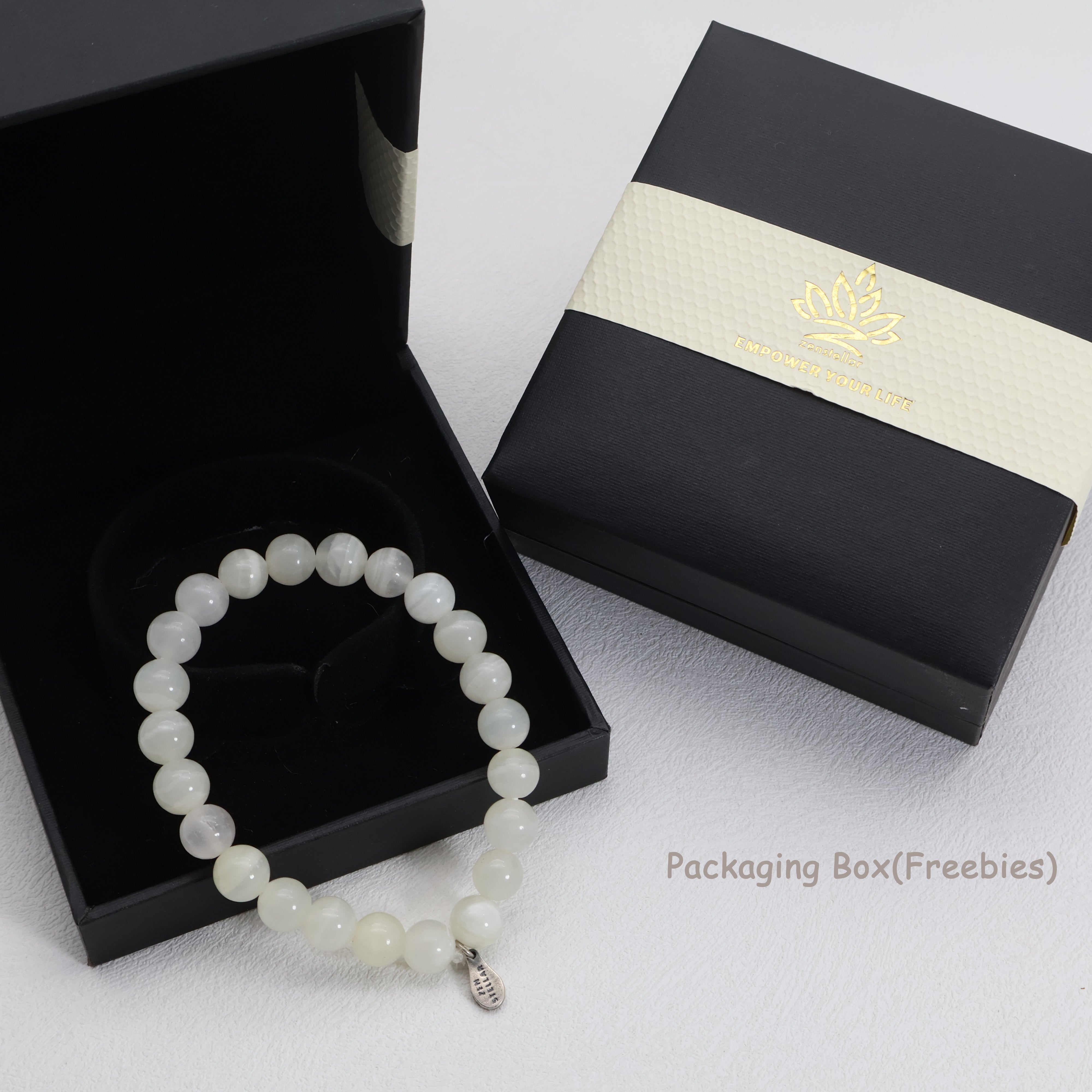
Crystal bracelets offer a quiet example of this principle in everyday life. They are simple, physical, and constantly present. Over time, they often become more than accessories. They become familiar companions.
This article explores how emotional design shapes modern accessories, why touch, weight, and form matter, and how crystal bracelets naturally fit into the way people build emotional connections with the things they wear.
The First Layer: Visual Attraction
Every relationship with an object begins with sight.
Color, shape, and proportion create an immediate response. This response is fast and intuitive.
Soft tones often feel calming. Bright surfaces feel energizing. Symmetry feels stable. Irregularity feels organic.
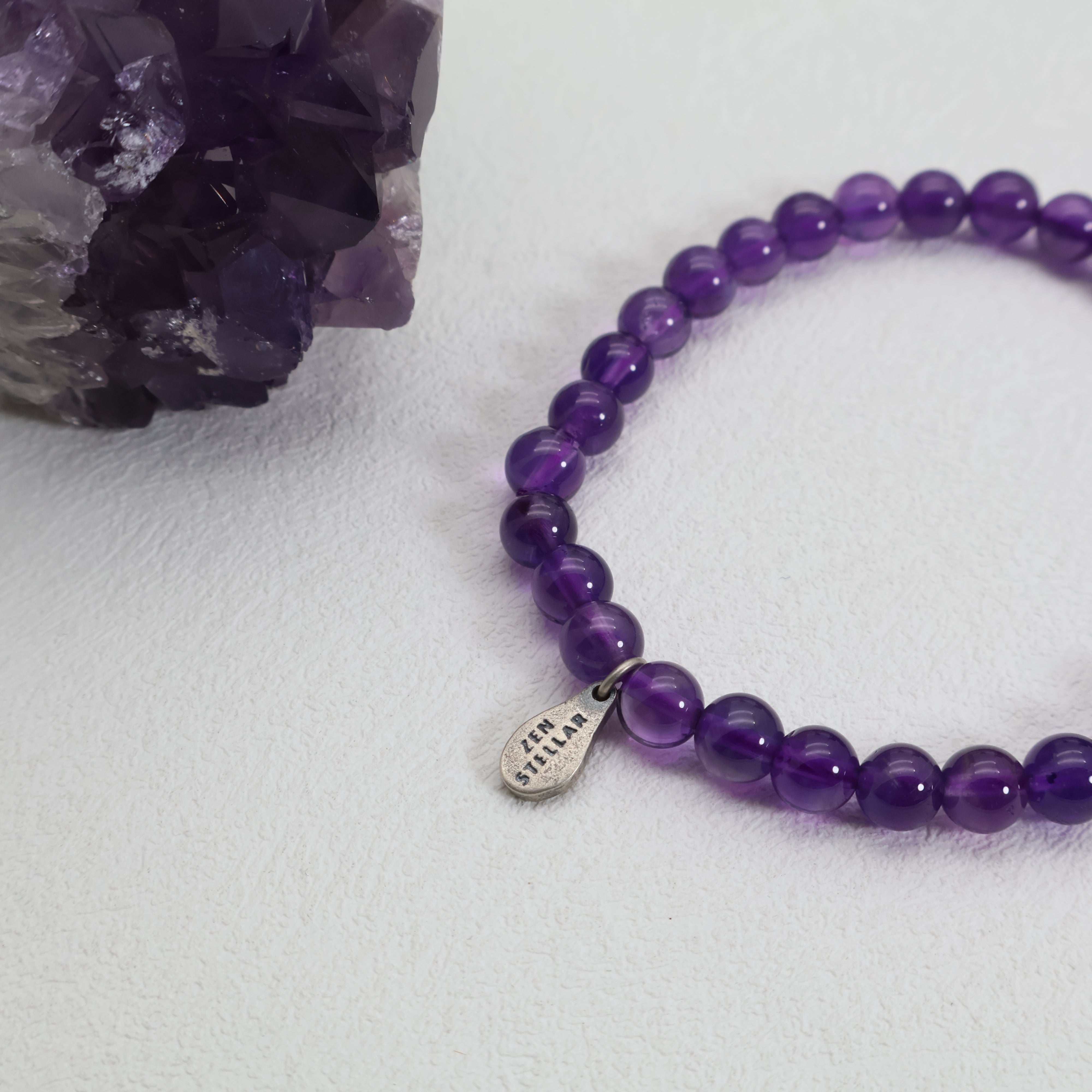
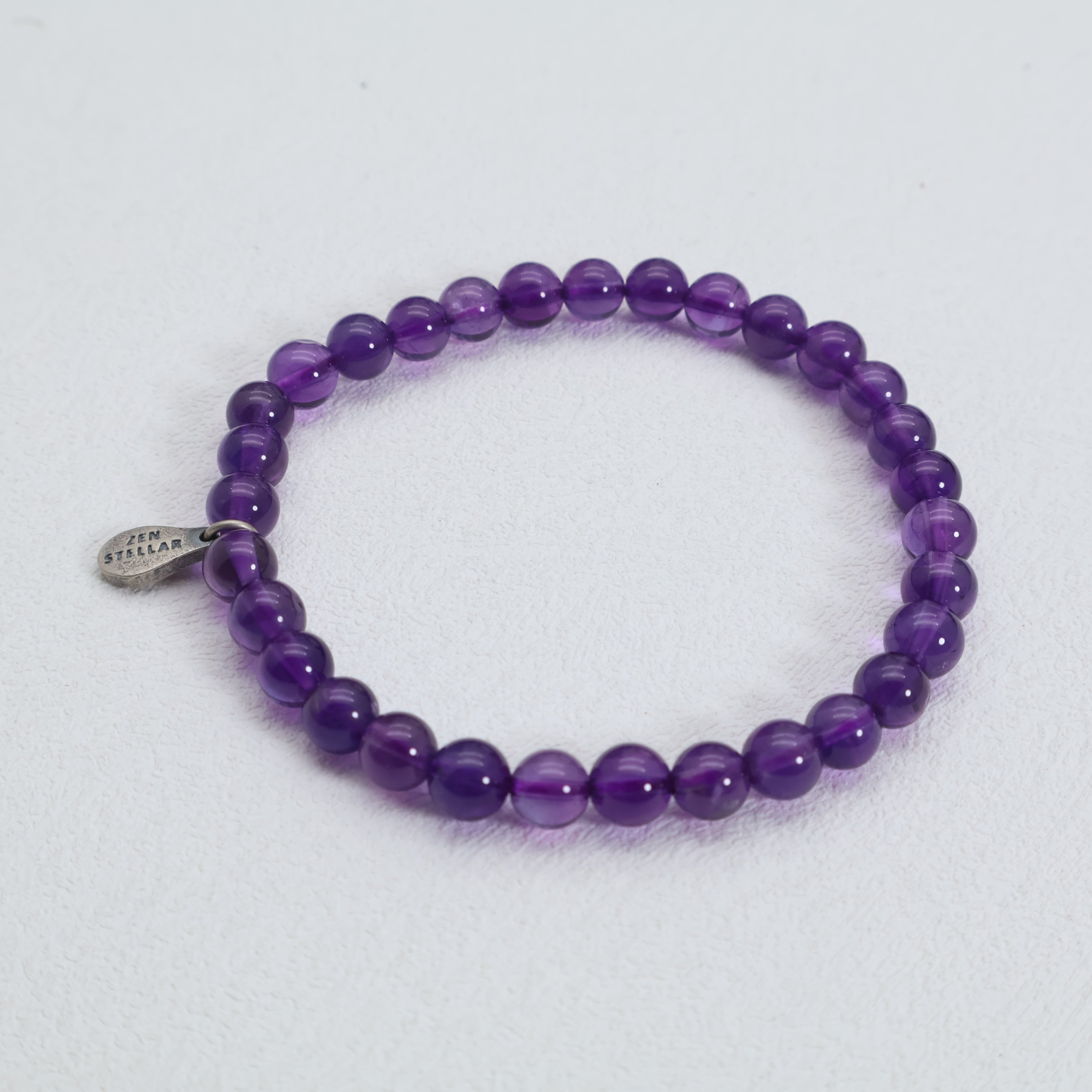
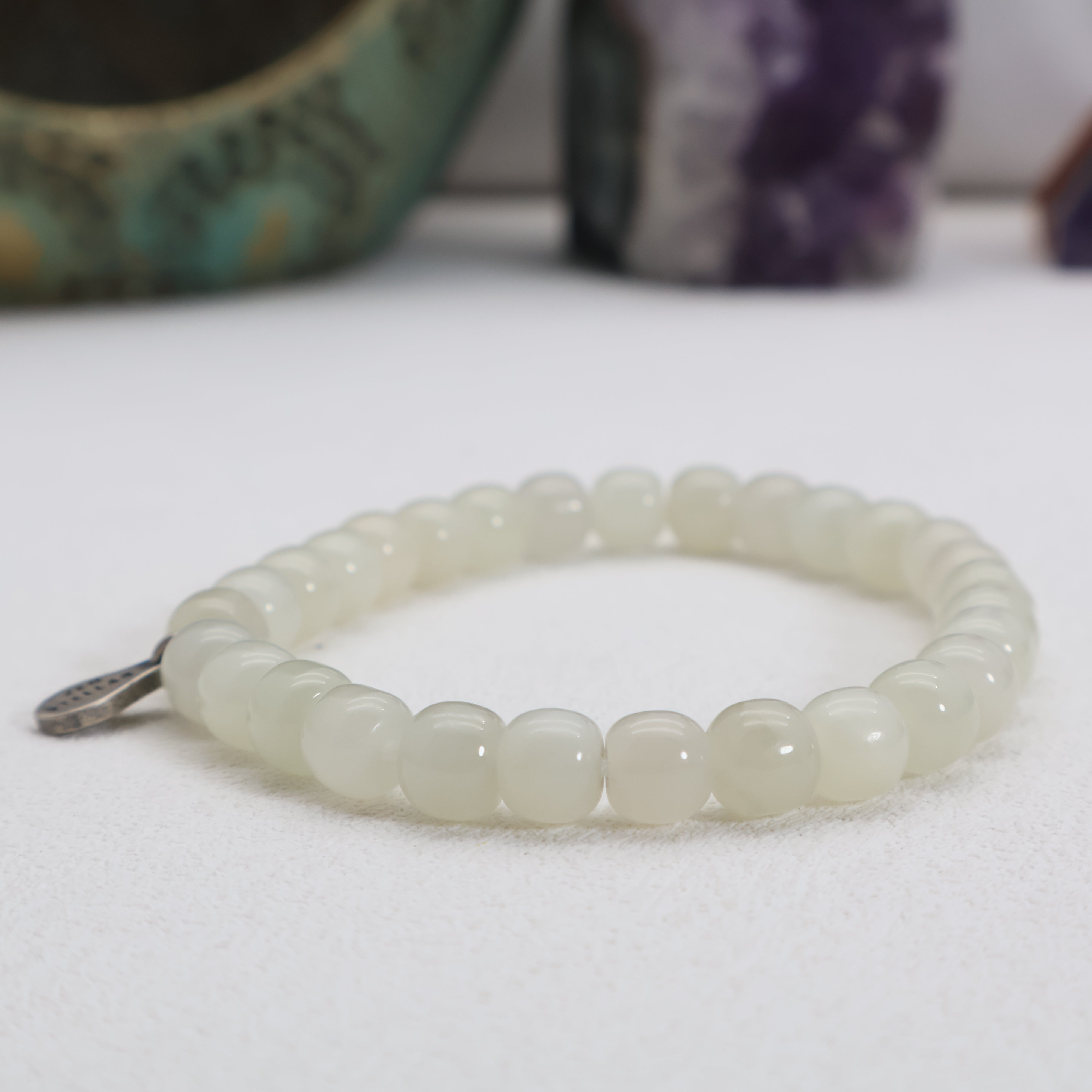
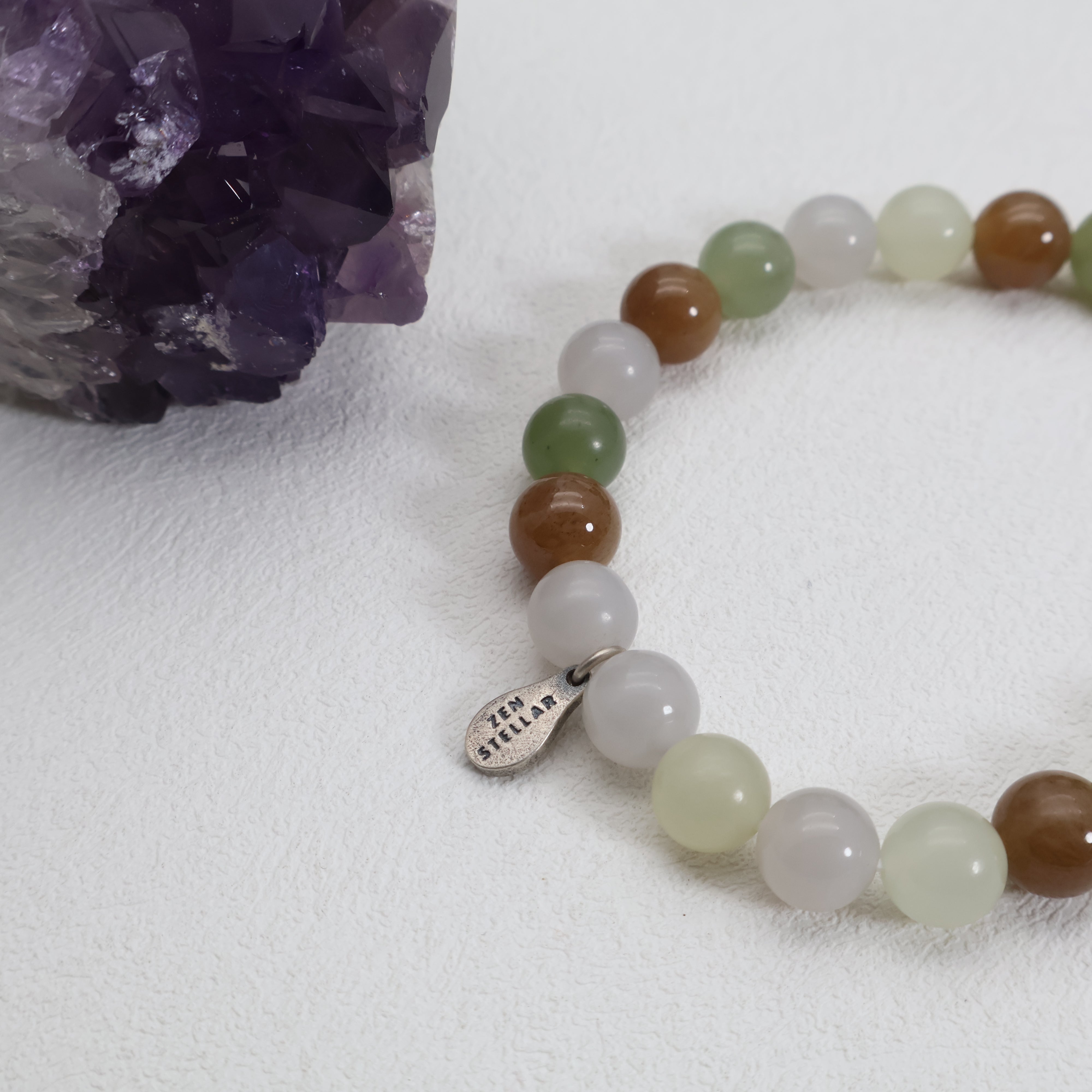
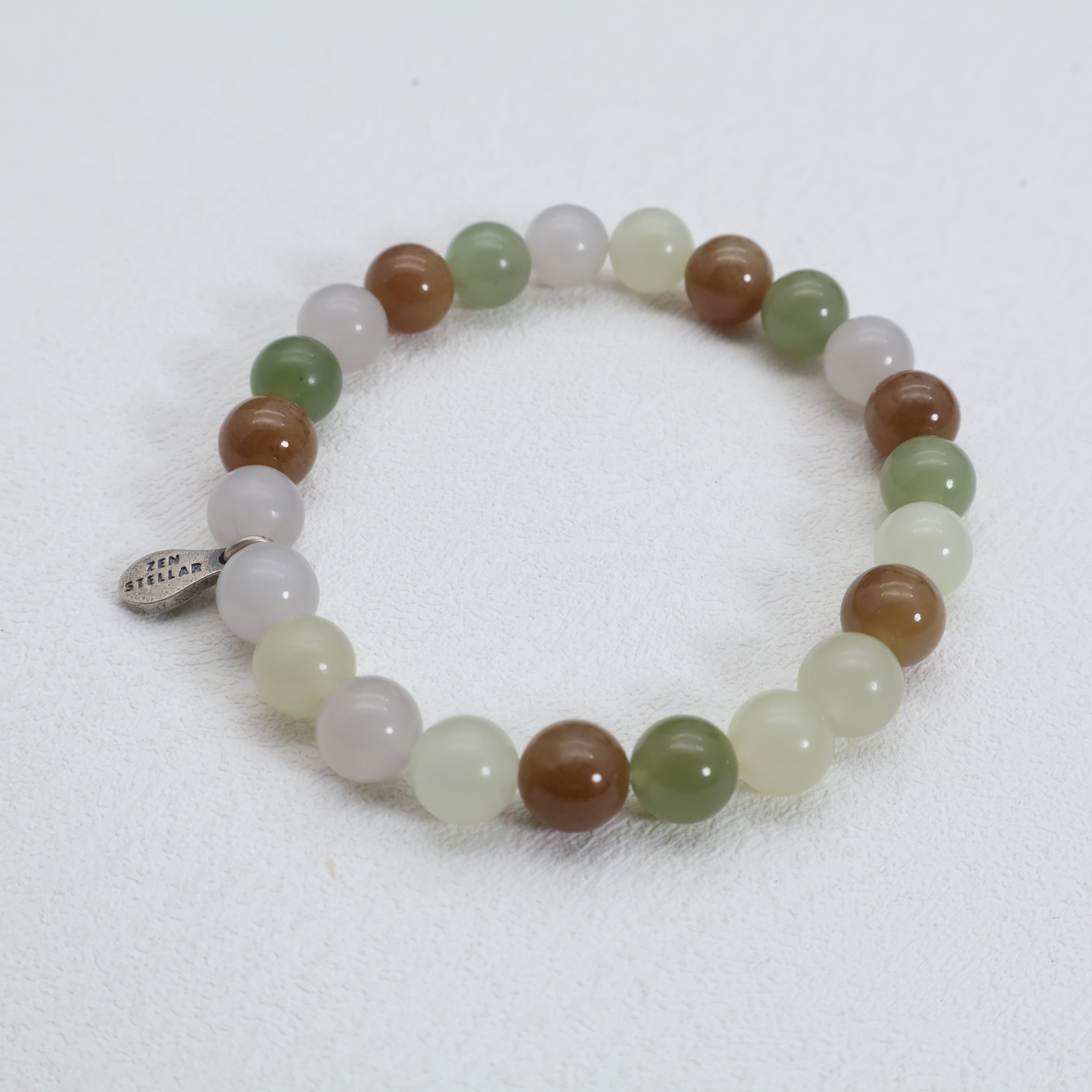
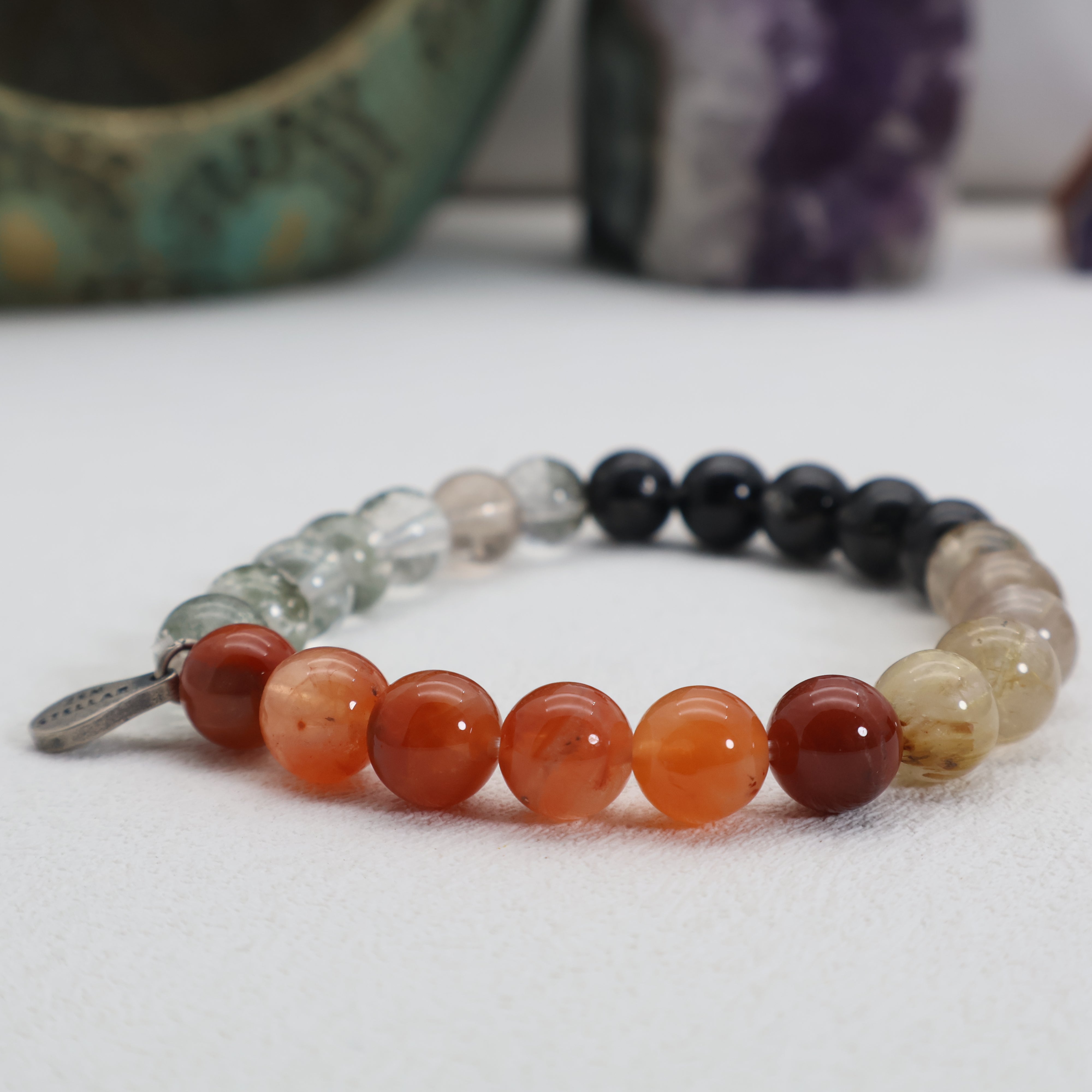
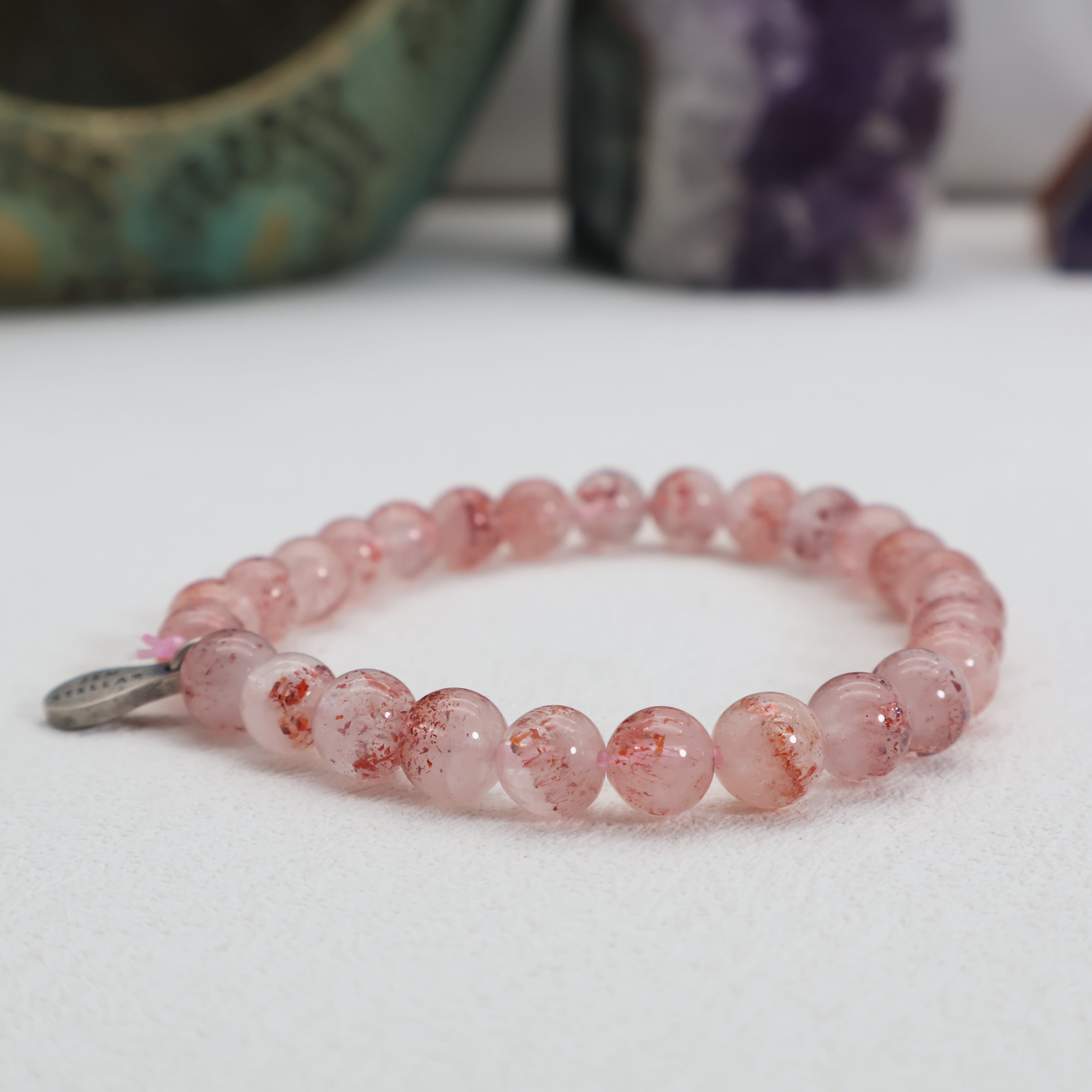
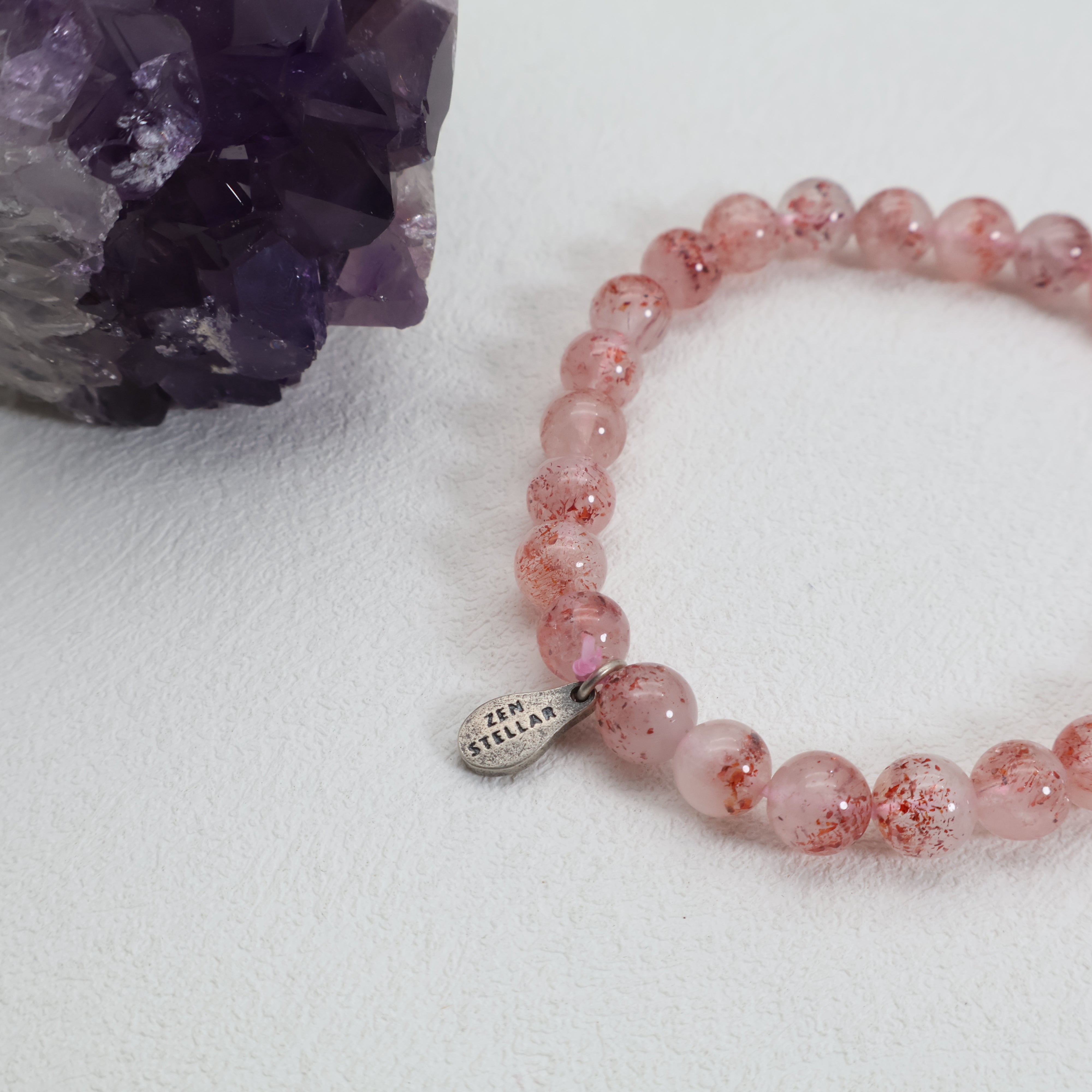
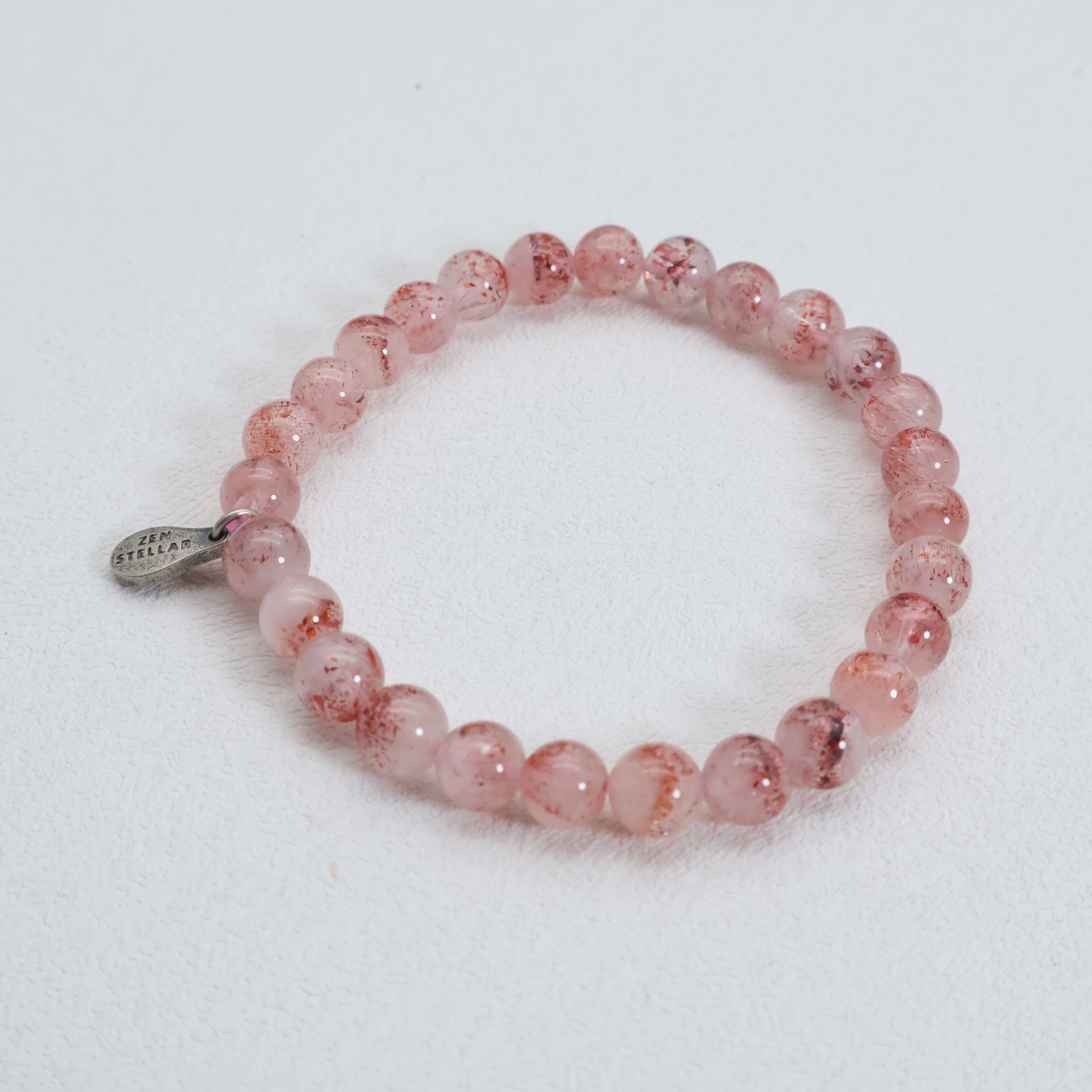
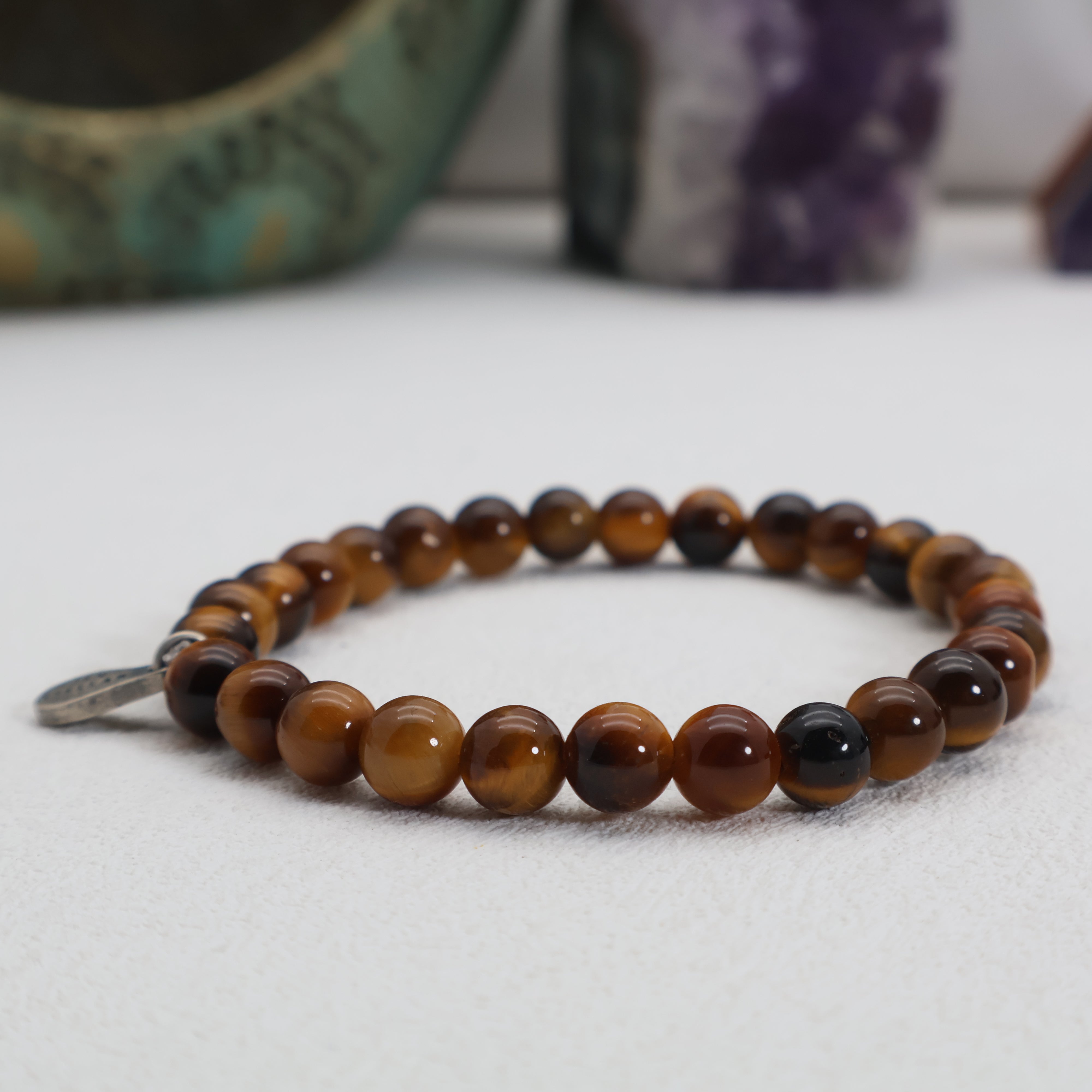
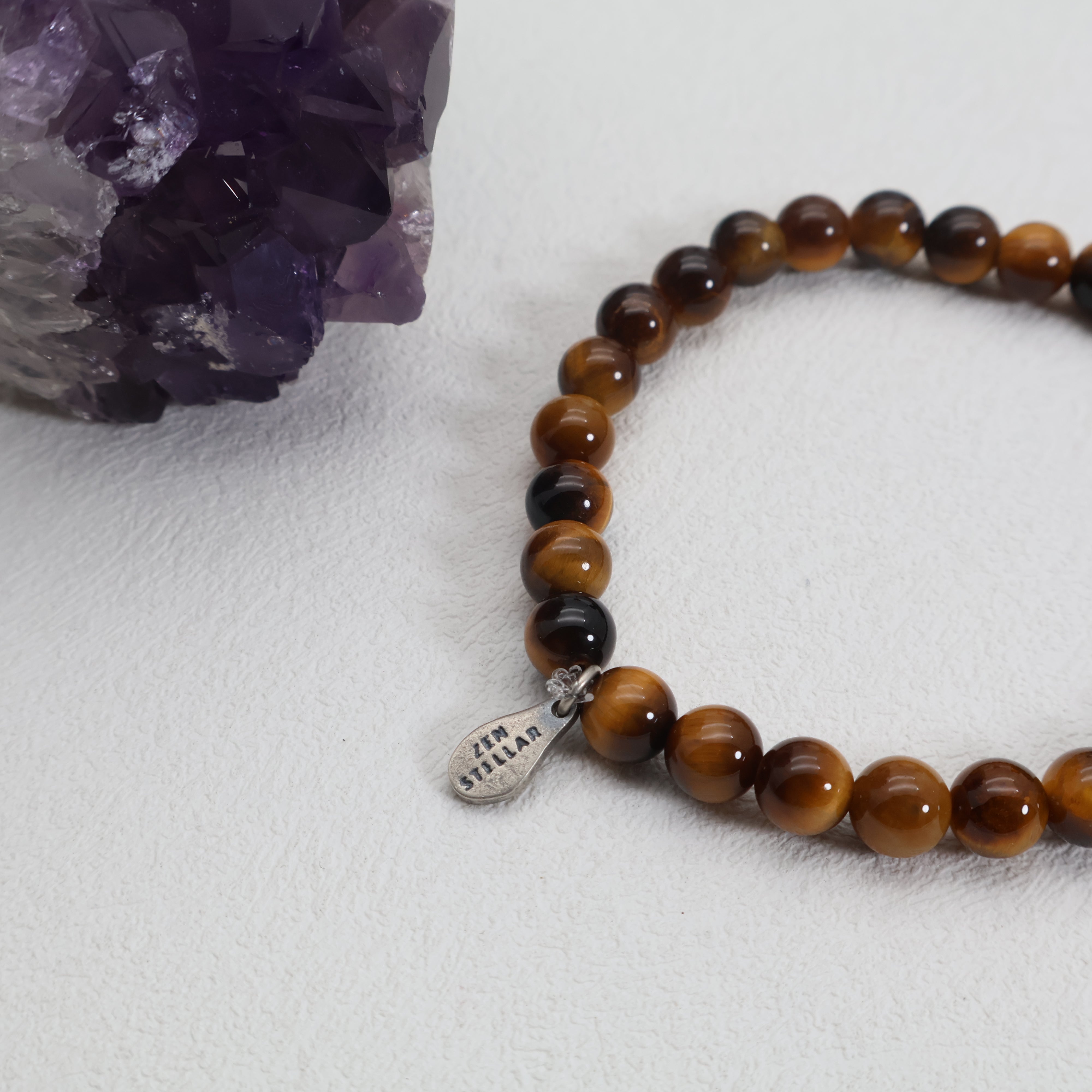
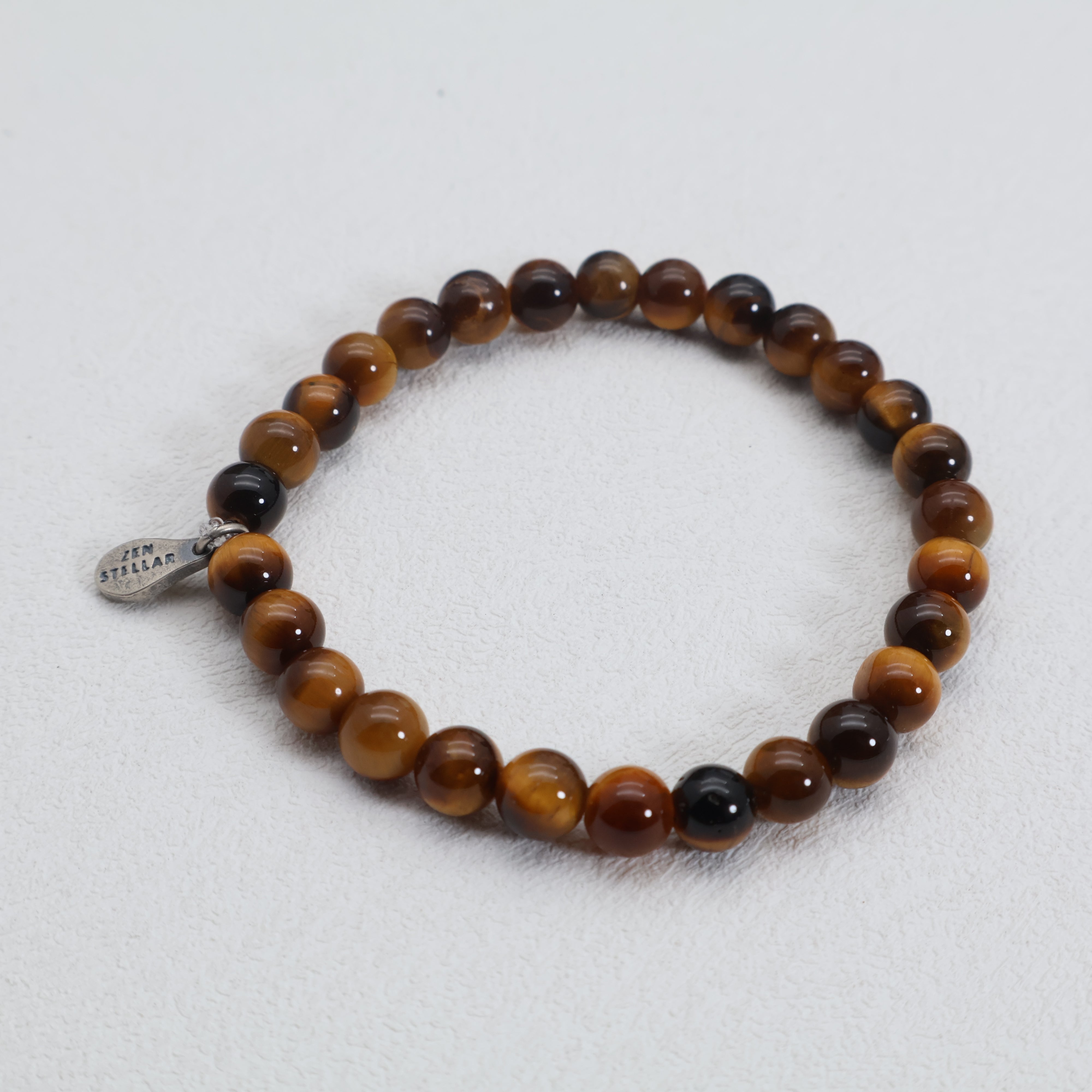
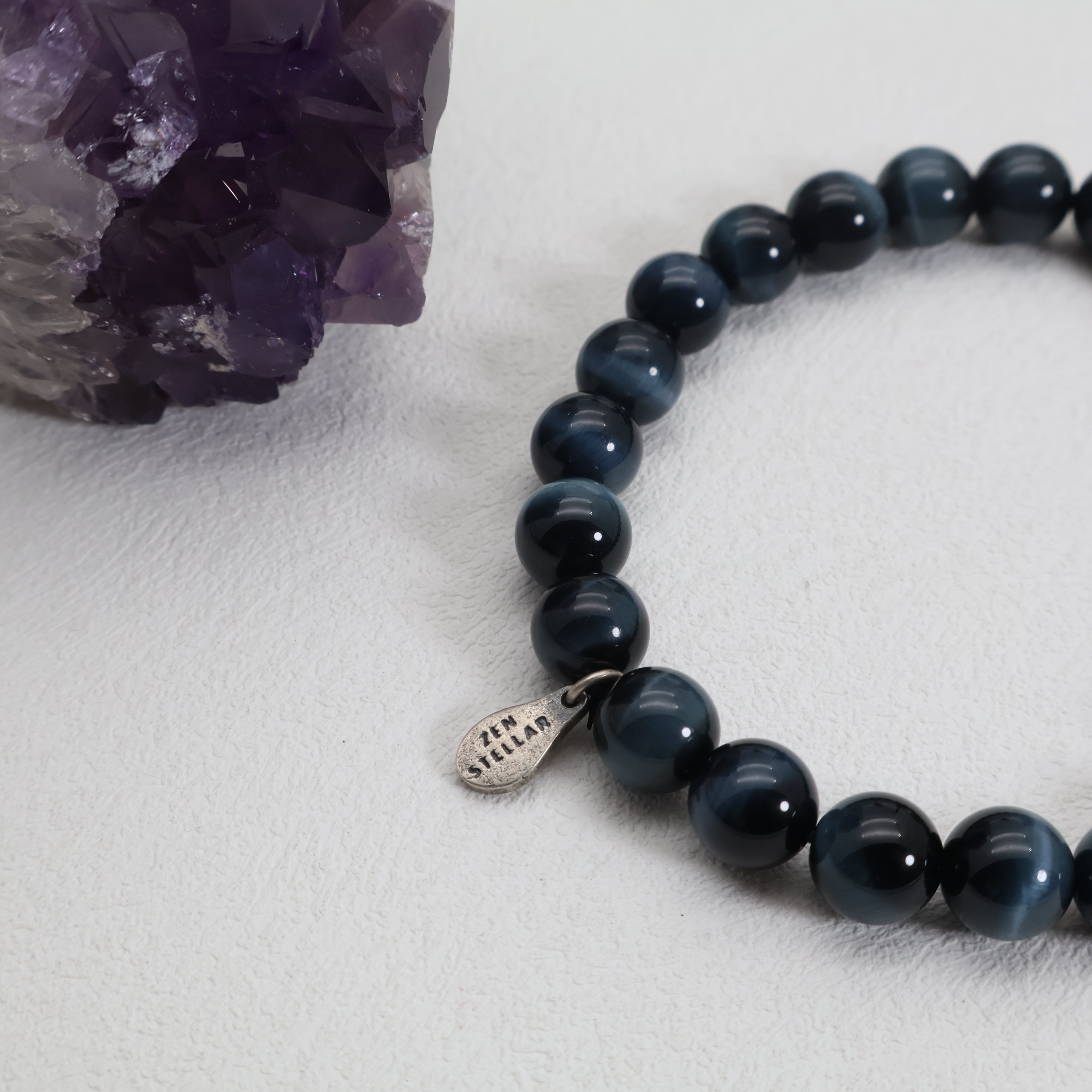
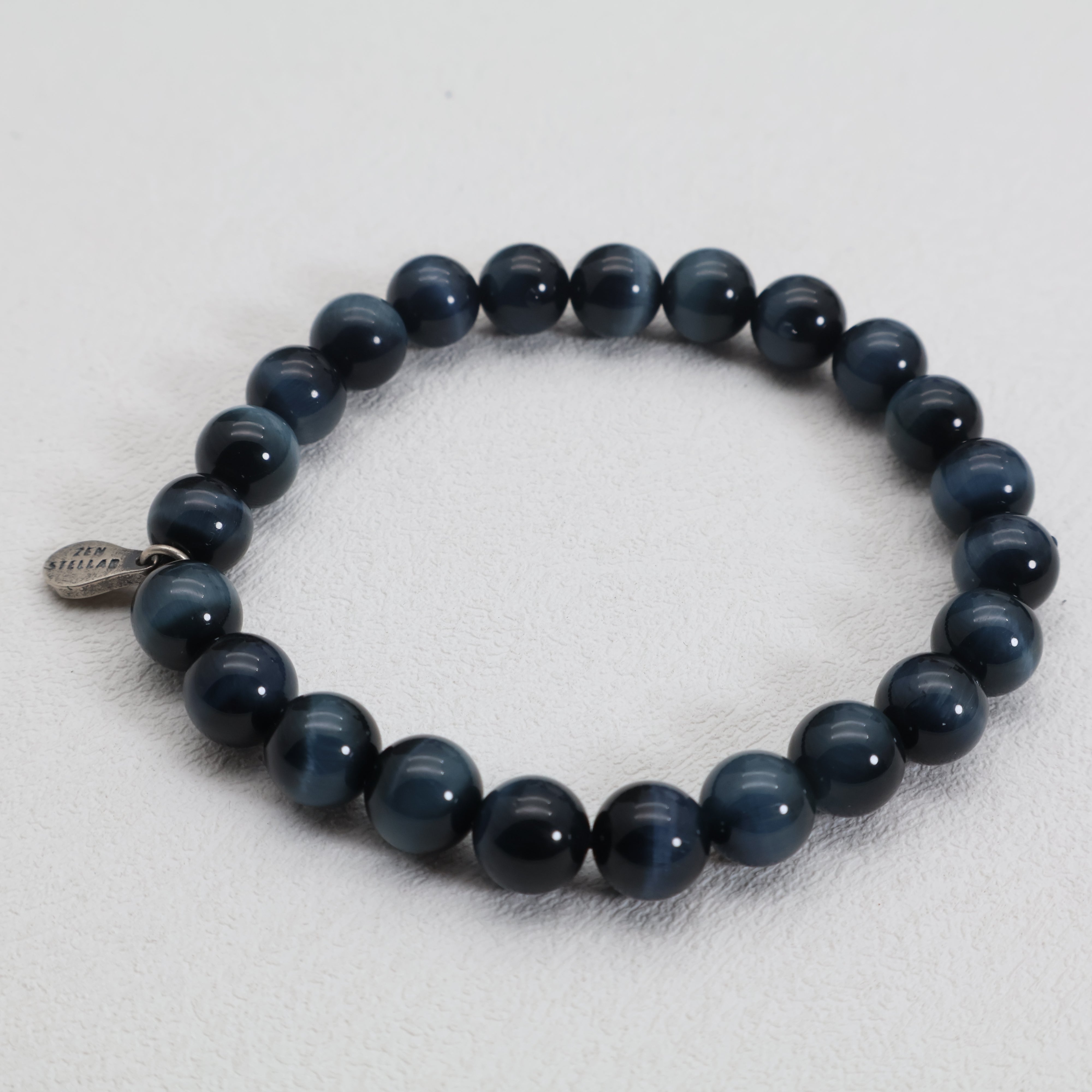
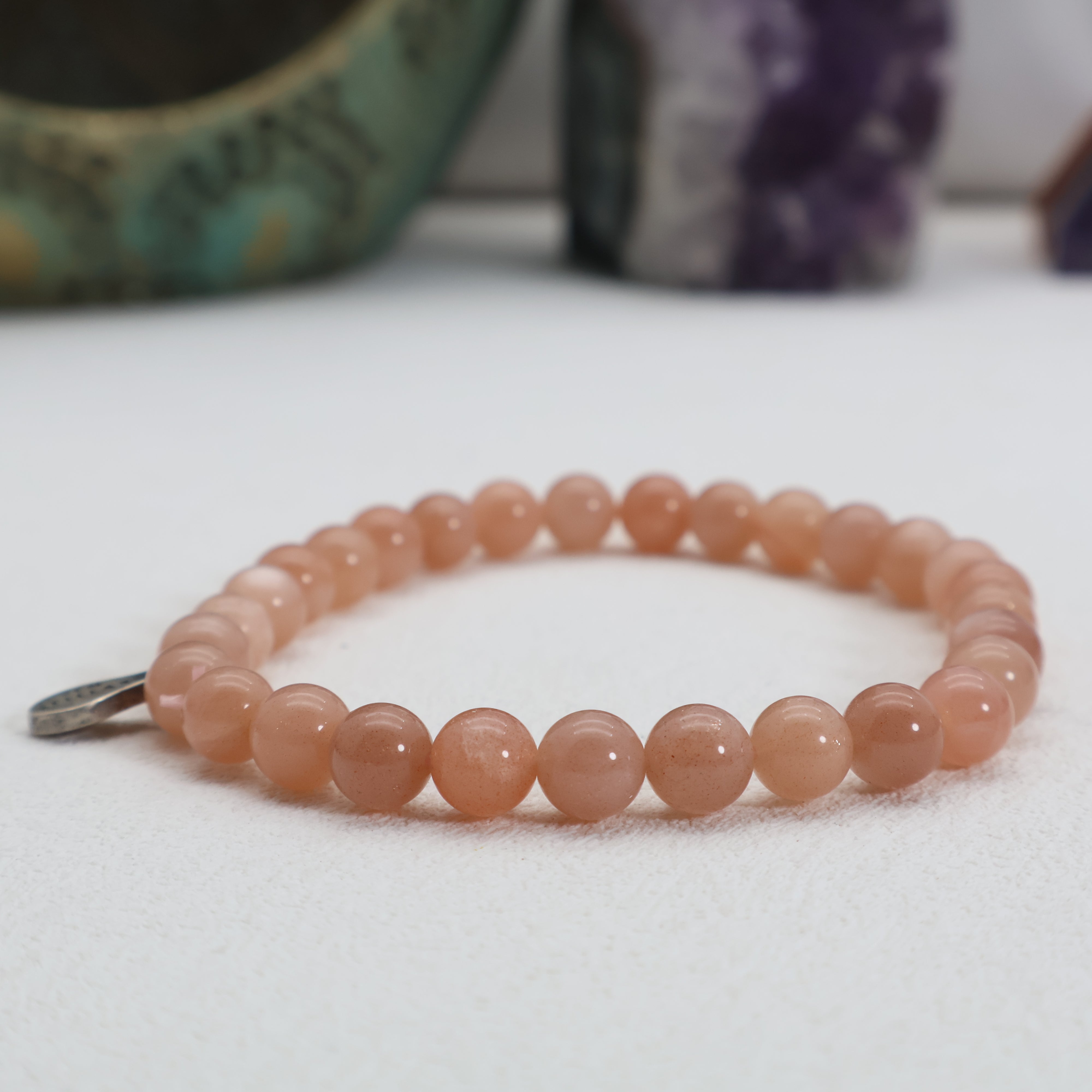
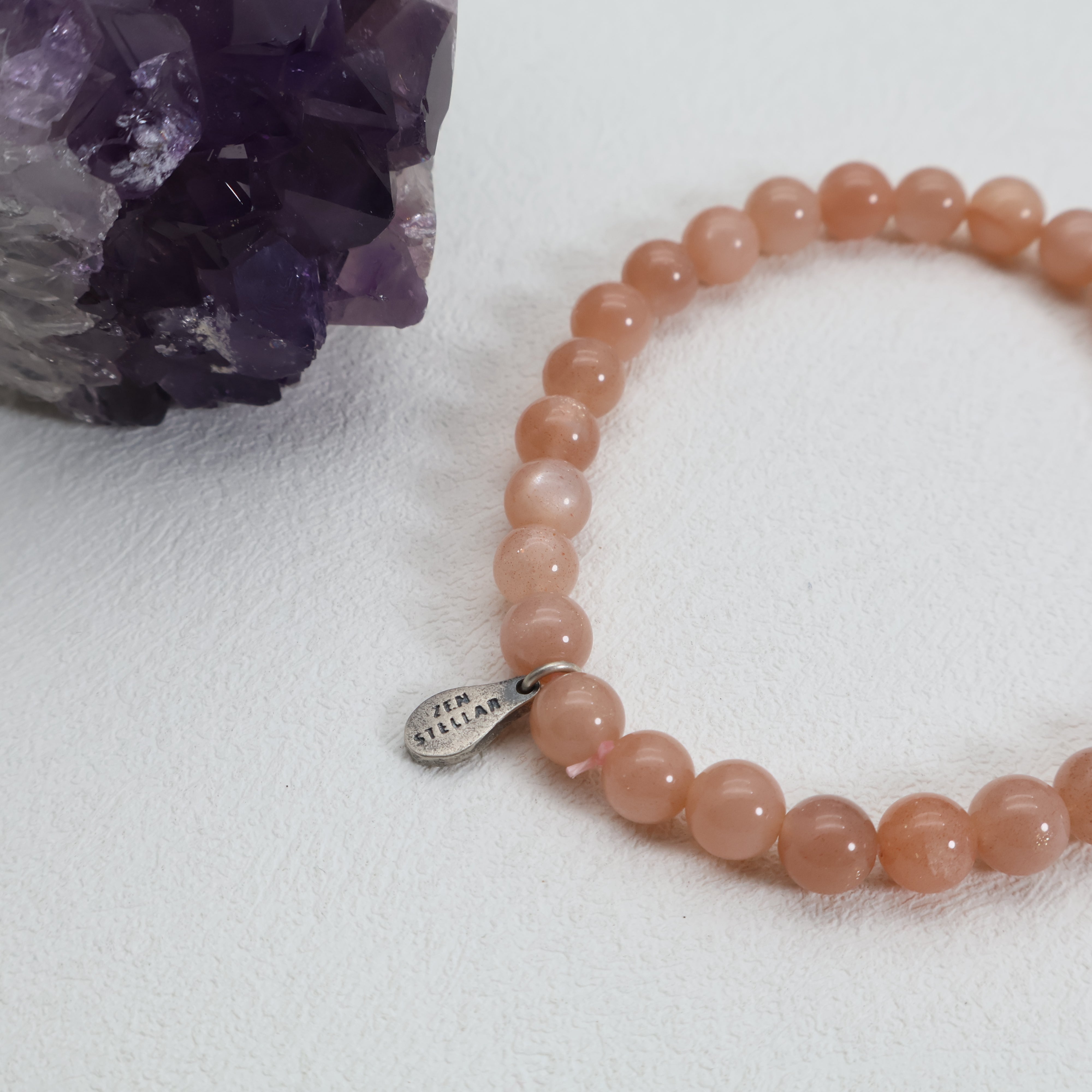
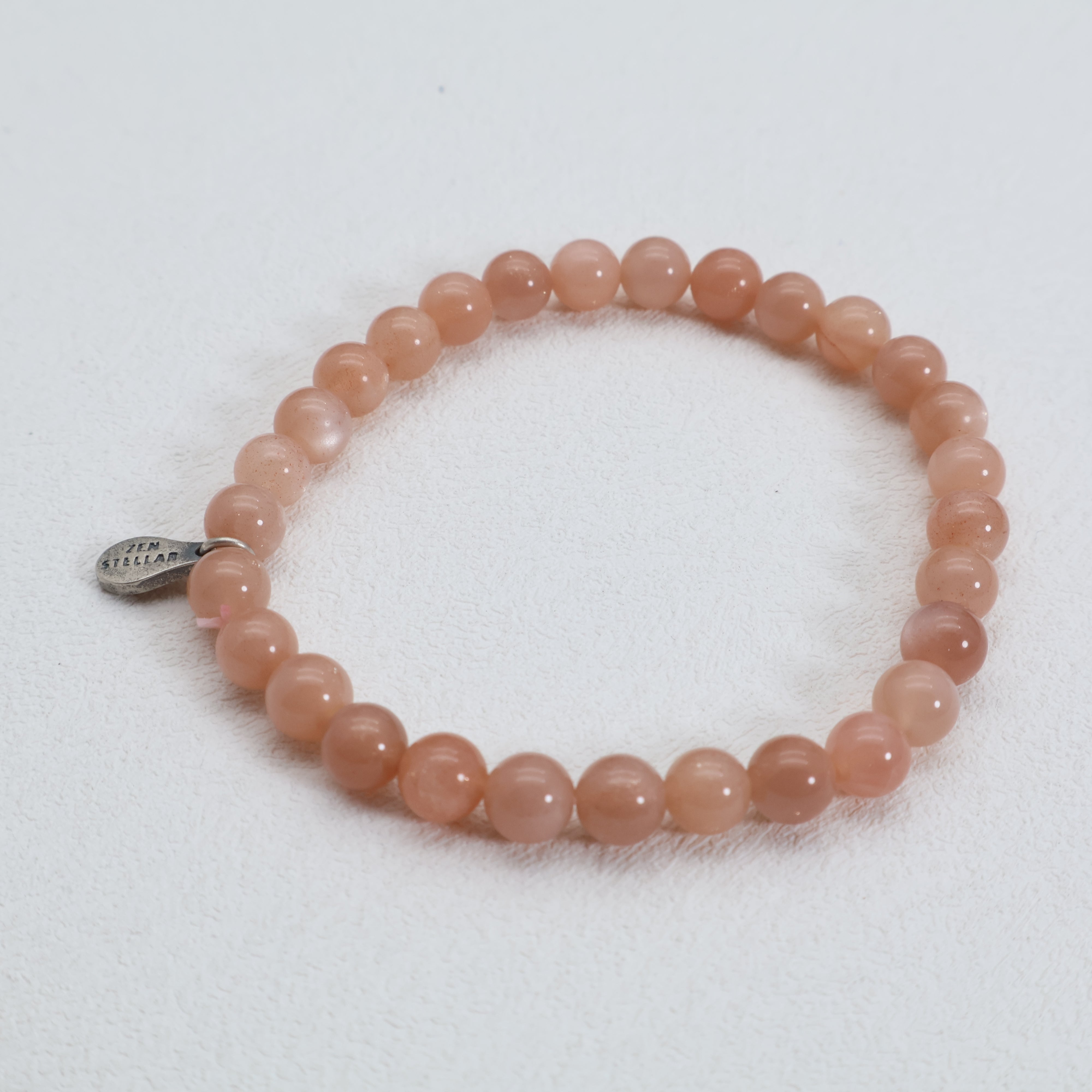
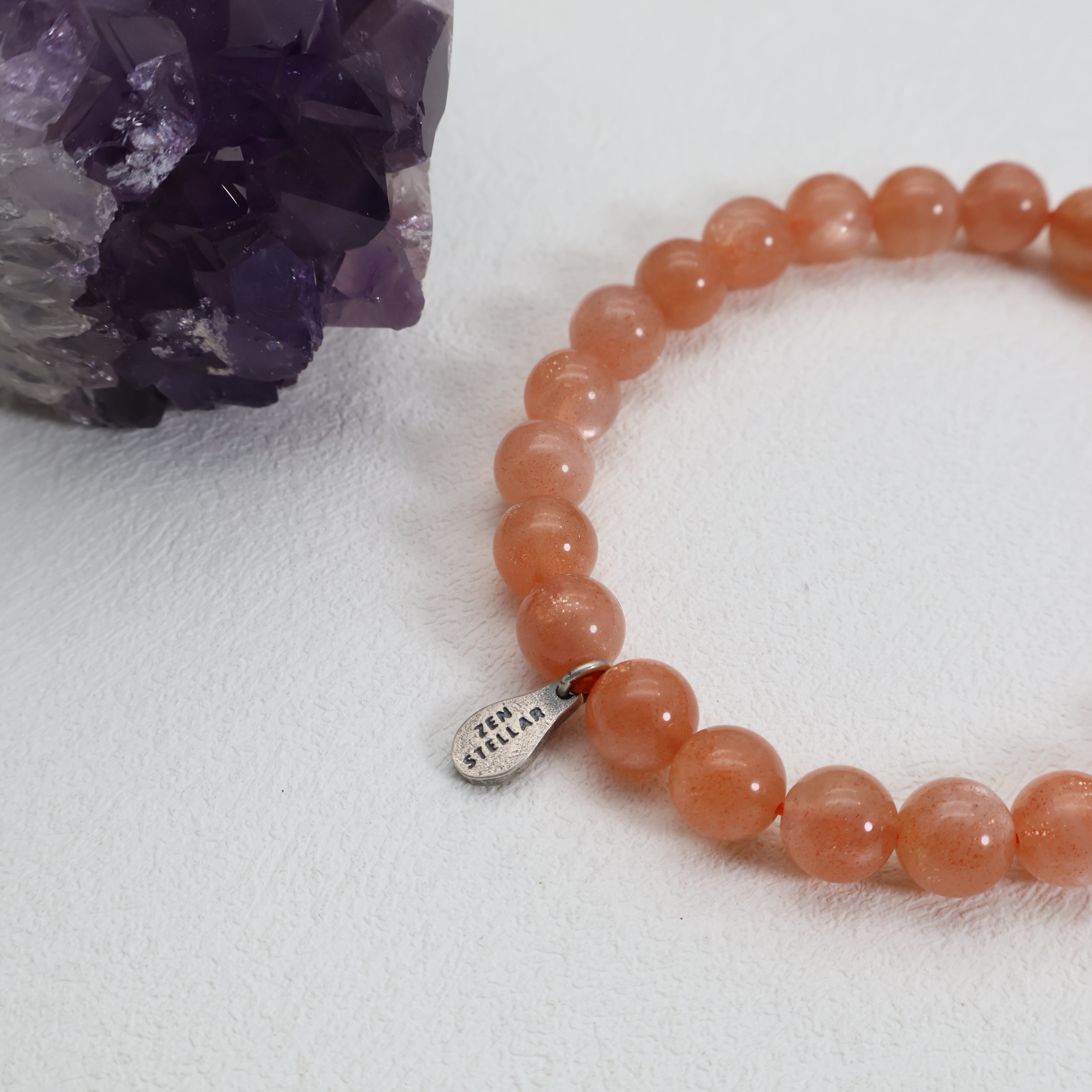
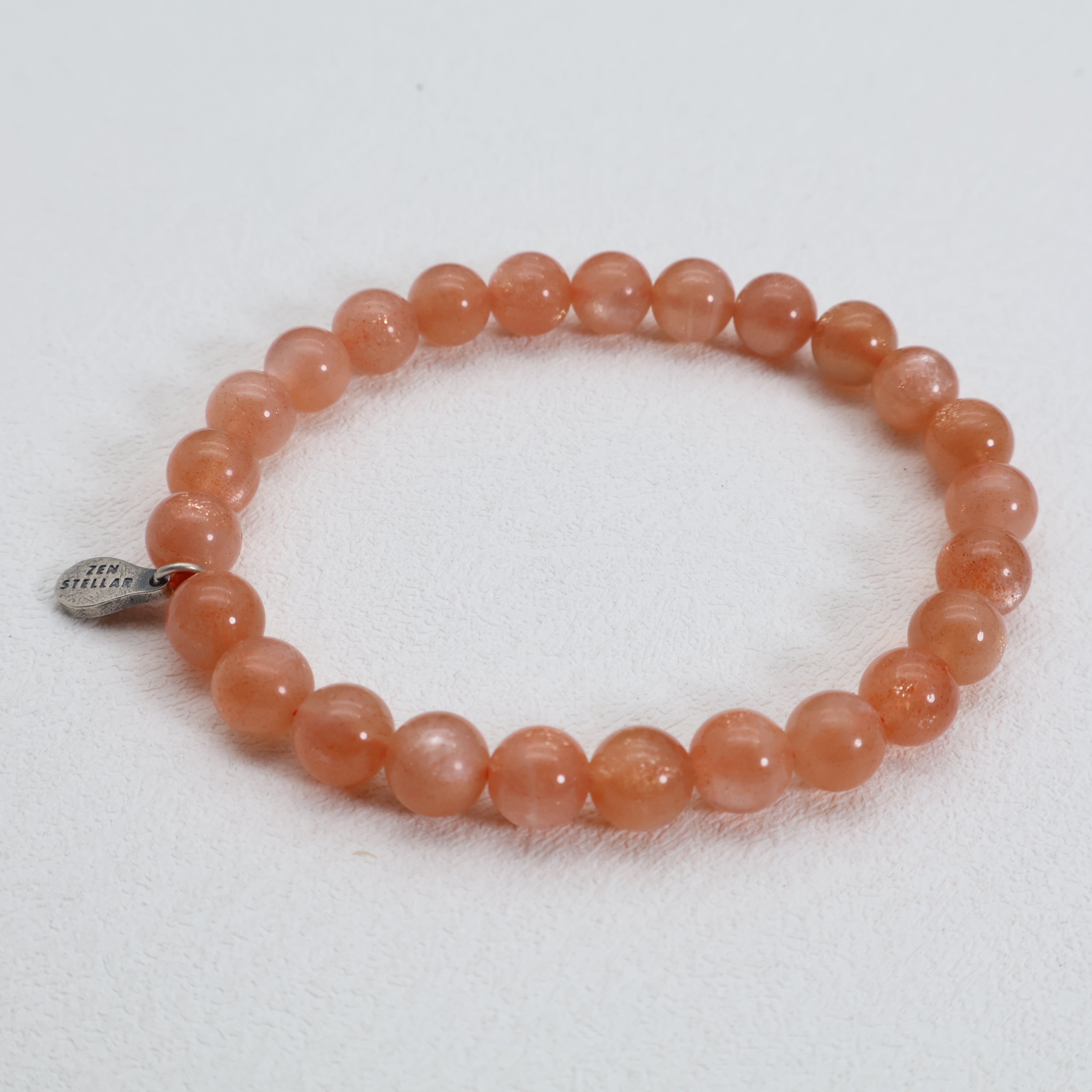
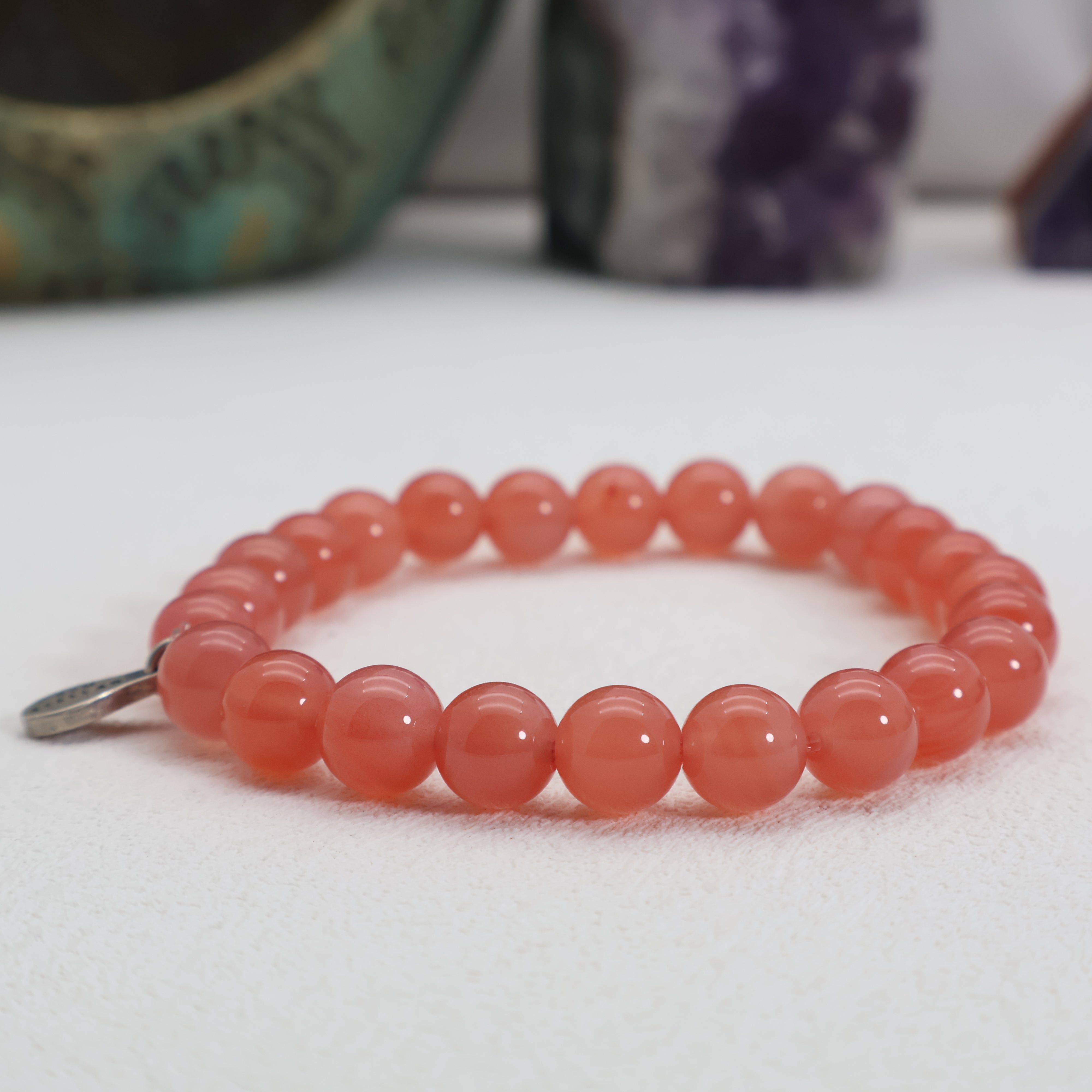
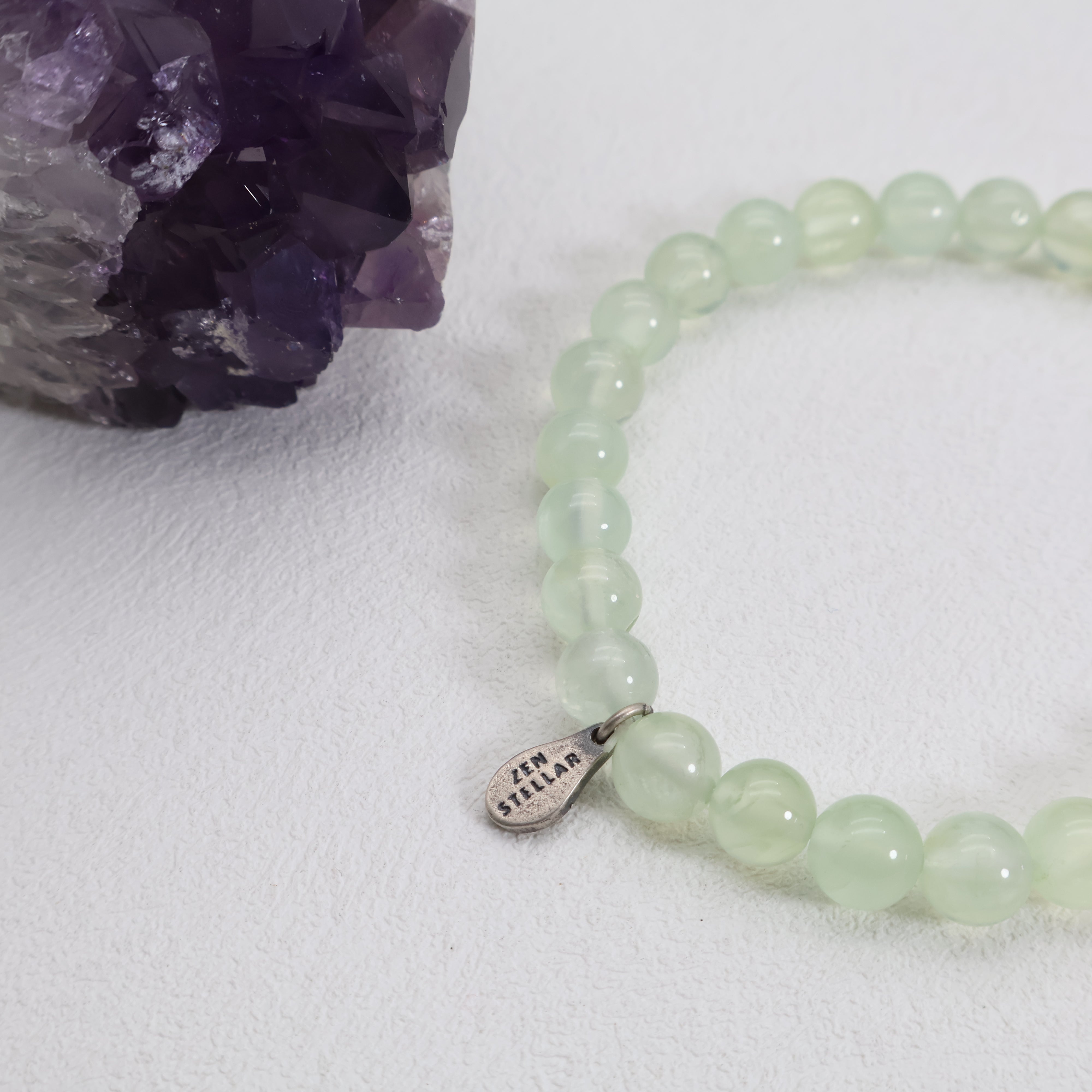
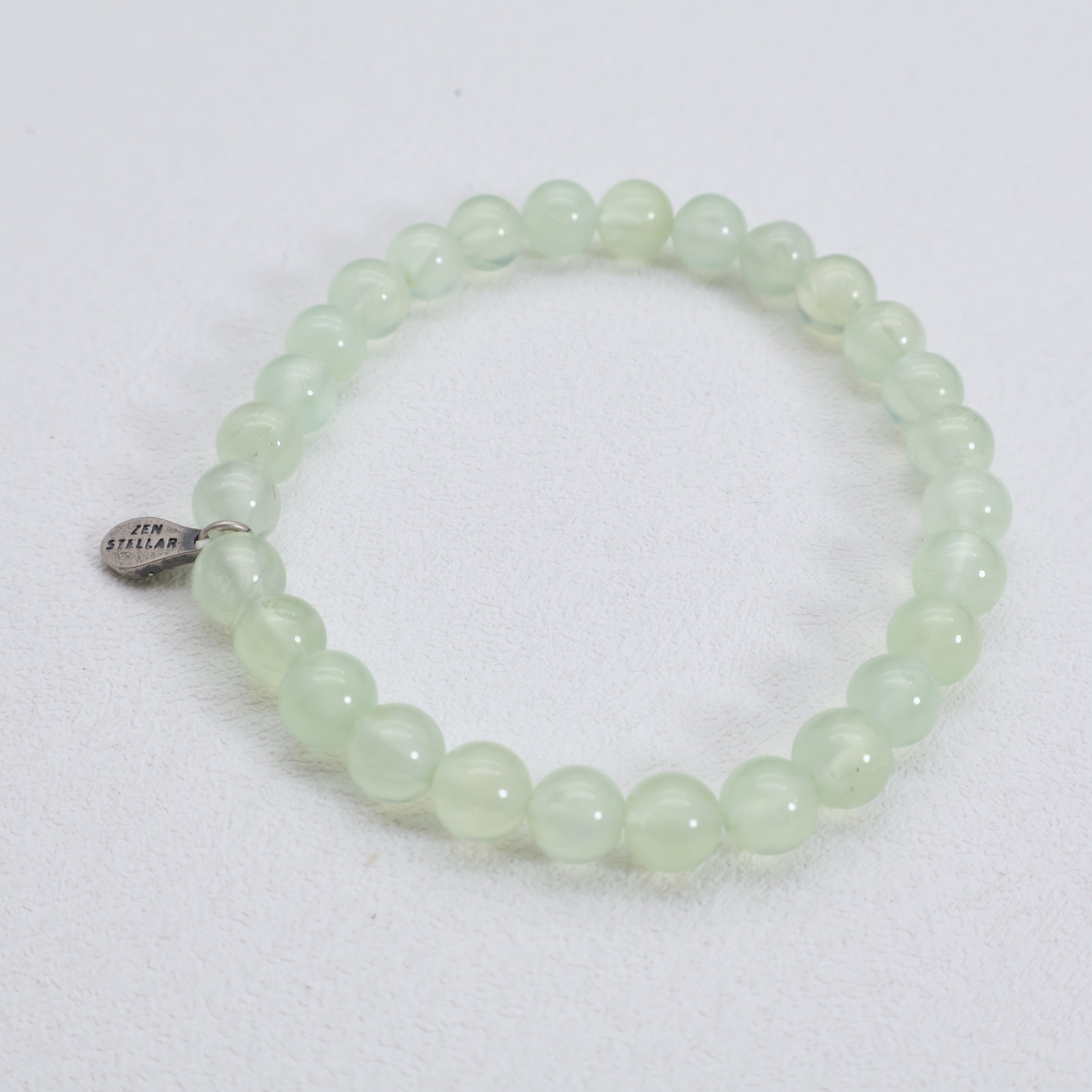
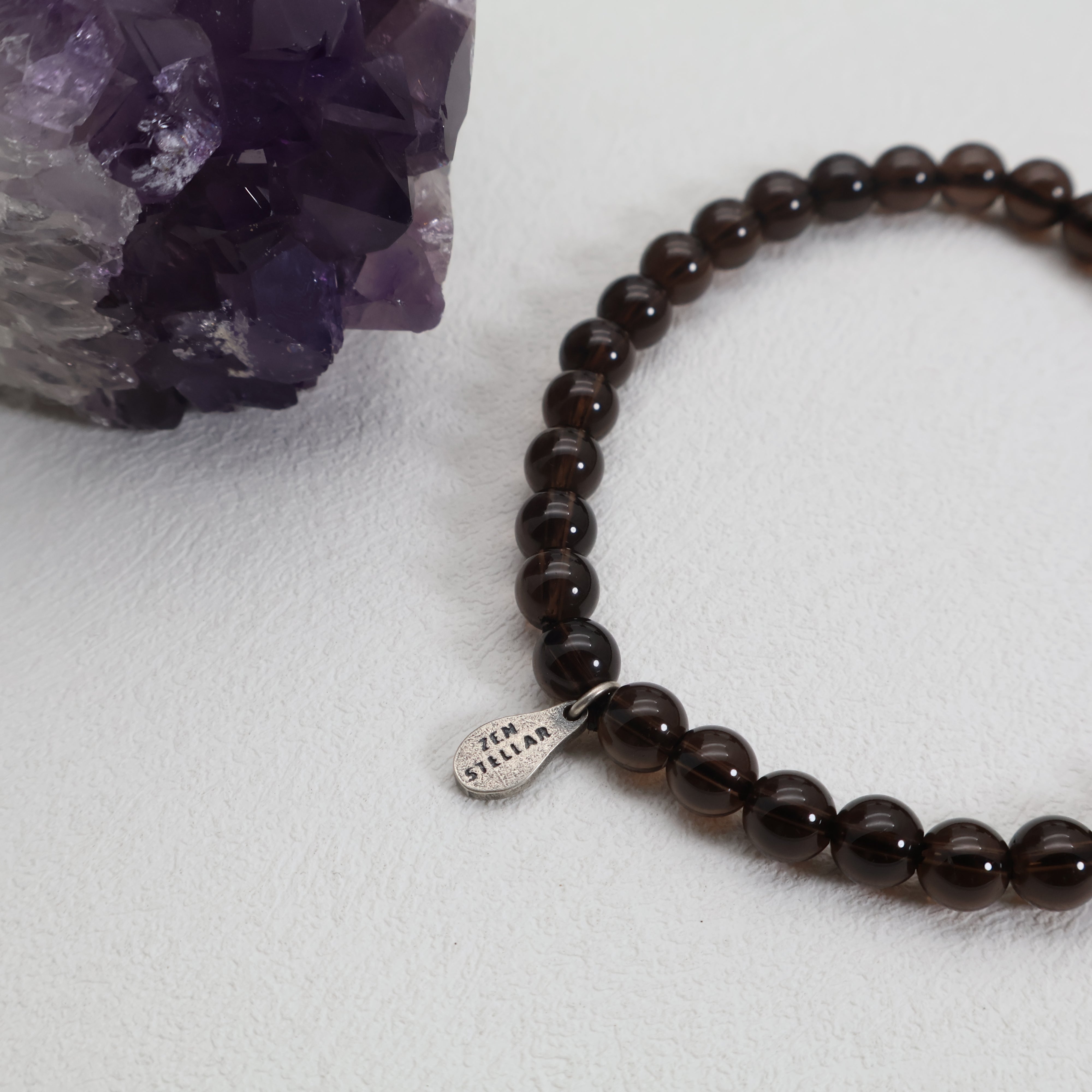
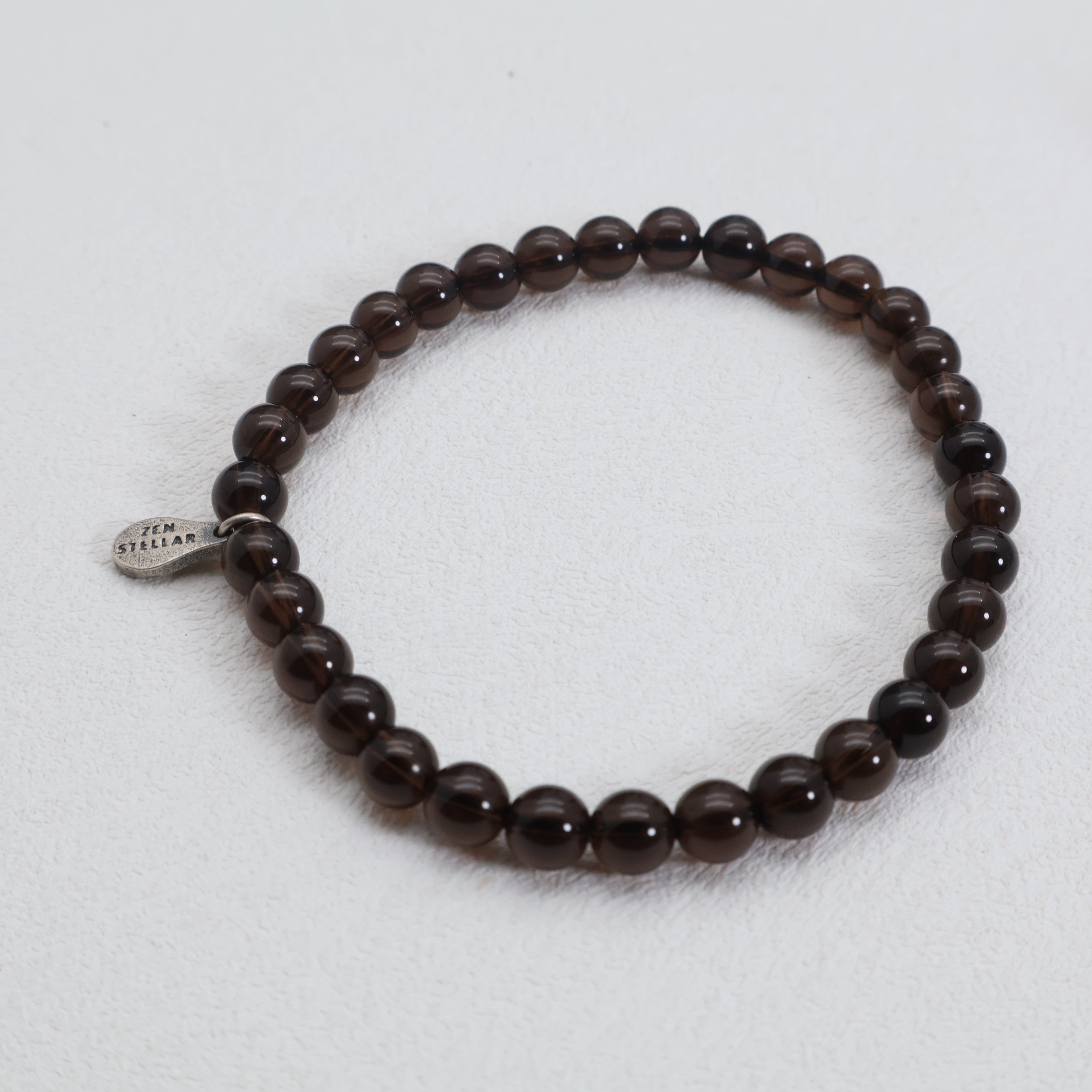
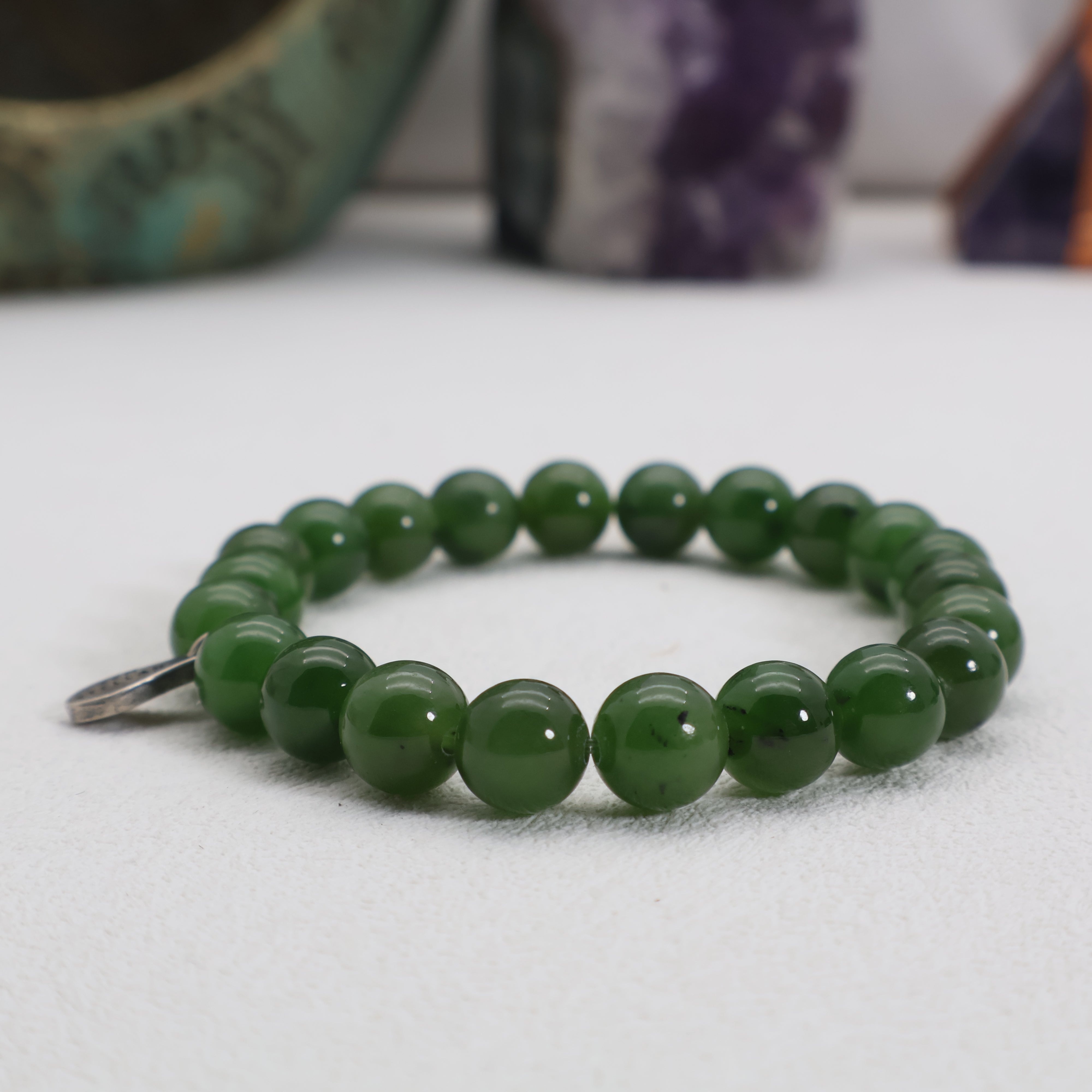
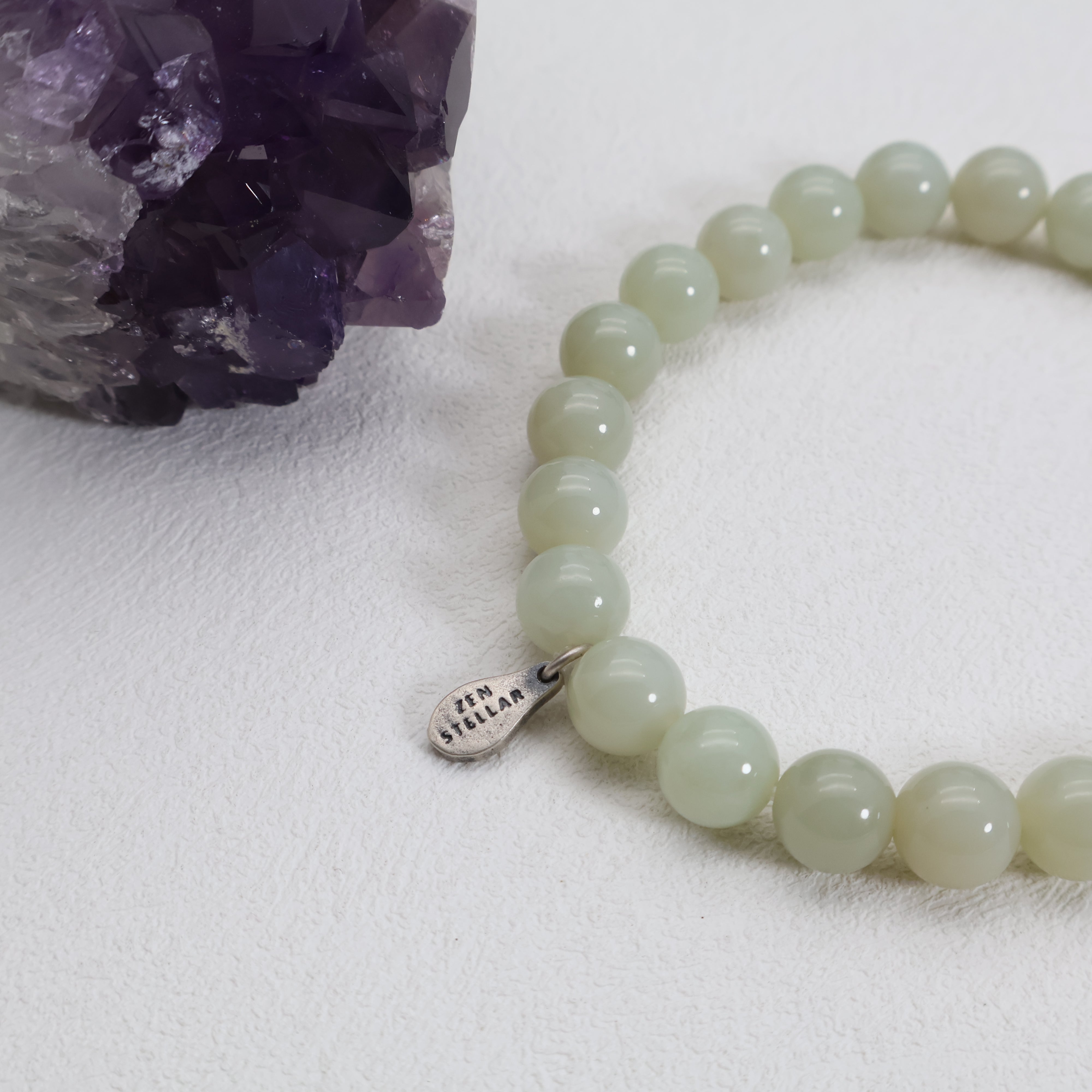
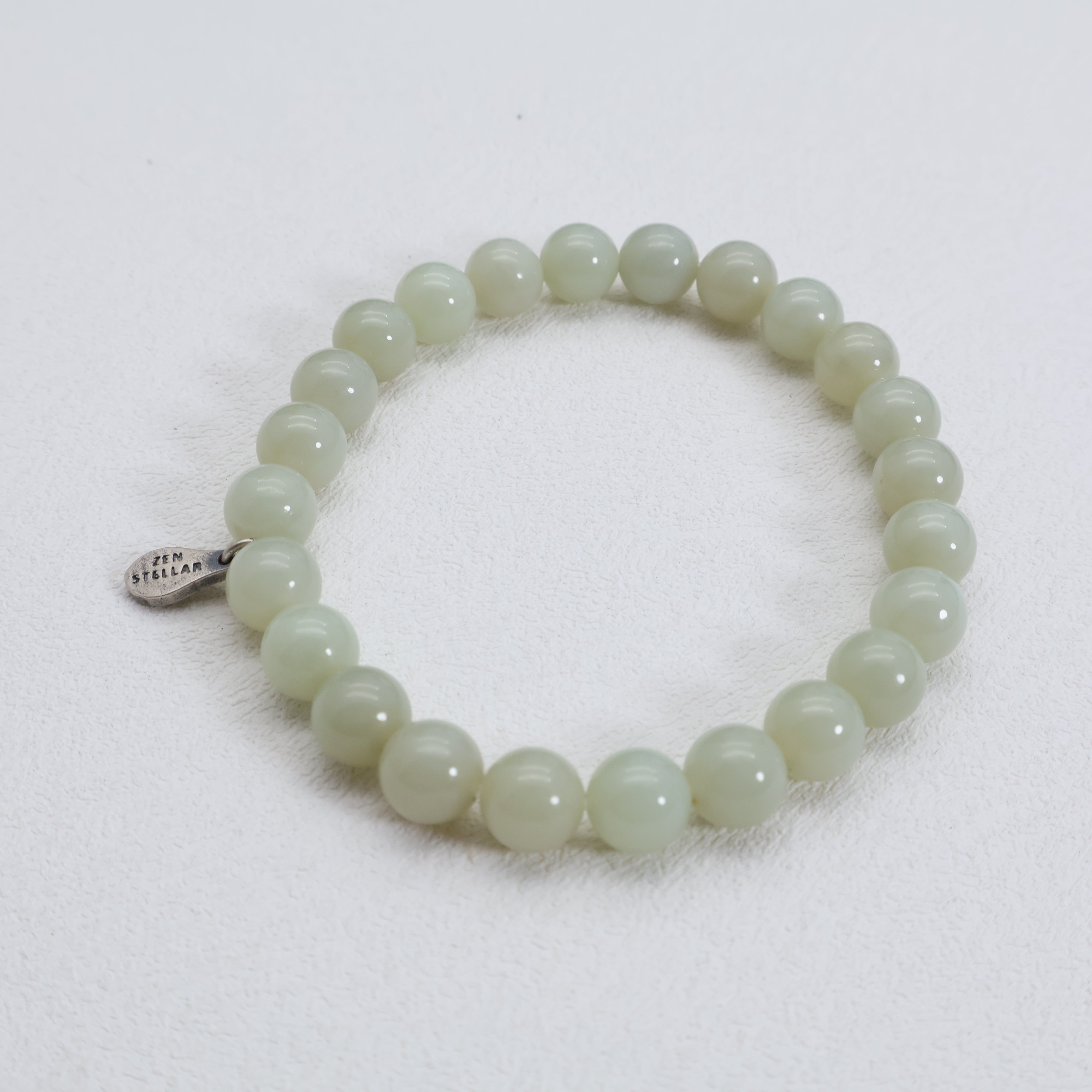
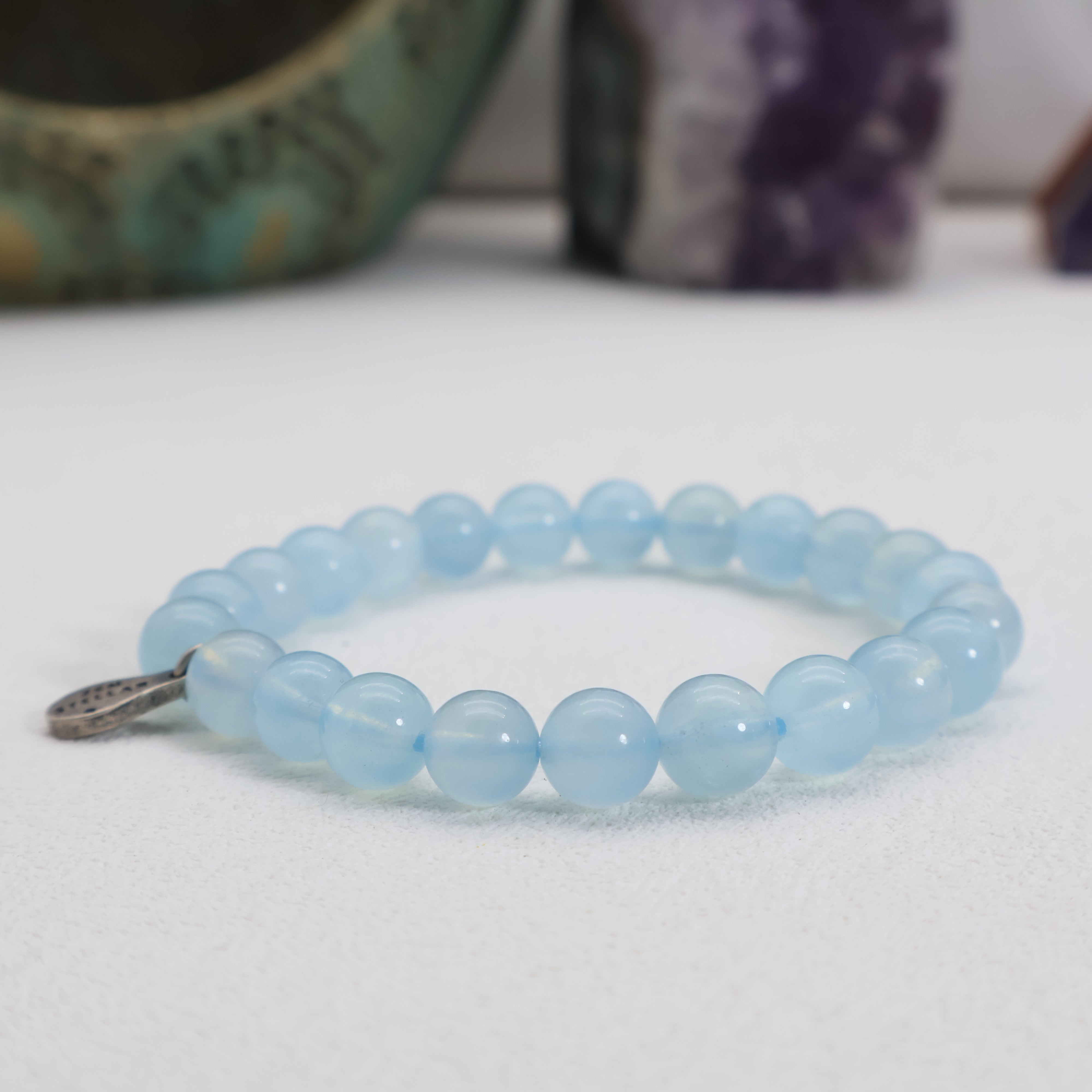
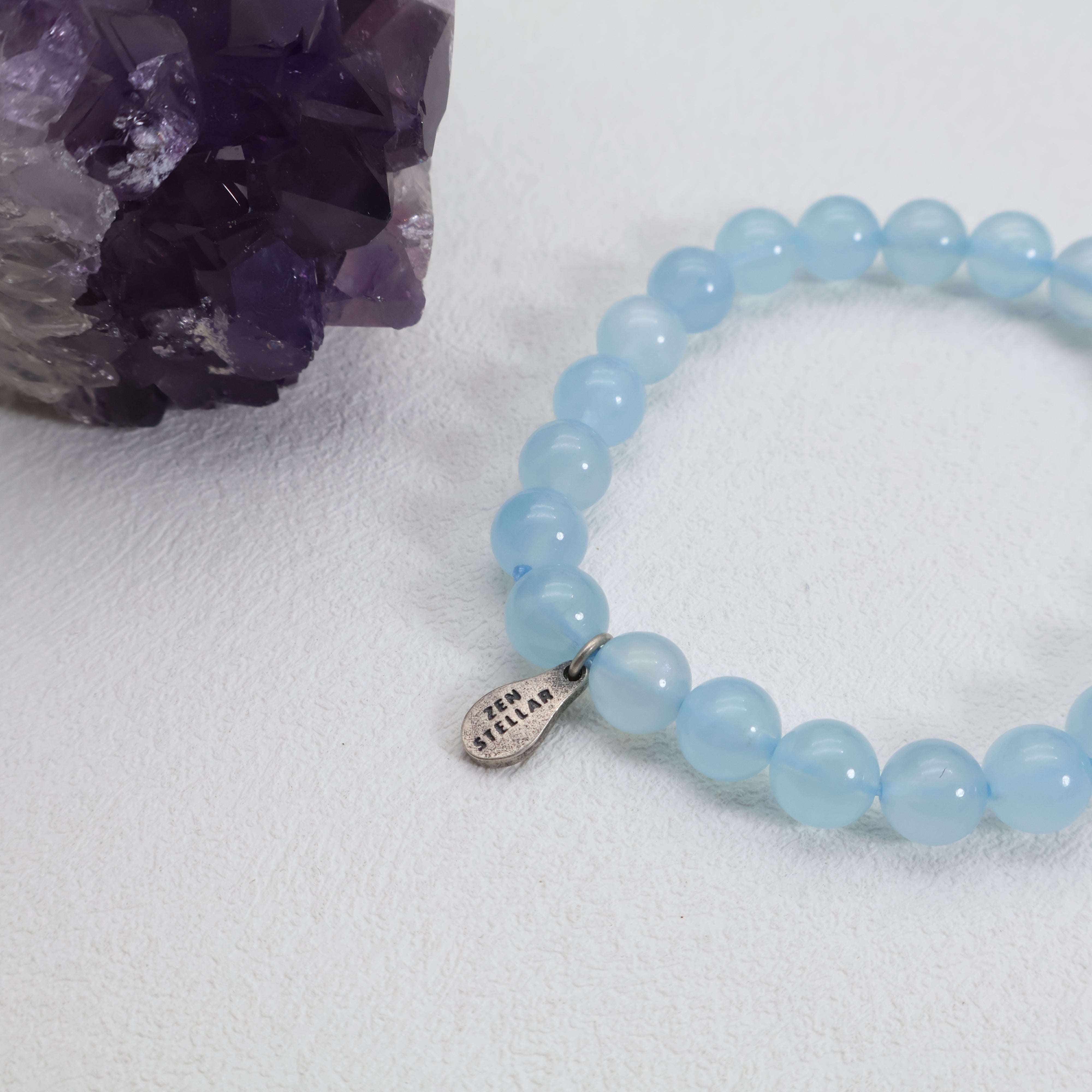
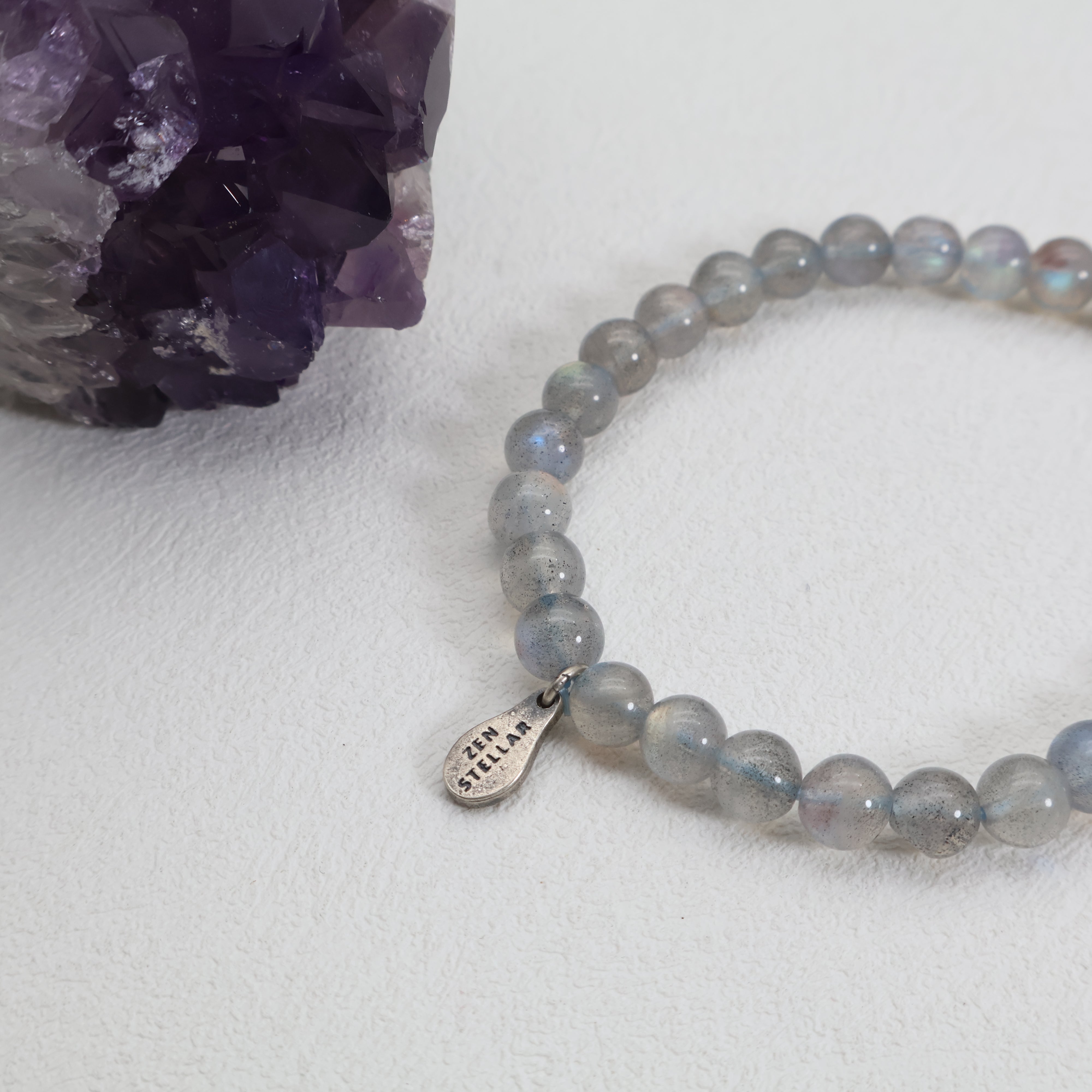
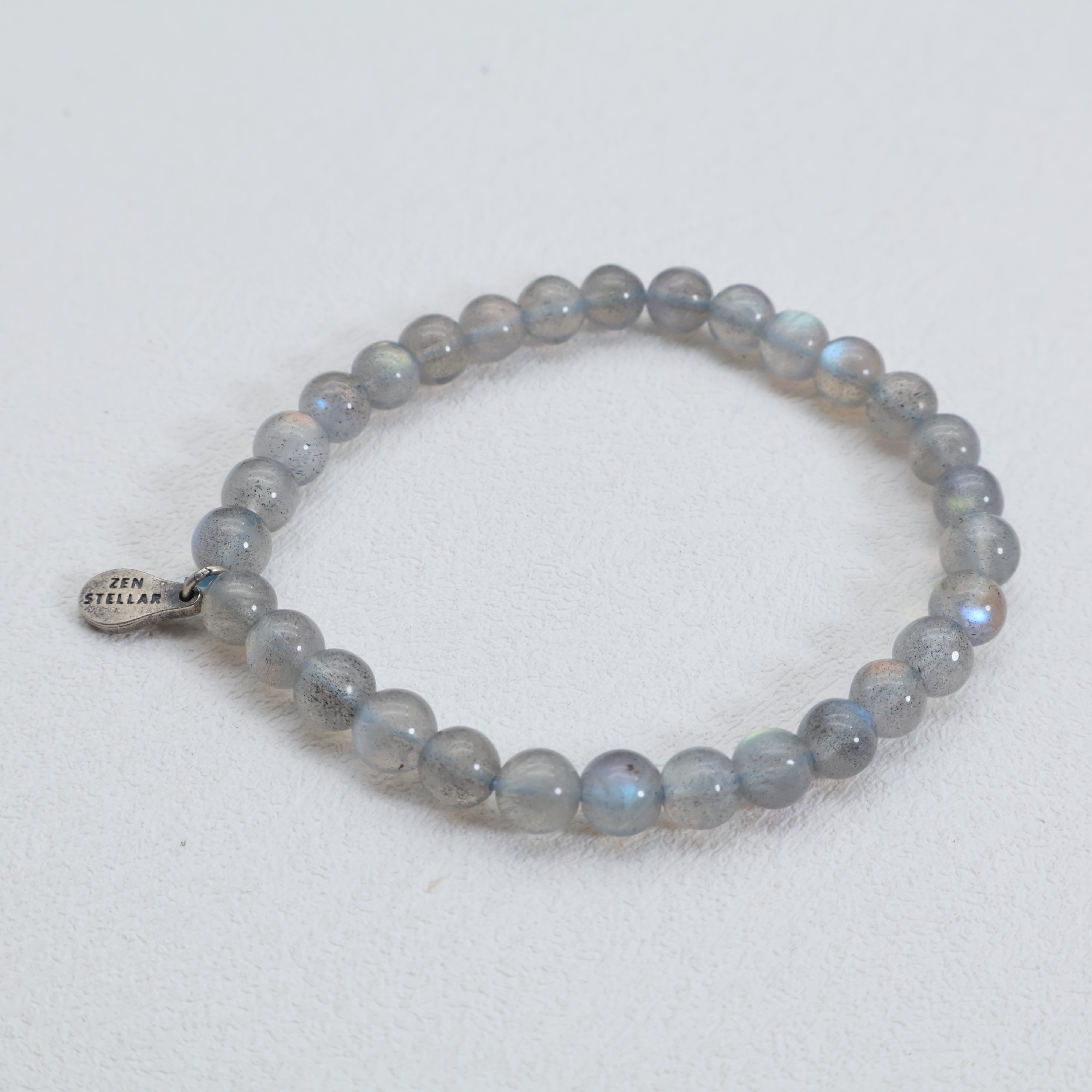
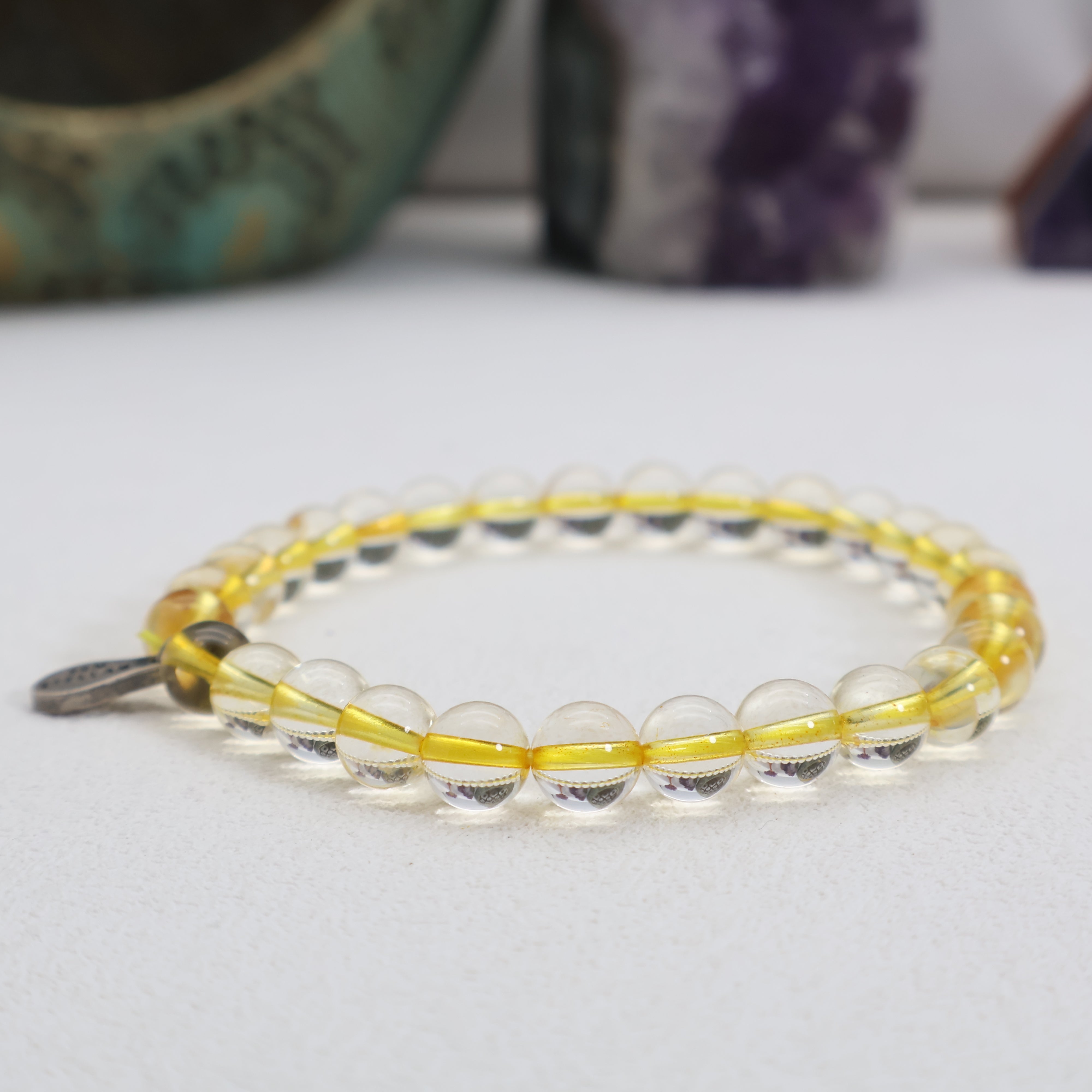
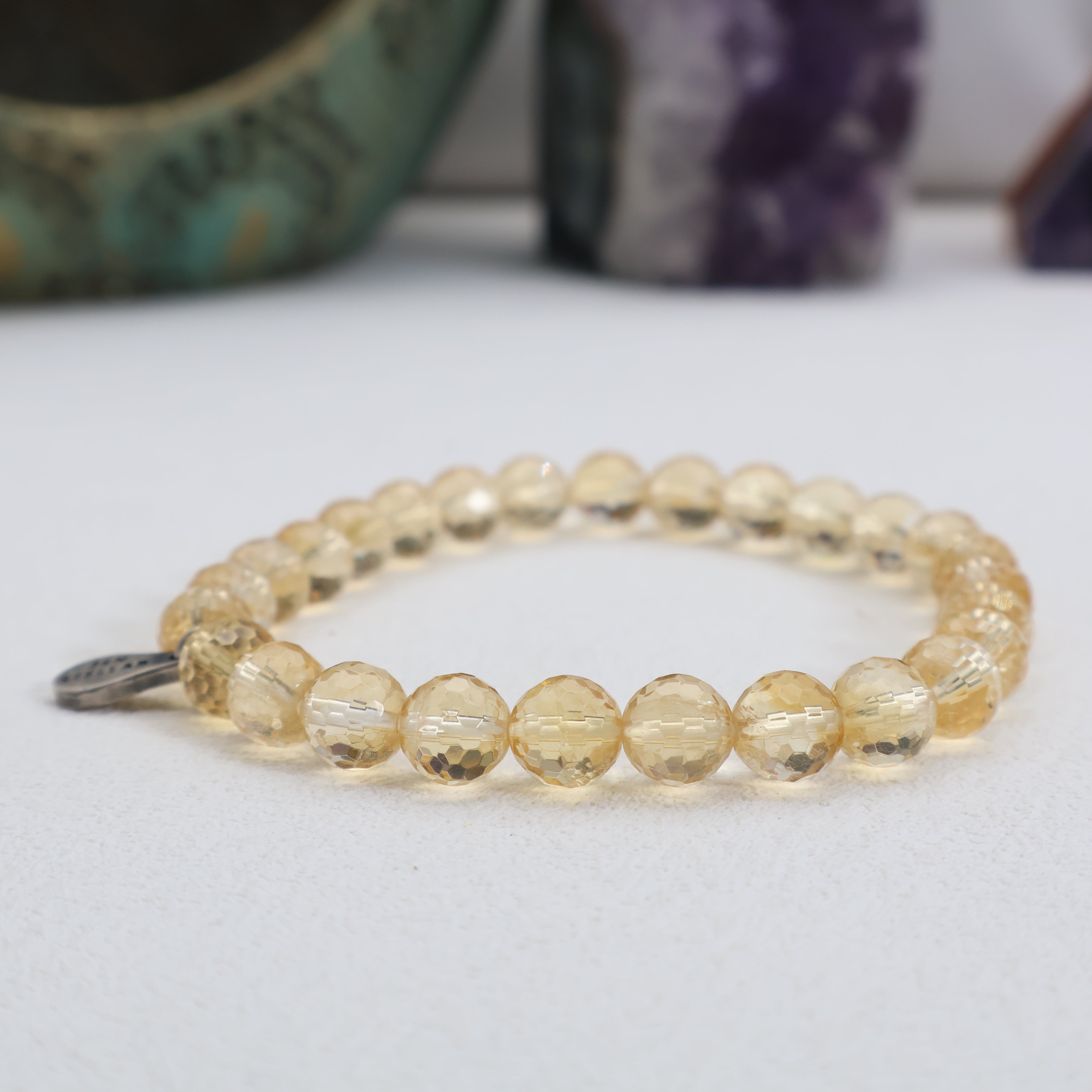
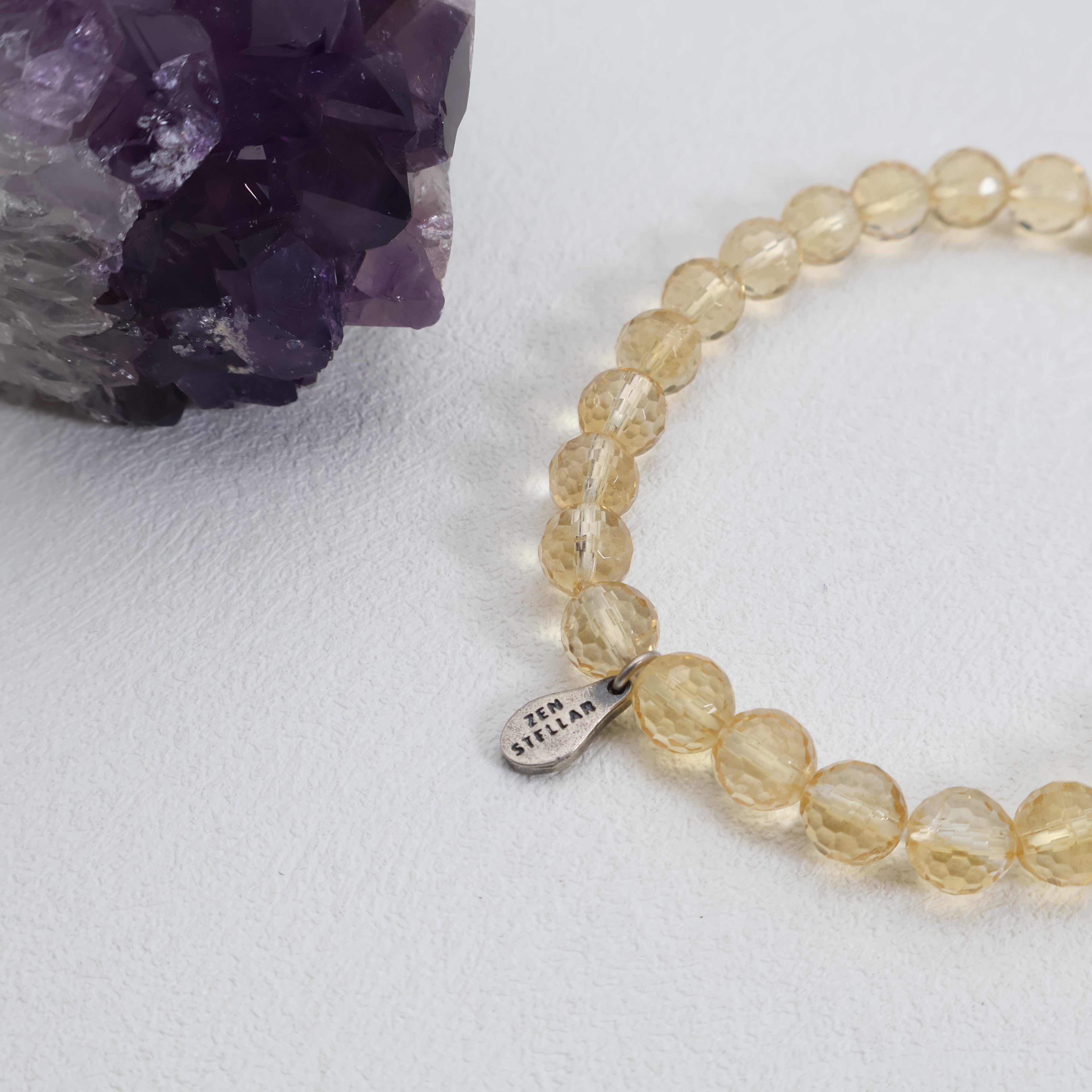
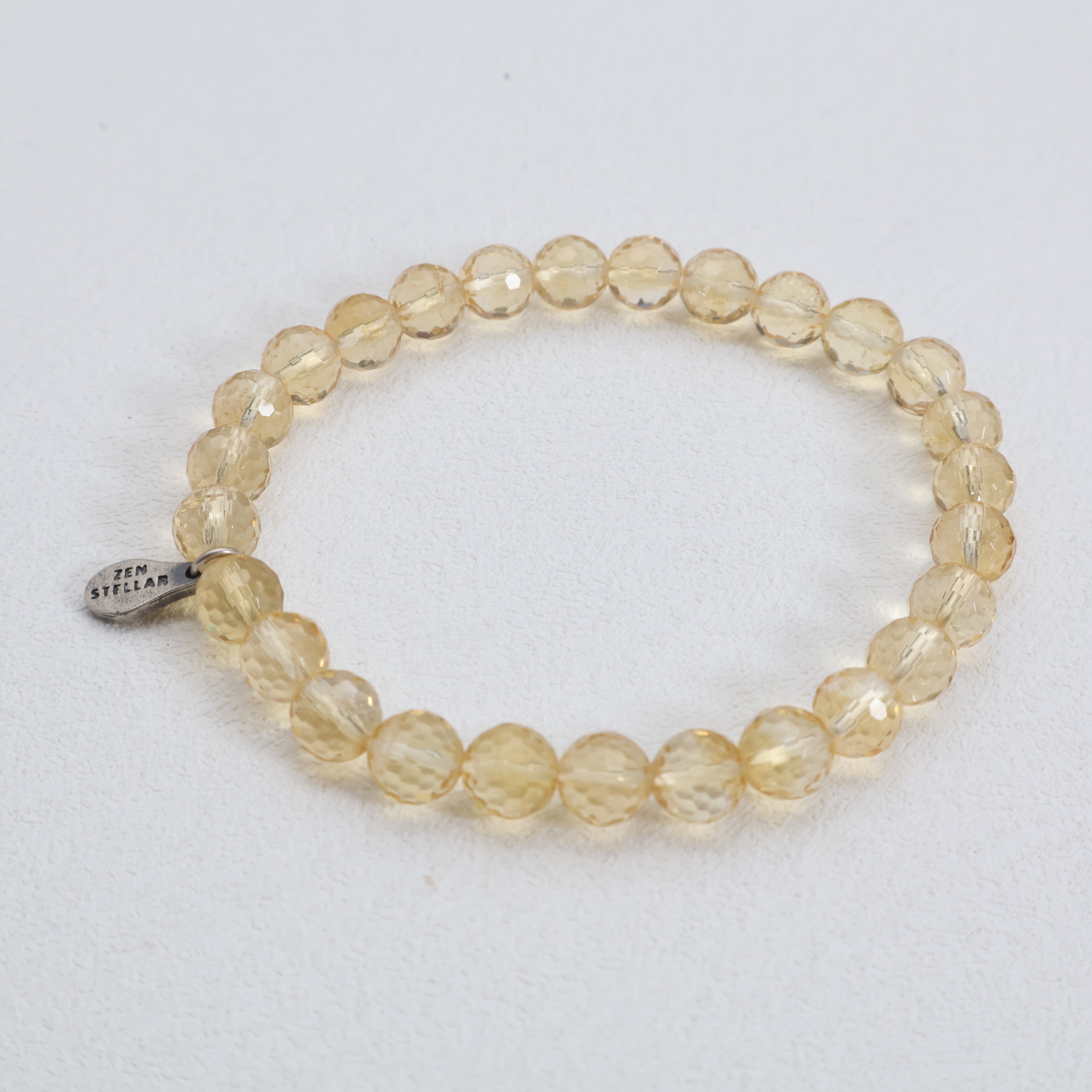
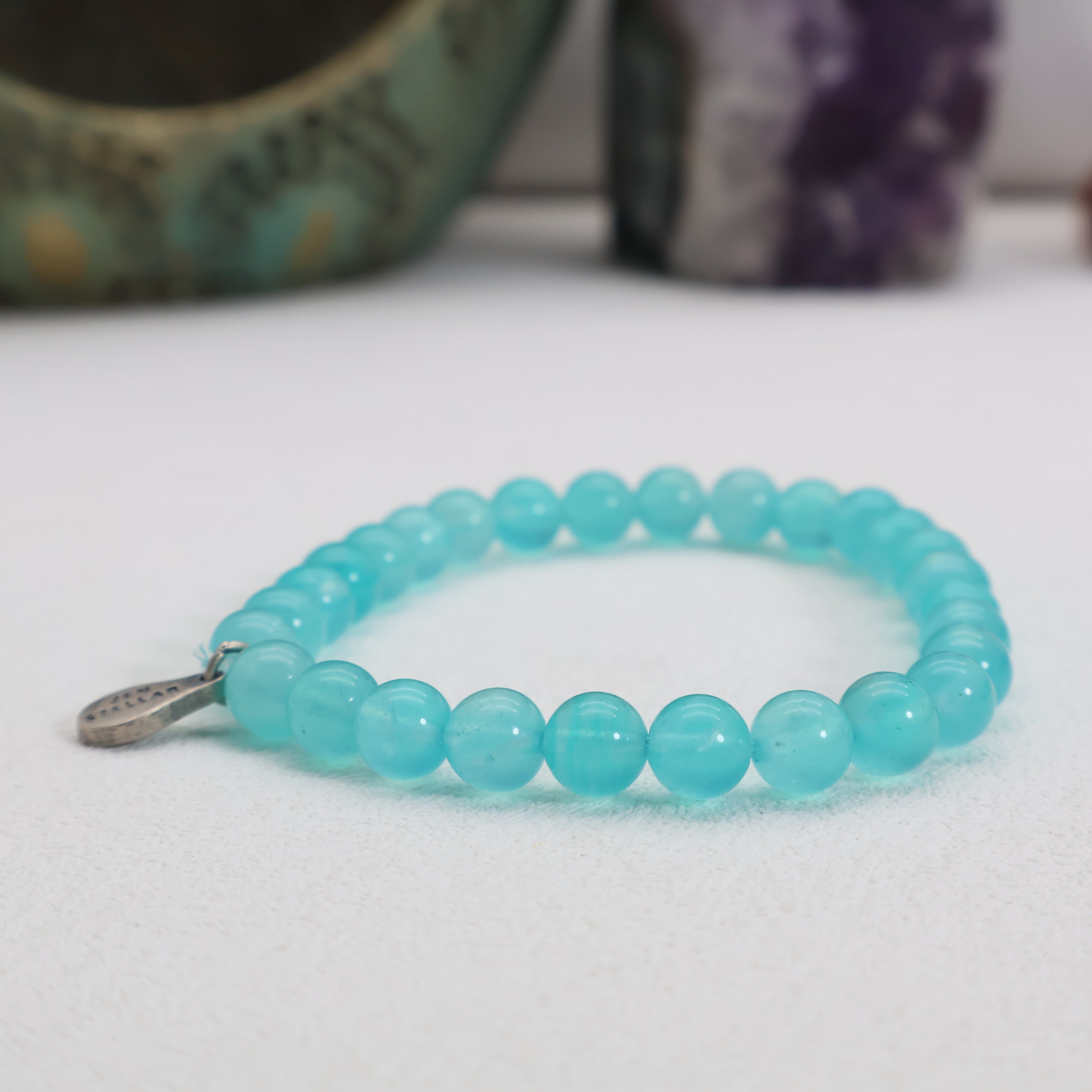
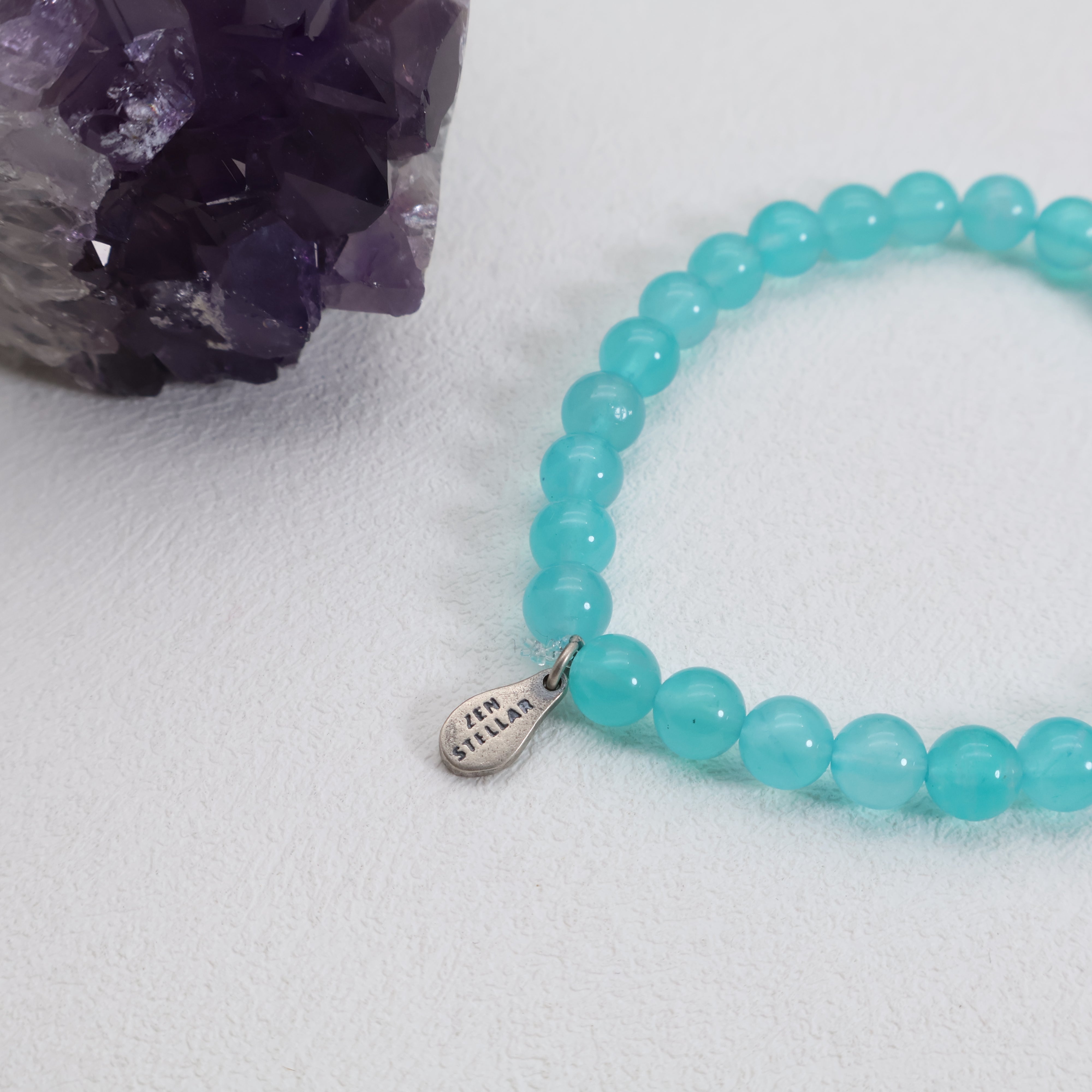
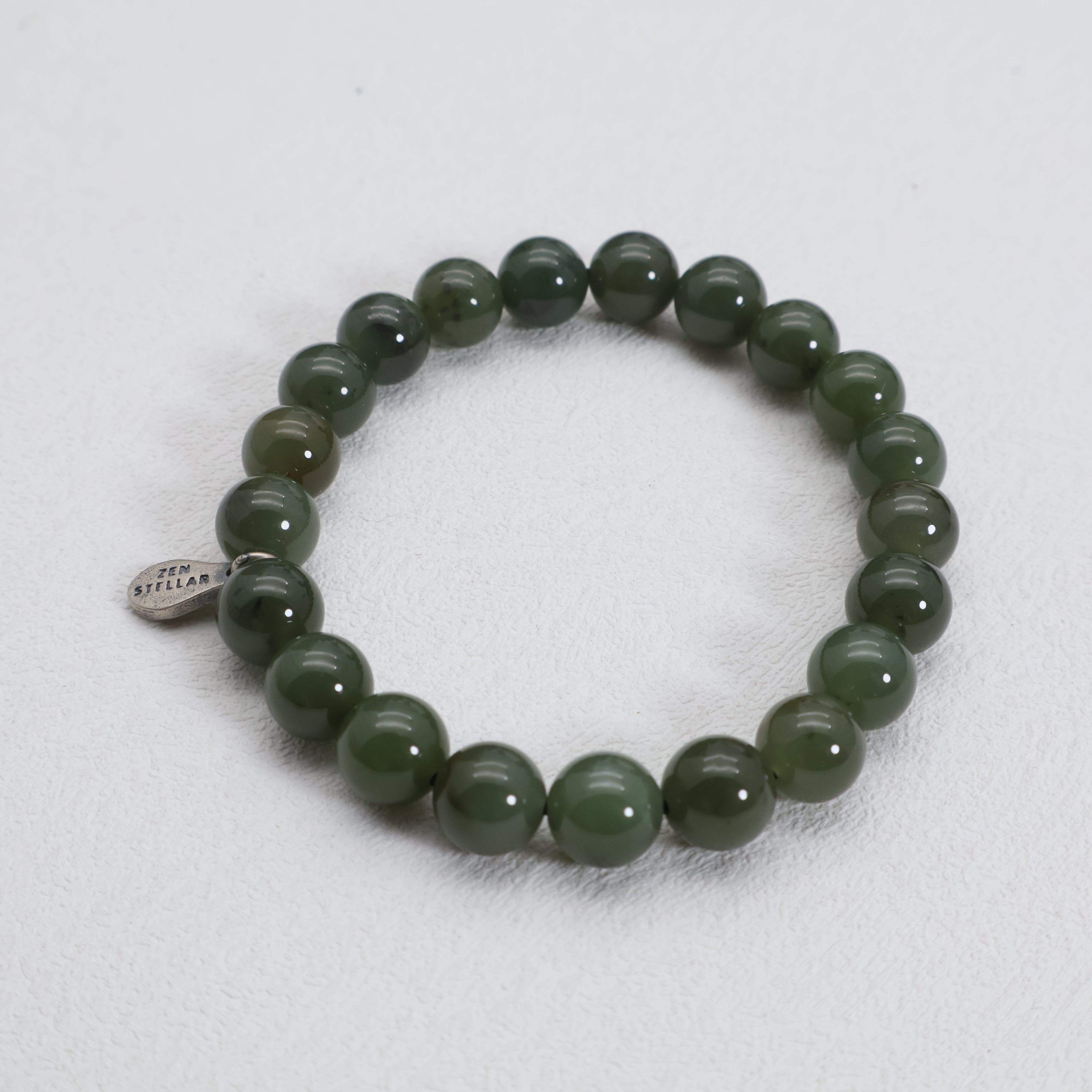
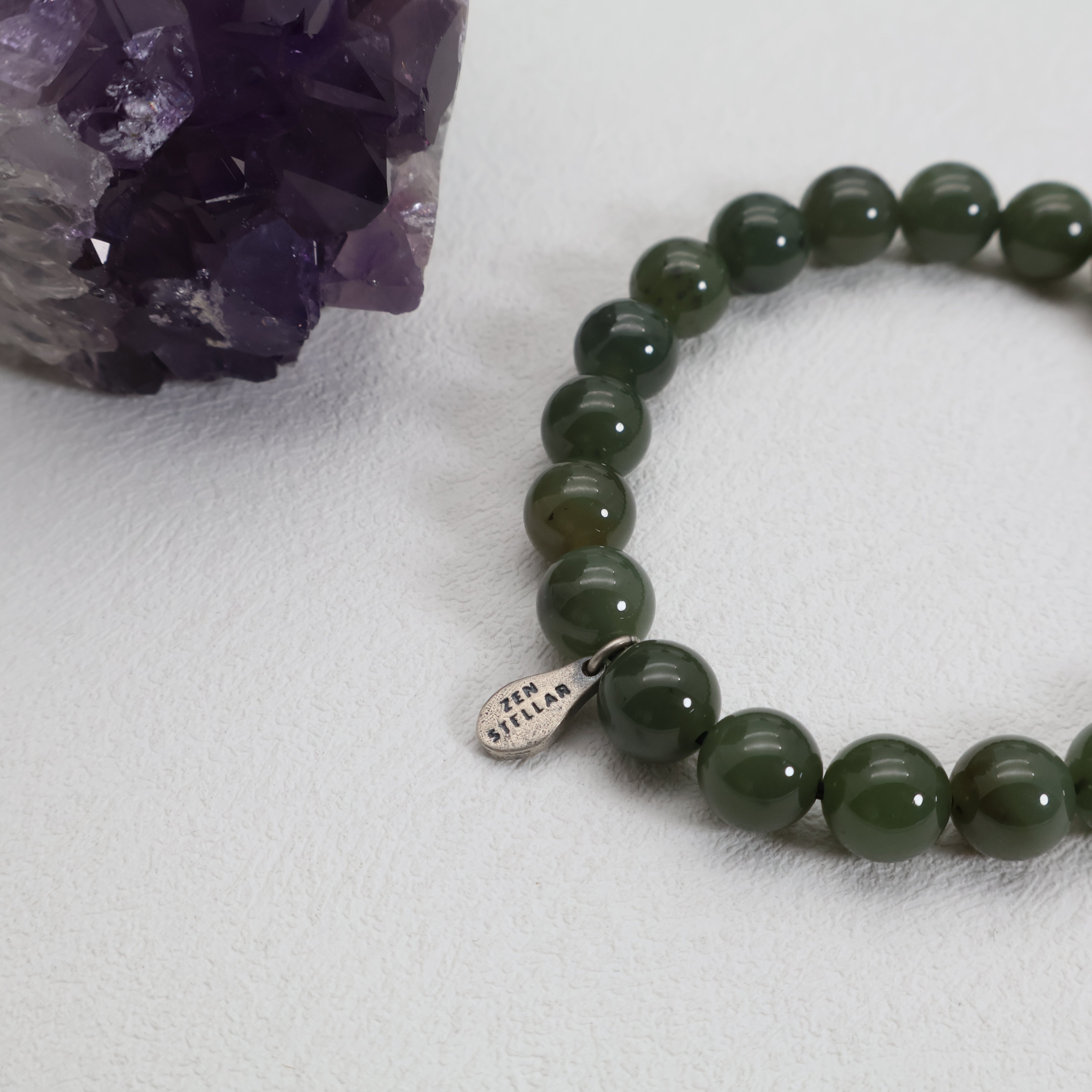
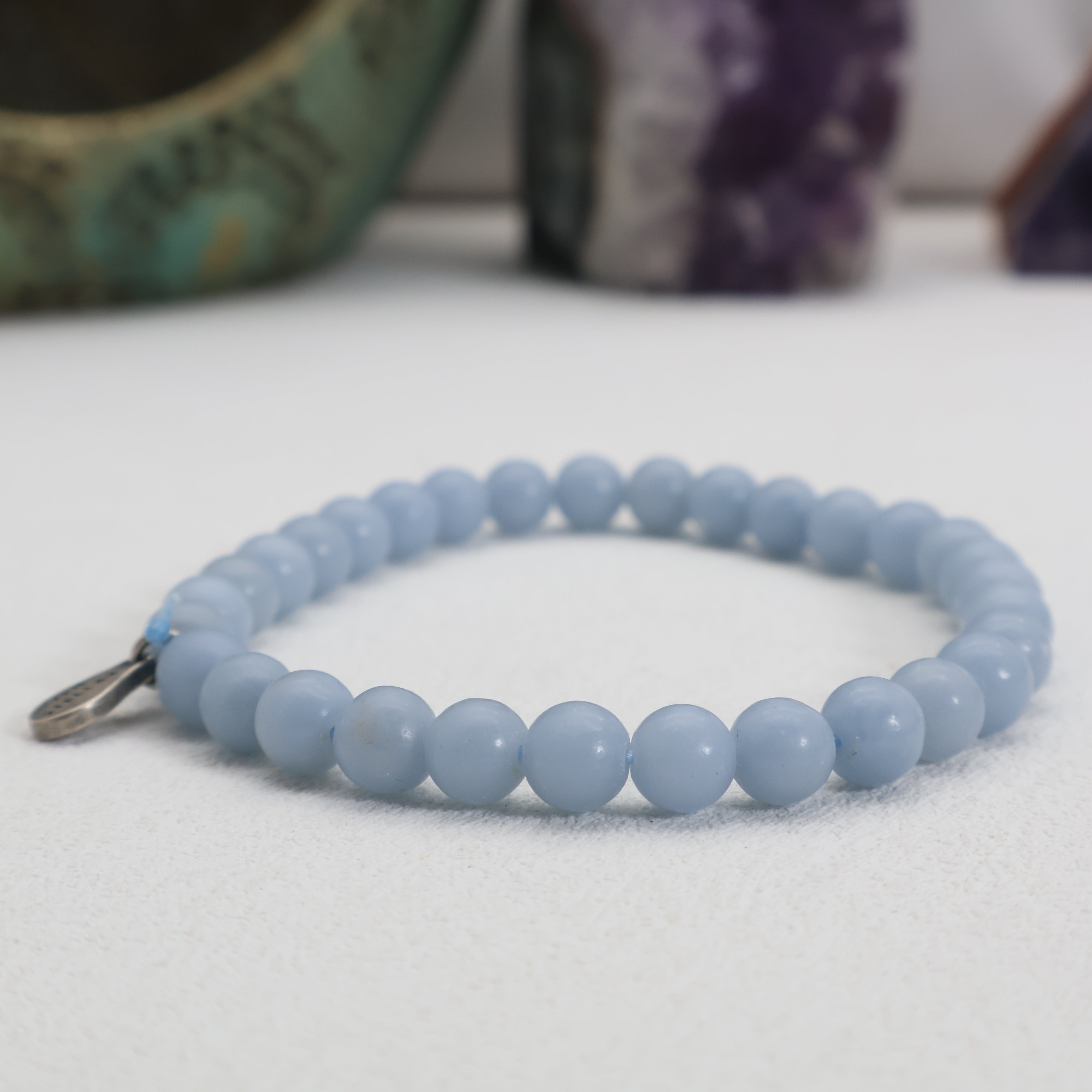
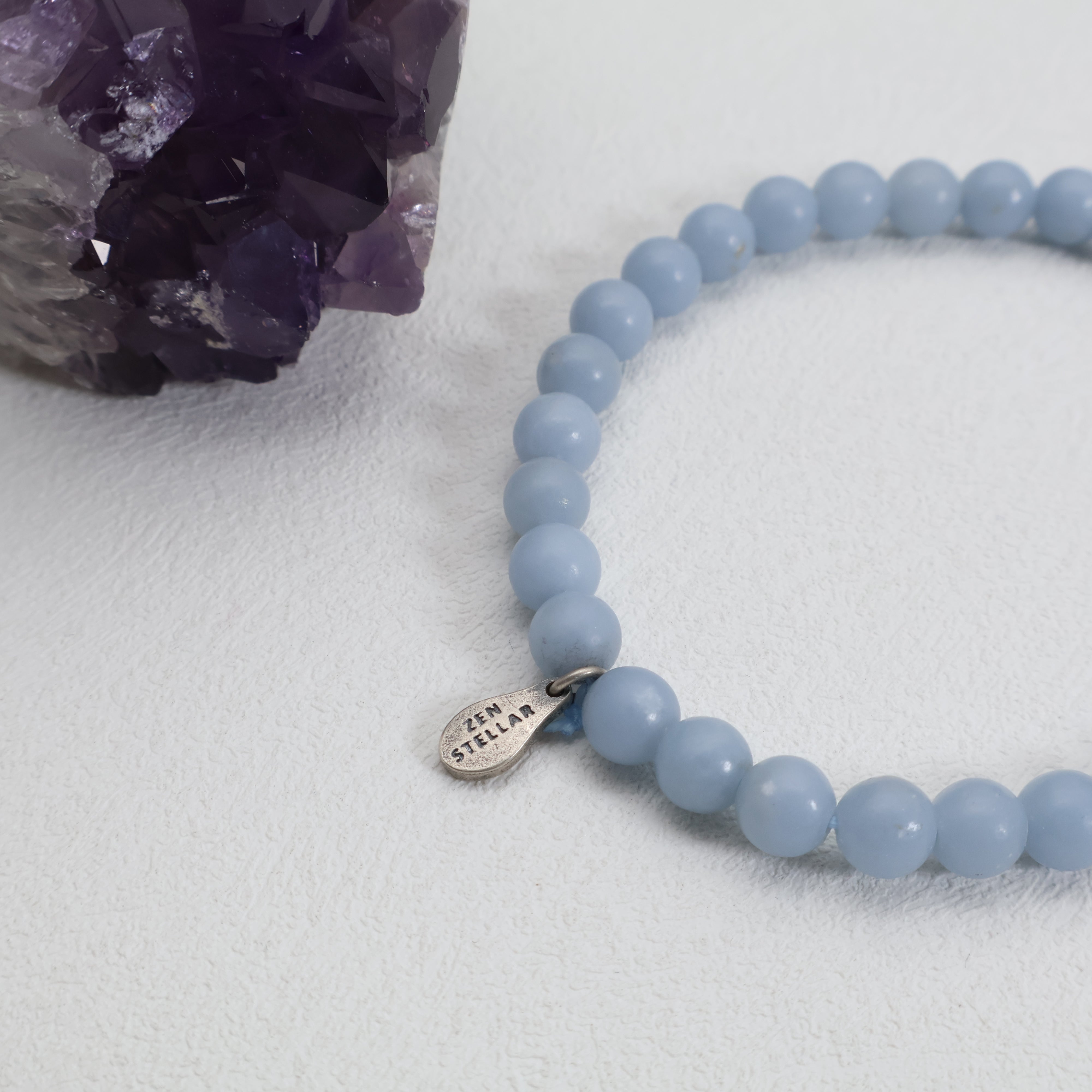
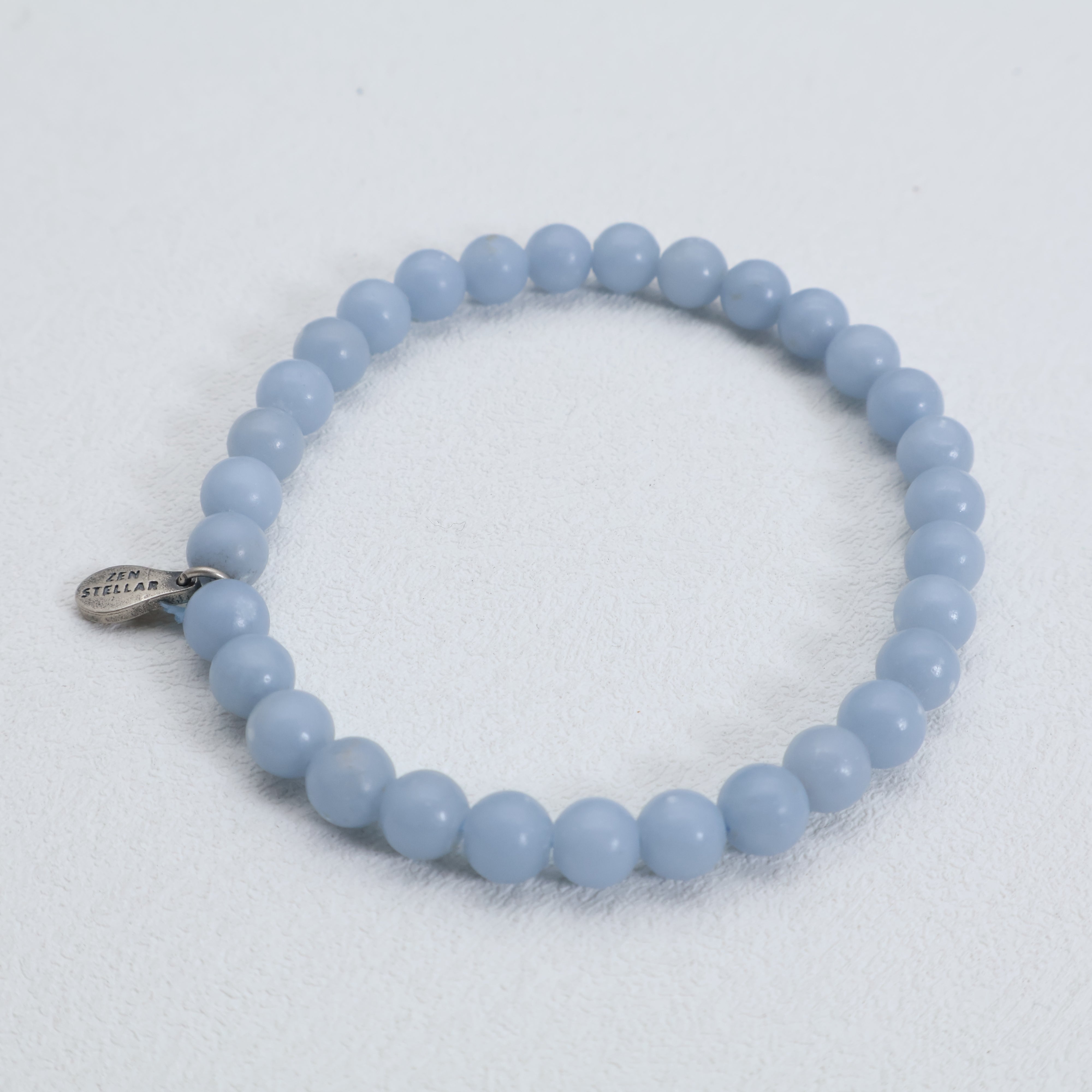
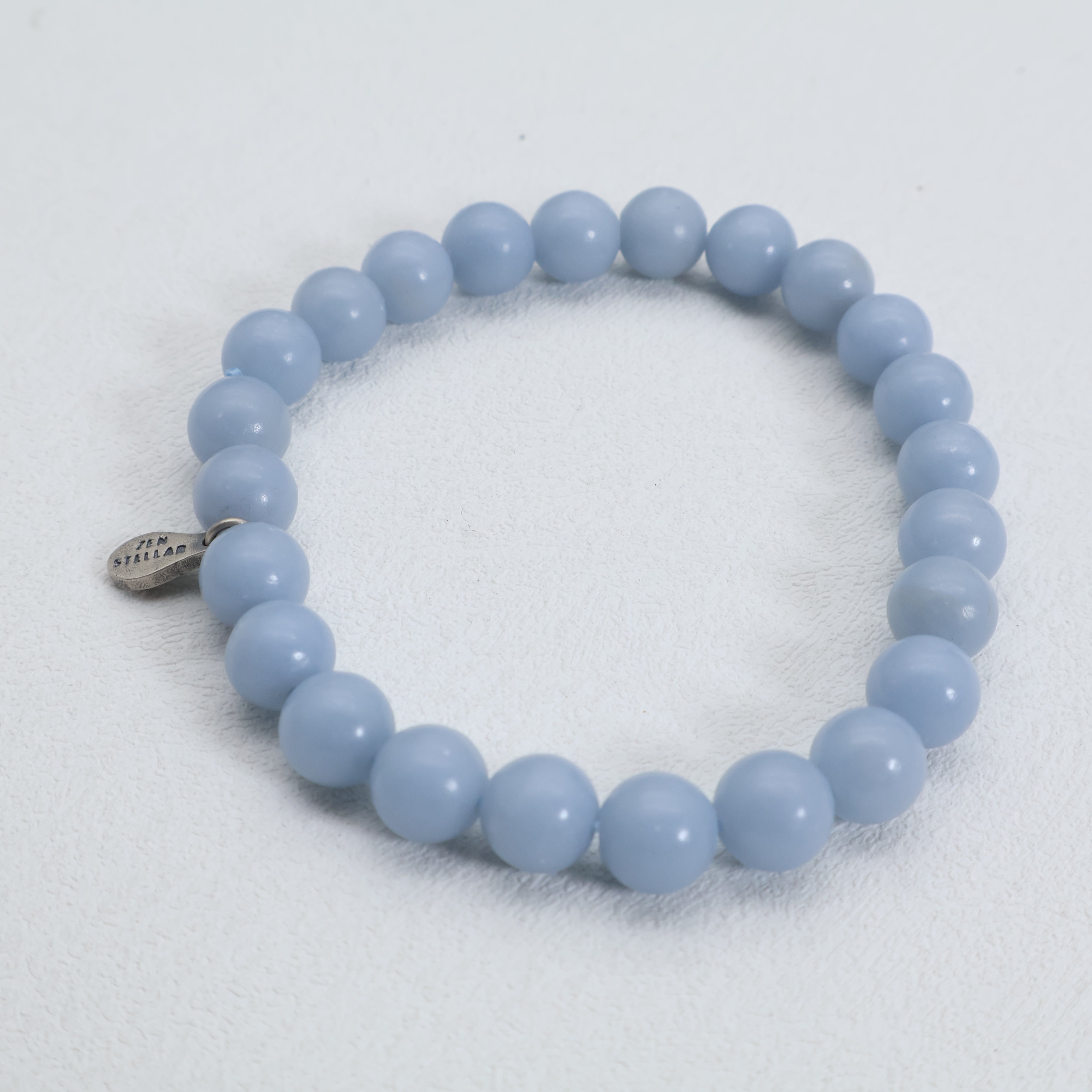
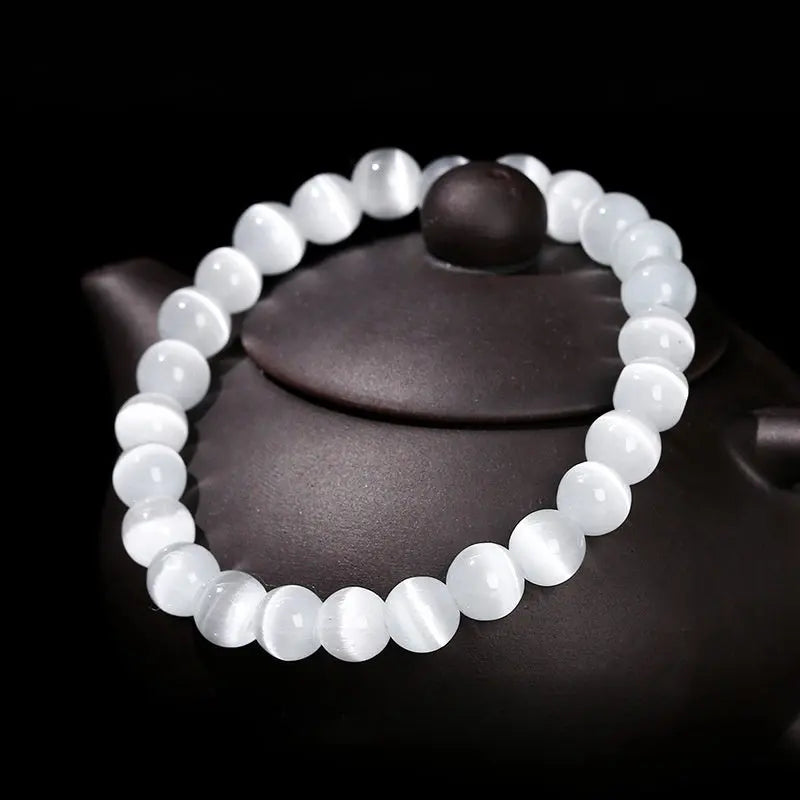
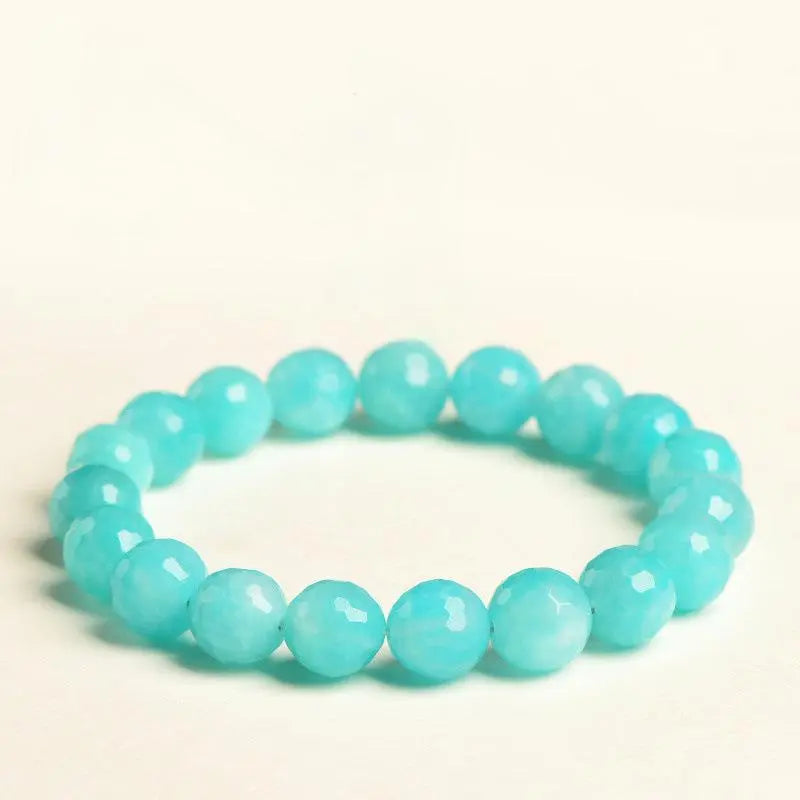
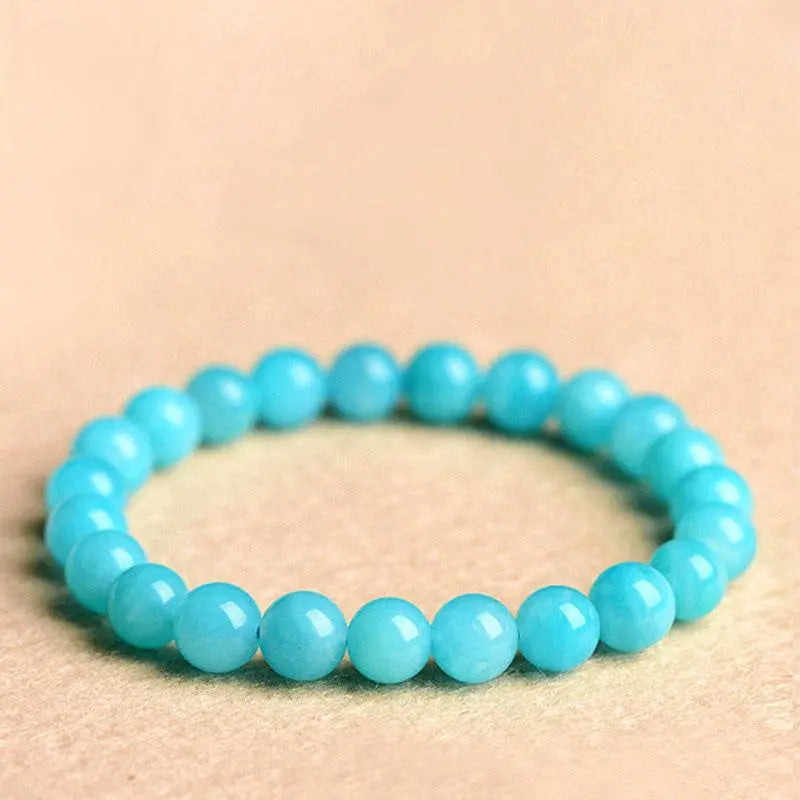
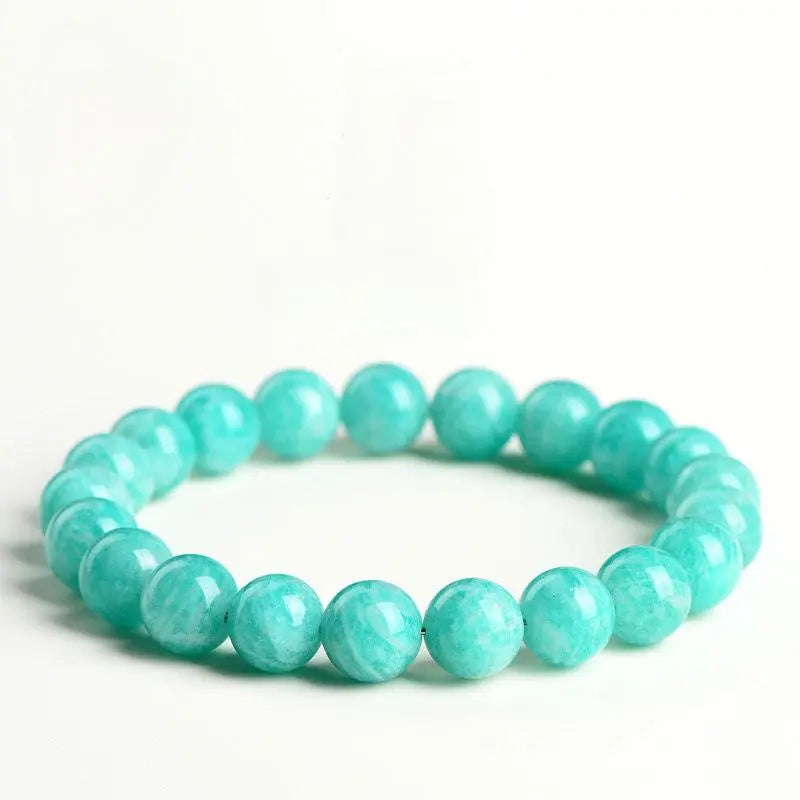
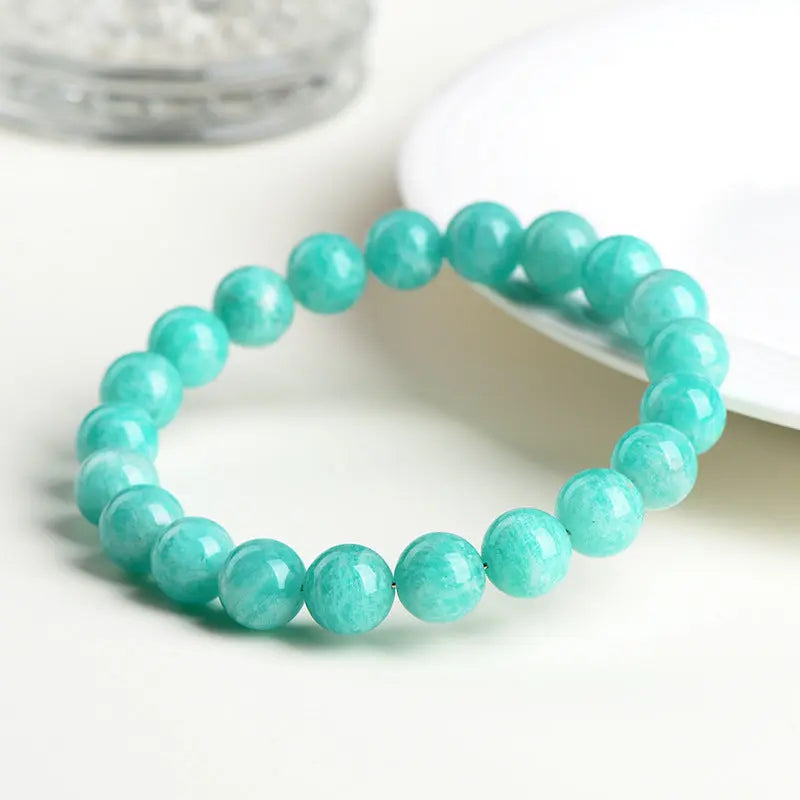
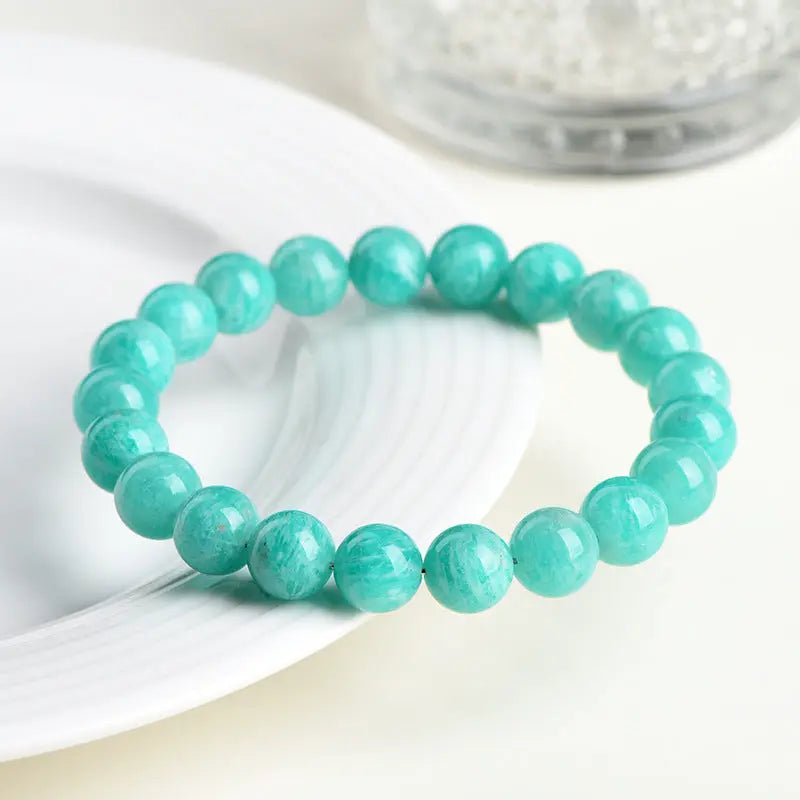
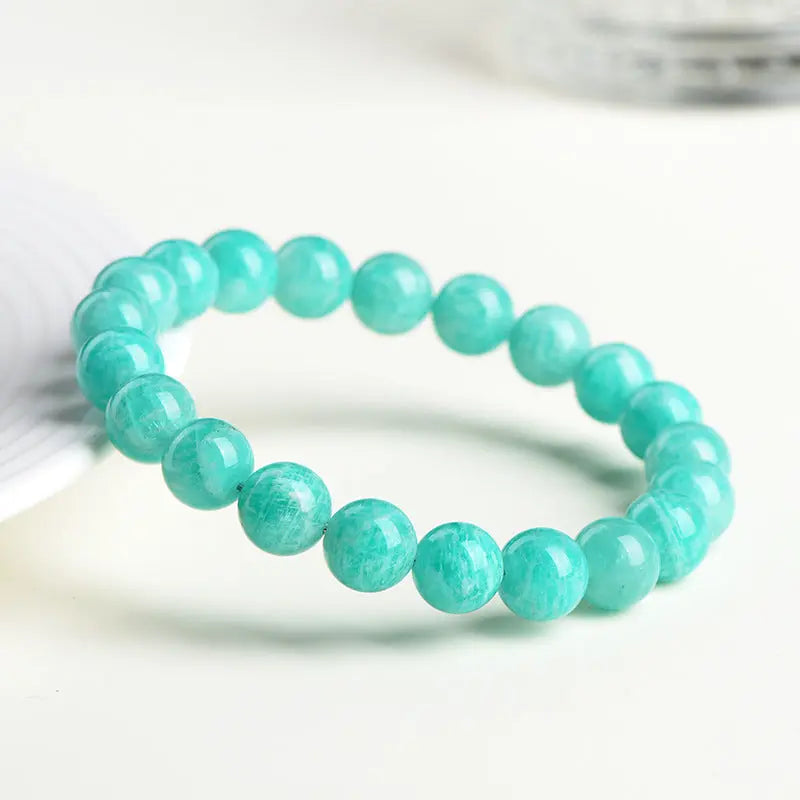
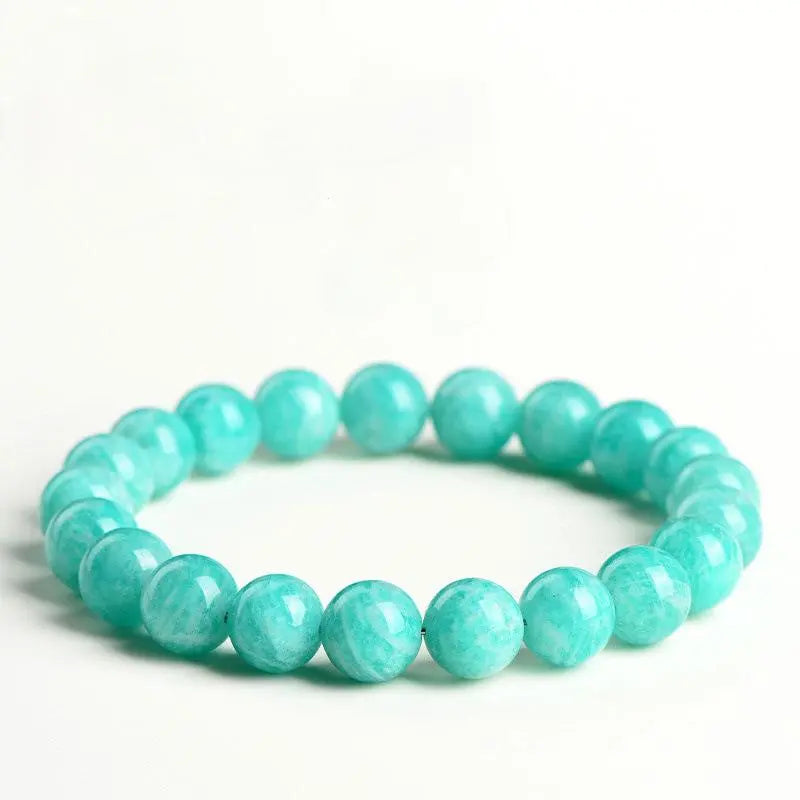
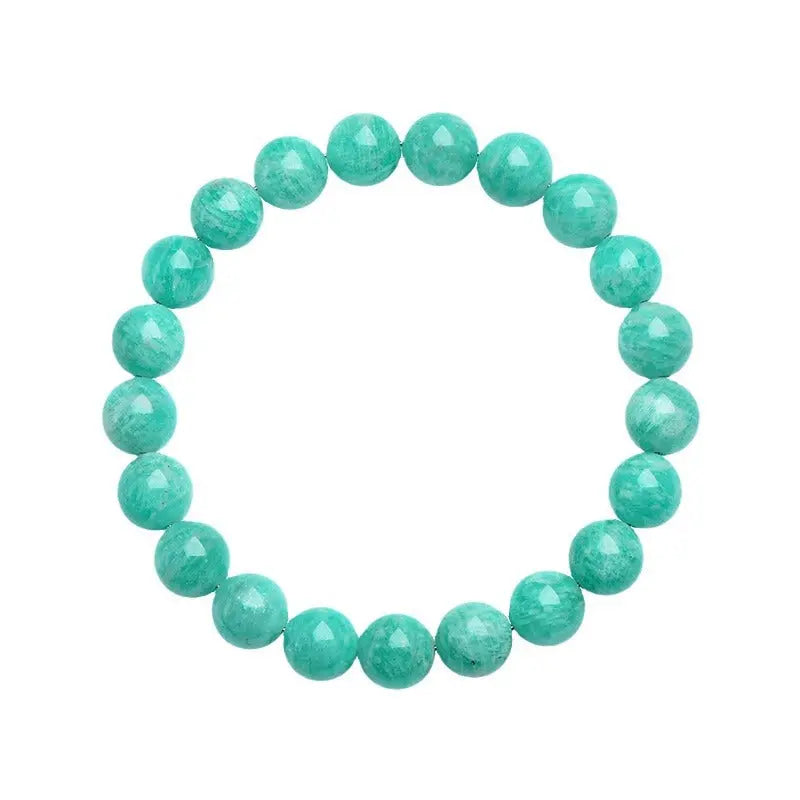
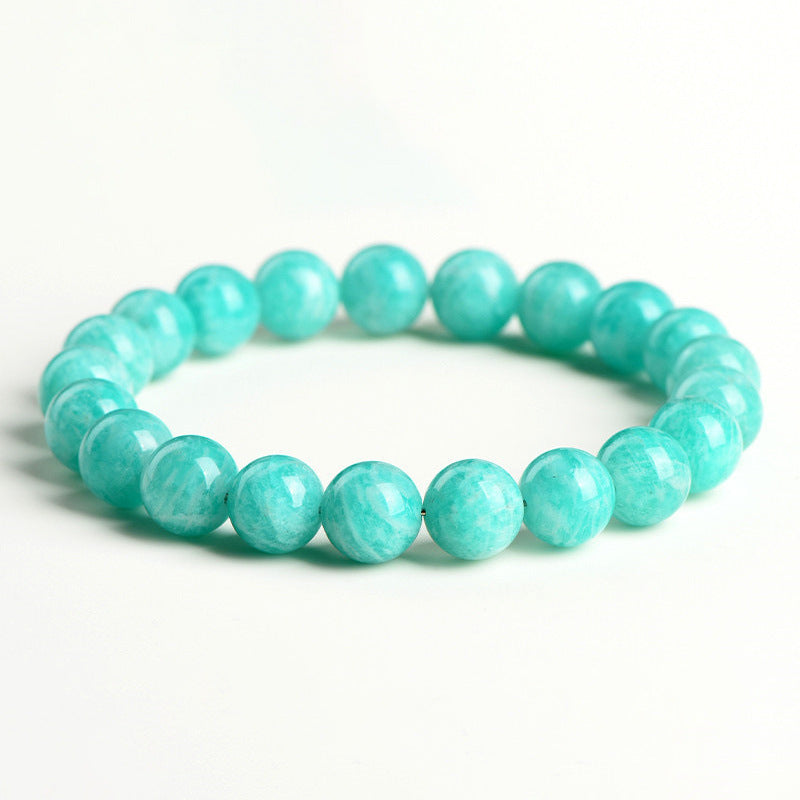
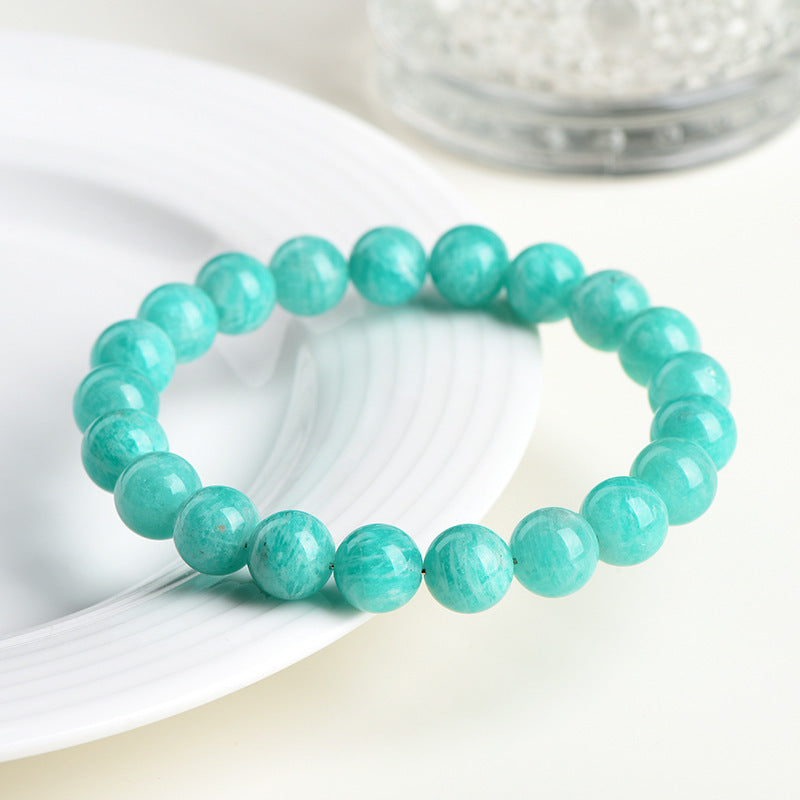
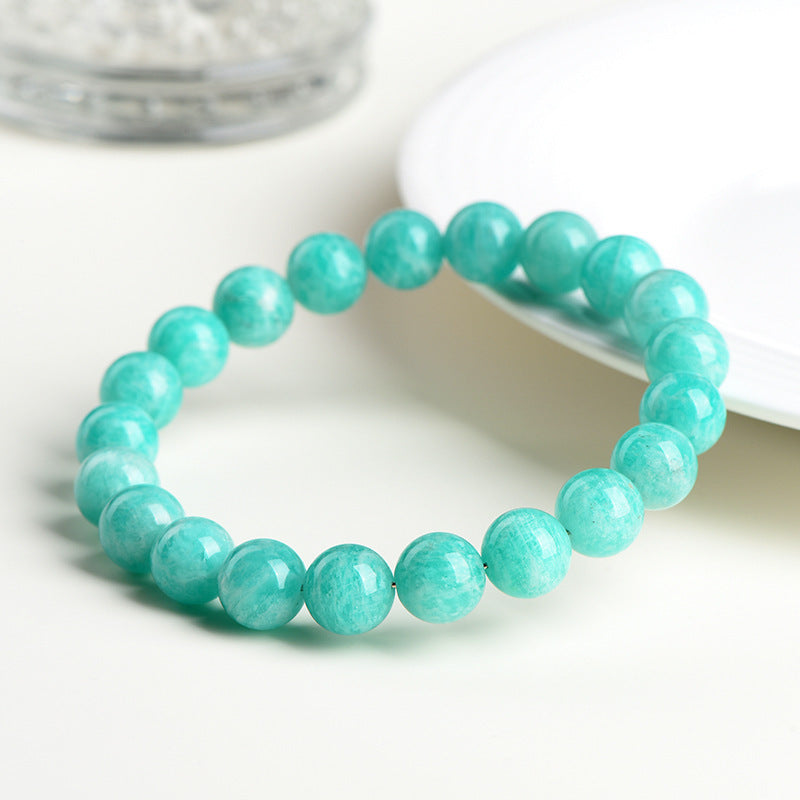
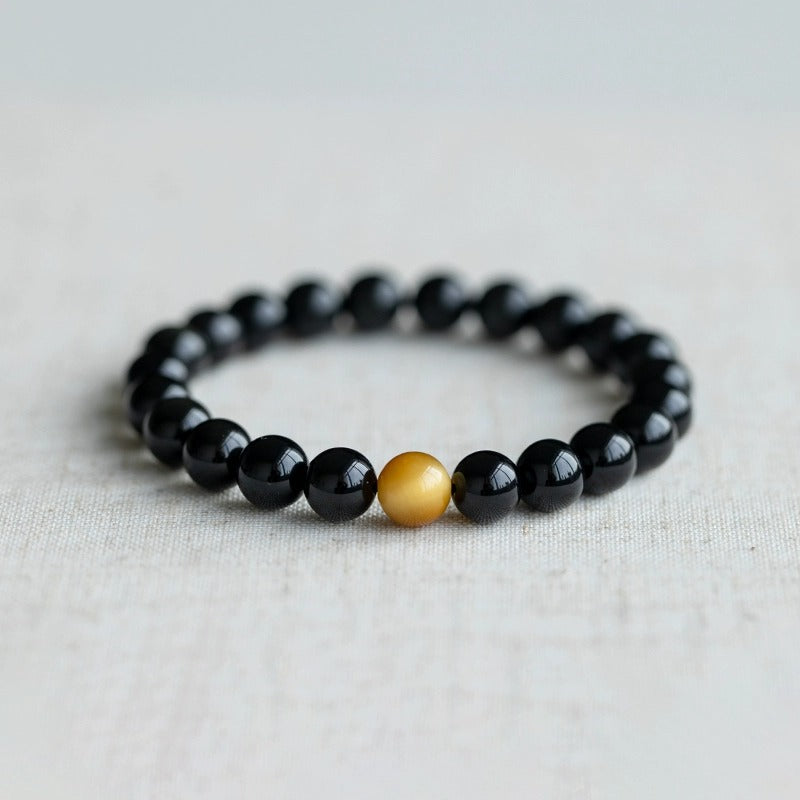
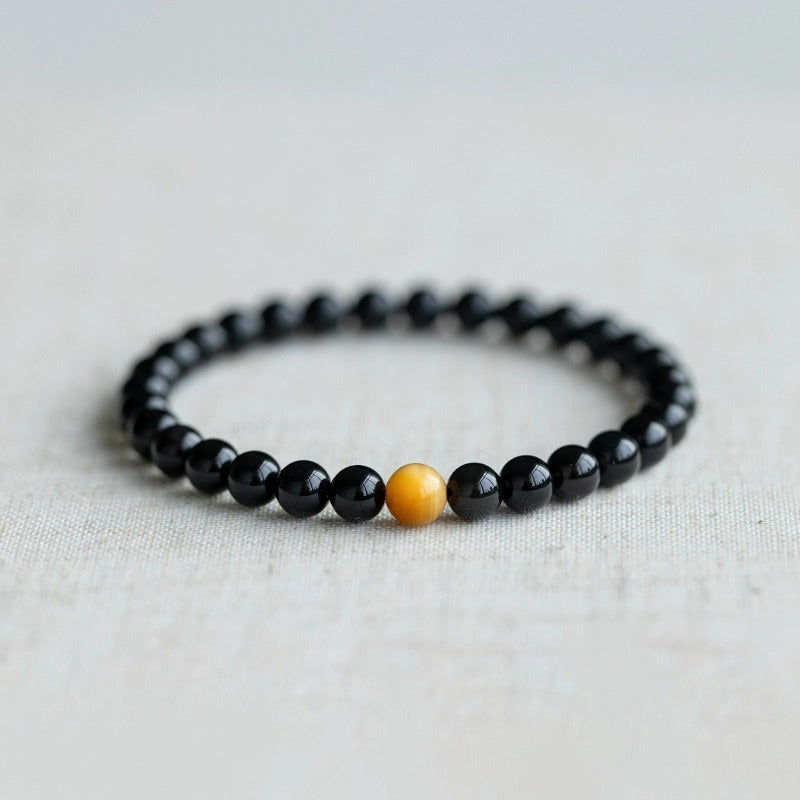
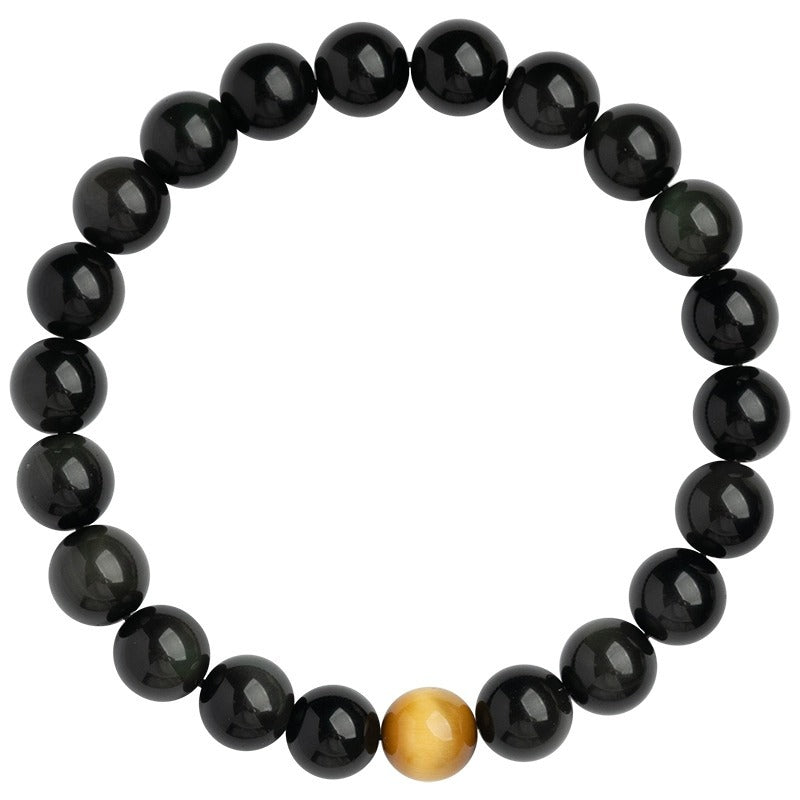
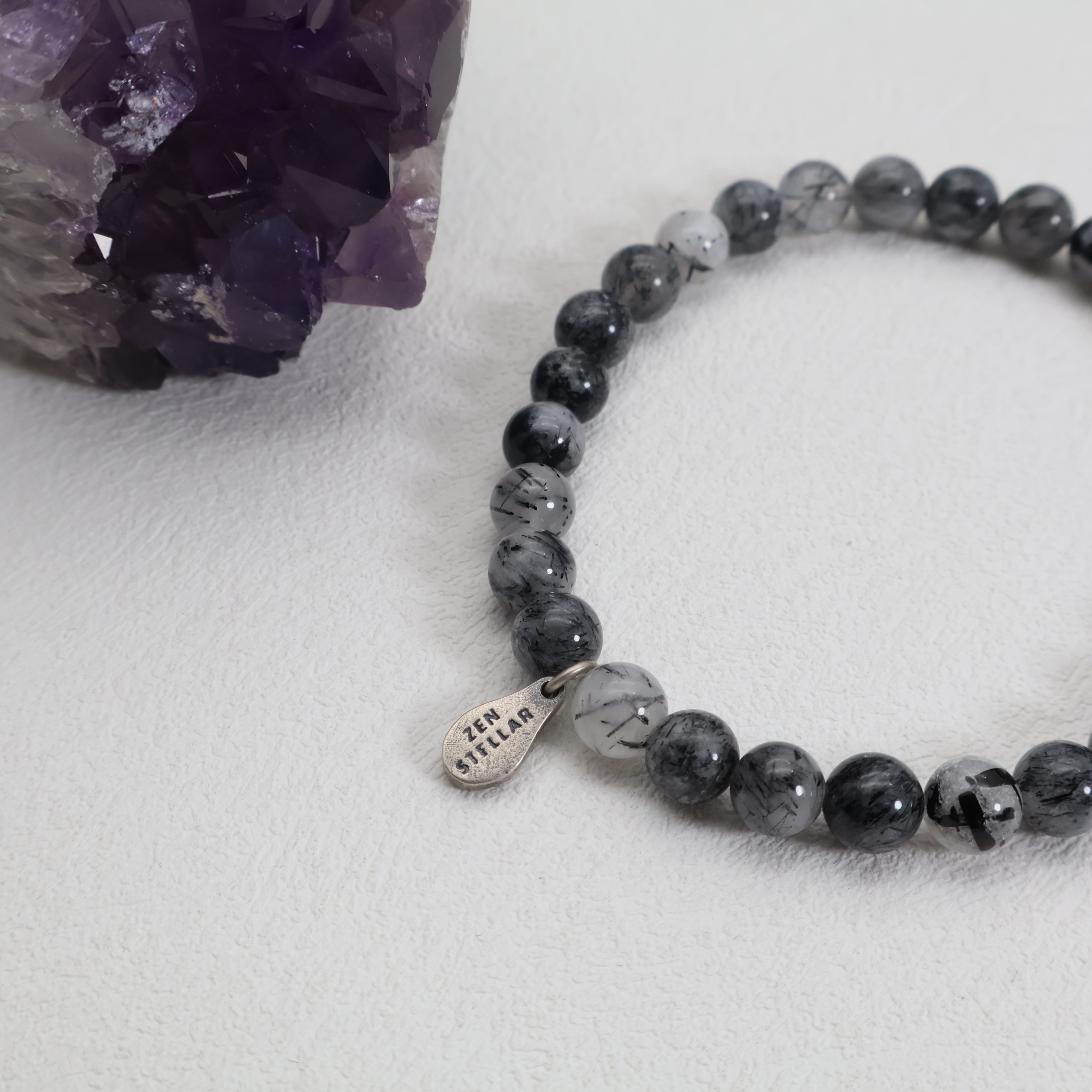
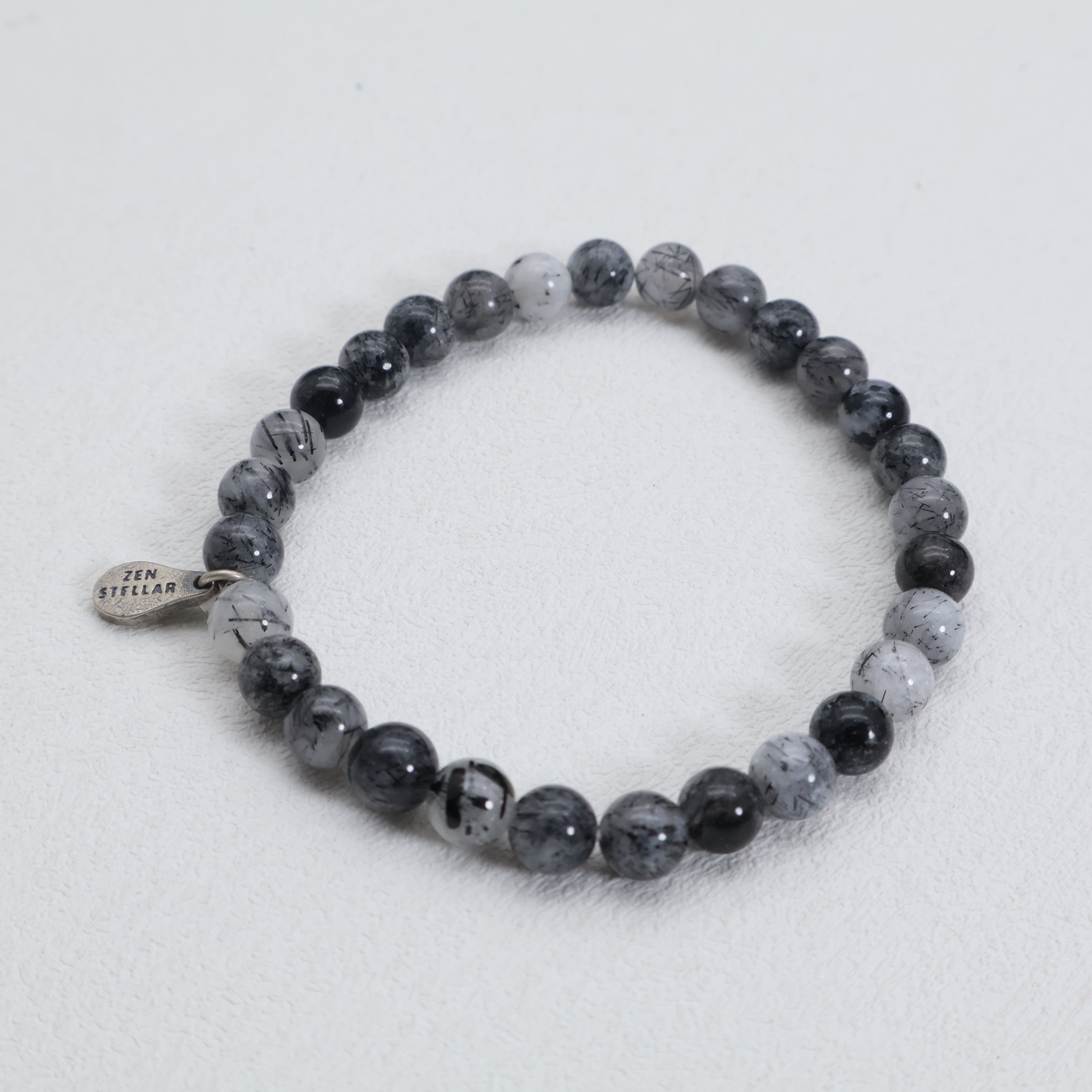
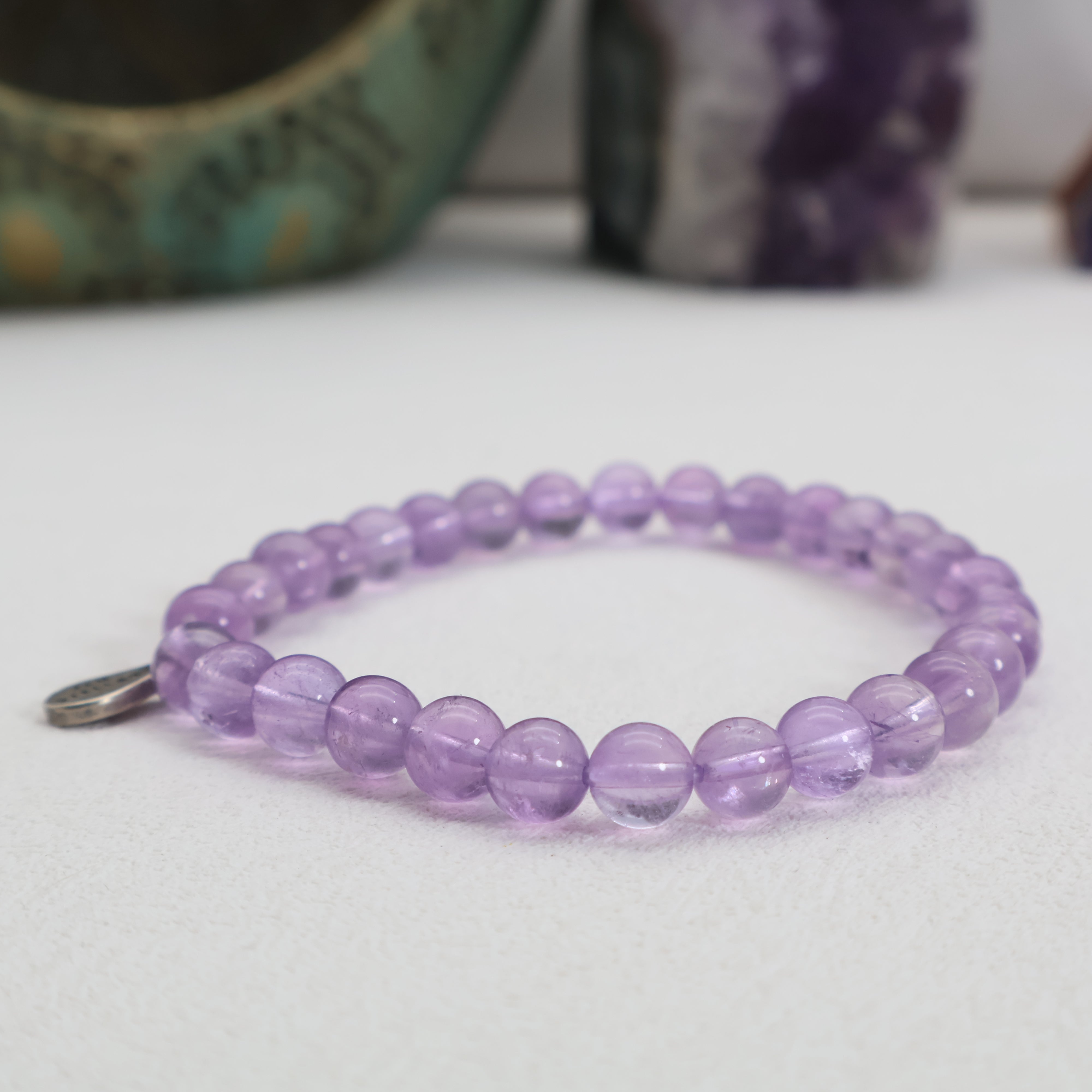
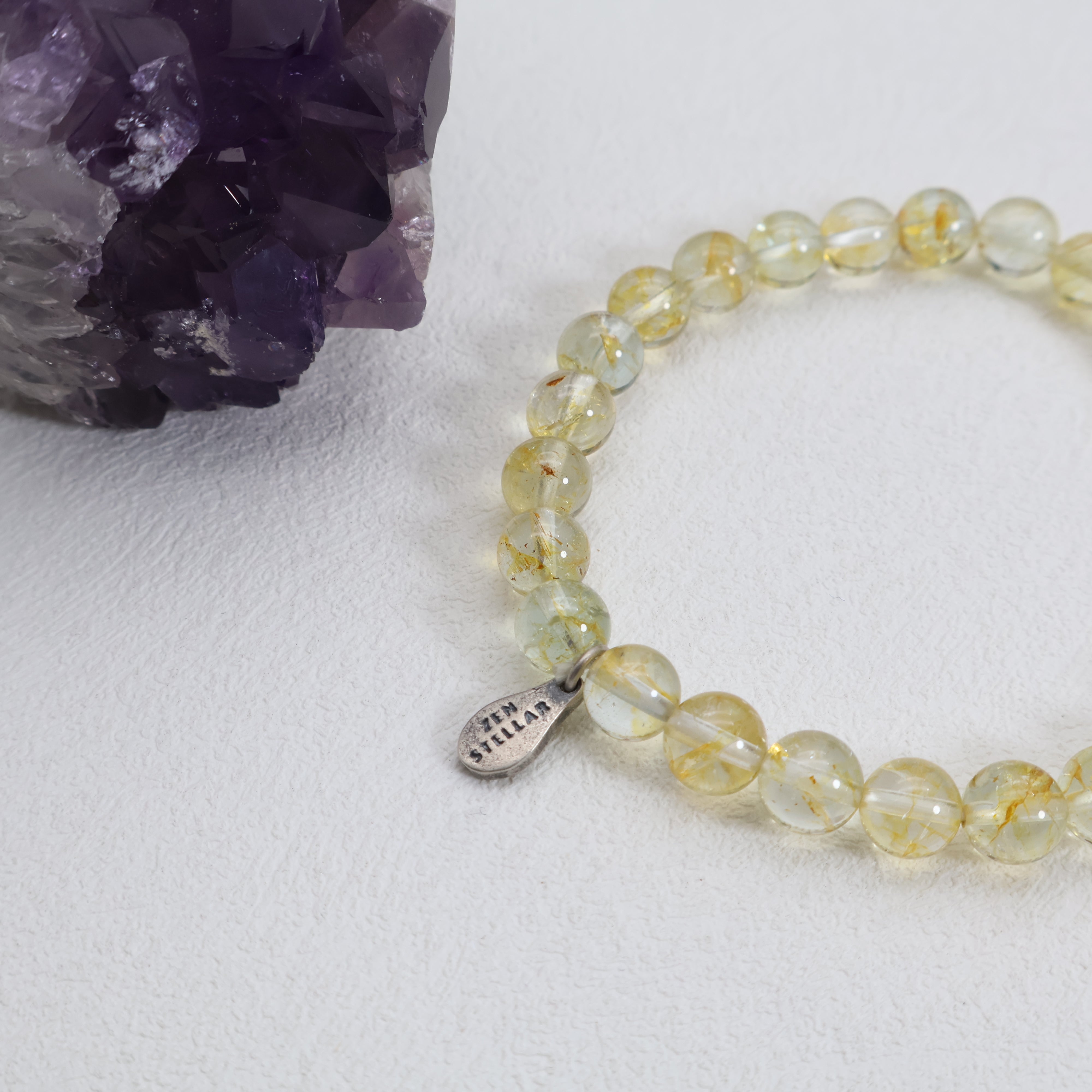
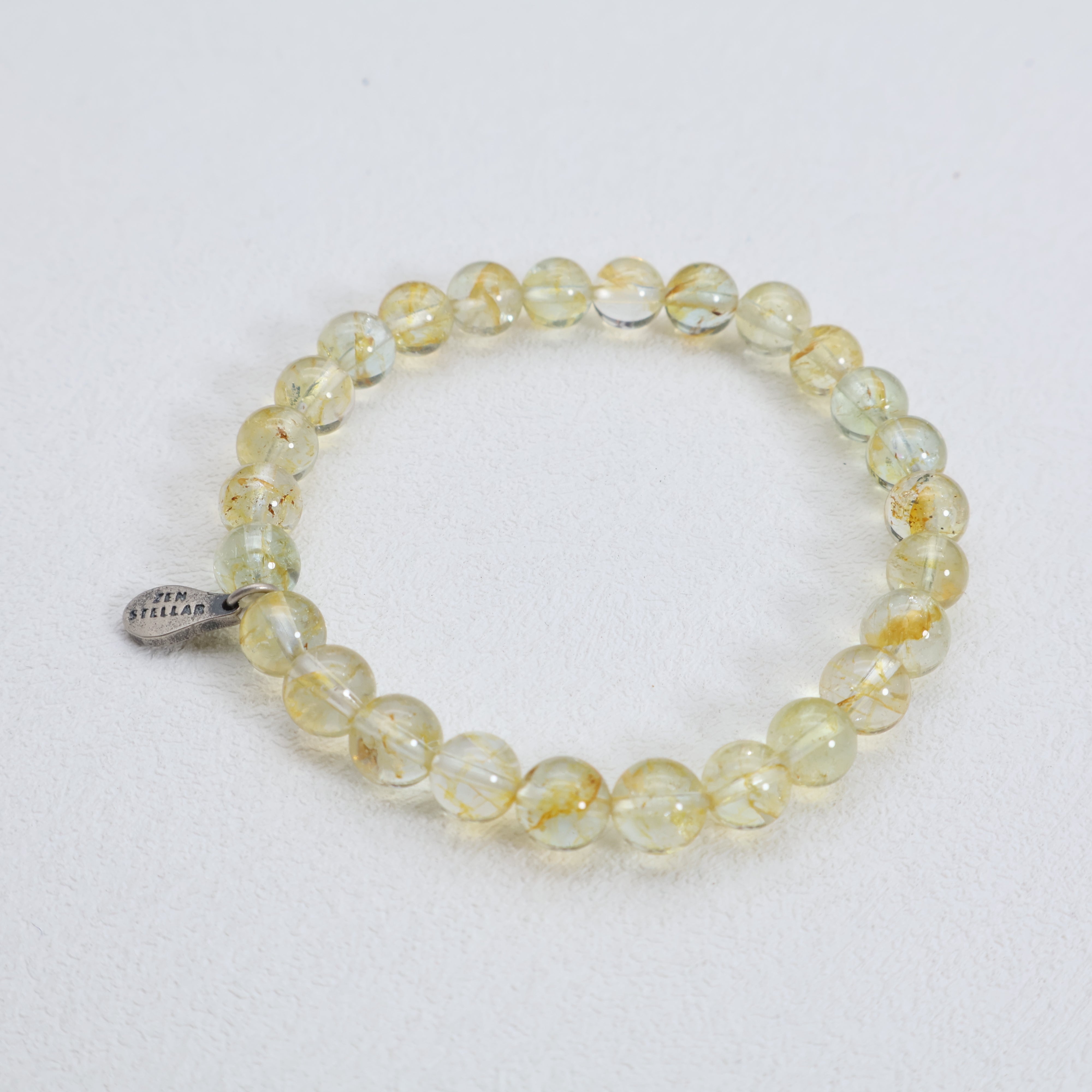
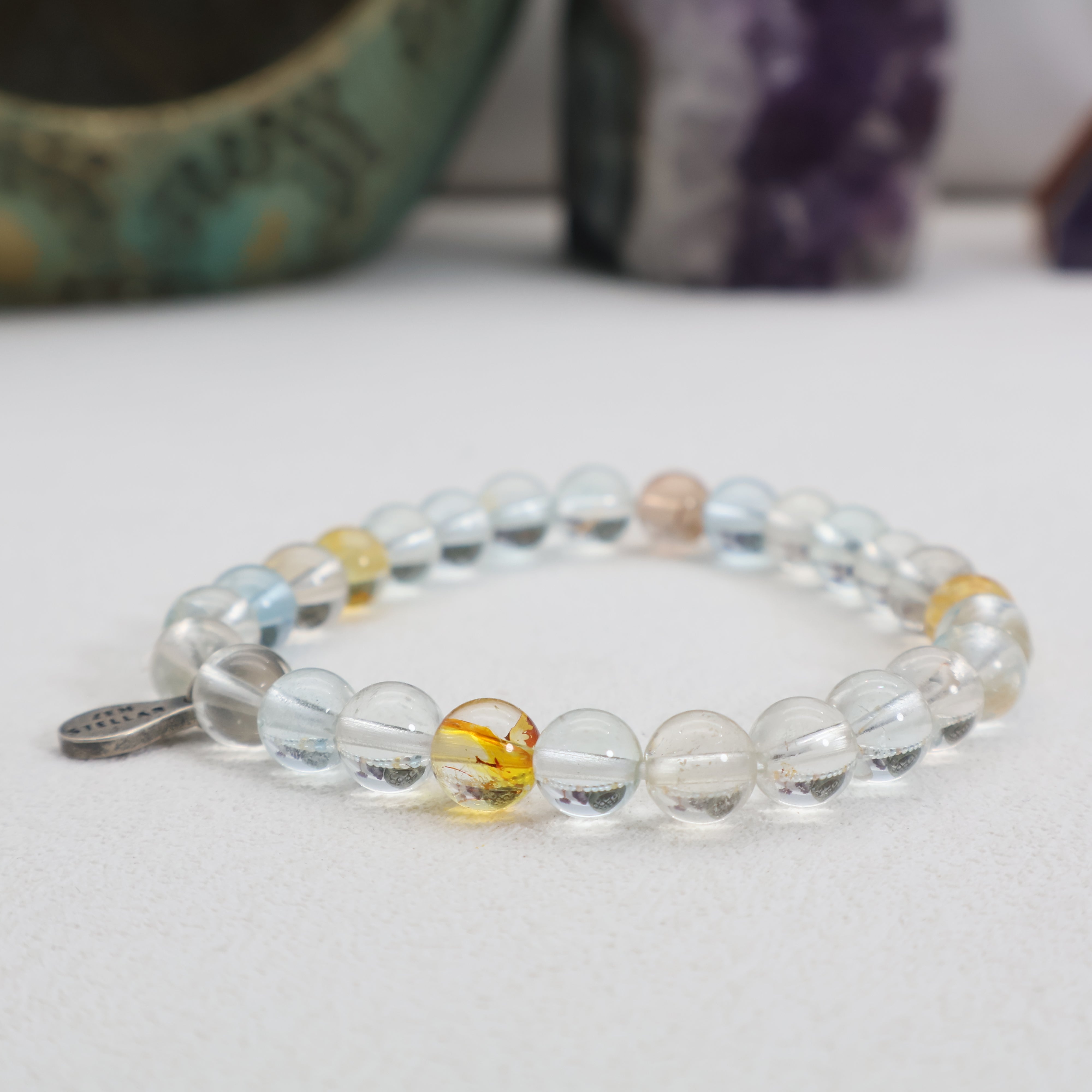
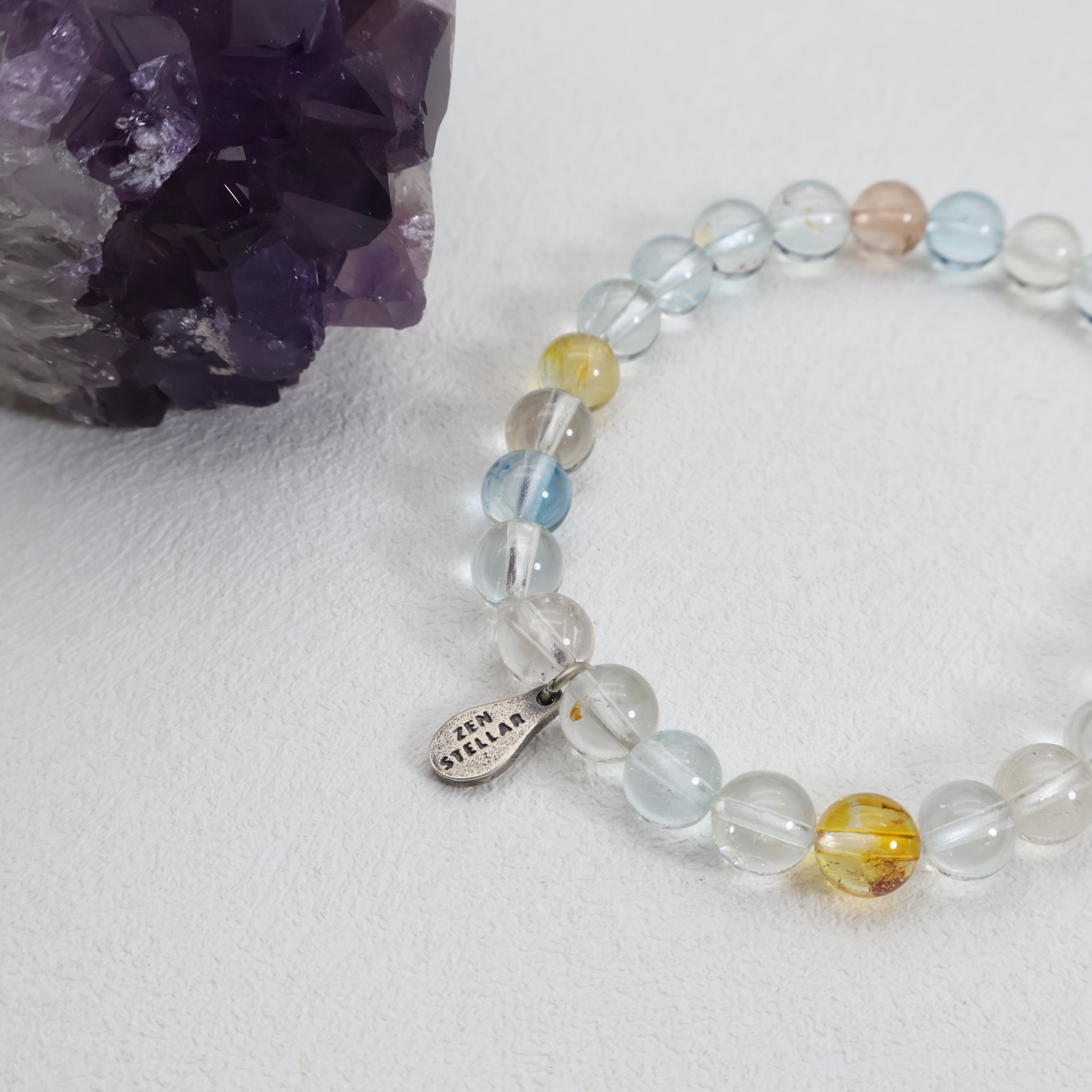
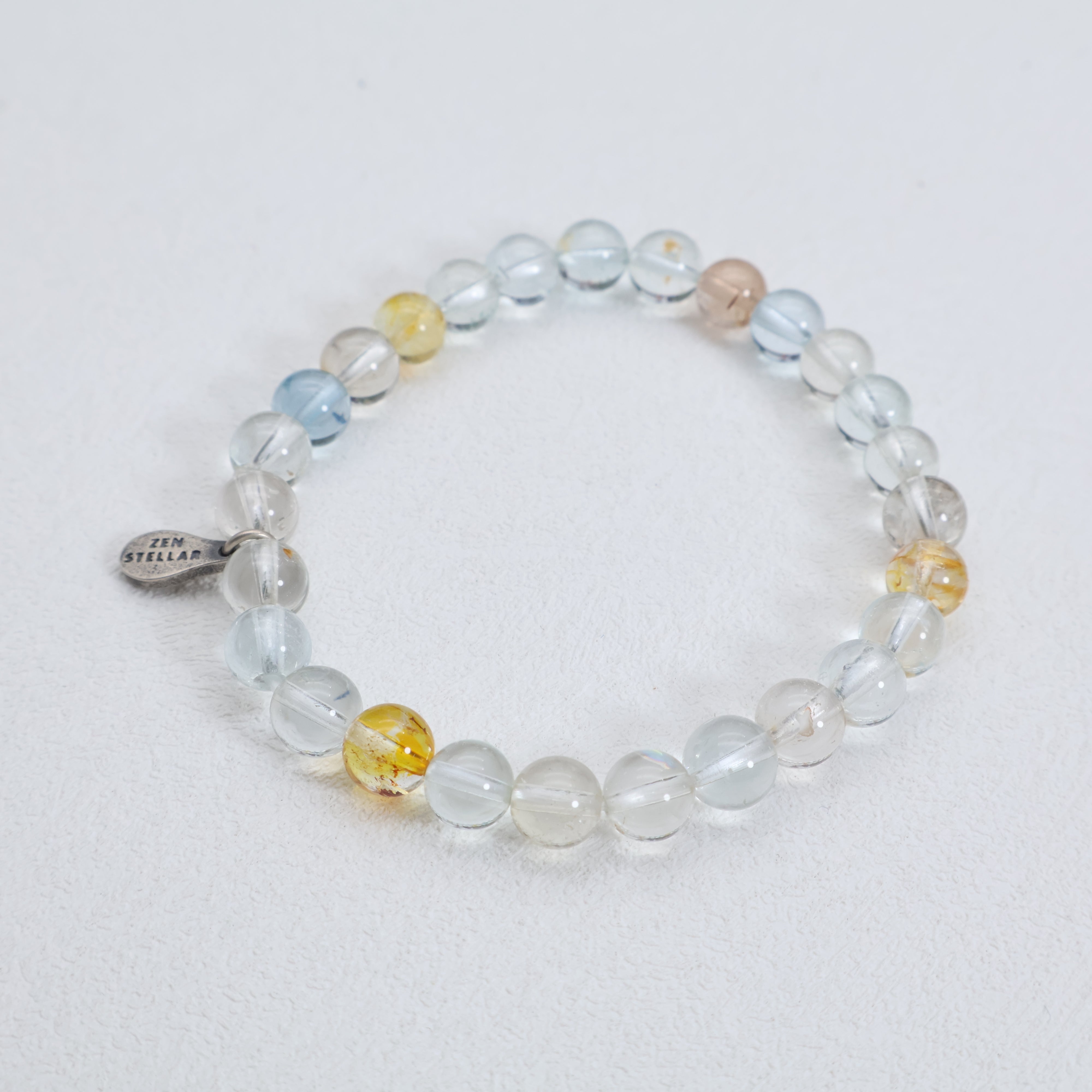
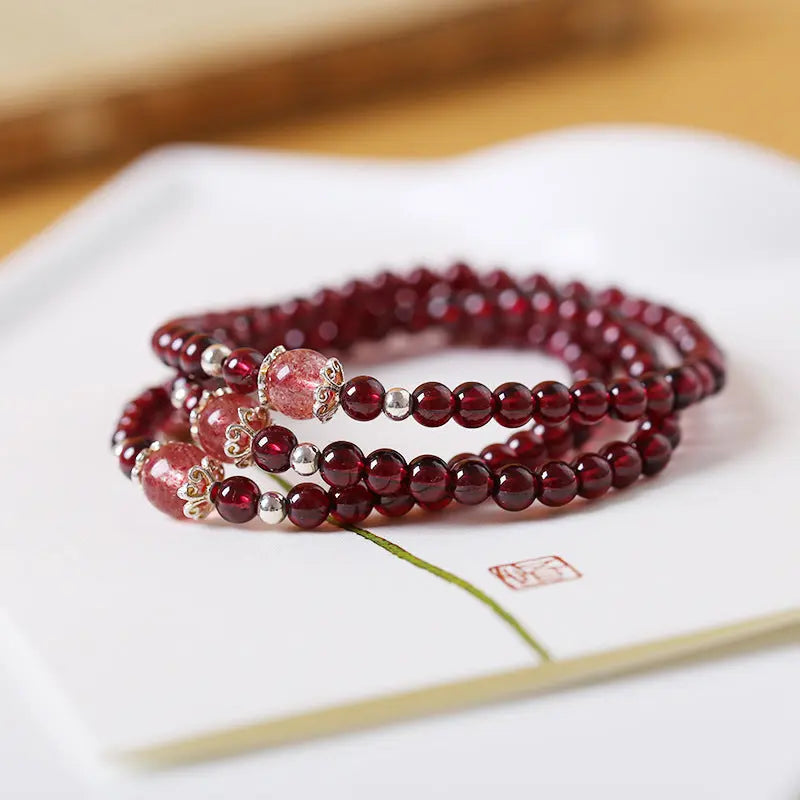
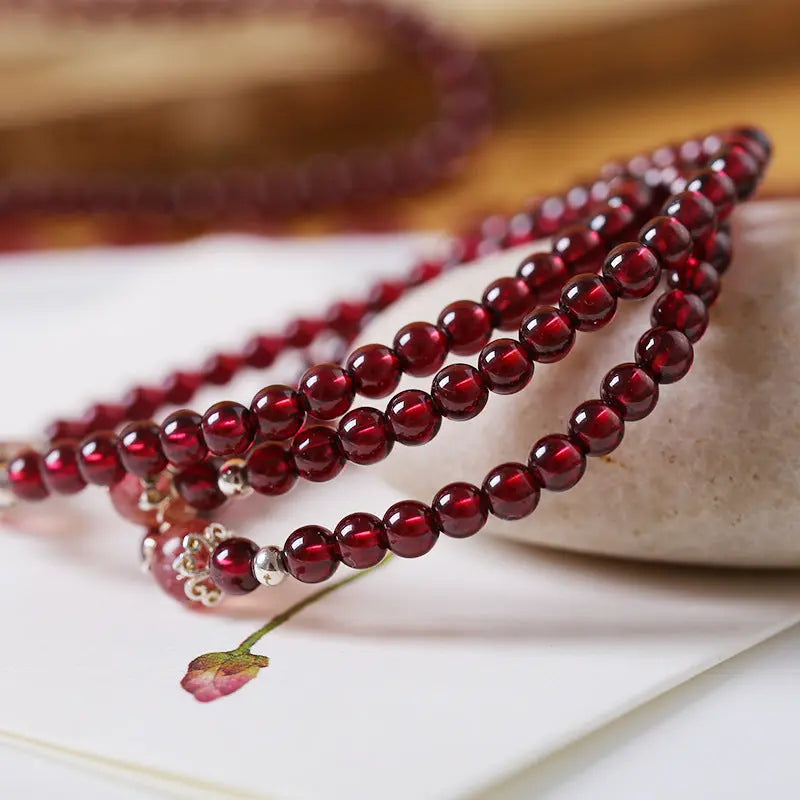
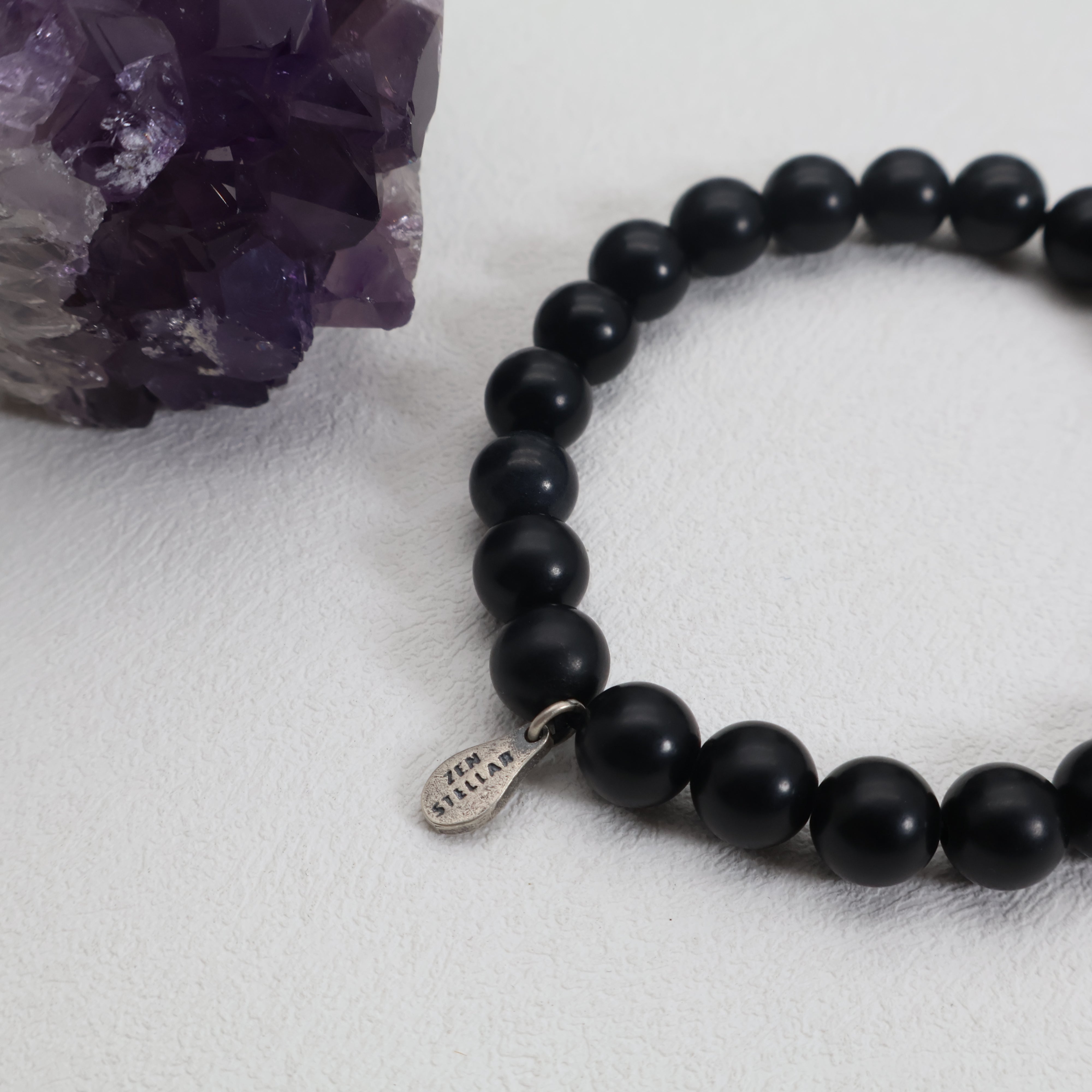
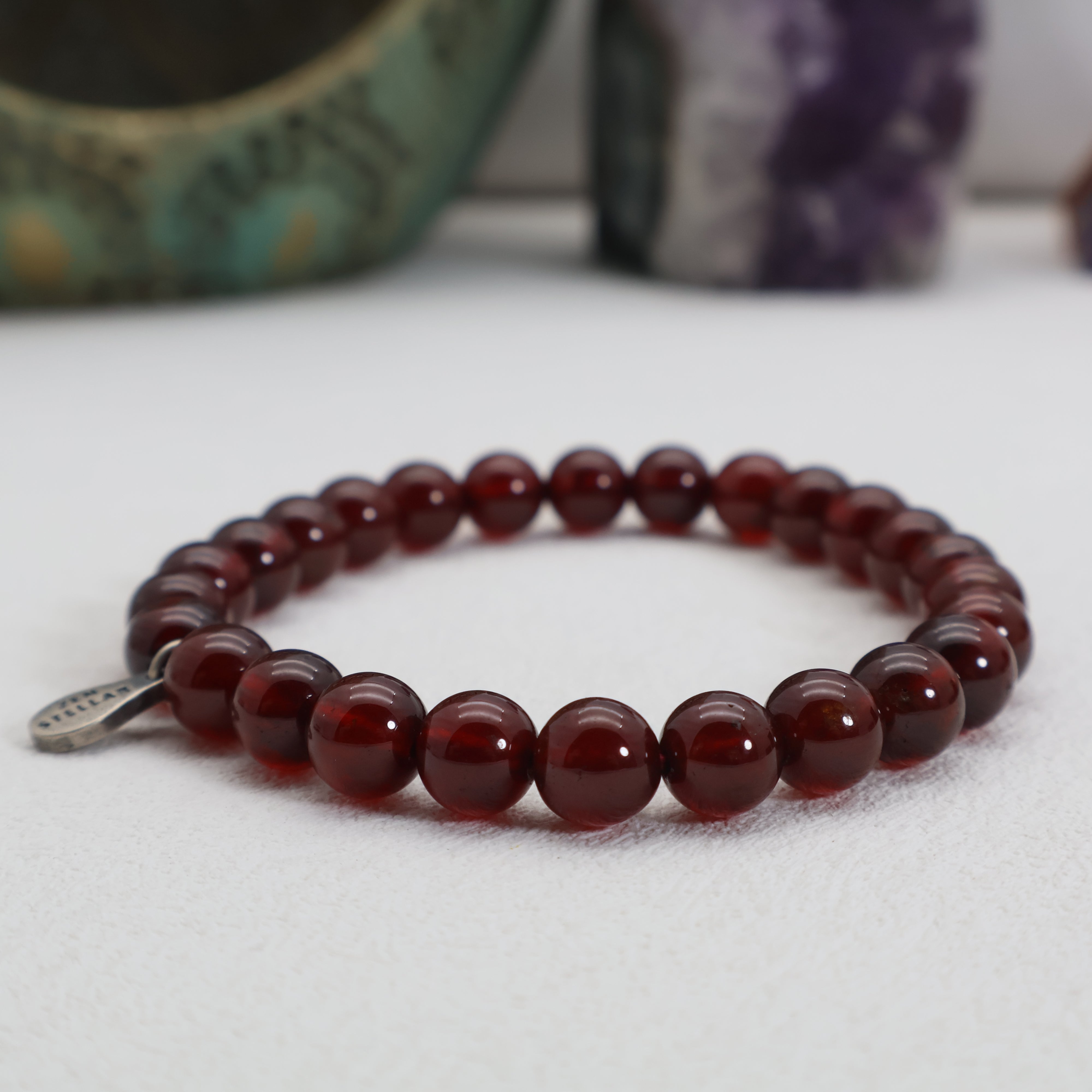
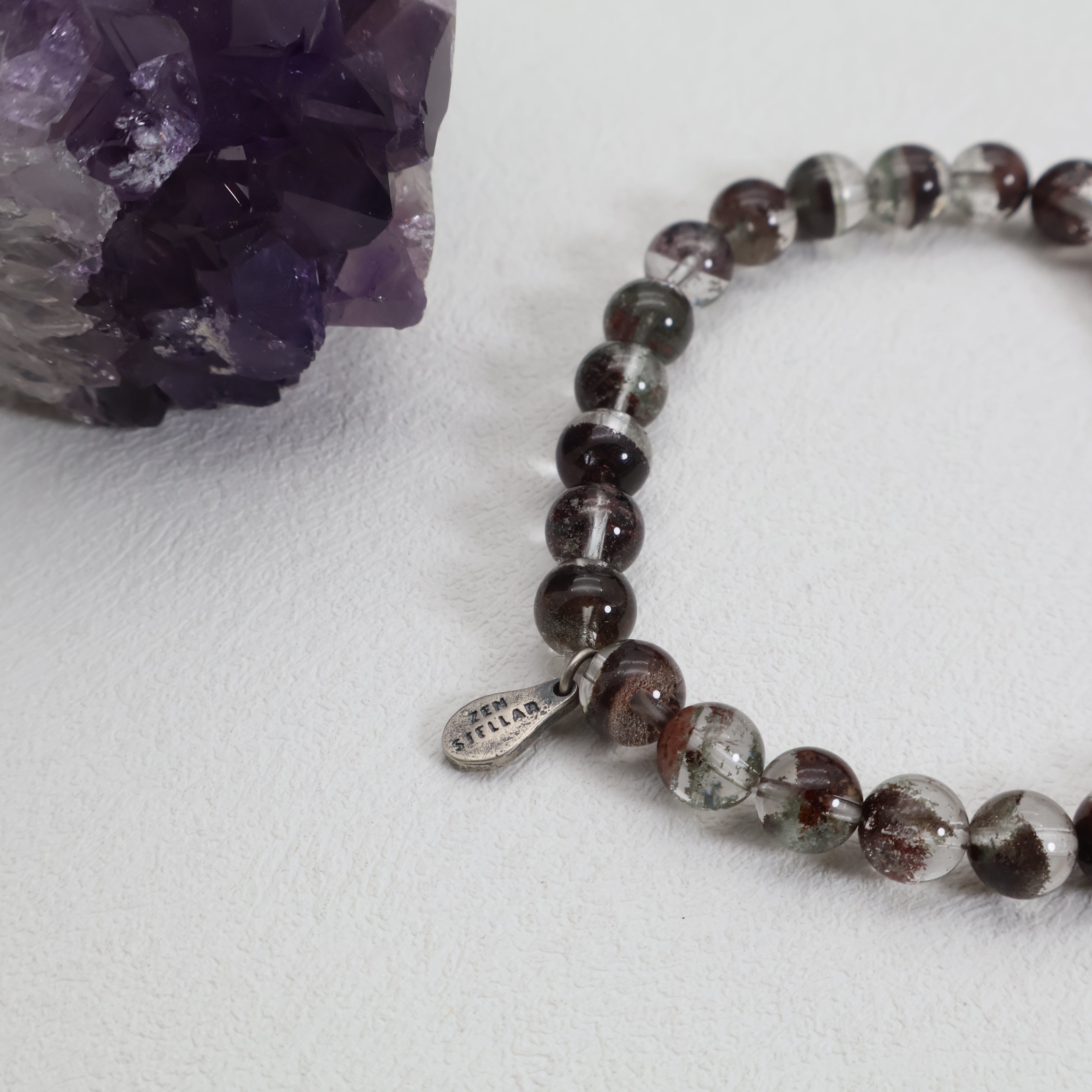
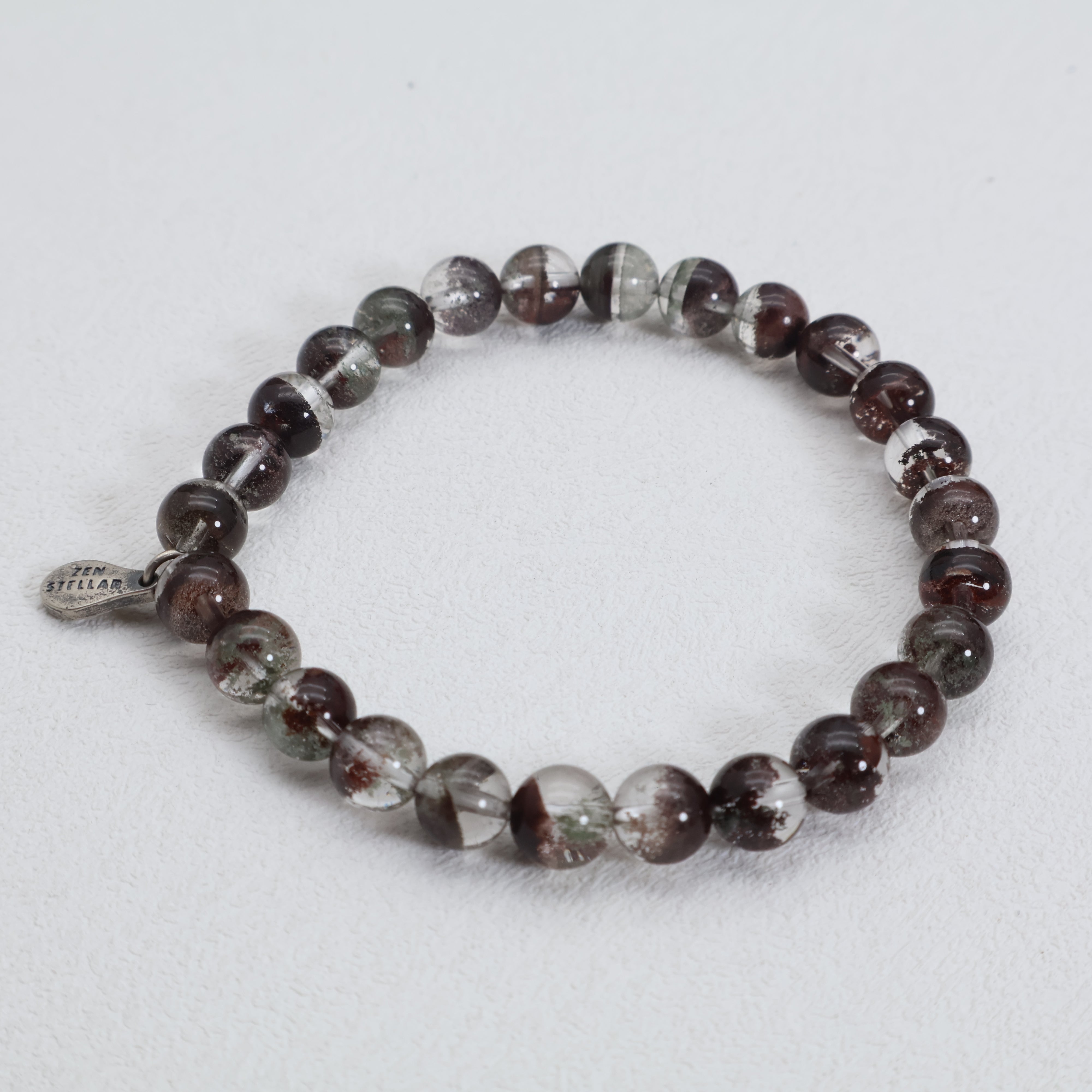
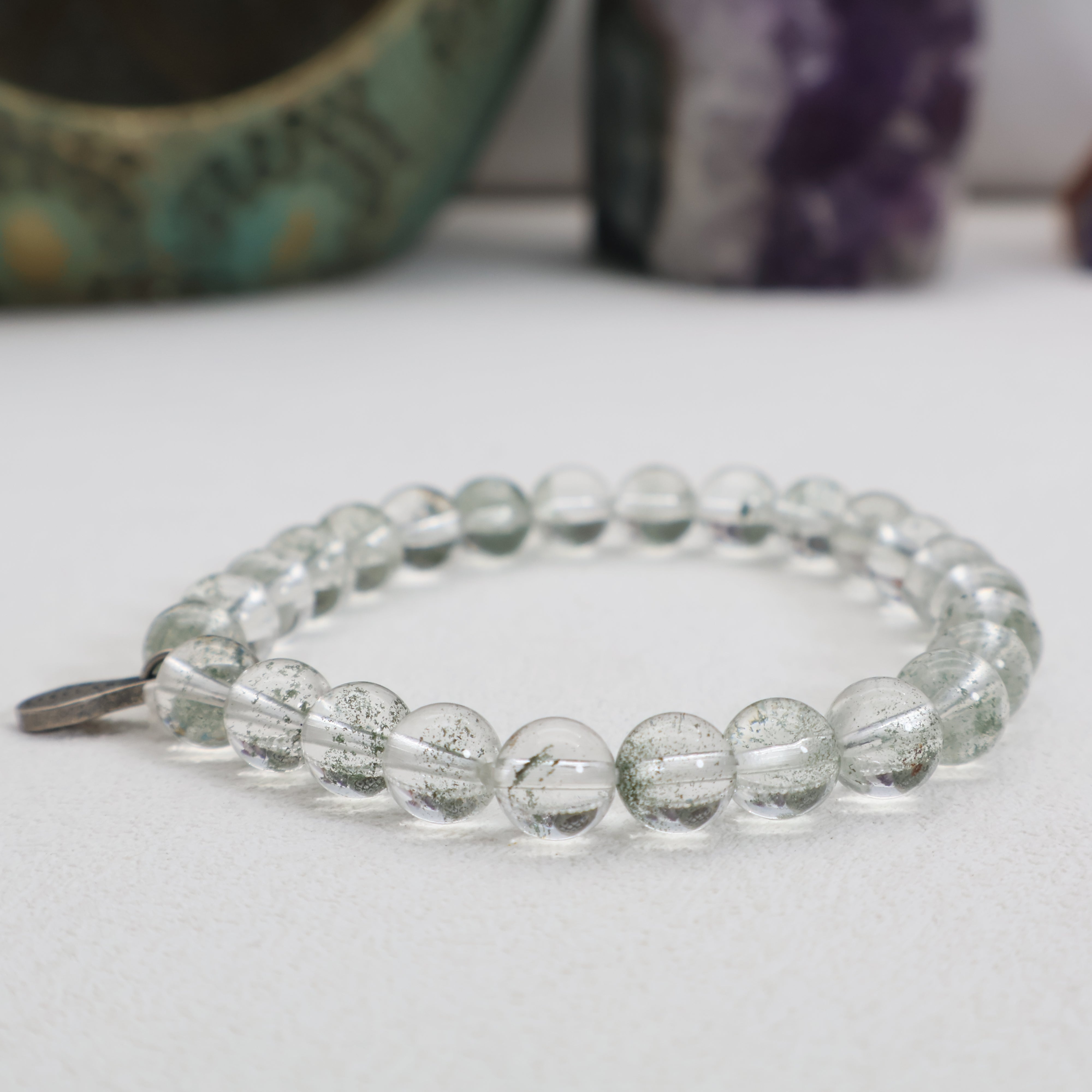
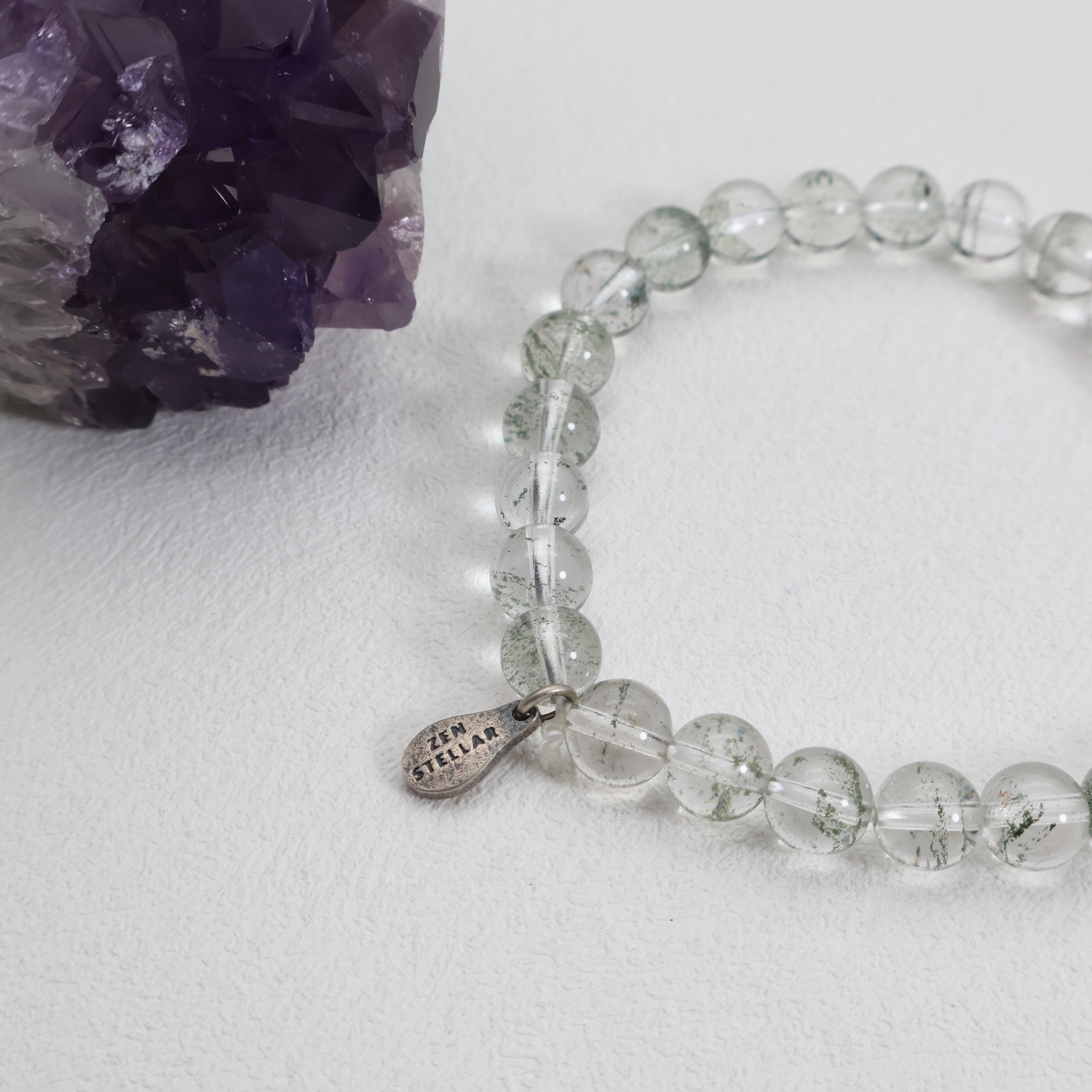
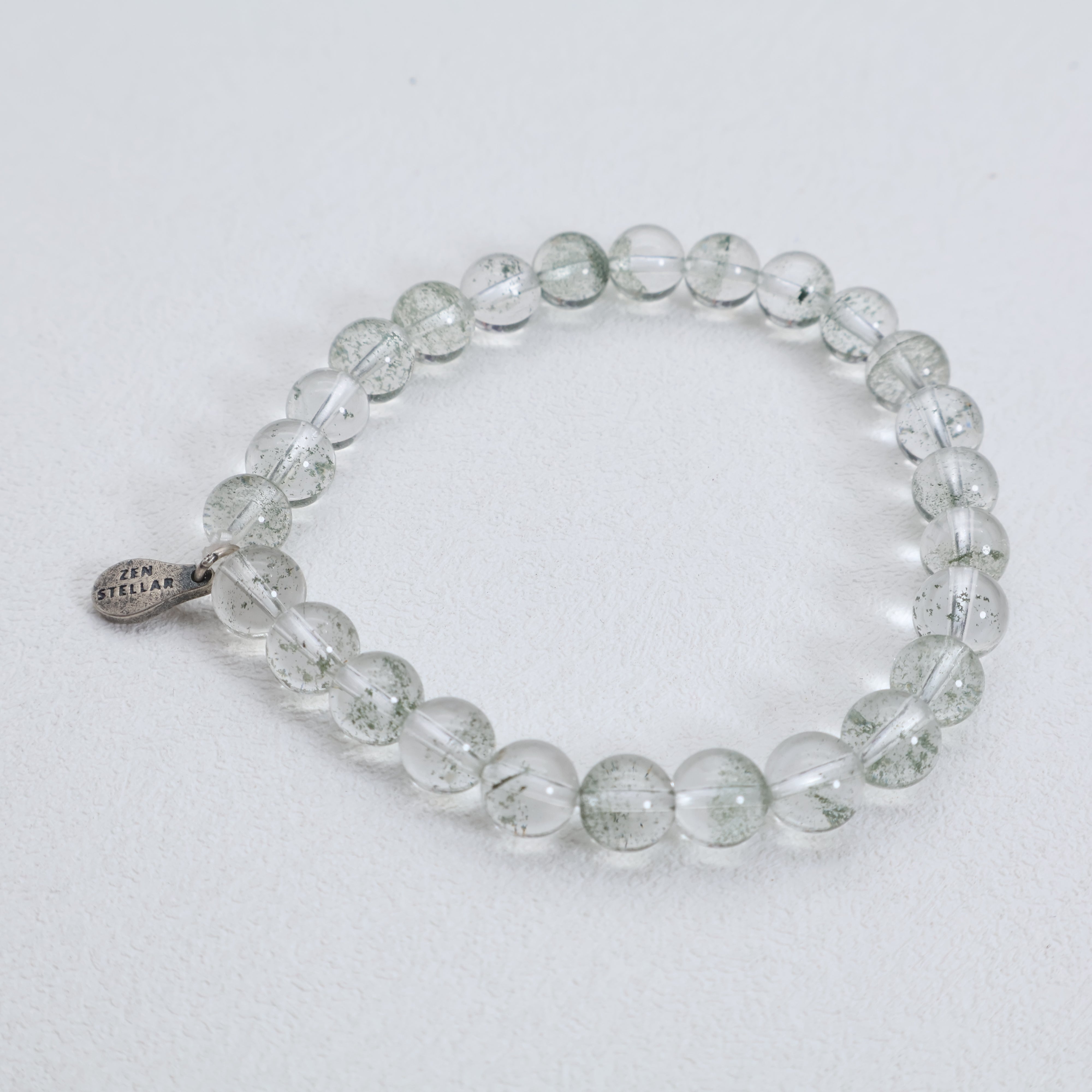
Crystal bracelets tend to work in this emotional space because natural stones offer both order and variation. The beads are arranged evenly, but each one carries a slightly different pattern.
This balance between structure and uniqueness creates visual comfort.
The bracelet feels designed, but not artificial.
The Second Layer: Touch and Sensation
Once an object is worn, touch becomes more important than appearance.
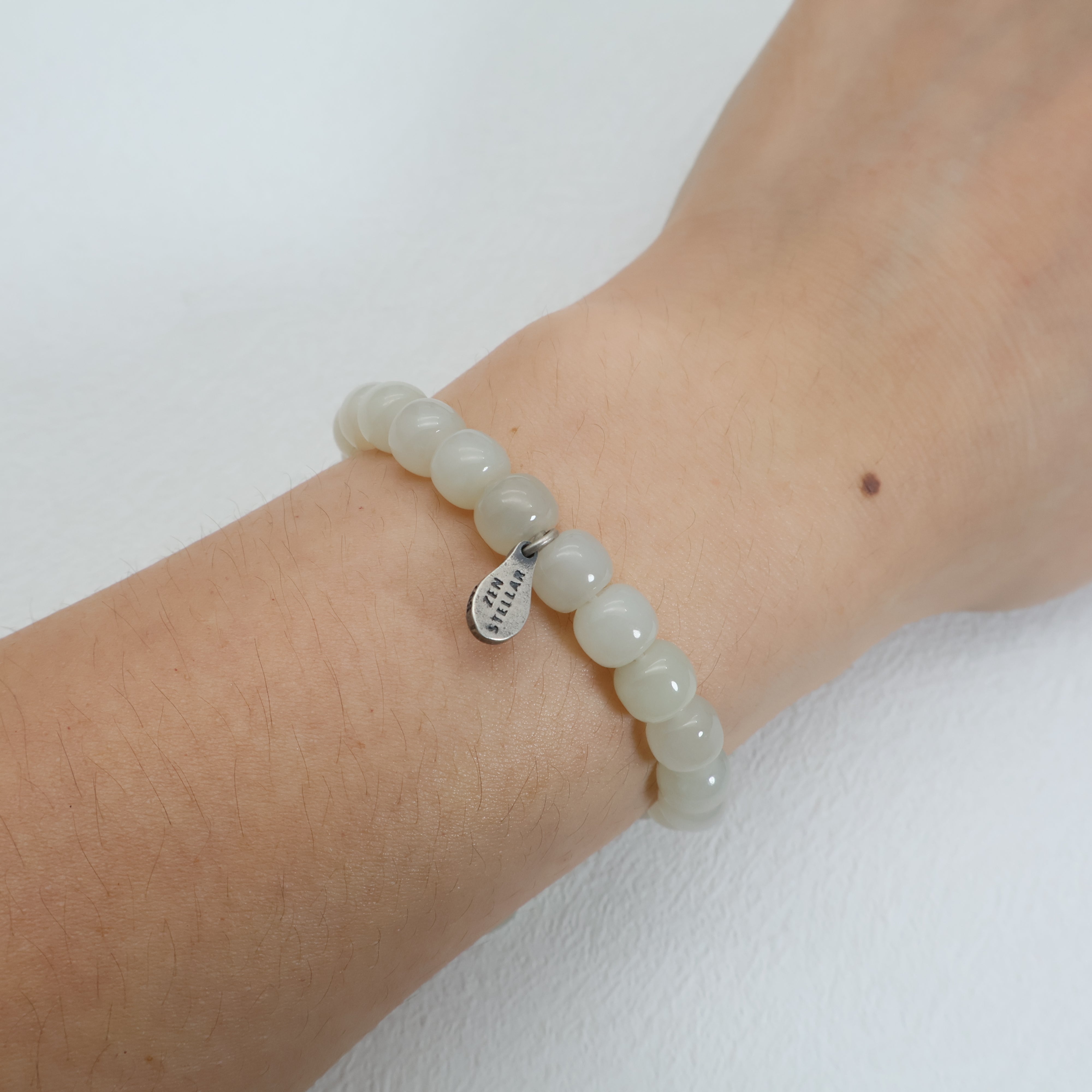
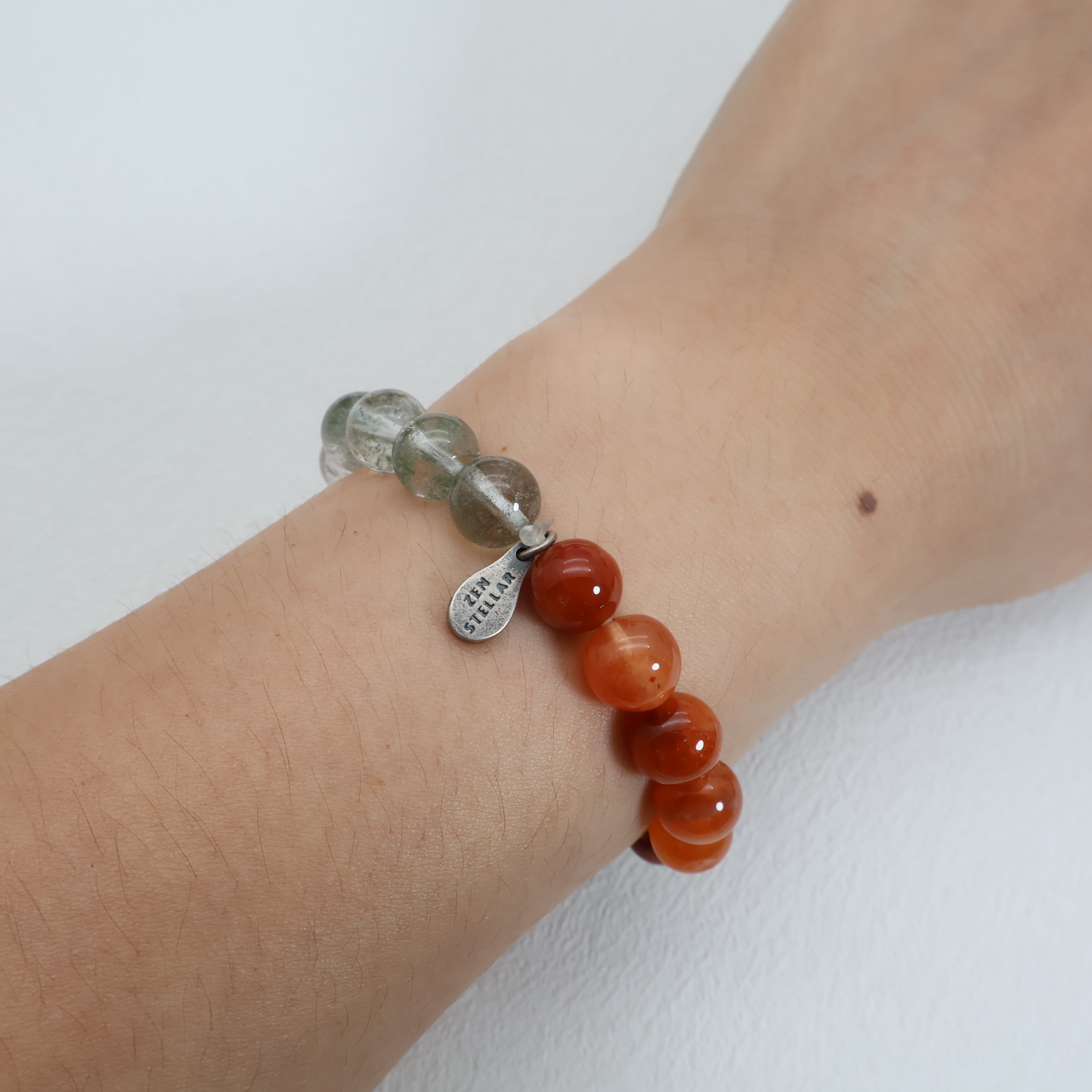
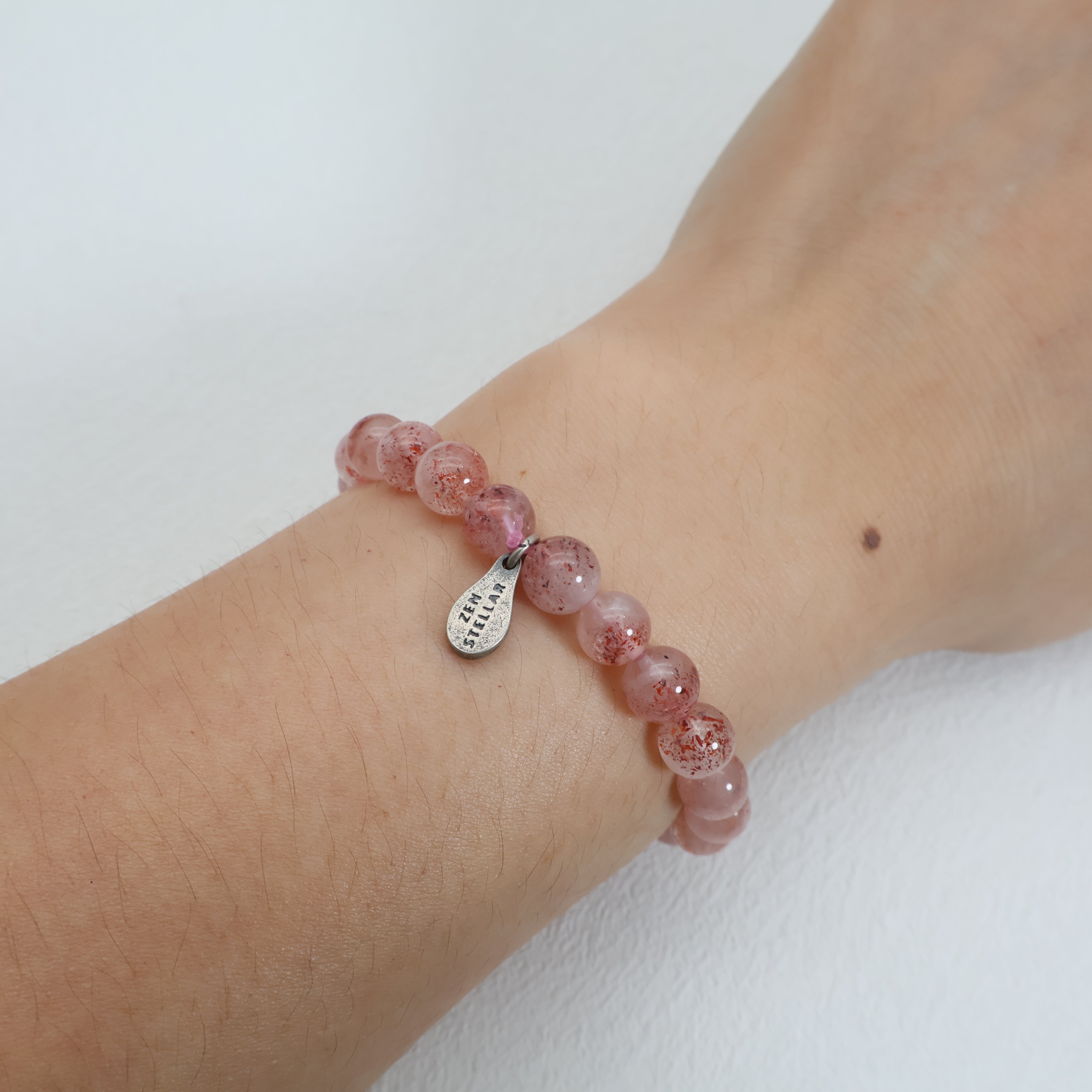
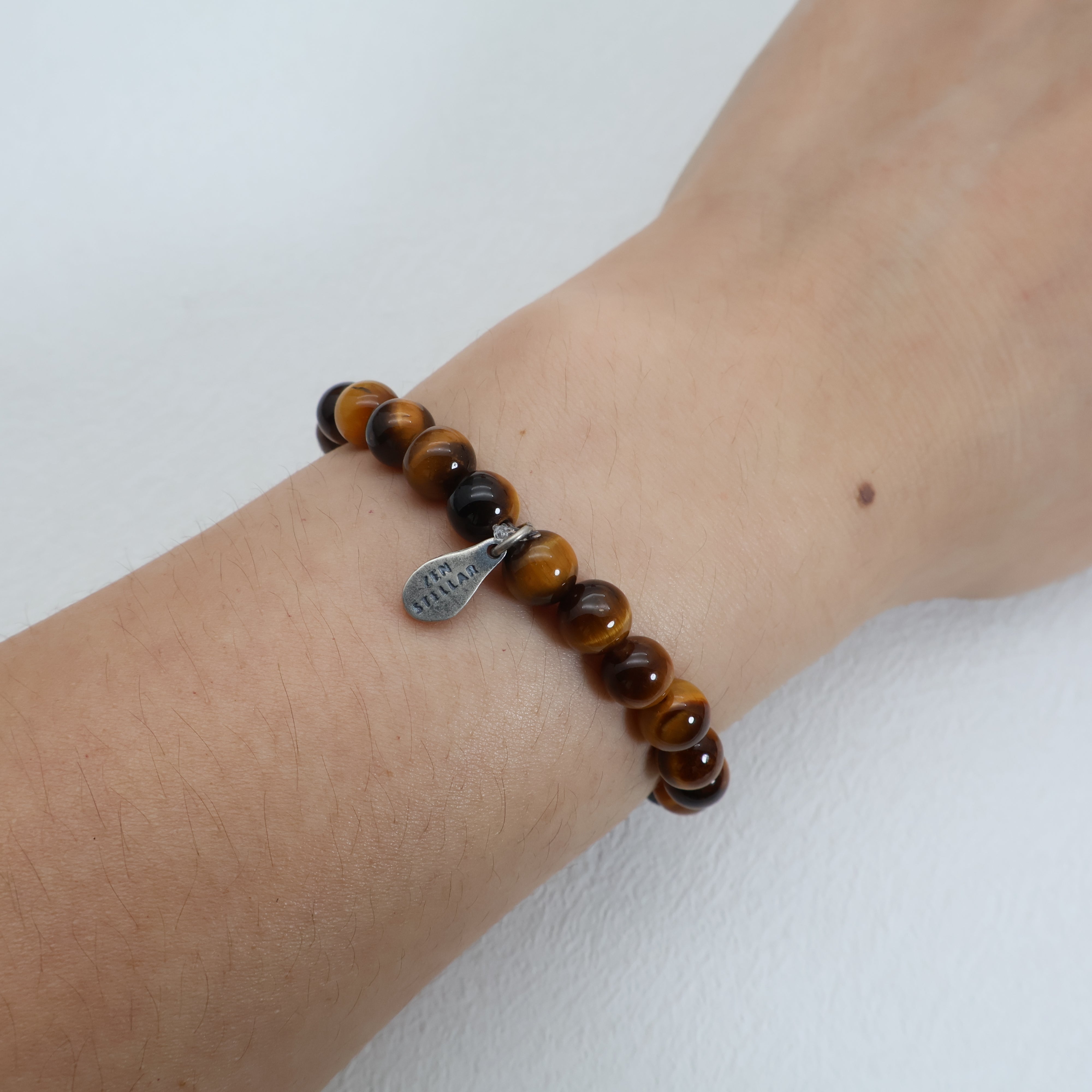
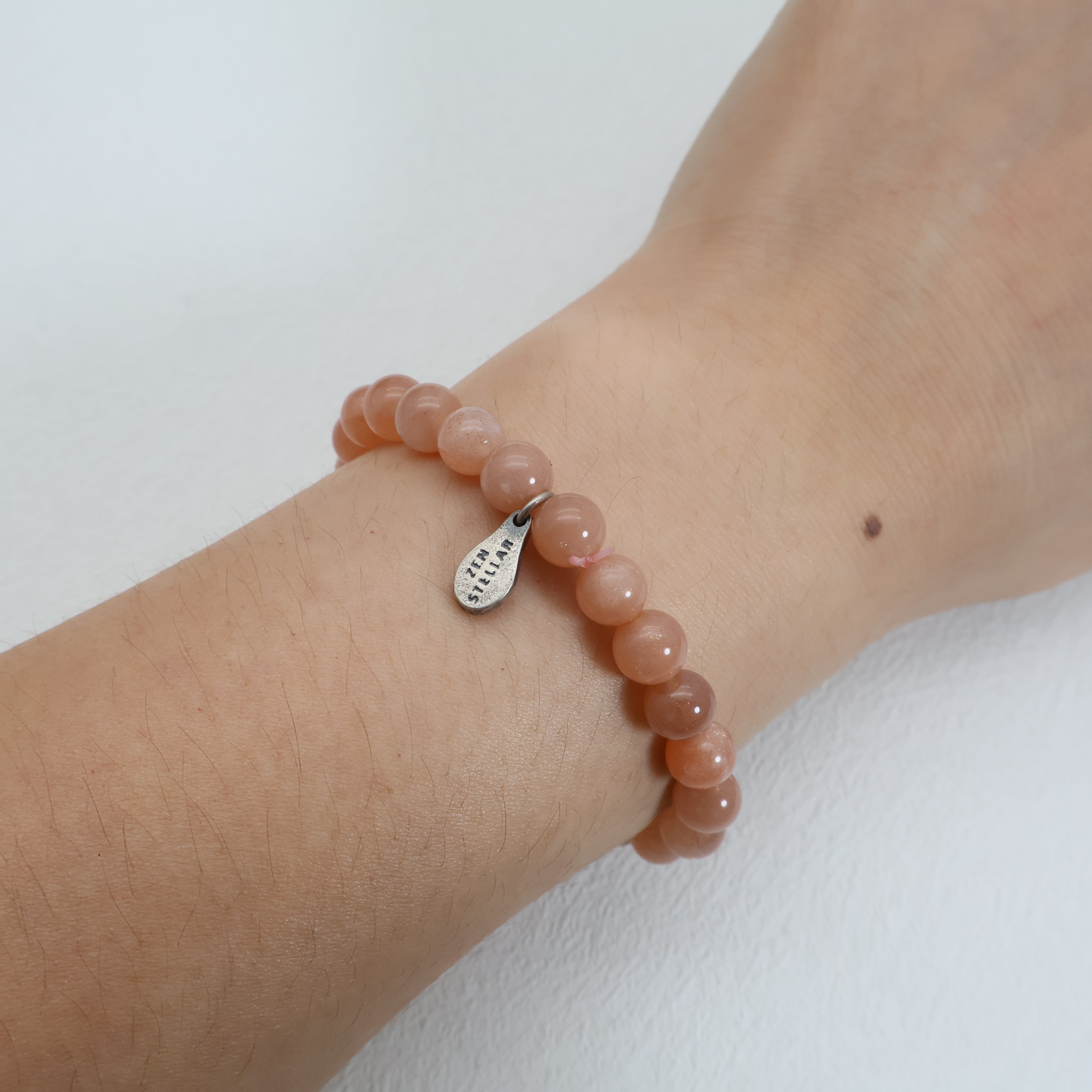
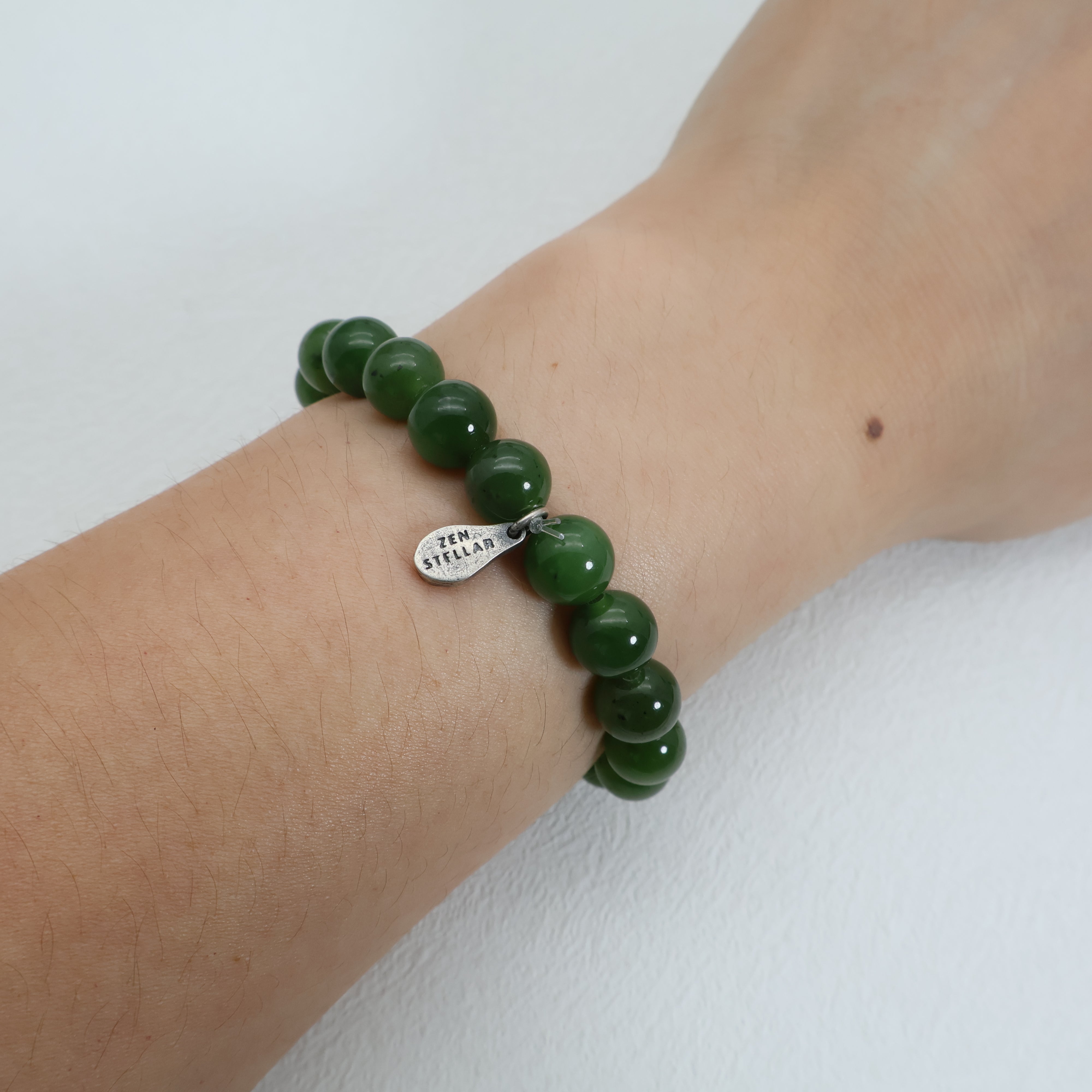
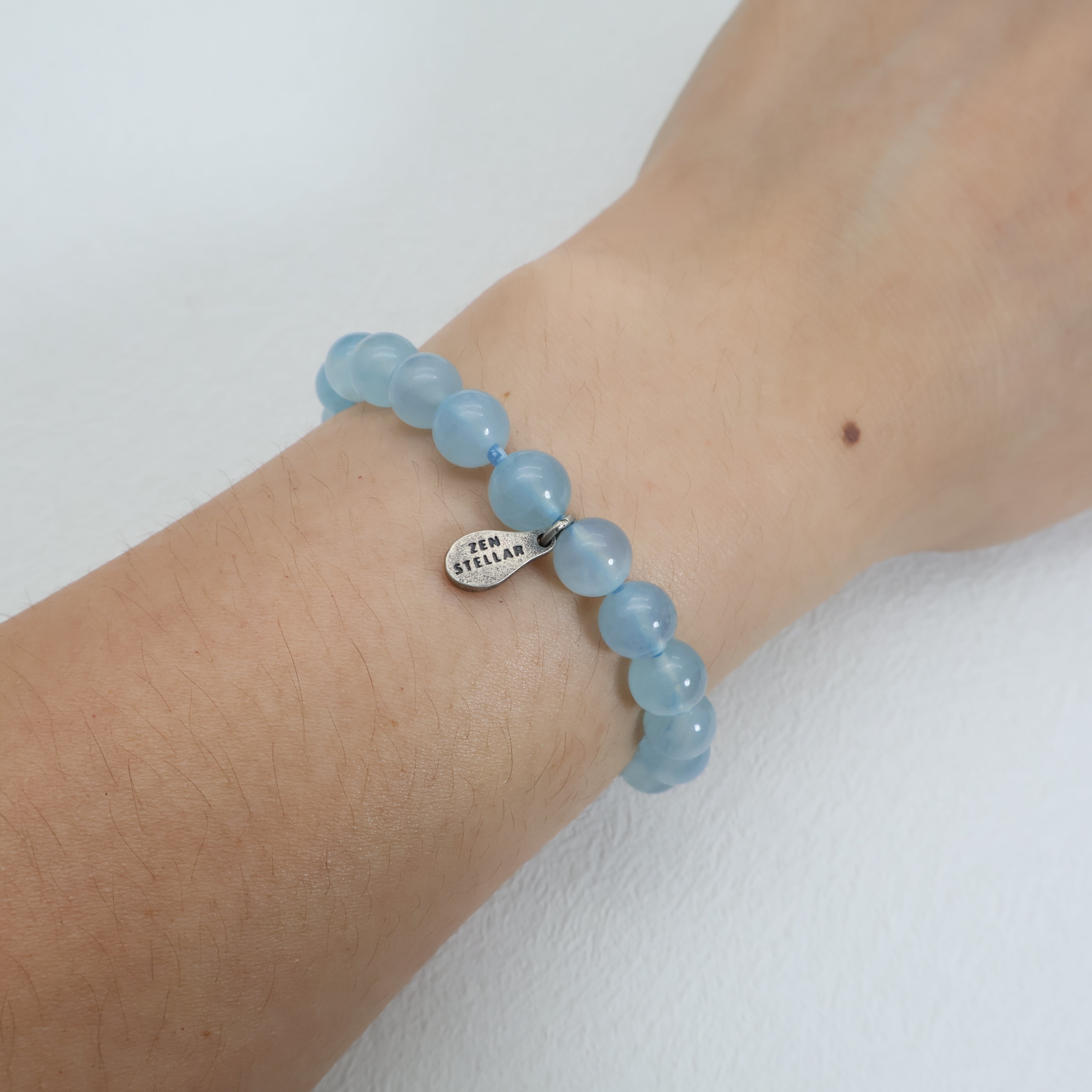
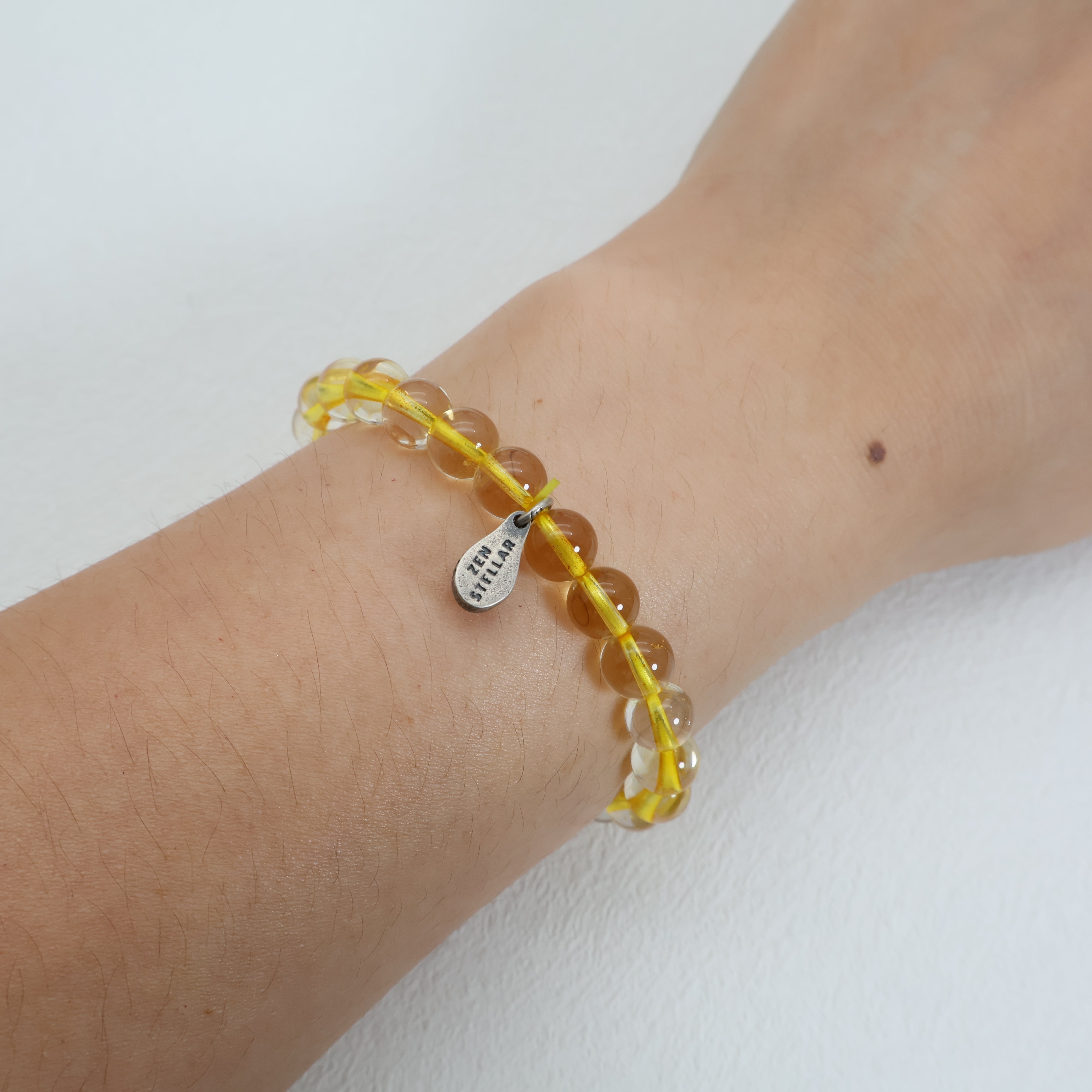
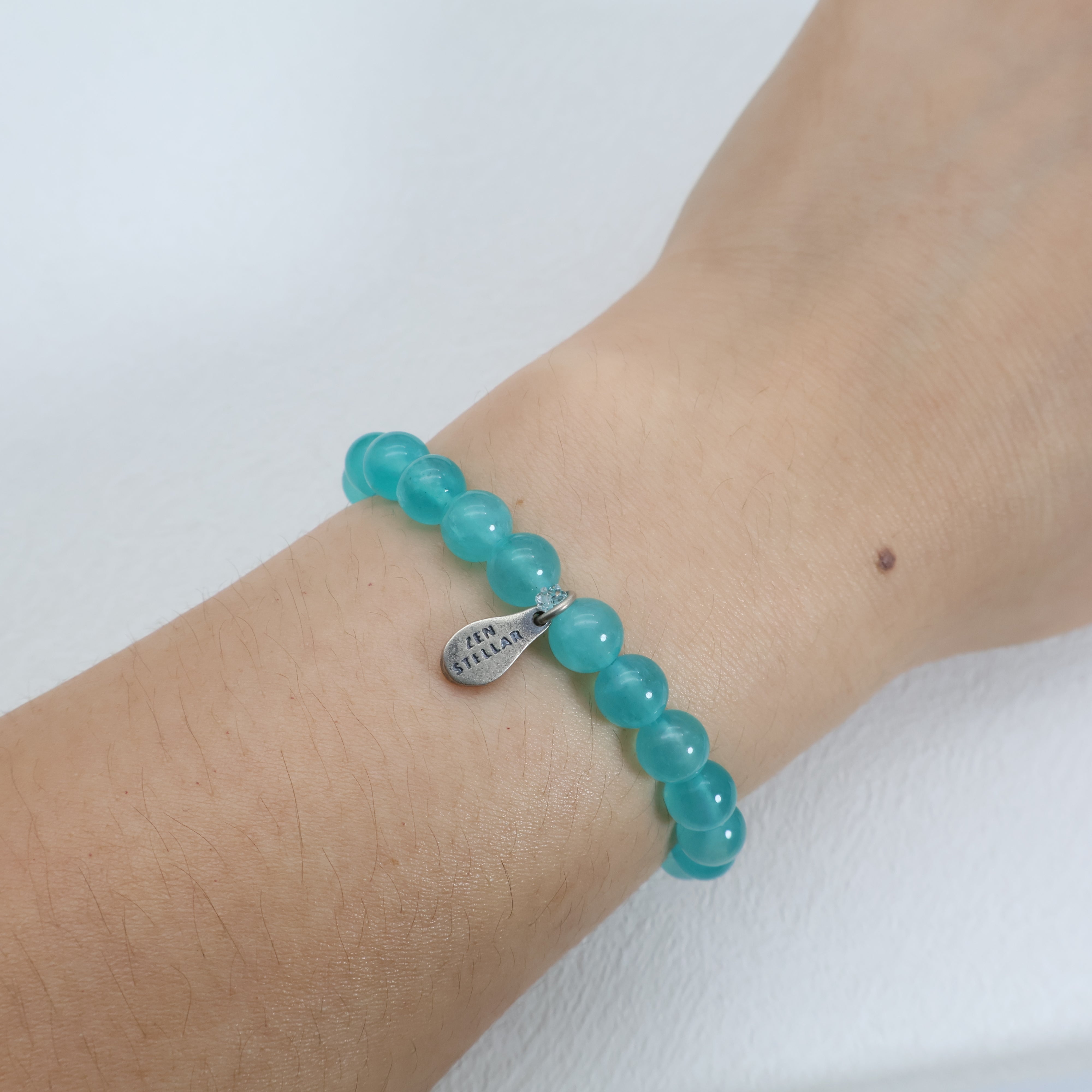
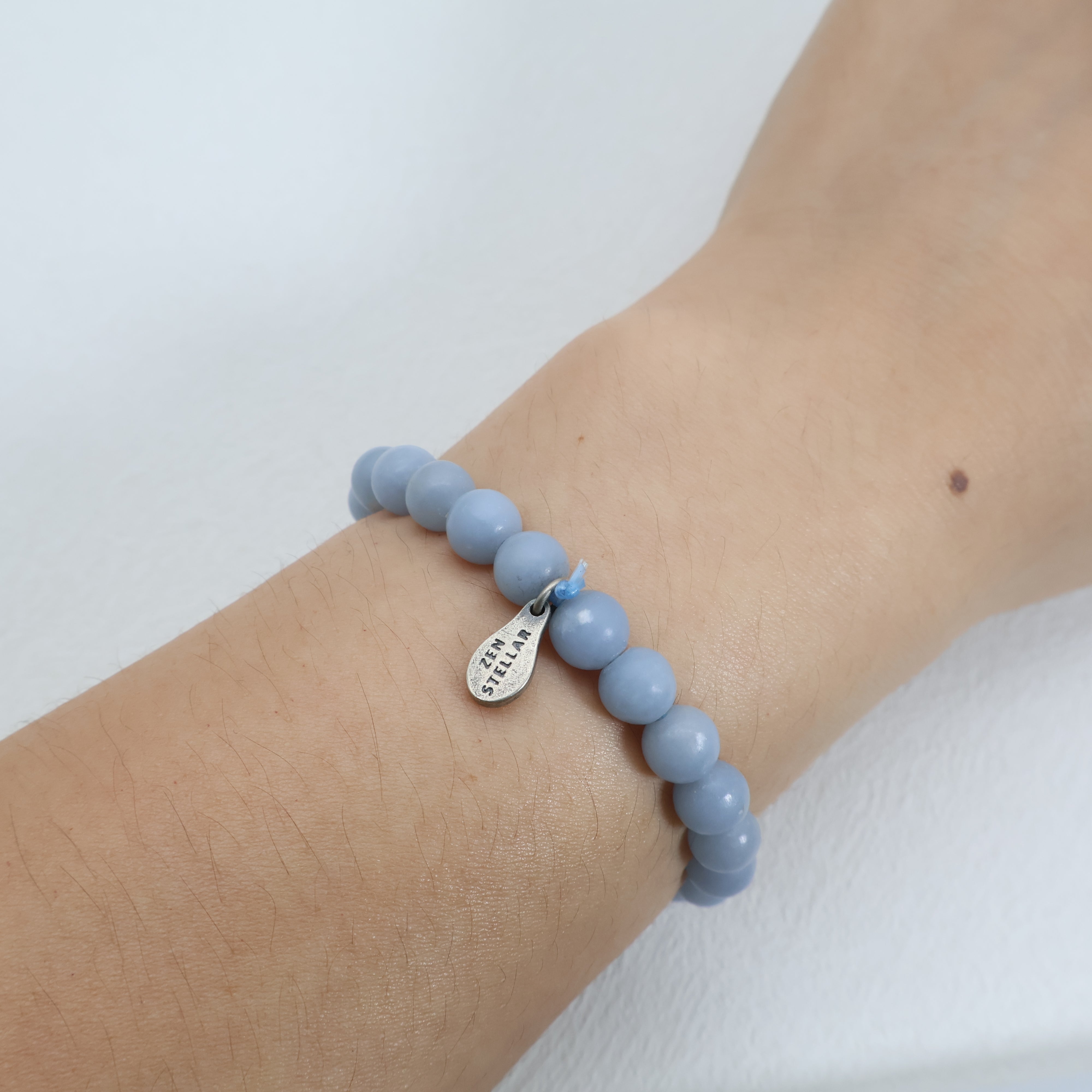
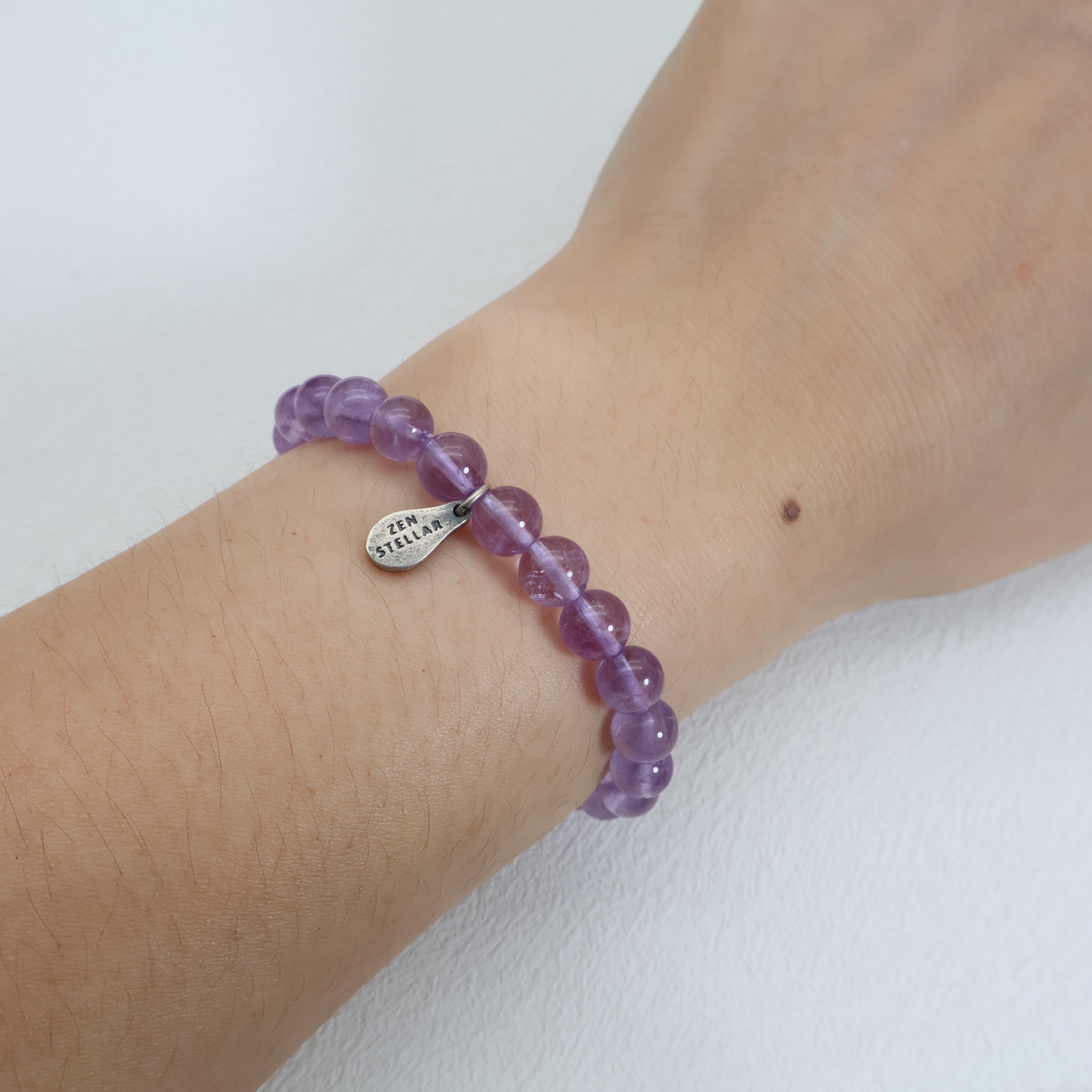
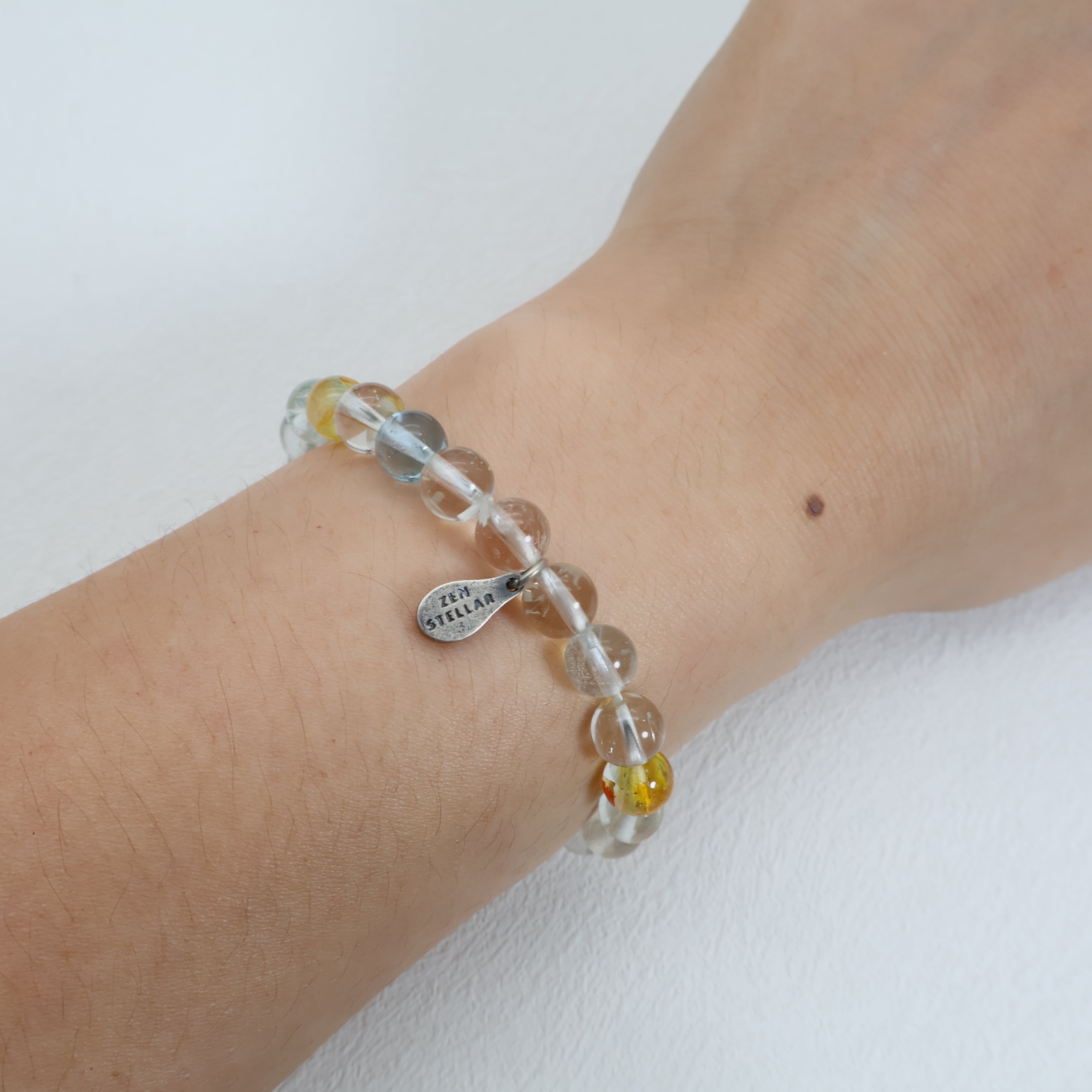
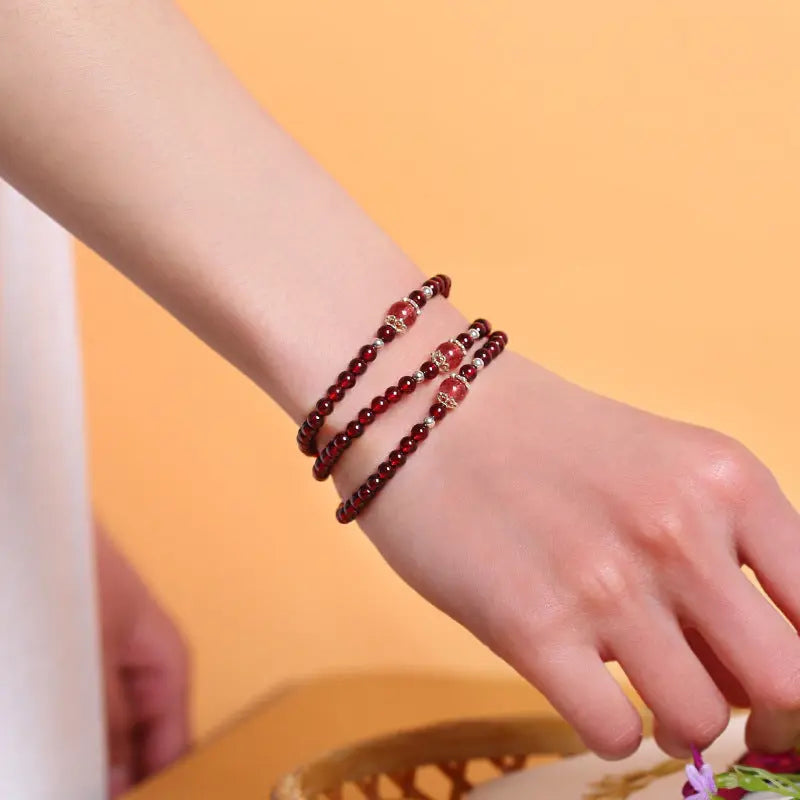
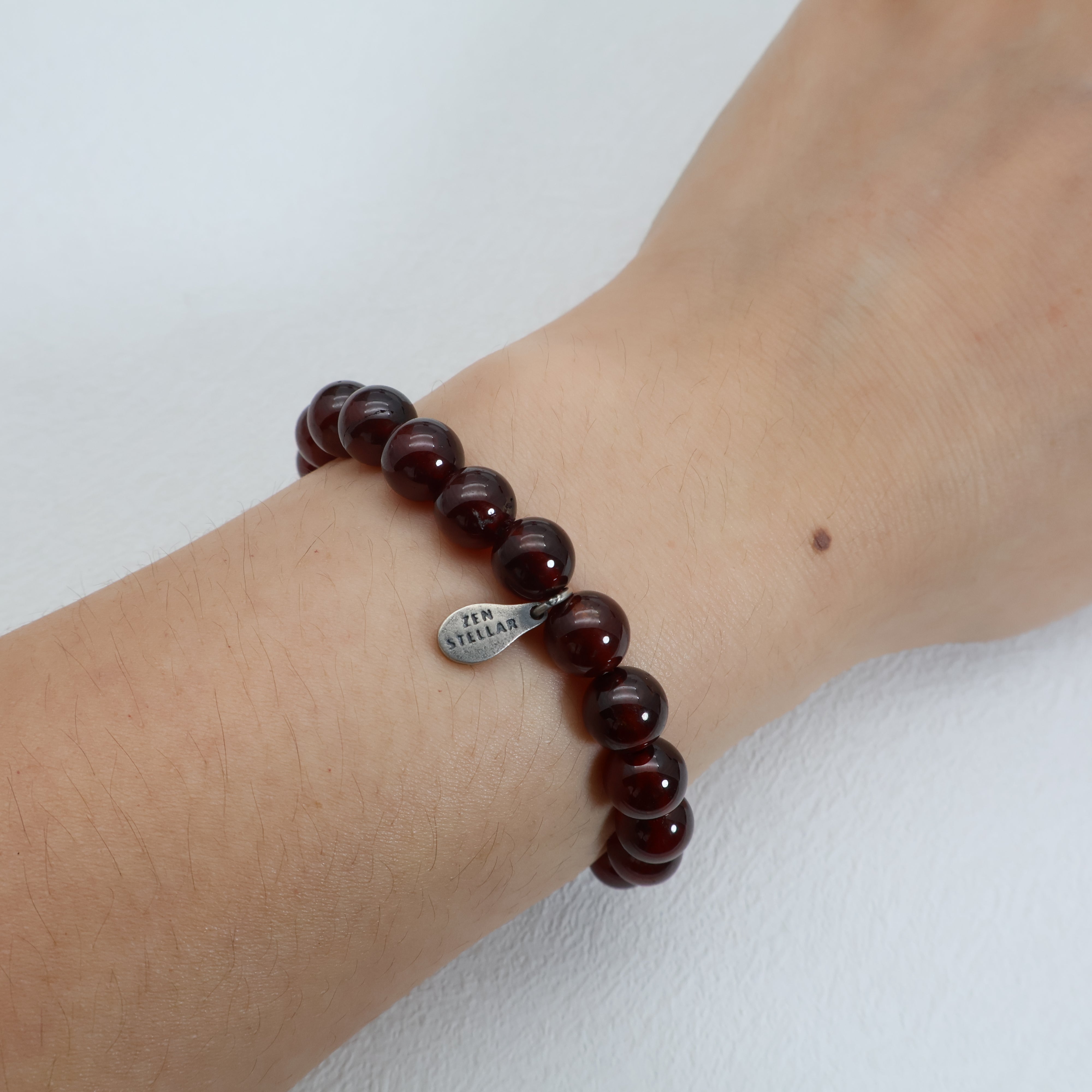
The surface of the stone. The temperature when it meets the skin. The movement of the beads as the wrist turns.
These physical sensations create a subtle emotional response.
Smooth surfaces often feel soothing. Weight can feel grounding. Texture can feel stimulating.
Over time, these sensations become familiar. The hand begins to recognize the bracelet without looking at it.
This recognition is part of how emotional attachment forms.

Why Weight Matters More Than People Realize
Light objects often disappear from awareness.
Heavier objects remain present.
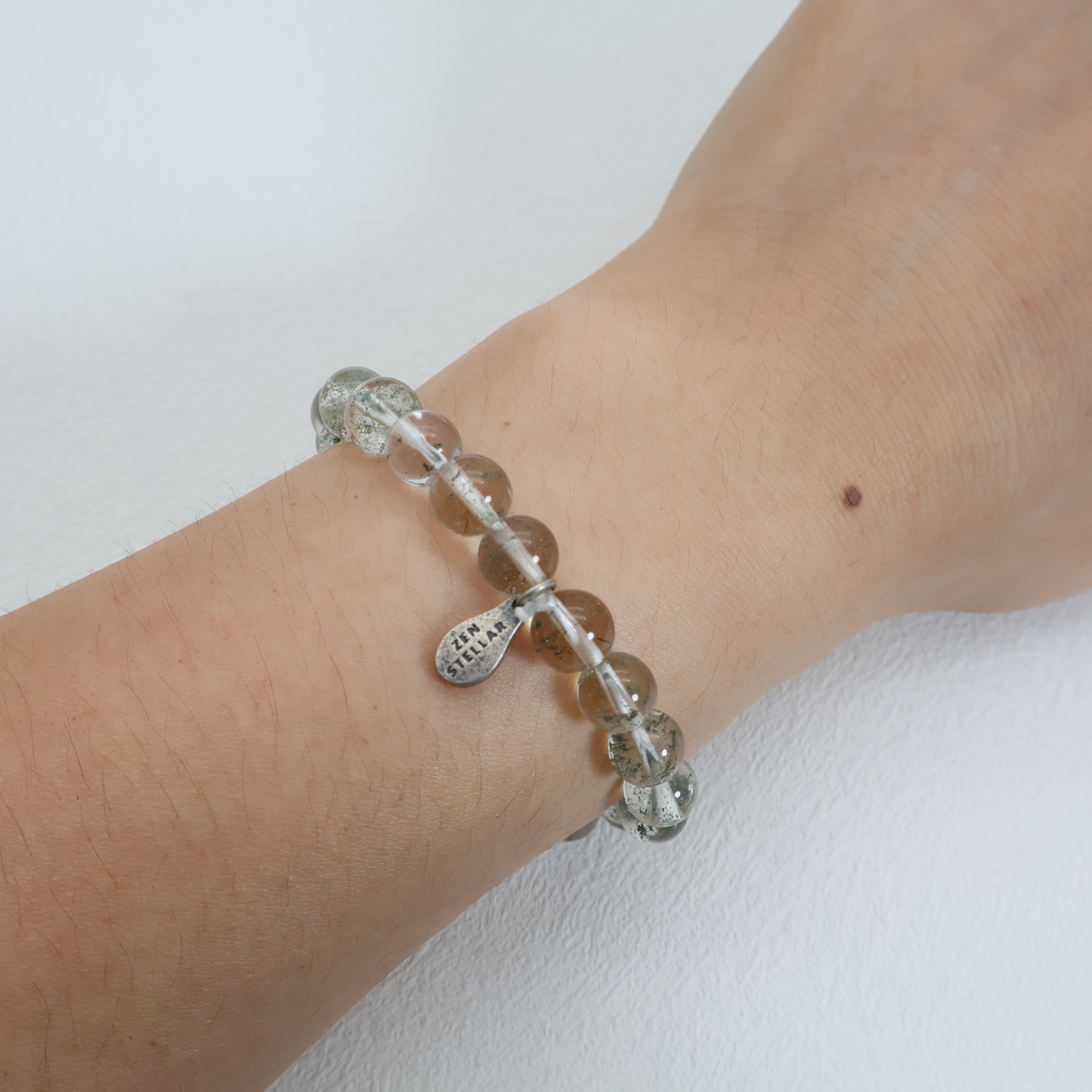
A bracelet with a certain weight creates a constant, gentle reminder of its presence. This can feel comforting rather than distracting.
It anchors attention to the body.
Many people find that this physical presence helps them stay more aware of their movements and posture throughout the day.
The Role of Repetition in Building Attachment
Emotional connection does not happen all at once.
It builds through repetition.
Wearing the same bracelet during ordinary moments creates associations.
Morning routines. Commutes. Conversations. Quiet breaks.
Over time, the object becomes part of the memory of these moments.
This is how something simple becomes meaningful.

Why People Touch What They Care About
People often touch objects they feel connected to.
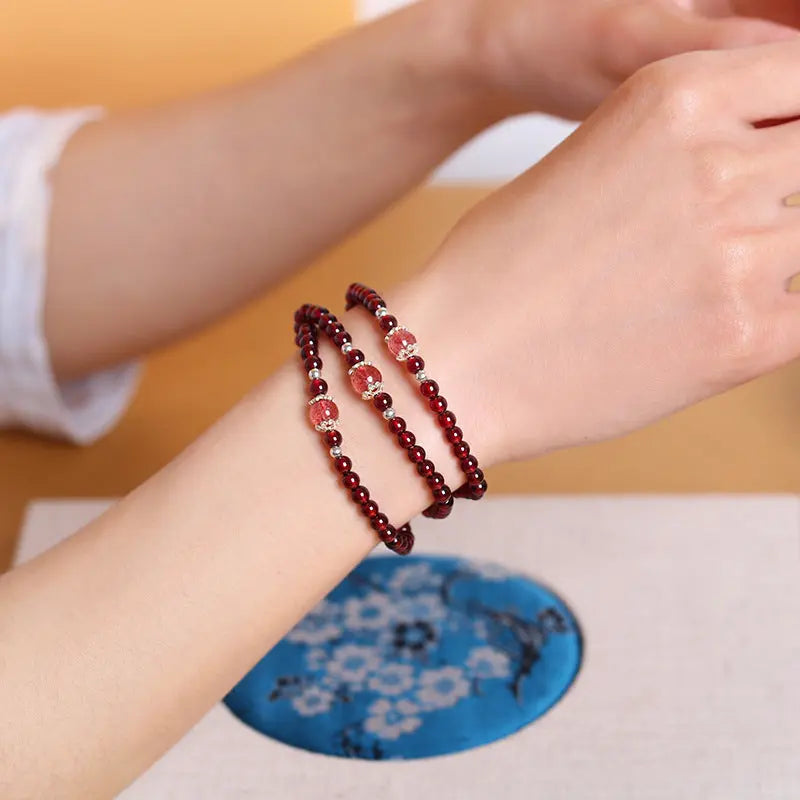
Rings are turned on fingers. Necklaces are adjusted. Bracelets are rolled along the wrist.
These small gestures are not conscious. They are expressions of comfort.
The act of touching becomes a form of reassurance.
Crystal bracelets, because of their texture and movement, invite this kind of interaction naturally.
Emotional Design and the Idea of Familiarity
Familiarity creates safety.
An object that feels known becomes a small constant in an unpredictable environment.
This is why people often return to the same accessories even when they own many others.
The bracelet becomes part of a personal baseline.

Simplicity and Emotional Space
Complex objects demand attention.
Simple objects allow space for interpretation.
A bracelet made of natural stones does not explain itself. It does not display instructions or messages.
This openness allows the wearer to project their own meaning onto it.
This personal interpretation strengthens emotional connection.
The Quiet Role of Imperfection
Perfect symmetry and flawless surfaces can feel distant.
Small variations can feel human.
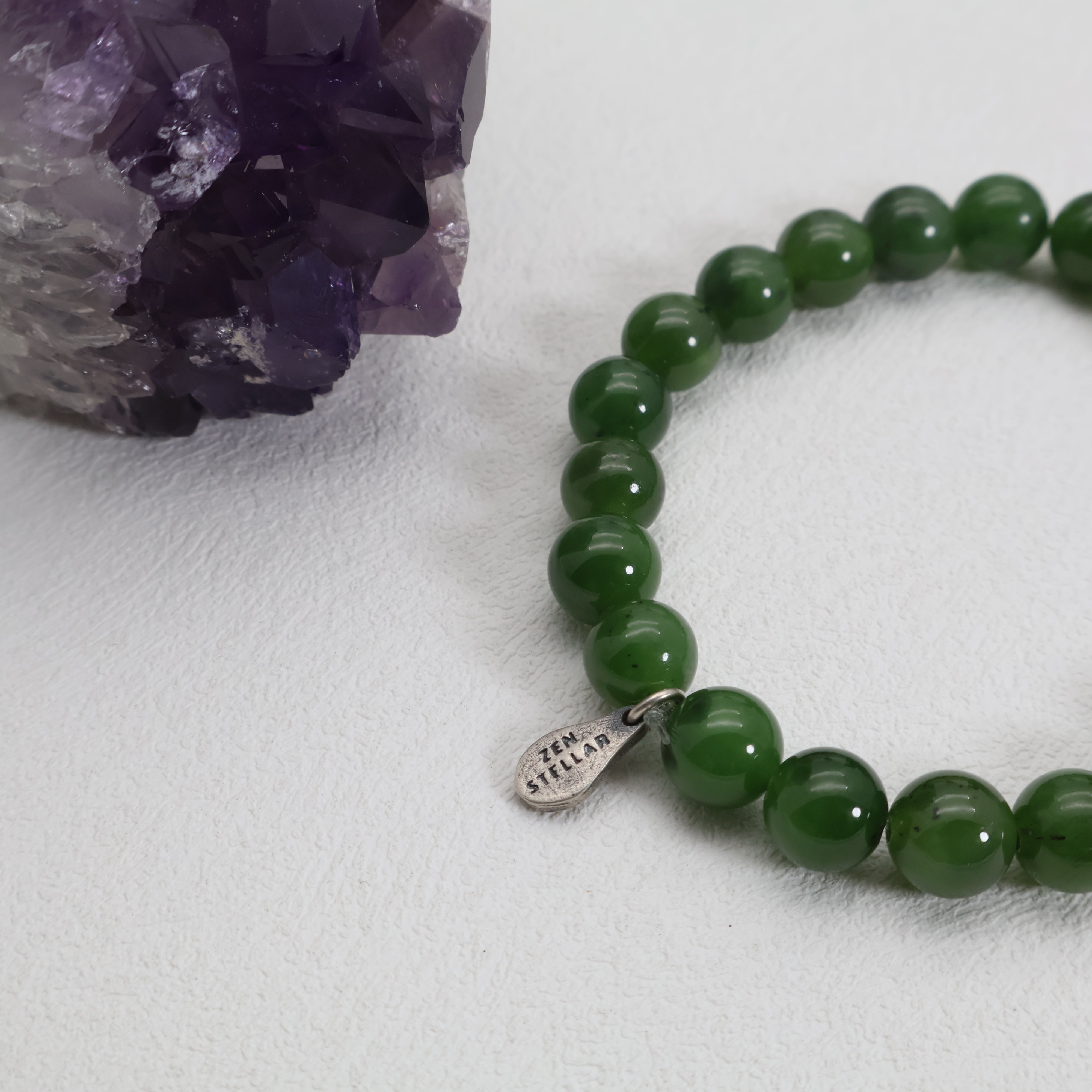
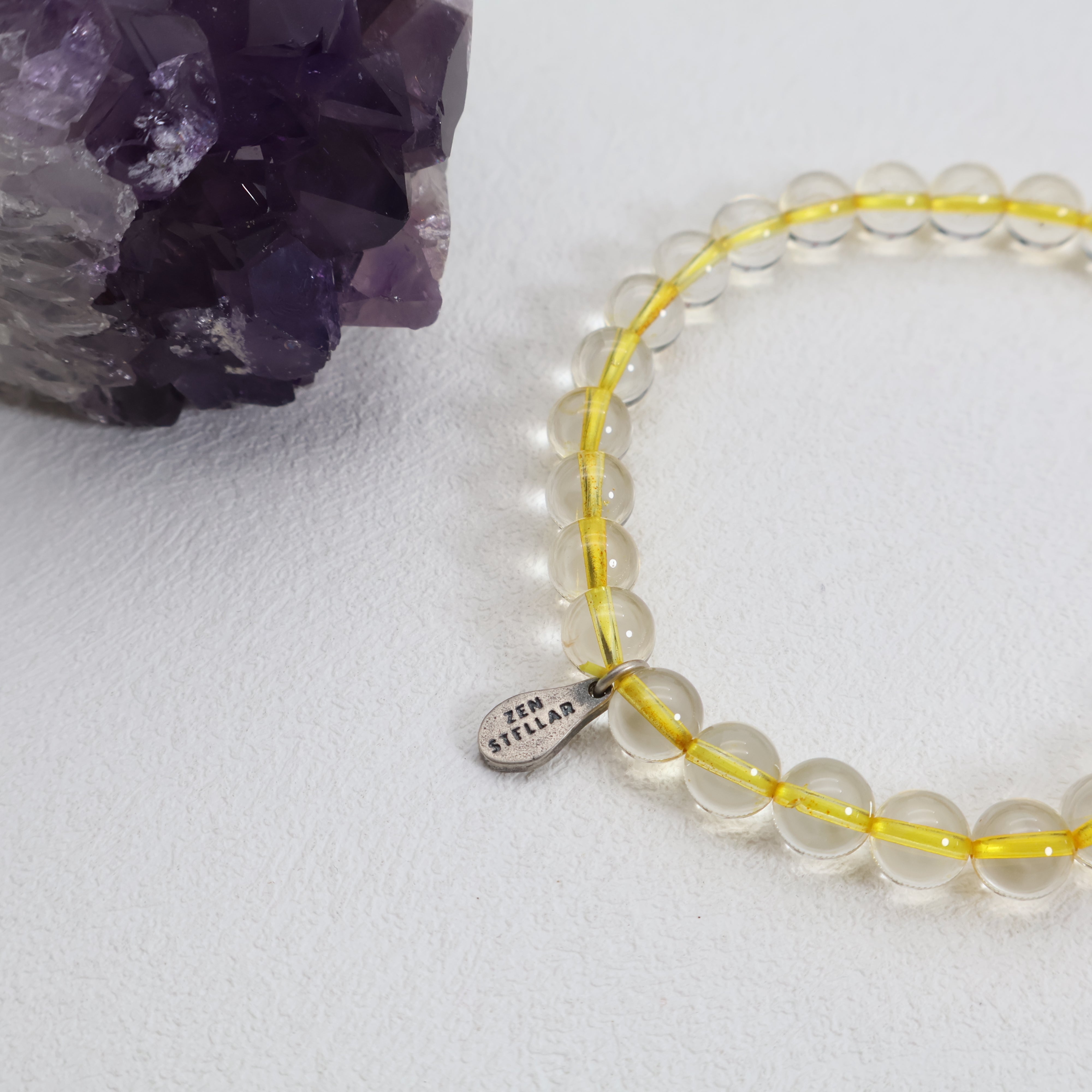
A bead that reflects light slightly differently. A knot that is not entirely hidden.
These details create a sense that the object was made, not just manufactured.
This sense of making often deepens attachment.

How Emotional Design Shapes Long Term Use
Many accessories are chosen for a moment.
Emotional design encourages long term relationships.
Instead of matching trends, the object matches the wearer’s evolving experience.
As life changes, the meaning of the bracelet can change with it.
The Social Dimension of Emotional Objects
Objects that carry personal meaning often become conversation starters.
Someone notices the bracelet. Asks about it.
The wearer explains why they keep it, rather than where they bought it.
This shift from product to story changes the social role of the object.

Why Some Objects Are Hard to Let Go Of
People sometimes keep worn or broken items long after they stop using them.
This is not about function. It is about memory.
When a bracelet has been part of many moments, letting it go can feel like letting go of a part of a story.
This emotional weight is a sign of successful emotional design.
Final Reflection
Modern accessories succeed not only when they look good, but when they feel right to live with.
Crystal bracelets, through their material presence and simple form, naturally support this kind of relationship.
They do not compete for attention.
They stay close, quietly.
Over time, this closeness becomes meaning.
A Gentle Invitation
If you notice that you return to certain objects again and again, it may be worth asking why.
Not what they do.
But how they make you feel.
In that answer, you may find the quiet logic behind emotional design.