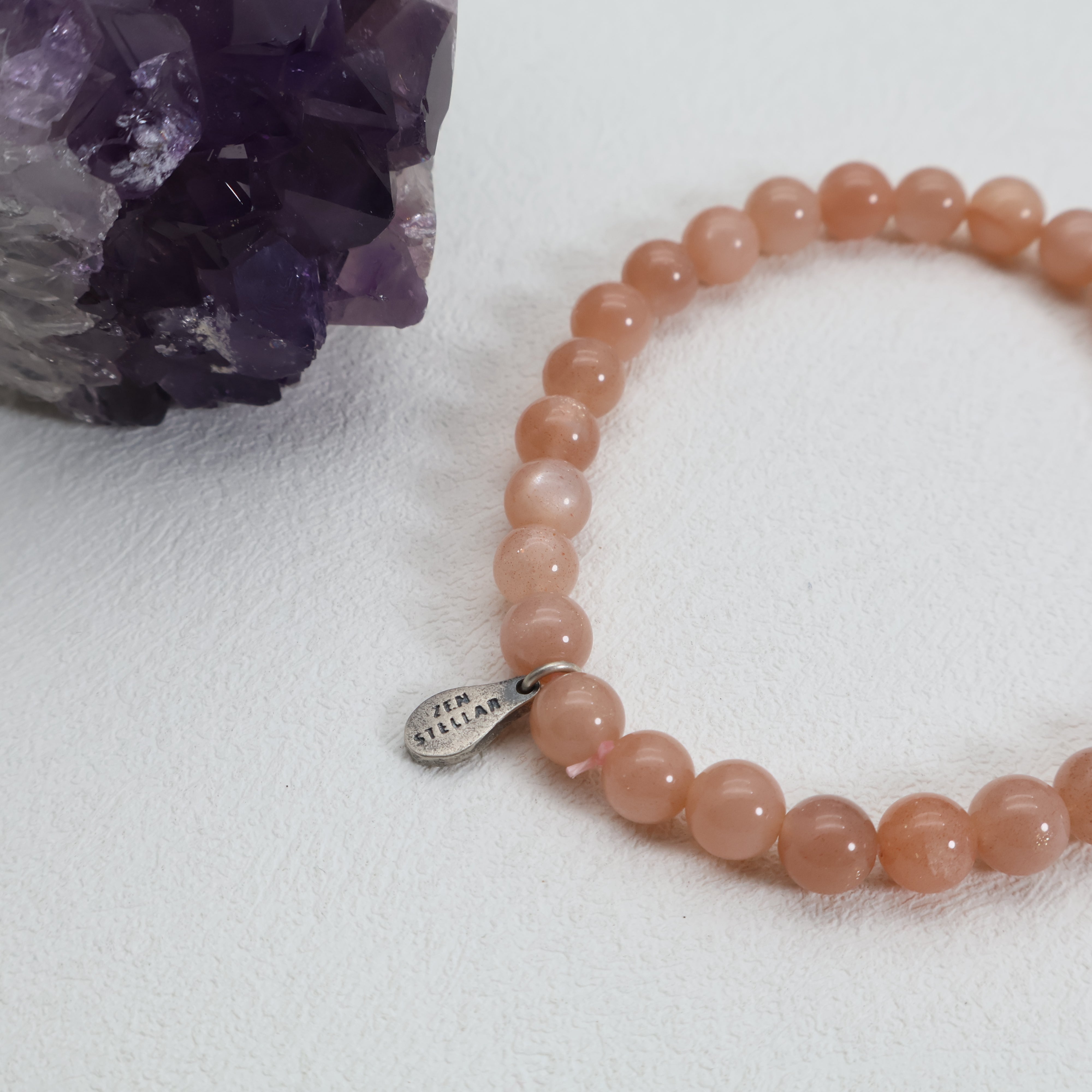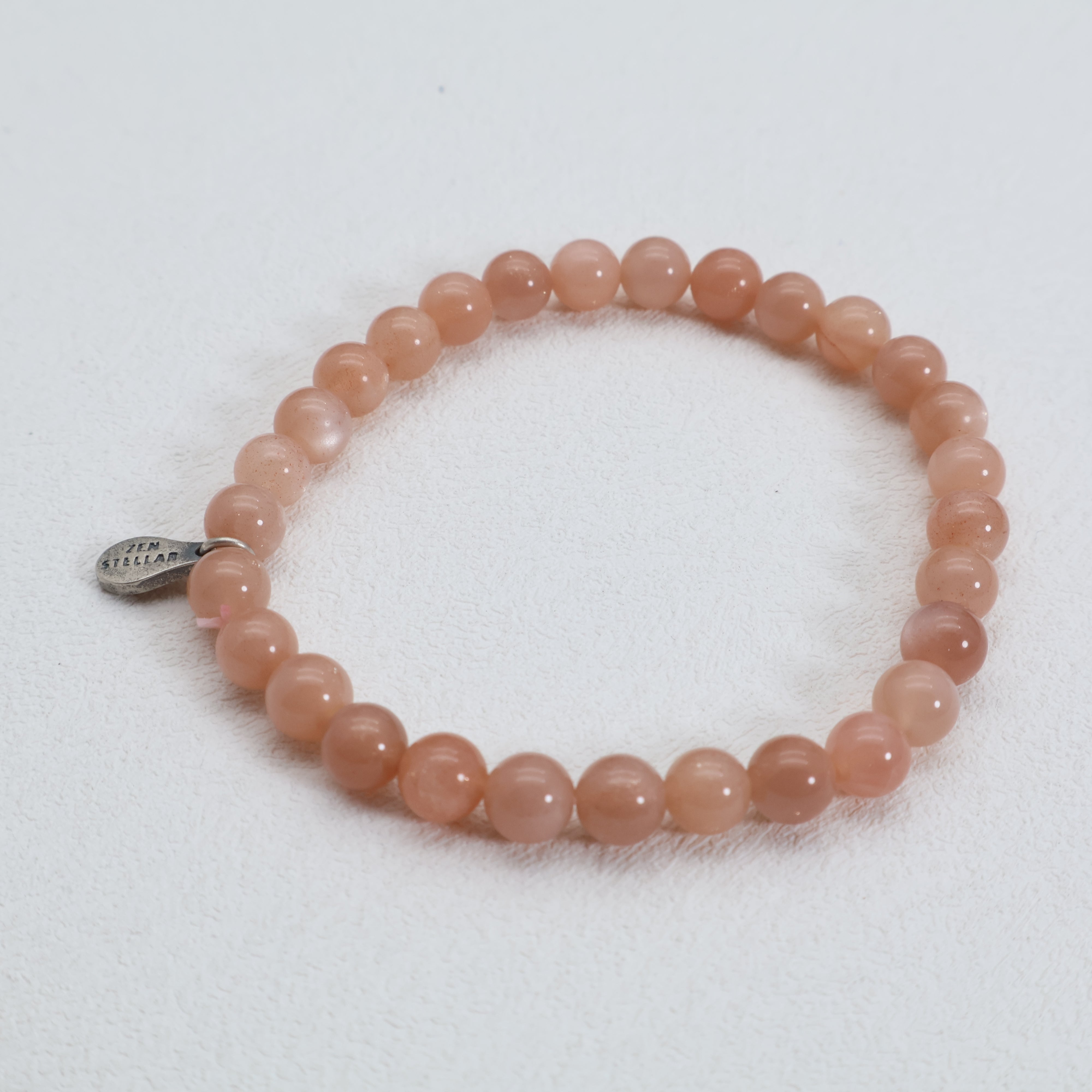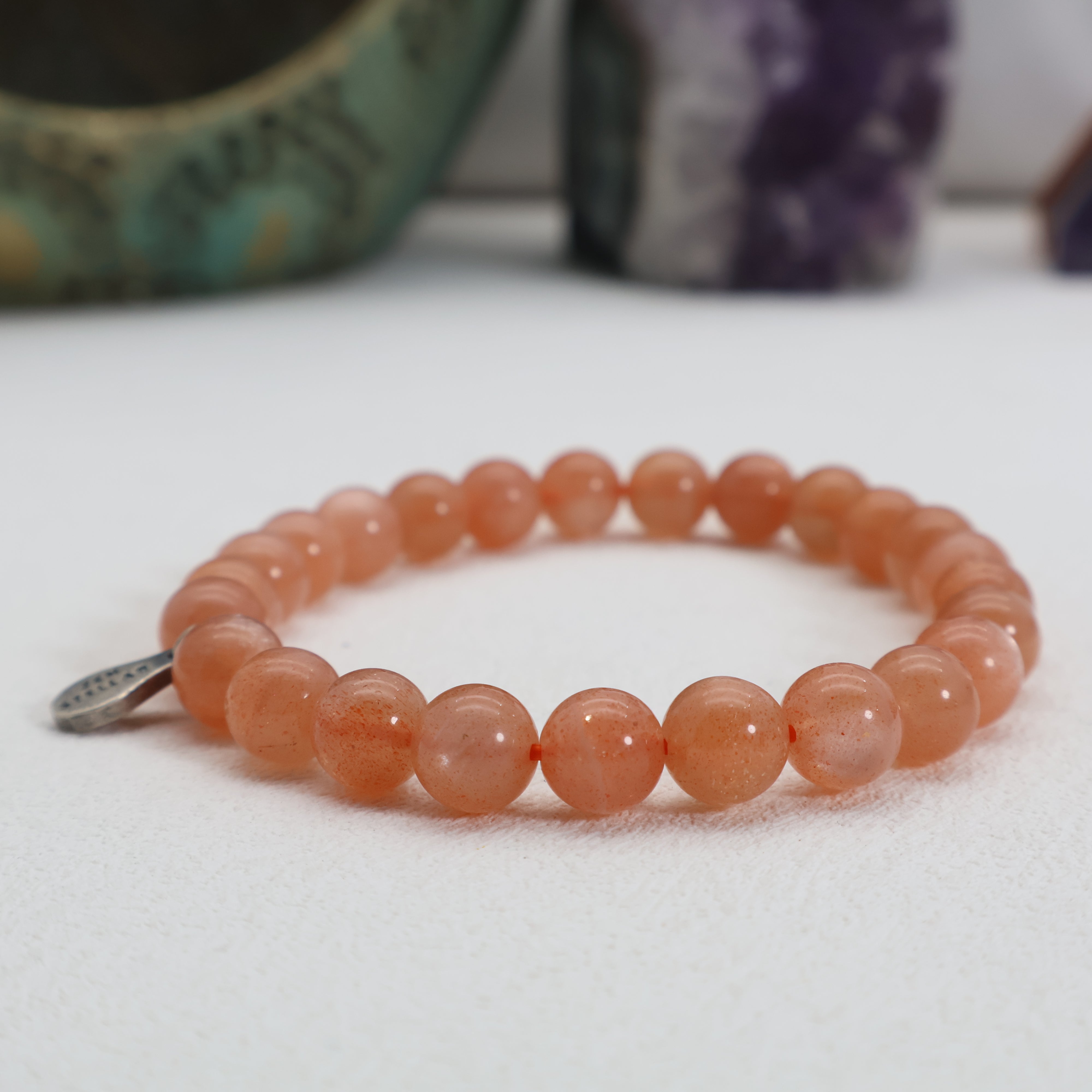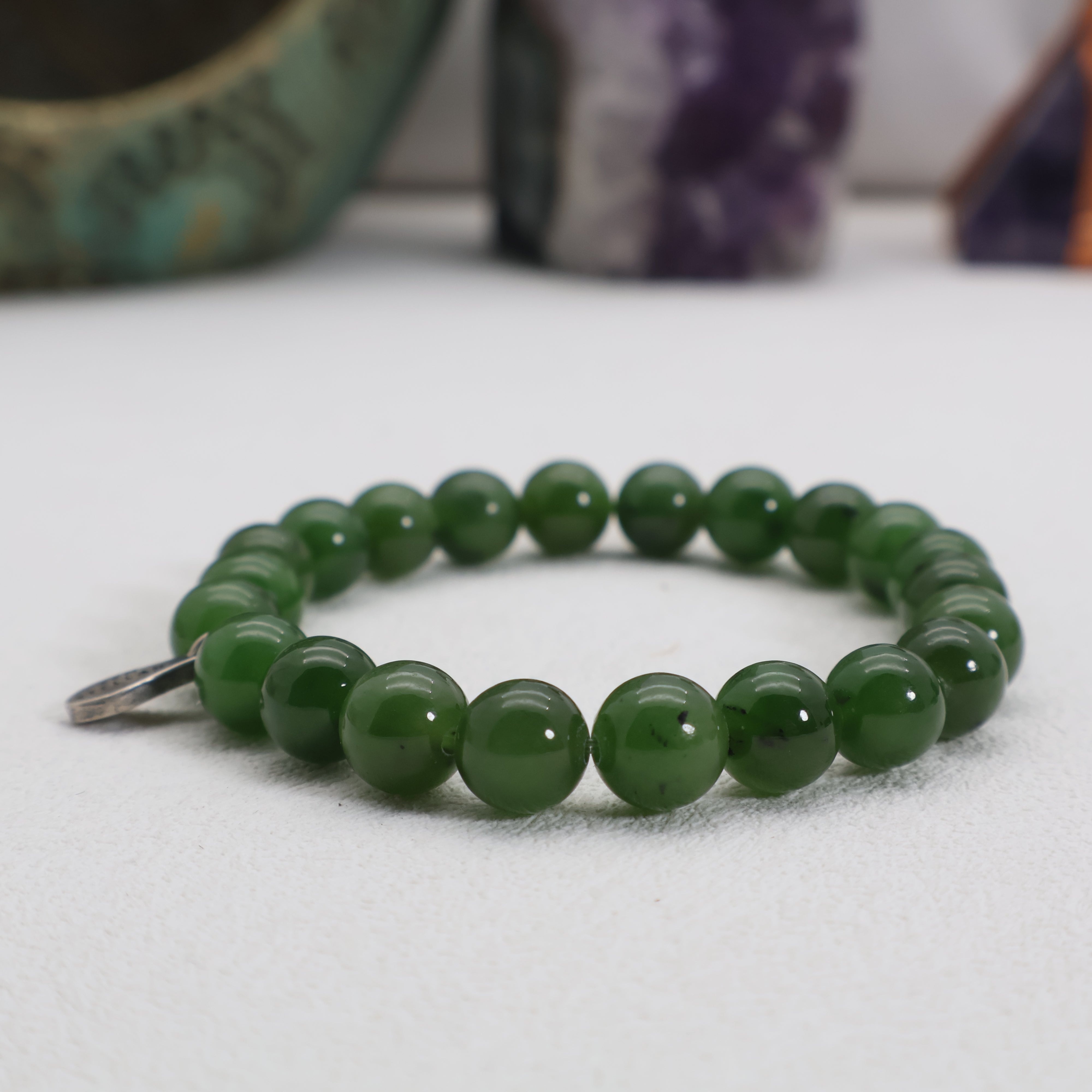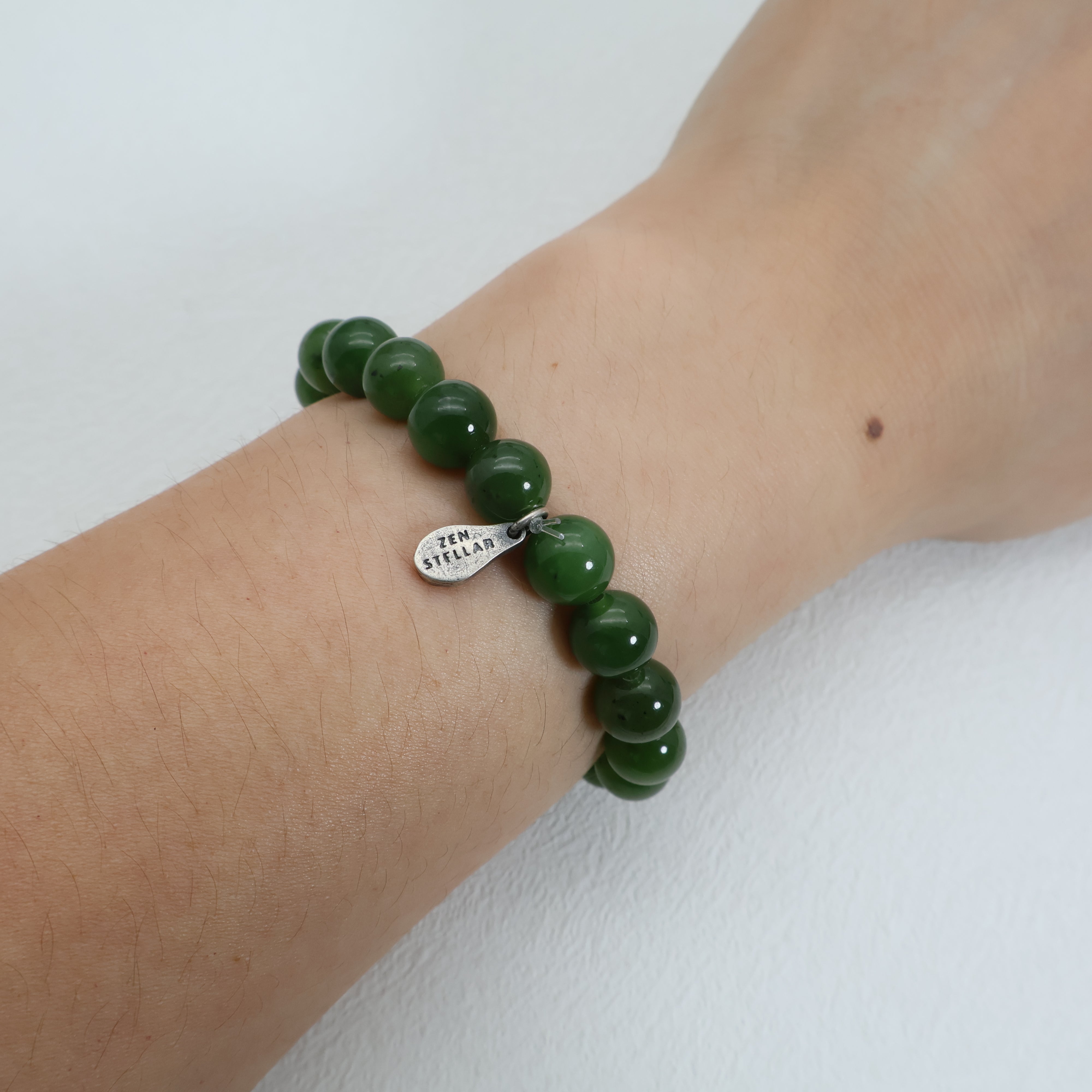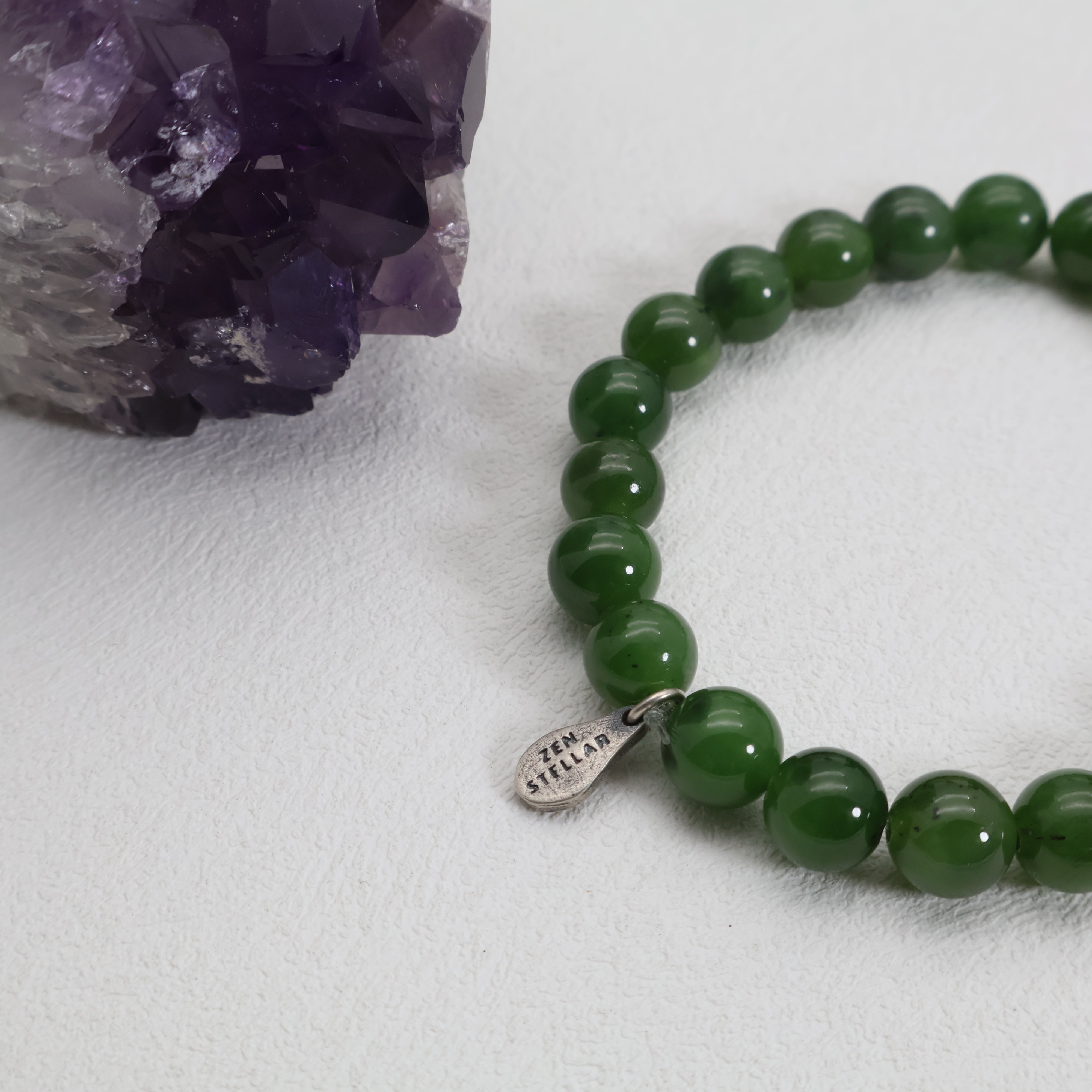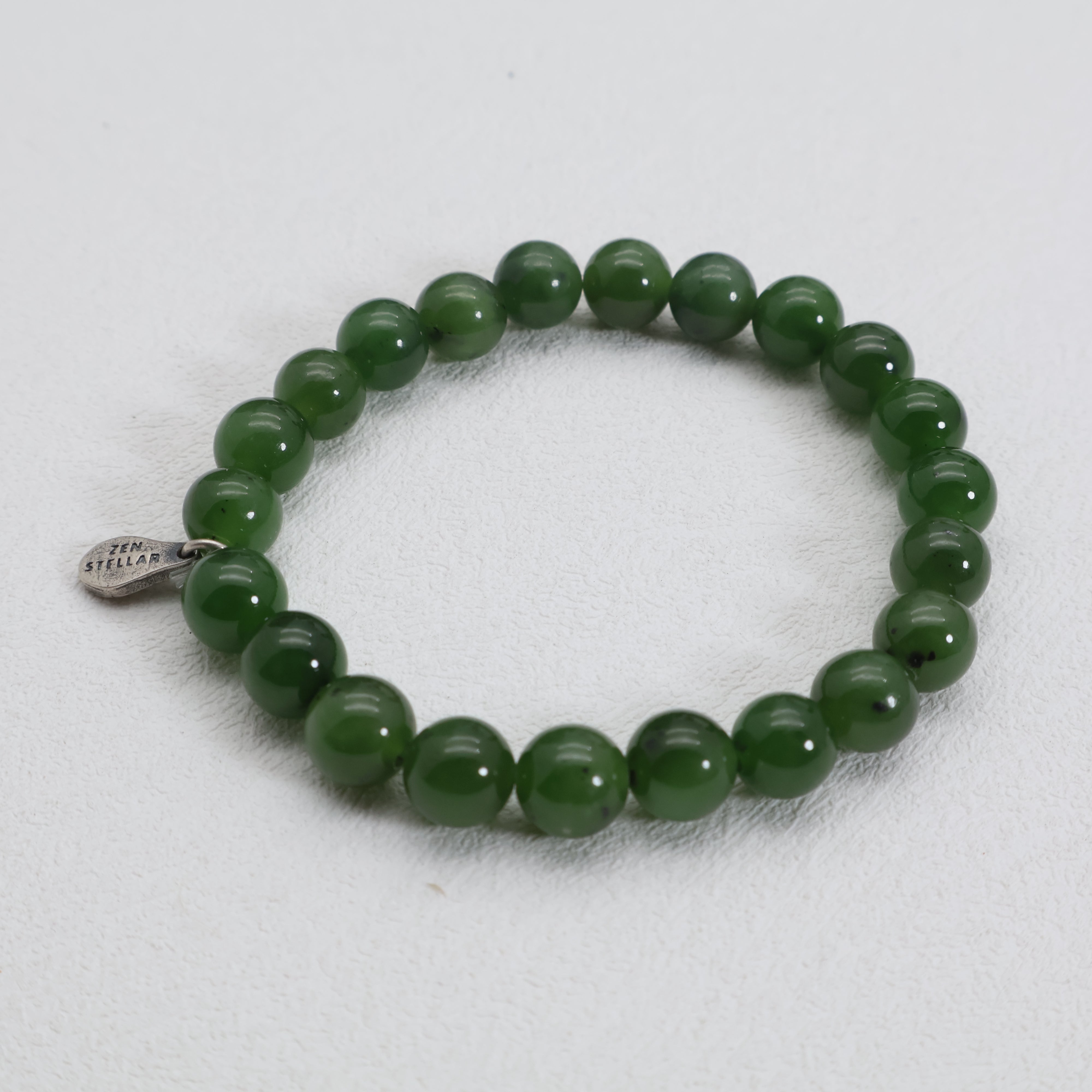








Introduction
Some stones are chosen for stability.
Others are chosen for transformation.
Labradorite belongs to the second kind.
Its surface carries shifting flashes of blue, gold, and green light. These colors appear and disappear as the stone moves, creating a sense of depth and quiet mystery. In daily life, where change often unfolds slowly and invisibly, this reflective quality feels meaningful.
Many people wear Labradorite not to seek certainty, but to remain open to growth. It supports awareness during periods of transition and personal discovery.
This article explores what Labradorite is, how it has been understood across cultures, and why it continues to be worn as part of everyday life.
What Is Labradorite
Labradorite is a feldspar mineral known for its unique optical effect called labradorescence.
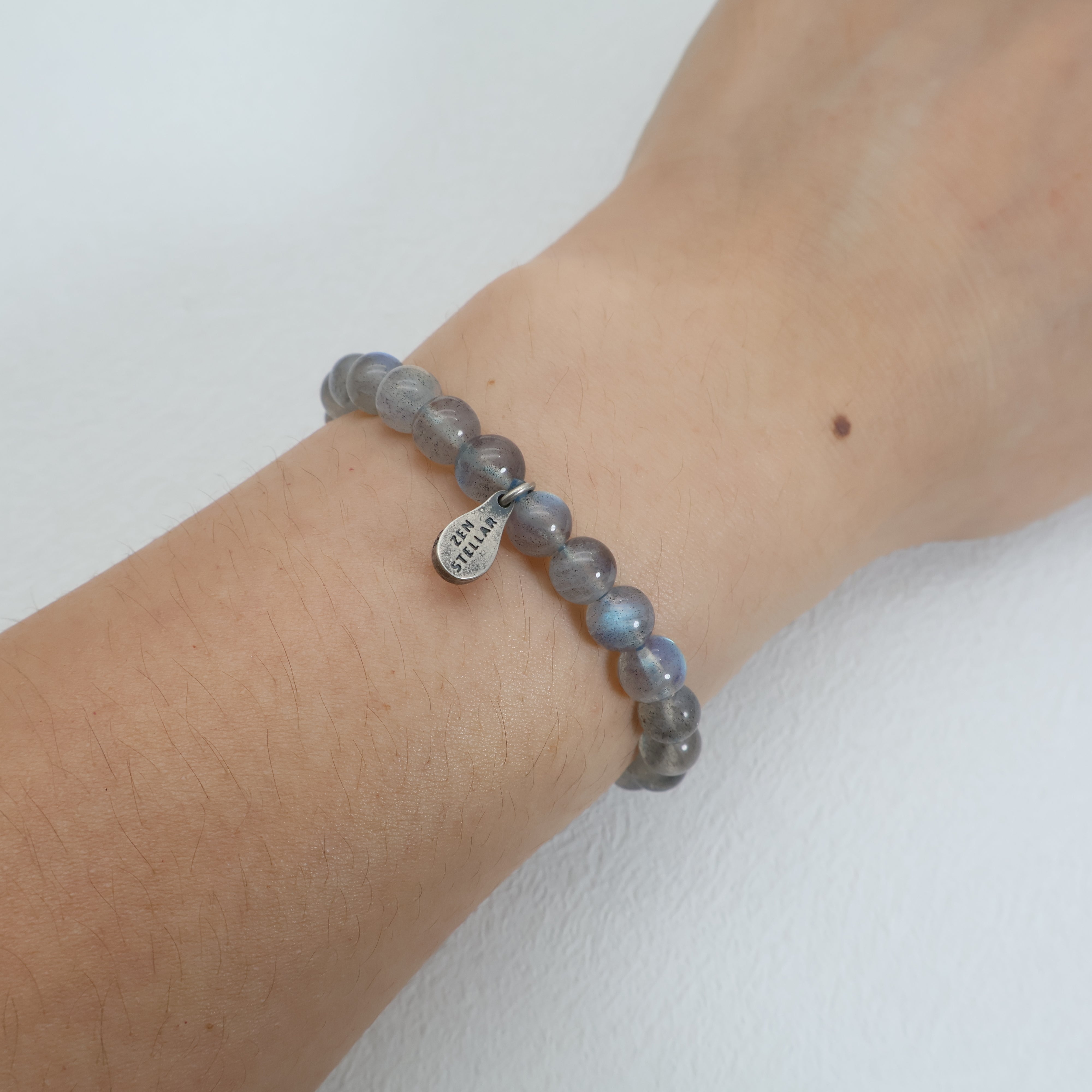
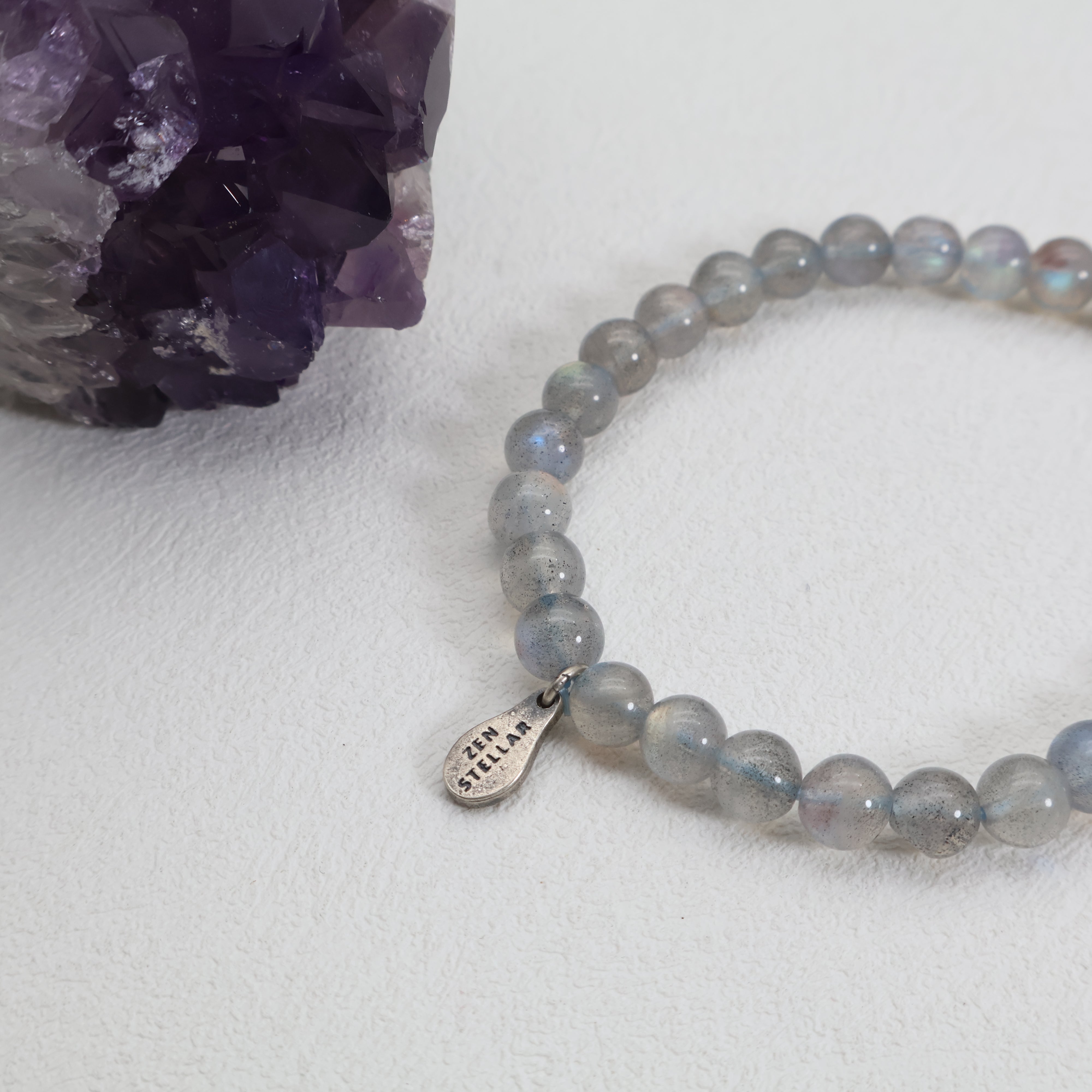
When light touches the surface, flashes of color appear within the stone. These reflections may show shades of blue, green, gold, or sometimes violet, depending on the angle of light.
Labradorite is found in several regions around the world, including Canada, Madagascar, Finland, and parts of Russia. It was first identified on the Labrador Peninsula in Canada, which is where it receives its name.
From a material perspective, Labradorite is durable enough for jewelry and everyday wear while maintaining a visually dynamic appearance.

A Brief Cultural Perspective
Historically, Labradorite has often been associated with mystery, intuition, and transformation.
In northern cultures, it was sometimes believed that the stone held fragments of northern lights within it. The flashes of color were seen as symbols of hidden energy and inner awareness.
Rather than representing stability or protection alone, Labradorite symbolized the process of change and the discovery of new perspectives.
This idea continues to influence how people relate to the stone today.
Why Labradorite Is Associated With Insight and Change
Modern life frequently involves periods of transition.
Career changes, personal growth, shifting priorities, and new environments all require adaptability. Labradorite is often associated with insight because its changing light reflects the process of seeing situations from new angles.
People often describe wearing Labradorite as feeling more observant, reflective, and open to possibility.
The stone does not create change. It supports awareness during it.

The Role of Color and Light
The appearance of Labradorite plays a significant role in how it is experienced.
Unlike stones with stable color, Labradorite reveals its brightness only when light hits the right angle. This creates a sense of discovery rather than constant visibility.
When worn daily, the stone reminds people that clarity often appears gradually, not all at once.
This visual quality contributes to its reputation as a stone connected with perception and understanding.
Why People Choose Labradorite for Daily Wear
Labradorite is often chosen during periods of personal exploration.
People wear it:
During life transitions
When beginning new projects or paths
As part of reflective routines
When they want to remain open to learning and change
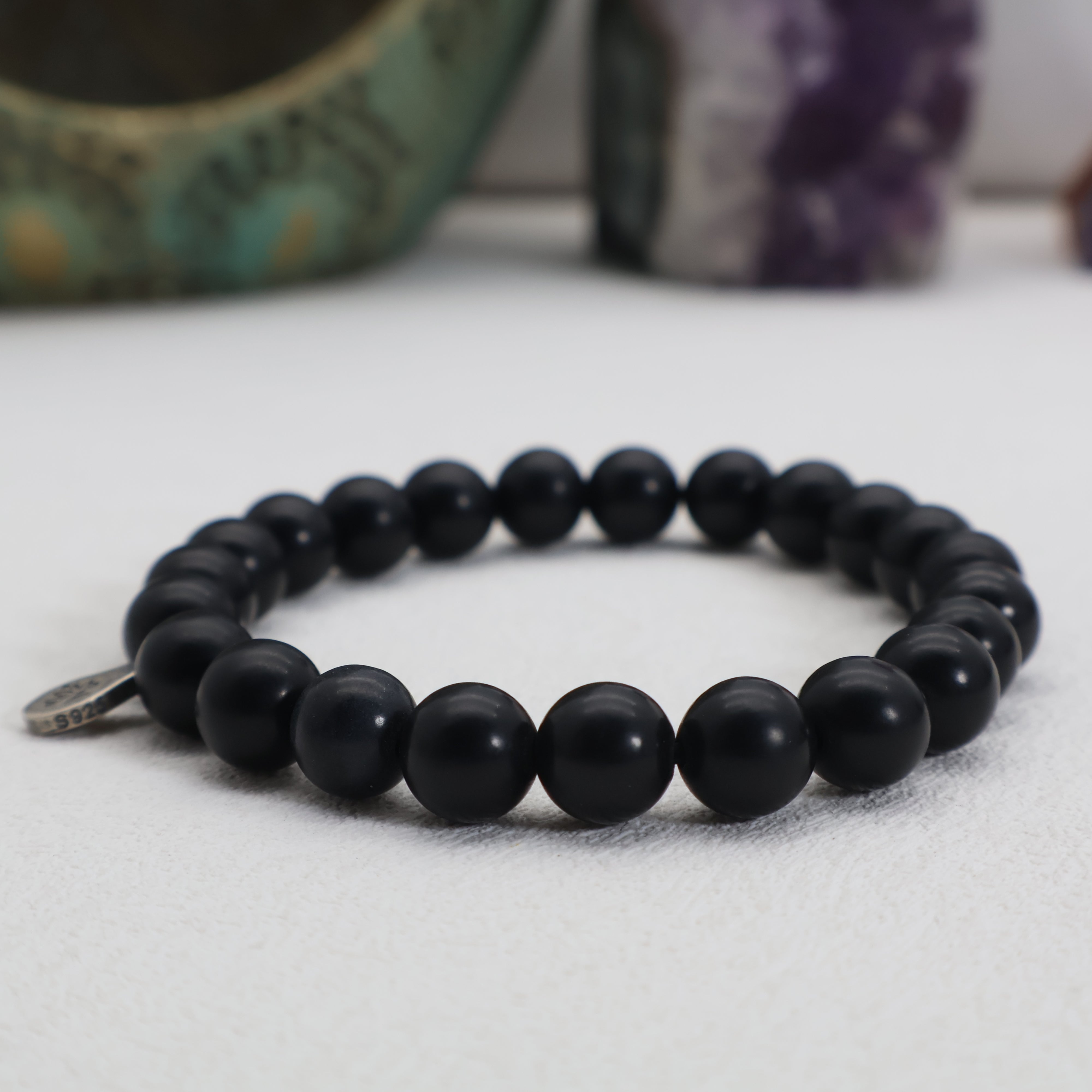
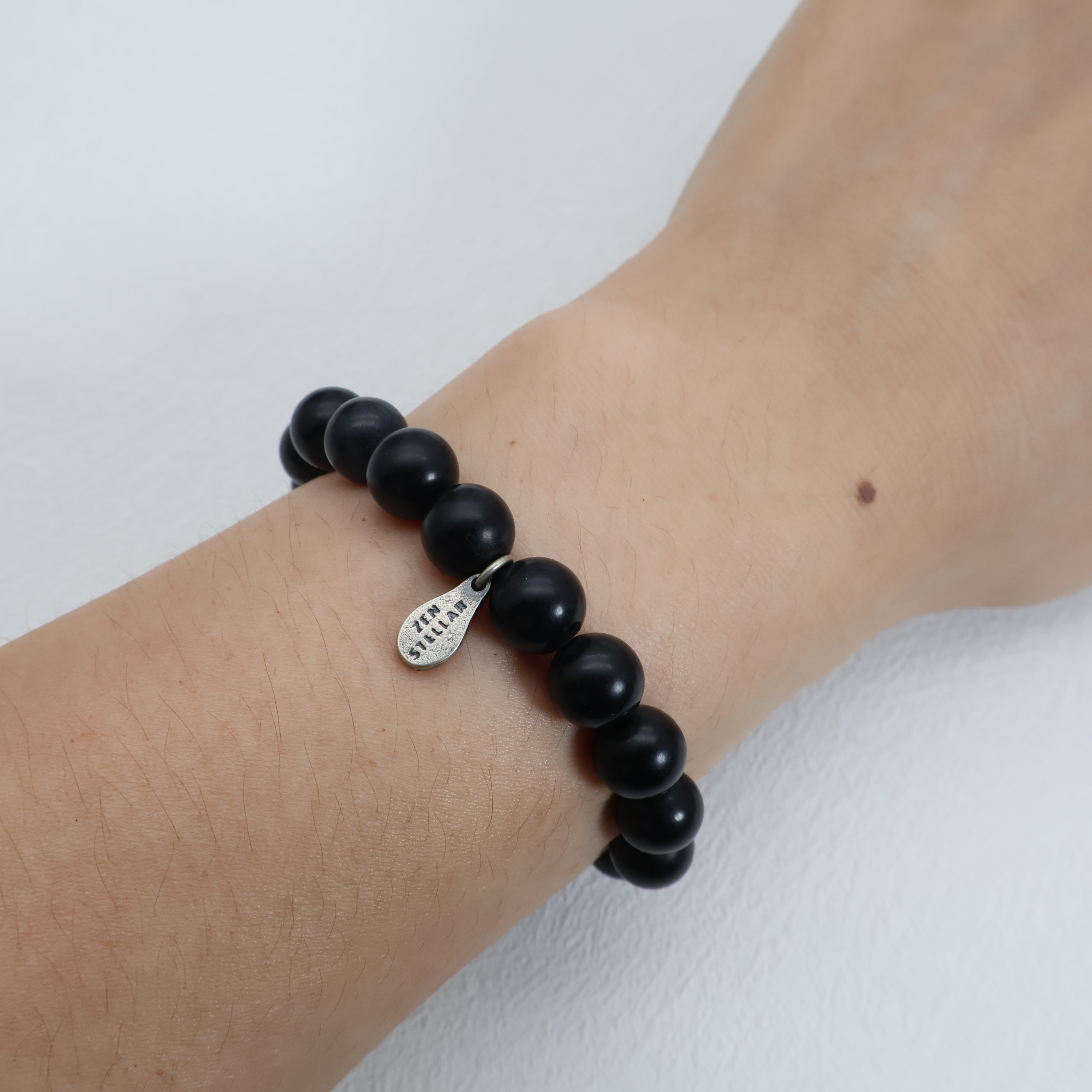
Its neutral base color allows it to blend naturally with everyday clothing while its flashes of light add subtle depth.

Labradorite and Inner Awareness
One of the most common modern interpretations of Labradorite is its connection to inner awareness.
Rather than encouraging action or emotional expression, it encourages observation.
For many people, wearing Labradorite becomes a reminder to pause, notice patterns, and reflect before reacting.
This quality makes it especially meaningful during periods of uncertainty or decision-making.
Wearing Labradorite as a Personal Ritual
Some people turn wearing Labradorite into a daily ritual of reflection.
Putting it on in the morning as a reminder to remain open to new perspectives. Touching it during moments of uncertainty. Removing it at night as a signal to review the day’s experiences.
These simple actions help cultivate mindfulness and awareness.
Over time, the bracelet becomes part of a thoughtful daily rhythm.

Gifting Labradorite
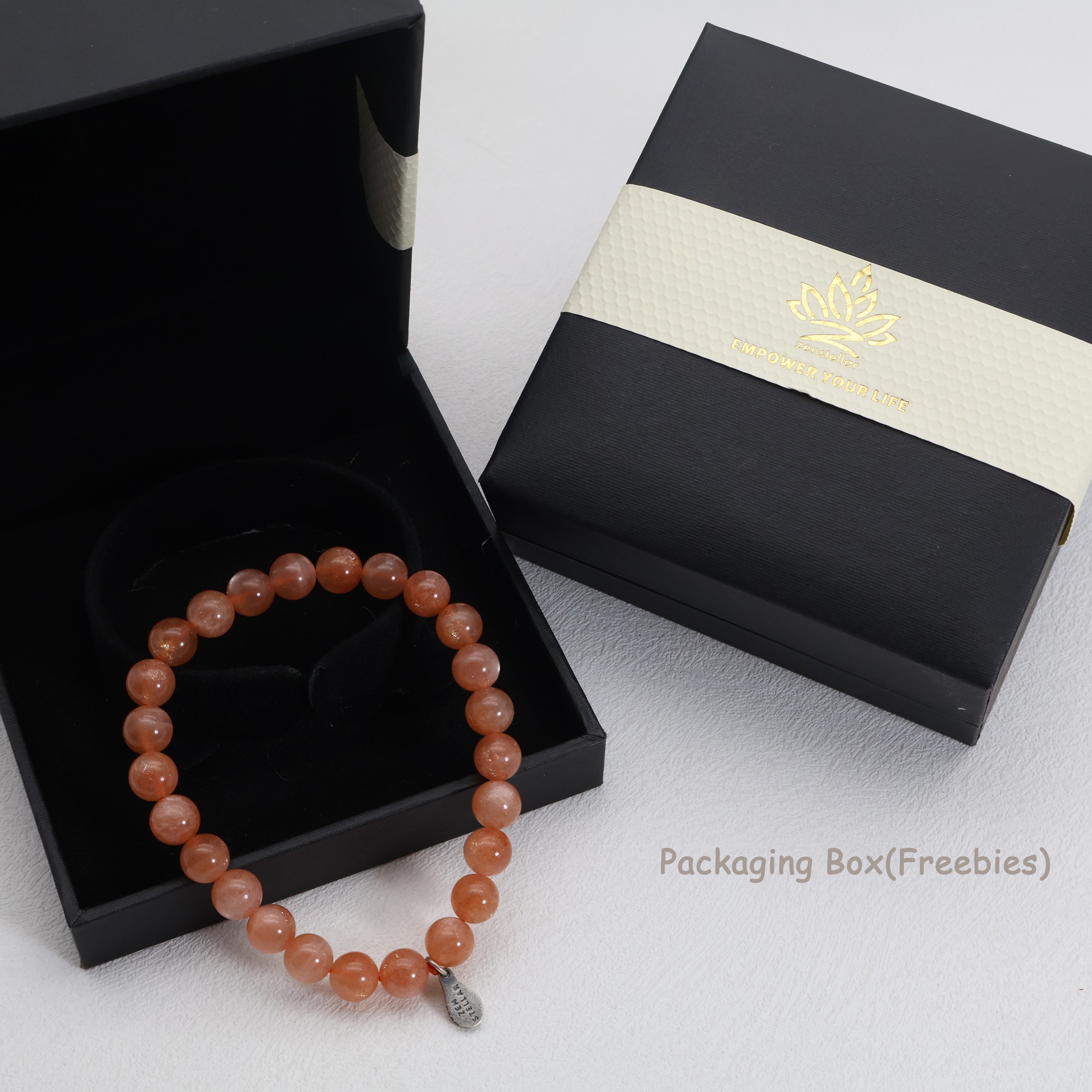
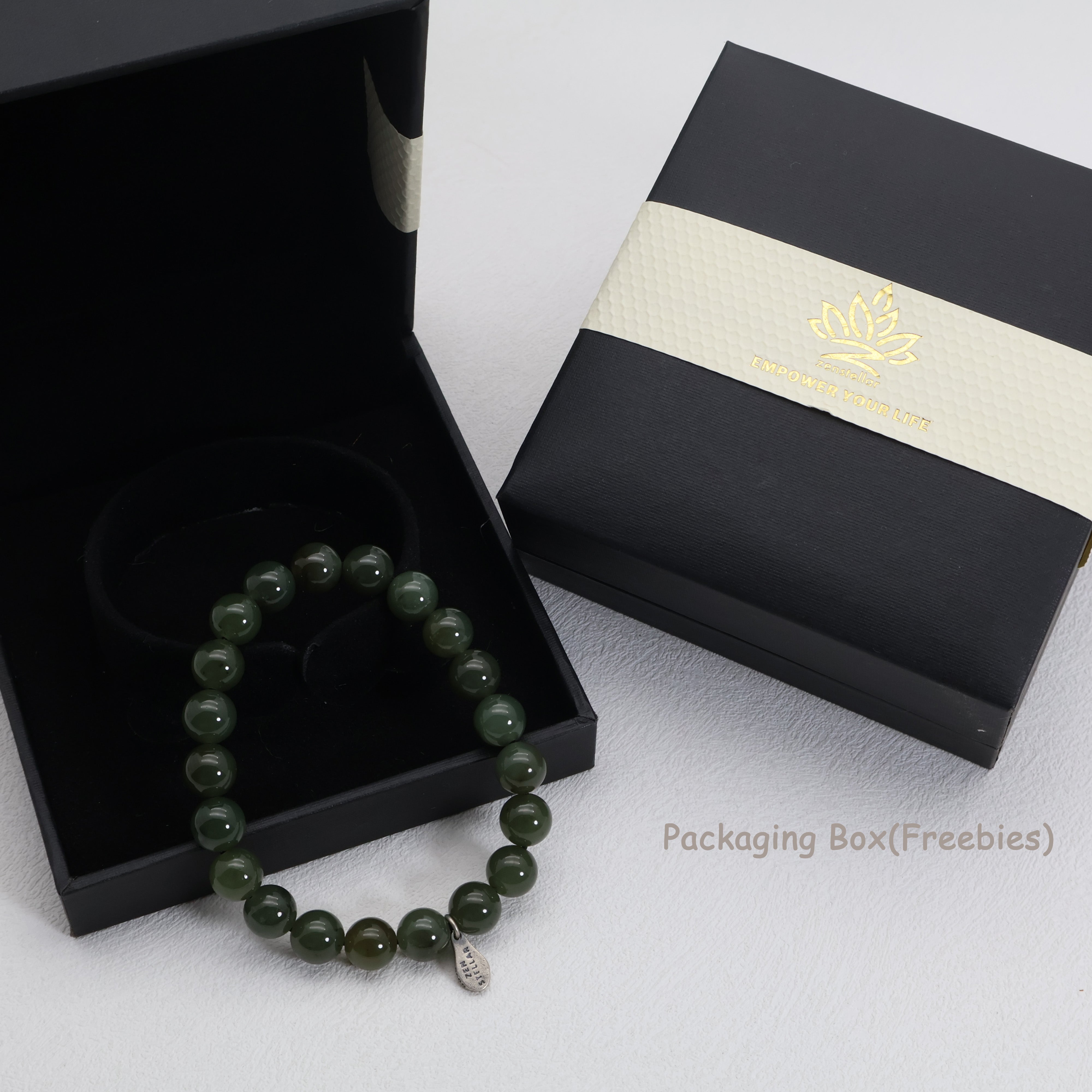
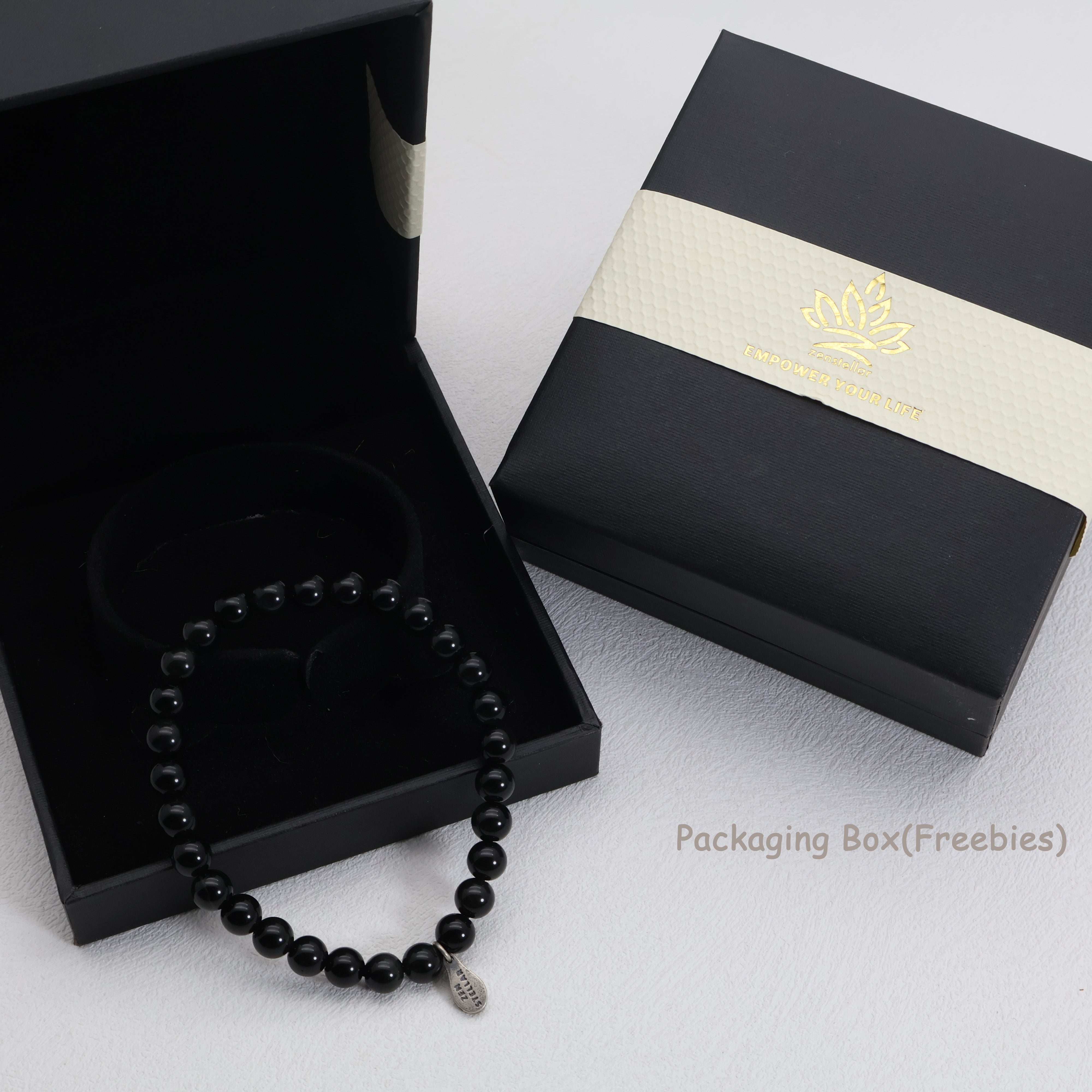
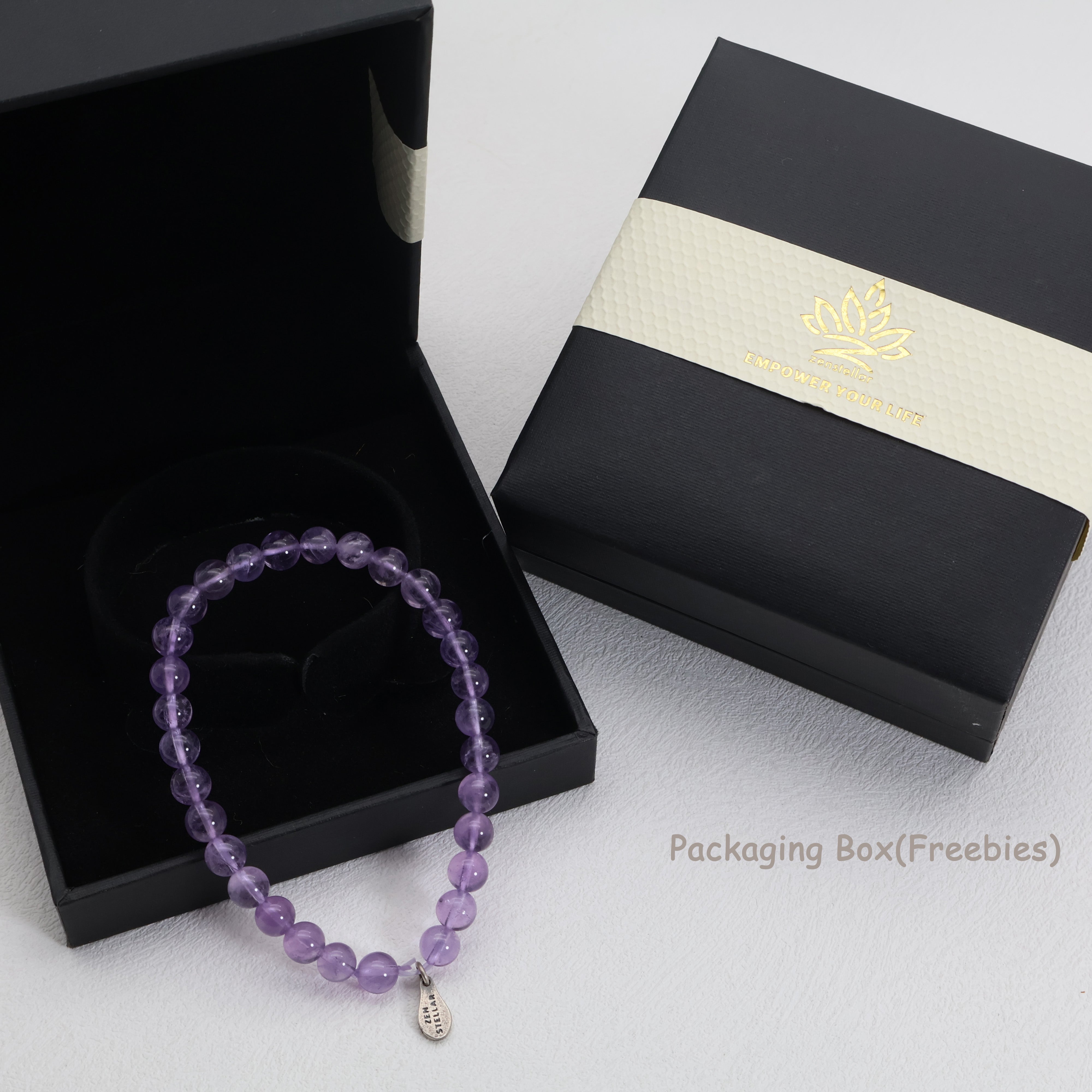
Labradorite is often chosen as a gift during moments of transformation.
It communicates encouragement for growth rather than direction.
People give Labradorite bracelets during occasions such as:
Starting new journeys
Creative exploration
Personal development
Major life transitions
The stone suggests possibility rather than expectation.
Choosing a Labradorite Bracelet
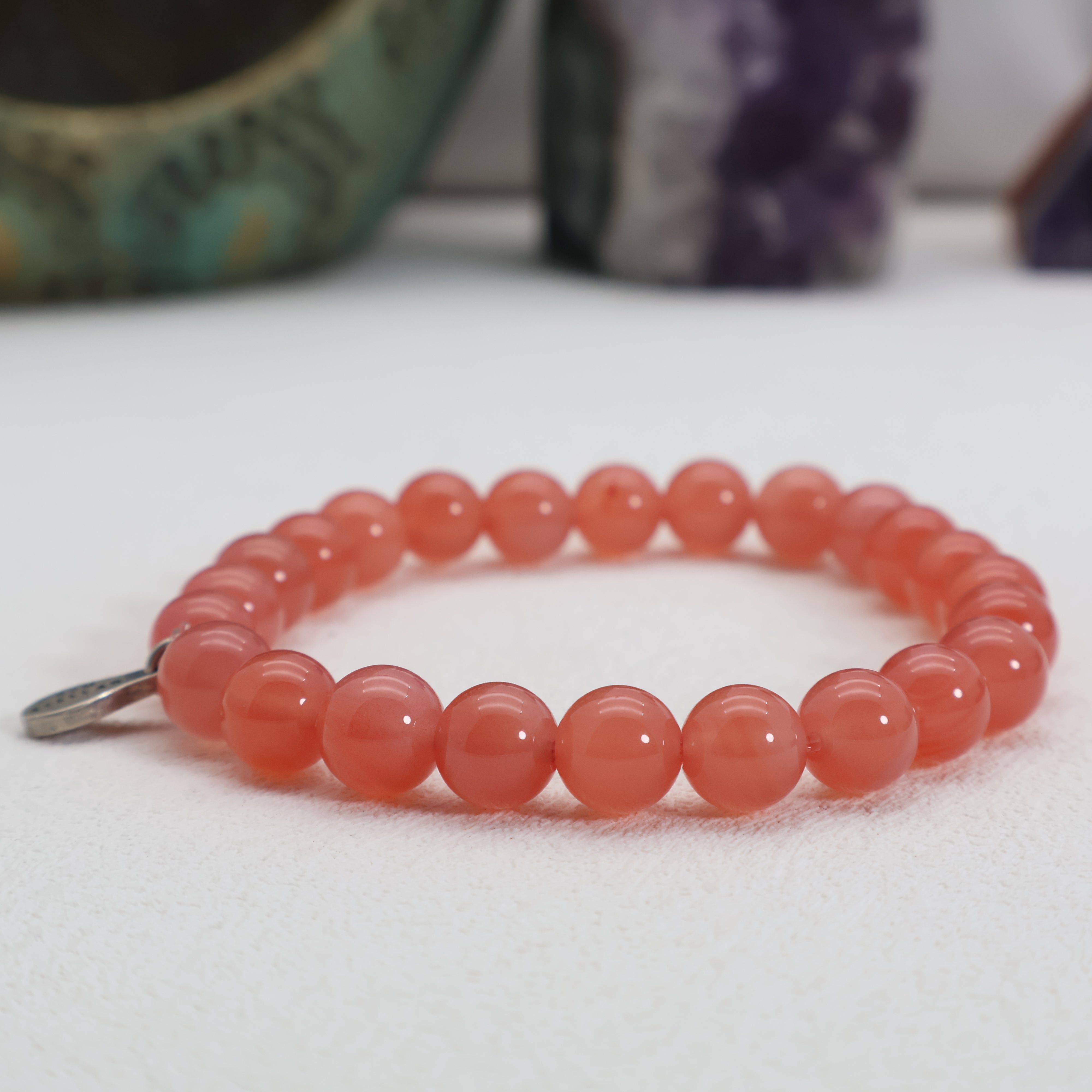
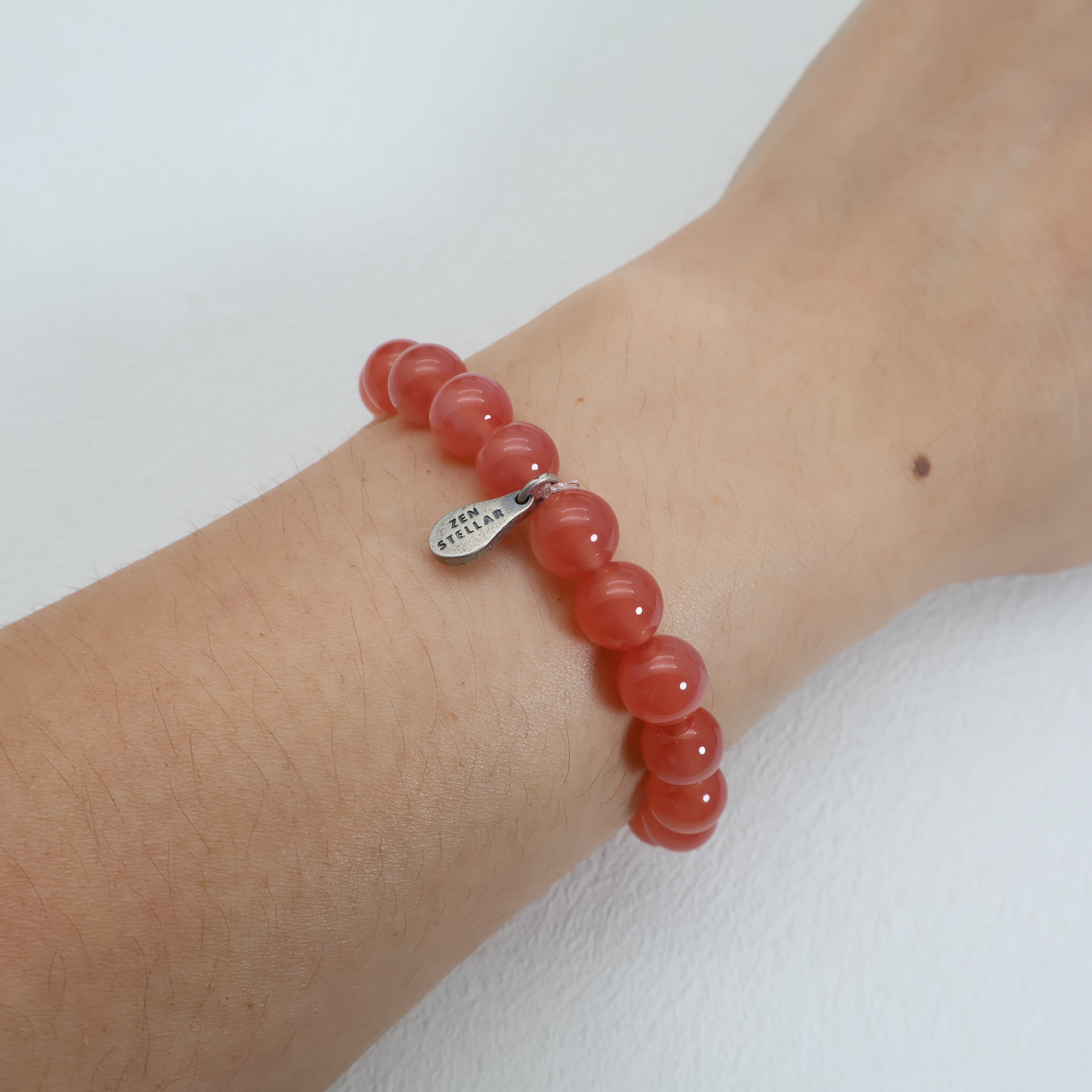
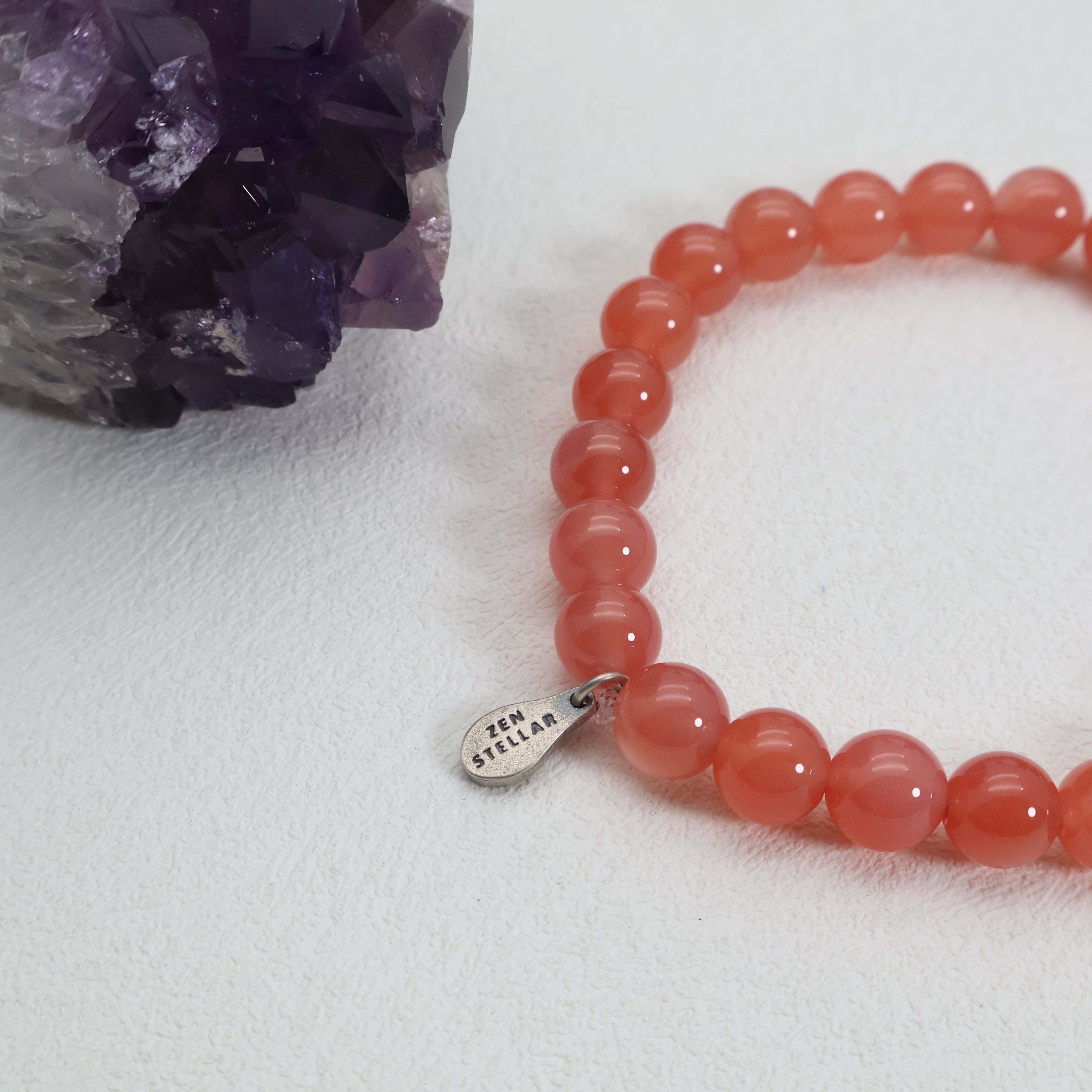
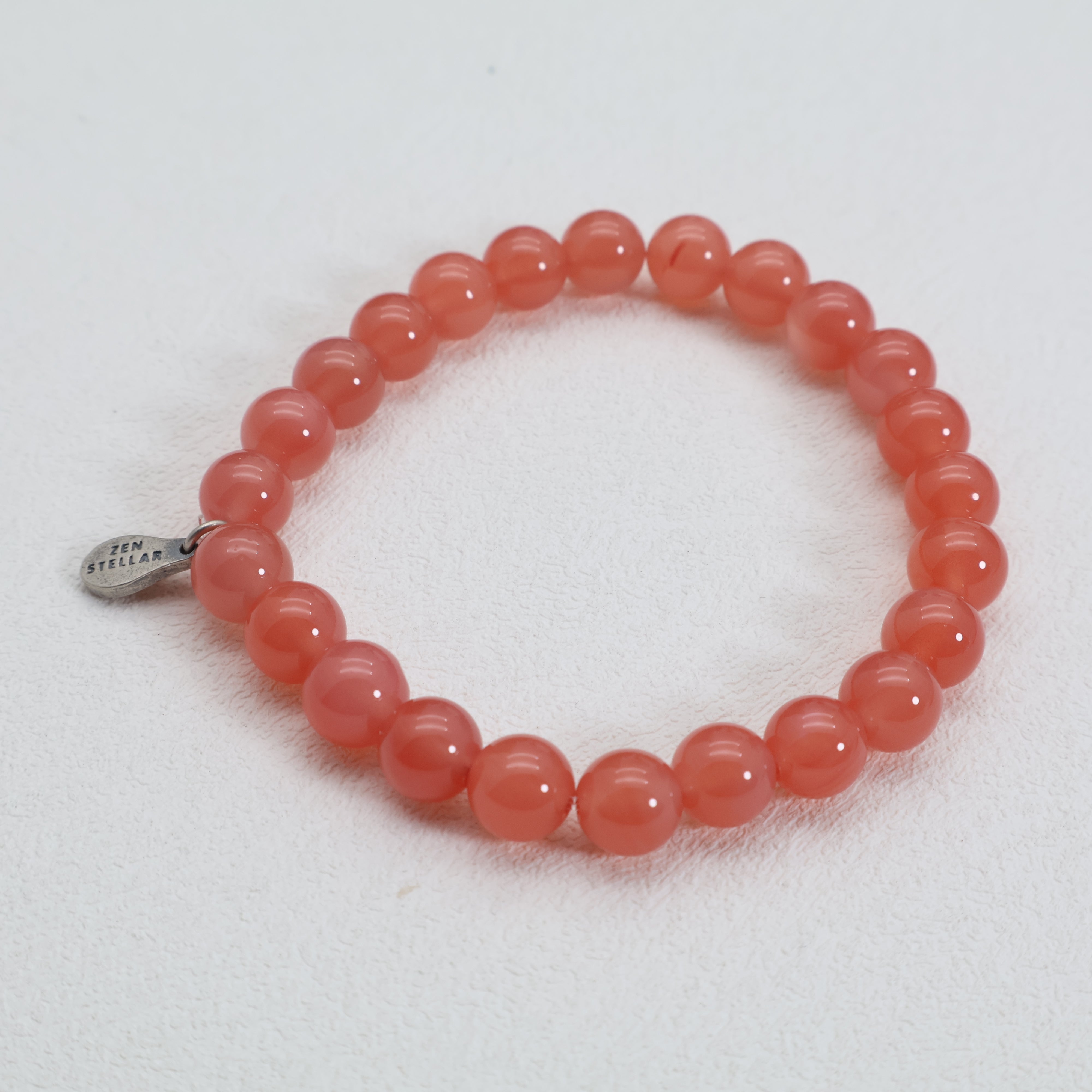
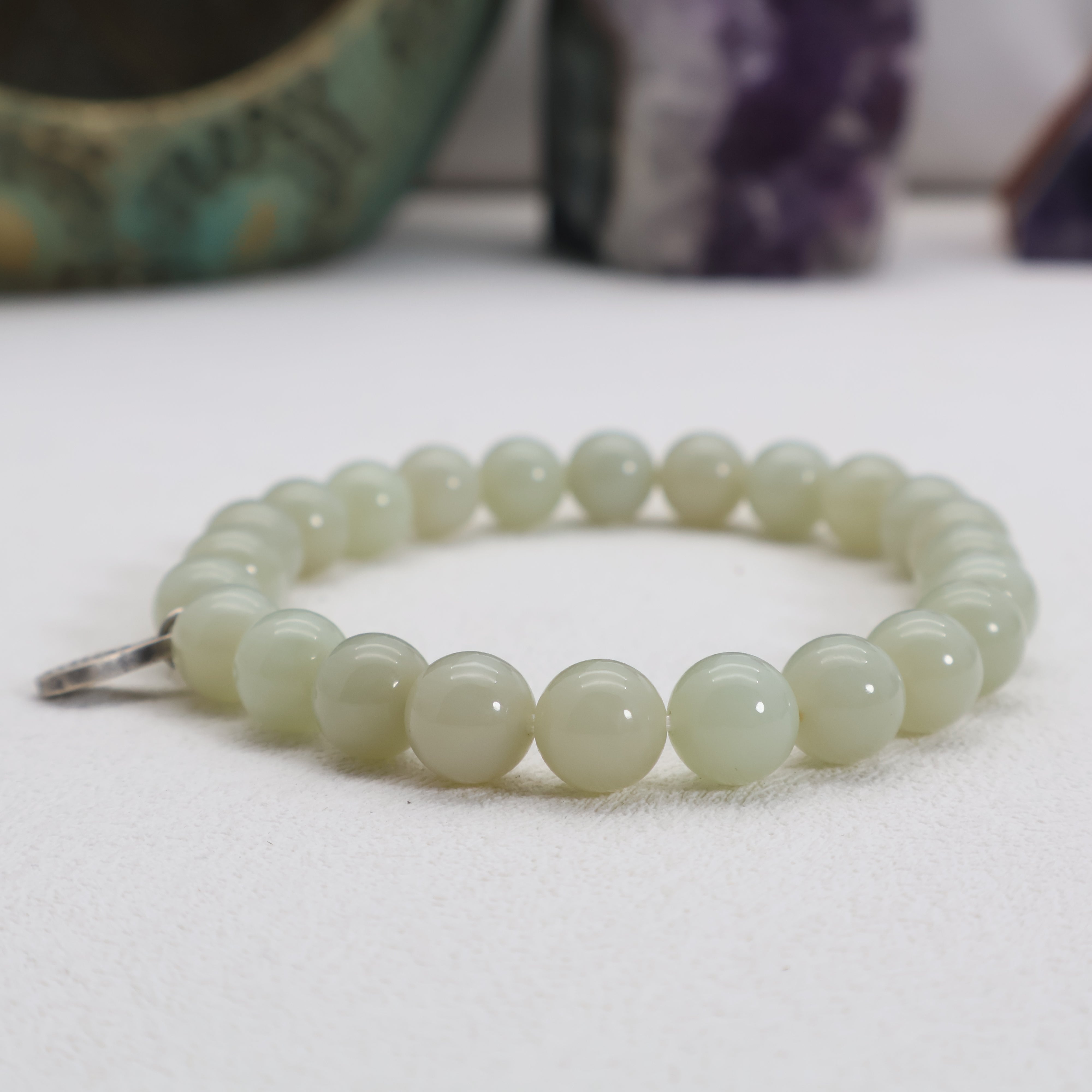
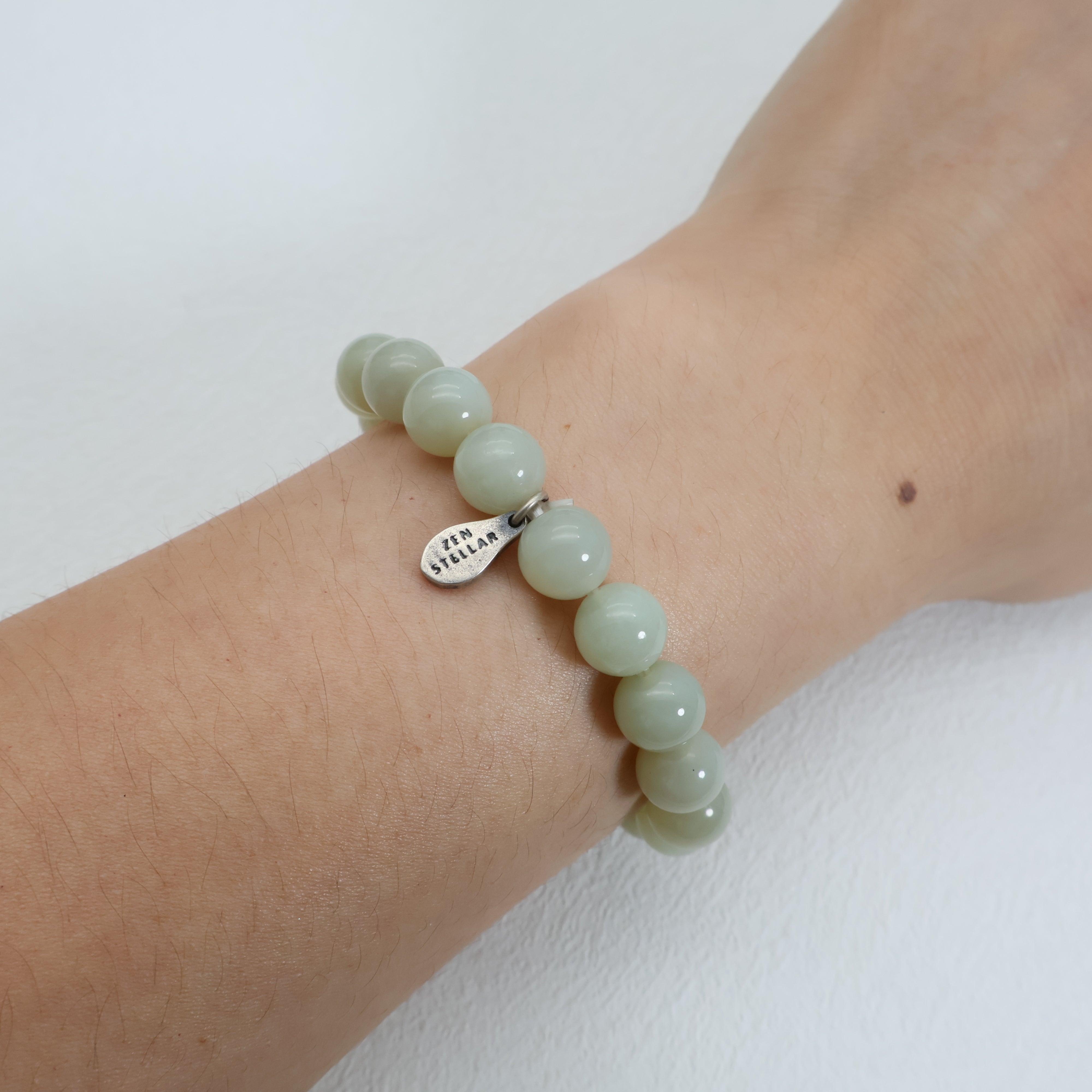
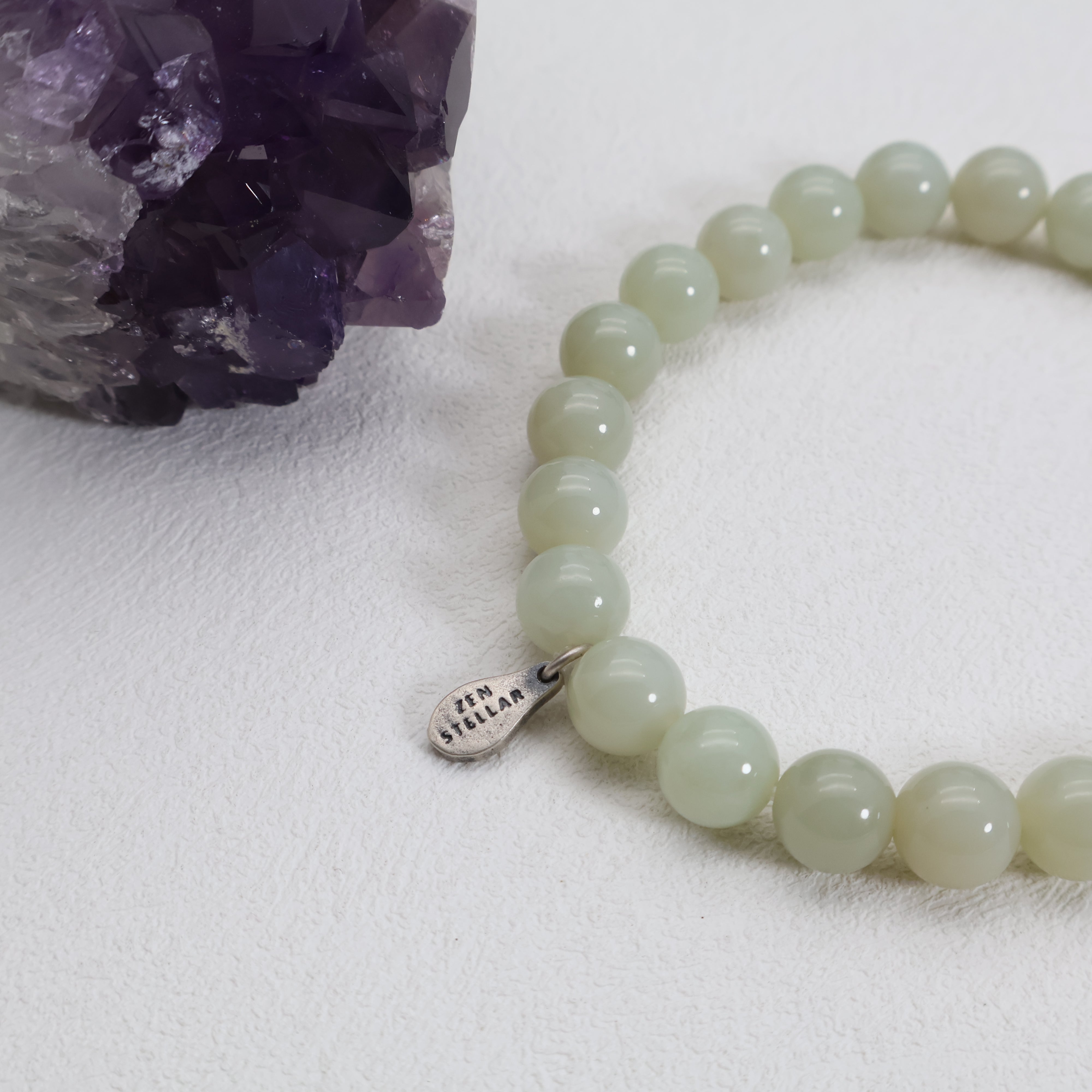
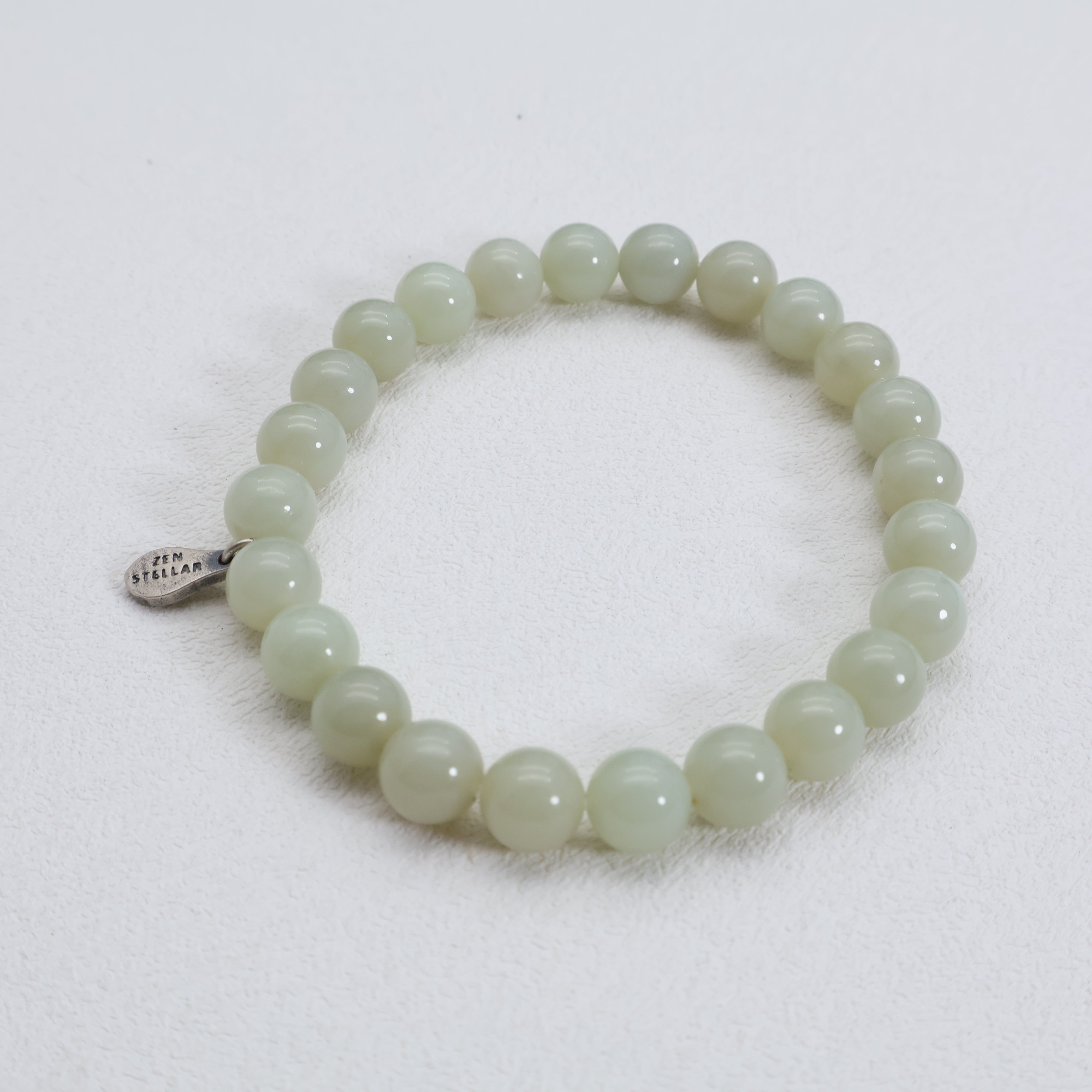
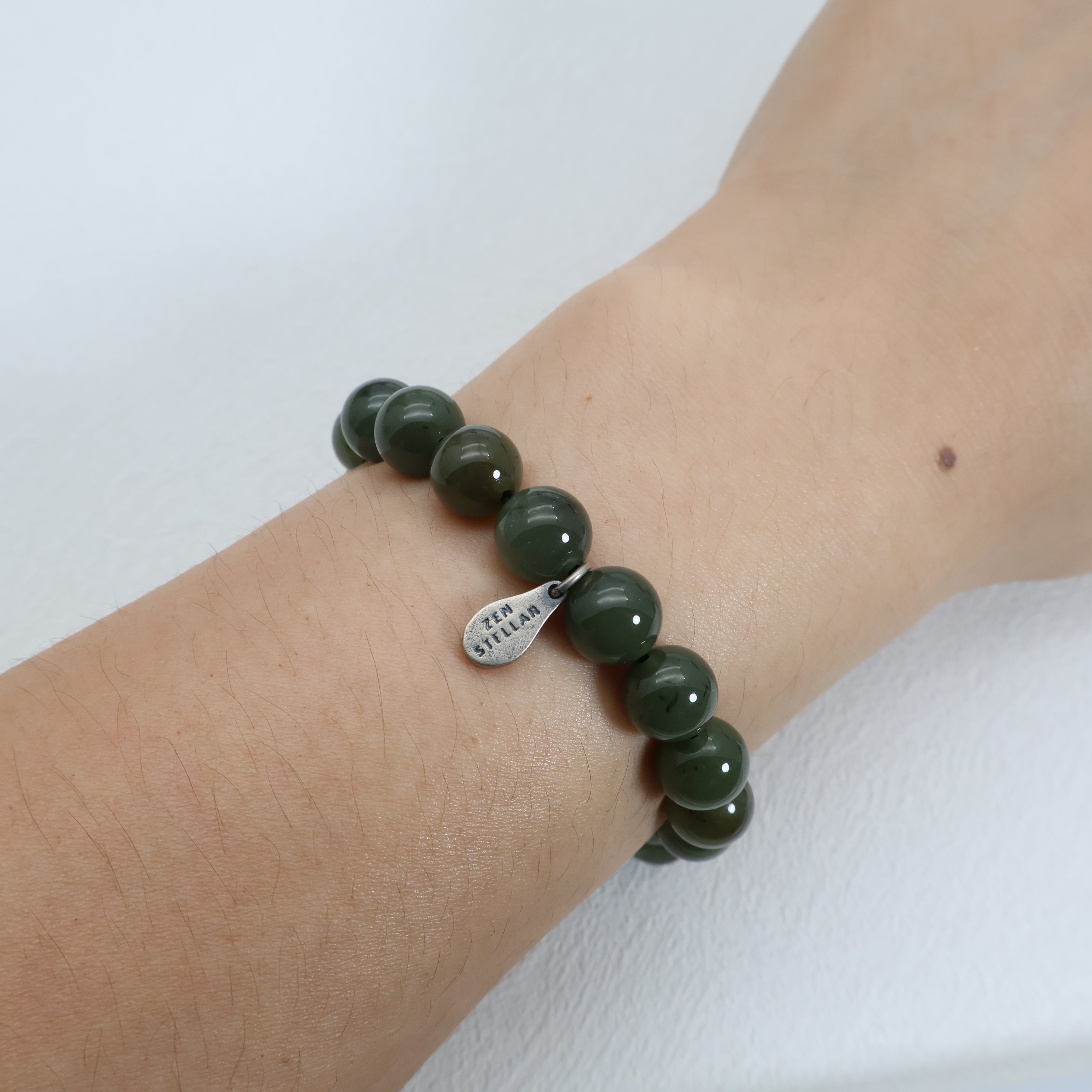
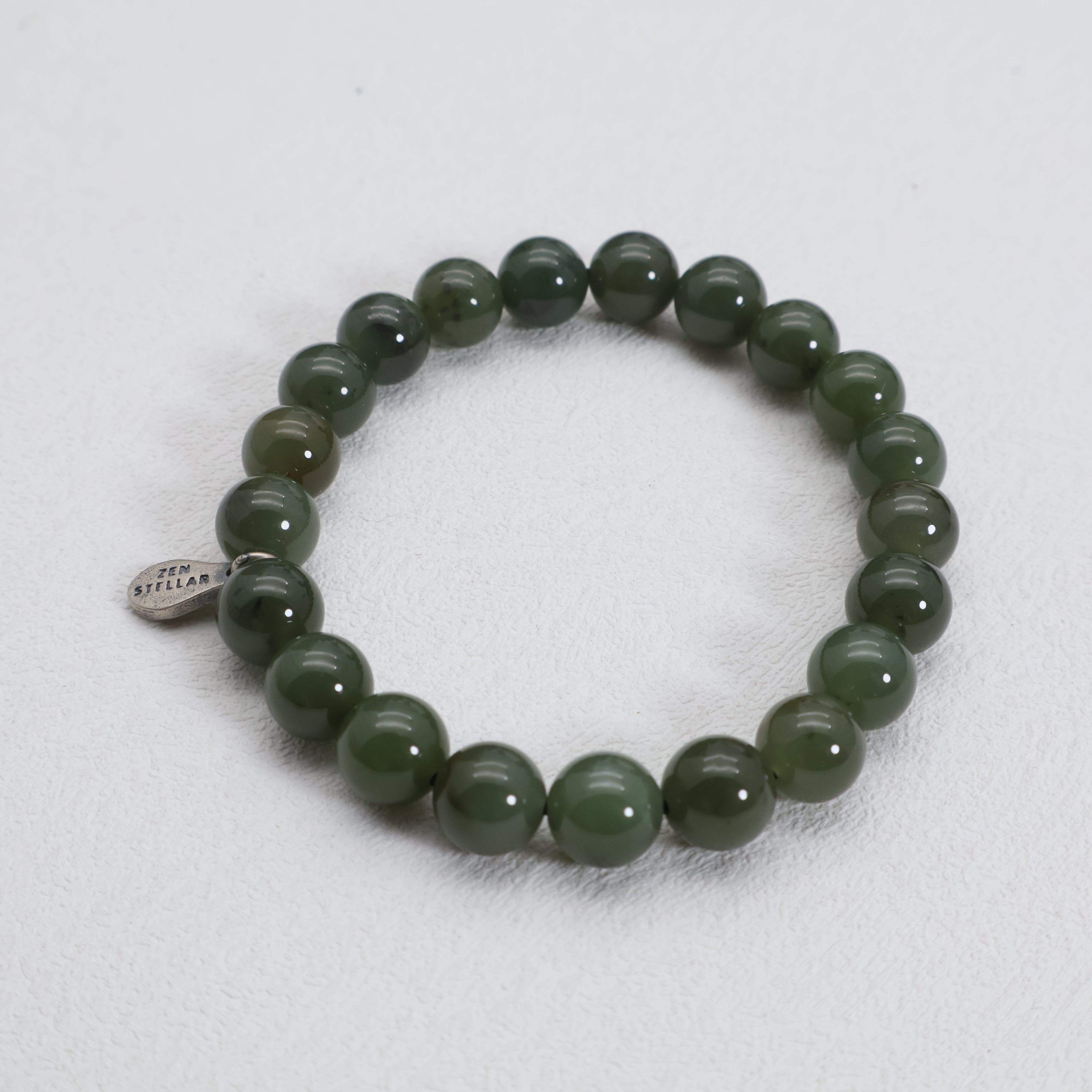
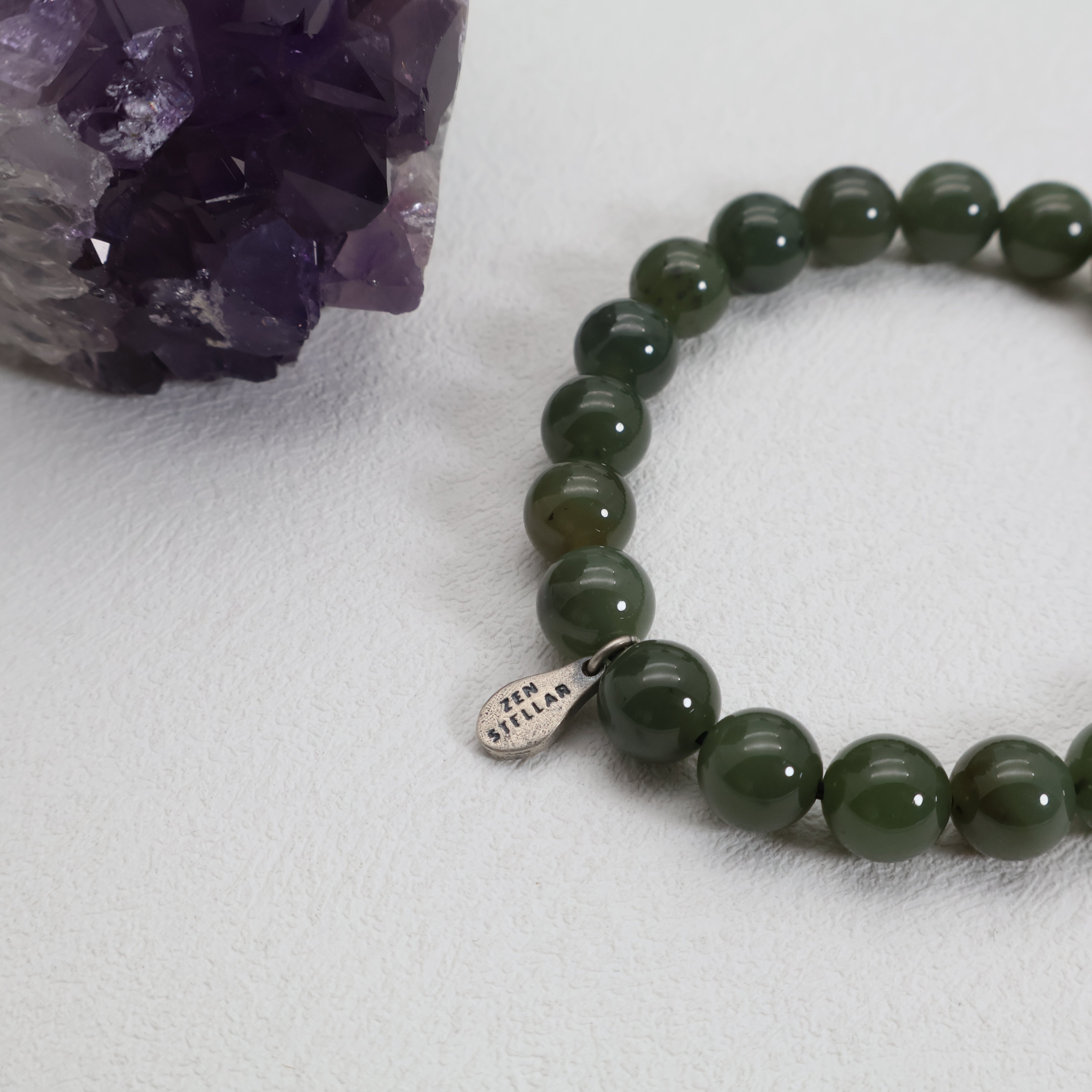
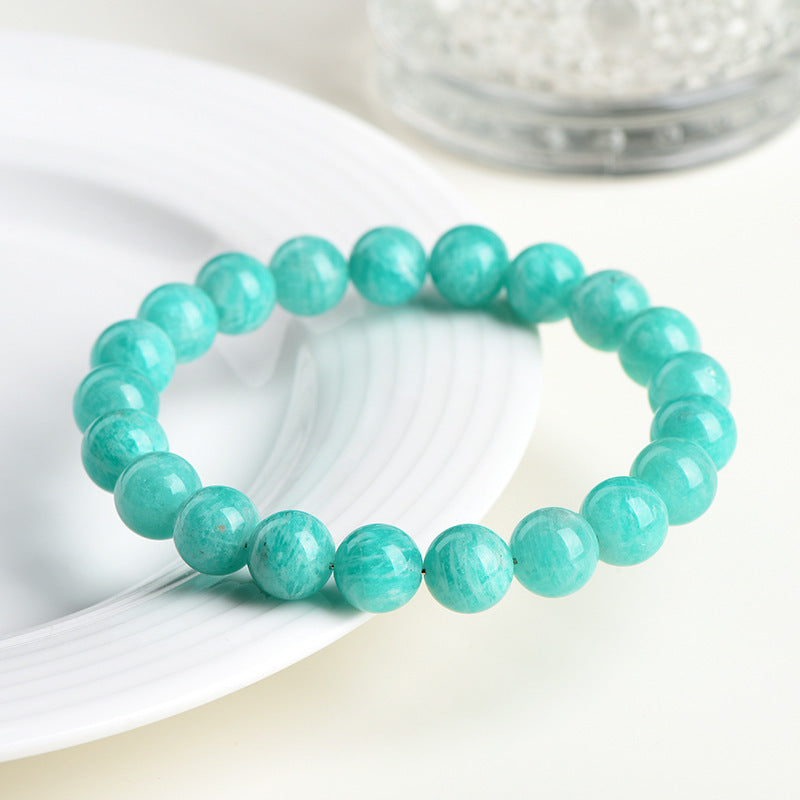
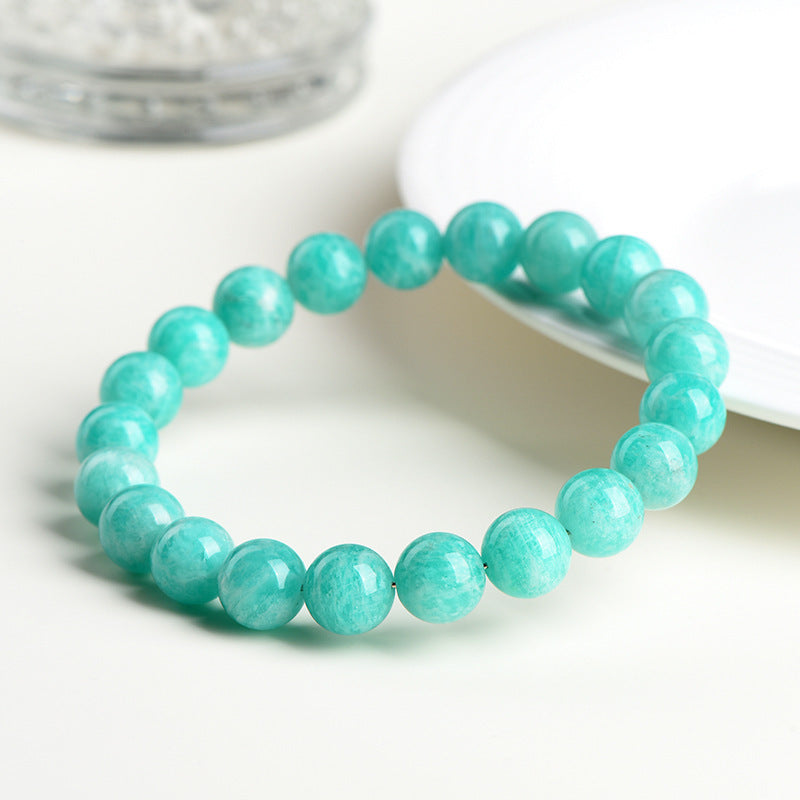
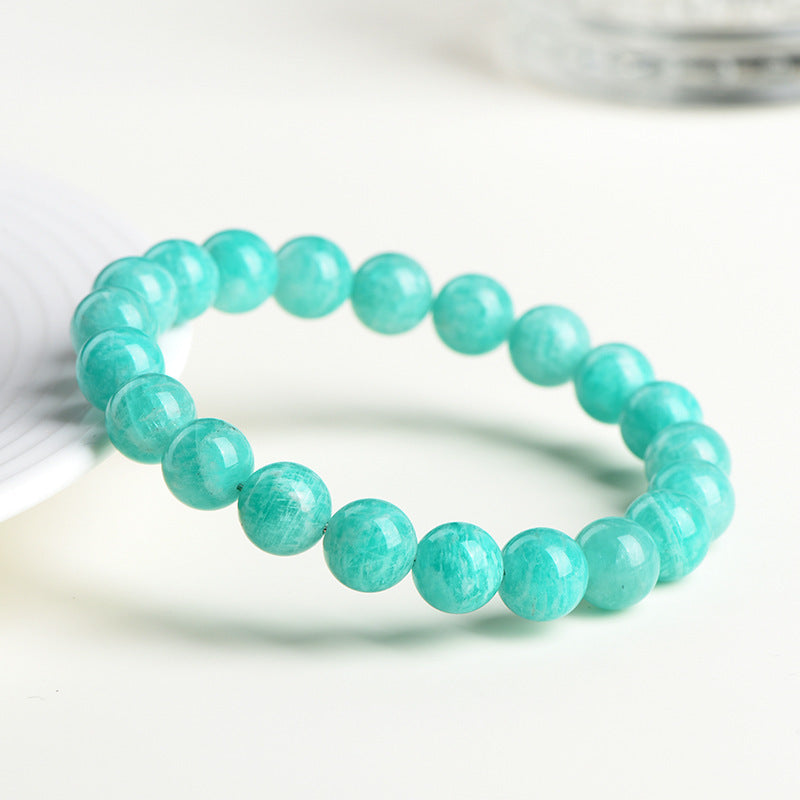
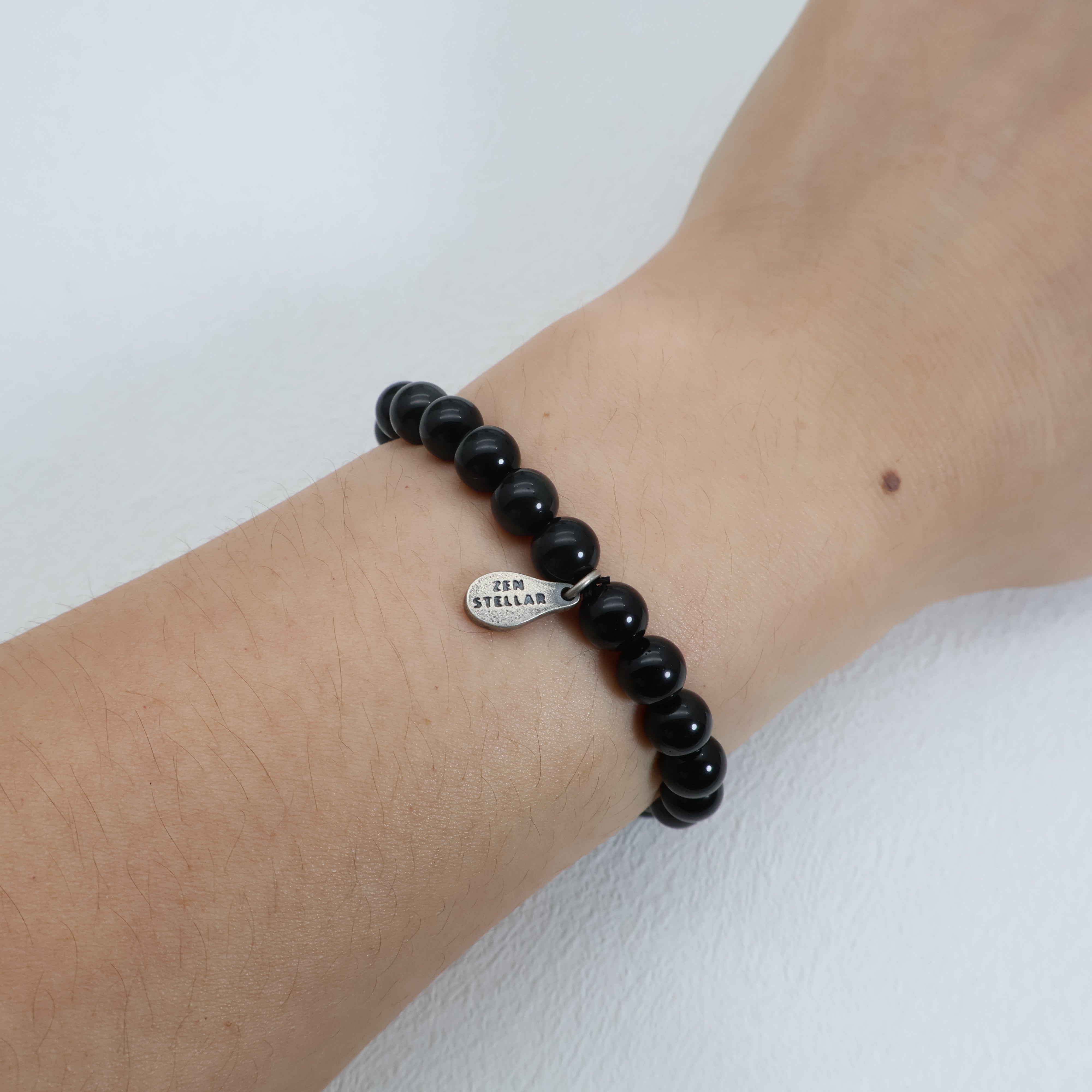
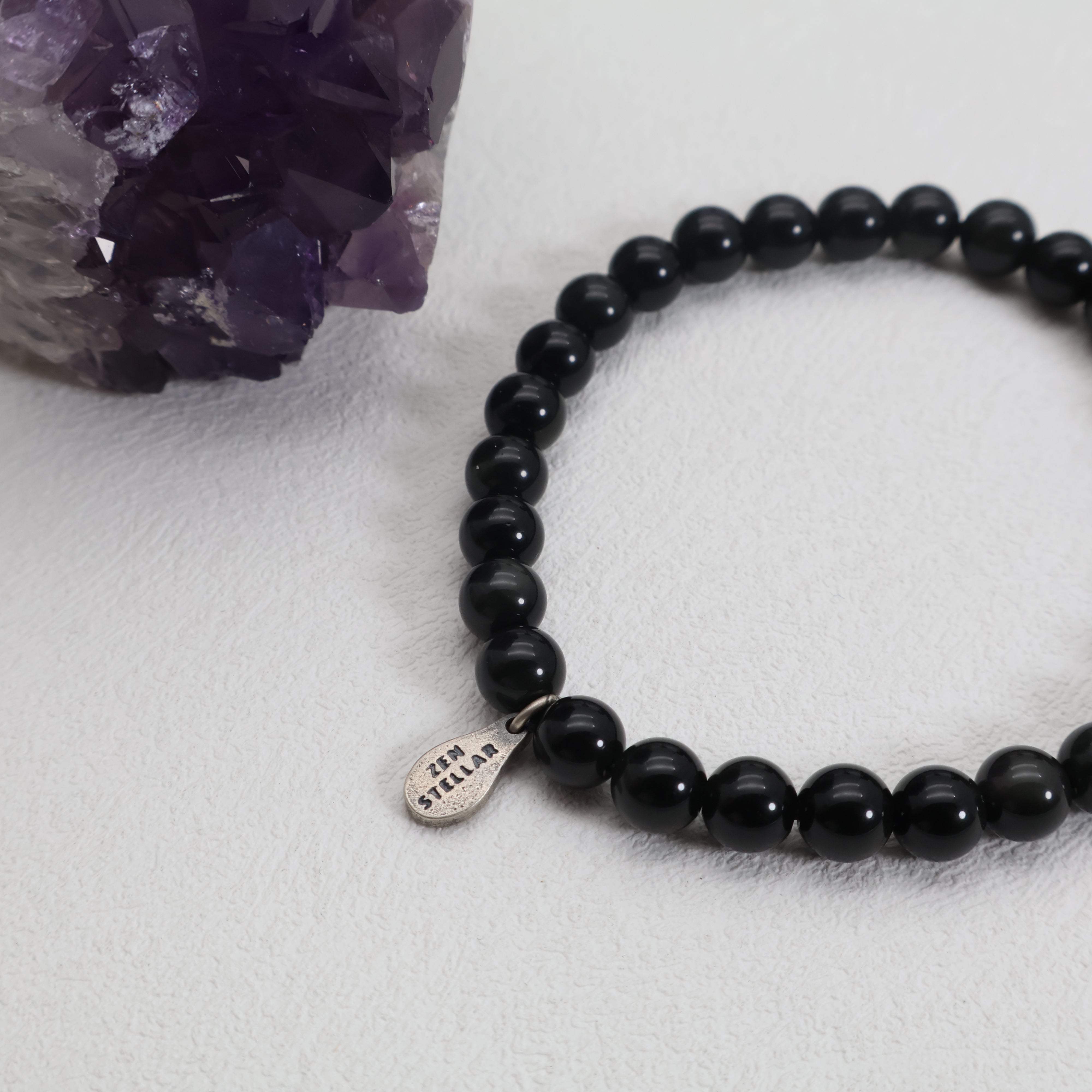
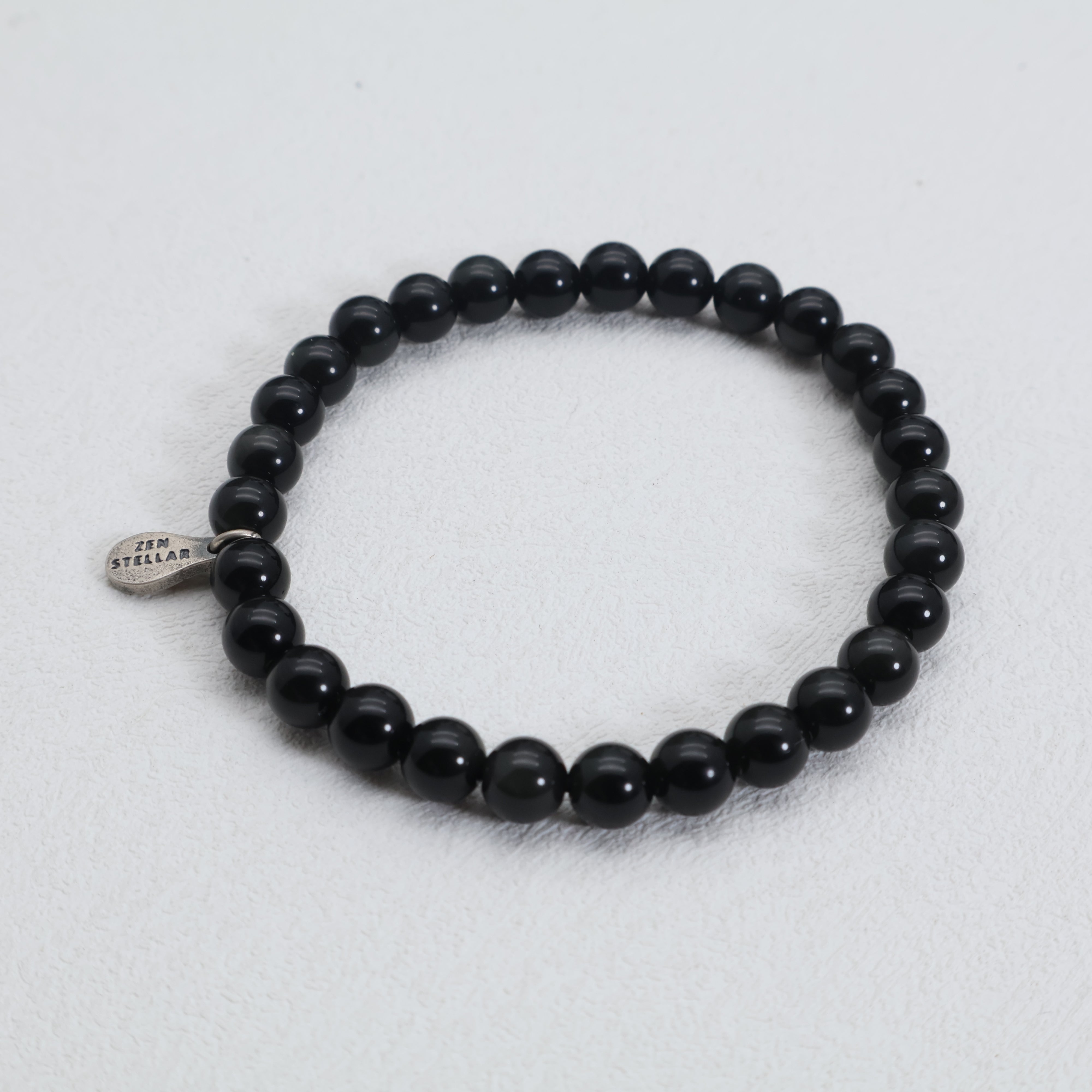
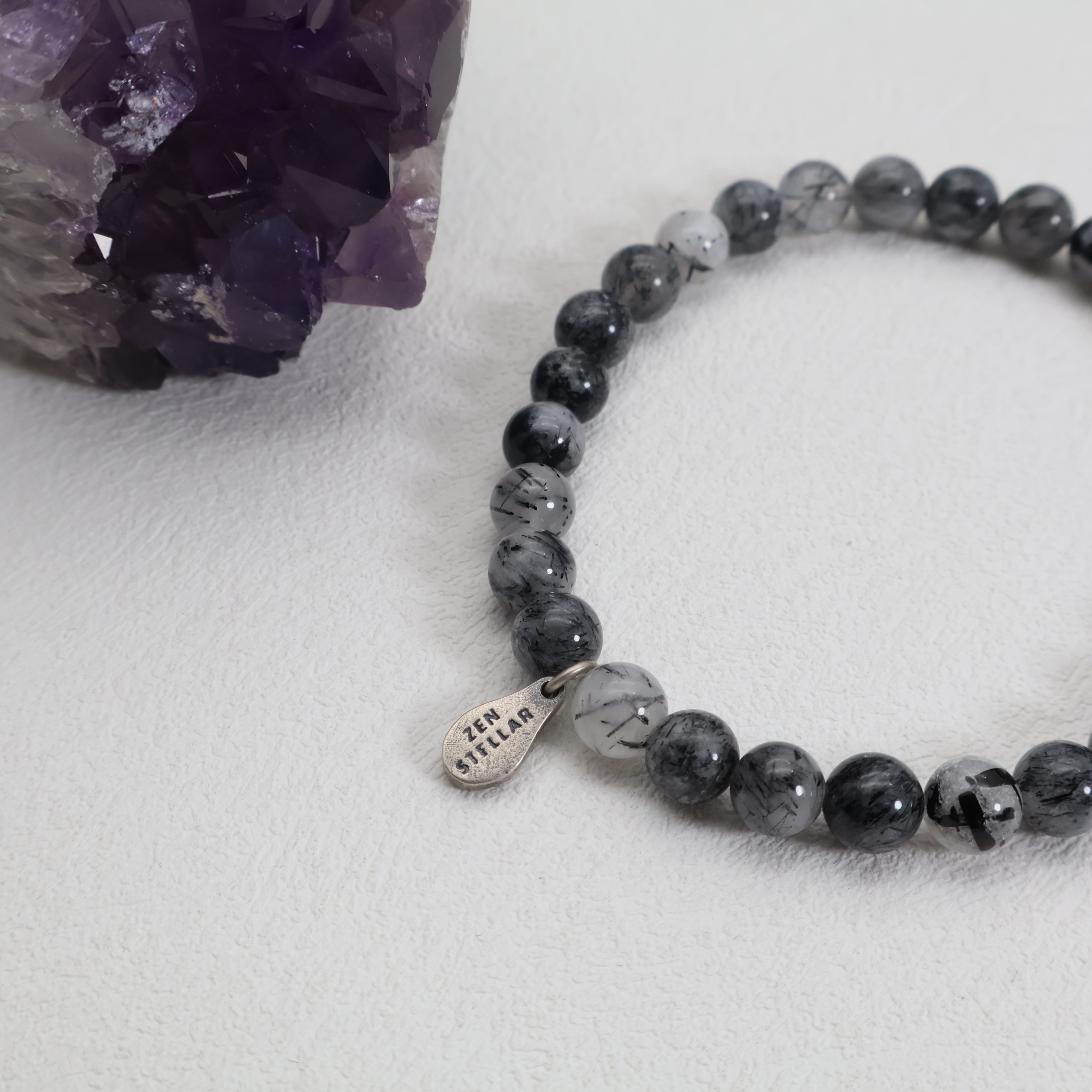
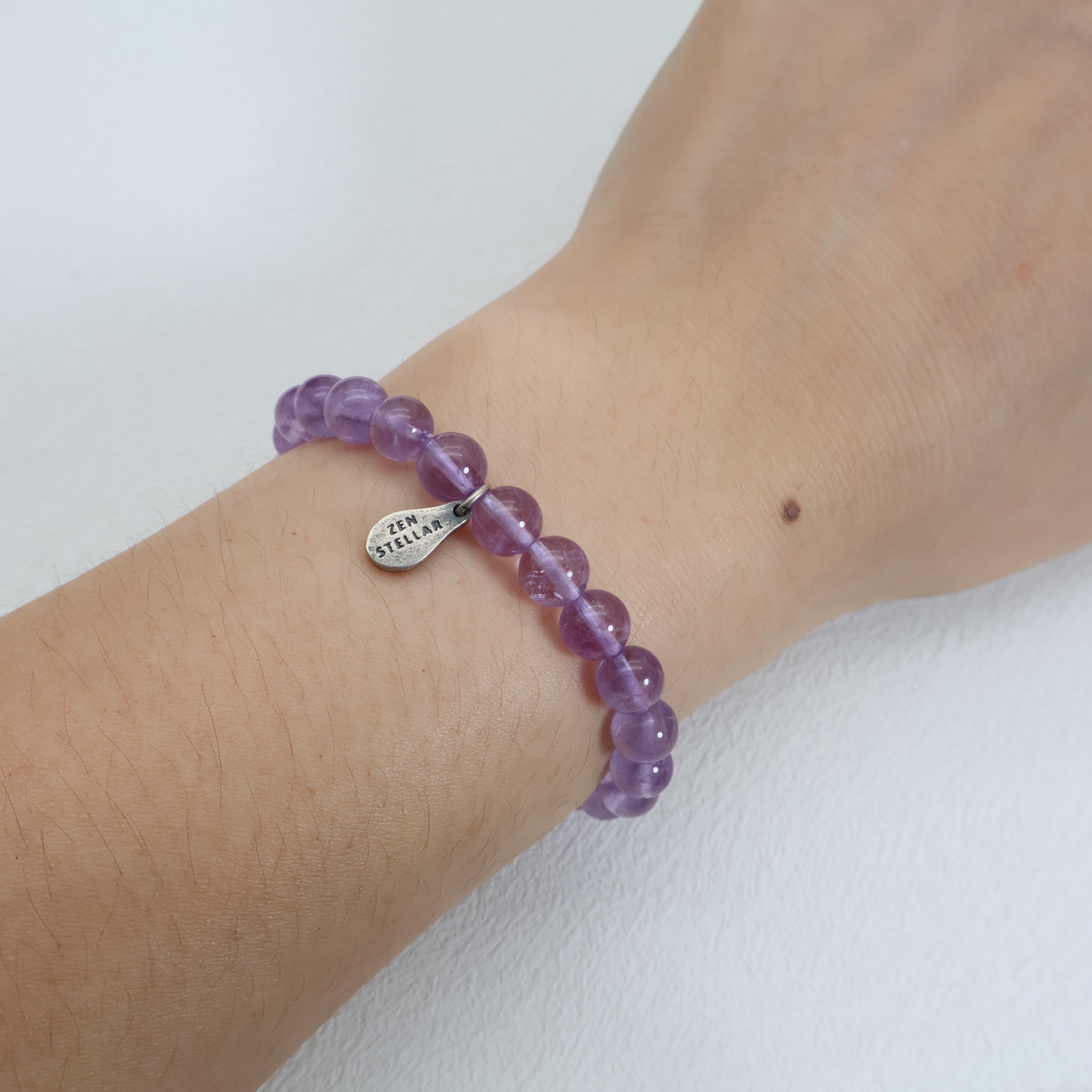
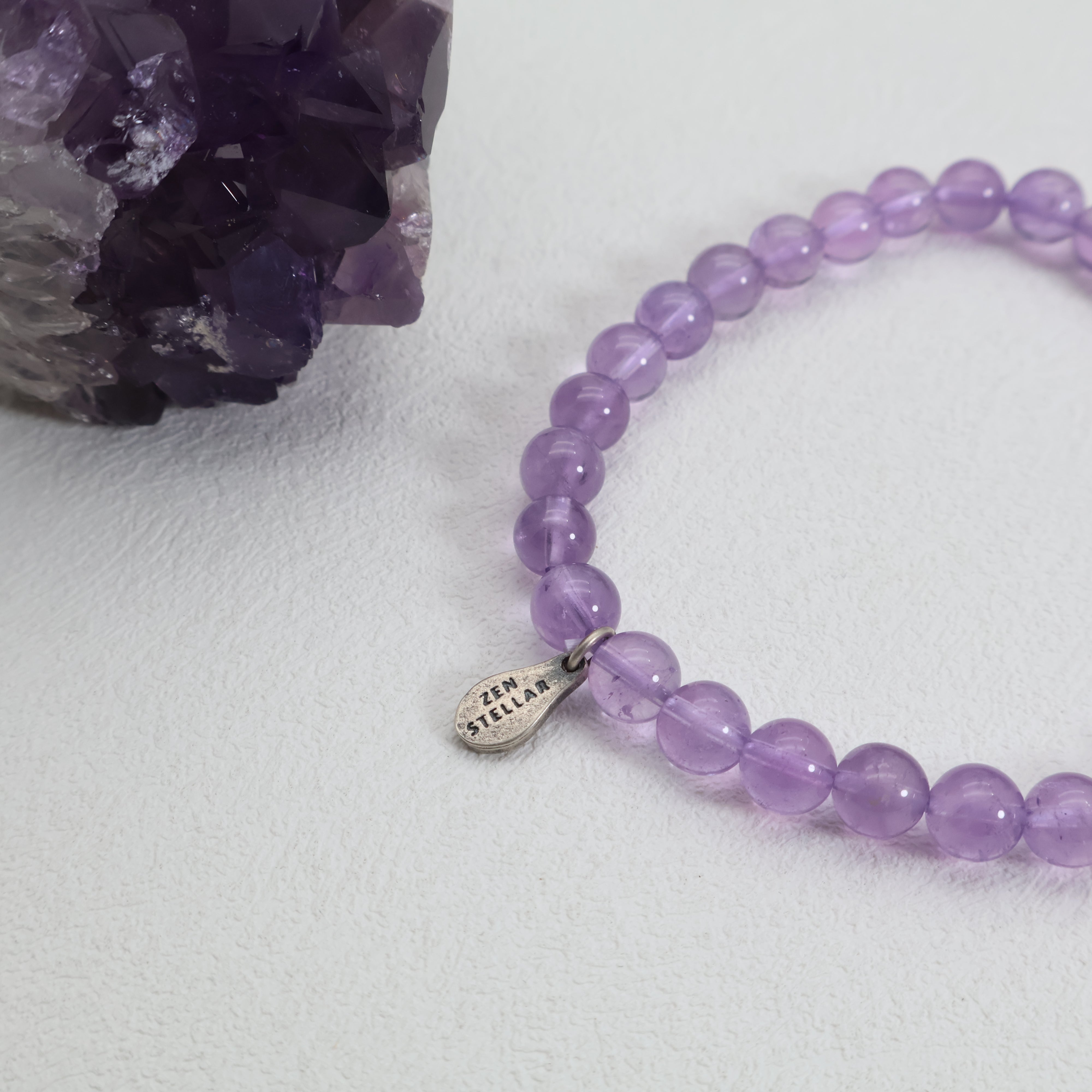
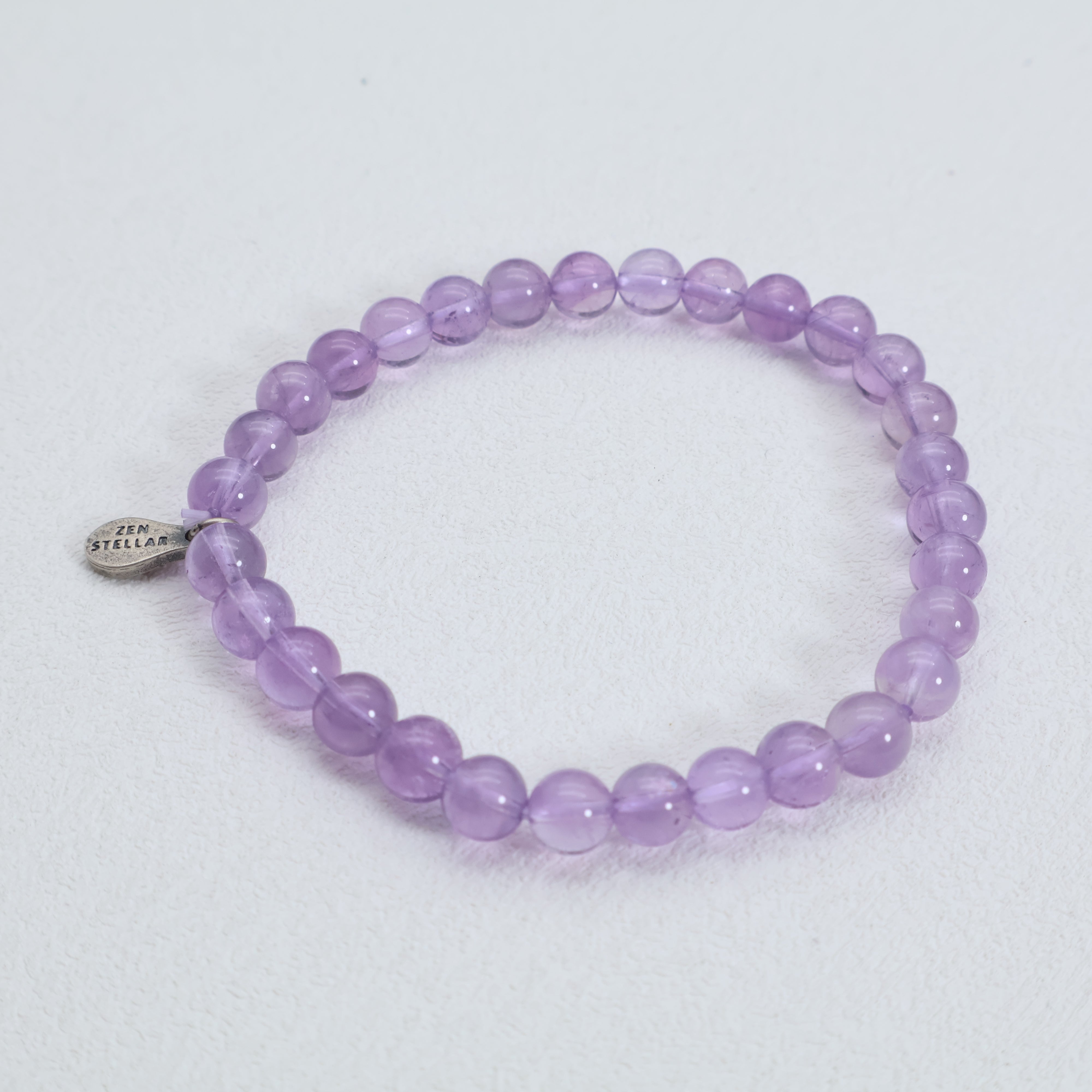
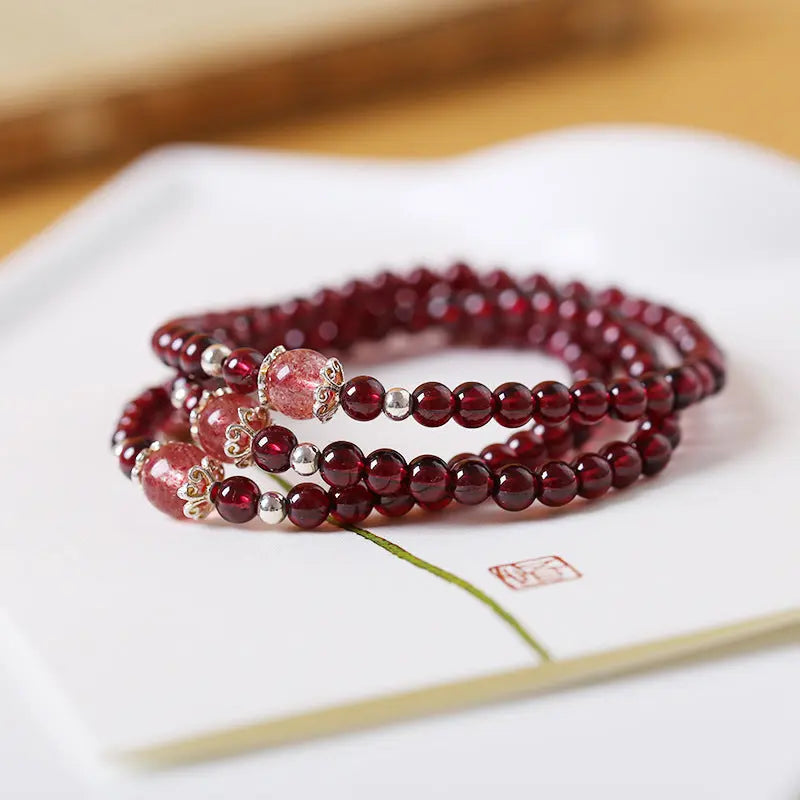
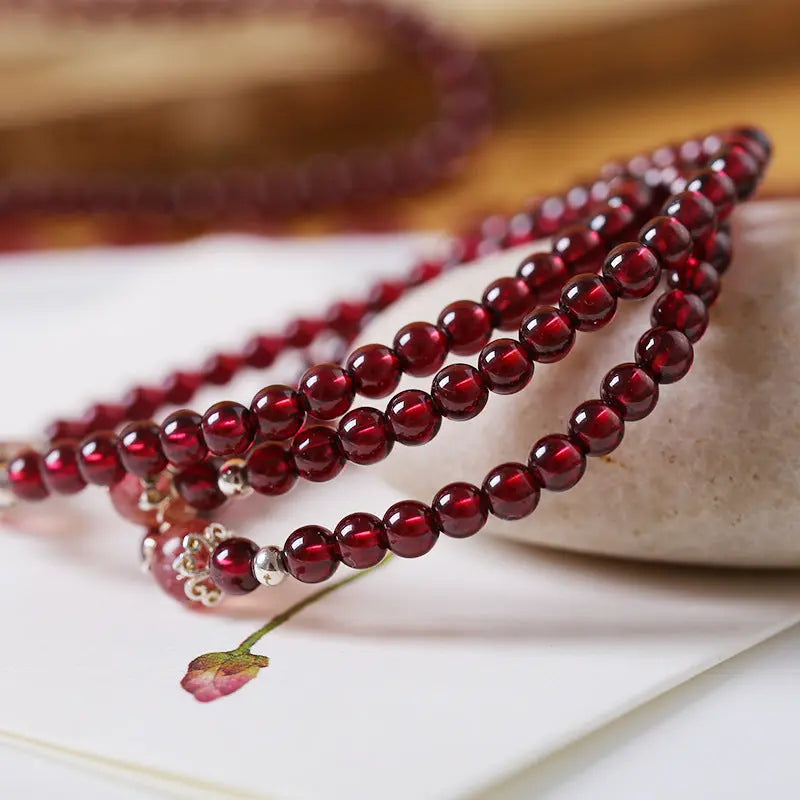
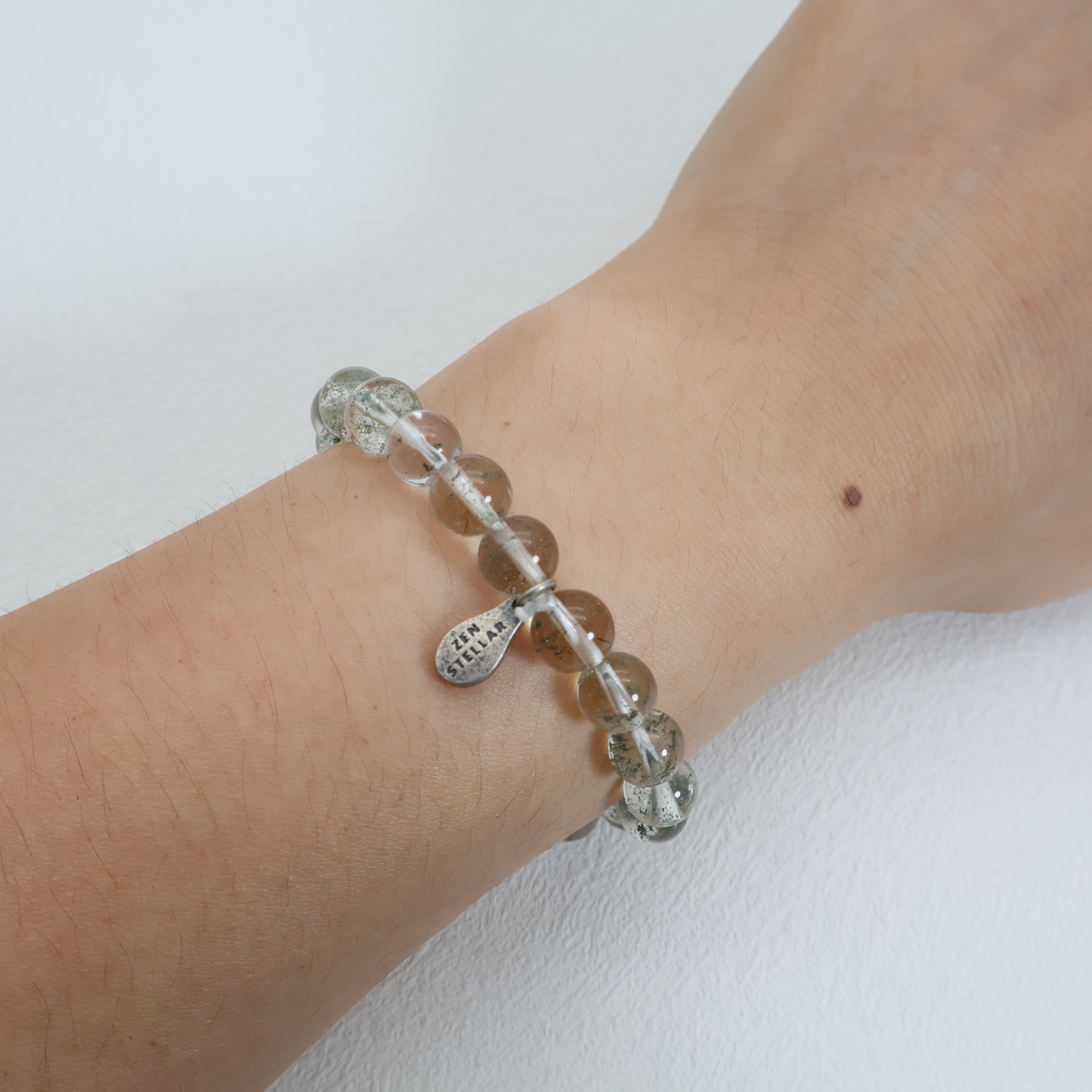
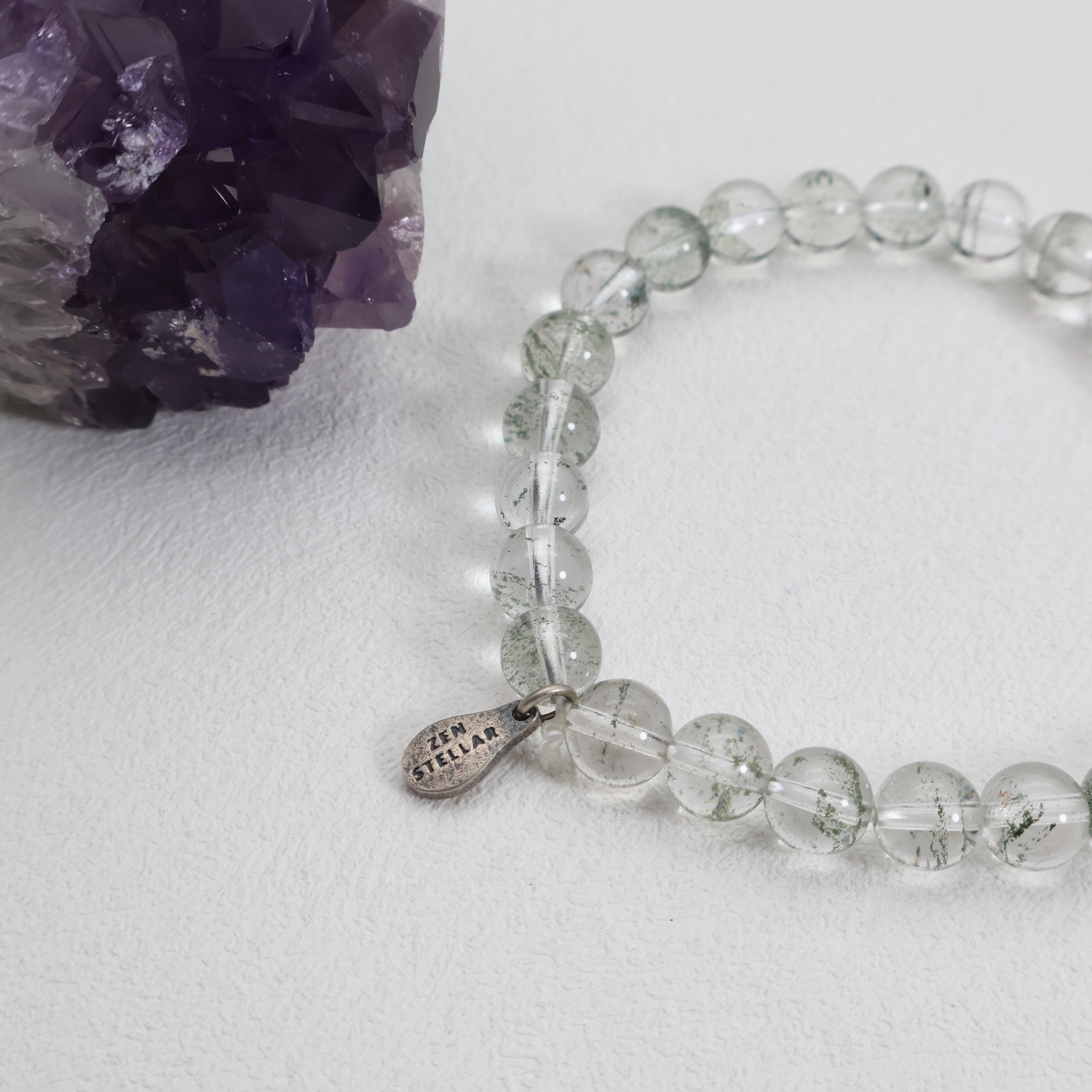
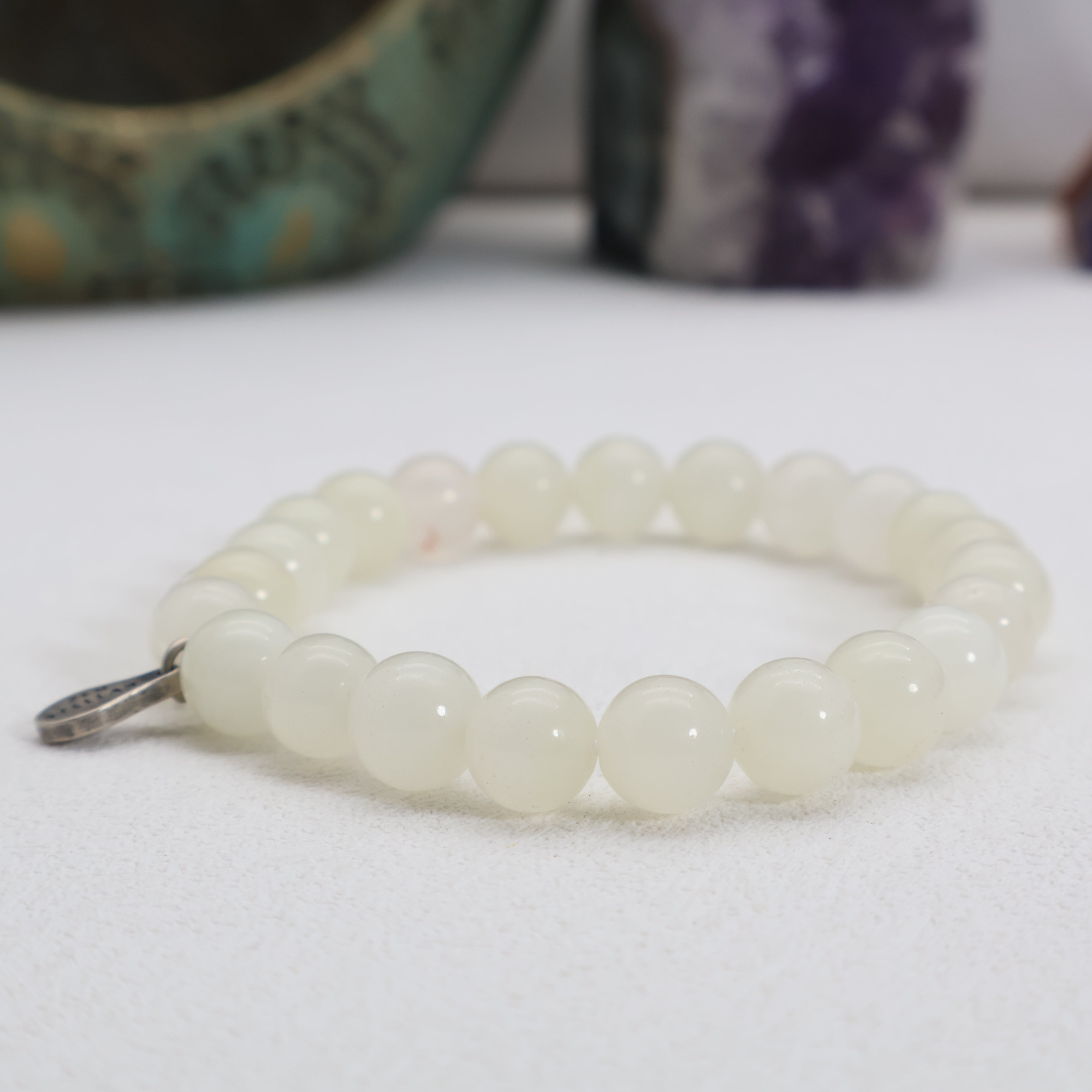
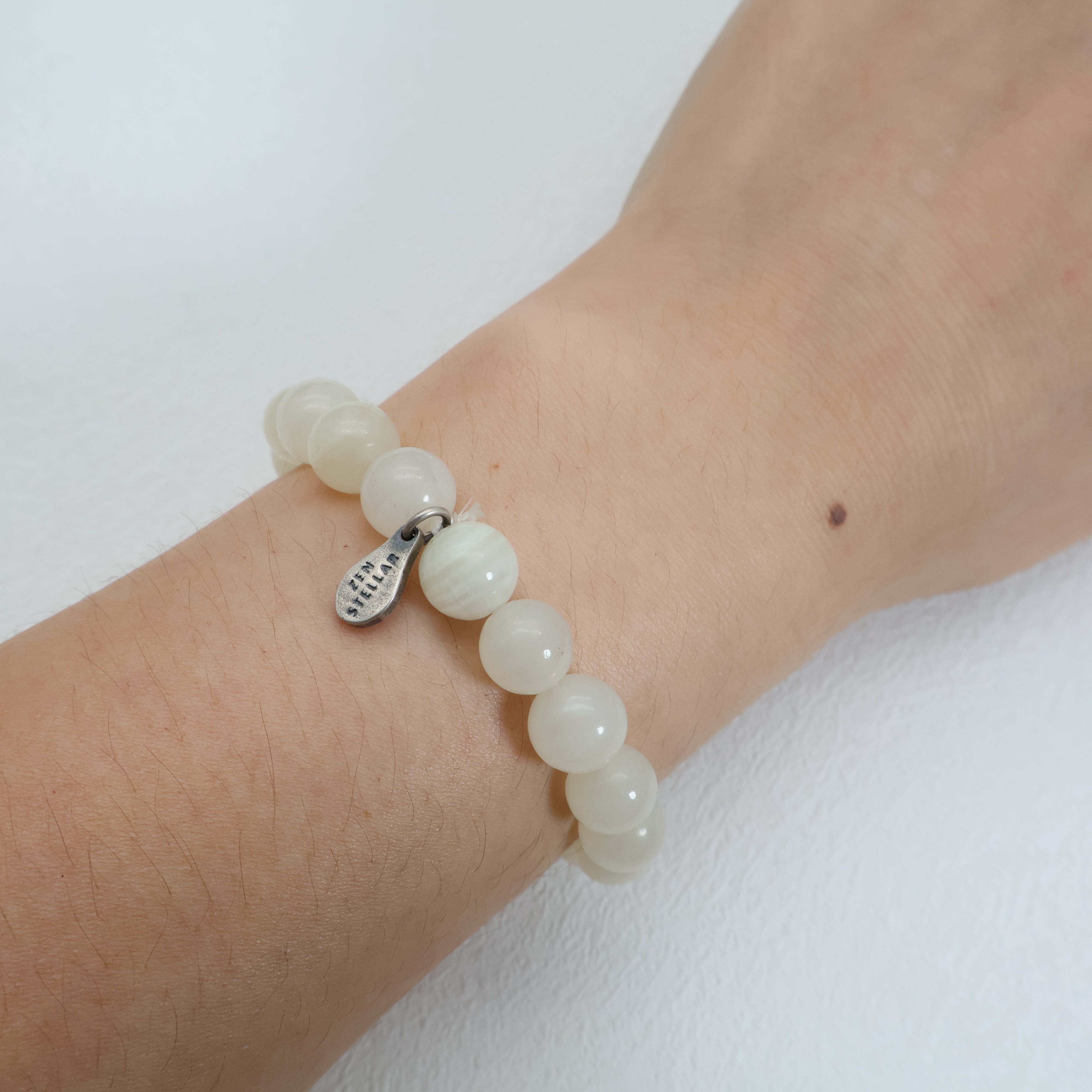
When choosing a Labradorite bracelet, many people focus on the quality of its flashes of color.
Some prefer stones with subtle blue highlights, while others are drawn to pieces that show stronger gold or green reflections.
Each stone displays its light differently, which gives every bracelet a unique appearance.
The right choice is often the one whose light feels most engaging when viewed from different angles.

Caring for Labradorite
Labradorite is relatively easy to care for but should be treated with attention.
It can be cleaned gently with water and a soft cloth. Harsh chemicals and rough handling should be avoided to preserve the surface of the stone.
Many people treat cleaning the bracelet as a small moment of reflection and renewal.
Why Labradorite Remains Relevant Today
Modern life requires adaptability.
People frequently move between roles, environments, and expectations. Labradorite remains relevant because it reflects the beauty of change rather than resisting it.
Its shifting colors remind wearers that clarity often appears through movement and perspective.
In daily life, this message feels both subtle and powerful.

Final Reflection
Labradorite is not worn to stop change.
It is worn to understand it.
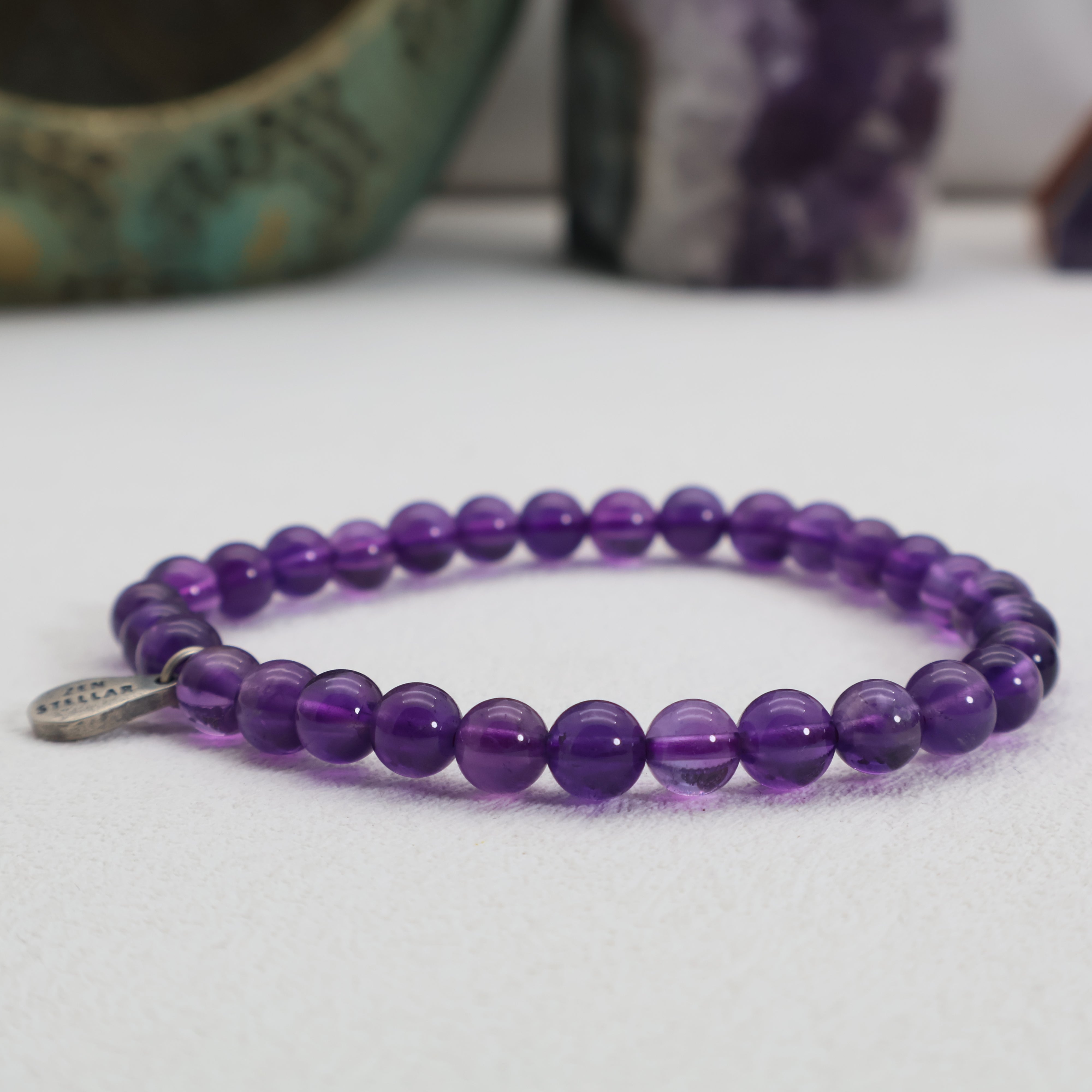
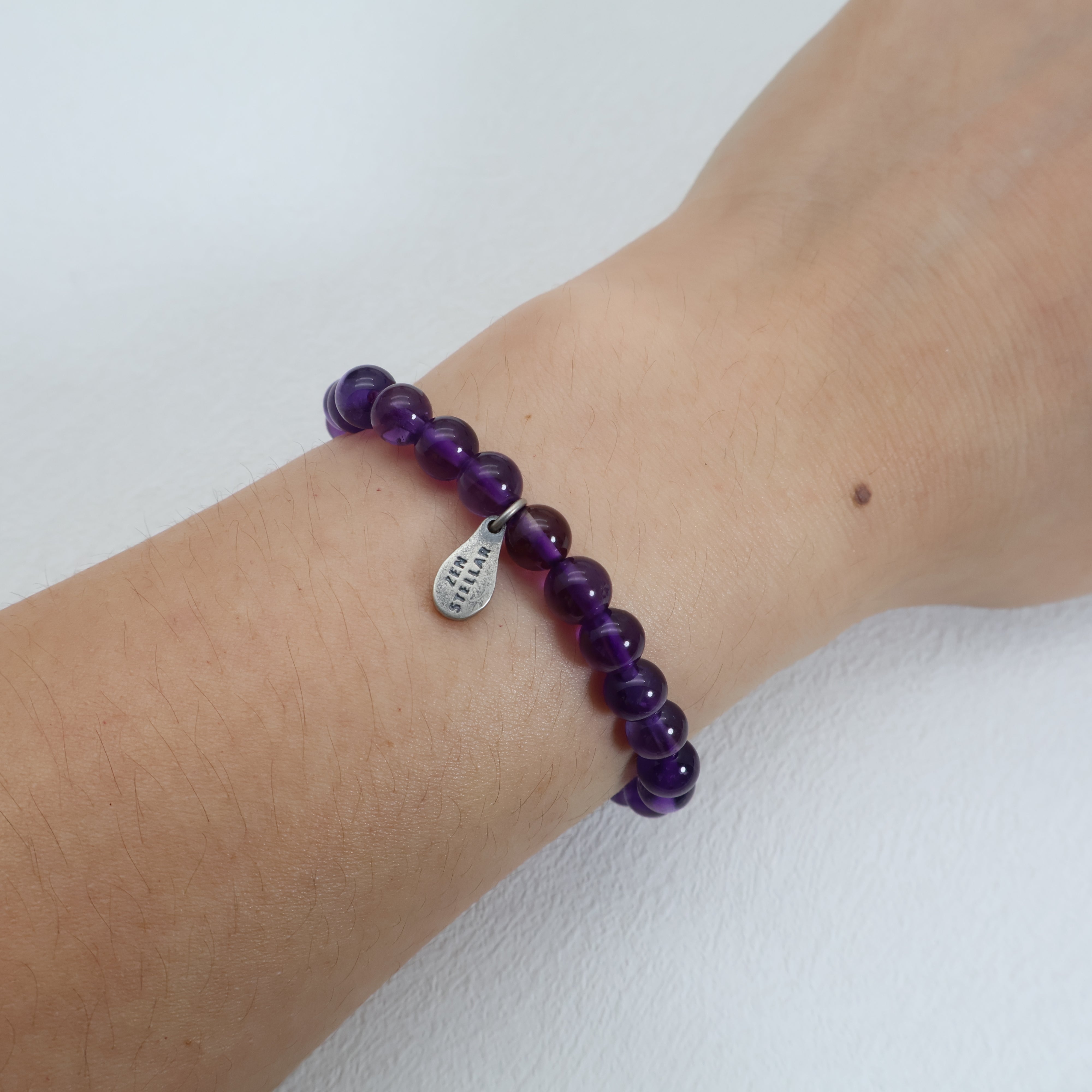
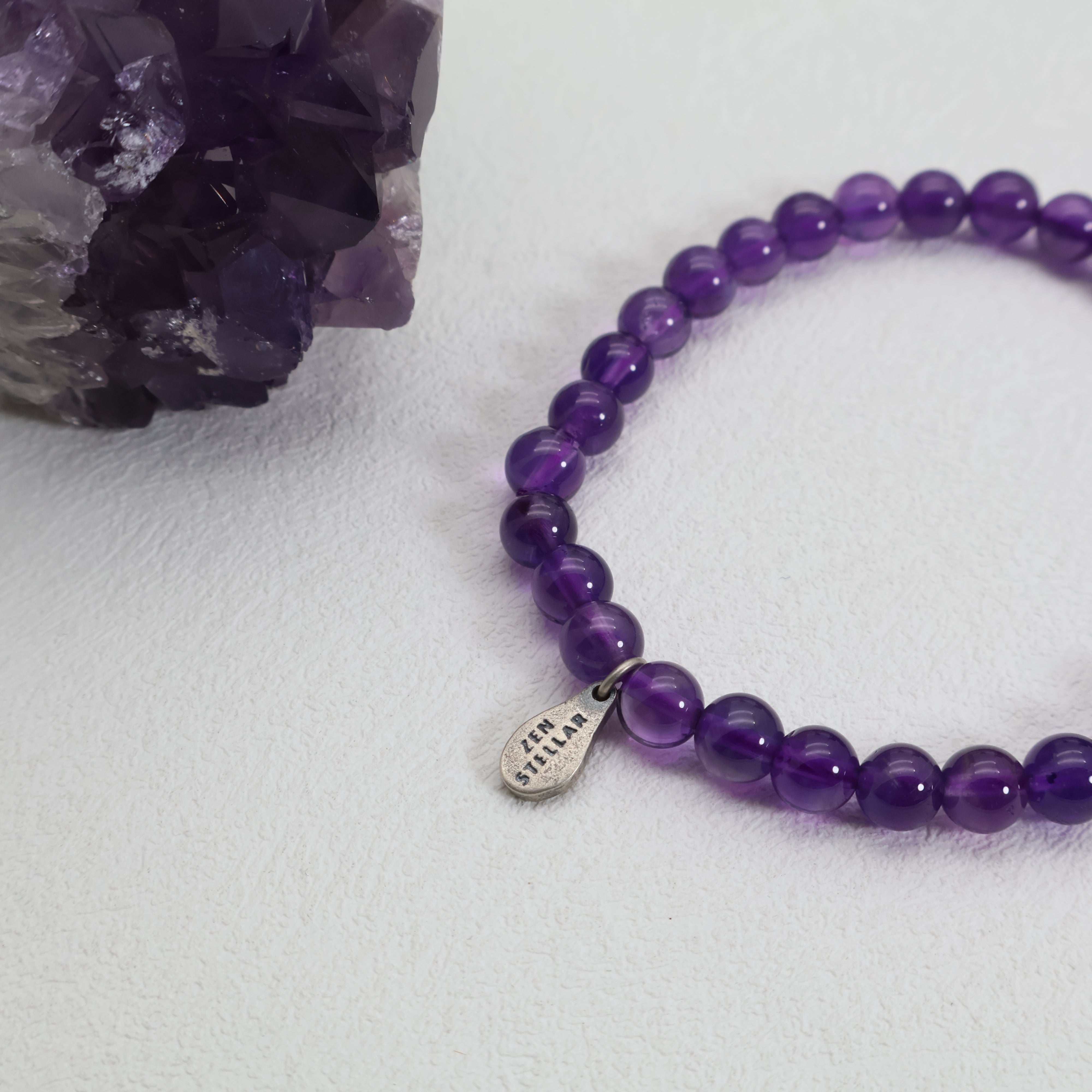
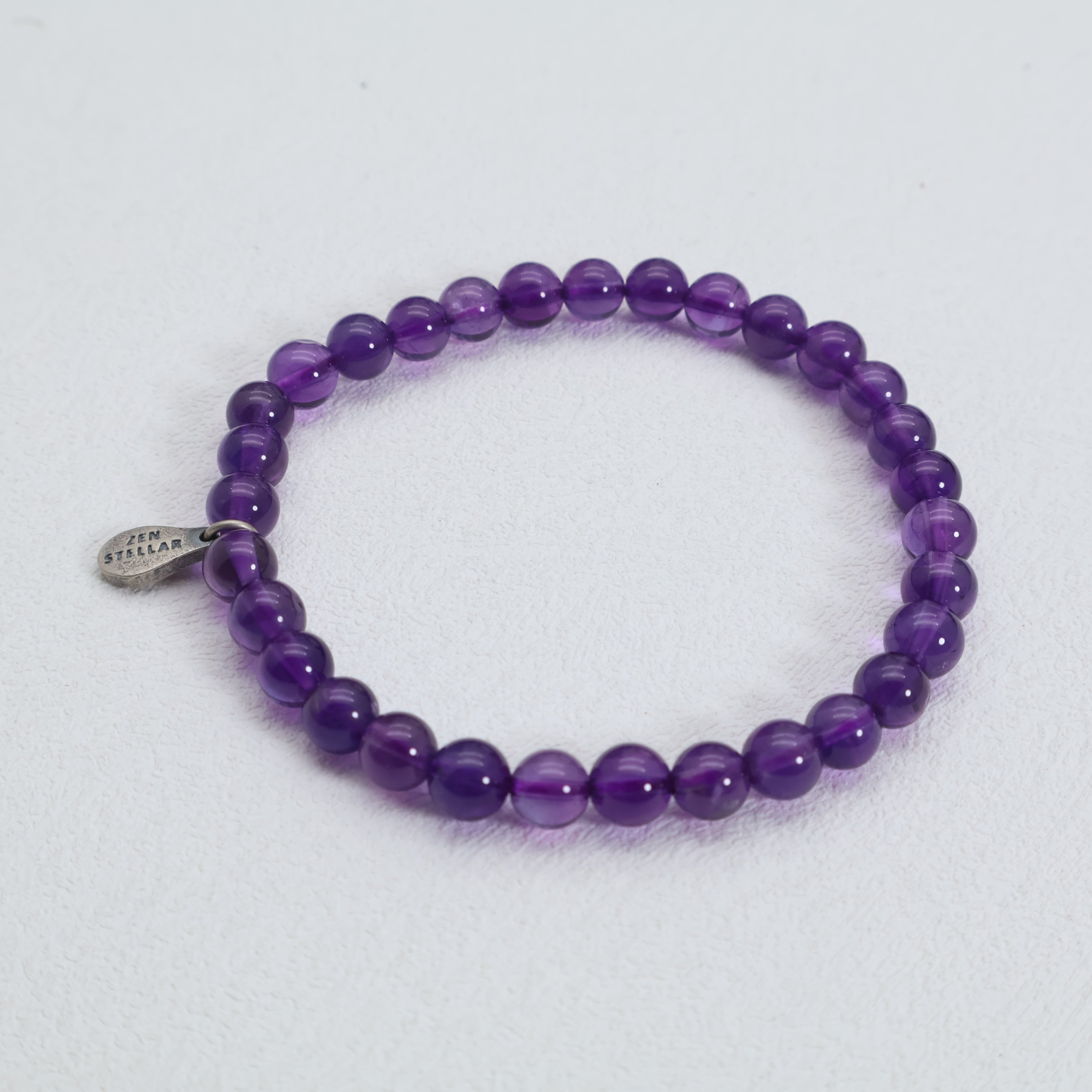
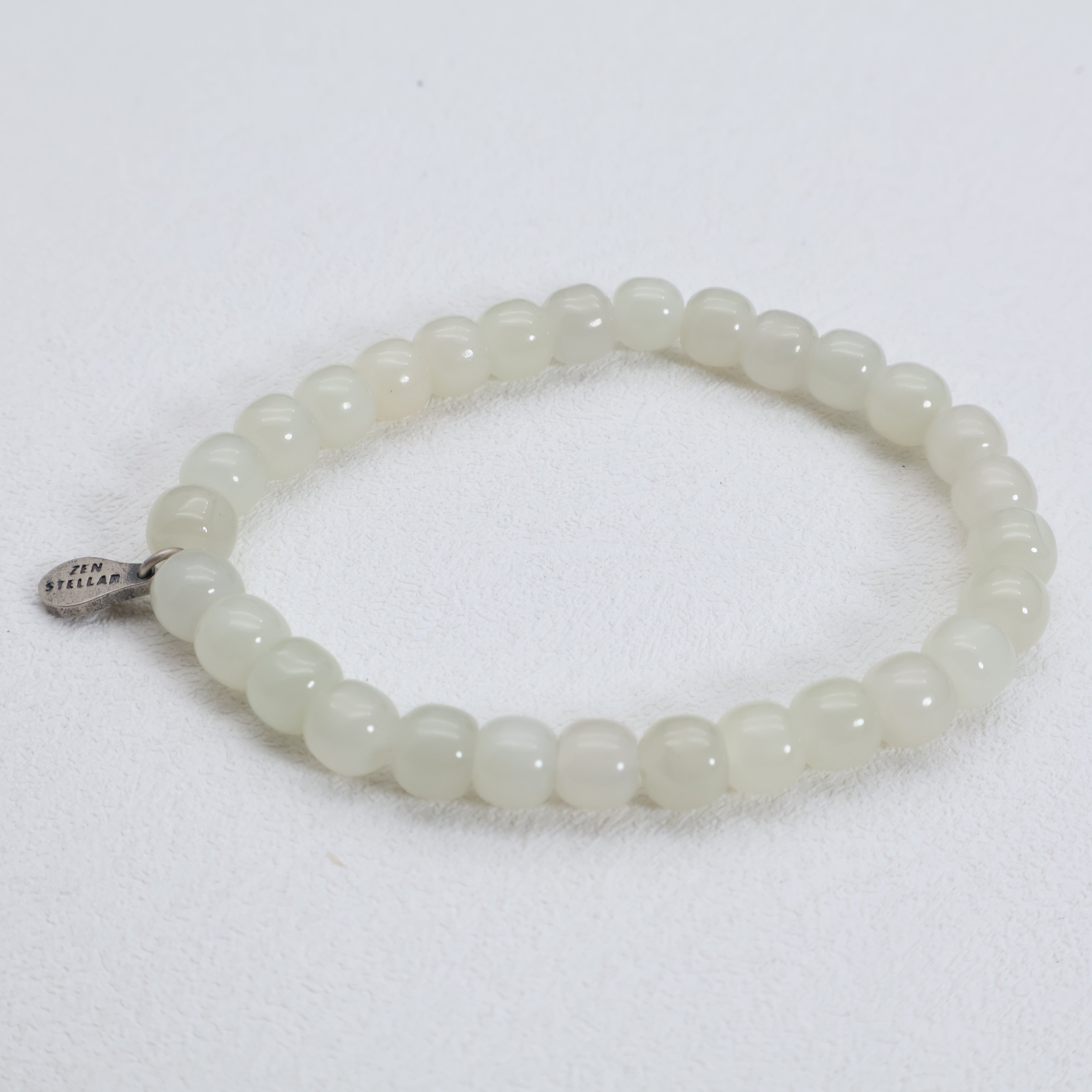
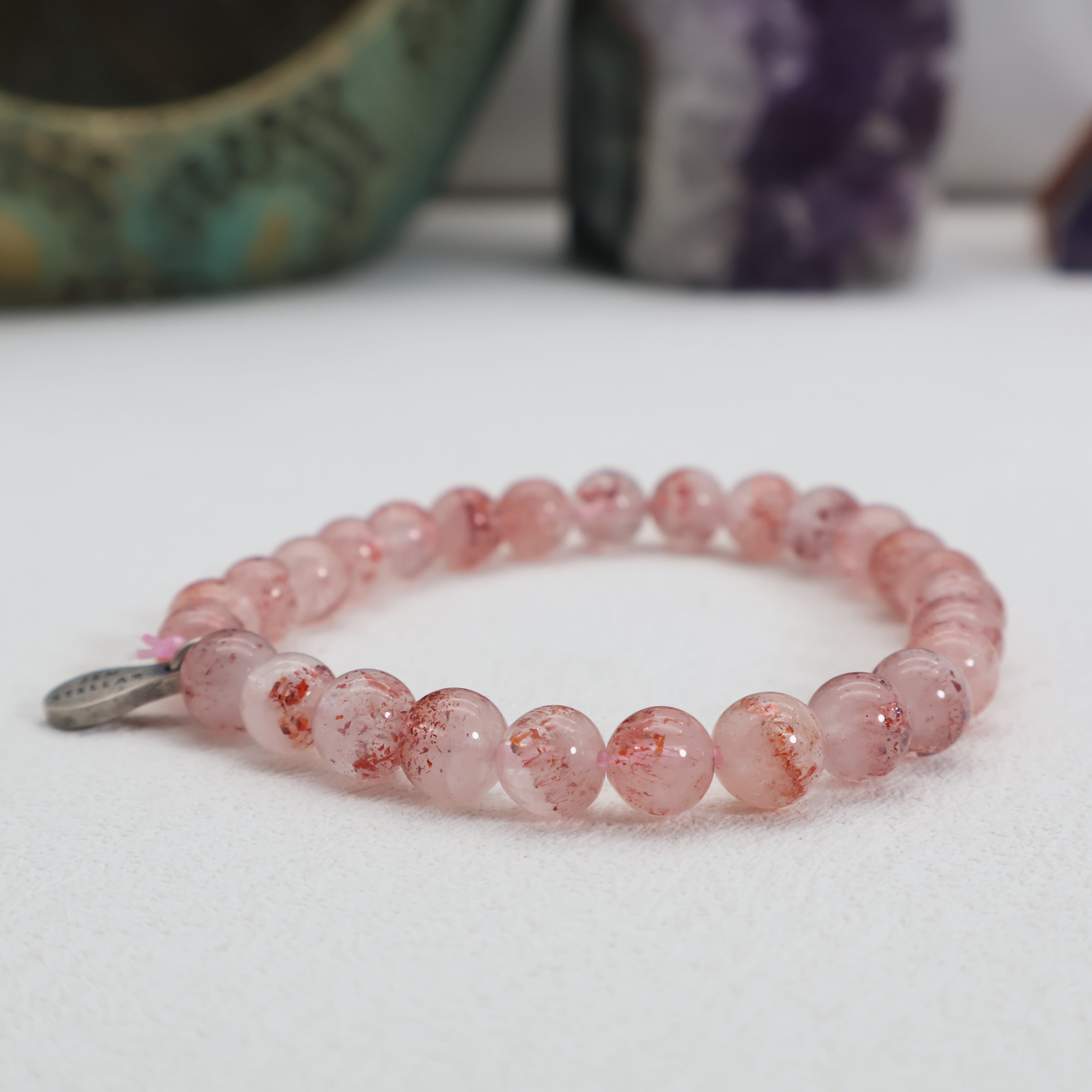
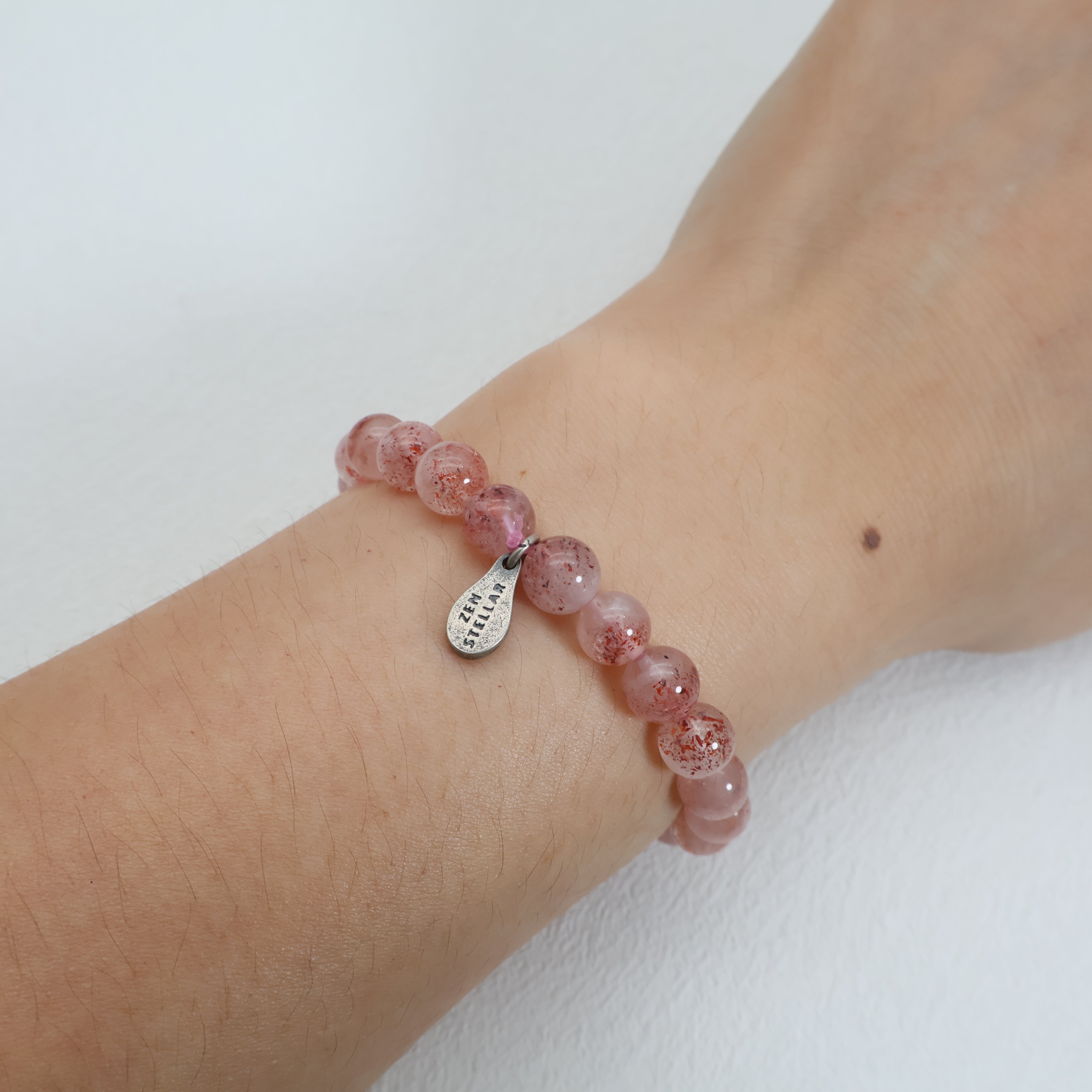
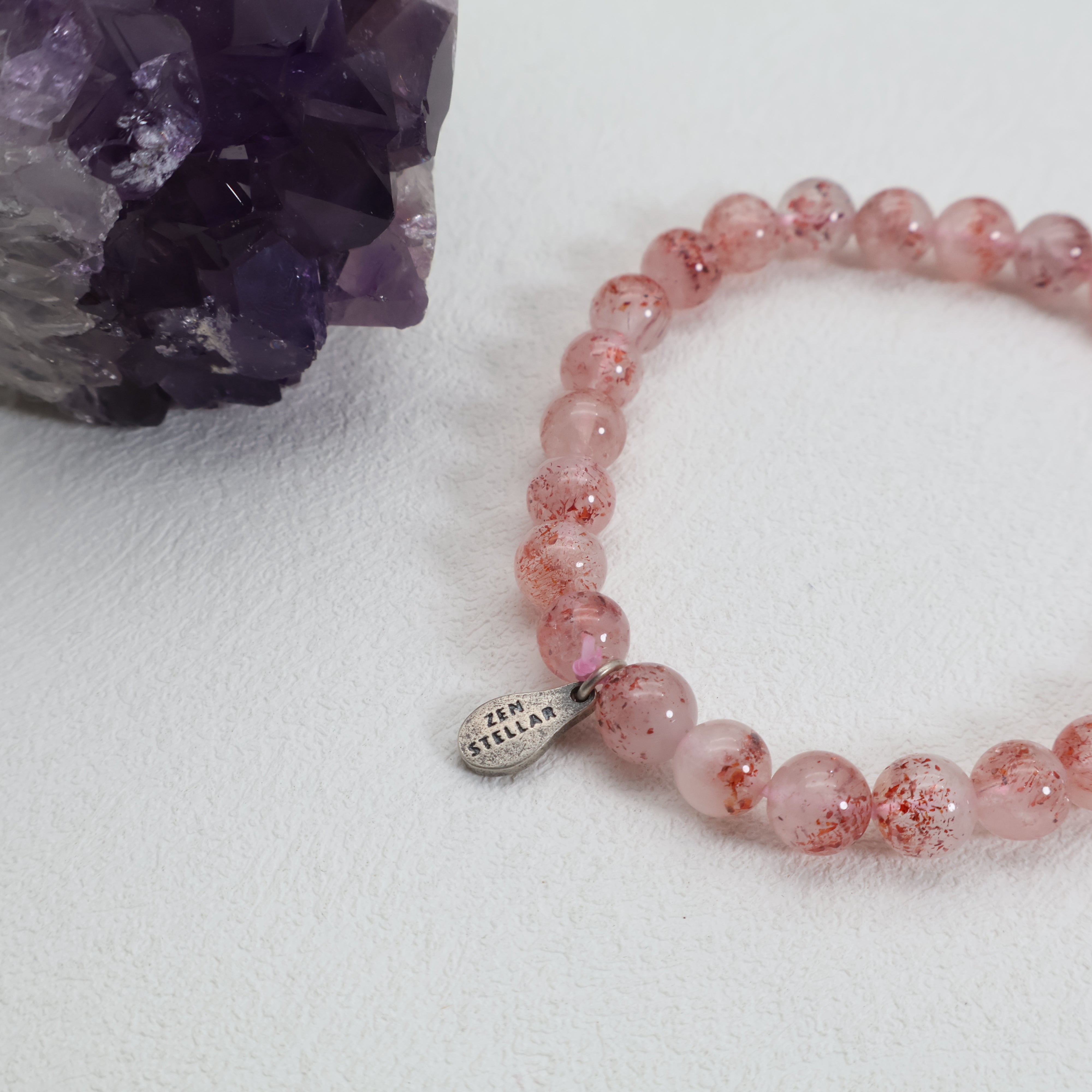
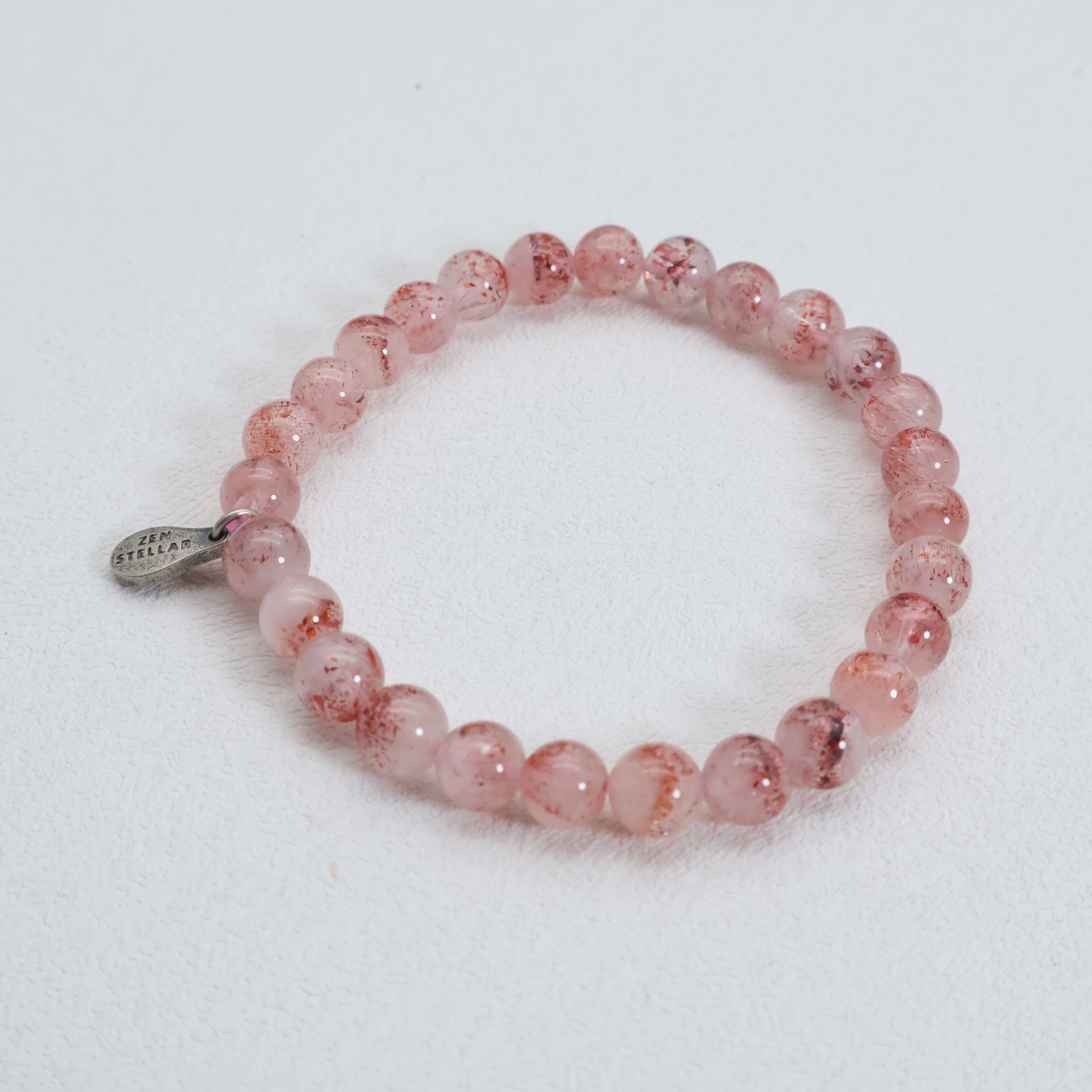
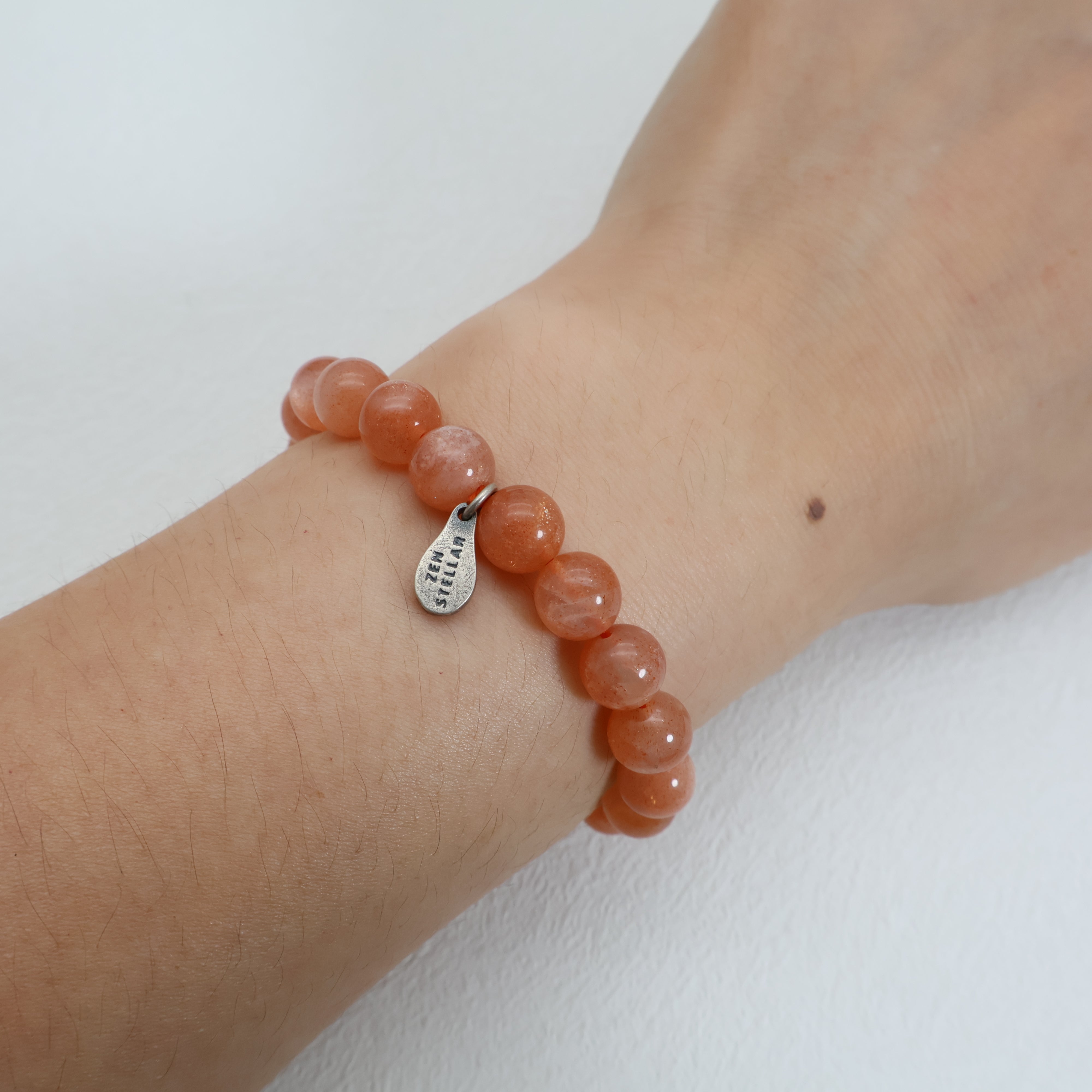
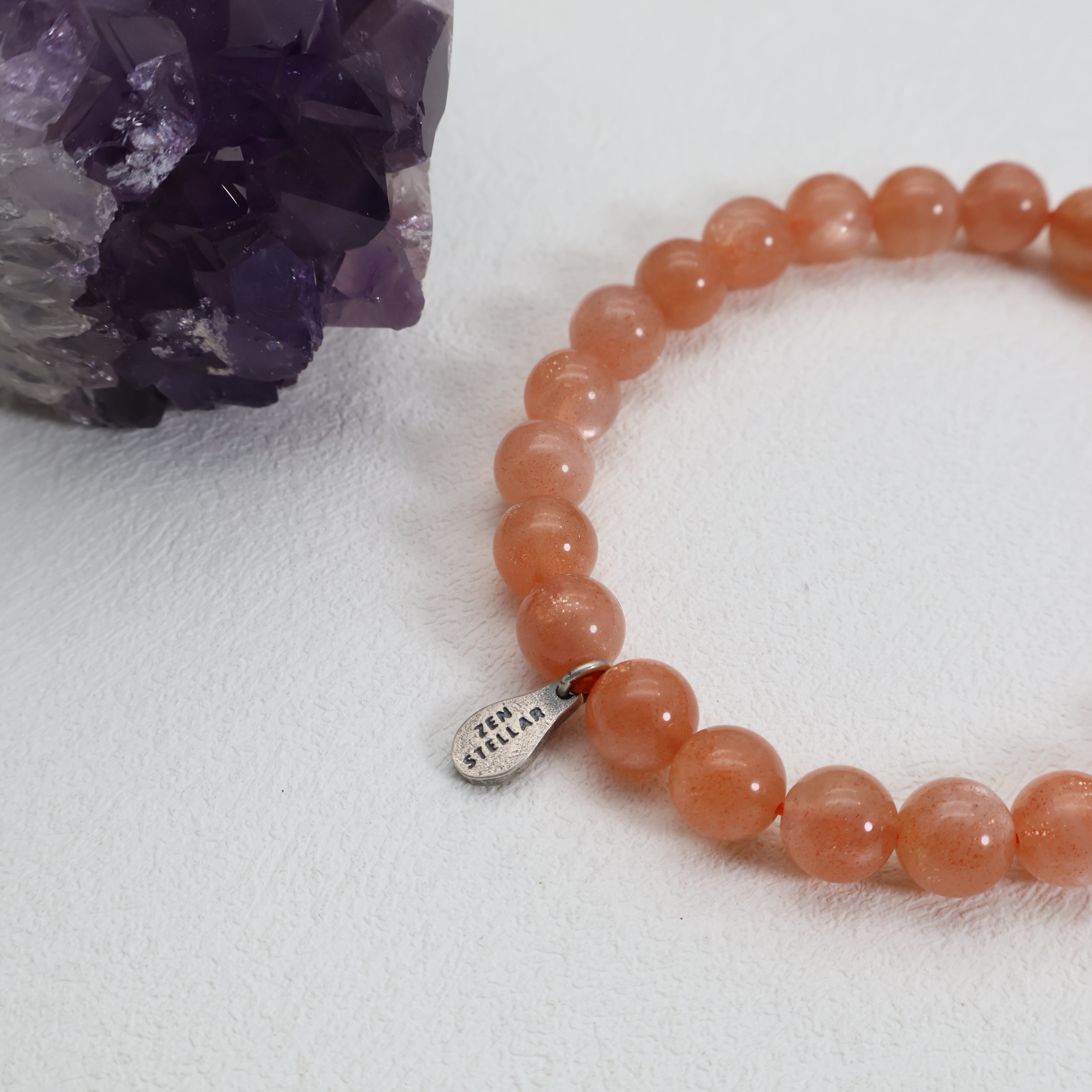
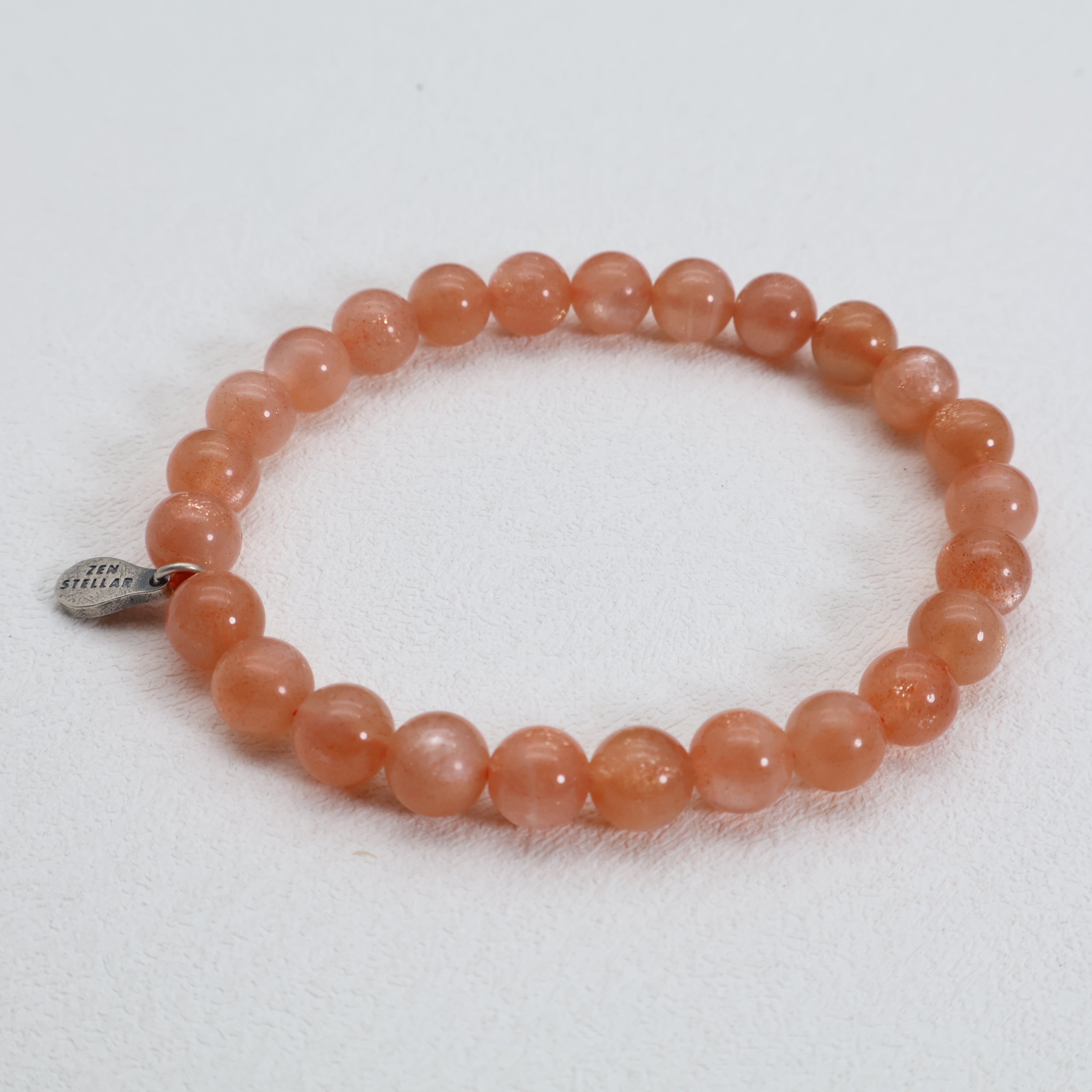
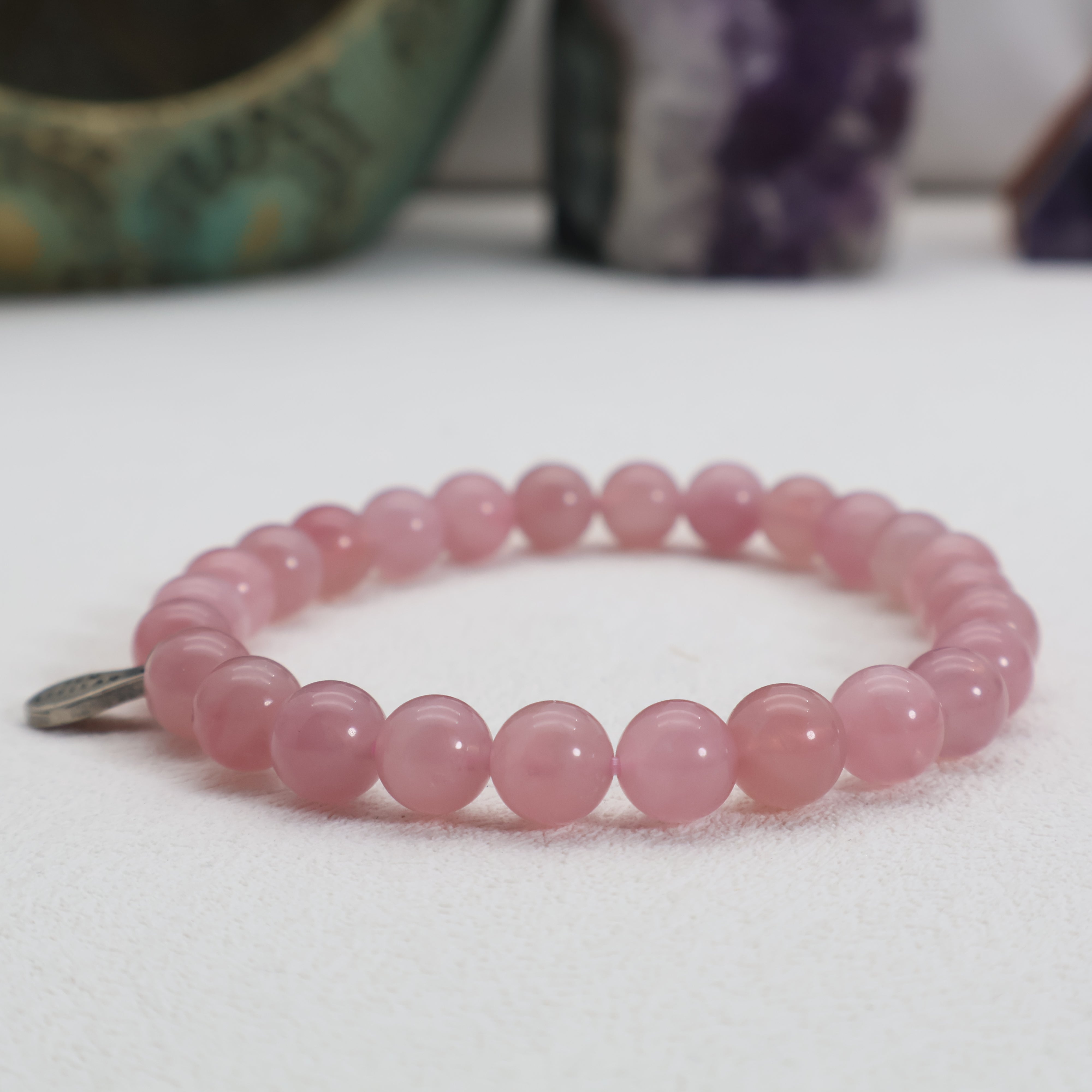
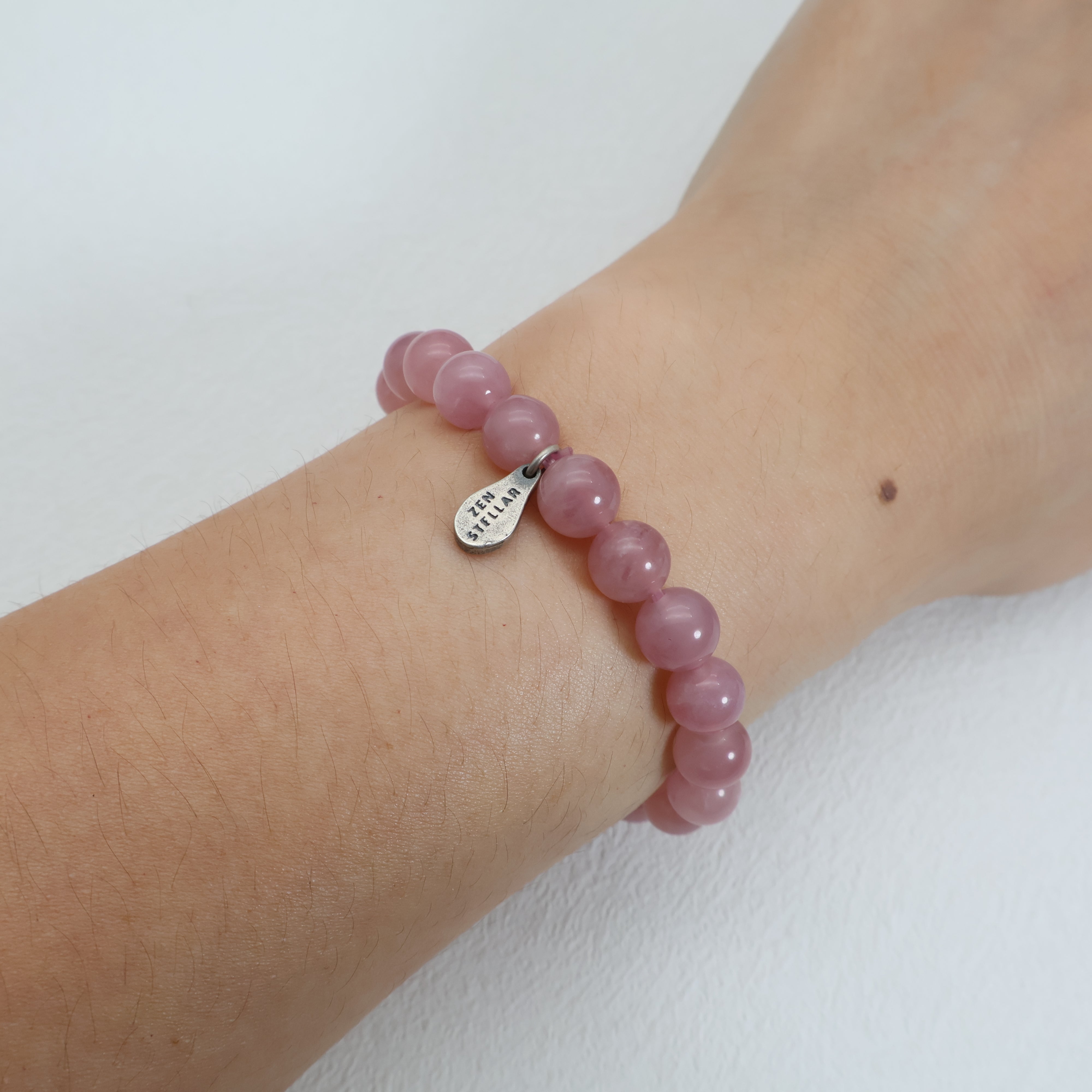
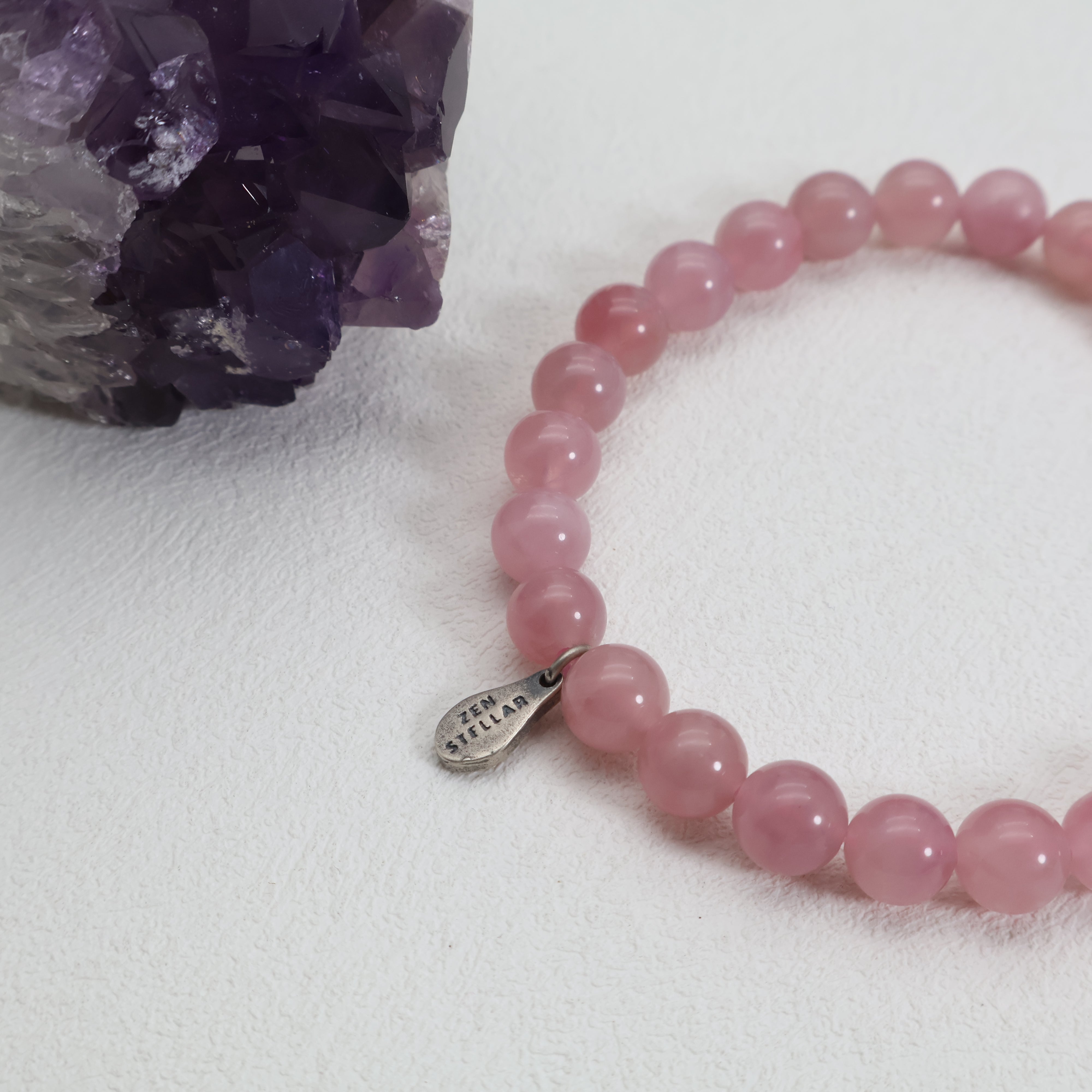
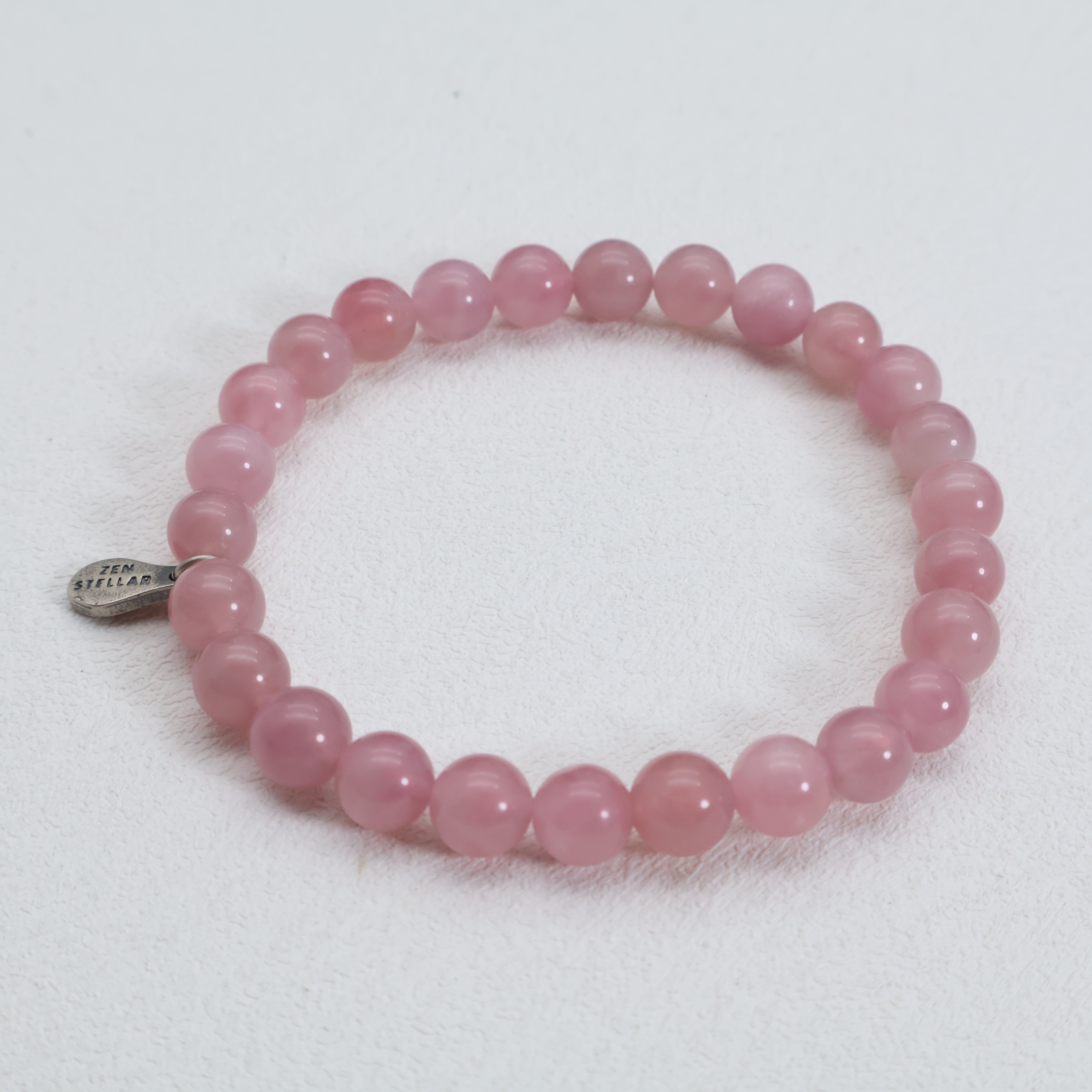
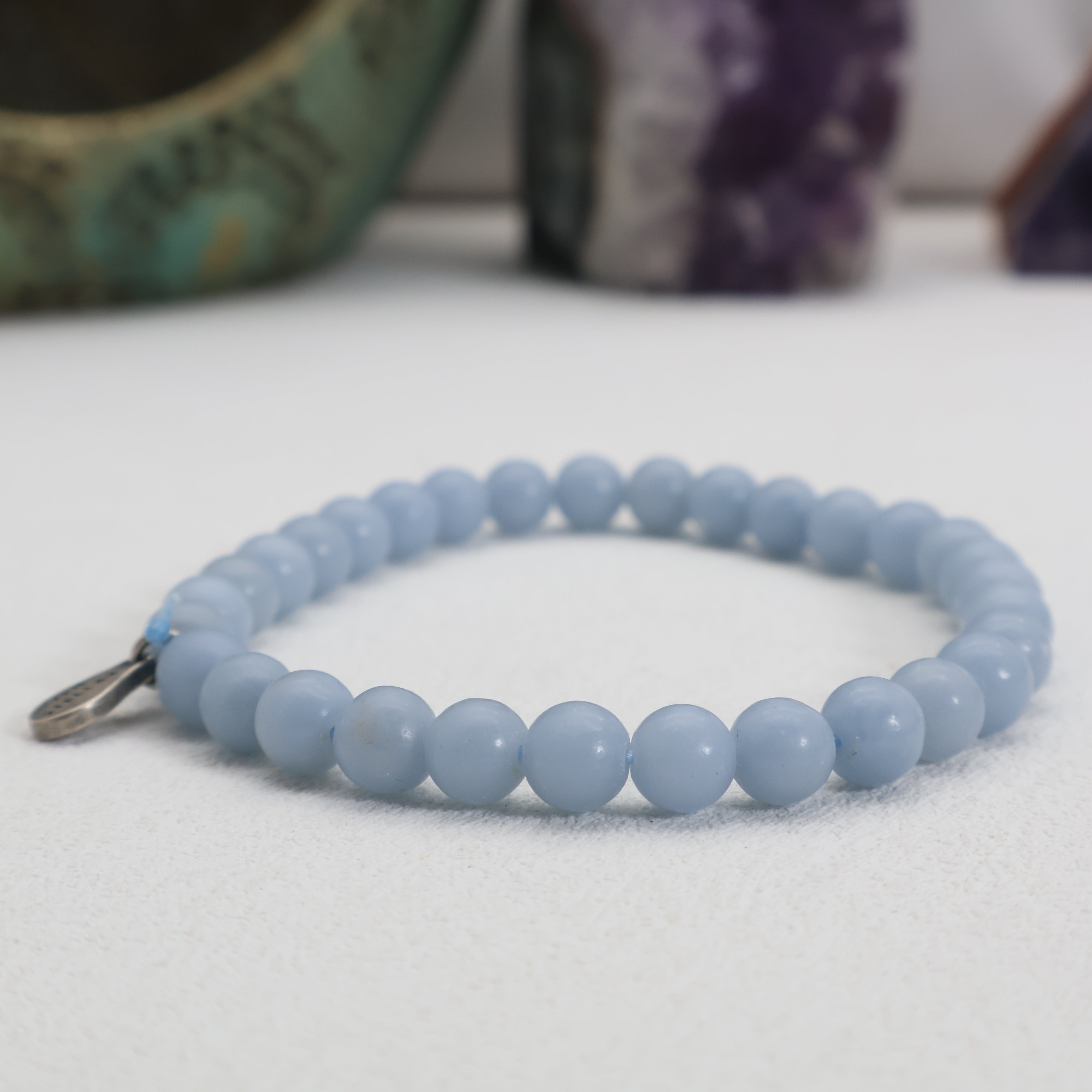
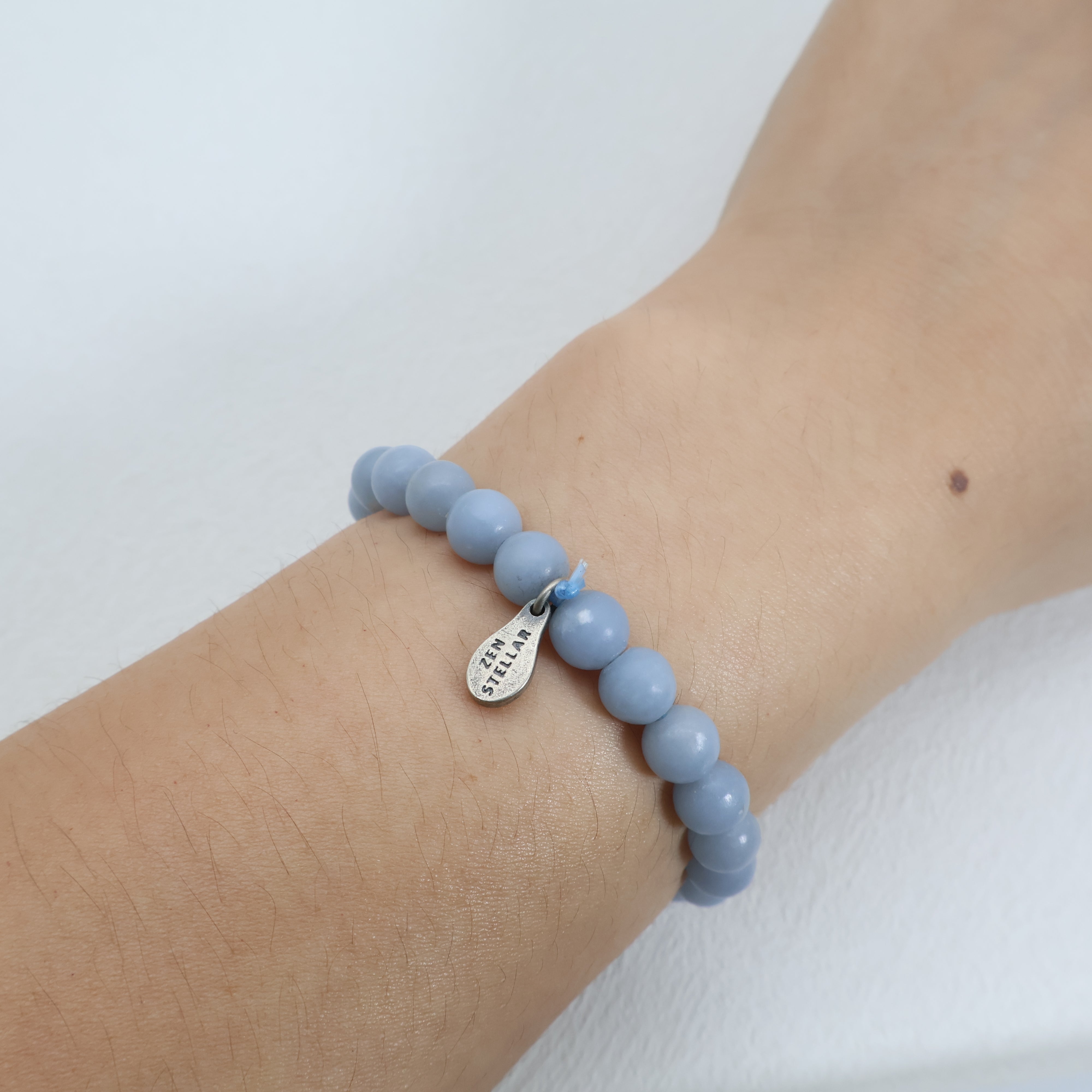
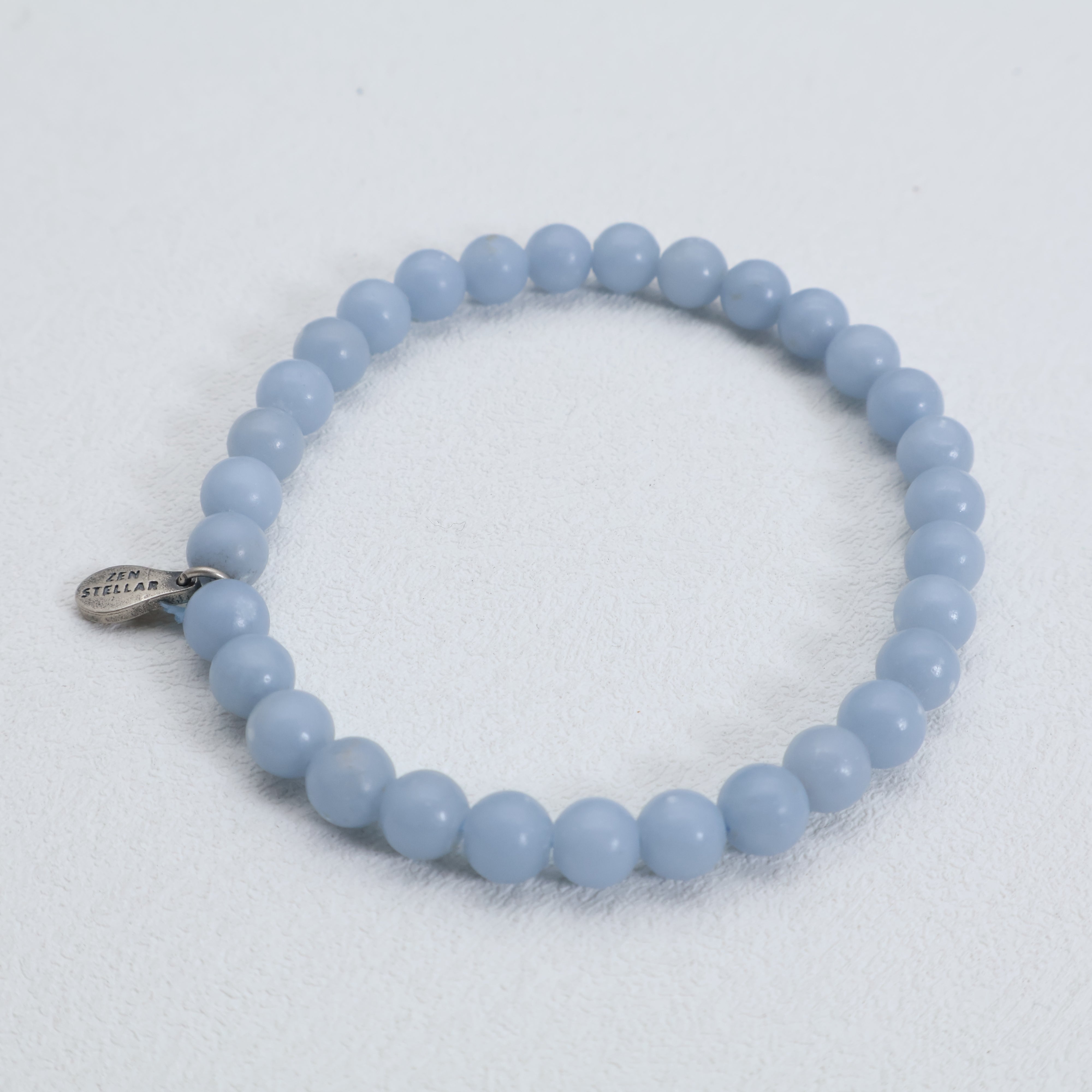
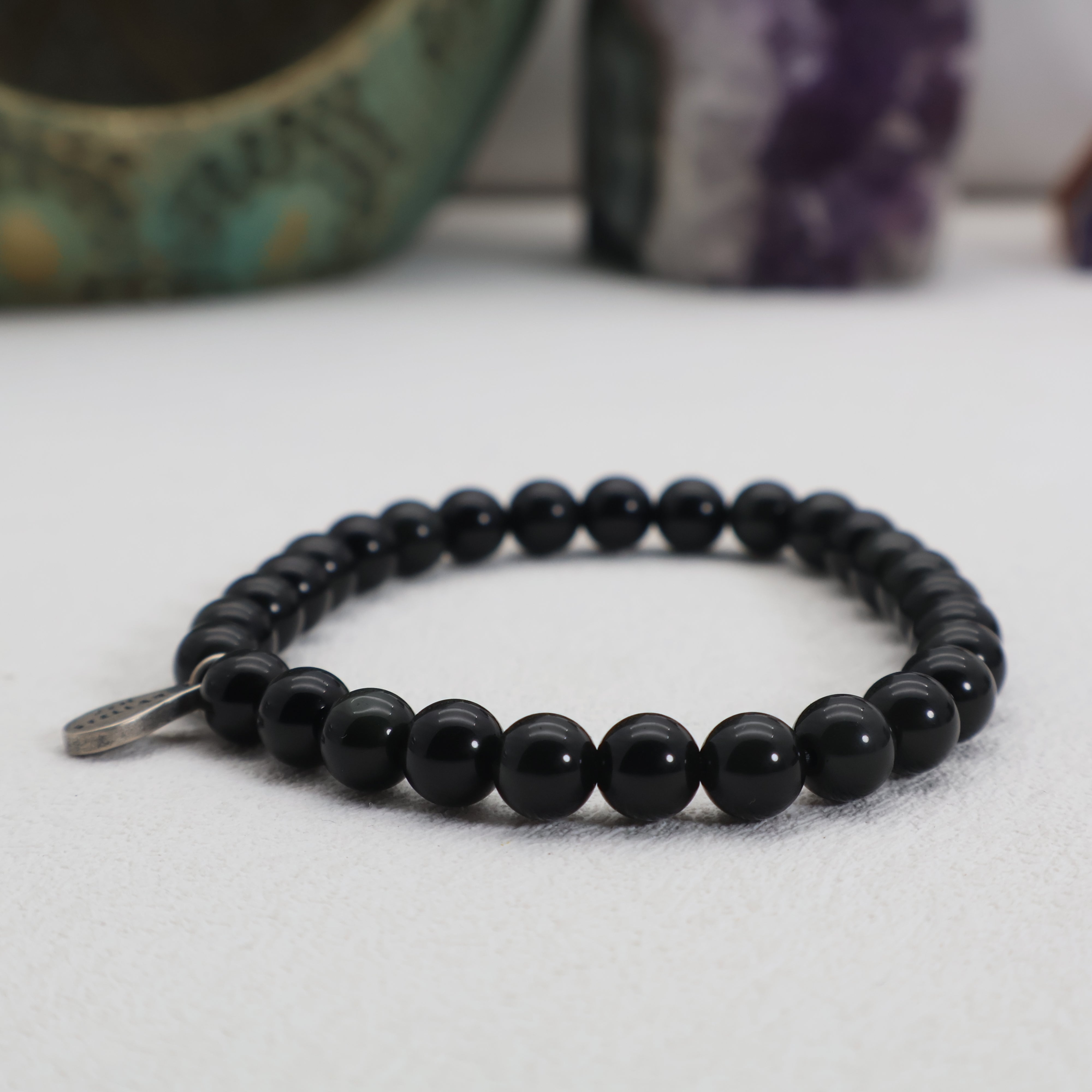
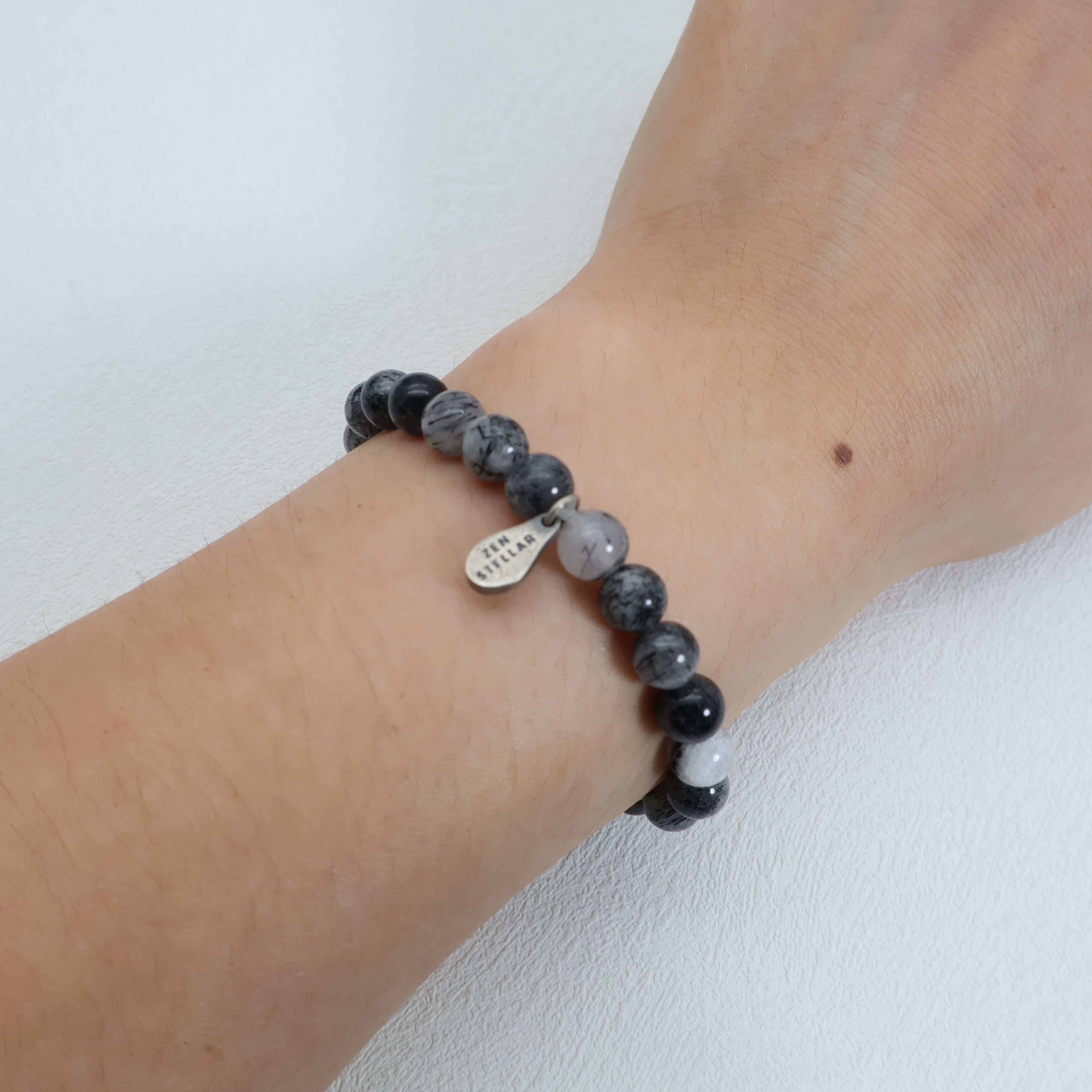
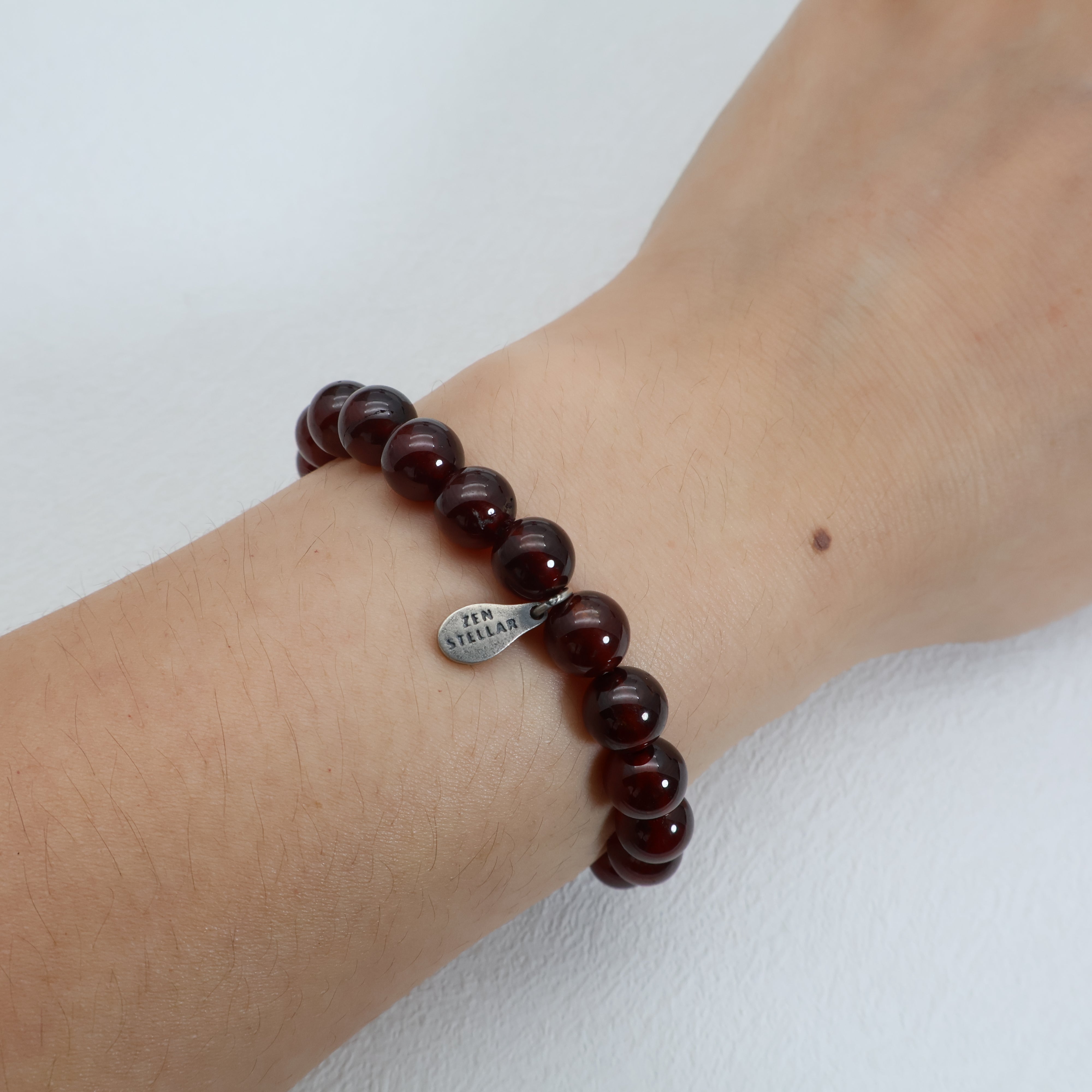
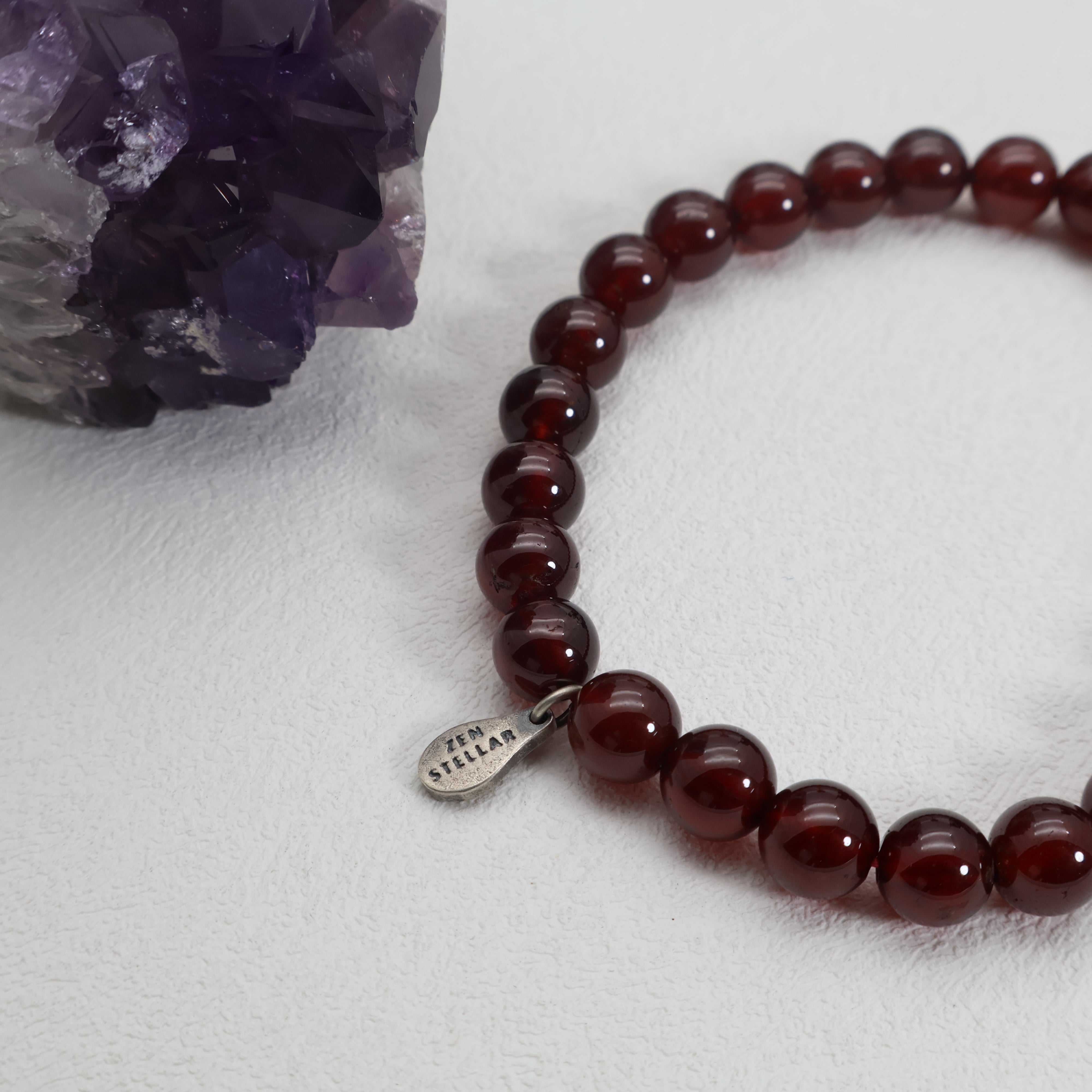
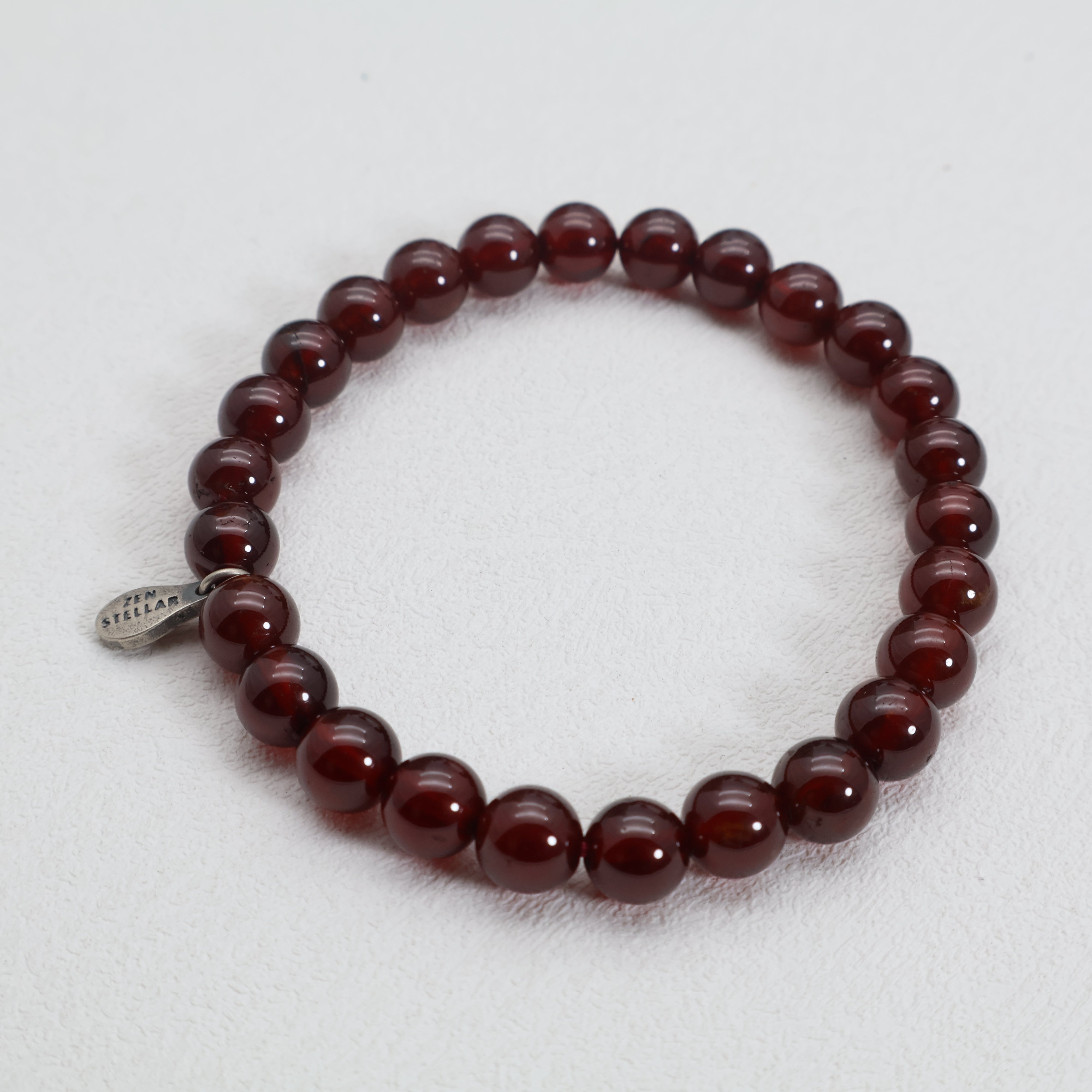
A bracelet made of this stone becomes a companion during moments of growth, reflection, and discovery.
Over time, its meaning becomes less symbolic and more personal.
A Gentle Invitation
If you are drawn to Labradorite, consider wearing it during moments of transition or reflection.
Let it accompany you through periods of learning and change.
Not as a statement.
But as a quiet reminder that insight often appears when we remain open to it.